
Home » Posts tagged 'INDIA'
Tag Archives: INDIA
 DRUG APPROVALS BY DR ANTHONY MELVIN CRASTO
.....FOR BLOG HOME CLICK HERE
DRUG APPROVALS BY DR ANTHONY MELVIN CRASTO
.....FOR BLOG HOME CLICK HEREFlag and hits
ORGANIC SPECTROSCOPY

SUBSCRIBE

 Subscribe in a reader
Enter your email address:
Delivered by FeedBurner
Subscribe to New Drug Approvals by Email


Recent Comments
 | shivkr2 on SPSR Excellence Award 2025 – S… |
 | Bonkasaurus on Infigratinib phosphate |
 | PALOVAROTENE | ORGAN… on Palovarotene |
| Pfizer just purchase… on Temanogrel | |
| Pfizer To Cash In On… on Temanogrel |
PharmmaEx Mumbai INDIA 3-4 October 2025
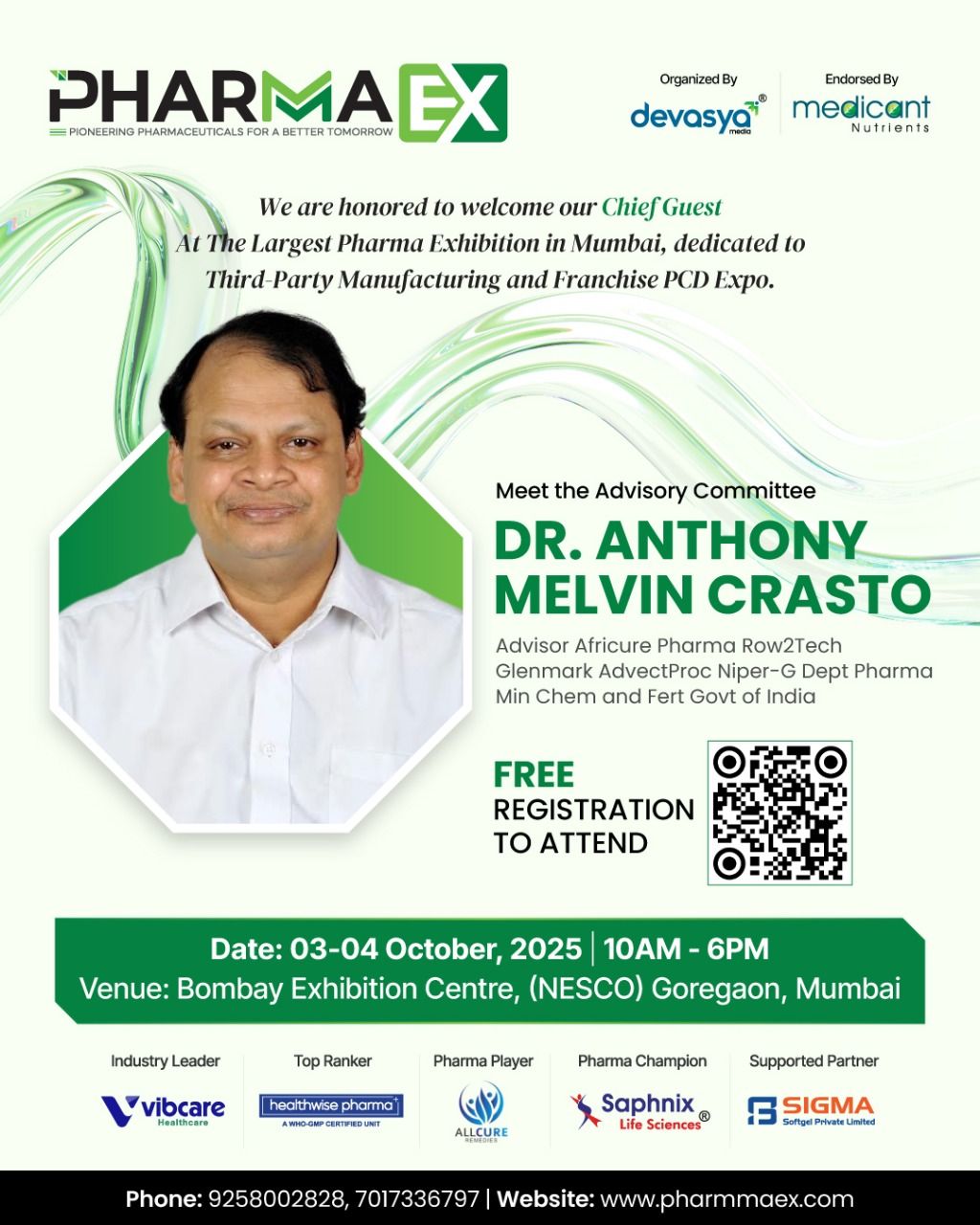
Congratulations Pharmmaexians,
We have signed as our Chief Guest Dr Anthony Melvin Crasto Advisor AfricurePharma Row2Tech Glenmark IPCA AdvectProc Niper-G Dept Pharma Min Chem and Fert Govt of India .
Thanks and Regards
Shivam Sharma
PharmmaEx Mumbai
3rd and 4th October 2025
Bombay Exhibition Centre Nesco Goregaon, .Mumbai India
Myself, NIPER-G and NDTL Collaborate to Synthesize ‘Methandienone LTM’ for Global Anti-Doping Efforts
A proud moment for me [ ANTHONY MELVIN CRASTO ] as Scientific Advisor at Niper-G Dept Pharma Ministry of Chemicals and Fertilizers Govt of India 
Congrats team Niper-G and team National Dope Testing Lab Govt of India Prof. (Dr.) P. L. Sahu and Myself being a part of it as Scientific Advisor Niper-G for few years in Medicinal chem dept. Launched by Union minister Mansukh Mandaviya on 4th sept 2025 in Delhi
will be distributed across the world via World Anti-Doping agency WADA
Methandienone LTM is high purity rare reference material
Hope my interactions and guidance has given fruitful results. Thanks to Dr Murty for appointing me as advisor. Methandienone LTM will make India proud across the World 
A great achievement for India as nation and advanced capability demonstration
https://www.pib.gov.in/PressReleasePage.aspx?PRID=2163812
India Develops Rare Reference Material for Enhanced Anti-Doping Testing in Sports
NIPER Guwahati and NDTL Collaborate to Synthesize ‘Methandienone Long-Term Metabolite’ for Global Anti-Doping Efforts

//////////NIPER-G, NDTL, Methandienone LTM, Global Anti-Doping, INDIA
Corbevax, BioE COVID-19, BECOV2D
Corbevax
BioE COVID-19, BECOV2D
the Baylor College of Medicine in Houston, United States,
Dynavax Technologies
Adjuvanted protein subunit vaccine
Corbevax is a “recombinant protein sub-unit” vaccine, which means it is made up of a specific part of SARS-CoV-2 — the spike protein on the virus’s surface.
The spike protein allows the virus to enter the cells in the body so that it can replicate and cause disease. However, when this protein alone is given to the body, it is not expected to be harmful as the rest of the virus is absent. The body is expected to develop an immune response against the injected spike protein. Therefore, when the real virus attempts to infect the body, it will already have an immune response ready that will make it unlikely for the person to fall severely ill.
Although this technology has been used for decades to make hepatitis B vaccines, Corbevax will be among the first Covid-19 vaccines to use this platform. Novavax has also developed a protein-based vaccine, which is still waiting for emergency use authorisation from various regulators.
How Corbevax was made
While it is indigenously produced, Corbevax’s beginnings can be traced to the Baylor College of Medicine’s National School of Tropical Medicine. The School had been working on recombinant protein vaccines for coronaviruses SARS and MERS for a decade.
“We knew all the techniques required to produce a recombinant protein (vaccine) for coronaviruses at high levels of efficiency and integrity,” said Dr Peter Hotez, Professor and Dean at the School.
When the genetic sequence for SARS-CoV-2 was made available in February 2020, researchers at the School pulled out the sequence for the gene for the spike protein, and worked on cloning and engineering it. The gene was then put into yeast, so that it could manufacture and release copies of the protein. “It’s actually similar to the production of beer. Instead of releasing alcohol, in this case, the yeast is releasing the recombinant protein,” Dr Hotez said.
After this, the protein was purified to remove any remnants of the yeast “to make it pristine”. Then, the vaccine was formulated using an adjuvant to better stimulate the immune response.
Most of these ingredients are cheap and easy to find.
In August, BCM transferred its production cell bank for this vaccine to Biological E, so that the Hyderabad-based company could take the candidate through trials. The vaccine has received approval for phase 3 trials, which the government expects will be over by July.
Biological E is also expected to scale up production for the world.
How Corbevax is different
Other Covid-19 vaccines approved so far are either mRNA vaccines (Pfizer and Moderna), viral vector vaccines (AstraZeneca-Oxford/Covishield, Johnson & Johnson and Sputnik V) or inactivated vaccines (Covaxin, Sinovac-CoronaVac and Sinopharm’s SARS-CoV-2 Vaccine–Vero Cell).
Inactivated vaccines, which include killed particles of the whole SARS-CoV-2 virus, attempt to target the entire structure of the virus. On the other hand, Corbevax, like the mRNA and viral vector Covid-19 vaccines, targets only the spike protein, but in a different way.
Viral vector and mRNA and vaccines use a code to induce our cells to make the spike proteins against which the body have to build immunity. “In this case (Corbevax), we’re actually giving the protein,” said Dr Hotez.
Like most other Covid-19 vaccines, Corbevax is administered in two doses. However, as it is made using a low-cost platform, it is also expected to be among the cheapest available in the country.
Why Corbevax matters
This is the first time the Indian government has placed an order for a vaccine that has not received emergency use authorisation, paying Rs 1,500 crore in advance to block an order that could vaccinate 15 crore Indian citizens. The Centre has provided major pre-clinical and clinical trial support towards the vaccine’s development, including a grant-in-aid of Rs 100 crore from the Department of Biotechnology.
A major reason for India placing such a big order is the difficulties it is facing in enhancing vaccine supplies. While the US, UK and the EU had made advance payments and at-risk investments into vaccines like Pfizer, AstraZeneca and Moderna, India waited until after its first two vaccines were approved before placing limited orders. Even after the government eased regulatory requirements for foreign vaccines, it did not receive a speedy response from companies like Pfizer and Moderna, their supplies already blocked through orders from other countries. India is currently in negotiations for a limited supply of Pfizer’s vaccine, and expecting to secure up to two billion doses of Covid vaccines by December this year. Given the ease with which it can be mass produced, Corbevax could make up a sizeable portion of this expected supply.
Biological E, the manufacturer of Corbevax
Biological E, headquartered in Hyderabad, was founded by Dr D V K Raju in 1953 as a biological products company that pioneered the production of heparin in India. By 1962, it forayed into the vaccines space, producing DPT vaccines on a large-scale. Today, it is among the major vaccine makers in India and, by its own claim, the “largest” tetanus vaccine producer in the world.
It has seven WHO-prequalified shots, including a five-in-one vaccine against diphtheria, tetanus, pertussis, hepatitis B and haemophilus influenza type-b infections. Its vaccines are supplied to over 100 countries and it has supplied more than two billion doses in the last 10 years alone.
Since 2013, the company has been under the management of Mahima Datla — the third generation of the founding family. During her time as managing director, the company has received WHO prequalification of its Japanese encephalitis, DTwP and Td as well as measles and rubella vaccines and also commenced commercial operations in the US.
REF
https://indianexpress.com/article/explained/corbevax-vaccine-biological-e-india-7344928/
Corbevax[1] or BioE COVID-19, is a COVID-19 vaccine candidate developed by Indian biopharmacutical firm Biological E. Limited (BioE), the Baylor College of Medicine in Houston, United States, and Dynavax Technologies. It is a protein subunit vaccine.[2][3][4][5]
Clinical research
Phase I and II trials
In phase I clinical trial was carried to evaluate the safety and immunogenicity of the vaccine candidate in about 360 participants.[5]The phase II concluded in April 2021.[6][7]
Phase III trials
In April 2021, the Drugs Controller General of India permitted the vaccine candidate to start phase III clinical trials. A total of 1,268 healthy participants between the age of 18 and 80 years to be selected from 15 sites across India for the trial and intended to be part of a larger global Phase III study.[8][7]
Manufacturing and Orders
In April 2021, the U.S. International Development Finance Corporation (DFC) announced that it would fund the expansion of BioE’s manufacturing capabilities, so that it could produce at least 1 billion doses by end of 2022.[9]
On 3 June, India’s Ministry of Health and Family Welfare pre-ordered 300 million doses of Corbevax.[10]
References
- ^ Bharadwaj, Swati (3 June 2021). “Telangana: Biological E starts at risk manufacturing of Corbevax”. The Times of India. Retrieved 3 June 2021.
- ^ “A prospective open label randomised phase-I seamlessly followed by phase-II study to assess the safety, reactogenicity and immunogenicity of Biological E’s novel Covid-19 vaccine containing Receptor Binding Domain of SARS-CoV-2 for protection against Covid-19 disease when administered intramuscularly in a two dose schedule (0, 28D) to healthy volunteers”. ctri.nic.in. Clinical Trials Registry India. 13 January 2021. CTRI/2020/11/029032. Archived from the original on 12 November 2020.
- ^ “CEPI partners with Biological E Limited to advance development and manufacture of COVID-19 vaccine candidate”. cepi.net. CEPI. Retrieved 5 March 2021.
- ^ Chui M (16 November 2020). “Biological E. Limited and Baylor COVID-19 vaccine begins clinical trial in India”. Baylor College of Medicine.
- ^ Jump up to:a b Leo L (16 November 2020). “Biological E initiates human trials of vaccine”. Mint.
- ^ “Coronavirus | Biological E gets nod to start Phase III trials of COVID-19 vaccine”. The Hindu. 24 April 2021.
- ^ Jump up to:a b Leo, Leroy (24 April 2021). “Biological E completes phase-2 covid vaccine trial, gets SEC nod for phase-3”. mint.
- ^ “A Prospective, multicentre, Phase II Seamlessly Followed by Phase III Clinical Study to Evaluate the Immunogenicity and Safety of Biological E’s CORBEVAX Vaccine for Protection Against COVID-19 Disease When Administered to COVID-19-Negative Adult Subjects”. ctri.nic.in. Clinical Trials Registry India. 5 June 2021. CTRI/2021/06/034014.
- ^ Basu, Nayanima (25 April 2021). “US assures export of raw materials to India for Covid vaccines as Doval speaks to Sullivan”. ThePrint.
- ^ “Health ministry buys 300 mn doses of Biological-E’s Covid vaccine in advance”. Hindustan Times. 3 June 2021. Retrieved 4 June 2021.
External links
CorbevaxVaccine descriptionTargetSARS-CoV-2Vaccine typeProtein subunitClinical dataTrade namesCorbevaxOther namesBECOV2DRoutes of
administrationIntramuscularATC code- None
- “Explained: How Corbevax is different”. The Indian Express.
| Part of a series on the |
| COVID-19 pandemic |
|---|
| COVID-19 (disease)SARS-CoV-2 (virus) |
| showTimeline |
| showLocations |
| showInternational response |
| showMedical response |
| showImpact |
| COVID-19 portal |
///////////Biological E, SARS-CoV-2, Baylor College, CORONA VIRUS, COVID 19, Corbevax, BioE COVID-19, BECOV2D, INDIA, Dynavax Technologies
NEW DRUG APPROVALS
ONE TIME
$10.00
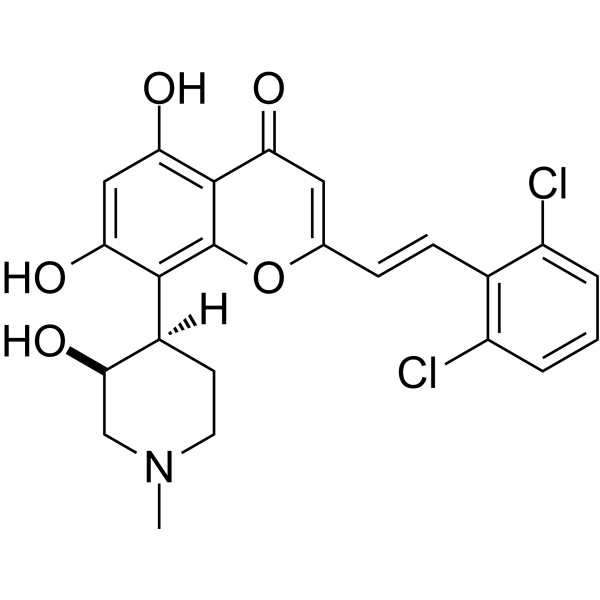
IIIM-290
IIIM-290
4H-1-Benzopyran-4-one, 2-[2-(2,6-dichlorophenyl)ethenyl]-5,7-dihydroxy-8-[(3S,4R)-3-hydroxy-1-methyl-4-piperidinyl]-
| Molecular Weight |
462.32 |
|---|---|
| Formula |
C₂₃H₂₁Cl₂NO₅ |
| CAS No. |
2213468-64-3 |
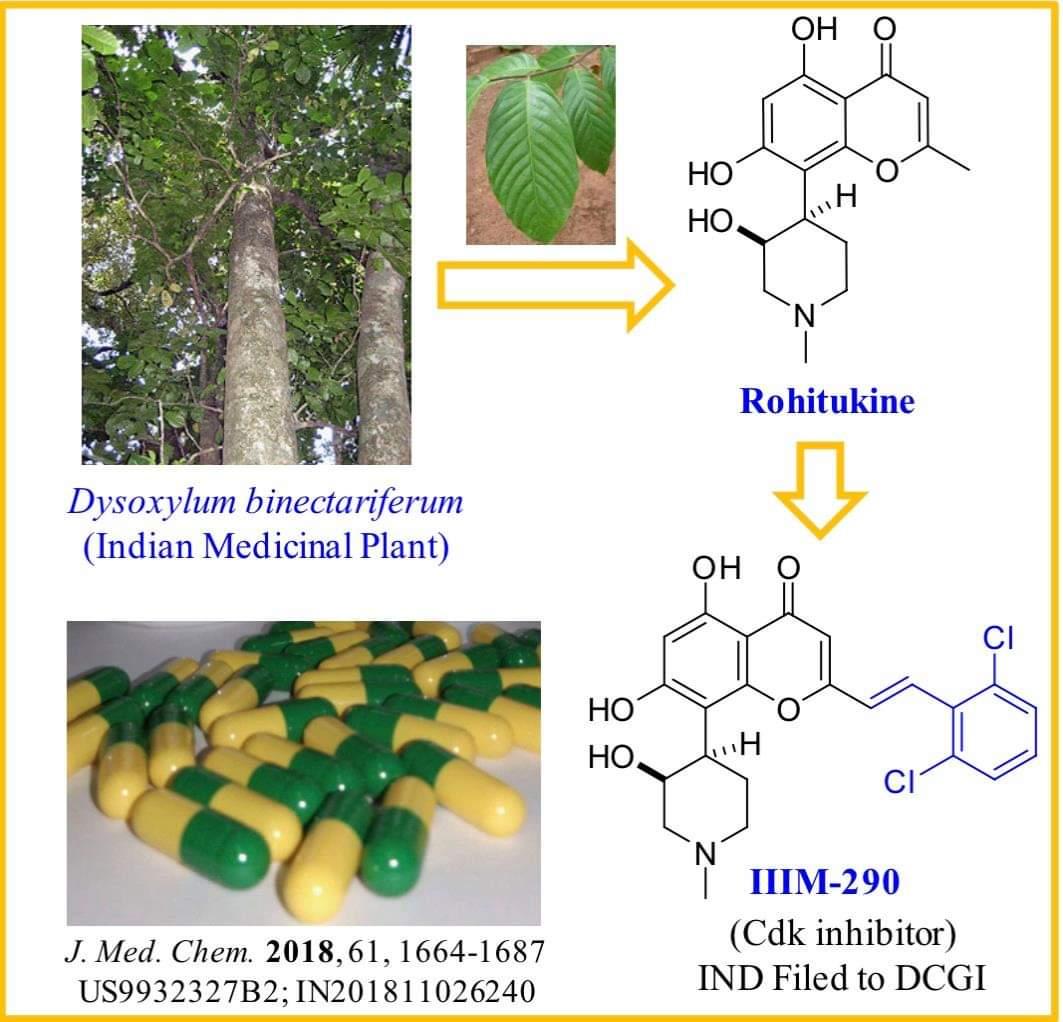
CSIR-IIIM Jammu has filed an IND Application of “IIIM-290” to Drug Controller General of India for conducting Phase I/Phase II clinical trial of its capsule formulation in patients with locally advanced or metastatic pancreatic cancer. This IND candidate has emerged from the eight years of medicinal chemistry/ preclinical efforts of IIIM Jammu in the area of small molecule kinase inhibitors. IIIM-290 (NCE) is an orally bioavailable CDK inhibitor, obtained via semisynthetic modification of a natural product rohitukine. Institute has already secured a patent on this small molecule as well as on its oral capsule formulation.

IIIM-290 is a potent and oral CDK inhibitor with IC50s of 90 and 94 nM for CDK2/A and CDK9/T1.


PAPER
https://pubs.acs.org/doi/pdf/10.1021/acs.jmedchem.7b01765
Discovery and Preclinical Development of IIIM-290, an Orally Active Potent Cyclin-Dependent Kinase Inhibitor
- Sandip B. Bharate
- Vikas Kumar
- Shreyans K. Jain
- Mubashir J. Mintoo
- Santosh K. Guru
- Vijay K. Nuthakki
- Mohit Sharma
- Sonali S. Bharate
- Sumit G. Gandhi
- Dilip M. Mondhe
- Shashi Bhushan
- Ram A. Vishwa
Abstract

Rohitukine (1), a chromone alkaloid isolated from Indian medicinal plant Dysoxylum binectariferum, has inspired the discovery of flavopiridol and riviciclib, both of which are bioavailable only via intravenous route. With the objective to address the oral bioavailability issue of this scaffold, four series of rohitukine derivatives were prepared and screened for Cdk inhibition and cellular antiproliferative activity. The 2,6-dichloro-styryl derivative IIIM-290 (11d) showed strong inhibition of Cdk-9/T1 (IC50 1.9 nM) kinase and Molt-4/MIAPaCa-2 cell growth (GI50 < 1.0 μM) and was found to be highly selective for cancer cells over normal fibroblast cells. It inhibited the cell growth of MIAPaCa-2 cells via caspase-dependent apoptosis. It achieved 71% oral bioavailability with in vivo efficacy in pancreatic, colon, and leukemia xenografts at 50 mg/kg, po. It did not have CYP/efflux-pump liability, was not mutagenic/genotoxic or cardiotoxic, and was metabolically stable. The preclinical data presented herein indicates the potential of 11d for advancement in clinical studies.


Patent
IN201811026240


Patent
InventorRam A. VishwakarmaSandip B. BharateShashi BhushanDilip M. MondheShreyans K. JainSamdarshi MeenaSantosh K. GuruAnup S. PathaniaSuresh KumarAkanksha BehlMubashir J. MintooSonali S. BharatePrashant Joshi Current Assignee Council of Scientific and Industrial Research (CSIR)
https://patents.google.com/patent/US9932327B2/en
The disruption of any internal and external regulation of cellular growth leads to tumorogenesis by uncontrolled proliferation. This loss of control occurs at multiple levels in most of the cancer cases. Cyclin-dependent kinases (CDKs) have been recognized as key regulators of cell cycle progression. Alteration and deregulation of CDK activity have pathogenic link to the cancer. Number of cancers are associated with hyper-activation of CDKs as a result of mutation of the CDK genes or CDK inhibitor genes. Therefore, CDK inhibitors or modulators are of great interest to explore as novel therapeutic agents against cancer (Senderowicz, A. M. Leukemia 2001, 15, 1). Several classes of chemical inhibitors of CDK activity have been described (Zhang, J. et. al. Nat Rev Cancer. 2009, 9, 28) and some of them have reached to clinical pipeline for cancer.
Because CDK inhibitors are ATP competitive ligands; hence earlier they were typically described as purine class of compounds for example dimethylaminopurine, a first substance to be known as a CDK inhibitor (Neant, I. et al. Exp. Cell Res. 1988, 176, 68), olomoucine (Vesely, J. et al. Eur. J. Biochem. 1994, 224, 771) and roscovitine (Meijer, L. et al. Eur. J. Biochem. 1997, 243, 527). The IC50values of these purine class of compounds for CDK1/cyclin B are 120, 7 and 0.2-0.8 μM respectively (Gray, N. et al. Curr. Med. Chem. 1999, 6, 859). Some of the more potent members of this series have been prepared by the Schultz group using combinatorial approaches (Gray, N. S. et al. Science 1998, 281, 533). Number of synthetic flavoalkaloids having potent CDK inhibitory activity has been reviewed recently (Jain, S. K. et al. Mini–Rev. Med. Chem. 2012, 12, 632).
Specific CDKs operate in distinct phases of the cell cycle. CDK complexes with their respective type cyclin partners such as, complex of CDK2 and cyclin A is responsible for the cell’s progression from G1 phase to S phase (Sherr, C. J. Science 1996, 274, 1672). DNA synthesis (S phase) begins with the CDK mediated phosphorylation of Rb (retinoblastoma) protein. Phosphorylated Rb is released from its complex with E2F. The released E2F then promotes the transcription of numerous genes required for the cell to progress through S phase, including thymidylate synthase and dihydrofolate reductase which are required for cell progression (Hatakeyama, M. et. al, Cell Cycle Res. 1995, 1, 9; Zhang, H. S. et. al. Cell 1999, 97, 53). Majority of human cancers have abnormalities in some component of the Rb pathway because of hyper-activation of CDKs resulting from the over-expression of positive cofactors (cyclins/CDKs) or a decrease in negative factors (endogenous CDK inhibitors) or Rb gene mutations (Sausville, E. A. et. al, Pharmacol. Ther. 1999, 82, 285).
The CDK-9 is a member of the Cdc2-like family of kinases. Its cyclin partners are members of the family of cyclin T (T1, T2a and T2b) and cyclin K. The CDK-9/cyclin T complexes appear to be involved in regulating several physiological processes. CDK9/cyclin T1 belongs to the P-TEFb complex, and is responsible for the phosphorylation of carboxyl terminal domain of the RNA Polymerase II, thus promoting general elongation. CDK-9 has also been described as the kinase of the TAK complex, which is homologous to the P-TEFb complex and is involved in HIV replication. CDK9 also appears to be involved in the differentiation program of several cell types, such as muscle cells, monocytes and neurons, suggesting that it may have a function in controlling specific differentiative pathways. In addition, CDK-9 seems to have an anti-apoptotic function in monocytes, that may be related to its control over differentiation of monocytes. This suggests the involvement of CDK-9 in several physiological processes in the cell, the deregulation of which may be related to the genesis of transforming events that may in turn lead to the onset of cancer. In addition, since the complex CDK-9/cyclin T1 is able to bind to the HIV-1 product Tat, the study of the functions of CDK-9/cyclin T may be of interest in understanding the basal mechanisms that regulate HIV replication (Falco, G. D. and Giordano A. Cancer Biol. Therapy 2002, 1, 337).
Rohitukine belongs to a class of chromone alkaloids and it was isolated by chemists at Hoechst India Ltd. in the early 1990’s from Dysoxylum binectariferum Hook. which is phylogenetically related to the Ayurvedic plant, D. malabaricum Bedd., used for rheumatoid arthritis. Rohitukine was isolated as the constituent responsible for anti-inflammatory and immunomodulatory activity (Naik, R. G. et. al. Tetrahedron 1988, 44, 2081; U.S. Pat. No. 4,900,727, 1990). Medicinal chemistry efforts around this nature-derived flavone alkaloid led to discovery of two promising clinical candidates for treatment of cancer viz. flavopiridol of Sanofi-Aventis and P-276-00 of Piramal life sciences. Recently FDA has granted the orphan drug status to flavopiridol for treatment of chronic lymphocytic leukemia (CLL).
The molecular formula of rohitukine is C16H19NO5 and the structure has a molecular weight of 305.32 g/mol. The chemical structure of rohitukine (1) is shown below. The present invention reports new semi-synthetic analogs of rohitukine as promising inhibitors of cyclin-dependent kinases such as CDK-2 and CDK-9.

Synthesis of styryl analog 2-(2,6-dichlorostyryl)-5,7-dihydroxy-8-(3-hydroxy-1-methylpiperidin-4-yl)-4H-chromen-4-one (33)
This compound was synthesized using the procedure as described in example 4. Yellow solid; 1H NMR (DMSO-d6, 400 MHz): δ 7.68 (m, 2H), 7.61 (d, J=16 Hz, 1H), 7.49 (t, J=8 Hz, 1H), 7.14 (d, J=16 Hz, 1H), 6.41 (s, 1H), 5.85 (s, 1H), 4.53 (brs, 1H), 3.10-2.50 (m, 6H of piperidine), 2.65 (s, 3H), 1.62 (m, 1H); 13C NMR (DMSO-d6, 125 MHz): δ 179.68. 171.27, 159.20, 158.02, 154.03, 133.12, 131.49, 129.75, 128.35 (2C), 128.20, 127.90, 108.81, 106.79, 100.88, 100.52, 66.35, 59.82, 54.45, 43.15, 35.79, 22.01, 20.33, ESI-MS: m/z 462.01 [M+H]+; IR (CHCl3): νmax 3400, 2921, 1652, 1577, 1550, 1417, 1380, 1191, 1085 cm−1.
///////////IIIM-290, nda, india, phase 1, dcgi, CSIR, ROHITUKINE
|
OC1=C2C(OC(/C=C/C3=C(Cl)C=CC=C3Cl)=CC2=O)=C([C@]4([H])[C@H](O)CN(C)CC4)C(O)=C1 |
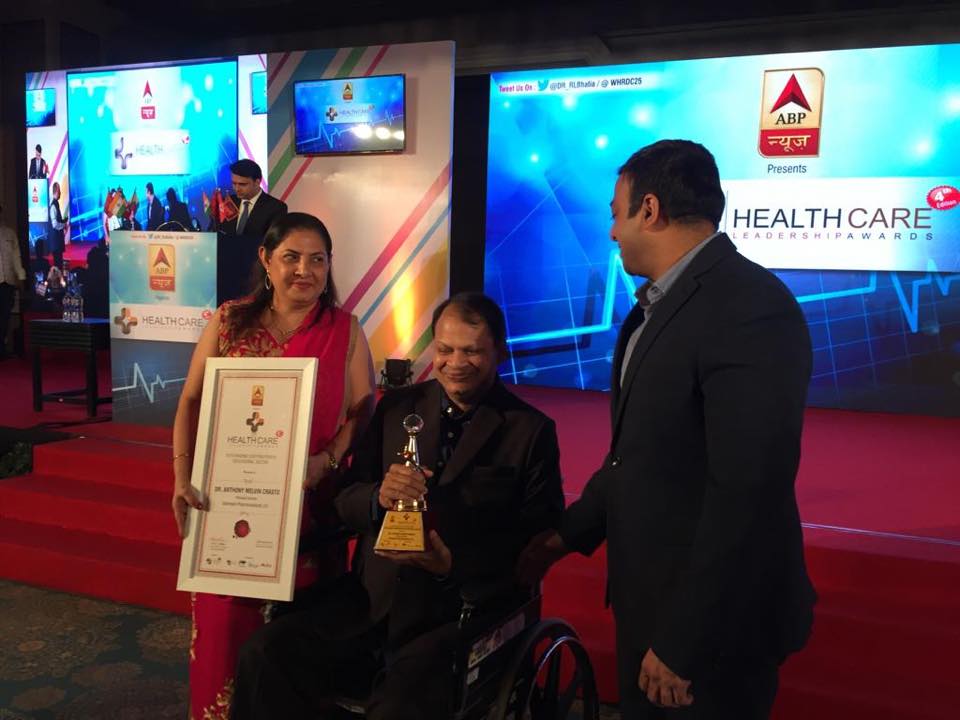
Anthony Crasto conferred ABPnews award for “Outstanding contribution to Education Sector”
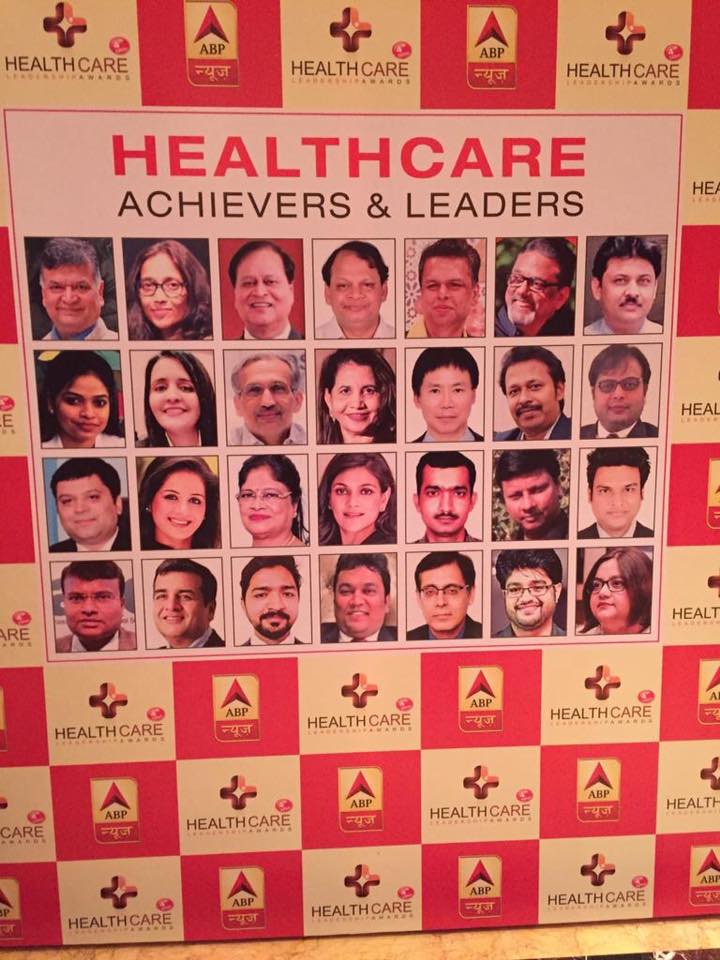
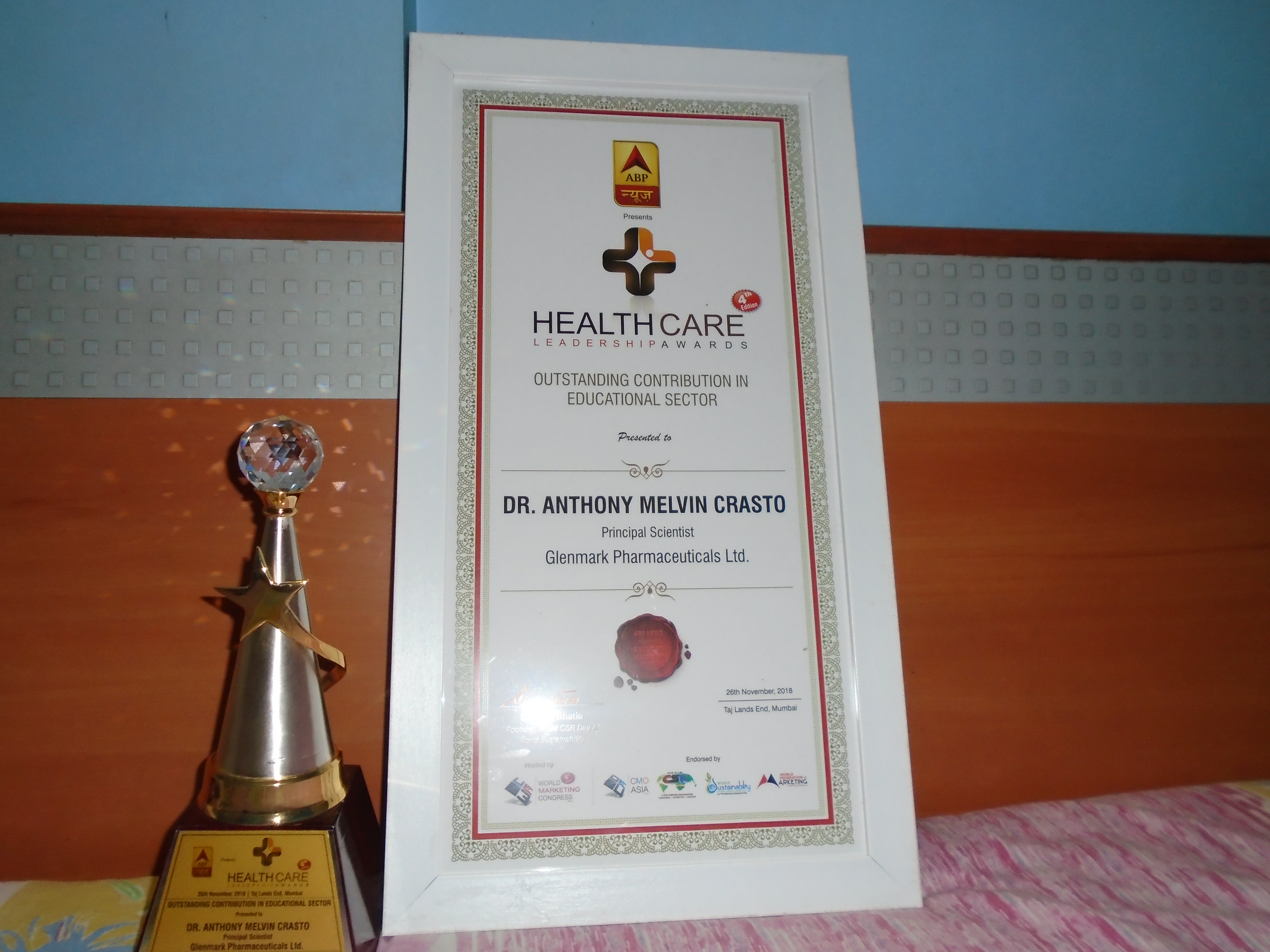 Conferred prestigious award at event ABP News Presents Healthcare Leadership Awards 26th November, 2018 at Taj Lands End, Mumbai India
Dedicated to Shobha Crasto Aishal crasto Lionel crasto
Service to education is service to humanity
Society recognises efforts done towards it
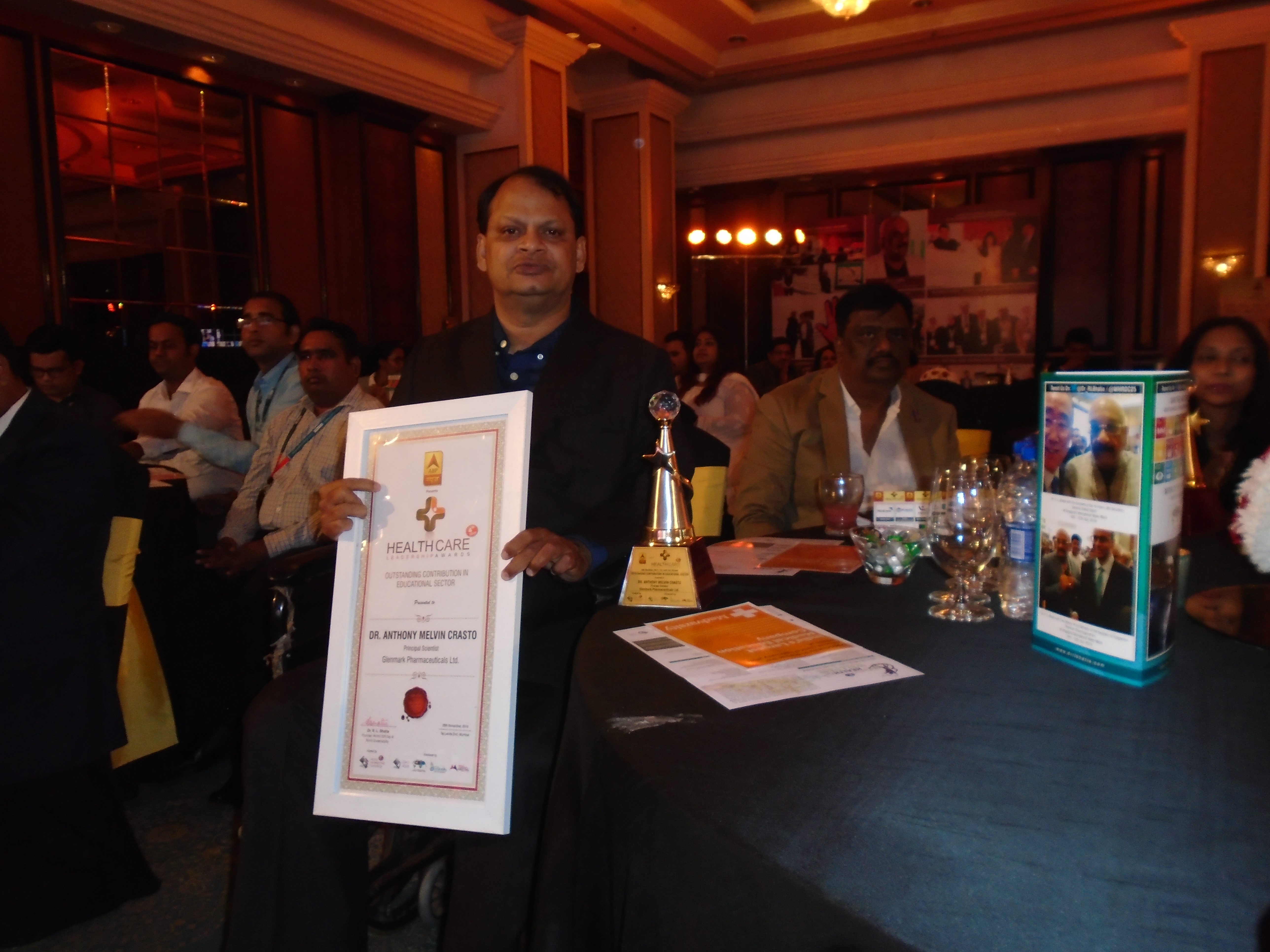
/////////////award, event ABP News, Healthcare, Leadership, 26th, November, 2018, Taj Lands End, Mumbai, India, education, anthony crasto
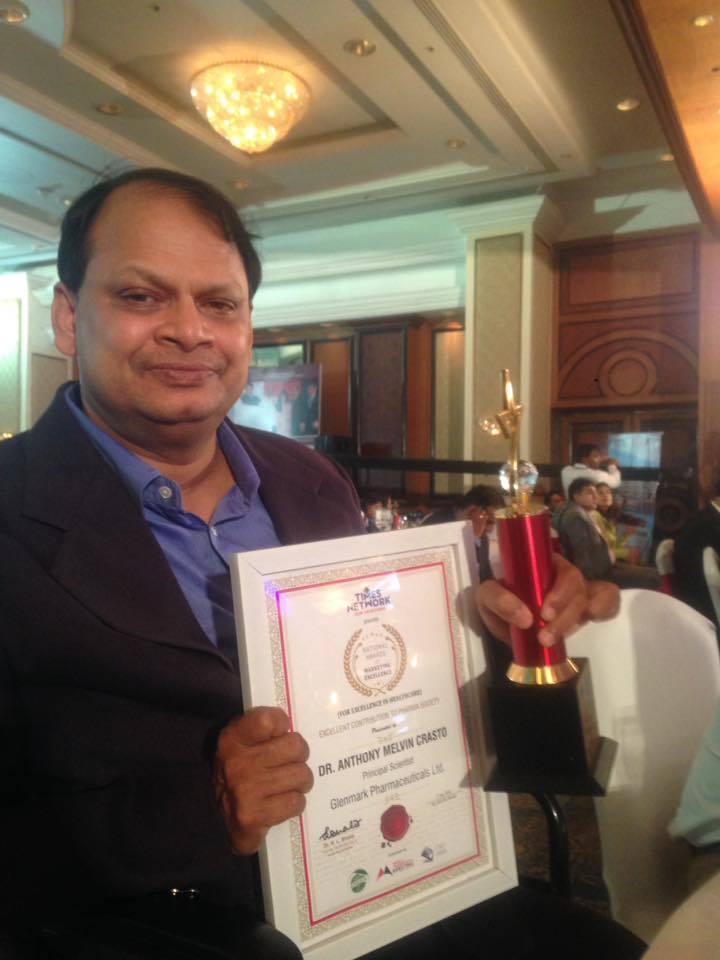
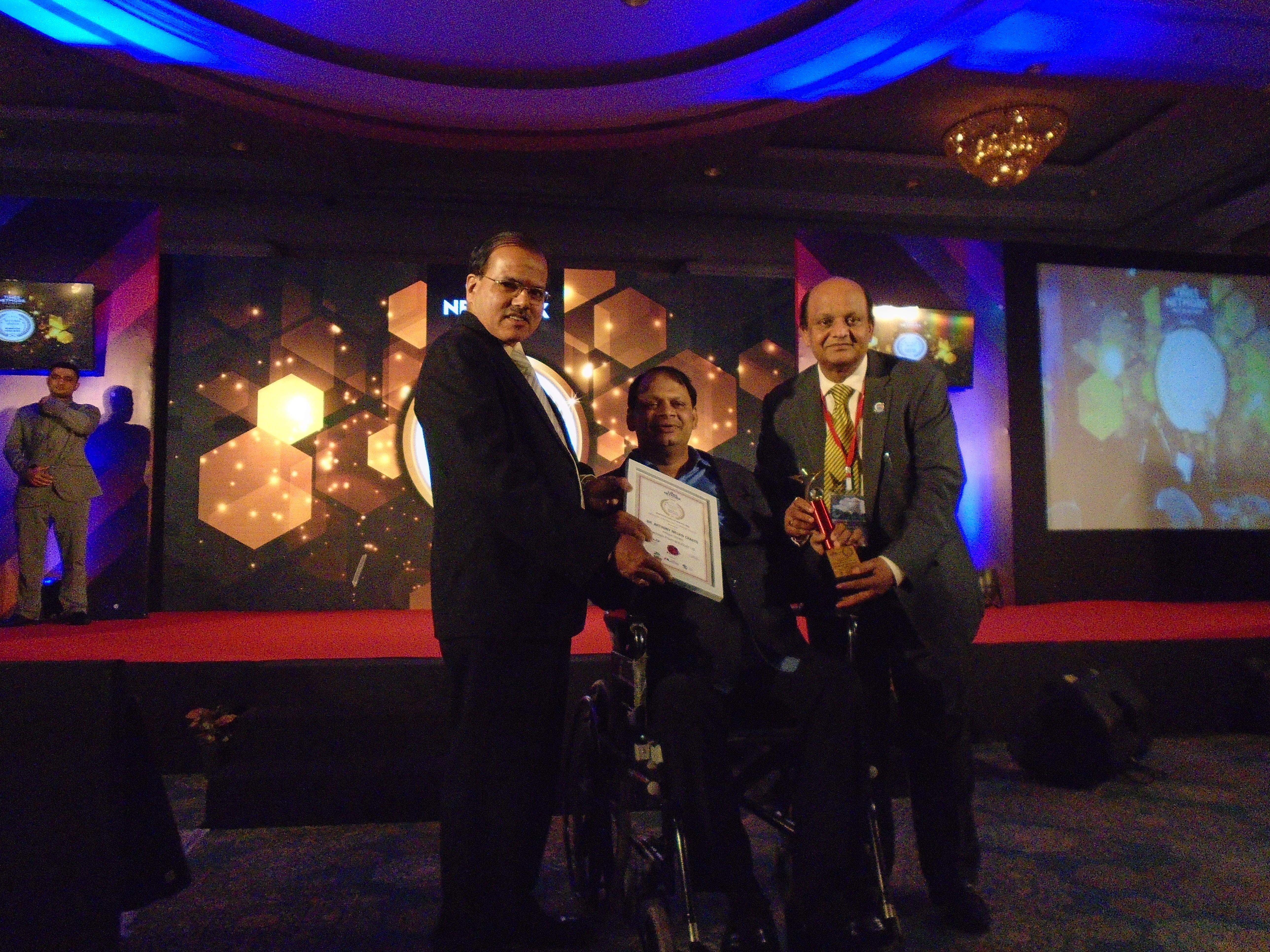
National award to Anthony Melvin Crasto for contribution to Pharma society from Times Network for Excellence in HEALTHCARE) | 5th July, 2018 | Taj Lands End, Mumbai, India
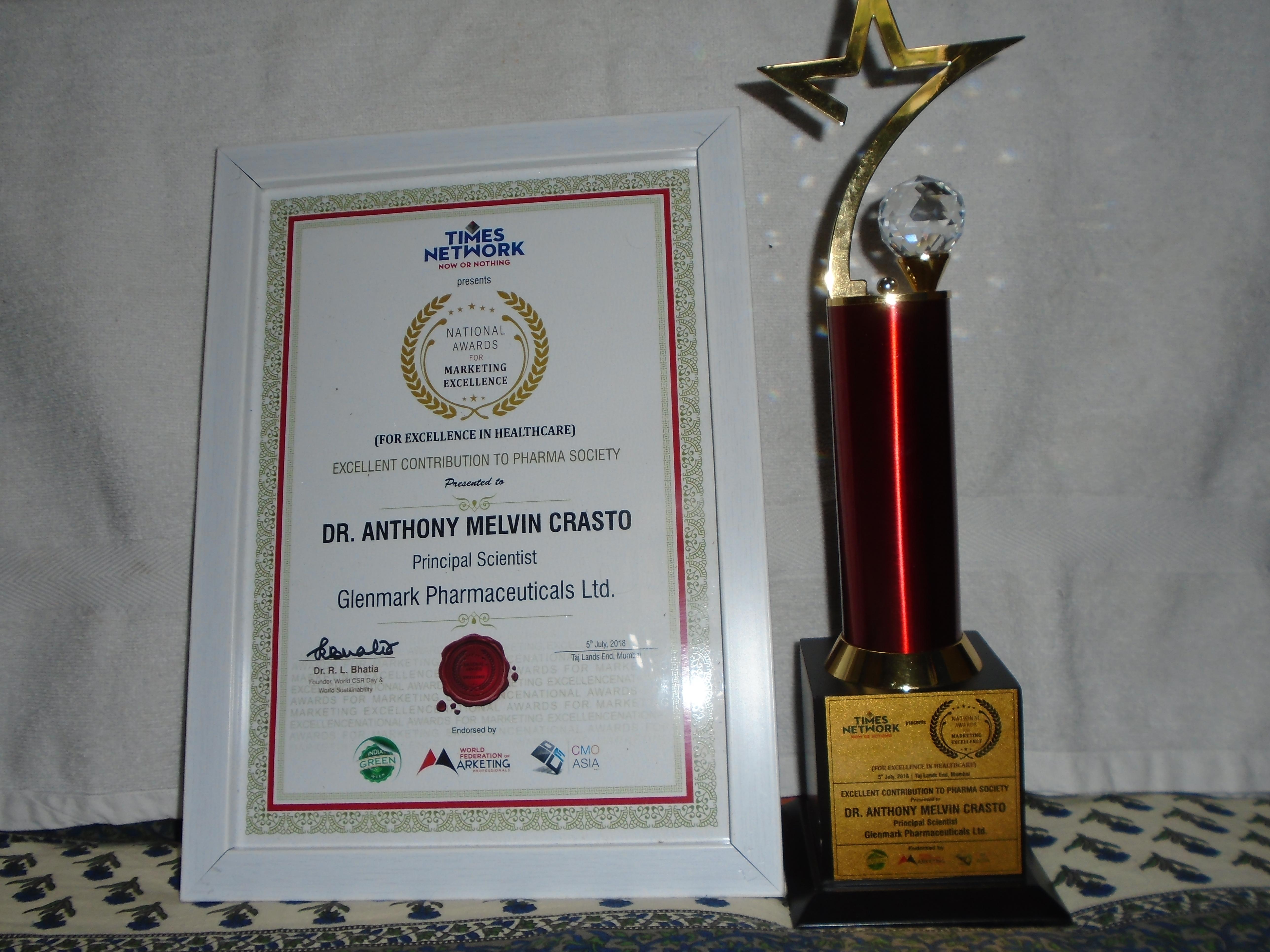
DR ANTHONY MEVIN CRASTO Conferred prestigious individual national award at function for contribution to Pharma society from Times Network, National Awards for Marketing Excellence ( For Excellence in HEALTHCARE) | 5th July, 2018 | Taj Lands End, Mumbai India

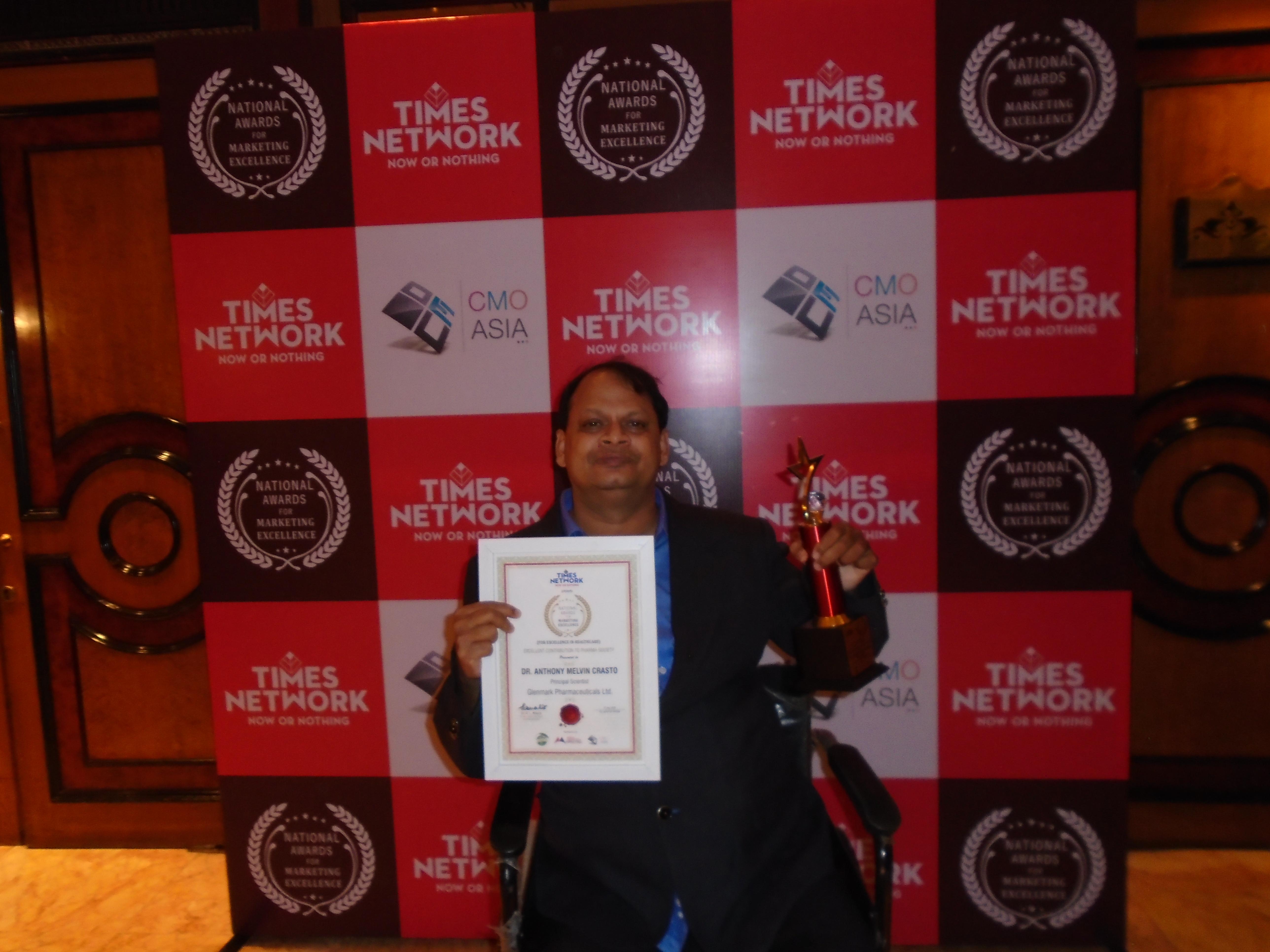


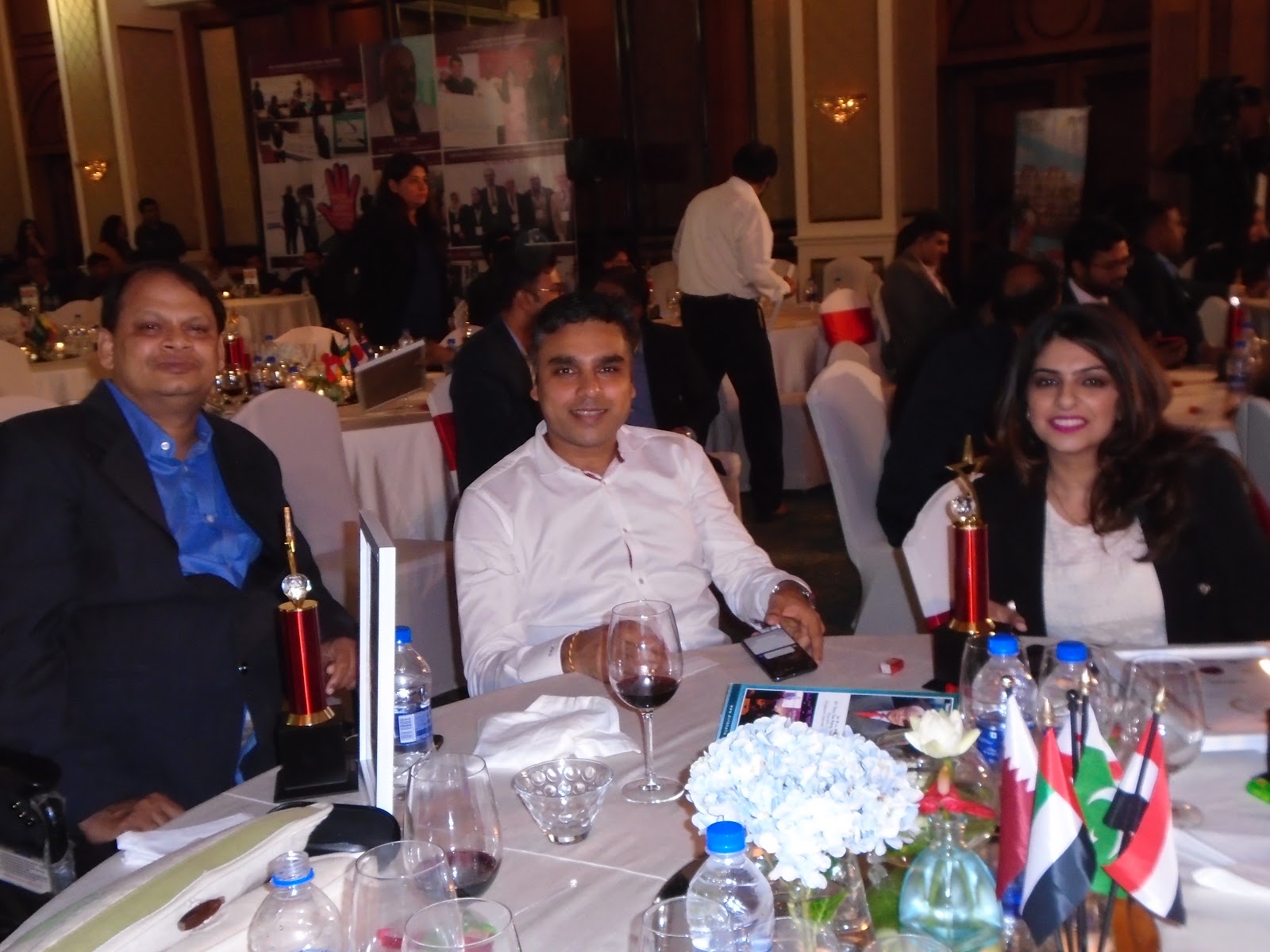


////////////National award, contribution to Pharma society, Times Network, Excellence in HEALTHCARE, 5th July, 2018, Taj Lands End, Mumbai, India, ANTHONY CRASTO
#hotpersoninawheelchair
#worlddrugtracker
Biocon Launches KRABEVA® in India, A Biosimilar Bevacizumab for Treating Several Types of Cancer

Biocon Launches KRABEVA® in India, A Biosimilar Bevacizumab for Treating Several Types of Cancer
On November 23, 2017, Biocon India’s premier Biopharmaceuticals Company announced that it has launched KRABEVA®, a biosimilar Bevacizumab for the treatment of patients with metastatic colorectal cancer and other types of lung, kidney, cervical, ovarian and brain cancers, in India 1.
KRABEVA®, a monoclonal antibody (mAb) developed by Biocon, will help expand access to a world-class, high quality biosimilar Bevacizumab for cancer patients in India. It is the world´s first and only Bevacizumab with a unique ´QualCheck ´ mechanism, which ensures that patients get a quality-ascertained product right up to infusion.
Bevacizumab is indicated as a first-line treatment of patients with metastatic colorectal cancer (mCRC), and is accepted as a standard treatment option in combination with chemotherapy for patients with non-small-cell lung cancer (NSLC), metastatic renal cell carcinoma or recurrent ovarian cancer.
KRABEVA® is the second key oncologic biosimilar product, from Biocon´s global biosimilars portfolio to be launched in India. It is being offered to patients at an MRP of Rs 24,000 for 100 mg / 4 ml vials and Rs 39,990 for 400 mg / 16 ml vials, making it a high quality affordable alternative to the innovator brand. In comparison, the Innovator brand for Bevacizumab marketed as Avastin® by Roche India Private Limited costs over Rs 10, 7065 for 400mg / 16ml vial.
Bevacizumab is a monoclonal antibody (mAb) targeting Vascular Endothelial Growth Factor- A (VEGF-A), a cell protein that induces growth of blood vessels that feed tumors. By blocking this protein, Bevacizumab cuts the supply of food and oxygen to the tumor, thus starving it.
Bevacizumab is prescribed in the treatment of several cancers including metastatic colorectal cancer, ovarian cancer, advanced non-small-cell lung cancer, recurrent glioblastoma, cervical cancer and renal cancer. Bevacizumab was first approved by the United States Food and
Drug Administration (USFDA), in February 2004 2.
It also features in the World Health Organization’s (WHO) list of essential medicines 3. The WHO list of essential medicines contains the medications considered to be most effective and safe to meet the most important needs in a health system. The list is frequently used by countries to help develop their own local lists of essential medicine.
1 https://www.biocon.com/biocon_press_releases_231117.asp
2 https://www.accessdata.fda.gov/scripts/cder/daf/index.cfm?event=overview.process&ApplNo=125085
3 http://www.who.int/medicines/publications/essentialmedicines/EML_2015_FINAL_amended_NOV2015.pdf?ua=1
Approval and launch of a Bevacizumab biosimilar in India would provide an affordable therapy option for patients of various types of cancer.
//////////Biocon, KRABEVA®, India, Biosimilar, Bevacizumab, Cancer
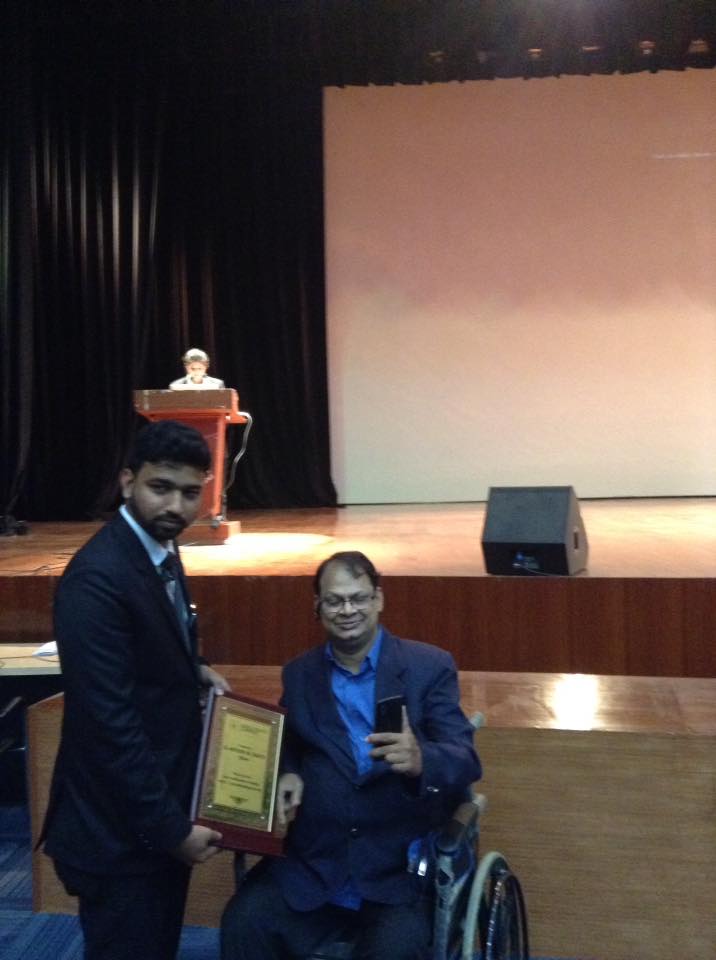
Lifetime achievement award, WHC17, in Hyderabad, Telangana, India 22 Aug 2017

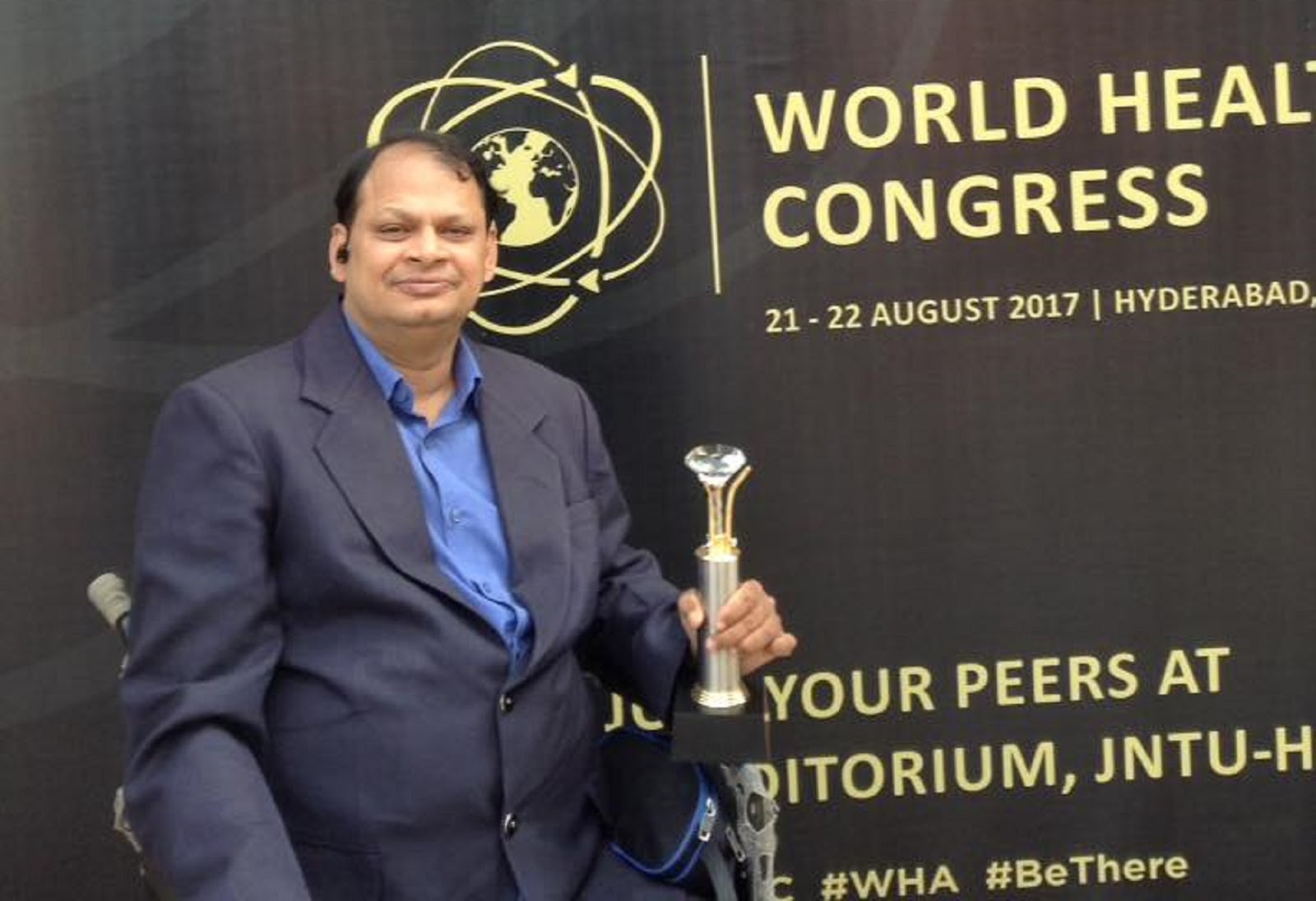
Lifetime achievement award ……..WORLD HEALTH CONGRESS 2017 in Hyderabad, 22 aug 2017 at JNTUH KUKATPALLY. HYDERABAD, TELANGANA, INDIA, Award given by Dr. M Sunitha Reddy Head of the Department, Centre for Pharmaceutical Sciences, Institute of Science &Technology, JNTU-H, Kukatpally, Hyderabad, India

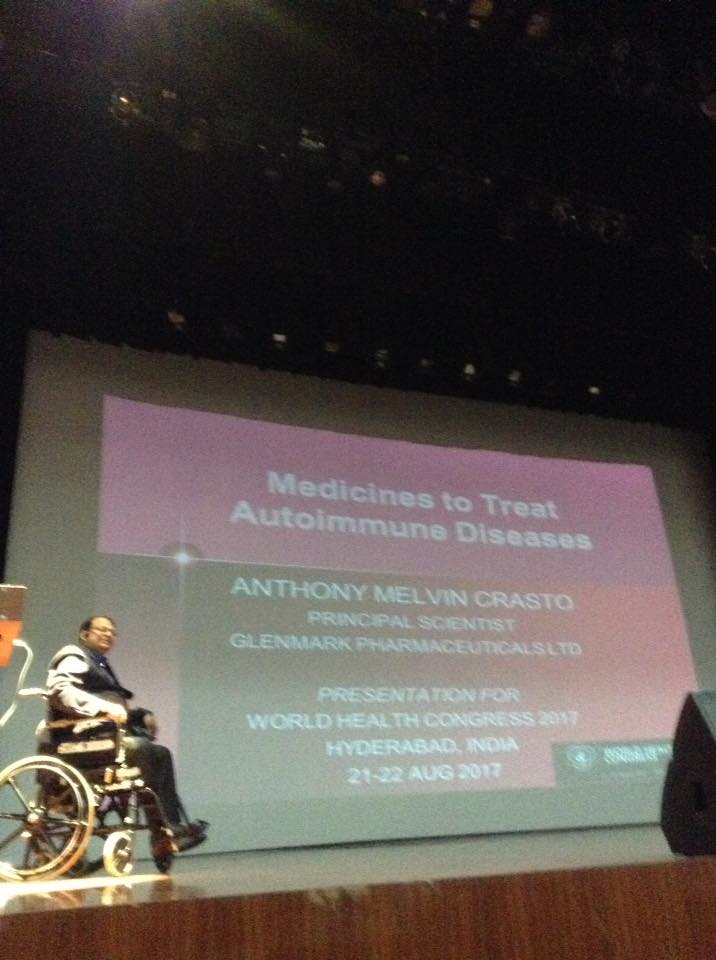

Speaking at World health congress 2017….JNTUH Hyderabad 22 aug 2017


Register Today for the ACS Symposium in India on Recent Advances in Drug Development, 11-12 November 2016 in Hyderabad, India


Inaugural ACS Industry Symposium, 11-12 November 2016 in Hyderabad, India
Recent Advances in Drug Development
Register Today for the ACS Symposium in India on Recent Advances in Drug Development
To view this email as a web page, go here.
Register now for the inaugural ACS Industry Symposium, 11-12 November 2016 in Hyderabad, India. Be sure to secure your seat today as rates will increase on 27 October!
http://acssymposium.org.in/
The theme of the Symposium is Recent Advances in Drug Development. The event will feature lectures by the world’s leading researchers and experts in the pharma industry, including:
- Dr. Peter Senter of Seattle Genetics
- Dr. Jagath Reddy Junutula of Cellerant Therapeutics, Inc.
- Dr. Ming-Wei Wang of the Shanghai Institute of Materia Medica, Chinese Academy of Sciences
This is an exclusive event being organized in partnership with Dr. Reddy’s Laboratories for pharma professionals throughout India. Space is limited so register today!
Please visit our website to learn more about the speakers and the program.
Register today to ensure your access to the ACS Industry Symposium. We look forward to seeing you in Hyderabad in November.
CAS
2540 Olentangy River Rd Columbus, OH 43202 US
CAS
2540 Olentangy River Rd Columbus, OH 43202 US


Inaugural ACS Industry Symposium, 11-12 November 2016 in Hyderabad, India
Recent Advances in Drug Development
/////// ACS Symposium, Recent Advances in Drug Development, 11-12 November 2016, Hyderabad, India, dr reddys, cas
CHIRAL INDIA 2016, 5th International Conference & Exhibition Nov 8-9 2016, Holiday Inn, Mumbai, India
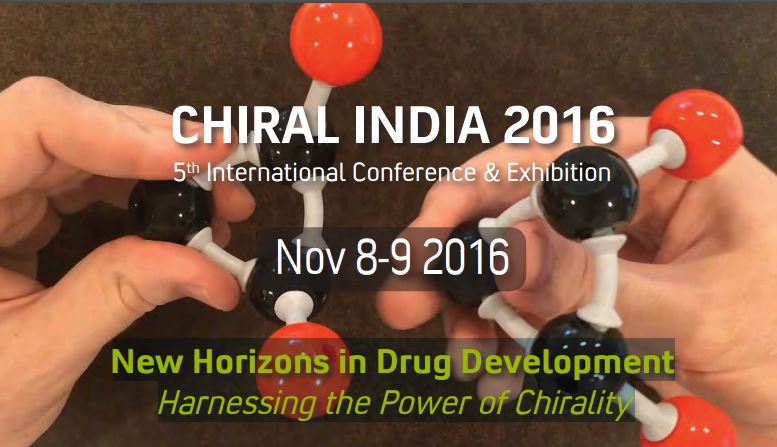
India's only conference focusing on new chiral technologies for pharmaceutical fine chemicals. The event is a unique platform to learn about recent advances in chiral chemistry, technology and application.
Chiral India series which began in 2012 has now grown into a major must-attend event for the Pharmaceutical industry. This platform is the most popular chiral technology platform bringing together the top experts from China, Canada, USA, Japan, India and other countries to present the latest developments in chiral drug developments and brainstorm with leading R&D personnel from Indian pharmaceutical industry.
The fifth edition of Chiral India to be held on 8-9 November 2016, at Holiday Inn (Mumbai), follows the success of previous four annual editions (2012, 2013, 2014 and 2015) and is now an event awaited by R&D professionals across the industry.
|
||||||||||||
R Rajagopal
+9198211 28341
rraj@chemicalweekly.com
kiran@chemicalweekly.com
| Dr. R. Rajagopal | B-602, Godrej Coliseum | Tel: +91 22 24044477 |
| Editorial Advisor | K.J. Somaiya Hospital Road | Fax: +91 22 24044450 |
| Chemical Weekly | Sion (East) Mumbai 400 022 | www.chemicalweekly.com |
DOWNLOAD BROCHURE…..
Please use http://www.chiralindia.com/Brochure.pdf link to download the Brochure.
Our website URL is www.chiralindia.com
|
Oganised By
|
 |

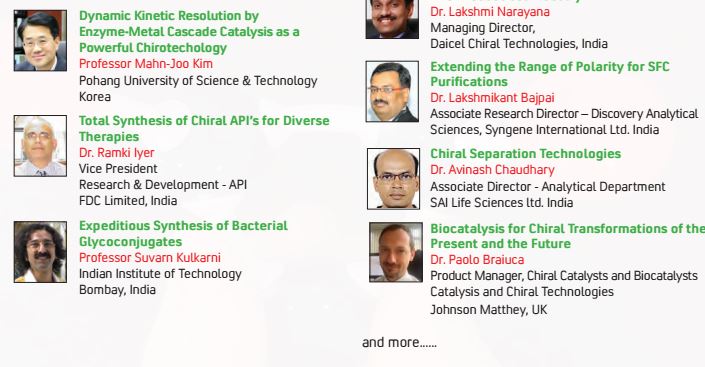
SCROLL USING MOUSE TO VIEW 5 PAGES
////////CHIRAL INDIA 2016, 5th International Conference, Exhibition, Nov 8-9, 2016, Holiday Inn, Mumbai, India


 New Drug Approvals

.svg)