
Home » Posts tagged 'BMS 986158'
Tag Archives: BMS 986158
 DRUG APPROVALS BY DR ANTHONY MELVIN CRASTO
.....FOR BLOG HOME CLICK HERE
DRUG APPROVALS BY DR ANTHONY MELVIN CRASTO
.....FOR BLOG HOME CLICK HEREFlag and hits
ORGANIC SPECTROSCOPY

SUBSCRIBE

 Subscribe in a reader
Enter your email address:
Delivered by FeedBurner
Subscribe to New Drug Approvals by Email


Recent Comments
 | shivkr2 on SPSR Excellence Award 2025 – S… |
 | Bonkasaurus on Infigratinib phosphate |
 | PALOVAROTENE | ORGAN… on Palovarotene |
| Pfizer just purchase… on Temanogrel | |
| Pfizer To Cash In On… on Temanogrel |
Ezobresib
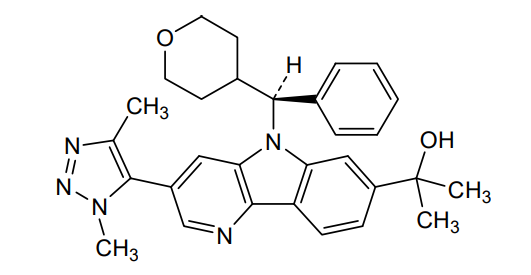

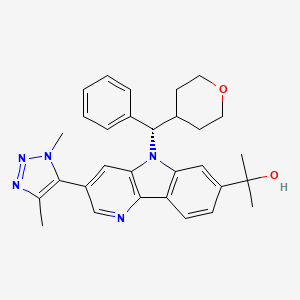
Ezobresib
CAS 1800340-40-2
MF C30H33N5O2 MW 495.6 g/mol
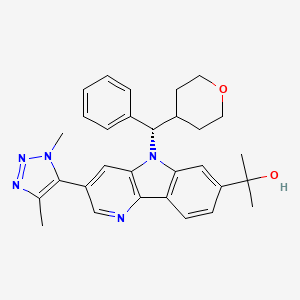
2-{3-(1,4-dimethyl-1H-1,2,3-triazol-5-yl)-5-[(S)-(oxan-4-yl)(phenyl)methyl]-5H-pyrido[3,2-b]indol-7-yl}propan-2-ol
bromodomain and extra-terminal motif (BET) inhibitor,
antineoplastic, BMS-986158, BMS 986158, Bristol Myers Squibb, antineoplastic, UNII-X8BW0MQ5PI
2-[3-(3,5-dimethyltriazol-4-yl)-5-[(S)-oxan-4-yl(phenyl)methyl]pyrido[3,2-b]indol-7-yl]propan-2-ol
Ezobresib is an investigational new drug that has been evaluated for the treatment of cancer. It inhibits Bromodomain and Extra-Terminal domain (BET) proteins, with potential antineoplastic activity.[1] Developed by Bristol Myers Squibb, this therapeutic agent has been studied for its efficacy in treating various cancers, including solid tumors and hematological malignancies.[2] Despite showing promise in early-phase clinical trials, recent developments suggest that Bristol Myers Squibb has decided to discontinue further development of ezobresib.[3]
BMS-986158 is under investigation in clinical trial NCT02419417 (Study of BMS-986158 in Subjects With Select Advanced Cancers).
Ezobresib is an inhibitor of the Bromodomain (BRD) and Extra-Terminal domain (BET) family of proteins, with potential antineoplastic activity. Upon administration, ezobresib binds to the acetyl-lysine binding site in the BRD of BET proteins, thereby preventing the interaction between BET proteins and acetylated histones. This disrupts chromatin remodeling and prevents the expression of certain growth-promoting genes, resulting in an inhibition of tumor cell growth. BET proteins (BRD2, BRD3, BRD4 and BRDT) are transcriptional regulators that bind to acetylated lysines on the tails of histones H3 and H4, and regulate chromatin structure and function; they play an important role in the modulation of gene expression during development and cellular growth
SYN
https://patentscope.wipo.int/search/en/detail.jsf?docId=US206490064&_cid=P21-MGLNPO-16484-1
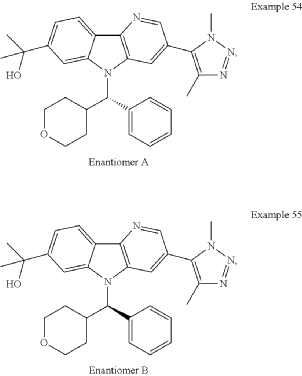
Examples 54 & 55
2-[3-(Dimethyl-1H-1,2,3-triazol-5-yl)-5-[oxan-4-yl(phenyl)methyl]-5H-pyrido[3,2-b]indol-7-yl]propan-2-ol
Step 1: 2-Chloro-5-(1,4-dimethyl-1H-1,2,3-triazol-5-yl)pyridin-3-amine
Step 2: Methyl 3-((2-chloro-5-(1,4-dimethyl-1H-1,2,3-triazol-5-yl)pyridin-3-yl)amino)benzoate
Step 3: Methyl 3-(1,4-dimethyl-1H-1,2,3-triazol-5-yl)-5H-pyrido[3,2-b]indole-7-carboxylate
Alternate synthesis of Methyl 3-(1,4-dimethyl-1H-1,2,3-triazol-5-yl)-5H-pyrido[3,2-b]indole-7-carboxylate
Step 4: Methyl 3-(1,4-dimethyl-1H-1,2,3-triazol-5-yl)-5-(phenyl(tetrahydro-2H-pyran-4-yl)methyl)-5H-pyrido[3,2-b]indole-7-carboxylate
Step 5: 2-[3-(Dimethyl-1H-1,2,3-triazol-5-yl)-5-[oxan-4-yl(phenyl)methyl]-5H-pyrido[3,2-b]indol-7-yl]propan-2-ol
Alternate Synthesis of Examples 54
2-[3-(Dimethyl-1H-1,2,3-triazol-5-yl)-5-[oxan-4-yl(phenyl)methyl]-5H-pyrido[3,2-b]indol-7-yl]propan-2-ol
Step 1: 2-Chloro-5-(1,4-dimethyl-1H-1,2,3-triazol-5-yl)pyridin-3-amine
Step 2: Methyl 3-((2-chloro-5-(1,4-dimethyl-1H-1,2,3-triazol-5-yl)pyridin-3-yl)amino)benzoate
Step 3: Methyl 3-(1,4-dimethyl-1H-1,2,3-triazol-5-yl)-5H-pyrido[3,2-b]indole-7-carboxylate
Alternate synthesis of Methyl 3-(1,4-dimethyl-1H-1,2,3-triazol-5-yl)-5H-pyrido[3,2-b]indole-7-carboxylate
Step 4: Methyl 3-(1,4-dimethyl-1H-1,2,3-triazol-5-yl)-5-(phenyl(tetrahydro-2H-pyran-4-yl)methyl)-5H-pyrido[3,2-b]indole-7-carboxylate
Step 5: 2-[3-(Dimethyl-1H-1,2,3-triazol-5-yl)-5-[oxan-4-yl(phenyl)methyl]-5H-pyrido[3,2-b]indol-7-yl]propan-2-ol
Alternate Synthesis of Examples 54
2-[3-(Dimethyl-1H-1,2,3-triazol-5-yl)-5-[oxan-4-yl(phenyl)methyl]-5H-pyrido[3,2-b]indol-7-yl]propan-2-ol
Step 1: (S)-methyl 3-(1,4-dimethyl-1H-1,2,3-triazol-5-yl)-5-(phenyl(tetrahydro-2H-pyran-4-yl)methyl)-5H-pyrido[3,2-b]indole-7-carboxylate
Step 2. (S)-2-[3-(Dimethyl-1H-1,2,3-triazol-5-yl)-5-[oxan-4-yl(phenyl)methyl]-5H-pyrido[3,2-b]indol-7-yl]propan-2-ol
Step 1: (S)-methyl 3-(1,4-dimethyl-1H-1,2,3-triazol-5-yl)-5-(phenyl(tetrahydro-2H-pyran-4-yl)methyl)-5H-pyrido[3,2-b]indole-7-carboxylate
Step 2. (S)-2-[3-(Dimethyl-1H-1,2,3-triazol-5-yl)-5-[oxan-4-yl(phenyl)methyl]-5H-pyrido[3,2-b]indol-7-yl]propan-2-ol
PATENT
LIT
- BLM overexpression as a predictive biomarker for CHK1 inhibitor response in PARP inhibitor–resistant BRCA -mutant ovarian cancerPublication Name: Science Translational MedicinePublication Date: 2023-06-21PMCID: PMC10758289PMID: 37343085DOI: 10.1126/scitranslmed.add7872
- Recent updates on 1,2,3-triazole-containing hybrids with in vivo therapeutic potential against cancers: A mini-reviewPublication Name: European Journal of Medicinal ChemistryPublication Date: 2023-05-05PMID: 36893627DOI: 10.1016/j.ejmech.2023.115254
- Development of BET Inhibitors as Potential Treatments for Cancer: Optimization of Pharmacokinetic PropertiesPublication Name: ACS Medicinal Chemistry LettersPublication Date: 2022-07-05PMCID: PMC9290009PMID: 35859878DOI: 10.1021/acsmedchemlett.2c00219
- Synthesis of BMS-986158Publication Name: SynfactsPublication Date: 2021-11-17DOI: 10.1055/s-0041-1737090
- Development of BET inhibitors as potential treatments for cancer: A new carboline chemotypePublication Name: Bioorganic & Medicinal Chemistry LettersPublication Date: 2021-11-01PMID: 34560263DOI: 10.1016/j.bmcl.2021.128376
- Discovery and Preclinical Pharmacology of an Oral Bromodomain and Extra-Terminal (BET) Inhibitor Using Scaffold-Hopping and Structure-Guided Drug DesignPublication Name: Journal of Medicinal ChemistryPublication Date: 2021-09-20PMID: 34543572DOI: 10.1021/acs.jmedchem.1c00625
- Retrospective assessment of rat liver microsomal stability at NCATS: data and QSAR modelsPublication Name: Scientific ReportsPublication Date: 2020-11-26PMCID: PMC7693334PMID: 33244000DOI: 10.1038/s41598-020-77327-0
- High-Throughput Screening to Identify Inhibitors of the Type I Interferon–Major Histocompatibility Complex Class I Pathway in Skeletal MusclePublication Name: ACS Chemical BiologyPublication Date: 2020-05-27PMCID: PMC7859889PMID: 32459468DOI: 10.1021/acschembio.0c00343
- Predictive models of aqueous solubility of organic compounds built on A large dataset of high integrityPublication Name: Bioorganic & Medicinal ChemistryPublication Date: 2019-07-15PMCID: PMC8274818PMID: 31176566DOI: 10.1016/j.bmc.2019.05.037
- Highly predictive and interpretable models for PAMPA permeabilityPublication Name: Bioorganic & Medicinal ChemistryPublication Date: 2017-02-01PMCID: PMC5291813PMID: 28082071DOI: 10.1016/j.bmc.2016.12.049
- BET inhibitor resistance emerges from leukaemia stem cellsPublication Name: NaturePublication Date: 2015-09-14PMCID: PMC6069604PMID: 26367796DOI: 10.1038/nature14888
- Efficacy of BET Bromodomain Inhibition in Kras-Mutant Non–Small Cell Lung CancerPublication Name: Clinical cancer research : an official journal of the American Association for Cancer ResearchPublication Date: 2013-11-14PMCID: PMC3838895PMID: 24045185DOI: 10.1158/1078-0432.ccr-12-3904
- Discovery and Preclinical Evaluation of [4-[[1-(3-fluorophenyl)methyl]-1H-indazol-5-ylamino]-5-methylpyrrolo[2,1-f][1,2,4]triazin-6-yl]carbamic Acid, (3S)-3-Morpholinylmethyl Ester (BMS-599626), a Selective and Orally Efficacious Inhibitor of Human Epidermal Growth Factor Receptor 1 and 2 KinasesPublication Name: Journal of Medicinal ChemistryPublication Date: 2009-10-12PMID: 19821562DOI: 10.1021/jm9010065
- [Statistical analysis of cerebrospinal fluid acid-base equilibrium and cerebrospinal fluid lactate concentration in cases of brain tumors, cerebrocranial injuries and meningoencephalitis]Publication Name: Neurologia i neurochirurgia polskaPublication Date: 1976-07PMID: 8740
PAT
- Tricyclic compounds as anticancer agentsPublication Number: WO-2015100282-A1Priority Date: 2013-12-24
- Tricyclic compound as anticancer agentsPublication Number: EP-3466949-B1Priority Date: 2013-12-24Grant Date: 2020-12-23
- Novel tricyclic compounds as anticancer agentsPublication Number: TW-202028203-APriority Date: 2013-12-24
- Novel tricyclic compounds as anticancer agentsPublication Number: TW-I726544-BPriority Date: 2013-12-24Grant Date: 2021-05-01
- Tricyclic compounds as anticancer agentsPublication Number: CN-108558871-BPriority Date: 2013-12-24Grant Date: 2022-02-18


AS ON JUNE2025 4.45 LAKHS VIEWS ON BLOG WORLDREACH AVAILABLEFOR YOUR ADVERTISEMENT
join me on Linkedin
Anthony Melvin Crasto Ph.D – India | LinkedIn
join me on Researchgate
RESEARCHGATE

join me on Facebook
Anthony Melvin Crasto Dr. | Facebook
join me on twitter
Anthony Melvin Crasto Dr. | twitter
+919321316780 call whatsaapp
EMAIL. amcrasto@gmail.com

……
| Clinical data | |
|---|---|
| Other names | BMS-986158 |
| Identifiers | |
| IUPAC name | |
| CAS Number | 1800340-40-2 |
| PubChem CID | 118196485 |
| DrugBank | DB15435 |
| ChemSpider | 58828664 |
| UNII | X8BW0MQ5PI |
| KEGG | D12710 |
| ChEMBL | ChEMBL4297458 |
| Chemical and physical data | |
| Formula | C30H33N5O2 |
| Molar mass | 495.627 g·mol−1 |
| 3D model (JSmol) | Interactive image |
| SMILES | |
| InChI | |
References
- Ma Z, Zhang C, Bolinger AA, Zhou J (October 2024). “An updated patent review of BRD4 degraders”. Expert Opinion on Therapeutic Patents. 34 (10): 929–951. doi:10.1080/13543776.2024.2400166. PMC 11427152. PMID 39219068.
- “Clinical Trials Using Ezobresib”. National Cancer Institute.
- Brown A. “Bristol backs out of BET inhibition”. ApexOnco.
////////////Ezobresib, antineoplastic, BMS-986158, BMS 986158, Bristol Myers Squibb, antineoplastic, UNII-X8BW0MQ5PI
BMS 986158

BMS 986158
MF C30H33N5O2, MW495.627 g/mol
CAS 1800340-40-2
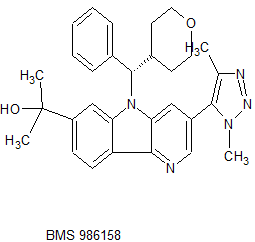
5H-Pyrido[3,2-b]indole-7-methanol, 3-(1,4-dimethyl-1H-1,2,3-triazol-5-yl)-α,α-dimethyl-5-[(S)-phenyl(tetrahydro-2H-pyran-4-yl)methyl]-
MOA:Bromodomain and extraterminal domain protein inhibitor
Indication:Solid tumoursStatus:
Phase II :Bristol-Myers Squibb (Originator)
Phase I/IISolid tumours
- Originator Bristol-Myers Squibb
- Class Antineoplastics; Small molecules
- Mechanism of Action Bromodomain and extraterminal domain protein inhibitors
- 01 Jun 2015 Phase-I/II clinical trials for Solid tumours (Late-stage disease, Metastatic disease) in Canada (NCT02419417)
- 02 Apr 2015 Bristol-Myers Squibb plans a phase I/IIa trial for Solid tumours (Late-stage disease) in USA, Australia and Canada (NCT02419417)
The genomes of eukaryotic organisms are highly organized within the nucleus of the cell. The long strands of duplex DNA are wrapped around an octomer of histone proteins to form a nucleosome. This basic unit is then further compressed by the aggregation and folding of nucleosomes to form a highly condensed chromatin structure. A range of different states of condensation are possible, and the tightness of this structure varies during the cell cycle, being most compact during the process of cell division. There has been appreciation recently that chromatin templates form a fundamentally important set of gene control mechanisms referred to as epigenetic regulation. By conferring a wide range of specific chemical modifications to histones and DNA (such as acetylation, methylation, phosphorylation, ubiquitinylation and SUMOylation) epigenetic regulators modulate the structure, function and accessibility of our genome, thereby exerting a huge impact in gene expression.
Histone acetylation is most usually associated with the activation of gene transcription, as the modification loosens the interaction of the DNA and the histone octomer by changing the electrostatics. In addition to this physical change, specific proteins bind to acetylated lysine residues within histones to read the epigenetic code. Bromodomains are small (-110 amino acid) distinct domains within proteins that bind to acetylated lysine residues commonly but not exclusively in the context of histones. There is a family of around 50 proteins known to contain bromodomains, and they have a range of functions within the cell. The BET family of bromodomain containing proteins
comprises 4 proteins (BRD2, BRD3, BRD4 and BRD-T) which contain tandem bromodomains capable of binding to two acetylated lysine residues in close proximity, increasing the specificity of the interaction.
BRD2 and BRD3 are reported to associate with histones along actively
transcribed genes and may be involved in facilitating transcriptional elongation (Leroy et al, Mol. Cell. 2008 30(1):51-60), while BRD4 appears to be involved in the recruitment of the pTEF-I3 complex to inducible genes, resulting in phosphorylation of RNA polymerase and increased transcriptional output (Hargreaves et al, Cell, 2009 138(1): 1294145). All family members have been reported to have some function in controlling or executing aspects of the cell cycle, and have been shown to remain in complex with chromosomes during cell division – suggesting a role in the maintenance of epigenetic memory. In addition some viruses make use of these proteins to tether their genomes to the host cell chromatin, as part of the process of viral replication (You et al., Cell, 2004 117(3):349-60).
Recent articles relating to this target include Prinjha et al., Trends in
Pharmacological Sciences, March 2012, Vol. 33, No. 3, pp. 146-153; Conway, ACS Med. Chem. Lett., 2012, 3, 691-694 and Hewings et al, J. Med. Chem., 2012, 55, 9393-9413.
Small molecule BET inhibitors that are reported to be in development include GSK-525762A, OTX-015, TEN-010 as well as others from the University of Oxford and Constellation Pharmaceuticals Inc.
Hundreds of epigenetic effectors have been identified, many of which are chromatin-binding proteins or chromatin-modifying enzymes. These proteins have been associated with a variety of disorders such as neurodegenerative disorders, metabolic diseases, inflammation and cancer. Thus, these compounds which inhibit the binding of a bromodomain with its cognate acetylated proteins, promise new approaches in the treatment of a range of autoimmune and inflammatory diseases or conditions and in the treatment of various types of cancer.

PATENT
Examples 54 & 55
2-[3-(Dimethyl-lH-l,2,3-triazol-5-yl)-5-[oxan-4-yl(phenyl)methyl]-5H-pyrido[3,2- b] indol-7-yl] pr opan-2-ol

Enantiomer A, Example 54 Enantiomer B, Example 55
Step 1 : 2-C hloro-5-(l ,4-dimethyl- 1H- 1 ,2,3-triazol-5-yl)pyridin-3-amine
To a 100 mL round bottom flask containing 5-bromo-2-chloropyridin-3-amine (2.90 g, 14.0 mmol), l,4-dimethyl-5-(tributylstannyl)-lH-l,2,3-triazole (2.70 g, 6.99 mmol) [Seefeld, M.A. et al. PCT Int. AppL, 2008, WO2008098104] and Pd(PPh3)4 (0.61 g, 0.52 mmol) in DMF (20 mL) was added cuprous iodide (0.20 g, 1.05 mmol) and Et3N (1.9 mL, 14.0 mmol). The reaction mixture was purged with N2 for 3 min and then heated at 100 °C for 1 h. After cooling to room temperature, the mixture was diluted withl0% LiCl solution and extracted with EtOAc (2x). The combined organics were washed with sat. NaCl, dried over MgS04, filtered and concentrated. CH2C12 was added, and the resulting precipitate was collected by filtration. The mother liquor was concentrated and purified using ISCO silica gel chromatography (40 g column, gradient from 0% to 100% EtOAc/CH2Cl2). The resulting solid was combined with the precipitate and triturated with cold EtOAc to give the title compound (740 mg, 47%) as a light tan solid. LCMS (M+H) = 224.1; HPLC RT = 1.03 min (Column: Chromolith ODS S5 4.6 x 50 mm; Mobile Phase A: 10:90 MeOH: water with 0.1% TFA; Mobile Phase B: 90: 10 MeOH:water with 0.1% TFA; Temperature: 40 °C; Gradient: 0-100% B over 4 min; Flow: 4 mL/min).
Step 2: Methyl 3-((2-chloro-5-(l,4-dimethyl-lH-l,2,3-triazol-5-yl)pyridin-3-yl)amino)benzoate
Following a procedure analogous to that described in Step 2 of Example 1, 2-chloro-5-(l ,4-dimethyl-lH-l,2,3-triazol-5-yl)pyridin-3-amine (740 mg, 3.31 mmol) was converted to the title compound (644 mg, 54%). 1H NMR (400 MHz, CDC13) δ 7.94 (t, J=1.9 Hz, 1H), 7.88 (d, J=2.1 Hz, 1H), 7.83 (dt, J=7.8, 1.3 Hz, 1H), 7.49 (t, J=7.9 Hz, 1H), 7.40 (d, J=2.1 Hz, 1H), 7.36 (ddd, J=8.0, 2.3, 0.9 Hz, 1H), 6.38 (s, 1H), 3.99 (s, 3H), 3.93 (s, 3H), 2.34 (s, 3H); LCMS (M+H) = 358.2; HPLC RT = 2.34 min (Column:
Chromolith ODS S5 4.6 x 50 mm; Mobile Phase A: 10:90 MeOH:water with 0.1% TFA; Mobile Phase B: 90: 10 MeOH:water with 0.1% TFA; Temperature: 40 °C; Gradient: 0-100% B over 4 min; Flow: 4 mL/min).
Step 3: Methyl 3-(l,4-dimethyl-lH-l,2,3-triazol-5-yl)-5H-pyrido[3,2-6]indole-7-carboxylate
Following a procedure analogous to that described in Step 3 of Example 1 , methyl 3-((2-chloro-5-(l,4-dimethyl-lH-l,2,3-triazol-5-yl)pyridin-3-yl)amino)benzoate (2.82 g, 7.88 mmol) was converted to the title compound (1.58 g, 62%). 1H NMR (500 MHz, DMSO-de) δ 11.93 (s, 1H), 8.62 (d, J=1.8 Hz, 1H), 8.36 (dd, J=8.2, 0.6 Hz, 1H), 8.29 -8.22 (m, 1H), 8.16 (d, J=1.8 Hz, 1H), 7.91 (dd, J=8.2, 1.4 Hz, 1H), 4.02 (s, 3H), 3.94 (s, 3H), 2.31 (s, 3H); LCMS (M+H) = 322.3; HPLC RT = 1.98 min (Column: Chromolith ODS S5 4.6 x 50 mm; Mobile Phase A: 10:90 MeOH:water with 0.1% TFA; Mobile Phase B: 90: 10 MeOH:water with 0.1% TFA; Temperature: 40 °C; Gradient: 0-100% B over 4 min; Flow: 4 mL/min).
Alternate synthesis of Methyl 3-(l,4-dimethyl-lH-l,2,3-triazol-5-yl)-5H-pyrido[3,2-b] indole-7-carboxylate
A mixture of methyl 3-bromo-5H-pyrido[3,2-b]indole-7-carboxylate (Step 2 of Example 40, 3.000 g, 9.83 mmol), l,4-dimethyl-5-(tributylstannyl)-lH-l,2,3-triazole (4.18 g, 10.82 mmol), copper (I) iodide (0.281 g, 1.475 mmol), Pd(Ph3P)4 (0.738 g, 0.639 mmol) and triethylamine (2.74 mL, 19.66 mmol) in DMF (25 mL) was purged under a nitrogen stream and then heated in a heating block at 95 °C for 2 hours. After cooling to room temperature the reaction mixture was diluted with water and extracted into ethyl acetate. Washed with water, NH4OH, brine and concentrated. The residue was triturated with 100 mL CHC13, filtered off the solid and rinsed with CHC13 to give. 1.6 g of product. The filtrate was loaded unto the ISCO column (330 g column, A: DCM; B:
10%MeOH/DCM, 0 to 100% gradient) and chromatographed to give an additional 0.7 g. of methyl 3 -( 1 ,4-dimethyl- 1 H- 1 ,2,3 -triazol-5 -yl)-5H-pyrido [3 ,2-b]indole-7-carboxylate (2.30 g total, 7.16 mmol, 72.8 % yield).
Step 4: Methyl 3-(l,4-dimethyl-lH-l,2,3-triazol-5-yl)-5-(phenyl(tetrahydro-2H-pyran-4-yl)methyl)-5H-pyrido[3,2-b]indole-7-carboxylate
Following a procedure analogous to that described in Step 4 of Example 1 , methyl 3-(l,4-dimethyl-lH-l,2,3-triazol-5-yl)-5H-pyrido[3,2-¾]indole-7-carboxylate (80 mg, 0.25 mmol) was converted to the title compound (65 mg, 53%) after purification by prep HPLC (Column: Phen Luna C 18, 30 x 100 mm, 5 μιη particles; Mobile Phase A: 5:95 acetonitrile: water with 0.1% TFA; Mobile Phase B : 95 : 5 acetonitrile: water with 0.1% TFA; Gradient: 10-100% B over 14 min, then a 2-min hold at 100% B; Flow: 40 mL/min). 1H NMR (400 MHz, CDC13) δ 8.51 (d, J=1.8 Hz, 1H), 8.50 (s, 1H), 8.47 (d, J=8.1 Hz, 1H), 8.10 (dd, J=8.1, 1.1 Hz, 1H), 7.63 (d, J=1.8 Hz, 1H), 7.46 (d, J=7.3 Hz, 2H), 7.40 – 7.30 (m, 3H), 5.62 (d, J=10.6 Hz, 1H), 4.11 – 4.03 (m, 4H), 3.92 – 3.83 (m, 4H), 3.56 (td, J=l 1.9, 1.8 Hz, 1H), 3.35 (td, J=l 1.9, 1.9 Hz, 1H), 3.18 – 3.05 (m, 1H), 2.30 (s, 3H), 2.04 (d, J=13.0 Hz, 1H), 1.71 – 1.58 (m, 1H), 1.50 – 1.37 (m, 1H), 1.09 (d, J=12.8 Hz, 1H); LCMS (M+H) = 496.3; HPLC RT = 2.93 min (Column: Chromolith ODS S5 4.6 x 50 mm; Mobile Phase A: 10:90 MeOH:water with 0.1% TFA; Mobile Phase B: 90: 10 MeOH:water with 0.1% TFA; Temperature: 40 °C; Gradient: 0-100% B over 4 min; Flow: 4 mL/min).
Step 5 : 2- [3-(Dimethyl- lH-1 ,2,3-triazol-5-yl)-5- [oxan-4-yl(phenyl)methyl] -5H-pyrido [3,2-6] indol-7-yl] pr opan-2-ol,
Following a procedure analogous to that described in Step 5 of Example 1 , methyl 3-(l ,4-dimethyl- IH- 1 ,2,3-triazol-5-yl)-5-(phenyl(tetrahydro-2H-pyran-4-yl)methyl)-5H-pyrido[3,2-b]indole-7-carboxylate (65 mg, 0.13 mmol) was converted to racemic 2-[3-(dimethyl-lH-l,2,3-triazol-5-yl)-5-[oxan-4-yl(phenyl)methyl]-5H-pyrido[3,2-¾]indol-7-yl]propan-2-ol, which was separated by chiral prep SFC (Column: Chiralpak IB 25 x 2 cm, 5 μιη; Mobile Phase: 70/30 C02/MeOH; Flow: 50 mL/min);to give Enantiomer A (24 mg, 36%) and Enantiomer B (26 mg, 38%). Enantiomer A: 1H NMR (500 MHz, CDC13) 5 8.44 (d, J=1.8 Hz, IH), 8.36 (d, J=8.2 Hz, IH), 7.98 (s, IH), 7.56 (d, J=1.7 Hz, IH), 7.47 – 7.41 (m, 3H), 7.37 – 7.32 (m, 2H), 7.31 – 7.28 (m, IH), 5.59 (d, J=10.5 Hz, IH), 4.06 (dd, J=11.8, 2.8 Hz, IH), 3.90 – 3.84 (m, 4H), 3.55 (td, J=11.9, 2.0 Hz, IH), 3.35 (td, J=11.9, 2.0 Hz, IH), 3.15 – 3.04 (m, IH), 2.30 (s, 3H), 2.04 (d, J=13.6 Hz, IH), 1.92 (s, IH), 1.75 (s, 6H), 1.69 – 1.58 (m, IH), 1.47 – 1.38 (m, IH), 1.12 (d, J=13.4 Hz, IH); LCMS (M+H) = 496.4; HPLC RT = 2.46 min (Column: Chromolith ODS S5 4.6 x 50 mm; Mobile Phase A: 10:90 MeOH:water with 0.1% TFA; Mobile Phase B: 90: 10 MeOH:water with 0.1% TFA; Temperature: 40 °C; Gradient: 0- 100% B over 4 min; Flow: 4 mL/min). SFC RT = 5.50 min (Column: Chiralpak IB 250 x 4.6 mm, 5 μιη; Mobile Phase: 70/30 C02/MeOH; Flow: 2 mL/min); SFC RT = 1.06 min (Column:
Chiralcel OD-H 250 x 4.6 mm, 5 μιη; Mobile Phase: 50/50 C02/(1 : 1 MeOH/CH3CN); Flow: 2 mL/min); [a]D2° = -117.23 (c = 0.08, CHC13). Enantiomer B: 1H NMR (500 MHz, CDC13) δ 8.44 (d, J=l .8 Hz, IH), 8.36 (d, J=8.2 Hz, IH), 7.98 (s, IH), 7.56 (d, J=1.7 Hz, IH), 7.47 – 7.41 (m, 3H), 7.37 – 7.32 (m, 2H), 7.31 – 7.28 (m, IH), 5.59 (d, J=10.5 Hz, IH), 4.06 (dd, J=11.8, 2.8 Hz, IH), 3.90 – 3.84 (m, 4H), 3.55 (td, J=11.9, 2.0 Hz, IH), 3.35 (td, J=l 1.9, 2.0 Hz, IH), 3.15 – 3.04 (m, IH), 2.30 (s, 3H), 2.04 (d, J=13.6 Hz, IH), 1.92 (s, IH), 1.75 (s, 6H), 1.69 – 1.58 (m, IH), 1.47 – 1.38 (m, IH), 1.12 (d, J=13.4 Hz, IH); LCMS (M+H) = 496.4; HPLC RT = 2.46 min (Column: Chromolith ODS S5 4.6 x 50 mm; Mobile Phase A: 10:90 MeOH:water with 0.1% TFA; Mobile Phase B: 90: 10 MeOH:water with 0.1% TFA; Temperature: 40 °C; Gradient: 0-100% B over 4 min; Flow: 4 mL/min). SFC RT = 8.30 min (Column: Chiralpak IB 250 x 4.6 mm, 5 μιη; Mobile Phase: 70/30 C02/MeOH; Flow: 2 mL/min); SFC RT = 2.83 min (Column: Chiralcel OD-H 250 x 4.6 mm, 5 μιη; Mobile Phase: 50/50 C02/(1 : 1 MeOH/CH3CN); Flow: 2 mL/min); [a]D2° = +88.78 (c = 0.10, CHC13).
Alternate Synthesis of Examples 54
2-[3-(Dimethyl-lH-l,2,3-triazol-5-yl)-5-[oxan-4-yl(phenyl)methyl]-5H-pyrido[3,2- b] indol-7-yl] propan-2-ol.
Enantiomer A, Example 54
Step 1: (S)-methyl 3-(l,4-dimethyl-lH-l,2,3-triazol-5-yl)-5-(phenyl(tetrahydro-2H-pyran-4-yl)methyl)-5H-pyrido[3,2-b]indole-7-carboxylate
The enantiomers of phenyl(tetrahydro-2H-pyran-4-yl)methanol ( 2.0 g, 10.4 mmol) [Orjales, A. et al. J. Med. Chem. 2003, 46, 5512-5532], were separated on preperative SFC. (Column: Chiralpak AD 5 x 25 cm, 5 μιη; Mobile Phase: 74/26
C02/MeOH; Flow: 270 mL/min; Temperature 30°C). The separated peaks were concentrated and dried under vacuum to give white solids. Enantiomer A: (S)-phenyl(tetrahydro-2H-pyran-4-yl)methanol: (0.91 g, 45.5%) SFC RT = 2.32 min
(Column: Chiralpac AD 250 x 4.6 mm, 5 μιη; Mobile Phase: 70/30 C02/MeOH; Flow: 3 mL/min); Temperature 40°C. Enantiomer B: (R)-phenyl(tetrahydro-2H-pyran-4-yl)methanol. (0.92 g, 46%) SFC RT = 3.09 min (Column: Chiralpac AD 250 x 4.6 mm, 5 μιη; Mobile Phase: 70/30 C02/MeOH; Flow: 3 mL/min); Temperature 40°C.
Following a procedure analogous to that described in Step 4 of Example 1 except using toluene (120mL) as the solvent, methyl 3-(l ,4-dimethyl-lH-l,2,3-triazol-5-yl)-5H-pyrido[3,2-b]indole-7-carboxylate (4 g, 12.45 mmol) and (R)-phenyl(tetrahydro-2H-pyran-4-yl)methanol (Enantiomer B above, 5.86 g, 30.5 mmol) was converted to the title compound (5.0 g, 81%). HPLC RT = 2.91 min (Column: Chromolith ODS S5 4.6 x 50 mm; Mobile Phase A: 10:90 MeOFLwater with 0.1% TFA; Mobile Phase B: 90: 10 MeOFLwater with 0.1% TFA; Temperature: 40 °C; Gradient: 0- 100% B over 4 min; Flow: 4 mL/min).
Step 2. (S)-2-[3-(Dimethyl-lH-l,2,3-triazol-5-yl)-5-[oxan-4-yl(phenyl)methyl]-5H-pyrido [3,2-b] indol-7-yl] propan-2-ol
A 500 mL round bottom flask containing (S)-methyl 3-(l,4-dimethyl-lH-l,2,3-triazol-5-yl)-5-(phenyl(tetrahydro-2H-pyran-4-yl)methyl)-5H-pyrido[3,2-b]indole-7-carboxylate (5.0 g, 10.09 mmol) in THF (150 mL) was cooled in an ice/MeOH bath. MeMgBr, (3M in Et20, 17.0 mL, 51.0 mmol) was added slowly over 4 min. The resulting solution was stirred for 2 h and then quenched carefully with sat. NH4C1. The reaction mixture was diluted with 10% LiCl solution extracted with EtOAc. The organic layer was dried over MgS04, filtered and concentrated. The crude material was purified using ISCO silica gel chromatography (120 g column, gradient from 0%> to 6%>
MeOH/CH2Cl2). The product was collected and concentrated then dissolved in hot MeOH(35mL). To the mixture was added 15mL water and the mixture was cooled to room temperature. The resulting white precipitate was collected by filtration with 2: 1 MeOH/water rinse then dried under vacuum to give the title compound (3.2 g, 62%>). 1H
NMR (500 MHz, CDC13) δ 8.40 (d, J=1.8 Hz, 1H), 8.33 (d, J=8.2 Hz, 1H), 7.93 (s, 1H), 7.53 (d, J=l .8 Hz, 1H), 7.46 (d, J=7.3 Hz, 2H), 7.42 (dd, J=8.2, 1.4 Hz, 1H), 7.37 – 7.31 (m, 2H), 7.30 – 7.28 (m, 1H), 5.56 (d, J=10.5 Hz, 1H), 4.06 (d, J=8.9 Hz, 1H), 3.89 – 3.83 (m, 1H), 3.55 (td, J=11.9, 2.1 Hz, 1H), 3.35 (td, J=11.9, 2.1 Hz, 1H), 3.10 (q, J=10.8 Hz, 1H), 2.39 (s, 3H), 2.23 (s, 3H), 2.03 (d, J=14.2 Hz, 1H), 1.89 (s, 1H), 1.74 (s, 6H), 1.68 -1.59 (m, 1H), 1.46 – 1.36 (m, 1H), 1.12 (d, J=12.2 Hz, 1H); LCMS (M+H) = 496.3; HPLC RT = 2.44 min (Column: Chromolith ODS S5 4.6 x 50 mm; Mobile Phase A: 10:90 MeOH: water with 0.1% TFA; Mobile Phase B: 90: 10 MeOH: water with 0.1%
TFA; Temperature: 40 °C; Gradient: 0-100% B over 4 min; Flow: 4 mL/min); SFC RT = 2.01 min (Column: Chiralcel OD-H 250 x 4.6 mm, 5 μιη; Mobile Phase: 60/40 C02/(1 : 1 MeOH/CH3CN); Flow: 2 mL/min). SFC RT = 1.06 min (Column: Chiralcel OD-H 250 x 4.6 mm, 5 μιη; Mobile Phase: 50/50 C02/(1 : 1 MeOH/CH3CN); Flow: 2 mL/min).
| Patent ID | Patent Title | Submitted Date | Granted Date |
|---|---|---|---|
| US9458156 | Tricyclic compounds as anticancer agents | 2014-12-23 | 2016-10-04 |
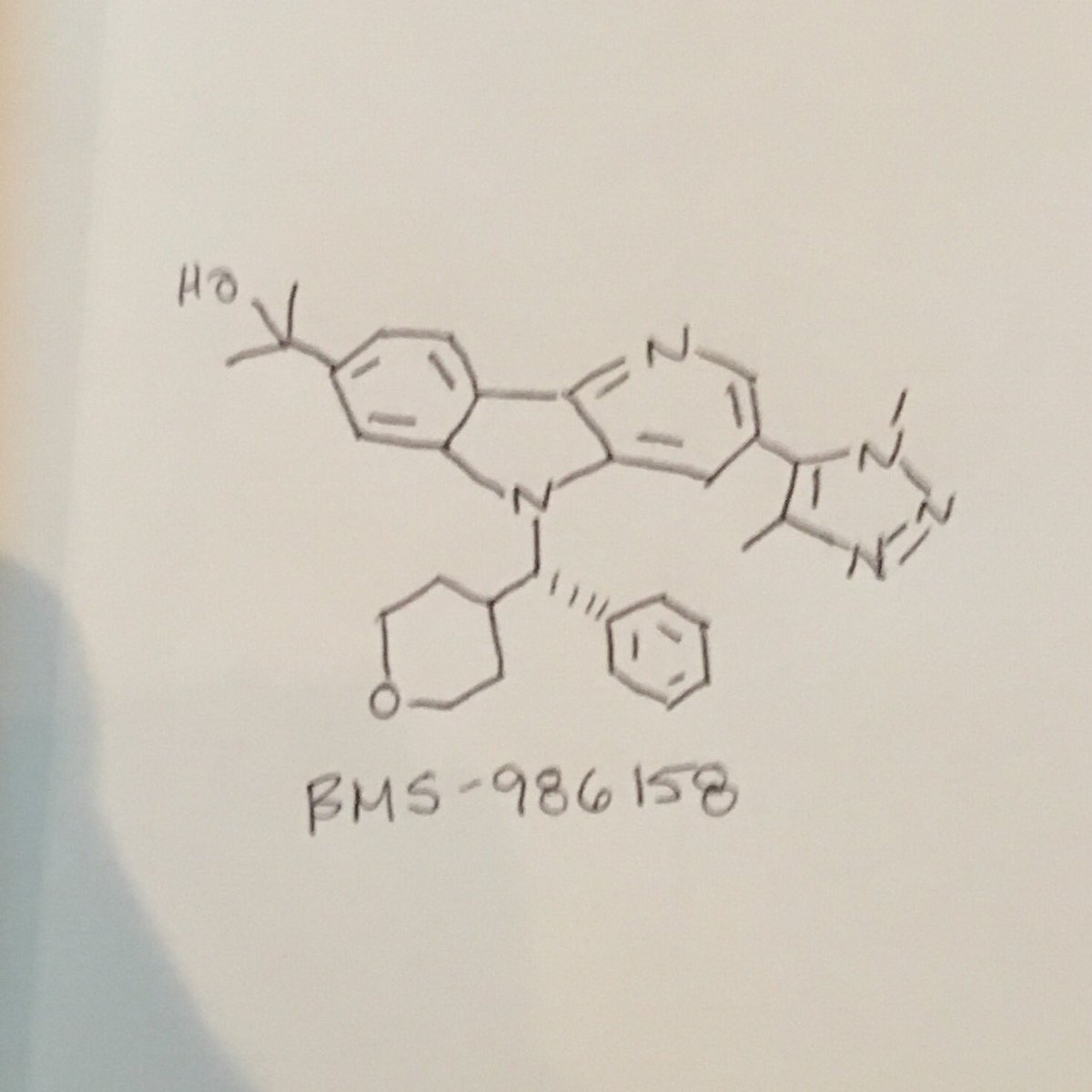
3rd speaker at #MEDI 1st time disclosures is Ashvin Gavai of @bmsnews talking about an oral BET inhibitor to treat cancer #ACSSanFran
//////////
CC(C)(O)c2cc3n(c1cc(cnc1c3cc2)c4c(C)nnn4C)[C@@H](C5CCOCC5)c6ccccc6


 New Drug Approvals
