
Home » Posts tagged 'AYURVEDA' (Page 6)
Tag Archives: AYURVEDA
 DRUG APPROVALS BY DR ANTHONY MELVIN CRASTO
.....FOR BLOG HOME CLICK HERE
DRUG APPROVALS BY DR ANTHONY MELVIN CRASTO
.....FOR BLOG HOME CLICK HEREFlag and hits
ORGANIC SPECTROSCOPY

SUBSCRIBE

 Subscribe in a reader
Enter your email address:
Delivered by FeedBurner
Subscribe to New Drug Approvals by Email


Recent Comments
 | shivkr2 on SPSR Excellence Award 2025 – S… |
 | Bonkasaurus on Infigratinib phosphate |
 | PALOVAROTENE | ORGAN… on Palovarotene |
| Pfizer just purchase… on Temanogrel | |
| Pfizer To Cash In On… on Temanogrel |
NATURE’S VIAGRA-Health benefits of pomegranate by – By Dr. Janardhana V Hebbar, Ayurveda Expert

Countless studies have shown the seemingly countless benefits of fruits for a person’s health.
The U.S. Government recommends that people get some servings of fruits every day. Of all the fruits ready in the shop today,
one fruit is at its height of popularity because of its legendary Greek mythology connection and its exoticism-the pomegranate fruit.

READ COMPLETE ARTICLE AT
http://www.askveda.in/blog/health-benefits-of-pomegranate/
Citrus And Statins

bergamottin
Citrus And Statins. —Citrus And Statins “” “How Foods and Drugs Collide” provided my first knowledge that 5-geranoxy psoralen (bergamottin) had been identified as the active agent in grapefruit juice implicated in interfering with the so-called statin drugs
( C&ENCitrus And Statins, Sept. 27, page 55 William L. Stanley Carmel, Calif. /articles/88/i49/Citrus-Statins.html 20101206 88 49 /magazine/88/8849.html /departments/letters.html Citrus And Statins Letters Citrus And Statins Chemical & Engineering News Citrus And Statins ACS 2009 IRS Form 990 Available The American Chemical Society’s 2009 Form 990 is now available on ACS’s website.
Chemical & Engineering News, 88(49), December 06, 2010 [Letters] you will have to pay a fee or subscribe
free info from net
Bergamottin is a natural furanocoumarin found principally in grapefruit juice. It is also found in the oil of bergamot orange, from which it was first isolated and from which its name is derived. To a lesser extent, bergamottin is also present in the essential oils of other citrus fruits. Along with the chemically related compound 6′,7′-dihydroxybergamottin, it is believed to be responsible for thegrapefruit juice effect in which the consumption of the juice affects the metabolism of a variety of pharmaceutical drugs.[1]
Chemistry
Chemically, bergamottin and dihydroxybergamottin are linear furanocoumarins functionalized with side chains derived fromgeraniol. They are inhibitors of some isoforms of the cytochrome P450 enzyme, particularly CYP3A4.[2] This prevents oxidative metabolism of certain drugs by the enzyme, resulting in an elevated concentration of drug in the bloodstream.
Normally, the grapefruit juice effect is considered to be a negative interaction, and patients are often warned not to consume grapefruit or its juice when taking medication. However, some current research is focused on the potential benefits of cytochrome P450 inhibition.[3] Bergamottin, dihydroxybergamottin, or synthetic analogs may be developed as drugs that are targeted to increase the oral bioavailability of other drugs. Drugs that may have limited use because they are metabolized by CYP3A4 may become viable medications when taken with a CYP3A4 inhibitor because the dose required to achieve a necessary concentration in the blood would be lowered.[4]
Biosynthesis of bergamottin
Bergamottin is derived from components originating in the shikimate pathway.[5] The biosynthesis of this compound starts with the formation of the demethylsuberosin (3) product which is formed via the alkylation of the umbelliferone (2) compound.[6] The alkylation of the umbelliferone is initiated with the use of dimethylallyl pyrophosphate, more commonly known as DMAPP. The cyclization of an alkyl group occurs to form marmesin (4), which is done in the presence of NADPH and oxygen along with a cytochrome P450 monooxygenase catalyst.[7] This process is then repeated twice more, first to remove the hydroxyisopropyl substituent from marmesin (4) to form psoralen (5), and then to add a hydroxyl group to form bergaptol (6).[8] Bergaptol (6) is next methylated with SAM, S-Adenosyl methionine, to form bergapten (7). The final step in this biosynthesis is the attachment of a GPP, or geranyl pyrophosphate, to the newly methylated bergapten (7) to form the target molecule bergamottin (8).

References
- ^ David G. Bailey, J. Malcolm, O. Arnold, J. David Spence (1998). “Grapefruit juice-drug interactions”. Br J Clin Pharmacol 46 (2): 101–110. doi:10.1046/j.1365-2125.1998.00764.x.PMC 1873672. PMID 9723817.
- ^ Basavaraj Girennavar, Shibu M. Poulose, Guddadarangavvanahally K. Jayaprakasha, Narayan G. Bhat and Bhimanagouda S. Patila (2006). “Furocoumarins from grapefruit juice and their effect on human CYP 3A4 and CYP 1B1 isoenzymes”. Bioorganic & Medicinal Chemistry 14 (8): 2606–2612. doi:10.1016/j.bmc.2005.11.039. PMID 16338240.
- ^ E. C. Row, S. A. Brown, A. V. Stachulski and M. S. Lennard (2006). “Design, synthesis and evaluation of furanocoumarin monomers as inhibitors of CYP3A4”. Org. Biomol. Chem. 4(8): 1604–1610. doi:10.1039/b601096b. PMID 16604230.
- ^ Christensen, Hege; Asberg, Anders; Holmboe, Aase-Britt; Berg, Knut Joachim (2002). “Coadministration of grapefruit juice increases systemic exposure of diltiazem in healthy volunteers”. European Journal of Clinical Pharmacology 58 (8): 515–520. doi:10.1007/s00228-002-0516-8. PMID 12451428.
- ^ Dewick, P. Medicinal Natural Products:A Biosynthetic Approach, 2nd ed., Wiley&Sons: West Sussex, England, 2001, p 145.
- ^ Bisagni, E. Synthesis of psoralens and analogues. J. Photochem. Photobiol. B. 1992, 14, 23-46.
- ^ Voznesensky, A. I.; Schenkman, J. B. The cytochrome P450 2B4-NADPH cytochrome P450 reductase electron transfer complex is not formed by charge-pairing. J. Biol. Chem. 1992, 267, 14669-14676.
- ^ Kent, U. M.; Lin, H. L.; Noon, K. R.; Harris, D. L.; Hollenberg, P. F. Metabolism of bergamottin by cytochromes P450 2B6 and 3A5. J. Pharmacol. Exp. Ther. 2006, 318, 992-1005
Big boost for Incyte as Jakafi shines in PhII


ruxolitinib
Top-line results from a Phase II trial showed that its JAK inhibitor Jakafi (ruxolitinib), in combination with Roche’s Xeloda (capecitabine), improved survival in some patients with recurrent or treatment refractory advanced pancreatic cancer
http://www.pharmatimes.com/Article/13-08-
22/Big_boost_for_Incyte_as_Jakafi_shines_in_PhII.aspx
Ruxolitinib (trade names Jakafi and Jakavi, by Incyte Pharmaceuticals and Novartis) is a drug for the treatment of intermediate or high-risk myelofibrosis, a type of bone marrow cancer.It is also being investigated for the treatment of other types of cancer (such as lymphomas and pancreatic cancer), for polycythemia vera, and for plaque psoriasis.
The phase III Controlled Myelofibrosis Study with Oral JAK Inhibitor-I (COMFORT-I) and COMFORT-II trials showed significant benefits by reducing spleen size, relieving debilitating symptoms, and improving overall survival.
Mechanism of action
Ruxolitinib is a Janus kinase inhibitor with selectivity for subtypes 1 and 2 of this enzyme.
Side effects
Immunologic side effects have included herpes zoster (1.9%) and case reports of opportunistic infections.[10] Metabolic side effects have included weight gain (7.1%). Laboratory abnormalities have included alanine transaminase (ALT) abnormalities (25.2%), aspartate transaminase (AST) abnormalities (17.4%), and elevated cholesterol levels (16.8%).
Legal status
In November 2011, ruxolitinib was approved by the USFDA for the treatment of intermediate or high-risk myelofibrosis based on results of the COMFORT-I and COMFORT-II Trials.
Some analysts believe this to be a potential blockbuster drug.[3] As of the end of March 2012, and according to an Incyte spokesman, approximately 1000 physicians had prescribed the drug in the United States, out of a total 6500 hematologists and oncologists nationwide.

The US Food and Drug Administration had approved Incyte’s Jakafi (ruxolitinib) to treat patients with the bone marrow disease myelofibrosis (MF). Jakafi is the first and only drug granted license specifically for the treatment of the rare blood cancer.
Jakafi approved by FDA to treat rare bone marrow disease
Posted By Edward Su On November 17th, 2011
MF is a rare, potentially life-threatening blood cancer with limited treatment methods. Patients with the bone marrow disoder, characterized by bone marrow failure, enlarged spleen (splenomegaly), suffer from the symptoms of fatigue, night sweats and pruritus, poor quality of life, weight loss and shortened survival. The US drug firm Incyte estimates the disease affects about 16,000-18,500 people in the USA. Currently, the disease is treated with chemotherapy or bone marrow transplant.
Incyte’s Jakafi, the first drug to reach market from the Wilmington-based drug company, was approved by the FDA as a twice-a-day pill for the treatment of patients with intermediate or high-risk myelofibrosis (MF), including primary MF, post-polycythemia vera MF and post-essential thrombocythemia MF. The US regulators reviewed Jakafi under its priority review program for important new therapies.
The approval of Jakafi was based on the results from two clinical studies involved 528 patients with the disease. Patients in the Jakafi treatment arm experienced a significant reduction in the size of their spleen as well as a 50 percent decrease in symptoms, including pain, discomfort and night sweats.
Jakafi, generically known as ruxolitinib, works by blocking JAK1 and JAK2 enzymes associated with the disease. The company has co-developed the drug with Novartis as part of their collaboration signed in 2009. The Swiss drug firm has the rights to market Jakafi in other countries.
“The availability of Jakafi is a significant medical advancement for people living with myelofibrosis, a debilitating disease,” said Paul A. Friedman, M.D., President and Chief Executive Officer of Incyte. “This milestone marks a tremendous achievement for Incyte because a scientific discovery from our research laboratories has become the first JAK inhibitor to reach the market and provide a clinical benefit to patients.”
Richard Pazdur, director of the Office of Hematology and Oncology Drug Products in the FDA’s Center for Drug Evaluation and Research, said that Jakafi “represents another example of an increasing trend in oncology where a detailed scientific understanding of the mechanisms of a disease allows a drug to be directed toward specific molecular pathways”.
Incyte says Jakafi will be available next week, and the drug will cost $7,000 per month, or $84,000 for a year’s supply for insured patients. The company plans to provide Jakafi free to uninsured patients and will offer co-pay assistance to patients with financial need.
(JAK1, JAK2) inhibitor, developed by the Incyte Corporation, trade name Jakafi.
Ruxolitinib synthetic route as shown below. 4 – bromo-pyrazole ( 1 ) with ethyl vinyl ether ( 2 ) to protect, and then with a Grignard reagent to a halogen – exchanged with isopropyl magnesiumpinacol ester ( 3 ) quenching to obtain 4 . Compound 5 is obtained consisting of hydrogen is protected 6 , and then with a boronic acid ester 4 Suzuki coupling occurs under acidic conditions after removal of the protecting group pyrazolyl 7 , 7 and α, β-unsaturated aldehyde 8 chiral catalyst 9 of under the catalysis of asymmetric Michael addition to give ( R ) -10 (90% EE). ( R) -10 , after reaction with ammonia to obtain an imine oxidation with iodine nitrile 11 , respectively, with different conditions for the final removal of the protecting group to afford Ruxolitinib.
Oncopeptides Testing Melflufen in Europe

Oncopeptides AB, a company working to enhance oncology therapies, announced that the first patient has been dosed as part of a phase 2 study in multiple myeloma patients with its drug candidate melflufen (previously called J1). The trial is an open-label phase 2 study, designed to determine the level of efficacy of melflufen in combination with dexamethasone, for late stage, relapsing or relapsing/refractory patients
read all at
Diabetes Drug Trial Moves to Israel

Oramed Pharmaceuticals Inc., a developer of oral drug delivery systems, announced that it has initiated patient recruitment for a new clinical trial of its orally ingestible insulin capsule, ORMD-0801 for patients with type 1 diabetes mellitus (T1DM) in Israel.
Ajay Piramal’s 20-20 game planThree years after selling its generics business to Abbott, the group is ready with a new strategy on becoming a $20-billion company by 2020

Twenty is an important number for Ajay Piramal, founder of thePiramal Group. Whether it is the target of 20 per cent annual growth or the goal of taking market capitalisation to $20 billion by 2020, the number is key in his scheme of things.
READ ALL AT
ANTHELMINTIC ACTIVITY OF THE LEAVES OF MORUS ALBA LINN
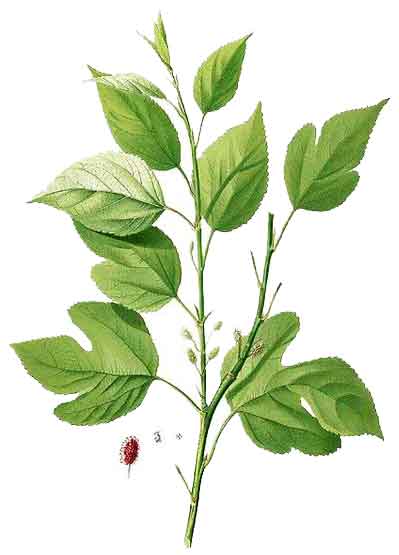
桑 Morus alba Linn.
Abstract
Present study was carried out to scientifically evaluate the anthelmintic potential of the methanolic extract of leaves of the plant morus alba(L) as it is used by the tribal community of different states and this is also highlighted in traditional uses of the plant.

Activity was performed using adult earthworms and albendazole was used as a standard. Various doses (2.5, 5, 10 mg/ml) of methanolic extracts of leaves were used for the study.

From results of the study it is clear that potency of the extracts is inversely proportional to the time taken for paralysis and death of worms.

All the tested doses showed significant activity (P<0.01) compared to the standard and activity also confirms dose dependant nature of the extracts.

read all at
http://www.pharmatutor.org/articles/anthelmintic-activity-leaves-of-morus-alba-linn

桑 Morus alba Linn.
A BRIEF REVIEW ON TREATMENT & PREVENTION OF CANCER

ABSTRACT

The rate of cancer rise is dramatic, doubling in the last 30 years. Furthermore, of the estimated 560,000 cancer victims who would die in 1997, most of them could have prevented their illness had they paid attention to some simple lifestyle factors.
Although the number of cancer deaths continues to rise each year in the U.S., the per capita cancer mortality rate has just recently started to decline. This celebrated small decline was first announced by the National Cancer Institute in late 1996, but a careful retrospective review of the data indicated that the per capita cancer death rate peaked in 1991 and has ever so slowly declined thereafter.
What was the reason for this decline? Not improved cancer treatments, but cancer prevention itself emerges as the cause for this good news. A national commitment to the prevention of cancer, largely replacing reliance on hopes for universal cures.
read all at
http://www.pharmatutor.org/articles/brief-review-on-treatment-prevention-of-cancer


Supernus Announces Final FDA Approval and Upcoming Launch of Trokendi XR

Topiramate
ROCKVILLE, Md., Aug. 19, 2013 (GLOBE NEWSWIRE) — Supernus Pharmaceuticals, Inc., a specialty pharmaceutical company, received final approval from the Food & Drug Administration (the “FDA”) for Trokendi XR, a novel once-daily extended release formulation of topiramate for the treatment of epilepsy. The company expects to launch the product and for it to be available in pharmacies over the next few weeks.
The approval letter states that the FDA has completed its review of the application and that Trokendi XR is approved effective August 16, 2013 for use as recommended in the agreed-upon labeling. The FDA granted a waiver for certain pediatric study requirements and a deferral for submission of post-marketing pediatric pharmacokinetic assessments that are due in 2019 followed by clinical assessments in 2025.
“We are very excited about the approval of Trokendi XR and its upcoming launch. This is excellent news for Supernus, its shareholders, and patients with epilepsy. We remain committed to the epilepsy community and very much look forward to now having two products, Trokendi XR and Oxtellar XR, available to patients,” said Jack Khattar, Chief Executive Officer, President and Director of Supernus.
About Trokendi XR
Trokendi XR is a novel once- daily extended release formulation of topiramate. Trokendi XR is an antiepileptic drug (AED) indicated for initial monotherapy in patients 10 years of age and older with partial onset or primary generalized tonic-clonic seizures; adjunctive therapy in patients 6 years of age and older with partial onset or primary generalized tonic-clonic seizures, and adjunctive therapy in patients 6 years of age and older with seizures associated with Lennox-Gastaut syndrome. The product will be available in 25mg, 50mg, 100mg and 200mg extended-release capsules.
About Supernus Pharmaceuticals, Inc.
Supernus Pharmaceuticals, Inc. is a specialty pharmaceutical company focused on developing and commercializing products for the treatment of central nervous system, or CNS, diseases. The Company has one marketed product for epilepsy, Oxtellar XR (extended-release oxcarbazepine), and one approved product for epilepsy, Trokendi XR (extended-release topiramate). The Company is also developing several product candidates in psychiatry to address large market opportunities in ADHD, including ADHD patients with impulsive aggression. These product candidates include SPN-810 for impulsive aggression in ADHD and SPN-812 for ADHD
OTHER
Topiramate (brand name Topamax) is an anticonvulsant (antiepilepsy) drug. It was most recently approved for weight loss by the FDA in combination with phentermine. It has been used off-label for this purpose before FDA approval was obtained. It was originally produced by Ortho-McNeil Neurologics and Noramco, Inc., both divisions of the Johnson & Johnson Corporation. It was also recently approved in a combination medication used for weight loss in late 2012. This medication was discovered in 1979 by Bruce E. Maryanoff and Joseph F. Gardocki during their research work at McNeil Pharmaceutical. Topiramate was first approved by the US FDA in 1996. Generic versions are available in Canada and these were approved by the Food and Drug Administration (FDA) in September 2006. Mylan Pharmaceuticals was recently granted final approval for generic topiramate 25, 100, and 200 mg tablets and sprinkle capsules by the FDA for sale in the United States. 50 mg tablets were granted tentative approval. The last patent for topiramate in the U.S. was for pediatric use; this patent expired on February 28, 2009.
IV Fish Oil Reverses Complicated Liver Disease

A clinical trial has found that, compared with soybean oil, a limited duration of fish oil in the intravenous nutrition of children with intestinal failure is safe and effective in reversing the complication known as intestinal failure-associated liver disease. read all this at


 New Drug Approvals