
Home » Posts tagged 'Antiinflammatory'
Tag Archives: Antiinflammatory
 DRUG APPROVALS BY DR ANTHONY MELVIN CRASTO
.....FOR BLOG HOME CLICK HERE
DRUG APPROVALS BY DR ANTHONY MELVIN CRASTO
.....FOR BLOG HOME CLICK HEREFlag and hits
ORGANIC SPECTROSCOPY

SUBSCRIBE

 Subscribe in a reader
Enter your email address:
Delivered by FeedBurner
Subscribe to New Drug Approvals by Email


Rugocrixan
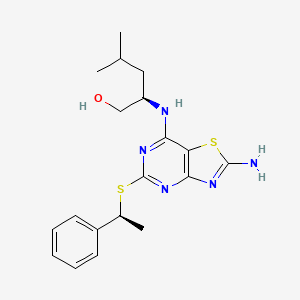
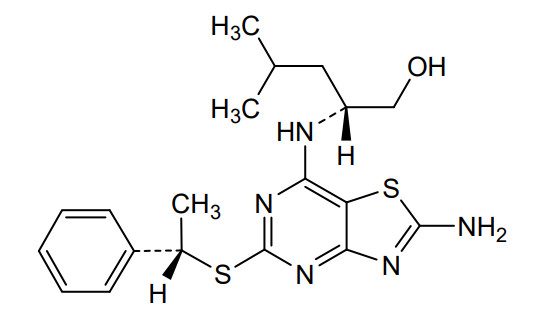
Rugocrixan
CAS911715-90-7
MF C19H25N5OS2, MF 403.6 g/mol
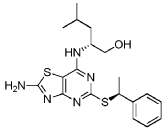
(2R)-2-[[2-amino-5-[(1S)-1-phenylethyl]sulfanyl-[1,3]thiazolo[4,5-d]pyrimidin-7-yl]amino]-4-methylpentan-1-ol
(R)-2-((2-Amino-5-(((S)-1-phenylethyl)thio)thiazolo[4,5-d]pyrimidin-7-yl)amino)-4-methylpentan-1-ol
(2R)-2-[(2-amino-5-{[(1S)-1-phenylethyl]sulfanyl}[1,3]thiazolo[4,5-d]pyrimidin-7-yl)amino]-4-methylpentan-1-ol
CX3C chemokine receptor 1 (CX3CR1) antagonist, antiinflammatory, KAND567, AZD8797, KAND 567, AZD 8797, S9Y83SS7PQ
Rugocrixan (also known by its developmental codes KAND567 and AZD8797) is a first-in-class, orally active small molecule drug candidate developed by Novakand Pharma (formerly Kancera). It acts as a potent, non-competitive allosteric antagonist of the CX3CR1 receptor, which is commonly referred to as the fractalkine receptor. By blocking this specific pathway, the drug prevents hyperinflammation and inhibits the proliferation and DNA repair mechanisms of certain cancer cells.
KAND567, a small molecule, blocks the fractaline (CX3CL1) receptor, which mediates the immune system response to inflammation. Because COVID-19 involves cytotoxic cells associated with this pathway, KAND567 is currently being tested as a treatment for those with the illness.
KAND567, a small molecule, blocks the fractaline (CX3CL1) receptor, which mediates the immune system response to inflammation. Because COVID-19 involves cytotoxic cells associated with this pathway, KAND567 is currently being tested as a treatment for those with the illness.
Key Clinical Developments and Therapeutic Focus
Originally acquired from AstraZeneca, the drug has advanced into multiple Phase II clinical trials. Novakand Pharma transitioned its core business strategy to focus heavily on orphan drug designations for niche, treatment-resistant conditions. Its primary areas of investigation include:
- Ovarian Cancer: Evaluated in the Phase IIa “KANDOVA” clinical trial for patients with treatment-resistant ovarian cancer. It functions by suppressing DNA repair in tumor cells, which enhances the effectiveness of platinum-based chemotherapy and drives the cancer cells into programmed cell death.
- Hematological Cancers: In preclinical studies alongside institutions like the Karolinska Institutet, rugocrixan has demonstrated a capability to block the unwanted growth-promoting effects of immune cells on advanced blood cancers, such as chronic lymphocytic leukemia (CLL).
- Cardioprotection: Investigated via the “FRACTAL” Phase IIa trial in patients suffering from acute myocardial infarction (STEMI) undergoing angioplasty. The drug met its safety endpoints and showed signals of protecting heart tissue by reducing myocardial bleeding and the risk of thrombosis.
Companion Prodrug
Novakand Pharma is also developing a second-generation, water-soluble phosphate prodrug named fosrugocrixan (KAND145). Once administered, fosrugocrixan is metabolized into the active form of rugocrixan, offering enhanced product properties for intravenous or alternative delivery methods.
Because rugocrixan targets a brand-new pharmacological pathway, the World Health Organization (WHO) assigned it a unique suffix stem, establishing it as the international nomenclature standard for this entire new class of CX3CR1 antagonists
- A Study to Evaluate the Safety of KAND567, in Combination With Carboplatin Therapy, in Women With Recurrent Epithelial Ovarian, Fallopian Tube, or Primary Peritoneal CancerCTID:NCT06087289Phase:Phase 1/Phase 2Status:CompletedDate:2025-06-08
- Safety, Tolerability and Pharmacokinetics After Continuous Infusion of KAND567CTID:NCT06030375Phase:Phase 1Status:CompletedDate:2023-09-11
- KAND567 Versus Placebo in Subjects Hospitalized With COVID-19CTID:NCT06012565Phase:Phase 2Status:TerminatedDate:2023-08-25
- KANDOVA – A two-part Phase Ib/IIa study to evaluate the safety and tolerability of KAND567, in combination with carboplatin therapy, and to determine the Recommended Phase II Dose (RPIID) of KAND567. An open-label, multicenter dose escalation study with an expansion cohort in women with recurrent epithelial ovarian, fallopian tube, or primary peritoneal cancer.EudraCT:2022-002792-11Phase:Phase 2Status:Trial now transitionedDate:2023-03-27
- KAND567 Versus Placebo in Subjects Hospitalized with COVID-19. A Phase II, Randomized, 2-Arm Parallel-Group, Double-blind Study to Evaluate Efficacy, Safety, Tolerability, and Pharmacokinetics.EudraCT:2020-002322-85Phase:Phase 2Status:Completed, Prematurely EndedDate:2020-07-02
SYN
PAT
WO 2006/107258.
PAT
EP1869056
https://patentscope.wipo.int/search/en/detail.jsf?docId=EP14857146&_cid=P20-MTP714-98881-1
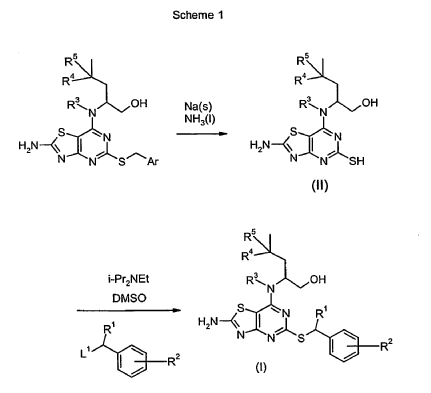
Example 12
(2R)-2-[{2-Amino-5-[(1-phenylethyl)thio][1,3]thiazolo[4,5-d]pyrimidin-7-yl}(methyl)amino]-4-methylpentan-1-ol
a) (2R)-2-[[2-Amino-5-(benzylthio)[1,3]thiazolo[4,5-d]pyrimidin-7-yl](methyl)amino]-4-methylpentan-1-ol
[0097] 5-(Benzylthio)-7-chloro[1,3]thiazolo[4,5 -d]pyrimidin-2-amine (1.5 g, 4.86 mmol), DIPEA (691 mg, 5.35 mmol) and ( R)- N-methylleucinol (956 mg, 7.29 mmol) were mixed in NMP (7.5 mL). The resulting solution was stirred at 110 °C under a nitrogen atmosphere for 2 days. After cooling to room temperature the reaction mixture was poured onto ice. The resulting yellow precipitate was collected by filtration, washed with water and dried in vacuo. The crude product was purified by flash column chromatography on silica (DCM:EtOAc 50:50 to 0:100) to give 1.42 g (72% yield) of the title compound as a yellow solid.
1H NMR (DMSO-d 6) 7.97 (br s, 2H), 7.40 (m, 2H), 7.28 (m, 2H), 7.21 (m, 1H), 4.73 (dd, 1H), 4.64 (br s, 1H), 4.32 (br s, 2H), 3.52-3.37 (m, 2H), 3.00 (s, 3H), 1.55-1.35 (m, 2H), 1.27 (m, 1H), 0.88 (d, 3H), 0.80 (d, 3H);
MS (ESI +) m/ z 404 [M+H] +.
PAT
RU0002411245
PAT
WO2019219771
https://patentscope.wipo.int/search/en/detail.jsf?docId=WO2019219771&_cid=P20-MTP714-98881-2
(2R)-2-[(2-amino-5-{[(1S)-1- phenylethyl]thio}[1 ,3]thiazolo[4,5-c/]pyrimidin-7-yl)amino]-4-methylpentan-1-ol is known to be a potent antagonist .
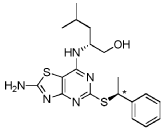
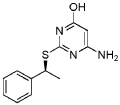
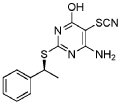
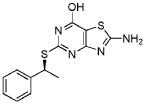
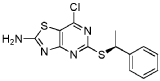
3.4 Preparation of (2R)-2-r(2-amino-5-(r(1 S)-1 -phenylethyllthio)ri ,3lthiazolor4,5-c/1Pyrimidin-7-yl)aminol-4-methylpentan-1 -ol.xHCI (5)
.xHCI
Compound 4 (1 .852 g, 5.74 mmol), DIPEA (1.1 12 g, 8.61 mmol) and D-leucinol (1.008 g, 8.61 mmmol) were dissolved in NMP (12 ml.) and the mixture was stirred at 120 °C in a sealed pyrex tube (start: 17:40).
HPLC after 15.5 h: ca. 98% conversion
HPLC after 19.5 h: >99% conversion
Work up: Ice water was poured into the mixture. Initially a solid was formed, but at the end of the addition the solid collapsed to a dark brown oil. EtOAc (50 ml.) was added and the phases were separated. The aqueous phase was extracted with EtOAc (2×25 ml_), and the combined organic phases were washed with water (8 ml_), sat. NaHC03 (3×8 ml_), water (8 ml.) and brine (8 ml_), dried over MgS04, filtered and evaporated. Dried in vacuum to yield 2.697 g of crude material as a brown oil. HPLC purity: ca. 92%. The oil was dissolved in MEK (ca. 18 mL) and cone. HCI (12.5 M, 574 pL, 7.18 mmol) was added. There was no spontaneous precipitation of the HCI salt. The mixture was gently stirred at RT and after ca. 20 min precipitation occurred. The mixture was stirred gently for 2.5 h and the solid was isolated by filtration on a P3 sintered glass filter. The solid was washed with three portions of MEK and was then dried in vacuum at 60 °C for 2.5 days. Yield (batch 1 ): 1 .224 g (48.5%) of the product as hydrochloride salt.
HPLC purity: 99.0% (basic method);
97.4% (acidic method).
A substantial amount of solids passed through the filter into the filtrate. The solids were isolated by centrifugation and the supernatant was removed by pipette. The solid was washed with two portions (ca. 2×5 mL) of MEK. After the last supernatant was removed the product was dried in vacuum at 60 °C for 2.5 days. Yield (batch 2): 324 mg (12.8%) of the product as hydrochloride salt.
HPLC purity: 99.0% (basic method);
97.5% (acidic method).
Combined yield: 1.548 g (61 .3%)
Both batches contain ca. 0.07% DMF (w/w). The DMF was already present in the starting material.
Further purification of the combined batches
The two batches of compound 5 were combined (1.338 g, 3.041 mmol) in a 50 mL roundbottomed flask and water (6 mL) was added followed by 2M NaOH (1.6 mL, 3.2 mmol). The mixture was stirred and EtOAc (40 mL) was added. An additional 0.5 mL (1 mmol) 2M NaOH was added during stirring. After 15 min all of the solids were dissolved and the phases were separated. The pH of the aqueous phase was measured with a pH stick =>pH=7. More 2M NaOH (0.4 mL, 0.8 mmol) was added to the aqueous phase resulting in a pH of 10. The aq. phase was extracted with EtOAc (25 mL) and the phases were separated. The combined organic phases were dried over Na2S04, filtered and evaporated to yield the free base as a crystalline beige solid. The free base was dissolved in MEK (15 mL) and HCI (37%, 12.5 M, 255 pL, 3.19 mmol) was added during stirring. A white precipitate was immediately formed. The mixture was stirred gently for 2 h and the solid was collected by filtration on a P4 sintered glass filter. The solids were washed with MEK (5 mL) and dried in vacuum at 60 °C for 3 h. Yield: 1.187 g (89% based on the unpurified material) of 99% pure product as a white solid. 1H NMR (600 MHz, CD30D) d ppm 7.49 (d, J=7.3 Hz, 2 H) 7.37 (t, J=7.6 Hz, 2 H) 7.27 – 7.32 (m, 1 H) 5.23 (q, J=7.0 Hz, 1 H) 4.60 – 4.70 (m, 1 H) 3.55 (d, J=5.5 Hz, 2 H) 1.83 (d, J=7.3 Hz, 3 H) 1.67 – 1.76 (m, 1 H) 1.58 -1.65 (m, 1 H) 1.48 – 1.54 (m, 1 H) 1.00 (d, J=6.7 Hz, 3 H) 0.98 (d,J=6.7 Hz, 3 H). MS (ESI+) m/z 404 [M+H]+
The diasteromeric ratio of the final product reflects the enantiomeric ratio of the starting material (compound 1 ), which was 99.7% (S).
1H NMR: The spectrum looks very pure. Trace amounts of DMF were, however, detected.
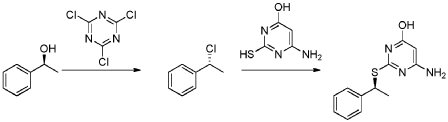
Comparative Example 4 – Process scale two-step procedure for the synthesis of 6-amino-2-{r(1S)-1-phenylethvnsulfanyl)pyrimidin-4-ol (1 )
Step 1 Step 2
ADVERTISEMENT
ANAX LABORATORIES
WEBSITE https://www.anaxlab.com/
Discovery Solutions, Supporting the chemistry needs of clients in the Medical, Analytical and Bio Sciences
Development Solutions, Developing from Lab scale to PR&D, Kilo Scale-ups and Commercial Scales
SEE MORE………Integrated Solutions, Manufacturing Solutions, Products,
Can’t Find? Let’s Connect

Phone : +91 897704 2010 / +91 9177075735, Email : info@anaxlab.com
#MedicinalChemistry, #DrugDiscovery, #OrganicSynthesis, #ChemicalLibrary, #BuildingBlocks, #SARStudies, #ChemistryInnovation, #medchem, #Drugdevelopment, #Biotech, #Biotechnology, #AnaxLaboratories, #Pharma



AS ON FEB2026 4.574 LAKHS VIEWS ON BLOG WORLDREACH AVAILABLEFOR YOUR ADVERTISEMENT
join me on Linkedin
Anthony Melvin Crasto Ph.D – India | LinkedIn
join me on Researchgate
RESEARCHGATE

join me on Facebook
Anthony Melvin Crasto Dr. | Facebook
join me on twitter
Anthony Melvin Crasto Dr. | twitter
+919321316780 call whatsaapp
EMAIL. amcrasto@gmail.com

References
- Novel 5-substituted 7-amino-[1,3]thiazolo[4,5-d]pyrimidine derivativesPublication Number:CA-2604017-CPriority Date:2005-04-06Grant Date:2012-03-06
- Novel 5-substituted 7-amino [1,3] thiazolo [4,5-D] pyrimidine derivativesPublication Number:JP-5165553-B2Priority Date:2005-04-06Grant Date:2013-03-21
- Novel 5,7-Disubstituted [1,3]Thiazolo[4,5-D]Pyrimidin-2(3H)-One Derivatives 794Publication Number:US-2009124637-A1Priority Date:2005-04-06
- New derivatives of 5, 7-disubstituted [1, 3] thiazolo[4, 5-d] pyrimidine-2(3h)-onePublication Number:RU-2411245-C9Priority Date:2005-04-06Grant Date:2011-05-27
- Novel 5-Substituted 7-Amino-[1,3]Thiazolo[4,5-D]Pyrimidine Derivatives 793Publication Number:US-2008214578-A1Priority Date:2005-04-06
- NEW DERIVATIVES OF 5-SUBSTITUTED 7-AMINO-[1, 3] THIAZOLO [4, 5-d]PYRIMIDINEPublication Number:RU-2419623-C2Priority Date:2005-04-06Grant Date:2011-05-27
- Novel 5,7-disubstituted [1,3] thiazolo [4,5-D] pyrimidin-2 (3H) -one derivativesPublication Number:JP-2008535834-APriority Date:2005-04-06
//////////rugocrixan, anax labs, CX3C chemokine receptor 1 (CX3CR1) antagonist, antiinflammatory, KAND567, AZD8797, KAND 567, AZD 8797, S9Y83SS7PQ
#rugocrixan, #anax labs, #CX3C chemokine receptor 1 (CX3CR1) antagonist, #antiinflammatory, #KAND567, #AZD8797, #KAND 567, #AZD 8797, #S9Y83SS7PQ
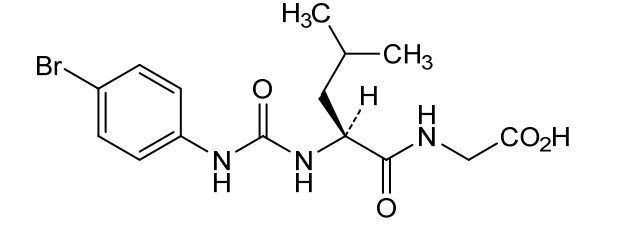
Rezuforimod
Rezuforimod
CAS 1431754-15-2
MF C15H20BrN3O4, MW386.24 g/mol
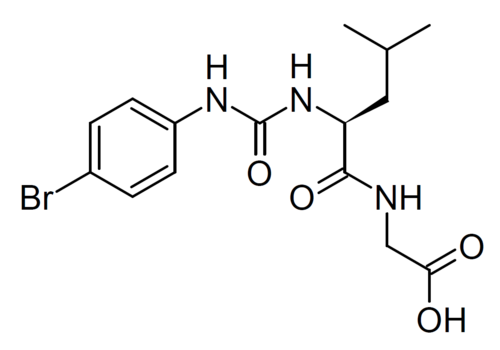
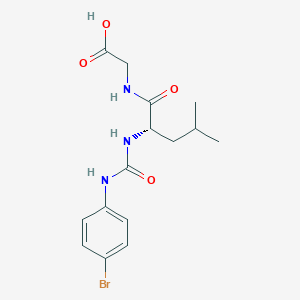
((4-Bromophenyl)carbamoyl)-L-leucylglycine
2-[[(2S)-2-[(4-bromophenyl)carbamoylamino]-4-methylpentanoyl]amino]acetic acid
N-[(4-bromophenyl)carbamoyl]-L-leucylglycine
N-formyl peptide receptor 1 and 2 agonist, antiinflammatory, AGN-232411, AG-80308, AGN 232411, AG 80308, 54P16AUY6D
Rezuforimod is an experimental drug that acts as a potent and selective agonist of formyl peptide receptor 2 with an EC50 of 0.88 nM, which inhibits neutrophil adhesion and has antiinflammatory effects.[1][2]
Rezuforimod (also known by development codes AGN-232411 and AG-80308) is an experimental, first-in-class small molecule drug primarily being developed as a topical ophthalmic solution to treat dry eye disease (DED). It targets inflammation, which is a major underlying driver of dry eye symptoms and ocular surface damage.
👁️ Mechanism of Action
Rezuforimod operates through a targeted anti-inflammatory pathway:
- FPR2 Agonism: It acts as a highly potent and selective agonist of Formyl Peptide Receptor 2 (FPR2/ALX), binding with an EC₅₀ of 0.88 nM.
- Neutrophil Inhibition: Activating this receptor successfully inhibits neutrophil adhesion and migration to the ocular surface.
- Inflammation Resolution: By mimicking natural pro-resolving leagues, it shuts down chronic inflammatory cascades on the corneal surface rather than just suppressing the immune system globally.
🔬 Clinical Trial Findings & Efficacy
In clinical assessments, Rezuforimod has shown excellent potential as a localized therapy:
- Dosing: It is formulated as an eye drop administered twice daily (BID).
- Objective Improvement: Over a 3-month trial period, it significantly reduced corneal and conjunctival staining scores (an objective measure of tissue damage on the surface of the eye). The most pronounced improvements were recorded at Day 43 and Day 84.
- Subjective Relief: Patients reported a notable reduction in daily ocular discomfort and an improved Ocular Surface Disease Index (OSDI) score.
- Safety Profile: The drug has demonstrated a favorable safety profile with no serious drug-related adverse events, and no abnormal shifts in vital signs or systemic blood chemistry.
A Study of AG-80308 in Dry Eye PatientsCTID:NCT05372107, Phase: Phase 1
Status:Completed, Date:2022-11-29
SYN
- The formyl peptide receptors FPR1 and FPR2 as targets for inflammatory disorders: recent advances in the development of small-molecule agonistsPublication Name:European Journal of Medicinal ChemistryPublication Date:2024-02-05PMID:38199163DOI:10.1016/j.ejmech.2023.115989
- Synthesis and evaluation of novel cyclopentane urea FPR2 agonists and their potential application in the treatment of cardiovascular inflammationPublication Name:European Journal of Medicinal ChemistryPublication Date:2021-03-15PMID:33548634DOI:10.1016/j.ejmech.2021.113194
- Recent advances in the design and development of formyl peptide receptor 2 (FPR2/ALX) agonists as pro-resolving agents with diverse therapeutic potentialPublication Name:European Journal of Medicinal ChemistryPublication Date:2021-03-05PMID:33486199DOI:10.1016/j.ejmech.2021.113167
PAT
https://patentscope.wipo.int/search/en/detail.jsf?docId=US205825234&_cid=P10-MT81MF-62360-1
PAT
WO2013062947
https://patentscope.wipo.int/search/en/detail.jsf?docId=WO2013062947&_cid=P10-MT81PJ-63770-1
PAT
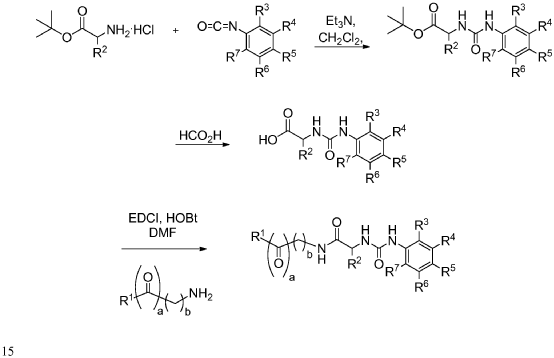
- Amide derivatives of N-urea substituted amino acids as formyl peptide receptor like-1 (FPRL-1) receptor modulatorsPublication Number:US-10993931-B2Priority Date:2011-10-26Grant Date:2021-05-04
- Amide derivatives of n-urea substituted amino acids as formyl peptide receptor like-1 (fprl-1) receptor modulatorsPublication Number:WO-2013062947-A1Priority Date:2011-10-26
- Substituted N-urea amino acid amide derivatives as modulators of formylated peptide receptor 1 (FPRL-1) receptorPublication Number:ES-2820714-T3Priority Date:2011-10-26Grant Date:2021-04-22
- Amide derivatives of N-urea-substituted amino acids as formyl peptide receptor-like-1 (FPRL-1) receptor modulatorsPublication Number:CN-106518742-APriority Date:2011-10-26
ADVERTISEMENT
ANAX LABORATORIES
WEBSITE https://www.anaxlab.com/
Discovery Solutions, Supporting the chemistry needs of clients in the Medical, Analytical and Bio Sciences
Development Solutions, Developing from Lab scale to PR&D, Kilo Scale-ups and Commercial Scales
SEE MORE………Integrated Solutions, Manufacturing Solutions, Products,
Can’t Find? Let’s Connect
Phone : +91 897704 2010 / +91 9177075735, Email : info@anaxlab.com
#MedicinalChemistry, #DrugDiscovery, #OrganicSynthesis, #ChemicalLibrary, #BuildingBlocks, #SARStudies, #ChemistryInnovation, #medchem, #Drugdevelopment, #Biotech, #Biotechnology, #AnaxLaboratories, #Pharma
AS ON FEB2026 4.574 LAKHS VIEWS ON BLOG WORLDREACH AVAILABLEFOR YOUR ADVERTISEMENT
join me on Linkedin
Anthony Melvin Crasto Ph.D – India | LinkedIn
join me on Researchgate
RESEARCHGATE
join me on Facebook
Anthony Melvin Crasto Dr. | Facebook
join me on twitter
Anthony Melvin Crasto Dr. | twitter
+919321316780 call whatsaapp
EMAIL. amcrasto@gmail.com
References
References
- Maciuszek M, Cacace A, Brennan E, Godson C, Chapman TM (March 2021). “Recent advances in the design and development of formyl peptide receptor 2 (FPR2/ALX) agonists as pro-resolving agents with diverse therapeutic potential”. European Journal of Medicinal Chemistry. 213 113167. doi:10.1016/j.ejmech.2021.113167. PMID 33486199.
- Maciuszek M, Ortega-Gomez A, Maas SL, Perretti M, Merritt A, Soehnlein O, et al. (March 2021). “Synthesis and evaluation of novel cyclopentane urea FPR2 agonists and their potential application in the treatment of cardiovascular inflammation”. European Journal of Medicinal Chemistry. 214 113194. doi:10.1016/j.ejmech.2021.113194. PMID 33548634.
 | |
| Identifiers | |
|---|---|
| IUPAC name | |
| CAS Number | 1431754-15-2 |
| PubChem CID | 71526099 |
| UNII | 54P16AUY6D |
| ChEMBL | ChEMBL4785302 |
| Chemical and physical data | |
| Formula | C15H20BrN3O4 |
| Molar mass | 386.246 g·mol−1 |
| 3D model (JSmol) | Interactive image |
| SMILES | |
| InChI | |
////////rezuforimod, anax labs, N-formyl peptide receptor 1 and 2 agonist, antiinflammatory, AGN-232411, AG-80308, AGN 232411, AG 80308, 54P16AUY6D
#rezuforimod, #anax labs, #N-formyl peptide receptor 1 and 2 agonist, #antiinflammatory, #AGN-232411, #AG-80308, #AGN 232411, #AG 80308, #54P16AUY6D
Plodicitinib
Plodicitinib
CAS 2360992-48-7
MF C19H22FN7O2 MW399.42
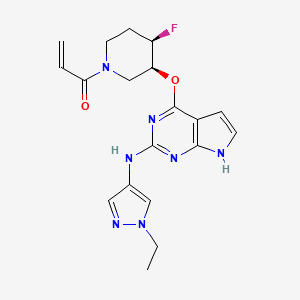
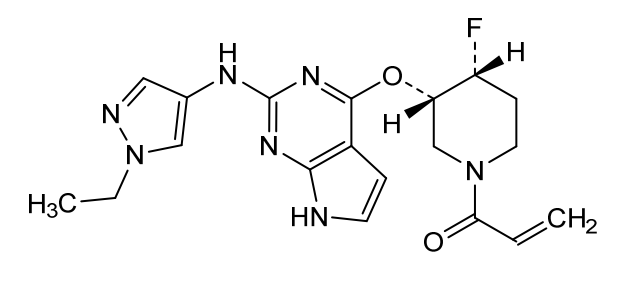
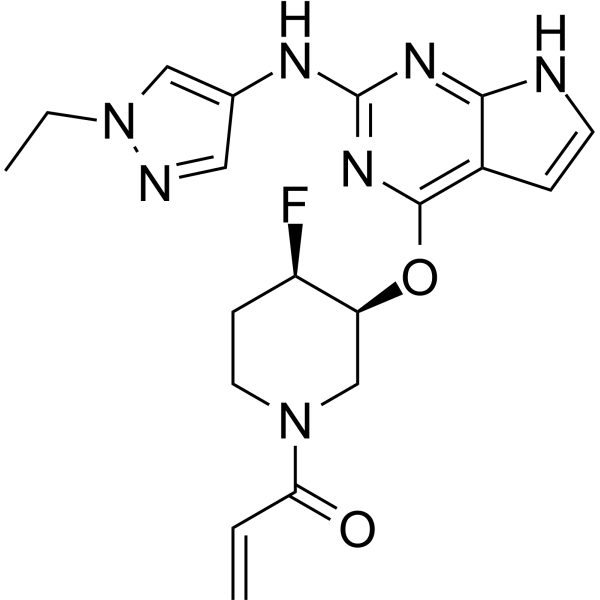
1-[(3S,4R)-3-[[2-[(1-ethylpyrazol-4-yl)amino]-7H-pyrrolo[2,3-d]pyrimidin-4-yl]oxy]-4-fluoropiperidin-1-yl]prop-2-en-1-one
1-[(3S,4R)-3-({2-[(1-ethyl-1H-pyrazol-4-yl)amino]-7Hpyrrolo[2,3-d]pyrimidin-4-yl}oxy)-4-fluoropiperidin-1-yl]prop2-en-1-one
Janus tyrosine kinase 3/TEC family kinase inhibitor, antiinflammatory, veterinary, SX5UEP3JXA
Plodicitinib is a Janus tyrosine kinase 3/TEC family kinase inhibitor with anti-inflammatory activity.
Plodicitinib is a small-molecule, dual Janus tyrosine kinase 3 (JAK3) and TEC family kinase (specifically BTK) inhibitor that exhibits strong anti-inflammatory properties.
Mechanism of Action
The compound blocks specific enzymatic pathways involved in cellular signaling:
- JAK3 Inhibition: It targets Janus kinase 3, which plays an essential role in transmitting signals for cytokines that regulate immune cell development and activation.
- TEC/BTK Inhibition: It blocks Bruton’s tyrosine kinase (BTK), a component vital for B-cell development and activation. [1, 2]
- Combined Effect: By blocking these pathways, it suppresses the overactive immune and inflammatory responses that drive autoimmune and allergic conditions.
Applications and Development Status
- Veterinary Medicine: In early 2026, Daewoong Pharmaceutical submitted an application to the Animal and Plant Quarantine Agency in South Korea for commercial approval of plodicitinib. It is being positioned as a specialized, companion animal-only treatment to manage atopic dermatitis in dogs.
- Research Use: In the scientific community, it is actively utilized as a laboratory tool compound to study kinase signaling pathways and inflammatory disease models.
PAT
https://patentscope.wipo.int/search/en/detail.jsf?docId=US306969271&_cid=P22-MSL6QJ-67927-1
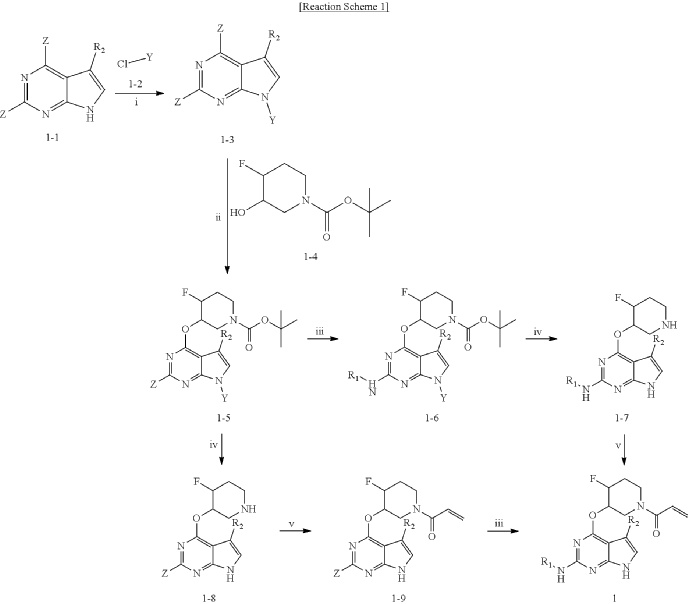
Example 4: Preparation of 1-(cis-3-((2-((1-ethyl-1H-pyrazol-4-yl)amino)-7H-pyrrolo[2,3-d]pyrimidin-4-yl)oxy)-4-fluoropiperidin-1-yl)prop-2-en-1-one
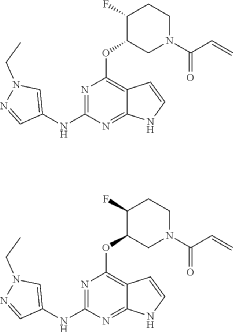
19.3 mg (yield: 27.8%) of the title compound was obtained in the same manner as in Example 1, except that cis-tert-butyl-4-fluoro-3-hydroxypiperidine-1-carboxylate was used instead of trans-tert-butyl-4-fluoro-3-hydroxypiperidine-1-carboxylate in Example 1.
Example 5: Preparation of 1-((3S,4R)-3-((2-((1-ethyl-1H-pyrazol-4-yl)amino)-7H-pyrrolo[2,3-d]pyrimidin-4-yl)oxy)-4-fluoropiperidin-1-yl)prop-2-en-1-one
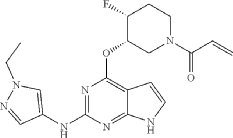
| 16.2 mg (yield: 57.4%) of the title compound was obtained in the same manner as in Example 1, except that tert-butyl(3S,4R)-4-fluoro-3-hydroxypiperidine-1-carboxylate was used instead of trans-tert-butyl-4-fluoro-3-hydroxypiperidine-1-carboxylate in Example 1. |
Example 25: Preparation of 1-((3S,4S)-3-((2-((1-ethyl-1H-pyrazol-4-yl)amino)-7H-pyrrolo[2,3-d]pyrimidin-4-yl)oxy)-4-fluoropiperidin-1-yl)prop-2-en-1-one
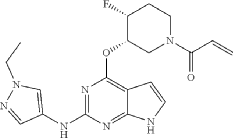
The compound of Example 1 was separated by CHIRALCEL OZ-H column to obtain the title compound with an analysis time of 10.1 minutes.
1H NMR (500 MHz, CD 3OD) δ 7.98-7.95 (m, 1H), 7.57-7.55 (m, 1H), 6.84-6.53 (m, 2H), 6.26-6.08 (m, 2H), 5.78-5.52 (m, 1H), 5.41-5.40 (m, 1H), 5.10-5.04 (m, 1H), 4.50-4.06 (m, 4H), 3.89-3.86 (m, 1H), 3.55-3.50 (m, 1H), 2.19-2.16 (m, 1H), 1.95-1.94 (m, 1H), 1.45-1.41 (m, 3H)
PAT
https://patentscope.wipo.int/search/en/detail.jsf?docId=WO2025121903&_cid=P22-MSL6W2-73218-1
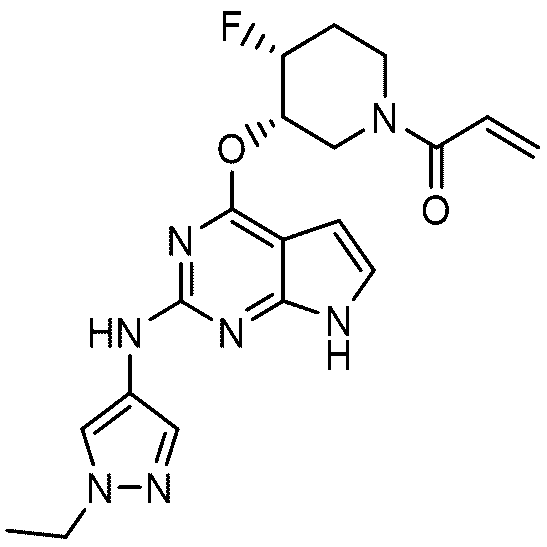
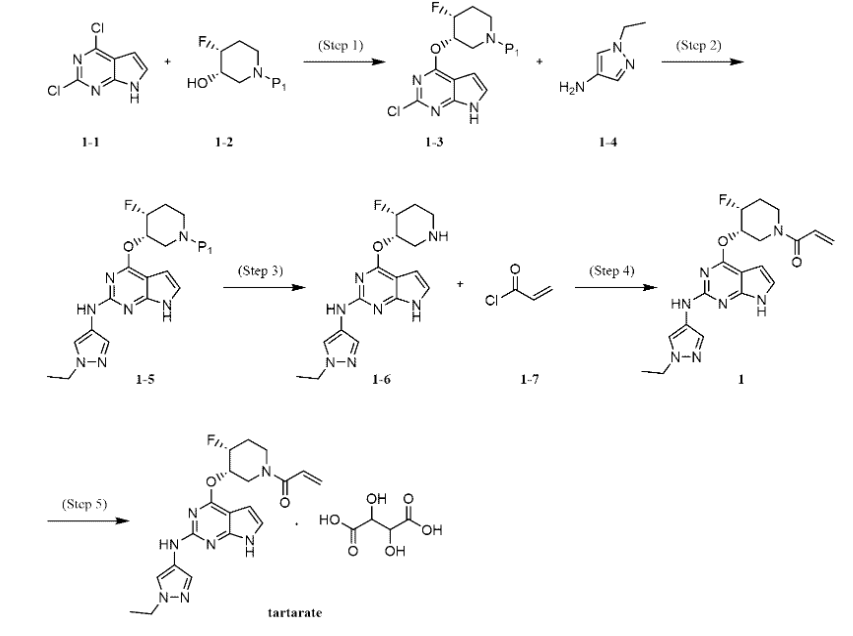
1-((3S,4R)-3-((2-((1-ethyl-1H-pyrazole-4-yl)amino)-7H-pyrrolo[2,3-d]pyrimidine-4-yl)oxy)-4-fluoropiperidin-1-yl)prop-2-en-1-one is represented by the following chemical formula 1:
ADVERTISEMENT
ANAX LABORATORIES
WEBSITE https://www.anaxlab.com/
Discovery Solutions, Supporting the chemistry needs of clients in the Medical, Analytical and Bio Sciences
Development Solutions, Developing from Lab scale to PR&D, Kilo Scale-ups and Commercial Scales
SEE MORE………Integrated Solutions, Manufacturing Solutions, Products,
Can’t Find? Let’s Connect
Phone : +91 897704 2010 / +91 9177075735, Email : info@anaxlab.com
#MedicinalChemistry, #DrugDiscovery, #OrganicSynthesis, #ChemicalLibrary, #BuildingBlocks, #SARStudies, #ChemistryInnovation, #medchem, #Drugdevelopment, #Biotech, #Biotechnology, #AnaxLaboratories, #Pharma
AS ON FEB2026 4.574 LAKHS VIEWS ON BLOG WORLDREACH AVAILABLEFOR YOUR ADVERTISEMENT
join me on Linkedin
Anthony Melvin Crasto Ph.D – India | LinkedIn
join me on Researchgate
RESEARCHGATE
join me on Facebook
Anthony Melvin Crasto Dr. | Facebook
join me on twitter
Anthony Melvin Crasto Dr. | twitter
+919321316780 call whatsaapp
EMAIL. amcrasto@gmail.com
References
- Tartrate salt of 1-((3s,4r)-3-((2-((1-ethyl-1h-pyrazol-4-yl)amino)-7h-pyrrolo[2,3-d]pyrimidin-4-yl)oxy)-4-fluoropiperidin-1-yl)prop-2-en-1-one, crystalline form thereof, and method for preparing samePublication Number:WO-2025121903-A1Priority Date:2023-12-05
- Method for preparation of 1-((3s,4r)-3-((2-((1-ethyl-1h-pyrazol-4-yl)amino)-7h-pyrrolo[2,3-d]pyrimidin-4-yl)oxy)-4-fluoropiperidin-1-yl)prop-2-en-1-one, and intermediate compounds thereofPublication Number:WO-2025121899-A1Priority Date:2023-12-05
- Phosphate salt of 1-((3s,4r)-3-((2-((1-ethyl-1h-pyrazol-4-yl)amino)-7h-pyrrolo[2,3-d]pyrimidin-4-yl)oxy)-4-fluoropiperidin-1-yl)prop-2-en-1-one, crystalline form thereof, and method for preparation thereofPublication Number:WO-2025121900-A1Priority Date:2023-12-05
- Oxy-fluoropiperidine derivative as kinase inhibitorPublication Number:EP-3733673-A1Priority Date:2017-12-28
- Oxy-fluoropiperidine Derivative as Kinase InhibitorPublication Number:US-2020308177-A1Priority Date:2017-12-28
- Oxy-fluoropiperidine compounds as kinase inhibitors, pharmaceutical composition comprising the same and their use in the prevention or treatment of inflammatory diseases, autoimmune diseases, proliferative diseases or hyperproliferative diseases and immune-mediated diseases, cancers, tumorsPublication Number:BR-112020013141-B1Priority Date:2017-12-28
- Substituted piperidines as kinase inhibitorsPublication Number:US-11339167-B2Priority Date:2017-12-28Grant Date:2022-05-24
- Oxy-haloperidine derivatives as kinase inhibitorsPublication Number:CN-111527091-APriority Date:2017-12-28
- Oxy-fluoropiperidine derivatives as kinase inhibitorPublication Number:KR-102318929-B1Priority Date:2017-12-28Grant Date:2021-10-28
- Oxy-fluoropiperidine derivative as a kinase inhibitorPublication Number:JP-6995428-B2Priority Date:2017-12-28Grant Date:2022-01-14
- Oxy-fluoropiperidine derivatives as kinase inhibitorPublication Number:CA-3084962-A1Priority Date:2017-12-28
- Oxy-fluoropiperidine derivative as a kinase inhibitorPublication Number:ES-2922633-T3Priority Date:2017-12-28Grant Date:2022-09-19
- Oxy-fluoropiperidine derivatives as kinase inhibitorPublication Number:KR-20190080803-APriority Date:2017-12-28
- Oxy-fluoropiperidine derivatives as kinase inhibitorPublication Number:CA-3084962-CPriority Date:2017-12-28Grant Date:2022-08-09
- Oxy-fluoropiperidine derivative as kinase inhibitorPublication Number:EP-3733673-B1Priority Date:2017-12-28Grant Date:2022-06-29
- Oxy-haloperidine derivatives as kinase inhibitorsPublication Number:CN-111527091-BPriority Date:2017-12-28Grant Date:2023-03-28
- Oxy-fluoropiperidine derivatives as kinase inhibitorPublication Number:KR-20210062618-APriority Date:2017-12-28
- Oxy-fluoropiperidine derivatives as kinase inhibitorPublication Number:KR-102592083-B1Priority Date:2017-12-28Grant Date:2023-10-20
- OXY-FLUOROPIPERIDINE DERIVATIVE AS A KINASE INHIBITORPublication Number:HR-P20221043-T1Priority Date:2017-12-28
- Oxy-fluoropiperidine derivative as kinase inhibitorPublication Number:IL-275207-BPriority Date:2017-12-28
/////////anax labs, plodicitinib, Janus tyrosine kinase 3/TEC family kinase inhibitor, antiinflammatory, veterinary, SX5UEP3JXA
#anax labs, #plodicitinib, #Janus tyrosine kinase 3/TEC family kinase inhibitor, #antiinflammatory, #veterinary, #SX5UEP3JXA
Fosrugocrixan
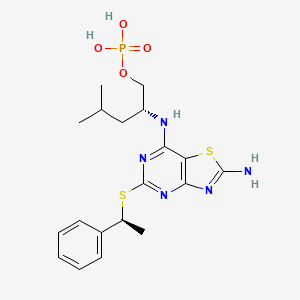
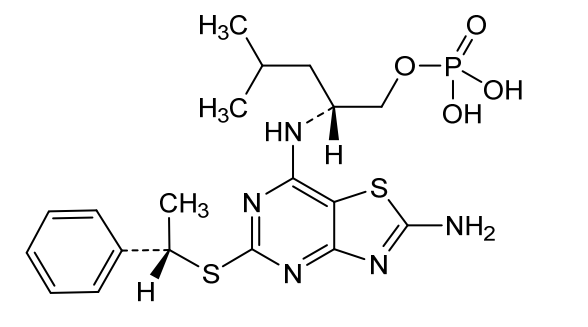
Fosrugocrixan
CAS 2408145-38-8
MF C19H26N5O4PS2, MW483.5 g/mol
[(2R)-2-[[2-amino-5-[(1S)-1-phenylethyl]sulfanyl-[1,3]thiazolo[4,5-d]pyrimidin-7-yl]amino]-4-methylpentyl] dihydrogen phosphate
- (2R)-2-[(2-amino-5-{[(1S)-1-phenylethyl]sulfanyl}[1,3]thiazolo[4,5-d]pyrimidin-7-yl)amino]-4-methylpentyl dihydrogen phosphate
- 1-Pentanol, 2-[[2-amino-5-[[(1S)-1-phenylethyl]thio]thiazolo[4,5-d]pyrimidin-7-yl]amino]-4-methyl-, 1-(dihydrogen phosphate), (2R)-
(2R)-2-[(2-amino-5-{[(1S)-1-phenylethyl]sulfanyl}[1,3]thiazolo[4,5-d]pyrimidin-7-yl)amino]-4-methylpentyl dihydrogen phosphate
CX3C chemokine receptor 1 (CX3CR1) antagonist, antiinflammatory, 4ZXD25SC4S, KAND-145, KAND 145
- OriginatorKancera
- DeveloperNovakand Pharma
- ClassAnti-inflammatories; Antineoplastics; Small molecules
- Mechanism of ActionChemokine CXCL13 inhibitors
- Phase IOvarian cancer
- PreclinicalChronic lymphocytic leukaemia
- No development reportedInflammation
- 22 Sep 2025Kancera is now called Novakand Pharma
- 28 Apr 2025No recent reports of development identified for preclinical development in Ovarian-cancer in Sweden (IV)
- 03 May 2024Efficacy and adverse event data from a phase I trials in healthy volunteers released by Kancera
Fosrugocrixan (also known by its developmental code KAND145) is a novel, small-molecule drug candidate acting as a selective antagonist for CX3C chemokine receptor 1 (CX3CR1), commonly known as the fractalkine receptor.
Key Characteristics and Mechanism
- Drug Class: It represents a first-in-class small molecule immune modulator.
- Phosphate Prodrug: Fosrugocrixan is designed as a soluble phosphate prodrug. Once inside the body (in vivo), it converts into its active drug form, rugocrixan (formerly KAND567).
- Mechanism of Action: By blocking the CX3CR1 fractalkine pathway, it controls and prevents the trafficking of disease-promoting immune cells. This blockage provides potent anti-inflammatory activity.
Clinical Development and Targets
The drug is being actively developed by Novakand Pharma (a company formerly known as Kancera). Its primary therapeutic targets span several conditions driven by runaway inflammation and immune responses:
- Cardiovascular Diseases: Specifically targeted to manage conditions where hyper-inflammation damages tissue (such as post-myocardial infarction or heart conditions).
- Autoimmune & Inflammatory Diseases: Evaluated for broad anti-inflammatory potential.
- Oncology: Investigated for its ability to regulate the tumor microenvironment.
SYN
WO 2020008064
https://patentscope.wipo.int/search/en/detail.jsf?docId=WO2020008064&_cid=P21-MPQB4Y-95682-1
SYN
Karlström et al. J. Med. Chem., 2013, 56, 3177-3190
https://pubs.acs.org/doi/10.1021/jm3012273
PAT
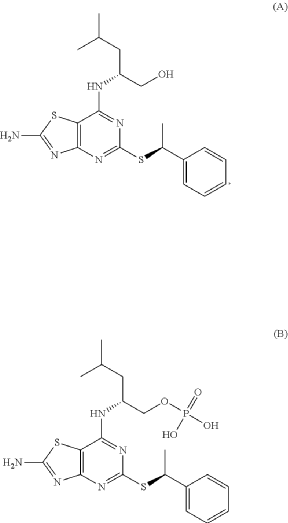
(2R)-2-[(2-Amino-5-{[(1S)-1-phenylethyl]sulfanyl}[1,3]thiazolo[4,5-d]pyrimidin-7-yl)amino]-4-methylpentyl dihydrogen phosphate (B), are known to act as antagonists of the fractalkine receptor (CX3CR1) (Karlström et al. J. Med. Chem., 2013, 56, 3177-3190; WO 2020/008064)
PAT
https://patentscope.wipo.int/search/en/detail.jsf?docId=US336567291&_cid=P21-MPQAYT-90868-1
Example 1
Preparation of (2R)-2-[(2-Amino-5-{[(1S)-1-phenylethyl]sulfanyl}[1,3]thiazolo[4,5-d]pyrimidin-7-yl)amino]-4-methylpentyl dihydrogen phosphate
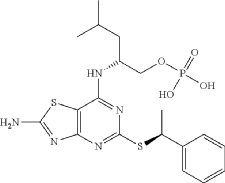
Phosphorus oxychloride (337 mg, 2.2 mmol) was dissolved in THE (0.75 mL) and water (25 mg, 1.4 mmol) was added. The mixture was cooled in an ice-bath and pyridine (111 mg, 113 μL, 1.4 mmol) was added followed by (2R)-2-[(2-amino-5-{[(1S)-1-phenylethyl]sulfanyl}-[1,3] thiazolo[4,5-d]pyrimidin-7-yl)amino]-4-methylpentan-1-ol hydrochloride (110 mg, 0.25 mmol) (Karlstr6m S., et al., J. Med. Chem., 2013, 56, 3177-3190; WO 2006/107258). The reaction mixture was stirred at ice-bath temperature for 1 h. To a mixture of phosphorus oxychloride (337 mg, 2.2 mmol) and water (25 mg, 1.4 mmol) in THE was added, at ice-bath temperature pyridine (111 mg, 113 μL, 1.4 mmol). Half of this mixture was added to the reaction mixture described above. The reaction mixture was stirred at ice-bath temperature for another 1 h. Water (3 mL) was added and the reaction mixture was stirred for 15 min at ice-bath temperature and 20 min at room temperature. DCM (3 mL) was added and the phases were separated. The aqueous phase was extracted with another portion of DCM (3 mL) and the organic phases were combined. At this point the product started to precipitate as a pale-yellow gum in the organic phase. MeOH was added and the now homogeneous solution was transferred to a round-bottomed flask and was evaporated to yield 120 mg of crude product, which according to HPLC was ca. 93% pure. The crude material was dissolved in a MeOH/water mixture and the pH was adjusted to about 6-7 with 1 M NaOH. The material was purified by preparative HPLC (basic method). The pure fractions were pooled, evaporated, and dried in vacuum. The product was assumed to be the diammonium salt after purification. 1H NMR (600 MHz, CD 3OD) δ H ppm 7.43-7.47 (m, 2H) 7.30-7.35 (m, 2H) 7.20-7.24 (m, 1H) 5.08 (q, J=7.03 Hz, 1H) 4.59-4.68 (m, 1H) 3.92 (ddd, J=10.12, 5.67, 4.30 Hz, 1H) 3.88 (dt, J=10.12, 4.94 Hz, 1H) 1.74 (d, J=7.03 Hz, 3H) 1.71-1.79 (m, 1H) 1.68 (ddd, J=13.87, 9.54, 5.67 Hz, 1H) 1.57 (ddd, J=13.87, 8.54, 5.33 Hz, 1H) 0.98 (d, J=6.71 Hz, 3H) 0.96 (d, J=6.56 Hz, 3H). MS (ESI +) m/z 484 [M+H] +.
ADVERTISEMENT
ANAX LABORATORIES
WEBSITE https://www.anaxlab.com/
Discovery Solutions, Supporting the chemistry needs of clients in the Medical, Analytical and Bio Sciences
Development Solutions, Developing from Lab scale to PR&D, Kilo Scale-ups and Commercial Scales
SEE MORE………Integrated Solutions, Manufacturing Solutions, Products,
Can’t Find? Let’s Connect
Phone : +91 897704 2010 / +91 9177075735, Email : info@anaxlab.com
#MedicinalChemistry, #DrugDiscovery, #OrganicSynthesis, #ChemicalLibrary, #BuildingBlocks, #SARStudies, #ChemistryInnovation, #medchem, #Drugdevelopment, #Biotech, #Biotechnology, #AnaxLaboratories, #Pharma
AS ON FEB2026 4.574 LAKHS VIEWS ON BLOG WORLDREACH AVAILABLEFOR YOUR ADVERTISEMENT
join me on Linkedin
Anthony Melvin Crasto Ph.D – India | LinkedIn
join me on Researchgate
RESEARCHGATE
join me on Facebook
Anthony Melvin Crasto Dr. | Facebook
join me on twitter
Anthony Melvin Crasto Dr. | twitter
+919321316780 call whatsaapp
EMAIL. amcrasto@gmail.com
References
- Phosphate and phosphonate derivatives of 7-amino-5-thio-thiazolo[4,5-d]pyrimidines and their use in treating conditions associated with elevated levels of cx3cr1 and/or cx3cl1Publication Number: EP-3818065-B1Priority Date: 2018-07-06Grant Date: 2023-03-15
- Phosphate and phosphonate derivatives of 7-amino-5-thio-thiazolo[4,5-d]pyrimidine and their use in treating conditions associated with elevated levels of CX3CR1 and/or CX3CL1Publication Number: KR-102736870-B1Priority Date: 2018-07-06Grant Date: 2024-12-03
- Phosphate and phosphonate derivatives of 7-amino-5-thio-thiazolo[4,5-d]pyrimidines and their use in treating conditions associated with elevated levels of cx3cr1 and/or cx3cl1Publication Number: US-2021340167-A1Priority Date: 2018-07-06
- Phosphate and phosphonate derivatives of 7-amino-5-thio-thiazolo[4,5-D]pyrimidine and their use in the treatment of conditions associated with elevated levels of cx3cr1 and/or cx3cl1 – Patent Application 20070123333Publication Number: JP-7506653-B2Priority Date: 2018-07-06Grant Date: 2024-06-26
- Phosphate and phosphonate derivatives of 7-amino-5-thio-thiazolo[4,5-d]pyrimidines and their use in treating conditions associated with elevated levels of CX3CR1 and/or CX3CL1Publication Number: US-11339183-B2Priority Date: 2018-07-06Grant Date: 2022-05-24
- Phosphate and phosphonate derivatives of 7-amino-5-thio-thiazolo-[4,5-D]-pyrimidines and their uses in the treatment of conditions associated with high levels of CX3CR1 and/or CX3CL1Publication Number: IL-279818-B1Priority Date: 2018-07-06
- PHOSPHATE AND PHOSPHONATE DERIVATIVES OF 7-AMINO-5-THIO-THIAZOLO[4,5-D]PYRIMIDINE AND THEIR USE IN THE TREATMENT OF CONDITIONS ASSOCIATED WITH INCREASED LEVELS OF CX3CR1 AND/OR CX3CL1Publication Number: HR-P20230532-T1Priority Date: 2018-07-06
- Phosphate and phosphonate derivatives of 7-amino-5-thio-thiazolo[4,5-d]pyrimidines and their use in treating conditions associated with elevated levels of CX3CR1 and/or CX3CL1Publication Number: US-12060380-B2Priority Date: 2018-07-06Grant Date: 2024-08-13
- 7-Amino-5-thio-thiazolo [4,5-D] Pyrimidine phosphate and phosphonate derivatives and their use in therapeutic conditions associated with elevated levels of CX3CR1 and / or CX3CL1Publication Number: JP-2021530474-APriority Date: 2018-07-06
- Phosphate and phosphonate derivatives of 7-amino-5-thio-thiazolo-[4,5-D]-pyrimidines and their uses in the treatment of conditions associated with high levels of CX3CR1 and/or CX3CL1Publication Number: IL-279818-B2Priority Date: 2018-07-06
- Phosphate and phosphonate derivatives of 7-amino-5-thio-thiazolo[4,5-d]pyrimidines and their use in treating conditions associated with elevated levels of cx3cr1 and/or cx3cl1Publication Number: US-2021292349-A1Priority Date: 2018-07-06
- Phosphate and phosphonate derivatives of 7-amino-5-thio-thiazolo [4,5-D ] pyrimidine modulators of CX3CR1 receptor and medical uses thereofPublication Number: CN-112867725-BPriority Date: 2018-07-06Grant Date: 2024-09-27
- New usePublication Number: US-2025195548-A1Priority Date: 2023-12-19
- Fractalkine receptor antagonists for use in the prevention of thrombus formation and/or growthPublication Number: EP-4593833-A1Priority Date: 2023-12-19
- Fractalkine receptor antagonists for use in the prevention of thrombus formation and/or growthPublication Number: WO-2025133022-A1Priority Date: 2023-12-19
- New usePublication Number: US-2025195549-A1Priority Date: 2023-12-19
- New treatments of viral infectionsPublication Number: WO-2021224494-A1Priority Date: 2020-05-08
////////fosrugocrixan, anax labs, CX3C chemokine receptor 1 (CX3CR1) antagonist, antiinflammatory, 4ZXD25SC4S, KAND-145, KAND 145
#fosrugocrixan, #anax labs, #CX3C chemokine receptor 1 (CX3CR1) antagonist, #antiinflammatory, #4ZXD25SC4S, #KAND-145, #KAND 145
Ofirnoflast
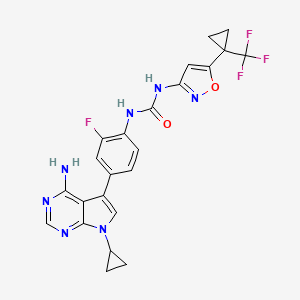
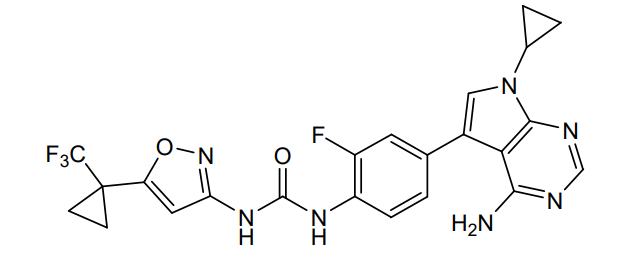
Ofirnoflast
CAS 2731294-23-6
MFC23H19F4N7O2 MW501.4 g/mol
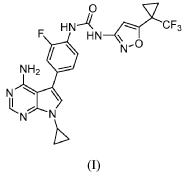
N-[4-(4-amino-7-cyclopropyl-7H-pyrrolo[2,3-d]pyrimidin-5-yl)-2-fluorophenyl]-N’-{5-[1-
(trifluoromethyl)cyclopropyl]-1,2-oxazol-3-yl}urea
N-(4-(4-AMINO-7-CYCLOPROPYL-7H-PYRROLO(2,3-D)PYRIMIDIN-5-YL)-2-FLUOROPHENYL)-N’-(5-(1-(TRIFLUOROMETHYL)CYCLOPROPYL)-3-ISOXAZOLYL)UREA
N-(4-(4-AMINO-7-CYCLOPROPYL-7H-PYRROLO(2,3-D)PYRIMIDIN-5-YL)-2-FLUOROPHENYL)-N’-(5-(1-(TRIFLUOROMETHYL)CYCLOPROPYL)-1,2-OXAZOL-3-YL)UREA
OFIRNOLAST [USAN]
OFIRNOFLAST
UREA, N-(4-(4-AMINO-7-CYCLOPROPYL-7H-PYRROLO(2,3-D)PYRIMIDIN-5-YL)-2-FLUOROPHENYL)-N’-(5-(1-(TRIFLUOROMETHYL)CYCLOPROPYL)-3-ISOXAZOLYL)-
OFIRNOFLAST [INN]
serine/ threonine-protein kinase Nek7 inhibitor, antiinflammatory, HT-6184, HT 6184, 54PY2PBN7S
Ofirnoflast is an investigational drug, a NEK7 inhibitor, that targets and disrupts the formation of the NLRP3 inflammasome, a key driver of chronic inflammation. Developed by Halia Therapeutics, it is being explored for conditions like myelodysplastic syndromes (MDS), obesity, and Alzheimer’s disease. The drug’s unique mechanism aims to address inflammation at a root cause level, potentially offering a new approach to treating these diseases.
How it works
- Ofirnoflast is a “first-in-class” molecule that selectively inhibits the NEK7 protein.
- NEK7 is essential for the assembly of the NLRP3 inflammasome, a molecular complex that causes chronic inflammation.
- By inhibiting NEK7, ofirnoflast prevents the inflammasome from forming and promotes its disassembly.
- This approach aims to reduce inflammation without causing broad immunosuppression.
Therapeutic applications
- Myelodysplastic Syndromes (MDS): Ofirnoflast has completed a Phase 2 study for this condition and received Orphan Drug Designation from the FDA. It is being investigated for its potential to improve blood cell production by targeting the underlying inflammation.
- Obesity: An ongoing Phase 2 study is exploring ofirnoflast in combination with semaglutide to target inflammation and metabolic issues.
- Alzheimer’s Disease: Ofirnoflast is part of an early-stage program looking into its potential for this disease.
Ofirnoflast is a first-in-class, orally bioavailable NEK7 inhibitor currently undergoing Phase 2 clinical evaluation. It disrupts NLRP3 inflammasome assembly by targeting NEK7’s scaffolding function—blocking complex formation independently of NLRP3 activation status, upstream of caspase activation, pyroptosis, and inflammatory cytokine release. This mechanism offers a novel therapeutic approach for chronic inflammation. Unlike NSAIDs, corticosteroids, cytokine-neutralising biologics, and NLRP3-directed small molecules—which are frequently limited by off-target effects, immunosuppression, or incomplete efficacy—ofirnoflast provides a targeted approach with fewer anticipated liabilities
- A Ph2 Study to Evaluate the Safety, Efficacy and Tolerability of HT-6184 and Semaglutide in Obese Participants With T2DMCTID: NCT07172867Phase: Phase 2Status: Not yet recruitingDate: 2025-09-15
- HT-6184 in Subjects With MDSCTID: NCT07052006Phase: Phase 2Status: Active, not recruitingDate: 2025-07-14
- Evaluating Ability of HT-6184 to Reduce Inflammation and Pain After Third Molar ExtractionCTID: NCT06241742Phase: Phase 2Status: CompletedDate: 2025-03-30
- Study to Evaluate HT-6184 in Healthy SubjectsCTID: NCT05447546Phase: Phase 1Status: CompletedDate: 2023-08-28
SYN
https://www.tandfonline.com/doi/full/10.1080/1061186X.2025.2542856
SYN
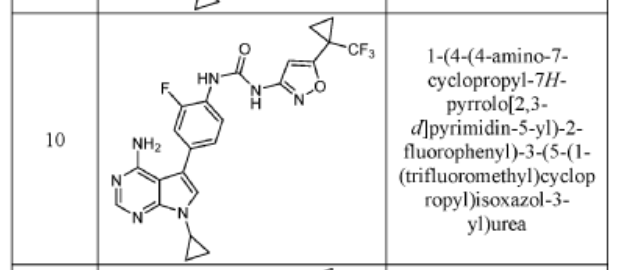
COMPD 10
SYN
https://patentscope.wipo.int/search/en/detail.jsf?docId=WO2021242505&_cid=P11-MHZPDU-32878-1
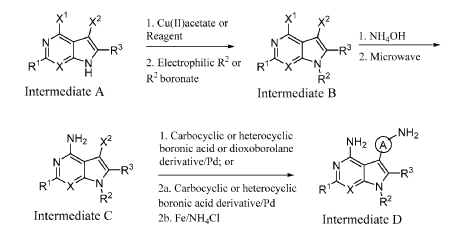
INTERMEDIATE D1
5-(4-AMINO-3-FLUOROPHENYL)-7-CYCLOPROPYL-7H-PYRROLO[2,3-D]PYRIMIDIN-4- AMINE
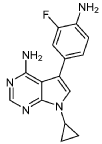
A mixture of 7-cyclopropyl-5-iodo-7H-pyrrolo[2,3-d]pyrimidin-4-amine (C1, 0.160 g, 0.533 mmol), 2-fluoro-4-(4,4,5,5-tetramethyl-1,3,2-dioxaborolan-2-yl)aniline (0.190 g, 0.800 mmol), and K2CO3 (0.221 g, 1.599 mmol) in 1,4-dioxane (1 mL) and water (0.3 mL) was purged with N2 for 10 min. Pd(PPh3)4 (0.062 g, 0.053 mmol) was then added and the reaction mixture was stirred at 100 °C for 12 h. Following completion of the reaction (as indicated by TLC), the mixture was filtered through a pad celite which was then rinsed with EtOAc (2 x 10 mL). The combined filtrates were concentrated under reduced pressure to yield crude material which was purified by flash chromatography (silica gel 230-400 mesh, eluting with 3% MeOH in DCM), affording
the title compound as a yellow solid (0.110 g, 73% yield).1H NMR (400 MHz, DMSO-d6) δ = 8.14 (s, 1H), 7.13 (s, 1H), 7.05-7.09 (m, 1H), 6.95-6.98 (m, 1H), 6.82-6.86 (m, 1H), 6.10 (bs, 2H), 5.22 (bs, 2H), 3.52-3.58 (m, 1H), 1.00-1.04 (m, 4H). LCMS: 284.1 [M+H].
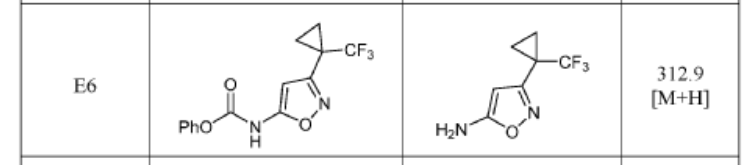
3-(1-(Trifluoromethyl)cyclopropyl)isoxazol-5-amine (precursor to E6) and 5-(1-(trifluoromethyl)cyclopropyl)isoxazol-3-amine (precursor to E7) were synthesized as reported in Synthesis 2013, 45, 171–173
EXAMPLE 5
1-(4-(4-AMINO-7-CYCLOPROPYL-7H-PYRROLO[2,3-D]PYRIMIDIN-5-YL)-2- FLUOROPHENYL)-3-(3-(1-(TRIFLUOROMETHYL)CYCLOPROPYL)ISOXAZOL-5-YL)UREA
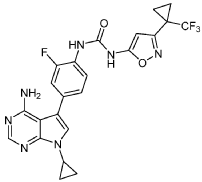
The title compound was prepared following the general procedure for urea formation (Method A), starting from 5-(4-amino-3-fluorophenyl)-7-cyclopropyl-7H-pyrrolo[2,3-d]pyrimidin-4-amine (D1, 0.080 g, 0.282 mmol) and phenyl (3-(1-(trifluoromethyl)cyclopropyl)isoxazol-5-yl)carbamate (E6, 0.088 g, 0.282 mmol), and was obtained as a white solid (0.031 g, 22% yield).1H NMR (400 MHz, DMSO-d6) δ = 10.59 (bs, 1H), 8.84 (bs, 1H), 8.11-8.17 (m, 2H), 7.26-7.37 (m, 3H), 6.20 (s, 1H), 6.16 (bs, 2H), 3.55-3.61 (m, 1H), 1.45-1.49 (m, 2H), 1.38-1.43 (m, 2H), 1.03-1.08 (m, 4H). LCMS: 502.1 [M+H].
PAT
https://patentscope.wipo.int/search/en/detail.jsf?docId=WO2024249257&_cid=P11-MHZP9H-30149-1
PAT
- Targeted nek7 inhibition for modulation of the nlrp3 inflammasomePublication Number: US-2023210853-A1Priority Date: 2020-05-08
- Inhibitors of NEK7 kinasePublication Number: US-11713321-B2Priority Date: 2020-05-08Grant Date: 2023-08-01
- Inhibitors of nek7 kinasePublication Number: EP-4146348-B1Priority Date: 2020-05-08Grant Date: 2024-07-03
- Inhibitors of nek7 kinasePublication Number: US-2023416259-A1Priority Date: 2020-05-08
- Inhibitors of NEK7 kinasePublication Number: US-12091413-B2Priority Date: 2020-05-08Grant Date: 2024-09-17
- Inhibitors of nek7 kinasePublication Number: TW-202208356-APriority Date: 2020-05-08
- Inhibitors of NEK7 kinasePublication Number: AU-2021280893-A1Priority Date: 2020-05-08
- Inhibitors of NEK7 kinasePublication Number: CN-115843272-APriority Date: 2020-05-08
- Inhibitors of nek7 kinasePublication Number: EP-4146348-A1Priority Date: 2020-05-08
- Inhibitors of NEK7 kinasePublication Number: KR-20230008763-APriority Date: 2020-05-08
- Polymorphs of nek 7 inhibitorsPublication Number: WO-2024249257-A1Priority Date: 2023-05-26
- Inhibitors of NEK7 kinasePublication Number: US-11161852-B1Priority Date: 2020-05-08Grant Date: 2021-11-02
- Inhibitors of nek7 kinasePublication Number: US-2021355130-A1Priority Date: 2020-05-08
- Inhibitors of nek7 kinasePublication Number: US-2022064173-A1Priority Date: 2020-05-08
- Inhibitors of nek7 kinasePublication Number: WO-2021242505-A1Priority Date: 2020-05-08

AS ON OCT2025 4.511 LAKHS VIEWS ON BLOG WORLDREACH AVAILABLEFOR YOUR ADVERTISEMENT
join me on Linkedin
Anthony Melvin Crasto Ph.D – India | LinkedIn
join me on Researchgate
RESEARCHGATE
join me on Facebook
Anthony Melvin Crasto Dr. | Facebook
join me on twitter
Anthony Melvin Crasto Dr. | twitter
+919321316780 call whatsaapp
EMAIL. amcrasto@gmail.com
……
///////////ofirnoflast, serine/ threonine-protein kinase Nek7 inhibitor, antiinflammatory, HT-6184, HT 6184, 54PY2PBN7S
ADX-103
ADX-103
CAS 916056-81-0
Preclinical, Antiinflammatory Ophthalmic Agents, Diabetic Retinopathy,
Agents for Ophthalmic Drugs
MF C16 H16 N2 O2
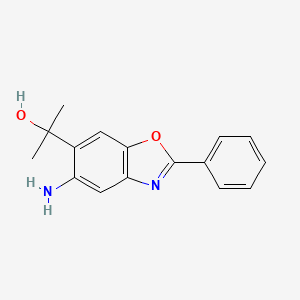
5-Amino-α,α-dimethyl-2-phenyl-6-benzoxazolemethanol
Aldeyra Therapeutics Inc
ADX-103 , an aldehyde trap being investigated by Aldeyra for the treatment of dry eye syndrome; in May 2018, preclinical data were presented at 2018 ARVO Meeting in Honolulu, HI. Aldeyra, in collaboration with an undisclosed company, is also investigating an anti-inflammatory agent for treating ocular inflammation.
PATENT
WO-2020033344
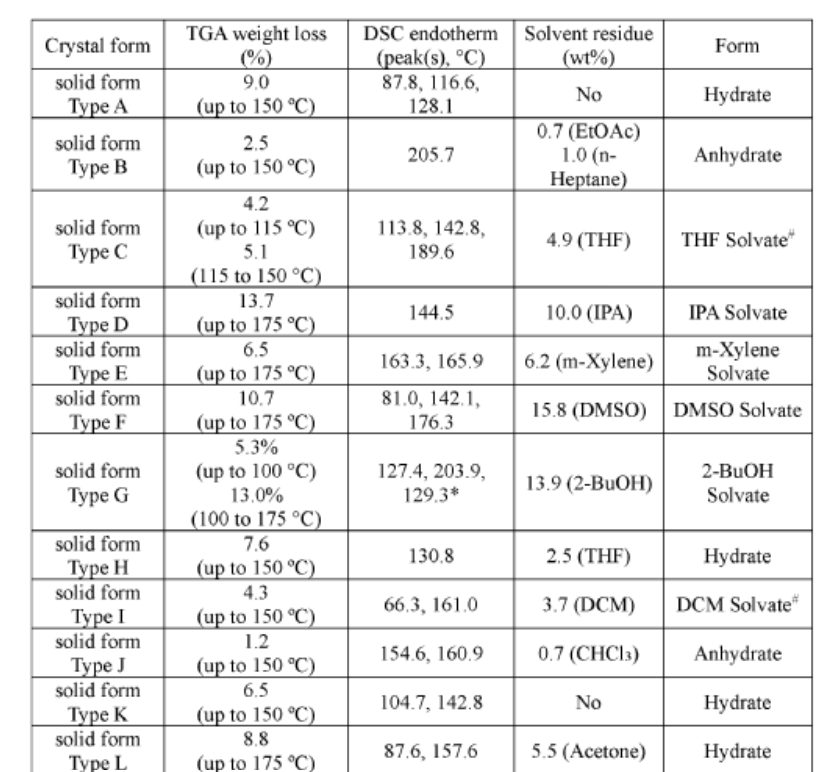
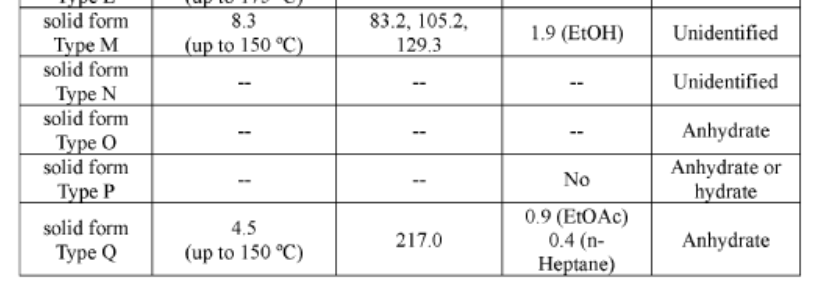
Novel crystalline forms of a specific benzoxazole and it’s salts, process for their preparation, and compositions comprising them are claimed, useful for treating dry eye, inflammation and diabetes, through action as an aldehyde scavenger.
It has now been found that compounds of the present invention, and compositions thereof, are useful for treating, preventing, and/or reducing a risk of a disease, disorder, or condition in which aldehyde toxicity is implicated in the pathogenesis. In general, salt forms or freebase forms, and pharmaceutically acceptable compositions thereof, are useful for treating or lessening the severity of a variety of diseases or disorders as described in detail herein. Such compounds are represented by the chemical structure below, denoted as compound A:
or a pharmaceutically acceptable salt thereof.
[0008] Compounds of the present invention, and pharmaceutically acceptable compositions thereof, are useful for treating a variety of diseases, disorders or conditions, associated with toxic aldehydes. Such diseases, disorders, or conditions include those described herein.
[0009] Compounds provided by this invention are also useful for the study of certain aldehydes in biology and pathological phenomena.
Scheme 1 – Synthesis of Compound A
Step 1: Synthesis of Compound A2
[00549] A 30L jacketed vessel equipped with mechanical agitation, baffle and nitrogen bleed was charged with methanol (10L). Compound A1 (2.0kg) was added, followed by further methanol to rinse (9L). The reaction mixture was warmed to Tjacket=40°C. Once temperature had stabilized, sulfuric acid (220 mL, 0.4eq.) was slowly added. Once addition was complete, agitation was maintained for 30 mins then the vessel was heated to Tjmt=62°C. Reaction progress was
monitored by LC-MS analysis of reaction mixture. The reaction does not go to completion but is deemed complete when no change is apparent in ratio of starting material : product.
[00550] The vessel contents were cooled to Tjmt=24°C and stirred 60 minutes before filtration under vacuum. The filter cake was air dried for 2 hours and the contents then dissolved in ethyl acetate (18L) which was then washed sequentially with saturated sodium bicarbonate (8L), water (8L) and brine (8L) before drying over sodium sulfate, filtration and evaporation in vacuo. Compound A2 (1.5kg, 68.1%) was obtained as a bright orange powder.
Step 2: Synthesis of Compound A3
[00551] A 30L jacketed vessel equipped with mechanical agitation, baffle and nitrogen bleed was charged with /V,/V-dimethylformamide (16L). Compound A2 (1.5kg) was added and the brown reaction mixture set to cool to Tint<20oC. Once temperature had stabilized, A-bromosucci ni mi de (l.5kg, 1.1 eq.) was added portion wise, maintaining Tint<27°C. Once addition was complete, the reaction was allowed to stir until starting material content was <1% AUC (250nm) by LCMS analysis.
[00552] A secondary jacketed vessel equipped with mechanical agitation, baffle and nitrogen bleed was charged with ethyl acetate (16L) and deionized water (22L). The reaction mixture was vacuum transferred into this vessel and held at high agitation for not less than 30 minutes. The aqueous layer was discharged and the organic layer washed with saturated sodium chloride (2 x 8L) then dried over sodium sulfate before evaporation in vacuo to Compound A3 as a deep brown oil (2.lkg, 100.8%), suitable for use in following step without purification.
Step 3: Synthesis of Compound A4
[00553] A 30L jacketed vessel equipped with mechanical agitation, baffle and nitrogen bleed was charged with dichloromethane (9L). Compound A3 (2.lkg) was added and the reaction mixture cooled to Tmt<l°C. A solution of Di-/er/-butyl dicarbonate (3.6kg, 2.2 eq.) in dichloromethane (0.5L) was added followed by a solution of A, A-di methyl ami nopyri di ne (92g, 0.1 eq.) in dichloromethane (0.5L). The resultant clear brown solution was stirred for 30 minutes whereupon pyridine (1.3L, 1.7 eq.) was dropwise added, maintaining Tint<5°C. Upon complete addition internal temperature was ramped from Tint=l°C to Tint=20°C over 18 hours.
[00554] The reaction mixture was sequentially washed with saturated sodium chloride (3 x 4.5L), 10 % w/v aqueous citric acid (2 x 4L), saturated sodium bicarbonate (4L), aqueous hydrochloric acid (1M, 4L), saturated sodium bicarbonate (4L) and saturated sodium chloride (4L) then dried over sodium sulfate and evaporated in vacuo with one azeotropic distillation with toluene (2L) to a very dark, heavy tar (3.4kg).
[00555] The isolated tar was mixed with absolute ethanol (3.1L) for 2 days whereupon it was filtered providing light cream colored, granular solids and a black mother liquor. The solids were washed with ice-cold ethanol (3 x 1L) and dried to constant mass. Compound A4 was obtained as off- white granules (1.7 kg, 50.2%).
Step 4: Synthesis of Compound AS
[00556] A 30L jacketed vessel equipped with mechanical agitation, baffle and nitrogen bleed was charged with reagent alcohol (6.1 L) and Compound A4 (0.8kg), Tmt<20°C. Iron powder (0.5kg, 5.0 eq.) was added and the suspension stirred vigorously for 30 minutes. Acetic acid (glacial, 1.6L, 15.7 eq.) was added, maintaining Tint<30C.
[00557] Once LCMS confirmed complete consumption of starting material, ethyl acetate (10.2L) and water (10.2L) were added. Sodium bicarbonate (2.3kg, 15.9 eq.) was added portion wise and the layers separated once gas evolution had ceased. The aqueous layer was washed with ethyl acetate until LCMS indicated no further product was being extracted (8 x 2L) and the combined organic layers were sequentially washed with deionized water (6L) then saturated sodium chloride (6L) before drying over magnesium sulfate and evaporation in vacuo. Compound A5 was obtained as a light orange solid (0.7kg, 91.5%).
Step 5: Synthesis of Compound A6
[00558] A 30L jacketed vessel equipped with mechanical agitation, baffle and nitrogen bleed was charged with dichloromethane (9L), Compound A5 (0.7kg), and the reaction mixture cooled to Tint 20°C. Benzoyl chloride (0.3L, 1.5 eq.) was added and the reaction stirred 15 minutes. N,N-dimethylaminopyridine (7g, 0.04 eq.) in dichloromethane (0.1L) was added and the reaction stirred 15 minutes. Pyridine (0.5L, 2.5 eq.) was dropwise added, maintaining Tint<20°C. Upon complete addition the reaction was stirred until LCMS indicated consumption of starting material.
[00559] The reaction mixture was washed with deionized water (11L) and the organic layer extracted sequentially with aqueous hydrochloric acid (1M, 3 x 5L), saturated aqueous sodium bicarbonate (11 L), saturated sodium chloride (11 L), dried over magnesium sulfate and evaporated in vacuo. Compound A6 was obtained as a cream colored solid, suitable for use without further purification (0.9kg, 100.7%).
Step 6: Synthesis of Compound A 7
[00560] A 30L jacketed vessel equipped with mechanical agitation, baffle and nitrogen bleed was charged with l,2-dimethoxy ethane (16L) and temperature set to Tint=2l°C. Compound A6 (0.9kg) was added and stirred to dissolution. Copper iodide (0.3kg, 1.0 eq.) was added and the mixture stirred 15 minutes. l, lO-phenanthroline (0.3kg, 1.2 eq.) was added and the mixture stirred 15 minutes. Cesium carbonate (l .5kg, 3.0 eq.) was added and the reaction was stirred for 15 minutes. The reaction temperature was ramped to Tint=80-85oC and maintained for 23 hours whereupon it was cooled to Tmt=20°C.
[00561] The reaction mixture was filtered through a celite pad, washing sequentially with deionized water (8L) and ethyl acetate (8L). The organic layer was extracted sequentially with deionized water (2 x 5L), saturated sodium chloride (4L), dried over sodium sulfate and evaporated in vacuo. Compound A7 was obtained as a brown solid, suitable for use without further purification (0.8kg, 104.1%).
Step 7: Synthesis of Compound A8
[00562] A 12L 3 -neck round bottom flask with nitrogen bleed and mechanical stirring was charged with a solution of Compound A7 (0.8kg) in dichloromethane (3.6L) and cooled to Tmt<5°C in an ice bath. Hydrochloric acid in dioxane (4M, 1 2L, 3.1 eq.) was added dropwise with vigorous stirring, maintaining Tmt<25°C. Once addition was complete, the reaction mixture was allowed to stir for 18 hours at Tint=20-25oC.
[00563] The reaction mixture was filtered and the filter cake washed with dichloromethane (2 x 1L) and dried to constant mass. The hydrochloride salt of Compound A8 was isolated as an off-white solid (0.5kg, 88.7%).
Step 8: Synthesis of Compound A
[00564] A 12L 3 -neck round bottom flask with nitrogen bleed and mechanical stirring was charged with a solution of Compound A8 (0.5kg) in tetrahydrofuran (4.8L) and cooled to Tint<-30°C in a dry-ice / acetone bath. Methylmagnesium bromide (3.4M in 2-methyltetrahydrofuran, 2.4L, 5.0eq.) was added slowly, maintaining Tmt<-lO°C. Once addition was complete, the reaction was allowed to warm to room temperature overnight.
[00565] Saturated aqueous ammonium chloride (2L) and ethyl acetate (2L) were added and the reaction mixture stirred for 30 minutes. The aqueous layer was extracted with further ethyl acetate (2 x 2L) and the combined organic layers washed with saturated sodium chloride (2L), dried over sodium sulfate and evaporated in vacuo to a dark heavy oil. The heavy oil was purified by column chromatography on silica gel, eluting with ethyl acetate : heptane 1 : 19 to 1 : 1. Pure Compound A was obtained after evaporation and drying as a brown powder (99.8 g, 23.0%).
Example 1 – Preparation of Free Base Forms A, B and C of Compound A
Compound A
Primary Polymorph Screen
[00566] Based on solubility screen results, a primary polymorph screen using an initial set of 24 solvents, as shown in Table 18, was performed as follows: A) To 24 x 20 mL vials, approximately 50 mg of the received ADX-103 was added; B) The solids were then slurried in 2 mL of the solvents and left placed in an incubator/shaker to temperature cycle between ambient and 40 °C in 4 hour cycles; C) After 72 hours temperature cycling, the mother liquors were removed from the vials and split evenly between 4 x 2 mL vials. The vials were then split between evaporation, crash cooling to 2 °C and -18 °C and anti-solvent addition; and D) Any solids
recovered were analysed by XRPD, any new patterns identified were also analysed by TG/DTA and PLM.
Table 18. Solvents Selected for Initial Primary Polymorph Screen
PATENT
WO2018039197 , as compound I-8.
PATENT
WO 2006127945
WO 2011072141
WO 2014116593
US 20150344447
WO 2020028820
////////////ADX-103, Preclinical, Antiinflammatory, Ophthalmic Agents, Diabetic Retinopathy, Aldeyra Therapeutics Inc,
CC(C)(O)c1cc2oc(nc2cc1N)c3ccccc3


