
FLAGS AND HITS
 DRUG APPROVALS BY DR ANTHONY MELVIN CRASTO
 FACEBOOK
...................................................................Join me on twitter
FACEBOOK
...................................................................Join me on twitter
 ..................................................................Join me on google plus
 Googleplus
MYSELF



Ralometostat
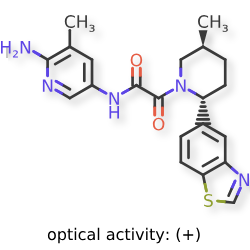
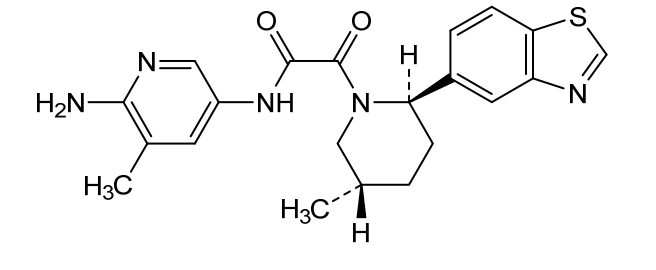
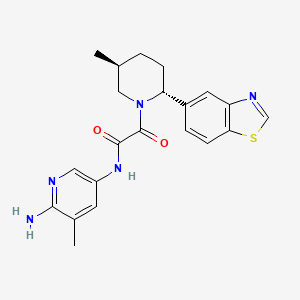
Ralometostat
CAS 2760481-53-4
MF C21H23N5O2S MW409.51
(2R,5S)-N-(6-Amino-5-methyl-3-pyridinyl)-2-(5-benzothiazolyl)-5-methyl-α-oxo-1-piperidineacetamide
1-Piperidineacetamide, N-(6-amino-5-methyl-3-pyridinyl)-2-(5-benzothiazolyl)-5-methyl-α-oxo-, (2R,5S)-
N-(6-amino-5-methylpyridin-3-yl)-2-[(2R,5S)-2-(1,3-benzothiazol -5-yl)-5-methylpiperidin-1-yl]-2-oxoacetamide
N-(6-amino-5-methylpyridin-3-yl)-2-[(2R,5S)-2-(1,3-benzothiazol -5-yl)-5-methylpiperidin-1-yl]-2-oxoacetamide
antineoplastic, TNG908, TNG 908, X7CRL5YNN5
Ralometostat (also known as TNG908) is an experimental, orally active oncology drug designed to treat advanced or metastatic solid tumors. It is classified as a potent, brain-penetrant, and selective methylthioadenosine (MTA)-cooperative PRMT5 inhibitor.
Developed by Tango Therapeutics, the drug targets specific genetic deletions frequently found in various human cancers.
Mechanism of Action
Ralometostat relies on a concept called synthetic lethality.
- Target Deletion: It targets cancers that have a deletion of the methylthioadenosine phosphorylase (MTAP) gene. This deletion occurs in roughly 10% to 15% of all human cancers.
- The “Trap”: When the MTAP gene is missing, a metabolite called MTA builds up heavily inside the tumor cells.
- Selective Killing: Ralometostat specifically binds to this PRMT5•MTA complex. This enables it to selectively kill MTAP-deleted cancer cells while sparing normal, healthy tissues.
This targeted approach bypasses the severe bone marrow toxicities caused by older, non-selective first-generation PRMT5 inhibitors.
Key Clinical Features
- Blood-Brain Barrier Penetration: The drug is chemically optimized to cross the blood-brain barrier. This makes it highly effective in evaluating tumors within the central nervous system (CNS).
- Therapeutic Targets: It is studied in clinical oncology settings for several tumor types, including:
- Glioblastoma (GBM) and brain metastases.
- Non-small cell lung cancer (NSCLC).
- Malignant peripheral nerve sheath tumors (MPNST) and soft tissue sarcomas.
- Urothelial carcinoma and cholangiocarcinoma.
- Safety and Tolerability of TNG908 in Patients With MTAP-deleted Solid TumorsCTID:
- NCT05275478
- Phase:
- Phase 1/Phase 2
- Status:
- Terminated
- Date:
- 2026-04-15
Chemical & Trial Profile
Development Phase: Evaluated in Phase I/II clinical trials (such as NCT05275478) as a standalone precision therapy and in combination with other targeted inhibitors
Ralometostat is an orally available small molecule inhibitor of protein arginine methyltransferase 5 (PRMT5), with potential antiproliferative and antineoplastic activities. Upon oral administration, ralometostat selectively binds to PRMT5 and inhibits its function. By inhibiting its methyltransferase activity, levels of both monomethylated and dimethylated arginine residues in histones H2A, H3 and H4 are decreased. This modulates the expression of genes involved in several cellular processes, including cellular proliferation. This may increase the expression of antiproliferative genes and/or decrease the expression of genes that promote cell proliferation, which may lead to decreased growth of rapidly proliferating cells, including cancer cells. PRMT5, a type II methyltransferase that catalyzes the formation of both omega-N monomethylarginine (MMA) and symmetric dimethylarginine (sDMA) on histones and a variety of other protein substrates involved in signal transduction and cellular transcription, is overexpressed in several neoplasms and is essential for the viability of cancer and normal cells. Elevated levels are associated with decreased patient survival. Methylthioadenosine phosphorylase (MTAP) is deleted in certain cancer cells leading to an accumulation of methylthioadenosine (MTA). As MTA binds to and partially inhibits PRMT5, MTAP-null cancer cells are specifically sensitive to PRMT5 inhibitors. This may spare normal, healthy cells that are without MTAP-deletions and lower systemic toxicity.
PAT
https://patentscope.wipo.int/search/en/detail.jsf?docId=US358600101&_cid=P11-MSTR3S-83508-1

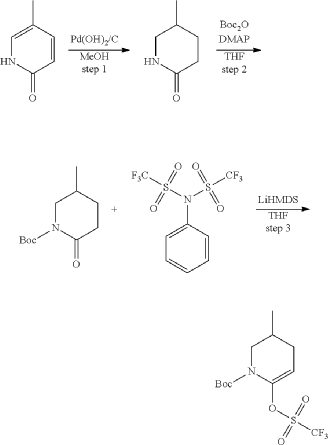
PAT
https://patentscope.wipo.int/search/en/detail.jsf?docId=US399951504&_cid=P11-MSTR3S-83508-1
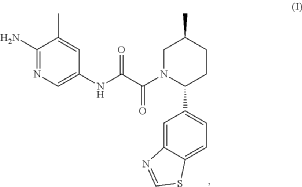
Example 1. The synthesis of N-(6-amino-5-methylpyridin-3-yl)-2-((2R,5S)-2-(benzo[d]thiazol-5-yl)-5-methylpiperidin-1-yl)-2-oxoacetamide (Compound (I)) and N-(6-amino-5-methylpyridin-3-yl)-2-((2S,5R)-2-(benzo [d]thiazol-5-yl)-5-methylpiperidin-1-yl)-2-oxoacetamide (Compound (Ia))
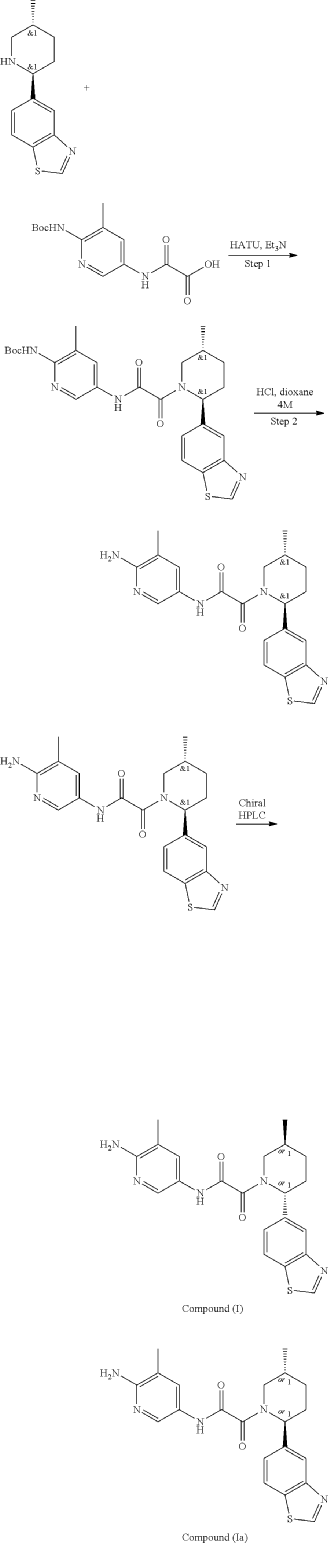
| The enantiomers were separated by chiral HPLC (column: IC II, Hexane-IPA-MeOH, 50-25-25, 12 ml/min as mobile phase) to give the two individual enantiomers Compound (Ia)N-(6-amino-5-methylpyridin-3-yl)-2-((2 S, 5R)-2-(benzo[d]thiazol-5-yl)-5-methylpiperidin-1-yl)-2-oxoacetamide (161 mg, 393.16 μmol, 97.28% yield) RetTime=32.4 min, [α]21D=−176.7°(c=0.1 g/100 mL, EtOH) and Compound (I)N-(6-amino-5-methylpyridin-3-yl)-2-((2R,5S)-2-(benzo[d]thiazol-5-yl)-5-methylpiperidin-1-yl)-2-oxoacetamide (160 mg, 390.72 μmol, 96.68% yield) RetTime=45.8 min, [α]21D=+191.5° (c=0.1 g/100 mL, EtOH). |
Compound (I): RT (IC, Hexane-IPA-MeOH, 50-25-25, 0.6 ml/min)=47.098 min.
Compound (Ia) RT (IC, Hexane-IPA-MeOH, 50-25-25, 0.6 ml/min)=35.176 min.
ADVERTISEMENT
ANAX LABORATORIES
WEBSITE https://www.anaxlab.com/
Discovery Solutions, Supporting the chemistry needs of clients in the Medical, Analytical and Bio Sciences
Development Solutions, Developing from Lab scale to PR&D, Kilo Scale-ups and Commercial Scales
SEE MORE………Integrated Solutions, Manufacturing Solutions, Products,
Can’t Find? Let’s Connect

Phone : +91 897704 2010 / +91 9177075735, Email : info@anaxlab.com
#MedicinalChemistry, #DrugDiscovery, #OrganicSynthesis, #ChemicalLibrary, #BuildingBlocks, #SARStudies, #ChemistryInnovation, #medchem, #Drugdevelopment, #Biotech, #Biotechnology, #AnaxLaboratories, #Pharma



AS ON FEB2026 4.574 LAKHS VIEWS ON BLOG WORLDREACH AVAILABLEFOR YOUR ADVERTISEMENT

join me on Linkedin
Anthony Melvin Crasto Ph.D – India | LinkedIn
join me on Researchgate
RESEARCHGATE

join me on Facebook
Anthony Melvin Crasto Dr. | Facebook
join me on twitter
Anthony Melvin Crasto Dr. | twitter
+919321316780 call whatsaapp
EMAIL. amcrasto@gmail.com

References
- Discovery of TNG908: A Selective, Brain Penetrant, MTA-Cooperative PRMT5 Inhibitor That Is Synthetically Lethal with MTAP-Deleted CancersPublication Name:Journal of Medicinal ChemistryPublication Date:2024-04-10PMCID:PMC11056935PMID:38595098DOI:10.1021/acs.jmedchem.4c00133
- [Intracellular protein breakdown. VI. Isolation, properties and biological significance of cathepsin D from rat liver]Publication Name:Acta biologica et medica GermanicaPublication Date:1976PMID:9765
PAT
Piperidin-1-yl-N-pyridin-3-yl-2-oxoacetamide derivatives useful for the treatment of MTAP-deficient and/or MTA-accumulating cancersPublication Number:
KR-20230094196-APriority Date:
2020-07-31
- Compounds and methods of usePublication Number:US-2023113778-A1Priority Date:2020-07-31
- Piperidin-1-yl-N-pyridin-3-yl-2-oxoacetamide derivatives useful in the treatment of MTAP deficiency and/or MTA accumulation cancersPublication Number:CN-116568677-APriority Date:2020-07-31
- Compounds and methods of usePublication Number:US-11999727-B2Priority Date:2020-07-31Grant Date:2024-06-04
- Compounds and methods of usePublication Number:US-2022127256-A1Priority Date:2020-07-31
- Compounds and methods of usePublication Number:US-12264154-B2Priority Date:2020-07-31Grant Date:2025-04-01
- Crystalline form of n-(6-amino-5-methylpyridin-3-yl)-2-(benzo[d]thiazol-5-yl)-5-methylpiperidin-1-yl)-2-oxoacetamide, pharmaceutical compositions and methods of use thereofPublication Number:EP-4448517-A1Priority Date:2021-12-17
- Compounds and methods of usePublication Number:US-2024279219-A1Priority Date:2020-07-31
- Compounds and methods of usePublication Number:US-2024228478-A1Priority Date:2020-07-31
- Compounds and methods of usePublication Number:US-11492350-B2Priority Date:2020-07-31Grant Date:2022-11-08
- Piperidin-1-yl-n-pyrydine-3-yl-2-oxoacetamide derivatives useful for the treatment of mtap-deficient and/or mta-accumulating cancersPublication Number:EP-4188920-A1Priority Date:2020-07-31
- Prmt5 inhibitors for use in methods of treating mta-accumulating cancerPublication Number:WO-2025217297-A1Priority Date:2024-04-09
- Prmt5 inhibitor for use in cancer therapyPublication Number:WO-2024170488-A1Priority Date:2023-02-13
- Methods of treatment of cancerPublication Number:TW-202423435-APriority Date:2022-08-15
- MTA synergizes with PRMT5 inhibitors for cancer treatmentPublication Number:CN-119730853-APriority Date:2022-08-15
- Mta-cooperative prmt5 inhibitors for use in the treatment of cancerPublication Number:WO-2024038004-A1Priority Date:2022-08-15
//////////ralometostat, anax labs, antineoplastic, TNG908, TNG 908, X7CRL5YNN5
#ralometostat, #anax labs, #antineoplastic, #TNG908, #TNG 908, #X7CRL5YNN5
Pruvonertinib
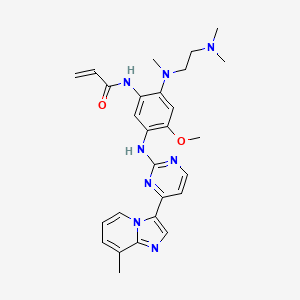

Pruvonertinib
CAS 2064269-82-3
MF C27H32N8O2 MW500.6 g/mol
N-[2-[2-(dimethylamino)ethyl-methylamino]-4-methoxy-5-[[4-(8-methylimidazo[1,2-a]pyridin-3-yl)pyrimidin-2-yl]amino]phenyl]prop-2-enamide
- 2-Propenamide, N-[2-[[2-(dimethylamino)ethyl]methylamino]-4-methoxy-5-[[4-(8-methylimidazo[1,2-a]pyridin-3-yl)-2-pyrimidinyl]amino]phenyl]-
- N-(2-{[2-(dimethylamino)ethyl](methyl)amino}-4-methoxy-5-{[4-(8-methylimidazo[1,2-a]pyridin-3-yl)pyrimidin-2-yl]amino}phenyl)prop-2-enamide
N-(2-{2-(dimethylamino)ethylamino}-4-methoxy-5-{[4-(8-methylimidazo[1,2-a]pyridin-3-yl)pyrimidin-2-yl]amino}phenyl)prop2-enamide
epidermal growth factor receptor tyrosine kinase inhibitor, antineoplastic, YK-029A, YK 029A, HXJ9459HFK
Pruvonertinib is an orally bioavailable, mutant-selective, third-generation epidermal growth factor receptor (EGFR) inhibitor, with potential antineoplastic activity. Upon oral administration, pruvonertinib targets, binds to and inhibits the activity of EGFR with exon 20 insertion (Ex20ins) activating mutations, the gatekeeper mutation T790M and some other rare mutations, thereby preventing EGFR-mediated signaling. This may both induce cell death and inhibit tumor growth in EGFR-overexpressing tumor cells. EGFR, a receptor tyrosine kinase mutated in many tumor cell types, plays a key role in tumor cell proliferation and tumor vascularization.
Pruvonertinib (also known by its development code YK-029A) is an investigational, orally bioavailable, mutant-selective, third-generation epidermal growth factor receptor (EGFR) tyrosine kinase inhibitor. Developed by Puhe Pharmaceutical, it is designed as an antineoplastic agent primarily targeting advanced non-small cell lung cancer (NSCLC) with specific resistant mutations.
Mechanism of Action
- Target Specificity: Binds selectively to mutant forms of EGFR.
- Resistance Targeting: Inhibits the gatekeeper T790M mutation and exon 20 insertion (Ex20ins) mutations.
- Scaffold Lineage: Structurally derived as an analogue of the established oncology drug osimertinib.
- Tumour Regression: Blockades downstream EGFR-mediated signaling to induce cell death and stunt tumor vascularization.
Clinical Development & Indications
- Primary Indication: Treatment of advanced, metastatic, or biomarker-positive Non-Small Cell Lung Cancer (NSCLC).
- Development Status: Pre-commercial asset undergoing active clinical trial screening and testing evaluations.
- Regulatory Track: Listed under the World Health Organization (WHO) Proposed International Nonproprietary Names (INN) List 132.
SYN
Publication Name:European Journal of Medicinal Chemistry, Publication Date:2023-10-05
PMID:37406381DOI:10.1016/j.ejmech.2023.115590
PAT
https://patentscope.wipo.int/search/en/detail.jsf?docId=US298712718&_cid=P10-MSQW7F-15668-1
N-(2-methoxy-4-(N 1,N 2,N 2-trimethyl-1,2-ethylenediamine-1-yl)-5-acrylamidephenyl)-4-(8-methylimidazo[1,2-a]pyridin-3-yl)pyrimidin-2-amine (hereinafter referred to as “Compound 1”) is a novel EGFR inhibitor represented by Formula (I):
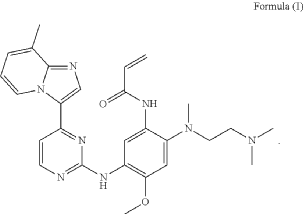
The above compound is described in Chinese Patent Application 201610679161.7, and the content of which can be used as a reference for the present application
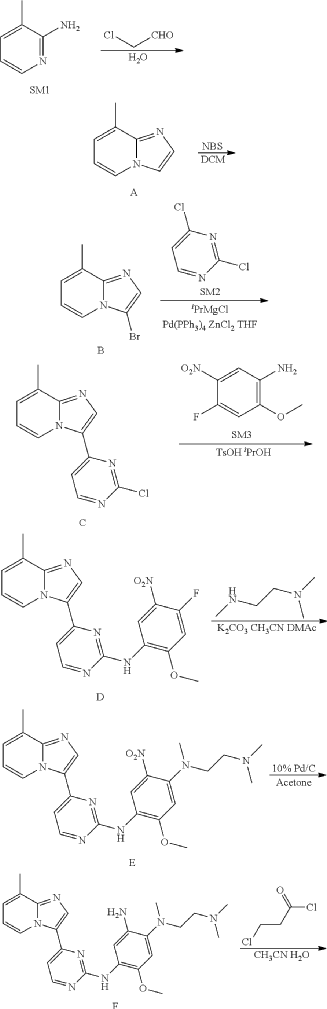

Step 7: Preparation of Drug Substance H (i.e. Compound 1)
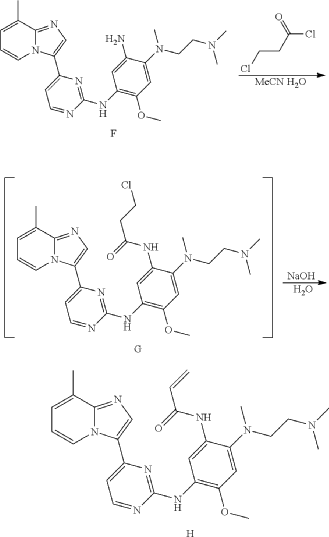
| Intermediate F (1.01 kg, 2.26 mol) was added to a mixed solution of acetonitrile (4.73 kg) and water (1.52 kg), and the temperature was lowered to 0 to 5° C. 3-Chloropropionyl chloride (373 g, 2.94 mol) was added dropwise. After the addition, the mixture was stirred at 0˜5° C. for 0.5 h. The completion of the reaction was detected. |
ADVERTISEMENT
ANAX LABORATORIES
WEBSITE https://www.anaxlab.com/
Discovery Solutions, Supporting the chemistry needs of clients in the Medical, Analytical and Bio Sciences
Development Solutions, Developing from Lab scale to PR&D, Kilo Scale-ups and Commercial Scales
SEE MORE………Integrated Solutions, Manufacturing Solutions, Products,
Can’t Find? Let’s Connect
Phone : +91 897704 2010 / +91 9177075735, Email : info@anaxlab.com
#MedicinalChemistry, #DrugDiscovery, #OrganicSynthesis, #ChemicalLibrary, #BuildingBlocks, #SARStudies, #ChemistryInnovation, #medchem, #Drugdevelopment, #Biotech, #Biotechnology, #AnaxLaboratories, #Pharma
AS ON FEB2026 4.574 LAKHS VIEWS ON BLOG WORLDREACH AVAILABLEFOR YOUR ADVERTISEMENT
join me on Linkedin
Anthony Melvin Crasto Ph.D – India | LinkedIn
join me on Researchgate
RESEARCHGATE
join me on Facebook
Anthony Melvin Crasto Dr. | Facebook
join me on twitter
Anthony Melvin Crasto Dr. | twitter
+919321316780 call whatsaapp
EMAIL. amcrasto@gmail.com
References
- Pyrimidinylaminobenzenes for treating lung cancer with distant metastasisPublication Number:WO-2024094064-A1Priority Date:2022-11-02
- Pyrimidinylaminobenzenes for lung cancer treatmentPublication Number:US-2024226101-A1Priority Date:2021-04-30
- Pyrimidinylaminobenzenes for lung cancer treatmentPublication Number:EP-4330256-A1Priority Date:2021-04-30
- Pyrimidinylaminobenzene for lung cancer treatmentPublication Number:CN-117561254-APriority Date:2021-04-30
- Pyrimidinylaminobenzene for lung cancer treatmentPublication Number:KR-20240027583-APriority Date:2021-04-30
- N-heteroaromatic amide derivatives for treatment of cancerPublication Number:EP-3950686-A1Priority Date:2019-03-29
- Azaaromatic amide derivatives for the treatment of cancerPublication Number:US-2022177473-A1Priority Date:2019-03-29
- Crystal form and salt form of n-phenyl-2-aminopyrimidine compound, and preparation method thereforPublication Number:US-2020216444-A1Priority Date:2017-07-19
- Crystal form and salt form of N-phenyl-2-aminopyrimidine compound, and preparation method thereforPublication Number:US-10906901-B2Priority Date:2017-07-19Grant Date:2021-02-02
/////////pruvonertinib, anax labs, epidermal growth factor receptor tyrosine kinase inhibitor, antineoplastic, YK-029A, YK 029A, HXJ9459HFK
#pruvonertinib, #anax labs, #epidermal growth factor receptor tyrosine kinase inhibitor, #antineoplastic, #YK-029A, #YK 029A, #HXJ9459HFK
Prifetrastat


Prifetrastat
CAS 2569008-99-5
MFC19H18N4O5S MW414.4 g/mol
N-(6-((1H-Pyrazol-1-yl)methyl)-4-methoxybenzo[d]isoxazol-3-yl)-2-methoxybenzenesulfonamide
2-methoxy-N-{4-methoxy-6-[(1H-pyrazol-1-yl)methyl]-1,2-benzoxazol-3-yl}benzene-1-sulfonamide
antineoplastic, PF-07248144, PF 07248144, Solid tumours, CANCER, KAT6-IN-1, GN6DU4ZE30
Prifetrastat is an inhibitor of MYST histone acetyltransferase (HAT) KAT6, with potential antineoplastic activity. Upon administration, prifetrastat targets and binds to KAT6, and inhibits the acetylation of histones and other nonhistone substrates. This may disrupt gene expression and inhibit the proliferation of tumors that overexpress KAT6. KAT6A (MOZ; MYST3) and KAT6B (MORF; MOZ2; MYST4), commonly amplified genes in solid tumors, play key roles in cell cycle regulation and in tumorigenesis.
Prifetrastat (also known as PF-07248144) is an investigational, first-in-class small molecule drug that acts as a selective inhibitor of the epigenetic modifiers KAT6A and KAT6B. It is primarily studied as an antineoplastic agent for hormone receptor-positive (ER+/HER2–) advanced or metastatic breast cancer.
Mechanism of Action
- Inhibits KAT6A and KAT6B histone acetyltransferases to block abnormal tumor cell growth.
- Suppresses lineage-specific gene expression tied to estrogen receptor signaling and drug resistance.
- Induces cell cycle arrest and tumor senescence.
Clinical Development
- Evaluated in clinical trials (such as phase 1/2 and phase 3 evaluations) for patients whose breast cancer progressed after prior endocrine therapy and CDK4/6 inhibitors.
- Commonly tested in combination regimens alongside anti-estrogen therapies like fulvestrant
Prifetrastat (also known as PF-07248144) is an investigational, first-in-class small molecule drug that acts as a selective inhibitor of the epigenetic modifiers KAT6A and KAT6B. It is primarily studied as an antineoplastic agent for hormone receptor-positive (ER+/HER2–) advanced or metastatic breast cancer.
Mechanism of Action
- Inhibits KAT6A and KAT6B histone acetyltransferases to block abnormal tumor cell growth.
- Suppresses lineage-specific gene expression tied to estrogen receptor signaling and drug resistance.
- Induces cell cycle arrest and tumor senescence.
Clinical Development
- Evaluated in clinical trials (such as phase 1/2 and phase 3 evaluations) for patients whose breast cancer progressed after prior endocrine therapy and CDK4/6 inhibitors.
- Commonly tested in combination regimens alongside anti-estrogen therapies like fulvestrant
- Phase IIIHER2 negative breast cancer
- Phase IISolid tumours
- No development reportedBreast cancer
- 07 Aug 2026Prifetrastat is still in phase II development in Solid-tumours (Combination therapy, Late-stage disease, Metastatic disease, Second-line therapy or greater) in USA, Australia, Japan, China, South Korea (PO, Tablet) (NCT04606446)
- 07 Aug 2026Prifetrastat is still in phase II development in Solid-tumours (Monotherapy, Late-stage disease, Metastatic disease, Second-line therapy or greater) in USA, Australia, Japan, China, South Korea (PO, Tablet) (NCT04606446)
- 28 Jul 2026No recent reports of development identified for phase-I development in Breast-cancer(Metastatic disease) in USA (PO)
PAT
https://patentscope.wipo.int/search/en/detail.jsf?docId=WO2020254946&_cid=P12-MSO1IP-41527-1
Example 45: Preparation of 2-methoxy-N-{4-methoxy-6-[(1H-pyrazol-1-yl)methyl]-1,2-benzoxazol-3-yl}benzene-1-sulfonamide according to Scheme C (Route A).

To a suspension of 4-methoxy-6-[(1H-pyrazol-1-yl)methyl]-1,2-benzoxazol-3-amine (A-2) (2.5 g, 10 mmol) in pyridine (8.0 mL) was added 2-methoxybenzene-1-sulfonyl chloride (3.17 g, 15.4 mmol). The reaction was stirred at 120 °C for 1.5 h. The mixture was cooled to room temperature and diluted with MeOH. The resulting suspension was filtered. and the filter cake was washed with MeOH (30 mL). The solids were dissolved in DCM (50 mL) and MeOH (30 mL) was added. The DCM was removed under vacuum
and the precipitate was collected by filtration. The filter cake was dried by lyophilization to provide 2-methoxy-N-{4-methoxy-6-[(1H-pyrazol-1-yl)methyl]-1,2-benzoxazol-3-yl}benzene-1-sulfonamide (Example 45) (2.5 g, 59% yield) as a white solid. 1 H NMR (400 MHz, DMSO-d6) d 10.18 (s, 1H), 7.87 (d, J= 2.0 Hz, 1H), 7.80 (dd, J=1.6, 7.9 Hz, 1H), 7.66– 7.59 (m, 1H), 7.49 (d, J=1.5 Hz, 1H), 7.19 (d, J=8.3 Hz, 1H), 7.09 (t, J=7.7 Hz, 1H), 6.83 (s, 1H), 6.74 (s, 1H), 6.30 (t, J=2.0 Hz, 1H), 5.44 (s, 2H), 3.82 (s, 3H), 3.78 (s, 3H); m/z (ESI+) 415.0 (M+H) + .
Example 45: Alternative preparation of 2-methoxy-N-{4-methoxy-6-[(1H-pyrazol-1-yl)methyl]-1,2-benzoxazol-3-yl}benzene-1-sulfonamide according to Scheme D.

A 100 mL reactor equipped with an overhead stirrer was charged with 4-methoxy-6-(1H-pyrazol-1-ylmethyl)-1,2-benzoxazol-3-amine (A-2) (10.00 g, 40.94 mmol), 2-methoxybenzenesulfonyl chloride (10.15 g, 49.13 mmol), and acetonitrile (100 mL). The resulting suspension was stirred at 25 °C for 55 minutes. Via pipette, dimethylsulfoxide (0.36 mL, 4.09 mmol) was added in one portion. Via syringe, 3,5-lutidine (14.8 mL, 122.82 mmol) was added dropwise over 15 minutes. The resulting light-yellow suspension was stirred at 25 °C for 18 hours to reach >98% conversion as judged by LCMS. The reaction mixture was acidified with 1 M aq. HCl (100 mL), then
concentrated to ~80 mL (rotary evaporator, 40 °C, 85 mbar). The slurry was treated with additional 1 M aq. HCl (40 mL) to rinse down the walls of the vessel, then stirred at 20 °C for 2.5 hours. The resulting precipitate was collected by suction filtration. The filter cake was washed with water (2 x 50 mL), then dried under vacuum at 35 °C for 48 hours, affording crude 2-methoxy-N-{4-methoxy-6-[(1H-pyrazol-1-yl)methyl]-1,2-benzoxazol-3-yl}benzene-1-sulfonamide (Example 45) (15.2 g, 90% yield, 98% purity by LCMS) as a solid. m/z 415.1 (M+H) + .
To purify the crude product, a suspension of crude 2-methoxy-N-{4-methoxy-6-[(1H-pyrazol-1-yl)methyl]-1,2-benzoxazol-3-yl}benzene-1-sulfonamide (Example 45) (14.00 g, 33.78 mmol) in dichloromethane (210 mL) was heated in a 40 °C bath until a clear solution was obtained (10 minutes). The mixture was filtered, and the filtrate returned to a clean reaction vessel, using additional dichloromethane (70 mL) to quantitate the transfer. Ethyl acetate (140 mL) was added to the solution over 2 minutes, then the mixture stirred for 2.5 hours. No crystallization was observed, so the solution was concentrated under reduced pressure (200 mbar) to remove dichloromethane (volume was reduced by about 70 mL). More ethyl acetate (140 mL) was added to the residue, and the mixture stirred at room temperature for 21 hours. The resulting suspension was concentrated under reduced pressure (40 °C, 200 mbar) to about 280 mL, then stirred at room temperature for 3 hours. The solids were collected by filtration, with additional ethyl acetate (70 mL) used to rinse the reaction vessel and filter cake. The filter cake was dried in a vacuum oven at 35 °C for 23 hours, affording 2-methoxy-N-{4-methoxy-6-[(1H-pyrazol-1-yl)methyl]-1,2-benzoxazol-3-yl}benzene-1-sulfonamide (Example 45) (12.0 g, 85% yield, 97.9% purity by UPLC, no single impurity larger than 0.5%) as a solid. m/z 415.1 (M+H) + .
To purify further, a suspension of 2-methoxy-N-{4-methoxy-6-[(1H-pyrazol-1-yl)methyl]-1,2-benzoxazol-3-yl}benzene-1-sulfonamide (Example 45) (2.0 g, 4.73 mmol) in acetone (80 mL) was heated to reflux (bath temperature 55 °C) with stirring for 2 hours. While the mixture was still heated, ethyl acetate (30 mL) was added slowly, so that the internal temperature remained above 45 °C. The resulting slurry was concentrated to about 30 mL under mild vacuum (bath temp 65 °C), then cooled slowly at a rate of 1 °C/min to 20 °C (~31 minutes). The resulting precipitate was collected by suction filtration. The filter cake dried under vacuum at 50 °C for 22 hours, yielding 2-methoxy-N-{4-methoxy-6-[(1H-pyrazol-1-yl)methyl]-1,2-benzoxazol-3-yl}benzene-1-sulfonamide (Example 45) (1.825 g, 93% yield, 99.5% purity by UPLC) as a crystalline solid. 1 hour
NMR (400 MHz, CHLOROFORM-d) d 8.14 (dd, J=1.7, 7.8 Hz, 1H), 8.04 (s, 1H), 7.59 -7.51 (m, 2H), 7.44 (d, J=2.2 Hz, 1H), 7.14 – 7.06 (m, 1H), 6.95 (d, J=8.3 Hz, 1H), 6.78 (d, J=0.6 Hz, 1H), 6.45 (s, 1H), 6.32 (t, J=2.1 Hz, 1H), 5.38 (s, 2H), 3.97 (s, 3H), 3.91 (s, 3H).
PAT
PAT
Scheme 1
Step 2


In an inerted reactor were added 6-((1 H-pyrazol-1-yl)methyl)-4-methoxybenzo[d]isoxazol-3-amine (lnt-4, 27.5 Kg, 112.6 mol, 1 equiv.), 2-methoxybenzenesulfonyl chloride (lnt-5, 33.9 Kg, 168.9 mol, 1.5 equiv.) and THF (248 L, 9-L/Kg). A solution of sodium te/Y-butoxide in THF (2 M, 197 L, 394.1 mol, 3.5 eq.) was added to the stirred mixture at 20 °C over 4 h. At the end of the addition the line was rinsed with THF (27.5 L, 1 L/Kg) and the mixture stirred for a further 1 h. Following reaction completion water (413 L, 15 L/Kg) was added at once followed by slow addition of aq. HCI (2 M, 197 L, 394.1 mol, 3.5 equiv.). The mixture was left stirring overnight, then the slurry was filtered, washed twice with CH3OH (82.5 L, 3 L/Kg) and dried to afford the title compound as a white solid (42.32 Kg, 90.6% yield).
1H NMR (400 MHz, DMSO) 5 10.09 (s, 1 H), 7.87 (dd, J = 2.3, 0.7 Hz, 1 H), 7.81 (dd, J = 7.8, 1.7 Hz, 1 H), 7.63 (ddd, J = 8.4, 7.4, 1.7 Hz, 1 H), 7.50 (dd, J = 1.8, 0.7 Hz, 1 H), 7.10 (td, J = 7.6, 1 .0 Hz, 1 H), 6.84 (d, J = 1 .0 Hz, 1 H), 6.30 (t, J = 2.1 Hz, 1 H), 5.44 (s, 2H), 3.83 (s, 3H), 3.79 (s, 3H). 13C NMR (101 MHz, DMSO) 5 164.82, 156.92, 154.39, 151.76, 144.13, 139.80, 135.73, 131.03, 130.43, 127.66, 120.52, 113.34, 106.25, 106.17, 104.42, 101.33, 56.51, 56.42, 55.01. HRMS: Ci9Hi8N4O5S+ [M+1 ]+ calculated:
415.1072; measured: 415.1071.
ADVERTISEMENT
ANAX LABORATORIES
WEBSITE https://www.anaxlab.com/
Discovery Solutions, Supporting the chemistry needs of clients in the Medical, Analytical and Bio Sciences
Development Solutions, Developing from Lab scale to PR&D, Kilo Scale-ups and Commercial Scales
SEE MORE………Integrated Solutions, Manufacturing Solutions, Products,
Can’t Find? Let’s Connect
Phone : +91 897704 2010 / +91 9177075735, Email : info@anaxlab.com
#MedicinalChemistry, #DrugDiscovery, #OrganicSynthesis, #ChemicalLibrary, #BuildingBlocks, #SARStudies, #ChemistryInnovation, #medchem, #Drugdevelopment, #Biotech, #Biotechnology, #AnaxLaboratories, #Pharma
AS ON FEB2026 4.574 LAKHS VIEWS ON BLOG WORLDREACH AVAILABLEFOR YOUR ADVERTISEMENT
join me on Linkedin
Anthony Melvin Crasto Ph.D – India | LinkedIn
join me on Researchgate
RESEARCHGATE
join me on Facebook
Anthony Melvin Crasto Dr. | Facebook
join me on twitter
Anthony Melvin Crasto Dr. | twitter
+919321316780 call whatsaapp
EMAIL. amcrasto@gmail.com
References
- Benzisoxazole sulfonamide derivativesPublication Number:HR-P20231501-T1Priority Date:2019-06-18
- Benzisoxazole sulfonamide derivativesPublication Number:US-12371425-B2Priority Date:2019-06-18Grant Date:2025-07-29
- Benzisoxazole sulfonamide derivativesPublication Number:EP-3986890-B9Priority Date:2019-06-18Grant Date:2025-04-16
- Benzisoxazole sulfonamide derivativesPublication Number:EP-4299135-B1Priority Date:2019-06-18Grant Date:2025-08-06
- Benzisoxazole sulfonamide derivativesPublication Number:AU-2020296361-A1Priority Date:2019-06-18
- Benzisoxazole sulfonamide derivativesPublication Number:EP-4299135-A2Priority Date:2019-06-18
- Benzisoxazole sulfonamide derivativesPublication Number:TW-202115048-APriority Date:2019-06-18
- Benzisoxazole sulfonamide derivativesPublication Number:CN-114364672-BPriority Date:2019-06-18Grant Date:2024-09-06
- Benzisoxazole sulfonamide derivativesPublication Number:EP-3986890-A1Priority Date:2019-06-18
- Benzisoxazole sulfonamide derivativesPublication Number:US-11492346-B2Priority Date:2019-06-18Grant Date:2022-11-08
- Benzisoxazole sulfonamide derivativesPublication Number:CA-3143666-A1Priority Date:2019-06-18
- Benzisoxazole sulfonamide derivativesPublication Number:CN-114364672-APriority Date:2019-06-18
- Benzisoxazole sulfonamide derivativesPublication Number:EP-3986890-B1Priority Date:2019-06-18Grant Date:2023-11-15
- Benzisoxazole sulfonamide derivativesPublication Number:WO-2020254946-A1Priority Date:2019-06-18
- Kat6 inhibitor and combinations for breast cancer treatmentPublication Number:EP-4181920-B1Priority Date:2020-07-15Grant Date:2025-09-10
- Benzisoxazole sulfonamide derivativesPublication Number:KR-20220024671-APriority Date:2019-06-18
- Benzisoxazole Sulfonamide DerivativesPublication Number:US-2023174522-A1Priority Date:2019-06-18
- Benzisoxazole Sulfonamide DerivativesPublication Number:US-2020399258-A1Priority Date:2019-06-18
- Benzisoxazole sulfonamide derivativesPublication Number:CA-3143666-CPriority Date:2019-06-18Grant Date:2024-06-11
- Dosing regimens comprising a kat6 inhibitor for the treatment of cancerPublication Number:WO-2024023703-A1Priority Date:2022-07-29
- Dosing regimens comprising a kat6 inhibitor for the treatment of cancerPublication Number:EP-4561571-A1Priority Date:2022-07-29
- Kat6 inhibitor methods and combinations for cancer treatmentPublication Number:EP-4181920-A1Priority Date:2020-07-15
- Kat6 inhibitor methods and combinations for cancer treatmentPublication Number:WO-2022013369-A1Priority Date:2020-07-15
- KAT6 inhibitor methods and combinations for cancer treatmentPublication Number:CN-116113407-APriority Date:2020-07-15
- Crystalline form of 2-methoxy-n-{4-methoxy-6-[(1h-pyrazol-1-yl)methyl]-1,2-benzoxazol-3-yl}benzene-1-sulfonamidePublication Number:WO-2025141469-A1Priority Date:2023-12-26
- Sulfonamide compound and use thereofPublication Number:WO-2025098417-A1Priority Date:2023-11-08
- MYST InhibitorsPublication Number:US-2025122182-A1Priority Date:2023-09-27
- Dosing regimens comprising a kat6 inhibitor for the treatment of cancerPublication Number:TW-202415373-APriority Date:2022-07-29
- Dosing regimen comprising KAT6 inhibitors for treating cancerPublication Number:CN-119604288-APriority Date:2022-07-29
///////////prifetrastat, anax labs, antineoplastic, PF-07248144, PF 07248144, Solid tumours, CANCER, KAT6-IN-1, GN6DU4ZE30
#prifetrastat, #anax labs, #antineoplastic, #PF-07248144, #PF 07248144, #Solid tumours, #CANCER, #KAT6-IN-1, #GN6DU4ZE30
Plodicitinib
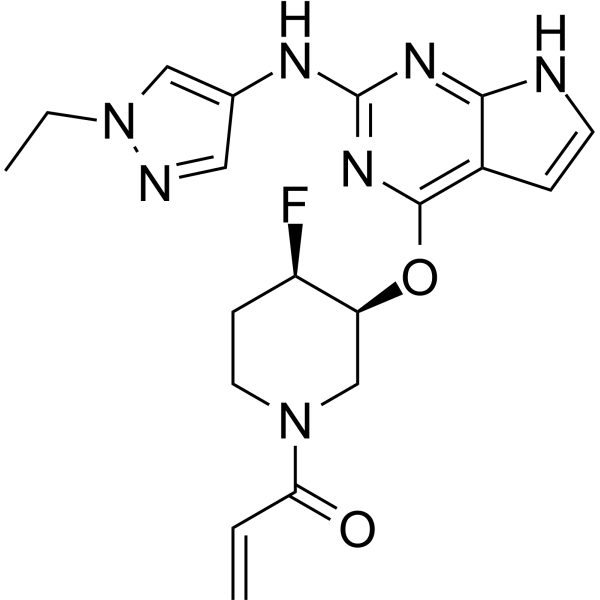
Plodicitinib
CAS 2360992-48-7
MF C19H22FN7O2 MW399.42
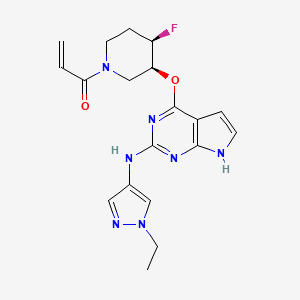
1-[(3S,4R)-3-[[2-[(1-ethylpyrazol-4-yl)amino]-7H-pyrrolo[2,3-d]pyrimidin-4-yl]oxy]-4-fluoropiperidin-1-yl]prop-2-en-1-one
1-[(3S,4R)-3-({2-[(1-ethyl-1H-pyrazol-4-yl)amino]-7Hpyrrolo[2,3-d]pyrimidin-4-yl}oxy)-4-fluoropiperidin-1-yl]prop2-en-1-one
Janus tyrosine kinase 3/TEC family kinase inhibitor, antiinflammatory, veterinary, SX5UEP3JXA
Plodicitinib is a Janus tyrosine kinase 3/TEC family kinase inhibitor with anti-inflammatory activity.
Plodicitinib is a small-molecule, dual Janus tyrosine kinase 3 (JAK3) and TEC family kinase (specifically BTK) inhibitor that exhibits strong anti-inflammatory properties.
Mechanism of Action
The compound blocks specific enzymatic pathways involved in cellular signaling:
- JAK3 Inhibition: It targets Janus kinase 3, which plays an essential role in transmitting signals for cytokines that regulate immune cell development and activation.
- TEC/BTK Inhibition: It blocks Bruton’s tyrosine kinase (BTK), a component vital for B-cell development and activation. [1, 2]
- Combined Effect: By blocking these pathways, it suppresses the overactive immune and inflammatory responses that drive autoimmune and allergic conditions.
Applications and Development Status
- Veterinary Medicine: In early 2026, Daewoong Pharmaceutical submitted an application to the Animal and Plant Quarantine Agency in South Korea for commercial approval of plodicitinib. It is being positioned as a specialized, companion animal-only treatment to manage atopic dermatitis in dogs.
- Research Use: In the scientific community, it is actively utilized as a laboratory tool compound to study kinase signaling pathways and inflammatory disease models.
PAT
https://patentscope.wipo.int/search/en/detail.jsf?docId=US306969271&_cid=P22-MSL6QJ-67927-1
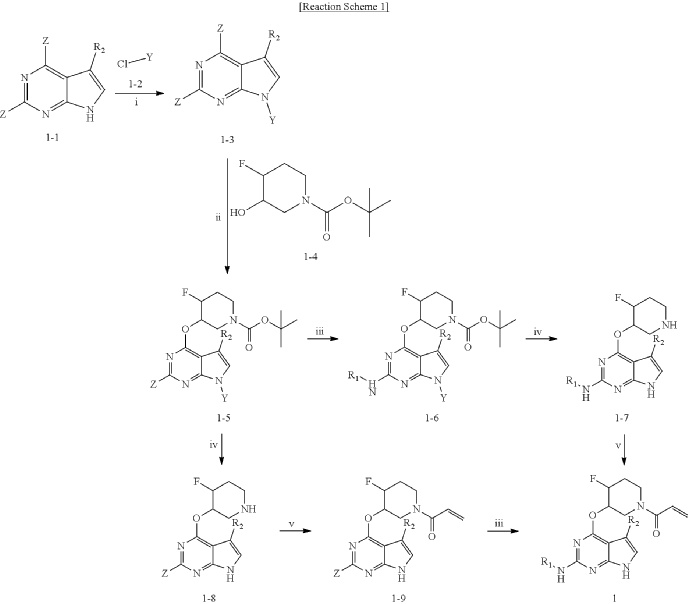
Example 4: Preparation of 1-(cis-3-((2-((1-ethyl-1H-pyrazol-4-yl)amino)-7H-pyrrolo[2,3-d]pyrimidin-4-yl)oxy)-4-fluoropiperidin-1-yl)prop-2-en-1-one
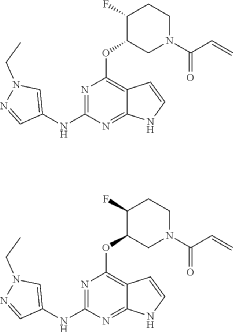
19.3 mg (yield: 27.8%) of the title compound was obtained in the same manner as in Example 1, except that cis-tert-butyl-4-fluoro-3-hydroxypiperidine-1-carboxylate was used instead of trans-tert-butyl-4-fluoro-3-hydroxypiperidine-1-carboxylate in Example 1.
Example 5: Preparation of 1-((3S,4R)-3-((2-((1-ethyl-1H-pyrazol-4-yl)amino)-7H-pyrrolo[2,3-d]pyrimidin-4-yl)oxy)-4-fluoropiperidin-1-yl)prop-2-en-1-one
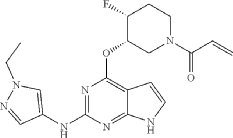
| 16.2 mg (yield: 57.4%) of the title compound was obtained in the same manner as in Example 1, except that tert-butyl(3S,4R)-4-fluoro-3-hydroxypiperidine-1-carboxylate was used instead of trans-tert-butyl-4-fluoro-3-hydroxypiperidine-1-carboxylate in Example 1. |
Example 25: Preparation of 1-((3S,4S)-3-((2-((1-ethyl-1H-pyrazol-4-yl)amino)-7H-pyrrolo[2,3-d]pyrimidin-4-yl)oxy)-4-fluoropiperidin-1-yl)prop-2-en-1-one
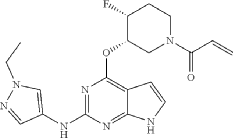
The compound of Example 1 was separated by CHIRALCEL OZ-H column to obtain the title compound with an analysis time of 10.1 minutes.
1H NMR (500 MHz, CD 3OD) δ 7.98-7.95 (m, 1H), 7.57-7.55 (m, 1H), 6.84-6.53 (m, 2H), 6.26-6.08 (m, 2H), 5.78-5.52 (m, 1H), 5.41-5.40 (m, 1H), 5.10-5.04 (m, 1H), 4.50-4.06 (m, 4H), 3.89-3.86 (m, 1H), 3.55-3.50 (m, 1H), 2.19-2.16 (m, 1H), 1.95-1.94 (m, 1H), 1.45-1.41 (m, 3H)
PAT
https://patentscope.wipo.int/search/en/detail.jsf?docId=WO2025121903&_cid=P22-MSL6W2-73218-1
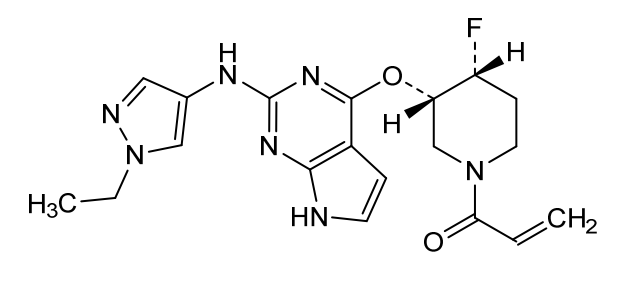
1-((3S,4R)-3-((2-((1-ethyl-1H-pyrazole-4-yl)amino)-7H-pyrrolo[2,3-d]pyrimidine-4-yl)oxy)-4-fluoropiperidin-1-yl)prop-2-en-1-one is represented by the following chemical formula 1:
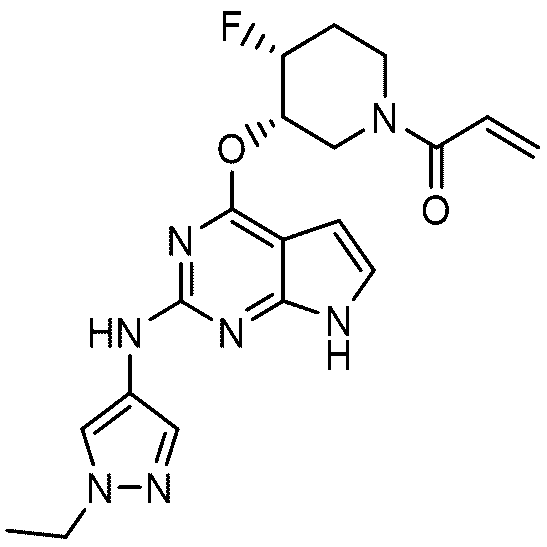
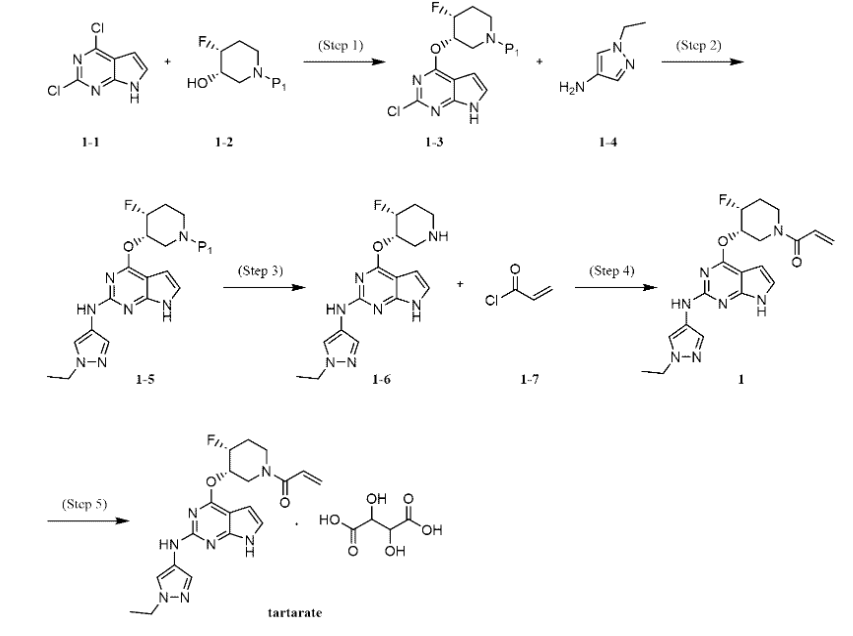
ADVERTISEMENT
ANAX LABORATORIES
WEBSITE https://www.anaxlab.com/
Discovery Solutions, Supporting the chemistry needs of clients in the Medical, Analytical and Bio Sciences
Development Solutions, Developing from Lab scale to PR&D, Kilo Scale-ups and Commercial Scales
SEE MORE………Integrated Solutions, Manufacturing Solutions, Products,
Can’t Find? Let’s Connect
Phone : +91 897704 2010 / +91 9177075735, Email : info@anaxlab.com
#MedicinalChemistry, #DrugDiscovery, #OrganicSynthesis, #ChemicalLibrary, #BuildingBlocks, #SARStudies, #ChemistryInnovation, #medchem, #Drugdevelopment, #Biotech, #Biotechnology, #AnaxLaboratories, #Pharma
AS ON FEB2026 4.574 LAKHS VIEWS ON BLOG WORLDREACH AVAILABLEFOR YOUR ADVERTISEMENT
join me on Linkedin
Anthony Melvin Crasto Ph.D – India | LinkedIn
join me on Researchgate
RESEARCHGATE
join me on Facebook
Anthony Melvin Crasto Dr. | Facebook
join me on twitter
Anthony Melvin Crasto Dr. | twitter
+919321316780 call whatsaapp
EMAIL. amcrasto@gmail.com
References
- Tartrate salt of 1-((3s,4r)-3-((2-((1-ethyl-1h-pyrazol-4-yl)amino)-7h-pyrrolo[2,3-d]pyrimidin-4-yl)oxy)-4-fluoropiperidin-1-yl)prop-2-en-1-one, crystalline form thereof, and method for preparing samePublication Number:WO-2025121903-A1Priority Date:2023-12-05
- Method for preparation of 1-((3s,4r)-3-((2-((1-ethyl-1h-pyrazol-4-yl)amino)-7h-pyrrolo[2,3-d]pyrimidin-4-yl)oxy)-4-fluoropiperidin-1-yl)prop-2-en-1-one, and intermediate compounds thereofPublication Number:WO-2025121899-A1Priority Date:2023-12-05
- Phosphate salt of 1-((3s,4r)-3-((2-((1-ethyl-1h-pyrazol-4-yl)amino)-7h-pyrrolo[2,3-d]pyrimidin-4-yl)oxy)-4-fluoropiperidin-1-yl)prop-2-en-1-one, crystalline form thereof, and method for preparation thereofPublication Number:WO-2025121900-A1Priority Date:2023-12-05
- Oxy-fluoropiperidine derivative as kinase inhibitorPublication Number:EP-3733673-A1Priority Date:2017-12-28
- Oxy-fluoropiperidine Derivative as Kinase InhibitorPublication Number:US-2020308177-A1Priority Date:2017-12-28
- Oxy-fluoropiperidine compounds as kinase inhibitors, pharmaceutical composition comprising the same and their use in the prevention or treatment of inflammatory diseases, autoimmune diseases, proliferative diseases or hyperproliferative diseases and immune-mediated diseases, cancers, tumorsPublication Number:BR-112020013141-B1Priority Date:2017-12-28
- Substituted piperidines as kinase inhibitorsPublication Number:US-11339167-B2Priority Date:2017-12-28Grant Date:2022-05-24
- Oxy-haloperidine derivatives as kinase inhibitorsPublication Number:CN-111527091-APriority Date:2017-12-28
- Oxy-fluoropiperidine derivatives as kinase inhibitorPublication Number:KR-102318929-B1Priority Date:2017-12-28Grant Date:2021-10-28
- Oxy-fluoropiperidine derivative as a kinase inhibitorPublication Number:JP-6995428-B2Priority Date:2017-12-28Grant Date:2022-01-14
- Oxy-fluoropiperidine derivatives as kinase inhibitorPublication Number:CA-3084962-A1Priority Date:2017-12-28
- Oxy-fluoropiperidine derivative as a kinase inhibitorPublication Number:ES-2922633-T3Priority Date:2017-12-28Grant Date:2022-09-19
- Oxy-fluoropiperidine derivatives as kinase inhibitorPublication Number:KR-20190080803-APriority Date:2017-12-28
- Oxy-fluoropiperidine derivatives as kinase inhibitorPublication Number:CA-3084962-CPriority Date:2017-12-28Grant Date:2022-08-09
- Oxy-fluoropiperidine derivative as kinase inhibitorPublication Number:EP-3733673-B1Priority Date:2017-12-28Grant Date:2022-06-29
- Oxy-haloperidine derivatives as kinase inhibitorsPublication Number:CN-111527091-BPriority Date:2017-12-28Grant Date:2023-03-28
- Oxy-fluoropiperidine derivatives as kinase inhibitorPublication Number:KR-20210062618-APriority Date:2017-12-28
- Oxy-fluoropiperidine derivatives as kinase inhibitorPublication Number:KR-102592083-B1Priority Date:2017-12-28Grant Date:2023-10-20
- OXY-FLUOROPIPERIDINE DERIVATIVE AS A KINASE INHIBITORPublication Number:HR-P20221043-T1Priority Date:2017-12-28
- Oxy-fluoropiperidine derivative as kinase inhibitorPublication Number:IL-275207-BPriority Date:2017-12-28
/////////anax labs, plodicitinib, Janus tyrosine kinase 3/TEC family kinase inhibitor, antiinflammatory, veterinary, SX5UEP3JXA
#anax labs, #plodicitinib, #Janus tyrosine kinase 3/TEC family kinase inhibitor, #antiinflammatory, #veterinary, #SX5UEP3JXA
Peturadol
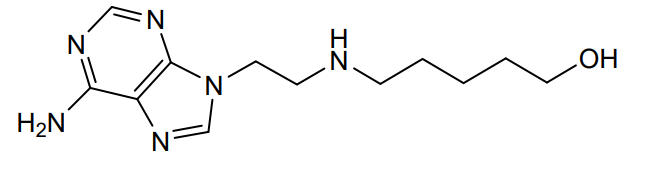
Peturadol
CAS 686301-48-4
MFC12H20N6O MW264.33 g/mol
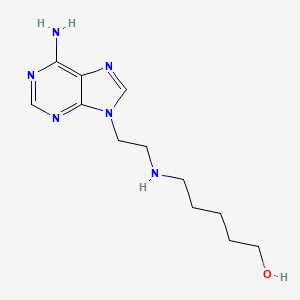
5-{[2-(6-amino-9H-purin-9-yl)ethyl]amino}pentan-1-ol
central analgesic, NB001, NB 001, HTS 09836, J89QT81NBQ
NB-001 has been investigated for the treatment of Recurrent Herpes Labialis.
NB001 (HTS 09836) is an adenylcyclase 1 (AC1) inhibitor which has effect on neural and non-neural pain by modulating AC1 activity
Peturadol (also known by its developmental code NB001) is a potent, selective, and orally active adenylyl cyclase 1 (AC1) inhibitor. It is primarily recognized as a specialized chemical compound used in advanced medical and pharmacological laboratory research.
Because drug names can sometimes look or sound very similar, please check the spelling carefully. If you are looking for a medication prescribed to you by a doctor, it is highly likely you mean Patradol (a combination painkiller containing tramadol and paracetamol) or Pentadol / Tapentadol (an opioid analgesic).
Clinical Trial
| NCT Number | Sponsor | Condition | Start Date | Phase |
|---|---|---|---|---|
| NCT01324466 | NanoBio Corporation | Recurrent Herpes Labialis | 2011-04 | PHASE3 |
| NCT05290493 | Nobias Therapeutics, Inc. | 22q11 Deletion Syndrome | 2022-02-10 | PHASE2 |
| NCT01695187 | NanoBio Corporation | Herpes Labialis | 2012-10 | PHASE3 |
| NCT01321359 | NanoBio Corporation | Recurrent Herpes Simplex Labialis | 2011-04 | PHASE3 |
| NCT00453401 | NanoBio Corporation | Herpes Labialis | 2007-02 | PHASE2 |
- NB-001 in Children and Adolescents With 22q11 Deletion SyndromeCTID:NCT05290493Phase:Phase 2Status:CompletedDate:2025-02-10
- NB-001 Treatment of Recurrent Herpes LabialisCTID:NCT01695187Phase:Phase 3Status:Unknown statusDate:2013-06-14
- A Multicenter Study of NB-001 in the Treatment of Recurrent Herpes Labialis (SHaRCS)CTID:NCT01324466Phase:Phase 3Status:CompletedDate:2013-05-23
- Safety, Pharmacokinetics, and Efficacy Study of NB-001 to Treat Recurrent Herpes LabialisCTID:NCT00453401Phase:Phase 2Status:CompletedDate:2008-05-30
PAT
https://patentscope.wipo.int/search/en/detail.jsf?docId=WO2007041863&_cid=P22-MSFGZW-54602-1
PAT
https://patentscope.wipo.int/search/en/detail.jsf?docId=US210409779&_cid=P22-MSFGZW-54602-1
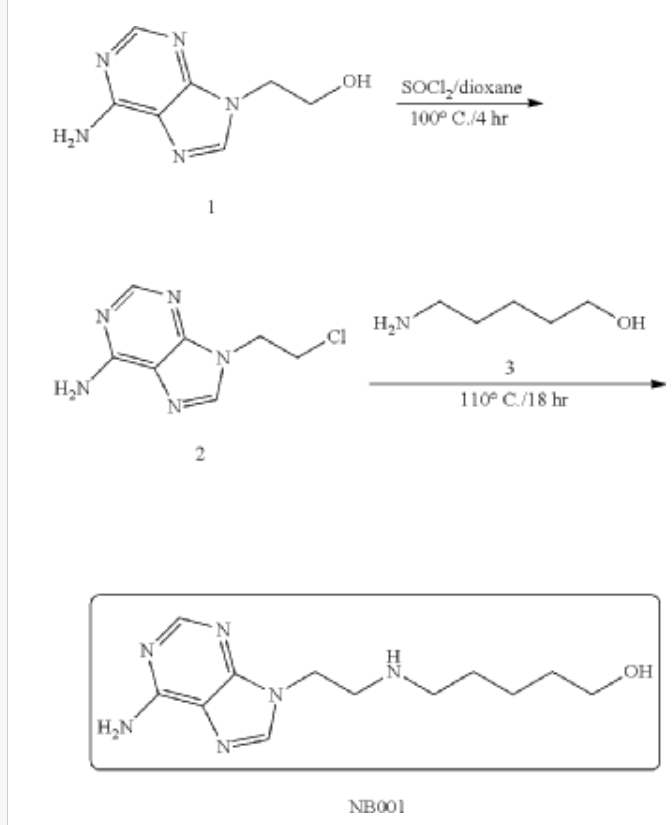
Synthesis and Purification of Intermediate 2
(2) Synthesis and Purification of NB001
PAT
- Method for treating neuronal and non-neuronal painPublication Number:CA-2625553-CPriority Date:2005-10-14Grant Date:2014-03-11
- Method for treating neuronal and non-neuronal painPublication Number:WO-2007041863-A1Priority Date:2005-10-14
- Methods for treating herpes virus infectionsPublication Number:CA-2721510-A1Priority Date:2008-04-18
- Method for treating neuronal and non-neuronal painPublication Number:EP-1948182-B1Priority Date:2005-10-14Grant Date:2012-12-12
- Method for Treating Neuronal and Non-Neuronal PainPublication Number:US-2009233922-A1Priority Date:2005-10-14
- Method for treating neuronal and non-neuronal painPublication Number:CA-2625553-A1Priority Date:2005-10-14
- Methods for treating neural and non-neuralgiaPublication Number:JP-5404045-B2Priority Date:2005-10-14Grant Date:2014-01-29
- Neuronal stem cell differentiationPublication Number:WO-2015055987-A1Priority Date:2013-10-14
- Phosphodiesterase Inhibitor TreatmentPublication Number:US-2024108627-A1Priority Date:2013-03-15
- Phosphodiesterase Inhibitor TreatmentPublication Number:US-2022226332-A1Priority Date:2013-03-15
- Process for preparing an enantiomerically enriched, deuterated secondary alcohol from a corresponding ketone without reducing deuterium incorporationPublication Number:US-9074233-B2Priority Date:2010-09-01Grant Date:2015-07-07
- Methods for treating herpes virus infectionsPublication Number:US-2010075914-A1Priority Date:2008-04-18
- Anti-hsv pre-exposure prophylaxisPublication Number:EP-3166680-B1Priority Date:2014-07-07Grant Date:2023-11-15
- Viral prophylaxis treatment methods and pre-exposure prophylaxis kitsPublication Number:EP-4342545-A2Priority Date:2014-07-07
- Neuronal stem cell differentiationPublication Number:EP-3058064-A1Priority Date:2013-10-14
- neuronal stem cell differentiationPublication Number:CN-105658787-APriority Date:2013-10-14
- Neuronal stem cell differentiationPublication Number:US-2016257930-A1Priority Date:2013-10-14
ADVERTISEMENT
ANAX LABORATORIES
WEBSITE https://www.anaxlab.com/
Discovery Solutions, Supporting the chemistry needs of clients in the Medical, Analytical and Bio Sciences
Development Solutions, Developing from Lab scale to PR&D, Kilo Scale-ups and Commercial Scales
SEE MORE………Integrated Solutions, Manufacturing Solutions, Products,
Can’t Find? Let’s Connect
Phone : +91 897704 2010 / +91 9177075735, Email : info@anaxlab.com
#MedicinalChemistry, #DrugDiscovery, #OrganicSynthesis, #ChemicalLibrary, #BuildingBlocks, #SARStudies, #ChemistryInnovation, #medchem, #Drugdevelopment, #Biotech, #Biotechnology, #AnaxLaboratories, #Pharma
AS ON FEB2026 4.574 LAKHS VIEWS ON BLOG WORLDREACH AVAILABLEFOR YOUR ADVERTISEMENT
join me on Linkedin
Anthony Melvin Crasto Ph.D – India | LinkedIn
join me on Researchgate
RESEARCHGATE
join me on Facebook
Anthony Melvin Crasto Dr. | Facebook
join me on twitter
Anthony Melvin Crasto Dr. | twitter
+919321316780 call whatsaapp
EMAIL. amcrasto@gmail.com
References
[1]. Min Zhuo. Method for treating neuronal and non-neuronal pain. US8124599B2.
[2]. Wang H, et al., Identification of an adenylyl cyclase inhibitor for treating neuropathic and inflammatory pain. Sci Transl Med. 2011 Jan 12;3(65):65ra3. [Content Brief]
[3]. Zhou Z, et al., Inhibition of calcium-stimulated adenylyl cyclase subtype 1 (AC1) for the treatment of pain and anxiety symptoms in Parkinson’s disease mice model. Mol Pain. 2024 Jan-Dec;20:17448069241266683. [Content Brief]
////////////peturadol, anax labs, central analgesic, NB001, NB 001, HTS 09836, J89QT81NBQ
#peturadol, #anax labs, #central analgesic, #NB001, #NB 001, #HTS 09836, #J89QT81NBQ
Petadeferitrin
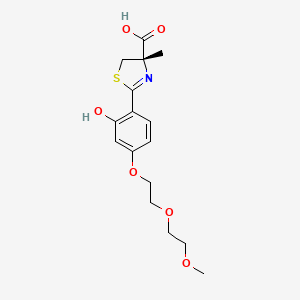
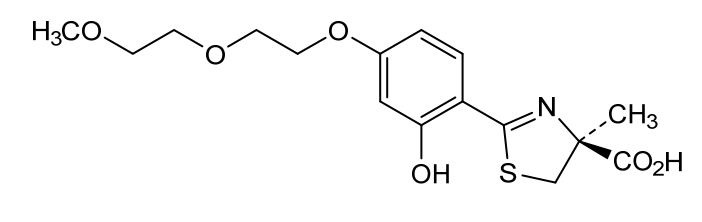
Petadeferitrin
CAS911714-45-9
MFC16H21NO6S MW355.4 g/mol
(4S)-2-[2-hydroxy-4-[2-(2-methoxyethoxy)ethoxy]phenyl]-4-methyl-5H-1,3-thiazole-4-carboxylic acid
- (4S)-4,5-Dihydro-2-(2-hydroxy-4-(2-(2-methoxyethoxy)ethoxy)phenyl)-4-methyl-4-thiazolecarboxylic acid
- 4-Thiazolecarboxylic acid, 4,5-dihydro-2-(2-hydroxy-4-(2-(2-methoxyethoxy)ethoxy)phenyl)-4-methyl-, (4S)-
- (4S)-4,5-dihydro-2-[2-hydroxy-4-[2-(2-methoxyethoxy)ethoxy]phenyl]-4-methyl-4-thiazolecarboxylic acid
(4S)-2-{2-hydroxy-4-[2-(2-methoxyethoxy)ethoxy]phenyl}-4-methyl4,5-dihydro-1,3-thiazole-4-carboxylic acid
iron chelating agent, SP 420, WBX54NZ436
Petadeferitrin is an orally bioavailable iron-chelating agent and derivative of desferrithiocin, with iron chelating and protective activities in diseases of iron overload. Upon oral administration, petadeferitrin targets, binds to and chelates free iron. This induces the excretion of iron, prevents iron accumulation and prevents cellular and/or tissue damage associated with iron overload.
Petadeferitrin (formerly known as SP-420) is an investigational, orally bioavailable, small-molecule iron chelator being developed by Pharmacosmos (and its subsidiary Abfero Pharmaceuticals) to treat patients with transfusion-dependent iron overload. The drug works by binding to excess free iron in the body and forming complexes that are primarily excreted through bile and feces.
Key Characteristics & Mechanisms
- Drug Class: It is a tridentate iron chelator and a derivative of desferrithiocin.
- Enhanced Efficiency: In preclinical studies, it demonstrated a higher iron clearance efficiency (ICE value of 26.7) compared to desferrithiocin.
- Brain-Penetrant: It is uniquely characterized as a brain-penetrant agent, which could expand its potential protective use in specific diseases associated with iron accumulation.
Clinical Development Status
- Investigational Status: The drug remains investigational and has not yet been approved for commercial use anywhere in the world.
- Target Diseases: Clinical evaluation focuses on individuals who suffer from iron overload due to frequent blood transfusions, such as patients with β-thalassemia and sickle cell disease.
- Ongoing Studies: Pharmacosmos is actively evaluating the drug in Phase II clinical trials (such as ClinicalTrials.gov ID NCT05693909) to assess its safety, tolerability, and dosing advantages over existing options. Early human data suggests it may offer effective clearance with less frequent dosing compared to some currently approved alternatives.
- A Trial Testing SP-420 in Subjects With Transfusion-dependent β-thalassemia or Low-risk Myelodysplastic SyndromesCTID:NCT05693909Phase:Phase 2Status:RecruitingDate:2025-09-24
- Safety of SP-420 in the Treatment of Transfusional Iron OverloadCTID:NCT04741542Phase:Phase 1Status:TerminatedDate:2024-12-27
- SP-420 in Subjects With Transfusion-dependent Beta-Thalassemia or Other Rare AnemiasCTID:NCT03801889Phase:Phase 2Status:WithdrawnDate:2020-10-05
- Safety and Pharmacokinetic Study of Escalating Doses of SP-420, an Iron Chelator, in Patients With β-ThalassemiaCTID:NCT02274233Phase:Phase 1Status:TerminatedDate:2015-09-29
An open-label, dose-escalation, dose-finding, and proof-of-concept trial of SP-420 in subjects with transfusion-dependent β-thalassemiaEudraCT:2022-002395-36
Phase:Phase 2, Status:Trial now transitioned, Date:2022-12-16
SYN
https://patentscope.wipo.int/search/en/detail.jsf?docId=US42268401&_cid=P21-MSCM3W-69668-1
SYN
https://patentscope.wipo.int/search/en/detail.jsf?docId=WO2006107626&_cid=P21-MSCM3W-69668-1
PAT
https://patentscope.wipo.int/search/en/detail.jsf?docId=US43268075&_cid=P21-MSCM3W-69668-1
PAT
Desferrithiocin polyether analoguesPublication Number:
US-2017217912-A1Priority Date:
2005-04-04
- Deferithiocin polyether analoguePublication Number:JP-6178816-B2Priority Date:2005-04-04Grant Date:2017-08-09
- Deferithiocin polyether analoguePublication Number:JP-2008536833-APriority Date:2005-04-04
- Desferrithiocin polyether analoguesPublication Number:EP-3190106-A1Priority Date:2005-04-04
- Desferrithiocin polyether analoguesPublication Number:US-9567309-B2Priority Date:2005-04-04Grant Date:2017-02-14
- Desferrithiocin polyether analoguesPublication Number:US-2013030028-A1Priority Date:2005-04-04
ADVERTISEMENT
ANAX LABORATORIES
WEBSITE https://www.anaxlab.com/
Discovery Solutions, Supporting the chemistry needs of clients in the Medical, Analytical and Bio Sciences
Development Solutions, Developing from Lab scale to PR&D, Kilo Scale-ups and Commercial Scales
SEE MORE………Integrated Solutions, Manufacturing Solutions, Products,
Can’t Find? Let’s Connect
Phone : +91 897704 2010 / +91 9177075735, Email : info@anaxlab.com
#MedicinalChemistry, #DrugDiscovery, #OrganicSynthesis, #ChemicalLibrary, #BuildingBlocks, #SARStudies, #ChemistryInnovation, #medchem, #Drugdevelopment, #Biotech, #Biotechnology, #AnaxLaboratories, #Pharma
AS ON FEB2026 4.574 LAKHS VIEWS ON BLOG WORLDREACH AVAILABLEFOR YOUR ADVERTISEMENT
join me on Linkedin
Anthony Melvin Crasto Ph.D – India | LinkedIn
join me on Researchgate
RESEARCHGATE
join me on Facebook
Anthony Melvin Crasto Dr. | Facebook
join me on twitter
Anthony Melvin Crasto Dr. | twitter
+919321316780 call whatsaapp
EMAIL. amcrasto@gmail.com
References
- Target Class Profiling of Small-Molecule MethyltransferasesPublication Name:ACS Chemical BiologyPublication Date:2023-03-28PMCID:PMC10983791PMID:36976909DOI:10.1021/acschembio.3c00124
- Therapeutic candidates for the Zika virus identified by a high-throughput screen for Zika protease inhibitorsPublication Name:Proceedings of the National Academy of Sciences of the United States of AmericaPublication Date:2020-11-23PMCID:PMC7733812PMID:33229545DOI:10.1073/pnas.2005463117
- Cytotoxic Profiling of Annotated and Diverse Chemical Libraries Using Quantitative High-Throughput ScreeningPublication Name:SLAS discovery : advancing life sciences R & DPublication Date:2020-01PMCID:PMC10791069PMID:31498718DOI:10.1177/2472555219873068
- A High-Throughput Screen of a Library of Therapeutics Identifies Cytotoxic Substrates of P-glycoproteinPublication Name:Molecular PharmacologyPublication Date:2019-11PMCID:PMC6790066PMID:31515284DOI:10.1124/mol.119.115964
- Safety and pharmacokinetics of the oral iron chelator SP‐420 in β‐thalassemiaPublication Name:American Journal of HematologyPublication Date:2017-10-31PMID:28940308DOI:10.1002/ajh.24914
- Metabolically programmed iron chelatorsPublication Name:Bioorganic & Medicinal ChemistryPublication Date:2015-09-01PMCID:PMC4608554PMID:26231739DOI:10.1016/j.bmc.2015.06.059
- Substituent Effects on Desferrithiocin and Desferrithiocin Analogue Iron-Clearing and Toxicity ProfilesPublication Name:Journal of Medicinal ChemistryPublication Date:2012-08-13PMCID:PMC3583384PMID:22889170DOI:10.1021/jm300509y
- CCDC 757291: Experimental Crystal Structure DeterminationPublication Date:2011DOI:10.5517/cctf0rz
- The Impact of Polyether Chain Length on the Iron Clearing Efficiency and Physiochemical Properties of Desferrithiocin AnaloguesPublication Name:Journal of Medicinal ChemistryPublication Date:2010-04-08PMCID:PMC2951135PMID:20232803DOI:10.1021/jm9018146
/////////petadeferitrin, ANAX LABS, iron chelating agent, SP 420, WBX54NZ436
#petadeferitrin, #ANAX LABS, #iron chelating agent, #SP 420, #WBX54NZ436
Perzebertinib, Bizrolertinib
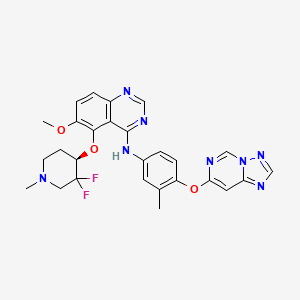
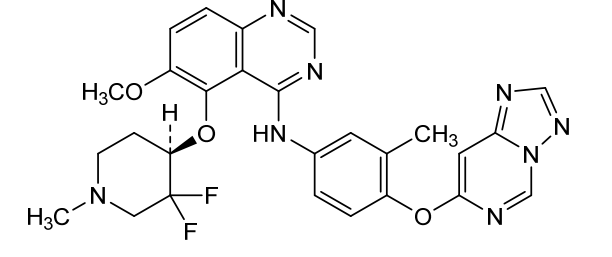
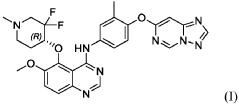
Perzebertinib, Bizrolertinib
CAS 2414056-31-6
MFC27H26F2N8O3 MW548.5 g/mol
5-[(4R)-3,3-difluoro-1-methylpiperidin-4-yl]oxy-6-methoxy-N-[3-methyl-4-([1,2,4]triazolo[1,5-c]pyrimidin-7-yloxy)phenyl]quinazolin-4-amine
- 4-Quinazolinamine, 5-[[(4R)-3,3-difluoro-1-methyl-4-piperidinyl]oxy]-6-methoxy-N-[3-methyl-4-([1,2,4]triazolo[1,5-c]pyrimidin-7-yloxy)phenyl]-
- 5-[[(4R)-3,3-Difluoro-1-methyl-4-piperidinyl]oxy]-6-methoxy-N-[3-methyl-4-([1,2,4]triazolo[1,5-c]pyrimidin-7-yloxy)phenyl]-4-quinazolinamine
5-{[(4R)-3,3-difluoro-1-methylpiperidin-4-yl]oxy}-6-methoxy-N-{3-methyl-4-[([1,2,4]triazolo[1,5-c]pyrimidin-7-yl)oxy]phenyl}quinazolin4-amine
epidermal growth factor receptor tyrosine kinase inhibitor, antineoplastic, ZN-A-1041, ZN 1041, RG 6596, Bizrolertinib, UN8TM5120C
Perzebertinib (also known as bizrolertinib or by developmental codes ZN-A-1041, ZN-1041, and RG6596) is an orally active, potent, and highly selective HER2 (ERBB2) tyrosine kinase inhibitor (TKI) designed to treat advanced solid tumors, primarily HER2-positive breast cancer.
Mechanism of Action
Perzebertinib functions as a selective, irreversible inhibitor of the HER2 tyrosine kinase. It blocks the ATP-binding site of the receptor to stop autophosphorylation. This action shuts down downstream signaling via the PI3K/AKT and MAPK pathways, successfully suppressing the growth, survival, and migration of tumor cells overexpressing HER2.
Key Clinical Advantages
- Blood-Brain Barrier (BBB) Penetration: The drug is designed to cross the blood-brain barrier effectively. This makes it highly valuable for treating brain metastases, a common and aggressive complication in advanced HER2-positive breast cancers.
- EGFR Sparing: Unlike older pan-EGFR/HER2 inhibitors, perzebertinib is engineered to spare wild-type EGFR. Sparing EGFR helps minimise common on-target side effects like severe skin rash and diarrhea.
- Efflux Resistance: It is not a substrate for P-gp or BCRP efflux pumps, allowing it to maintain high concentrations within central nervous system (CNS) tissues.
Development and Clinical Status
Initially discovered and developed by Suzhou Zanrong Pharmaceutical Technology (Zion Pharma), the asset is being co-developed in partnership with Roche and Genentech.
The drug has progressed through Phase 1 clinical studies evaluating its safety and pharmacokinetics in advanced solid tumors, moving forward into Phase 2/3 evaluations for HER2-positive advanced or locally advanced metastatic breast cancer. It is frequently evaluated as a monotherapy or in combination regimens alongside established therapies like capecitabine, trastuzumab, or pertuzumab
PAT
US11723908, Example 37, EG 77
https://patentscope.wipo.int/search/en/detail.jsf?docId=US344952565&_cid=P10-MS9QYW-06569-1
PAT
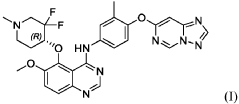
International Patent Publication No. WO 2020/057511 A1, which is incorporated herein by reference in its entirety, discloses quinazoline compounds that inhibit type I receptor tyrosine kinases, demonstrate good brain penetration in animals, and possess favorable toxicity profiles (for example a decreased activity against hERG), and thus particularly useful in the treatment of type I receptor tyrosine kinases mediated diseases or conditions, in particular ErbB2-associated disease or conditions, including cancer (e.g., metastatic cancer, such as brain metastases). A specific compound, which is identified as (R)-N-(4-([1,2,4]triazolo[1,5-c]pyrimidin-7-yloxy)-3-methylphenyl)-5-((3,3-difluoro-1-methylpiperidin-4-yl)oxy)-6-methoxyquinazolin-4-amine (also referred to as compound (I) herein),
PAT
https://patentscope.wipo.int/search/en/detail.jsf?docId=WO2020057511&_cid=P10-MS9R3W-09545-1
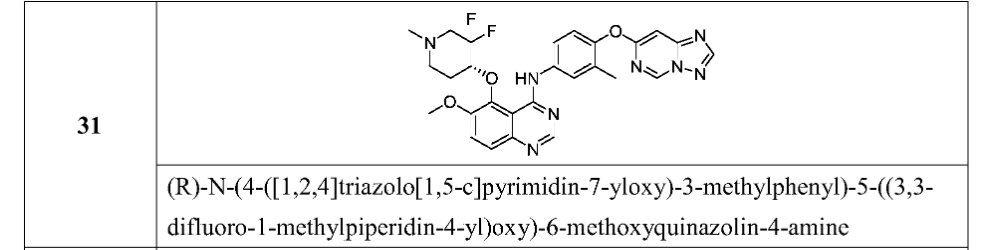

[0681]
(S) -N- (4- ( [1, 2, 4] triazolo [1, 5-c] pyrimidin-7-yloxy) -3-methylphenyl) -5- ( (3, 3-difluoro-1-methylpiperidin-4-yl) oxy) -6-methoxyquinazolin-4-amine

Step 5: (R) -N- (4- ( [1, 2, 4] triazolo [1, 5-c] pyrimidin-7-yloxy) -3-methylphenyl) -5- ( (3, 3-difluoro-1-methylpiperidin-4-yl) oxy) -6-methoxyquinazolin-4-amine and
[0696]
(S) -N- (4- ( [1, 2, 4] triazolo [1, 5-c] pyrimidin-7-yloxy) -3-methylphenyl) -5- ( (3, 3-difluoro-1-methylpiperidin-4-yl) oxy) -6-methoxyquinazolin-4-amine
[0697]
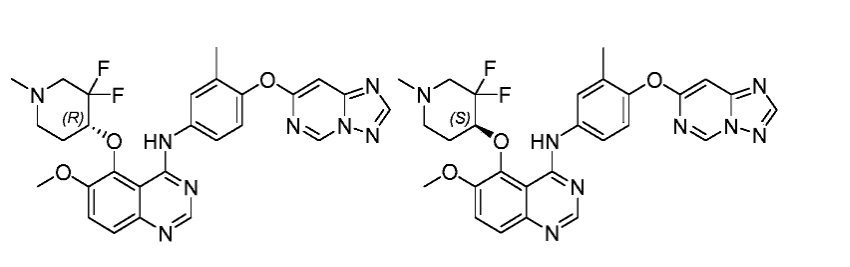
[0698]
To a solution of 4-chloro-5- ( (3, 3-difluoro-1-methylpiperidin-4-yl) oxy) -6-methoxyquinazoline (410 mg, 1.19 mmol) in Propan-2-ol (60 mL) was added TsOH. H 2O (68 mg, 0.36 mmol) and 4- ( [1, 2, 4] triazolo [1, 5-c] pyrimidin-7-yloxy) -3-methylaniline (259 mg, 1.07 mmol) . The resulting mixture was stirred at 100℃ under Ar 2protection and concentrated. The residue was dissolved in H 2O (100 mL) , basified with aq. NaHCO 3to pH =7-8, extracted with DCM: MeOH = 20: 1 (100 mLx3) . The combined organic layers were dried over anhydrous Na 2SO 4, filtered and concentrated. The residue was purified by column chromatography (DCM/MeOH=30/1) to give product (300 mg, 46%yield) as white solid. The racemic material was subsequently separated by chiral SFC to give two isomers:
[0699]
(R) -N- (4- ( [1, 2, 4] triazolo [1, 5-c] pyrimidin-7-yloxy) -3-methylphenyl) -5- ( (3, 3-difluoro-1-methylpiperidin-4-yl) oxy) -6-methoxyquinazolin-4-amine (Peak 1, retention time 6.241 min, ee: >99%) (100 mg, 67%) as a white solid. MS (ESI) m/z: 549.2 (M+H) +. 1H NMR (400 MHz, CDCl 3) δ 10.04 (s, 1H) , 9.20 (s, 1H) , 8.61 (s, 1H) , 8.33 (s, 1H) , 7.88 (d, J = 2.0 Hz, 1H) , 7.79-7.76 (m, 1H) 7.69 (d, J = 9.2 Hz, 1H) , 7.53 (d, J = 9.2 Hz, 1H) , 7.11 (d, J = 8.8 Hz, 1H) , 6.90 (s, 1H) , 4.84-4.79 (m, 1H) , 4.03 (s, 3H) , 3.22-3.21 (m, 1H) , 2.93 (d, J = 7.2 Hz, 1H) , 2.38 (s, 3H) , 2.41-2.34 (m, 1H) , 2.34-2.27 (m, 1H) , 2.19 (s, 3H) , 2.16-2.10 (m, 2H) .
ADVERTISEMENT
ANAX LABORATORIES
WEBSITE https://www.anaxlab.com/
Discovery Solutions, Supporting the chemistry needs of clients in the Medical, Analytical and Bio Sciences
Development Solutions, Developing from Lab scale to PR&D, Kilo Scale-ups and Commercial Scales
SEE MORE………Integrated Solutions, Manufacturing Solutions, Products,
Can’t Find? Let’s Connect
Phone : +91 897704 2010 / +91 9177075735, Email : info@anaxlab.com
#MedicinalChemistry, #DrugDiscovery, #OrganicSynthesis, #ChemicalLibrary, #BuildingBlocks, #SARStudies, #ChemistryInnovation, #medchem, #Drugdevelopment, #Biotech, #Biotechnology, #AnaxLaboratories, #Pharma
AS ON FEB2026 4.574 LAKHS VIEWS ON BLOG WORLDREACH AVAILABLEFOR YOUR ADVERTISEMENT
join me on Linkedin
Anthony Melvin Crasto Ph.D – India | LinkedIn
join me on Researchgate
RESEARCHGATE
join me on Facebook
Anthony Melvin Crasto Dr. | Facebook
join me on twitter
Anthony Melvin Crasto Dr. | twitter
+919321316780 call whatsaapp
EMAIL. amcrasto@gmail.com
References
- Quinazoline derivatives as antitumor agentsPublication Number:US-2023293533-A1Priority Date:2018-09-18
- Quinazoline derivatives as antitumor agentsPublication Number:ES-2971927-T3Priority Date:2018-09-18Grant Date:2024-06-10
- Quinazoline derivatives as antitumor agentsPublication Number:EP-4360713-B1Priority Date:2018-09-18Grant Date:2024-10-30
- Quinazoline derivatives as antitumor agentsPublication Number:ES-3007082-T3Priority Date:2018-09-18Grant Date:2025-03-19
- Quinazoline derivatives as antitumor agentsPublication Number:EP-4360713-A2Priority Date:2018-09-18
- Quinazoline derivatives as antitumor agentsPublication Number:EP-3853220-B1Priority Date:2018-09-18Grant Date:2024-01-03
- Quinazoline derivatives as antitumor agentsPublication Number:EP-3853220-A1Priority Date:2018-09-18
- Quinazoline derivatives as antitumor agentsPublication Number:US-2021386742-A1Priority Date:2018-09-18
- Quinazoline derivatives as antitumor agentsPublication Number:US-11723908-B2Priority Date:2018-09-18Grant Date:2023-08-15
- Crystalline forms of quinazoline derivatives, preparation, compositions and uses thereofPublication Number:CN-120623183-APriority Date:2021-10-20
- Crystalline forms of quinazoline derivatives, preparation, compositions and uses thereofPublication Number:CN-120309621-APriority Date:2021-10-20
- Quinazoline derivatives as antitumor agentsPublication Number:WO-2020057511-A1Priority Date:2018-09-18
- Quinazoline Derivatives as Antitumor AgentsPublication Number:JP-7546550-B2Priority Date:2018-09-18Grant Date:2024-09-06
- Quinazoline derivatives as antitumor agentsPublication Number:CA-3099776-A1Priority Date:2018-09-18
/////////perzebertinib, anax labs, epidermal growth factor receptor tyrosine kinase inhibitor, antineoplastic, ZN-A-1041, ZN 1041, RG 6596, Bizrolertinib, UN8TM5120C
#perzebertin#ib, #anax labs, #epidermal growth factor receptor tyrosine kinase inhibitor, #antineoplastic, #ZN-A-1041, #ZN 1041, #RG 6596, Bizrolertinib, #UN8TM5120C
Pasodacigib
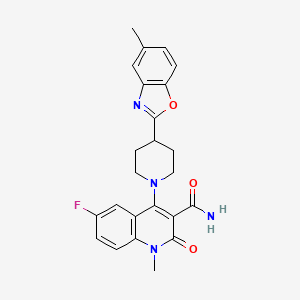
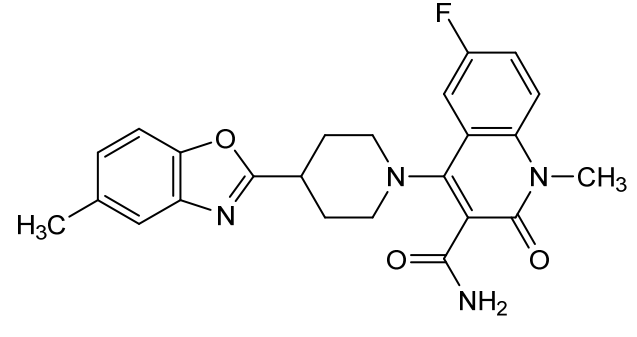
Pasodacigib
Cas 2648721-77-9
MFC24H23FN4O3 mw 434.5 g/mol
6-fluoro-1-methyl-4-[4-(5-methyl-1,3-benzoxazol-2-yl)piperidin-1-yl]-2-oxo-1,2-dihydroquinoline-3-carboxamide
6-fluoro-1-methyl-4-[4-(5-methyl-1,3-benzoxazol-2-yl)piperidin-1-yl]-2-oxo-1,2-dihydroquinoline-3-carboxamide
diacylglycerol kinase inhibitor, antineoplastic, BAY 2862789, BAY-2862789, XM6U88YE6H
Pasodacigib (also known by its developmental code BAY 2862789 or BAY-2862789) is an investigational small-molecule drug developed by Bayer AG. It functions as a potent and selective diacylglycerol kinase alpha (DGKα) inhibitor designed for cancer immunotherapy.
🧪 Mechanism of Action
- Targeting DGKα: Diacylglycerol kinase alpha (DGKα) is an enzyme that converts diacylglycerol (DAG) into phosphatidic acid (PA) within cells.
- T-Cell Reactivation: In the tumor microenvironment, overactive DGKα metabolises DAG, which depletes the signaling required for T-cell activation. By blocking this enzyme, pasodacigib aims to restore DAG levels, reactivating the patient’s own T-cells to mount a clinically beneficial anti-tumor immune response.
📋 Key Details & Chemical Properties
- Developer: Bayer AG
- CAS Registry Number: 2648721-77-9
- Molecular Formula: C₂₄H₂₃FN₄O₃
- Molecular Weight: 434.46 g/mol
- Research Status: It is an investigational drug that has entered clinical trial assessment (such as the Bayer-led study NCT05858164) to evaluate its safety and efficacy in treating advanced malignancies.
⚠️ Important Medical Disclaimer
Pasodacigib is strictly an investigational compound undergoing clinical development and laboratory research. It is not approved by the FDA or any other global regulatory authority for prescription, public medical use, or patient purchase.
If you are looking into this molecule for scientific research or a clinical study, please let me know if you need specific details regarding its chemical structure, information on related DGK inhibitors, or updates on active oncology clinical trials
Pat
https://patentscope.wipo.int/search/en/detail.jsf?docId=US400268899&_cid=P22-MS6W4B-66581-1
Example 298
6-fluoro-1-methyl-4-[4-(5-methyl-1,3-benzoxazol-2-yl)piperidin-1-yl]-2-oxo-1,2-dihydroquinoline-3-carboxamide
| 1H NMR (400 MHz, DMSO-d 6) δ ppm 2.02-2.15 (m, 2H) 2.17-2.26 (m, 2H) 2.44 (s, 3H) 3.13-3.25 (m, 3H) 3.35-3.43 (m, 2H) 3.59 (s, 3H) 7.18 (d, 1H) 7.47-7.63 (m, 6H) 7.73 (br s, 1H). |
PAT
https://patentscope.wipo.int/search/en/detail.jsf?docId=WO2021105117&_cid=P22-MS6W2Y-65422-1
Intermediate 101
6-fluoro-1-methyl-2H-3,1-benzoxazine-2,4(1 H)-dione
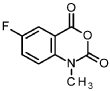
To a solution of 5.00 g 6-fluoro-2H-3,1-benzoxazine-2,4(1 H)-dione (26.8 mmol, CAS 321-69-7) and 9.3 ml. N,N-diisopropylethylamine (54 mmol) in 40 ml. dimethylformamide was added 5.1 ml. iodomethane (80 mmol) at rt and the mixture was stirred overnight. The reaction mixture was diluted with 1000 ml. water and the resulting solid was collected by filtration, the filter cake was washed with water and dried in vacuum to give 4.93 g of the title compound (99 % purity, 93 % yield).
1H NMR (400 MHz, DMSO-cfe) d ppm 3.47 (s, 3H), 7.40-7.61 (m, 1 H), 7.69-7.93 (m, 2H).Intermediate 102
6-fluoro-4-hydroxy-1-methyl-2-oxo-1 ,2-dihydroquinoline-3-carbonitrile
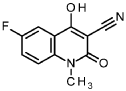
4.85 g 6-fluoro-1 -methyl-2H-3,1 -benzoxazine-2,4(1 H)-dione (intermediate 101 , 24.6 mmol,) was solubilised in 50 ml. tetrahydrofurane, 34 ml. triethylamine (250 mmol) and then 15.1 ml. ethyl cyanoacetate (133 mmol) were added carefully and the suspension was stirred 72 h at 900. The reaction mixture was cooled down to rt, concentrated under reduced pressure, the residue was diluted with water and ethyl acetate (1 :1) and the mixture was adjusted to pH = 1 with hydrogen chloride solution (2 M in water). The resulting solid was filtered and the filter cake was washed with less water and ethyl acetate to give 4.40 g of the title compound (100 % purity, 82 % yield).
1H NMR (400 MHz, DMSO-cfe) d ppm 3.34 (br s, 3H), 7.01 -7.44 (m, 2H), 7.51 -7.70 (m, 1 H).
Intermediate 103
4-chloro-6-fluoro-1-methyl-2-oxo-1,2-dihydroquinoline-3-carbonitrile
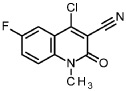
A mixture of 4.40 g 6-fluoro-4-hydroxy-1-methyl-2-oxo-1 ,2-dihydroquinoline-3-carbonitrile (intermediate 102, 20.0 mmol) and 19 ml. phosphoric trichloride (200 mmol) was stirred overnight at 900. The reaction mixture was cooled down to rt, diluted with hexane and the resulting solid was filtered. The filter cake was carefully added to a half saturated solution of sodium bicarbonate, the resulting suspension was filtered, the solid was washed with water, ethyl acetate and then with ethanol and dried in vacuum to give 4.17 g of the title compound (100 % purity, 88 % yield).
1H NMR (400 MHz, DMSO-cfe) d ppm 3.67 (s, 3H); 7.58 – 8.09 (m, 3H).
Example 217
6-fluoro-1-methyl-4-[4-(5-methyl-1,3-benzoxazol-2-yl)pipendin-1-yl]-2-oxo-1,2-dihydroquinoline-3-carbonitrile
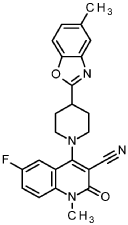
80 mg 4-chloro-6-fluoro-1-methyl-2-oxo-1 ,2-dihydroquinoline-3-carbonitrile (338 pmol, intermediate 103) was suspended in 2.5 ml. 2-propanol, 180 mI_ N,N-diisopropylethylamine (1.0 mmol) and 87.7 mg 5-methyl-2-(piperidin-4-yl)-1 ,3-benzoxazole (406 pmol, CAS 199292-77-8) were added and the mixture was stirred for 2 h at 900. The reaction mixture was cooled down to rt and the suspension was diluted with water and stirred for 15 min. The solid was filtered off and washed with water and ethanol to give 127 mg of the title compound (98 % purity, 88 % yield).
1H NMR (400 MHz, DMSO-cfe) d ppm 2.07 – 2.19 (m, 2 H) 2.27 – 2.35 (m, 2 H) 2.44 (s, 3 H) 3.43 (tt, 1 H) 3.55 – 3.64 (m, 5 H) 3.81 (br d, 2 H) 7.18 (dd, 1 H) 7.53 (d, 1 H) 7.54 – 7.61 (m, 2 H) 7.61 – 7.70 (m, 2 H).
LC-MS (Method 2): R, = 1.32 min; MS (ESIpos): m/z = 417.4 [M+H]+
Example 298
6-fluoro-1-methyl-4-[4-(5-methyl-1,3-benzoxazol-2-yl)pipendin-1-yl]-2-oxo-1,2-dihydroquinoline-3-carboxamide
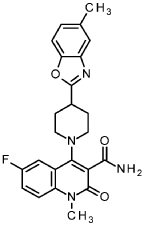
68 mg 6-fluoro-1 -methyl-4-[4-(5-methyl-1 ,3-benzoxazol-2-yl)piperidin-1-yl]-2-oxo-1 ,2-dihydroquinoline-3-carbonitrile (160 pmol, example 217), 9 mg palladium(ll)acetate (40 pmol) and 142 mg acetaldoxime (2.4 mmol) were stirred in 1 .5 ml. ethanol for 5 h at 80TT The reaction mixture was diluted with water, extracted with ethyl acetate two times, the combined organic layers were filtered through a waterresistant filter and the filtrate was concentrated under reduced pressure. The residue was purified by RP-HPLC (column: X-Bridge C18 5pm 100x30mm, mobile phase: acetonitrile / water (0.2 vol. % ammonia 32 %)-gradient) to give 41 .4 mg of the title compound (100 % purity, 60 % yield).
1H NMR (400 MHz, DMSO-cfe) d ppm 2.02 – 2.15 (m, 2 H) 2.17 – 2.26 (m, 2 H) 2.44 (s, 3 H) 3.13 – 3.25 (m, 3 H) 3.35 – 3.43 (m, 2 H) 3.59 (s, 3 H) 7.18 (d, 1 H) 7.47 – 7.63 (m, 6 H) 7.73 (br s, 1 H).
LC-MS (Method 2): R, = 1 .17 min; MS (ESIpos): m/z = 435.4 [M+H]
ADVERTISEMENT
ANAX LABORATORIES
WEBSITE https://www.anaxlab.com/
Discovery Solutions, Supporting the chemistry needs of clients in the Medical, Analytical and Bio Sciences
Development Solutions, Developing from Lab scale to PR&D, Kilo Scale-ups and Commercial Scales
SEE MORE………Integrated Solutions, Manufacturing Solutions, Products,
Can’t Find? Let’s Connect
Phone : +91 897704 2010 / +91 9177075735, Email : info@anaxlab.com
#MedicinalChemistry, #DrugDiscovery, #OrganicSynthesis, #ChemicalLibrary, #BuildingBlocks, #SARStudies, #ChemistryInnovation, #medchem, #Drugdevelopment, #Biotech, #Biotechnology, #AnaxLaboratories, #Pharma
AS ON FEB2026 4.574 LAKHS VIEWS ON BLOG WORLDREACH AVAILABLEFOR YOUR ADVERTISEMENT
join me on Linkedin
Anthony Melvin Crasto Ph.D – India | LinkedIn
join me on Researchgate
RESEARCHGATE
join me on Facebook
Anthony Melvin Crasto Dr. | Facebook
join me on twitter
Anthony Melvin Crasto Dr. | twitter
+919321316780 call whatsaapp
EMAIL. amcrasto@gmail.com
References
- DGK alpha inhibitors as immune activation substituted aminoquinolones of (2)Publication Number:CN-119523983-APriority Date:2019-11-28
- Cyclopropyl modulators of p2y12 receptorPublication Number:US-2017002015-A1Priority Date:2009-07-27
- Substituted aminoquinolones as dgkalpha inhibitors for immune activationPublication Number:EP-4065574-A1Priority Date:2019-11-28
- Substituted aminoquinolones as dgkalpha inhibitors for immune activationPublication Number:WO-2021105117-A1Priority Date:2019-11-28
- Substituted aminoquinolones as immunoactive DGK alpha inhibitorsPublication Number:CN-115003665-APriority Date:2019-11-28
- Substituted aminoquinolones as inhibitors of immune-activated DGKαPublication Number:CN-119564686-APriority Date:2019-11-28
- DGK alpha inhibitors as immune activation substituted aminoquinolones of (2)Publication Number:CN-119424429-APriority Date:2019-11-28
- Combinations of dgk (diacylglycerol kinase) inhibitors and immune checkpoint inhibitors and modulatorsPublication Number:TW-202448461-APriority Date:2023-02-06
- Substituted aminoquinolones as DGKalpha inhibitors for immune activationPublication Number:US-11998539-B2Priority Date:2019-11-28Grant Date:2024-06-04
- Substituted aminoquinolones as dgkalpha inhibitors for immune activationPublication Number:US-2023148194-A1Priority Date:2019-11-28
- Substituted aminoquinolones as dgkalpha inhibitors for immune activationPublication Number:US-2023201186-A1Priority Date:2019-11-28
- DGK alpha inhibitors as immune activation substituted aminoquinolones of (2)Publication Number:CN-115003665-BPriority Date:2019-11-28Grant Date:2024-11-08
- Combination of ccr8 antibodies with dgk inhibitors in the treatment of cancerPublication Number:WO-2024165468-A1Priority Date:2023-02-06
- Combination of ccr8 antibodies with dgk inhibitorsPublication Number:TW-202436351-APriority Date:2023-02-06
- Combinations of dgk (diacylglycerol kinase) inhibitorsPublication Number:WO-2024165470-A1Priority Date:2023-02-06
- Combinations of dgk (diacylglycerol kinase) inhibitors and immune checkpoint inhibitors and modulatorsPublication Number:WO-2024165469-A1Priority Date:2023-02-06
- Combinations of dgk (diacylglycerol kinase) inhibitorsPublication Number:TW-202448460-APriority Date:2023-02-06
/////////pasodacigib, anax labs, diacylglycerol kinase inhibitor, antineoplastic, BAY 2862789, BAY-2862789, XM6U88YE6H
#pasodacigib, #anax labs, #diacylglycerol kinase inhibitor,#antineoplastic, #BAY 2862789, #BAY-2862789, #XM6U88YE6H
Pariceract

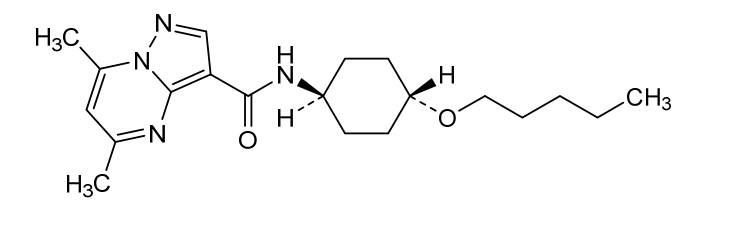
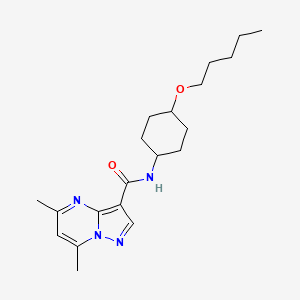
Pariceract
CAS 1919820-28-2
MFC20H30N4O2 MW358.5 g/mol
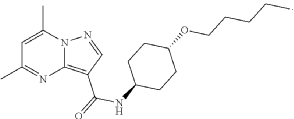
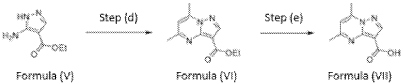
- 5,7-dimethyl-N-((1r,4r)-4-(pentyloxy)cyclohexyl)pyrazolo[1,5-a]pyrimidine-3-carboxamide
- 5,7-Dimethyl-N-(4-pentoxycyclohexyl)pyrazolo[1,5-a]pyrimidine-3-carboxamide
- Pyrazolo(1,5-a)pyrimidine-3-carboxamide, 5,7-dimethyl-N-(trans-4-(pentyloxy)cyclohexyl)-
5,7-dimethyl-N-[trans-4-(pentyloxy)cyclohexyl]pyrazolo[1,5-a]pyrimidine-3-carboxamide
beta-glucocerebrosidase activator, antiparkinsonian, BIA 28-6156, LTI-291, LIT291, LTI-00291, BIA28-6156, LTI- 91, LIT 291, LTI 00291, Gcase activator 1, V9WUN9UUU8
Pariceract (INNTooltip International Nonproprietary Name; developmental code name BIA 28-6156 or LTI-291) is a β-glucocerebrosidase (GCase) activator or positive allosteric modulator which is under development for the treatment of Parkinson’s disease.[1][2][3][4][5] It is taken orally.[1] GCase is a lysosomal enzyme encoded by the gene GBA1.[4][5] Loss-of-function mutations in this gene are thought to promote α-synuclein accumulation and are among the leading genetic risk factors for Parkinson’s disease.[4][5][6] As such, activation of GCase might provide a disease-modifying therapy for treatment of Parkinson’s disease.[4][5] Pariceract was first described in the scientific literature by 2017.[6] It was originated by Lysosomal Therapeutics and is under development by Lysosomal Therapeutics and Bial.[1][2][3] As of October 2025, it is in phase 2 clinical trials.[1][2][3]
PAT
PAT
https://patentscope.wipo.int/search/en/detail.jsf?docId=WO2025198486&_cid=P12-MS41BL-88178-1
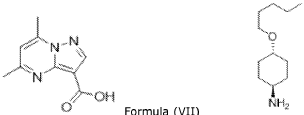
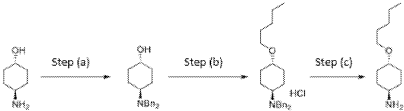
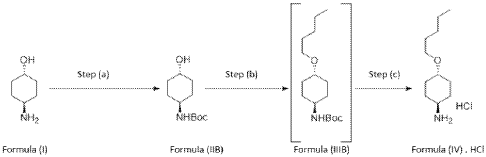
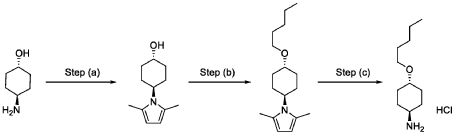
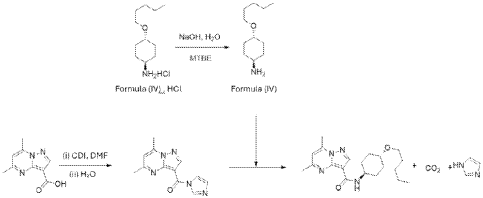
Example 3 – Preparation of 5,7-dimethyl-/V-((l/?,4/?)-4- (pentyloxy)cyclohexyl)pyrazolo[1,5-a]pyrimidine-3-carboxamide (Compound of Formula (A))
[00168] Part 1 : Under nitrogen atmosphere, purified water (41.32 L, 2.0 V) and NaOH (5.99 kg, 1.4 eq.) were charged to a reactor at 20 °C; after this, purified water (10.33 L, 0.5 V) was added to wash the walls and the solution was left stirring for 0.5-3 hours until the solid was dissolved; the solution was transferred from the reactor to a clean drum.
[00169] Part 2: Under nitrogen atmosphere, purified water (30.99 L, 1.5 V) and NaCI
(2.27 kg, 0.11 wt.%) were charged to the reactor at 20 °C; after this, purified water (10.33 L, 0.5 V) was charged to wash the walls and the solution was left stirring for 0.5-3 hours until the solid was dissolved; the solution was transferred from the reactor to a clean drum.
[00170] Part 3: Under nitrogen atmosphere, purified water (62 L, 3.0 V) and the compound of Formula (IV) in HCI salt form (27.84 kg, 1.15 eq.), from step 3 of Example 1, were charged to the reactor at 25 °C; after this, purified water (16.5 L, 0.8 V) was charged to wash the walls and then MTBE (165.28 L, 8.0 V) was charged to the reactor and the solution was left stirring for 0.5-1 hour; after this, the solution was cooled down to 5 °C and the NaOH (5.99 kg, 1.4 eq.) aqueous solution (prepared in advance in part 1) was charged in 0.5-2 hours; then, the temperature of the reaction mixture was increased to 25 °C and it was left stirring for 1-3 hours. The agitation was stopped, and the phases were separated. The organic phase was washed two times: the first with 5% NaCI aqueous (41.32 L, 2.0 V) prepared in advance in part 2 and the second with purified water (41.32 L, 2.0 V). Then, the organic phase was concentrated under vacuum until the total volume was 51.65 L – 72.31 L (2.5-3.5 V). MTBE (62 L, 3.0 V) was charged to the reactor and the solution was concentrated under vacuum until the total volume was 51.65 L – 72.31 L (2.5-3.5 V).
[00171] Part 4: Under nitrogen atmosphere, DMF (92.97 L, 4.5 V), the compound of Formula (VII) (20.66 kg, 1.0 eq.), from step 2 of Example 2, and l,l’-carbonyldiimidazole (21.07 kg, 1.2 eq.) were charged to the reactor at 25 °C; DMF (10.33 L, 0.5 V) was added to wash the walls. The temperature of the reaction mixture was increased to 28 °C, and it was left stirring for 2-5 hours. If necessary, charge additional l,l’-carbonyldiimidazole (1.76 kg, 0.1 eq.) to the reactor at 28 °C and leave it stirring for 2-5 hours. After this, purified water (1.178 kg, 0.6 eq.) was charged to the reactor and it was left stirring for 1-4 hours. Under nitrogen atmosphere, the compound of Formula (IV) Free Base in MTBE solution (27.84 kg ,1.15 eq.), from Part 3, was charged to the reactor in 1-2 hours; MTBE (4.132 L, 0.2 V) was charged to rinse the drum and then it was transferred to the reactor. The solution was left stirring for 16-24 hours and then DMF (20.66 L, 1.0 V) was charged to the reactor. The solution was concentrated under vacuum until the total volume was 123.96 L – 165.28 L (6.0-8.0 V).
[00172] Part 5: The reaction mixture temperature was increased to 40 °C and purified water (41.32 L, 2.0 V) was added dropwise to the reactor in 1-2 hours; the reaction mixture was left stirring for 2-5 hours before cooling down to 20 °C; the slurry was left stirring for 10-15 hours and then purified water (82.64 L, 4.0 V) was added dropwise in 1-3 hours to the reactor; the slurry was left stirring for 3-6 hours. After this, the solid was centrifuged and the cake was washed with DMF:H2O (1: 1, 20.66 L, 1.0 V x 2) two times and then washed with purified water (41.32 L, 2.0 V) one time*. The cake was dried under vacuum at 55 °C for 15-24 hours and 32.35 kg were obtained (83.3% yield and 100% purity by HPLC).
* In one campaign, at this stage the wet cake was dissolved in acetonitrile (25.5 V), the temperature adjusted to 27°C and stirred for 2-6 hours. The solution was filtered via a polish filter (0.22 pirn). The solution was concentrated under vacuum to 5.0 – 7.0 V at a temperature below 35°C. The temperature was adjusted to 20°C and purified water was added (14.0 V) in 2-4 hours. The slurry was stirred for 4-8 hours at 20°C, and afterwards filtered and washed with purified water (4.0 V).
Example 4 – Recrystallisation of 5,7-dimethyl-/V-((l/?,4R)-4- (pentyloxy)cyclohexyl)pyrazolo[1,5-a]pyrimidine-3-carboxamide (Compound of Formula (A))
[00173] Under nitrogen atmosphere, MEK (192 L, 6.0 V) and the compound of Formula (A) from Example 3 in crude (32 kg, 1.0 eq.) were charged to a reactor at 25 °C; MEK (160 L, 5.0 V) was added to wash the walls. The solution was left stirring for 1-3 hours until the solid was dissolved. After this, the solution from the reactor was transferred to a clean drum.
[00174] Under nitrogen atmosphere, the crude compound of Formula (A) in MEK solution was transferred to another reactor via a polish filter. The temperature was set at 17 °C and n-heptane (115.2 kg, 3.6 V) was charged in 2-4 hours. The solution was concentrated under vacuum until the total volume was 320 L – 352 L (10-11 V). In the event that there is no solid precipitation, proceed to the 2nd concentration directly; if there is solid precipitation, take a solid sample for XRPD test, and ensure that the crystal form is polymorph form B; if it is not form B, proceed to the 2nd concentration (and repeat if required). The reactor temperature was kept at 17 °C before cooling down to 0 °C and it was left stirring for 6-12 hours. A solid sample was taken for XRPD test to make sure that the crystal form is form B; if not form B, keep at 0 °C and stir for 6-12 hours; sample solid every 6-10 hours for XRPD until the crystal form is form B. The solid was centrifuged and washed with MEK:n-heptane (1 : 10, 57.6 L, 1.8 V ) and then with n-heptane (57.6 L, 1.8
V). The cake was dried under vacuum at 30 °C for 16-24 hours and 30.67 kg were obtained (95% yield and purity of 100% by HPLC).
PAT
- Substituted pyrazolo[1,5-a]pyrimidines and their use in the treatment of medical disordersPublication Number:US-2017334916-A1Priority Date:2014-11-06
- Substituted pyrazolo[1,5-a]pyrimidines and their use in the treatment of medical disordersPublication Number:US-2025066364-A1Priority Date:2014-11-06
- SUBSTITUTED PYRAZOLO[1,5-a]PYRIMIDINES AND THEIR USE IN THE TREATMENT OF MEDICAL DISORDERSPublication Number:US-2017183354-A1Priority Date:2014-11-06
- Substituted pyrazolo[1,5-a]pyrimidines and their use in the treatment of medical disordersPublication Number:US-9732089-B2Priority Date:2014-11-06Grant Date:2017-08-15
- Substituted pyrazolo[1,5-a]pyrimidines and their use in the treatment of medical disordersPublication Number:US-11091492-B2Priority Date:2014-11-06Grant Date:2021-08-17
- Substituted pyrazolo[1,5-a]pyrimidines and their use in treating medical disorders – Patents.comPublication Number:JP-7519221-B2Priority Date:2014-11-06Grant Date:2024-07-19
- Substituted pyrazolo[1,5-a]pyrimidines and their use in the treatment of medical disordersPublication Number:US-2022169652-A1Priority Date:2014-11-06
- Substituted pyrazolo[1,5-a]pyrimidines and their use in the treatment of medical disordersPublication Number:US-11932645-B2Priority Date:2014-11-06Grant Date:2024-03-19
- Substituted pyrazolo(1,5-a)pyrimidines and their use in the treatment of medical disordersPublication Number:WO-2016073895-A1Priority Date:2014-11-06
- Substituted pyrazolo[1,5-A]pyrimidines and their use in the treatment of medical disordersPublication Number:US-10570135-B2Priority Date:2014-11-06Grant Date:2020-02-25
- Substituted pyrazolo(1,5-a)pyrimidines and their use in the treatment of medical disordersPublication Number:EP-4406616-A2Priority Date:2014-11-06
- Substituted pyrazolo[1,5-a]pyrimidines and their use in the treatment of medical disordersPublication Number:US-2020385390-A1Priority Date:2014-11-06
ADVERTISEMENT
ANAX LABORATORIES
WEBSITE https://www.anaxlab.com/
Discovery Solutions, Supporting the chemistry needs of clients in the Medical, Analytical and Bio Sciences
Development Solutions, Developing from Lab scale to PR&D, Kilo Scale-ups and Commercial Scales
SEE MORE………Integrated Solutions, Manufacturing Solutions, Products,
Can’t Find? Let’s Connect
Phone : +91 897704 2010 / +91 9177075735, Email : info@anaxlab.com
#MedicinalChemistry, #DrugDiscovery, #OrganicSynthesis, #ChemicalLibrary, #BuildingBlocks, #SARStudies, #ChemistryInnovation, #medchem, #Drugdevelopment, #Biotech, #Biotechnology, #AnaxLaboratories, #Pharma
AS ON FEB2026 4.574 LAKHS VIEWS ON BLOG WORLDREACH AVAILABLEFOR YOUR ADVERTISEMENT
join me on Linkedin
Anthony Melvin Crasto Ph.D – India | LinkedIn
join me on Researchgate
RESEARCHGATE
join me on Facebook
Anthony Melvin Crasto Dr. | Facebook
join me on twitter
Anthony Melvin Crasto Dr. | twitter
+919321316780 call whatsaapp
EMAIL. amcrasto@gmail.com
References
References
- “LTI 291”. AdisInsight. Springer Nature Switzerland AG. 15 October 2025. Retrieved 19 February 2026.
- “Delving into the Latest Updates on Pariceract with Synapse”. Synapse. 8 May 2025. Retrieved 19 February 2026.
- “Pariceract Drug Profile”. Ozmosi. 1 January 1900. Retrieved 19 February 2026.
- den Heijer JM, Kruithof AC, Moerland M, Walker M, Dudgeon L, Justman C, et al. (July 2023). “A Phase 1B Trial in GBA1-Associated Parkinson’s Disease of BIA-28-6156, a Glucocerebrosidase Activator”. Movement Disorders. 38 (7): 1197–1208. doi:10.1002/mds.29346. hdl:1887/3722043. PMID 37195859.
- den Heijer JM, Kruithof AC, van Amerongen G, de Kam ML, Thijssen E, Grievink HW, et al. (September 2021). “A randomized single and multiple ascending dose study in healthy volunteers of LTI-291, a centrally penetrant glucocerebrosidase activator”. British Journal of Clinical Pharmacology. 87 (9): 3561–3573. doi:10.1111/bcp.14772. PMC 8451761. PMID 33576113.
- Ellis JM, Fell MJ (September 2017). “Current approaches to the treatment of Parkinson’s Disease”. Bioorganic & Medicinal Chemistry Letters. 27 (18): 4247–4255. doi:10.1016/j.bmcl.2017.07.075. PMID 28869077.
Increased degradation of a-synuclein is another potential mechanism explored in the clinic. Currently, the leading candidates for this approach center on modulating the activity of the Glucocerebrosidase (GBA) pathway. Mutations in GBA are the leading genetic risk factor for sporadic PD and reductions in GBA activity are thought to lead to an accumulation of a-synuclein. Lysosomal Therapeutics is currently developing a brain penetrant, small molecule enhancer of GBA activity called LTI-291 (structure not reported) which is expected to enter Phase 1 testing in 2017.
External links
 | |
| Clinical data | |
|---|---|
| Other names | BIA 28-6156; LTI-291; LIT291; LTI-00291 |
| Routes of administration | Oral[1] |
| Drug class | β-Glucocerebrosidase (GCase) activator or positive allosteric modulator |
| Identifiers | |
| IUPAC name | |
| CAS Number | 1919820-28-2 |
| PubChem CID | 121327414 |
| ChemSpider | 68028144 |
| UNII | V9WUN9UUU8 |
| Chemical and physical data | |
| Formula | C20H30N4O2 |
| Molar mass | 358.486 g·mol−1 |
| 3D model (JSmol) | Interactive image |
| SMILES | |
| InChI | |
////////pariceract, ANAX LABS, beta-glucocerebrosidase activator, antiparkinsonian, BIA 28-6156, LTI-291, LIT291, LTI-00291, BIA28-6156, LTI- 91, LIT 291, LTI 00291, Gcase activator 1, V9WUN9UUU8
#pariceract, #ANAX LABS, #beta-glucocerebrosidase activator, #antiparkinsonian, #BIA 28-6156, #LTI-291, #LIT291, #LTI-00291, #BIA28-6156, #LTI- 91, #LIT 291, #LTI 00291, #Gcase activator 1, #V9WUN9UUU8
Palacaparib

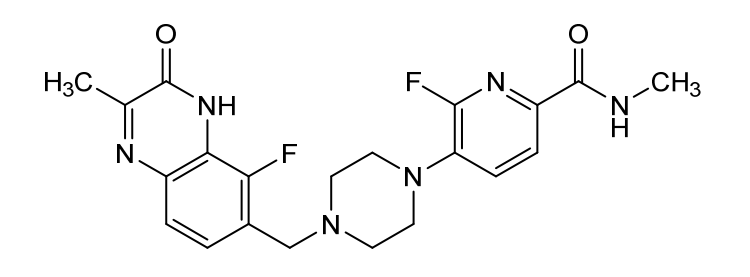
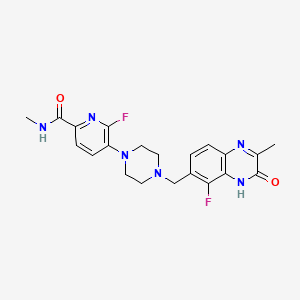
Palacaparib
CAS 2756333-39-6
MFC21H22F2N6O2 MW428.4 g/mol
6-fluoro-5-[4-[(5-fluoro-2-methyl-3-oxo-4H-quinoxalin-6-yl)methyl]piperazin-1-yl]-N-methylpyridine-2-carboxamide
2-Pyridinecarboxamide, 6-fluoro-5-(4-((5-fluoro-3,4-dihydro-2-methyl-3-oxo-6-quinoxalinyl)methyl)-1-piperazinyl)-N-methyl-
6-fluoro-5-{4-[(5-fluoro-2-methyl-3-oxo-3,4-dihydroquinoxalin-6-yl)methyl]piperazin-1-yl}-N-methylpyridine-2-carboxamide
poly (ADP-ribose) polymerase (PARP) inhibitor, antineoplastic, AZD 9574, 9UG32UQW48
Palacaparib is an investigational new drug that is being evaluated by AstraZeneca for the treatment of prostate cancer.[1] It is a selective PARP1 inhibitor.[2][3]
Palacaparib (also known as AZD9574) is an investigational, orally bioavailable cancer drug developed by AstraZeneca. It belongs to a class of medications called PARP inhibitors.
Key Characteristics
- High Selectivity: It selectively targets the PARP1 enzyme. It features an 8,000-fold greater selectivity for PARP1 over other PARP forms like PARP2. This targeted approach aims to lower typical bone marrow toxicities linked with older, non-selective PARP inhibitors.
- Brain Penetrance: Unlike many earlier options, it successfully crosses the blood-brain barrier. This trait makes it a prime candidate for managing primary brain tumors and central nervous system (CNS) metastases.
Mechanism of Action
- Enzyme Binding: Palacaparib tightly binds to the PARP1 enzyme at single-strand DNA break locations.
- DNA Trapping: It traps the enzyme on the damaged DNA, blocking the base excision repair pathway.
- Synthetic Lethality: This stalling stalls replication forks and forces single-strand breaks to progress into double-strand breaks.
- Cell Death: In tumors with homologous recombination deficiency (HRD)—such as BRCA1/2 mutations—cells cannot fix these severe breaks, triggering apoptosis (programmed cell death).
Clinical Research and Targets
According to active registries from the National Cancer Institute (NCI), Palacaparib is undergoing early-phase human trials both as a single agent and alongside other treatments. Researchers are testing its efficacy across several oncological areas:
- Advanced Solid Malignancies: Studies focus heavily on HRD-positive tumors, including specific types of breast, ovarian, and pancreatic cancers.
- Prostate Cancer: Active monotherapy and combination trials target metastatic prostate cancer.
- CNS Malignancies: Preclinical designs show promise in treating gliomas when paired with radiation or alkylating agents like temozolomide.
- OriginatorAstraZeneca
- ClassAntineoplastics; Carbamates; Fluorinated hydrocarbons; Ketones; Piperazines; Pyridines; Quinoxalines; Small molecules
- Mechanism of ActionPoly(ADP-ribose) polymerase-1 inhibitors
- Phase I/IIProstate cancer; Solid tumours
- 03 Jun 2026Phase-I/II clinical trials in Prostate cancer (Combination therapy, Hormone refractory, Second-line therapy or greater, Metastatic disease) in USA (PO) (NCT07590934)
- 14 May 2026AstraZeneca plans a phase I/II trial for Prostate cancer (Metastatic disease, Combination therapy, Second-line therapy or greater, Hormone-refractory) in USA, Australia, Germany, Italy, South Korea, Spain, United Kingdom (PO) in May 2026 (NCT07590934) (EudraCT2025-524920-23)
- 19 Feb 2026Chemical structure information added.
Palacaparib is an orally bioavailable central nervous system (CNS) penetrant and inhibitor of nuclear enzyme poly(ADP-ribose) polymerase (PARP) 1, with potential antineoplastic activity. Upon oral administration, palacaparib selectively binds to PARP1, thereby preventing repair of damaged DNA via the base excision repair (BER) pathway. This agent enhances the accumulation of DNA strand breaks and promotes genomic instability eventually leading to apoptosis. Palacaparib may enhance the cytotoxicity of DNA-damaging agents and reverse tumor cell chemo- and radioresistance. PARP1 catalyzes post-translational ADP-ribosylation of nuclear proteins that signal and recruit other proteins to repair damaged DNA and plays a key role in the repair of single strand DNA (ssDNA) breaks and double-strand break (DSBs). Palacaparib is able to penetrate the blood-brain barrier (BBB).
SYN
https://patentscope.wipo.int/search/en/detail.jsf?docId=WO2021260092&_cid=P22-MS178J-58931-1
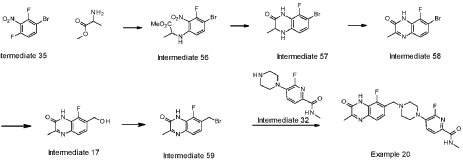
Example 20: 6-fluoro-5-[4-[(5-fluoro-2-methyl-3-oxo-4H-ciuinoxalin-6-yl)methvnDiDerazin-1-vn-N-methyl-pyridine-2-carboxamide
Triethylphosphane (20.90 ml, 145.06 mmol) was added dropwise with an addition funnel to a stirred suspension of 8-fluoro-7-(hydroxymethyl)-3-methyl-1 H-quinoxalin-2-one (intermediate 17) (15.1 g, 72.53 mmol) and 1 ,2-dibromo-1 ,1 ,2,2-tetrachloroethane (52.0 g, 159.56 mmol) in DCM (400 mL) at 0°C under nitrogen. The mixture was stirred at r.t for 3 h gave a light-yellow suspension. Crude LCMS indicated full conversion. DCM was removed under vacuum; the residue was slurry in 300 mL diethyl ether at rt and the light yellow ppt was filtered and washed with 200 ml ether. The solid was taken into 300 ml of water, stirred at rt for 10 min, the solid was collected by filtration, thorough wash (200 ml) with water to remove the salts. The solid was dried under vacuum for overnight (no heat). The solid was washed with hexanes and dried in vacuum in a bushel funnel to give 7-(bromomethyl)-8-fluoro-3-methylquinoxalin-2(1 H)-one (intermediate 59) (22.76 g, 116 %, likely contains some inorganic salts) as an off white solid. Used as such for next reaction. 1 H NMR (500 MHz, DMSO-c/6) 2.42 (3H, s), 4.65 – 4.93 (2H, m), 7.28 – 7.42 (1 H, m), 7.51 (1 H, d), 12.53 (1 H, br s); m/z (ES+) [M+H]+ = 271 , 273.
To a flask charged with 7-(bromomethyl)-8-fluoro-3-methylquinoxalin-2(1 H)-one (intermediate 59) (22.76 g) and 6-fluoro-N-methyl-5-(piperazin-1-yl)picolinamide, 2HCI ( intermediate 32) (24.24 g, 77.9 mmol) in acetonitrile (350 ml), was added DIPEA (38.0 ml, 217.59 mmol) at rt and the resulting mixture was stirred at 70°C for 4 h. Reaction was not complete. To the mixture was added 5 g of Kl and 2 g of Nal and the mixture was stirred at 50°C for 20 h. More 540 mgs (~0.03eq) of 6-fluoro-N-methyl-5-(piperazin-l-yl)picolinamide, 2HCI (intermediate 32) was added to the mixture and the stirring continued at 50°C for 2 h. The solid from the reaction suspension was collected by filtration, washed with acetonitrile and dried. The resulting material was then suspended in water (~400 ml), slurred at rt for 20 min, filtered and dried (97% purity by LCMS). The solid was then dissolved into a mixture of DCM/MeOH (3/1) (about 1.5 L) at reflux, filtered through a pad of silica gel, removed most of the DCM until solid precipitate out and the mixture was kept at rt for 20 min. The solid was collected by filtration and repeated the procedure for the filtrate, and the solids were combined to yield the product 6-fluoro-5-[4-[(5-fluoro-2-methyl-3-oxo-4H-quinoxalin-6-yl)methyl]piperazin-1-yl]-N-methyl-pyridine-2-carboxamide (example 20) (26 g, 84%) as a light yellow solid. 1 H NMR (500 MHz, DMSO-c/6) 2.41 (3H, s), 2.57 – 2.69 (4H, m), 2.76 (3H, d), 3.16 (4H, br s), 3.70 (2H, s), 7.29 (1 H, br t), 7.40 – 7.60 (2H, m), 7.83 (1 H, d), 8.38 (1 H, br d), 12.44 (1 H, br s); m/z (ES+) [M+H]+ = 429.
PAT
- Chemical compoundsPublication Number:US-12421208-B2Priority Date:2020-06-25Grant Date:2025-09-23
- Chemical compoundsPublication Number:US-11795158-B2Priority Date:2020-06-25Grant Date:2023-10-24
- Chemical compoundsPublication Number:US-2022009901-A1Priority Date:2020-06-25
- Combining ATR inhibitors and PARP inhibitors for cancer treatmentPublication Number:IL-309388-APriority Date:2021-06-16
- Use of ATR inhibitors in combination with PARP inhibitors to treat cancerPublication Number:KR-20240021884-APriority Date:2021-06-16
- Quinoxaline derivatives as anticancer drugsPublication Number:CN-115768760-APriority Date:2020-06-25
- Quinoxaline derivatives as anti-cancer drugsPublication Number:WO-2021260092-A1Priority Date:2020-06-25
- Quinoxaline derivatives as anti-cancer drugsPublication Number:EP-4172152-A1Priority Date:2020-06-25
SYN
- Discovery of 6-Fluoro-5-{4-[(5-fluoro-2-methyl-3-oxo-3,4-dihydroquinoxalin-6-yl)methyl]piperazin-1-yl}-N-methylpyridine-2-carboxamide (AZD9574): A CNS-Penetrant, PARP1-Selective InhibitorPublication Name:Journal of Medicinal ChemistryPublication Date:2024-12-10PMID:39655996DOI:10.1021/acs.jmedchem.4c01725
- New Horizons of Synthetic Lethality in Cancer: Current Development and Future PerspectivesPublication Name:Journal of Medicinal ChemistryPublication Date:2024-07-02PMCID:PMC11284803PMID:38955347DOI:10.1021/acs.jmedchem.4c00113
ADVERTISEMENT
ANAX LABORATORIES
WEBSITE https://www.anaxlab.com/
Discovery Solutions, Supporting the chemistry needs of clients in the Medical, Analytical and Bio Sciences
Development Solutions, Developing from Lab scale to PR&D, Kilo Scale-ups and Commercial Scales
SEE MORE………Integrated Solutions, Manufacturing Solutions, Products,
Can’t Find? Let’s Connect
Phone : +91 897704 2010 / +91 9177075735, Email : info@anaxlab.com
#MedicinalChemistry, #DrugDiscovery, #OrganicSynthesis, #ChemicalLibrary, #BuildingBlocks, #SARStudies, #ChemistryInnovation, #medchem, #Drugdevelopment, #Biotech, #Biotechnology, #AnaxLaboratories, #Pharma
AS ON FEB2026 4.574 LAKHS VIEWS ON BLOG WORLDREACH AVAILABLEFOR YOUR ADVERTISEMENT
join me on Linkedin
Anthony Melvin Crasto Ph.D – India | LinkedIn
join me on Researchgate
RESEARCHGATE
join me on Facebook
Anthony Melvin Crasto Dr. | Facebook
join me on twitter
Anthony Melvin Crasto Dr. | twitter
+919321316780 call whatsaapp
EMAIL. amcrasto@gmail.com
References
 | |
| Clinical data | |
|---|---|
| Other names | AZD-9574 |
| Identifiers | |
| IUPAC name | |
| CAS Number | 2756333-39-6 |
| PubChem CID | 162524593 |
| IUPHAR/BPS | 11946 |
| ChemSpider | 115008044 |
| UNII | 9UG32UQW48 |
| ChEMBL | ChEMBL5095223 |
| PDB ligand | A1H64 (PDBe, RCSB PDB) |
| Chemical and physical data | |
| Formula | C21H22F2N6O2 |
| Molar mass | 428.444 g·mol−1 |
| 3D model (JSmol) | Interactive image |
| SMILES | |
| InChI | |
References
- “Palacaparib”. AdisInsight. Springer Nature Switzerland AG. Retrieved 5 July 2026.
- Johannes JW, Balazs AY, Barratt D, Bista M, Chuba MD, Cosulich S, et al. (December 2024). “Discovery of 6-Fluoro-5-{4-[(5-fluoro-2-methyl-3-oxo-3,4-dihydroquinoxalin-6-yl)methyl]piperazin-1-yl}-N-methylpyridine-2-carboxamide (AZD9574): A CNS-Penetrant, PARP1-Selective Inhibitor”. Journal of Medicinal Chemistry. 67 (24): 21717–21728. doi:10.1021/acs.jmedchem.4c01725. PMID 39655996.
- Shkil DO, Chesnokova NA, Ivashchenko AA, Petersen EV, Maximov PY (May 2026). “Structural Determinants of PARP1 Selectivity from Molecular Dynamics Analysis of PARP1 and PARP2 Complexes”. Molecules. 31 (10). Basel, Switzerland: 1592. doi:10.3390/molecules31101592. PMC 13210057. PMID 42197145.
///////////palacaparib, ANAX LABS, poly (ADP-ribose) polymerase (PARP) inhibitor, antineoplastic, AZD 9574, 9UG32UQW48
#palacaparib, #ANAX LABS, #poly (ADP-ribose) polymerase (PARP) inhibitor, #antineoplastic, #AZD 9574, #9UG32UQW48
DR ANTHONY MELVIN CRASTO

ORGANIC SPECTROSCOPY


