
FLAGS AND HITS
 DRUG APPROVALS BY DR ANTHONY MELVIN CRASTO
 FACEBOOK
...................................................................Join me on twitter
FACEBOOK
...................................................................Join me on twitter
 ..................................................................Join me on google plus
 Googleplus
MYSELF



Nedizantrep
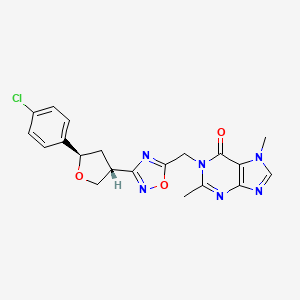
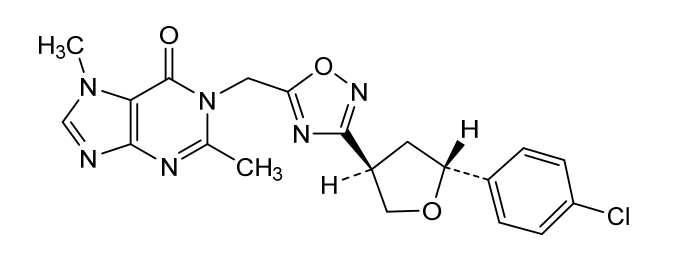
Nedizantrep
CAS 2376824-99-4
MF C20H19ClN6O3 MW 426.9 g/mol
- 1-[[3-[(3R,5R)-5-(4-chlorophenyl)oxolan-3-yl]-1,2,4-oxadiazol-5-yl]methyl]-2,7-dimethylpurin-6-one
- 1-[[3-[(3R,5R)-5-(4-Chlorophenyl)tetrahydro-3-furanyl]-1,2,4-oxadiazol-5-yl]methyl]-1,7-dihydro-2,7-dimethyl-6H-purin-6-one
- 6H-Purin-6-one, 1-[[3-[(3R,5R)-5-(4-chlorophenyl)tetrahydro-3-furanyl]-1,2,4-oxadiazol-5-yl]methyl]-1,7-dihydro-2,7-dimethyl-
1-[[3-[(3R,5R)-5-(4-chlorophenyl)oxolan-3-yl]-1,2,4-oxadiazol-5-yl]methyl]-2,7-dimethylpurin-6-one
1-({3-[(3R,5R)-5-(4-chlorophenyl)oxolan-3-yl]-1,2,4-oxadiazol-5-yl}methyl)-2,7-dimethyl-1,7-dihydro-6Hpurin-6-one
transient receptor potential (TRP) ion channel antagonist, GDC-6599, GDC 6599, RG 6341, RG-6341, ENQ95FVE4X
Nedizantrep (also known by its developmental code GDC-6599) is a potent, selective, and orally active chemical compound developed as a transient receptor potential ankyrin 1 (TRPA1) cation channel antagonist. It was originally designed by Roche Holding AG/Genentech to manage respiratory conditions, particularly chronic cough associated with asthma and Chronic Obstructive Pulmonary Disease (COPD).
Key Characteristics & Mechanism
- Target Engagement: It acts as a TRPA1 inhibitor with high potency, exhibiting an IC50 value of 5.3 nM in humans. [1, 2]
- Therapeutic Purpose: It blocks TRPA1 cation channels, which are thermoTRP channels known to function as sensor transducers for temperature, pain, and environmental irritants. Inhibiting this pathway prevents the sensory nerve hypersensitivity that triggers chronic coughing fits.
- Research Status: As per data recorded by platforms like the IUPHAR/BPS Guide to PHARMACOLOGY, its chemical structure was publically disclosed in late 2023, and it has been evaluated through Phase 2 clinical trials
- A Study To Evaluate The Efficacy, Safety, Pharmacokinetics, And Pharmacodynamic Effects Of GDC-6599 In Patients With Chronic Cough
- CTID: NCT05660850
- Phase: Phase 2
- Status: Completed
- Date: 2025-12-16
PAT
https://patentscope.wipo.int/search/en/detail.jsf?docId=US251637879&_cid=P12-MRBG82-53830-1
Example 8: 1-((3-((3R,5R)-5-(4-chlorophenyl)tetrahydrofuran-3-yl)-1,2,4-oxadiazol-5-yl)methyl)-2,7-dimethyl-1H-purin-6(7H)-one
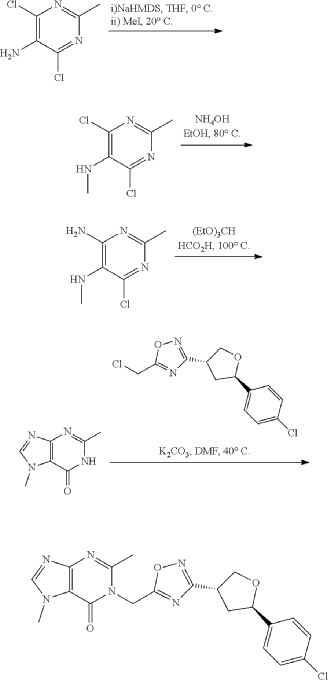
Step 4: Preparation of 1-((3-((3R,5R)-5-(4-chlorophenyl)tetrahydrofuran-3-yl)-1,2,4-oxadiazol-5-yl)methyl)-2,7-dimethyl-1H-purin-6(7H)-one
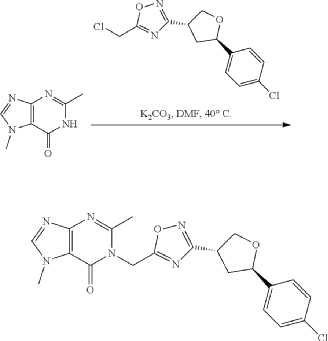
PAT
EG 8
ADVERTISEMENT
ANAX LABORATORIES
WEBSITE https://www.anaxlab.com/
Discovery Solutions, Supporting the chemistry needs of clients in the Medical, Analytical and Bio Sciences
Development Solutions, Developing from Lab scale to PR&D, Kilo Scale-ups and Commercial Scales
SEE MORE………Integrated Solutions, Manufacturing Solutions, Products,
Can’t Find? Let’s Connect

Phone : +91 897704 2010 / +91 9177075735, Email : info@anaxlab.com
#MedicinalChemistry, #DrugDiscovery, #OrganicSynthesis, #ChemicalLibrary, #BuildingBlocks, #SARStudies, #ChemistryInnovation, #medchem, #Drugdevelopment, #Biotech, #Biotechnology, #AnaxLaboratories, #Pharma


AS ON FEB2026 4.574 LAKHS VIEWS ON BLOG WORLDREACH AVAILABLEFOR YOUR ADVERTISEMENT

join me on Linkedin
Anthony Melvin Crasto Ph.D – India | LinkedIn
join me on Researchgate
RESEARCHGATE

join me on Facebook
Anthony Melvin Crasto Dr. | Facebook
join me on twitter
Anthony Melvin Crasto Dr. | twitter
+919321316780 call whatsaapp
EMAIL. amcrasto@gmail.com

References
Oxadiazole compounds as transient receptor potential channel inhibitors
Publication Number: EP-3768260-B1
Priority Date: 2018-03-19
Grant Date: 2025-10-08
- Oxadiazole transient receptor potential channel inhibitorsPublication Number: TW-202003510-APriority Date: 2018-03-19
- Oxadiazole transient receptor potential channel inhibitorsPublication Number: US-10710994-B2Priority Date: 2018-03-19Grant Date: 2020-07-14
- Oxadiazole transient receptor potential channel inhibitorsPublication Number: TW-I829676-BPriority Date: 2018-03-19Grant Date: 2024-01-21
- Oxadiazole transient receptor potential channel inhibitorsPublication Number: US-2025122184-A1Priority Date: 2018-03-19
- Oxadiazole transient receptor potential channel inhibitorsPublication Number: EP-3768260-A1Priority Date: 2018-03-19
- Oxadiazole transient receptor potential channel inhibitorsPublication Number: US-2019284179-A1Priority Date: 2018-03-19
- Oxadiazole transient receptor potential channel inhibitorsPublication Number: KR-20230070333-APriority Date: 2018-03-19
- Oxadiazole transient receptor potential channel inhibitorsPublication Number: US-12202824-B2Priority Date: 2018-03-19Grant Date: 2025-01-21
- Oxadiazole transient receptor potential channel inhibitorPublication Number: KR-102533094-B1Priority Date: 2018-03-19Grant Date: 2023-05-16
- Oxadiazole transient receptor potential channel inhibitorsPublication Number: TW-202438496-APriority Date: 2018-03-19
- Oxadiazole transient receptor potential channel inhibitorsPublication Number: US-2020308161-A1Priority Date: 2018-03-19
- Oxadiazole transient receptor potential channel inhibitorsPublication Number: US-2023121700-A1Priority Date: 2018-03-19
- Oxadiazole transient receptor potential channel inhibitorsPublication Number: WO-2019182925-A1Priority Date: 2018-03-19
- Oxadiazole transient receptor potential channel inhibitorsPublication Number: US-11655245-B2Priority Date: 2018-03-19Grant Date: 2023-05-23
- Oxadiazole transient receptor potential channel inhibitorsPublication Number: CN-111867585-APriority Date: 2018-03-19
////////////nedizantrep, anax labs, transient receptor potential (TRP) ion channel antagonist, GDC-6599, GDC 6599, RG 6341, RG-6341, ENQ95FVE4X
#nedizantrep, #anax labs, #transient receptor potential (TRP) ion channel antagonist, #GDC-6599, #GDC 6599, #RG 6341, #RG-6341, #ENQ95FVE4X
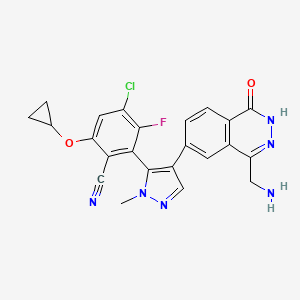
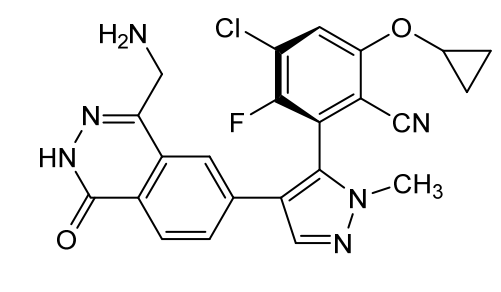
Navlimetostat
Navlimetostat
CAS 2630904-45-7
ALSO 2630904-44-6
MF C23H18ClFN6O2 MW464.9 g/mol
- Benzonitrile, 2-(4-(4-(aminomethyl)-1,2-dihydro-1-oxo-6-phthalazinyl)-1-methyl-1H-pyrazol-5-yl)-4-chloro-6-(cyclopropyloxy)-3-fluoro-, (2S)-
- (M)-27
- 2-[4-[4-(aminomethyl)-1-oxo-2H-phthalazin-6-yl]-2-methylpyrazol-3-yl]-4-chloro-6-cyclopropyloxy-3-fluorobenzonitrile
(2M)-2-{4-[4-(aminomethyl)-1-oxo-1,2-dihydrophthalazin-6-yl] -1-methyl-1H-pyrazol-5-yl}-4-chloro-6-(cyclopropyloxy)-3-fluorobenzonitrile
antineoplastic, MRTX-1719, BMS-986504, MRTX 1719, BMS 986504
Navlimetostat (also known as MRTX-1719 or BMS-986504) is an investigational, first-in-class oral targeted cancer therapy being developed by Bristol-Myers Squibb. It works by selectively binding to the PRMT5-MTA complex, exploiting synthetic lethality to kill cancer cells with MTAP gene deletions while sparing healthy cells.
Navlimetostat is currently in Phase 1/2 clinical trials for advanced solid tumors, including MTAP-deficient non-small cell lung cancer (NSCLC), pancreatic cancer, and glioblastoma.
Key highlights and ongoing research:
- Mechanism: In MTAP-deleted cancer cells, a metabolite called MTA accumulates and binds to PRMT5. Navlimetostat targets and inhibits this specific PRMT5-MTA complex, leading to tumor cell death.
- Clinical Trials: It is currently being investigated as a monotherapy (e.g., in MTAP-deleted advanced solid tumors) and in combination with other agents like pumitamig
- OriginatorMirati Therapeutics
- DeveloperBristol-Myers Squibb; Mirati Therapeutics
- ClassAntineoplastics; Small molecules
- Mechanism of ActionPRMT5 protein inhibitors
- Phase II/IIIAdenocarcinoma; Non-small cell lung cancer
- Phase I/IIMesothelioma; Neurilemmoma; Pancreatic cancer; Solid tumours
- 22 May 2026University of Southampton in collaboration with Bristol-Myers Squibb plans a phase II SELECTmeso1 trial for Malignant mesothelioma (Second-line therapy or greater) in United Kingdom in May 2026 (PO, Tablet) (NCT07602946)
- 13 May 2026Northwestern University plans a phase Ib/II trial for Solid tumours (Metastatic disease, Second-line therapy or greater, Combination therapy) in USA(PO) in December 2027 (NCT07594626)
- 12 May 2026M.D. Anderson Cancer Center plans a phase I/II trial for Non-small cell lung cancer (Combination therapy, Late-stage disease, Metastatic disease, Second-line therapy or greater) in USA (PO), in November 2026 (NCT07579221)
PRMT5 Inhibitor BMS-986504 is an orally bioavailable methylthioadenosine (MTA)-selective inhibitor of the protein arginine methyltransferase 5 (PRMT5), with potential antineoplastic activity. Upon oral administration, PRMT5 inhibitor BMS-986504 targets, binds to and inhibits PRMT5 that is bound to MTA, a complex that is elevated in methylthioadenosine phosphorylase (MTAP)-deleted cancer cells, thereby specifically inhibiting the function of PRMT5 solely within MTAP-deleted cancer cells and not in normal, healthy cells. By inhibiting the methyltransferase activity of PRMT5, levels of both monomethylated and dimethylated arginine residues in histones H2A, H3 and H4 are decreased. This modulates the expression of genes involved in several cellular processes, including cellular proliferation. This may increase the expression of antiproliferative genes and/or decrease the expression of genes that promote cell proliferation, which may lead to decreased growth of rapidly proliferating cancer cells. BMS-986504 also causes dysregulated RNA splicing and decreased retinoblastoma protein (pRb). Together, this decreases proliferation and increases apoptosis specifically in MTAP-deleted cancer cells. PRMT5, a type II methyltransferase that catalyzes the formation of both omega-N monomethylarginine (MMA) and symmetric dimethylarginine (sDMA) on histones and a variety of other protein substrates involved in signal transduction and cellular transcription, is essential for the viability of cancer and normal cells. It is overexpressed in several neoplasms. Elevated levels are associated with decreased patient survival. MTAP is deleted in certain cancer cells leading to an accumulation of the metabolite MTA; MTA binds to and partially inhibits the activity of PRMT5.
PAT
https://patentscope.wipo.int/search/en/detail.jsf?docId=WO2021050915&_cid=P12-MR76CL-04796-1
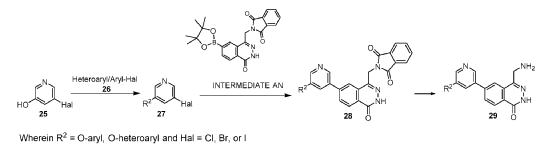
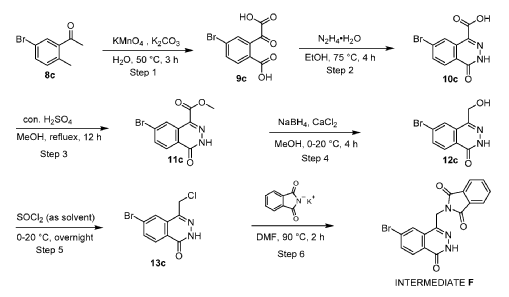
[0186] Step 6: To a solution of 6-bromo-4-(chloromethyl)-2H-phthalazin-1-one 13c (148 g, crude) in DMF (1.5 L) was added (1,3-dioxoisoindolin-2-yl)potassium (121 g, 653 mmol). The reaction mixture was stirred at 90 °C for 2 hours and then cooled to 25 °C. The formed precipitate was filtered and washed with DMF (200 mL x 2) and the filter cake triturated with water (1.00 L), filtered and dried to give Intermediate F, 2-[(7-bromo-4-oxo-3H-phthalazin-1-yl)methyl]isoindoline-1,3-dione (162 g, 413 mmol, 76% yield) as a white solid.1H NMR (400 MHz, DMSO-d6) d = 12.59 (s, 1H), 8.43 (d, J = 1.2 Hz, 1H), 8.18 (d, J = 8.4 Hz, 1H), 8.07 (dd, J = 1.6, 8.4 Hz, 1H), 7.97 – 7.93 (m, 2H), 7.92 – 7.86 (m, 2H), 5.19 (s, 2H). LCMS [M+1]: 383.9.
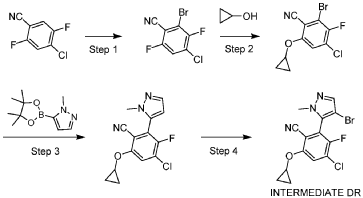
[0327] Step 4: A mixture of 4-chloro-6-(cyclopropoxy)-3-fluoro-2-(2-methylpyrazol-3-yl)benzonitrile (180 mg, 0.617 mmol, 1.00 eq) and N-bromosuccinimide (220 mg, 1.23 mmol, 2.00 eq.) in acetonitrile (10 mL) was stirred at 40 °C for 2 hours under a nitrogen atmosphere. After such time the mixture was concentrated and the residue was purified by prep-TLC (SiO2, petroleum ether: ethyl acetate 20%) to give 2-(4-bromo-2-methyl-pyrazol-3-yl)-4-chloro-6-(cyclopropoxy)-3-fluoro-benzonitrile (170 mg, 0.455 mmol, 74% yield) as a white solid. LCMS [M+1] + = 371.8; 1H NMR (400 MHz, CDCl3) d = 7.61 (s, 1H), 7.55 (d, J = 6.0 Hz, 1H), 3.93 – 3.85 (m, 1H), 3.80 (s, 4H), 0.97 – 0.94 (m, 4H).
EXAMPLE 16-7 and 16-8
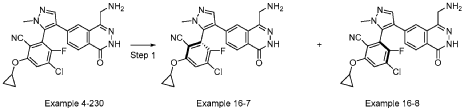
[0590] Example 4-230, 2-(4-(4-(aminomethyl)-1-oxo-1,2-dihydrophthalazin-6-yl)-1-methyl-1H-pyrazol-5-yl)-4-chloro-6-cyclopropoxy-3-fluorobenzonitrile (30 mg, 0.065 mmol) separated by SFC (DAICEL CHIRALPAK IC (250 mm × 30 mm x 10 mm); mobile phase:
[0.1% NH3H2O isopropanol]; B%: 40% isocratic, 4.1 min cycle; 120 min total ) to give example 16-7 (ee > 99%, 13 mg, 0.026 mmol, 25% yield) as a yellow solid and example 16-8 (8 mg, ee = 84% ). Example 16-8 was then then further separated by SFC (DAICEL CHIRALPAK IC (250 mm × 30 mm,10 mm); mobile phase: [0.1% NH3H2O EtOH]; B%: 60% isocratic, 3.1 min cycle; total 50 min) to give Example 16-8 (ee > 99%, 4 mg, 0.007 mmol, 7% yield) as a yellow gum. Spectra data for Example 16-7: LCMS [M+1] + = 465.1; 1H NMR (400 MHz, DMSO-d6) d = 12.59 – 12.44 (s, 1H), 8.29 (s, 1H), 8.15 (d, J = 8.4 Hz, 1H), 8.01 (d, J = 6.0 Hz, 1H), 7.75 (s, 1H), 7.67 (br d, J = 7.6 Hz, 1H), 4.23 – 4.17 (m, 1H), 3.86 (br s, 2H), 3.78 (s, 3H), 0.94 – 0.88 (m, 2H), 0.84 – 0.79 (m, 2H). Spectra data for Example 16-8: LCMS [M+1] + = 465.1; 1H NMR (400 MHz, DMSO-d6) d = 12.49 – 12.37 (s, 1H), 8.26 (s, 1H), 8.15 (d, J = 8.4 Hz, 1H), 8.00 (d, J = 6.0 Hz, 1H), 7.73 (d, J = 1.6 Hz, 1H), 7.72 – 7.68 (m, 1H), 4.19 (m, 1H), 3.80 (s, 2H), 3.77 (s, 3H), 0.93 – 0.87 (m, 2H), 0.83 – 0.78 (m, 2H).
PAT
- MTA-synergistic PRMT5 inhibitorsPublication Number: CN-114728912-APriority Date: 2019-09-12
- Mta-cooperative prmt5 inhibitorsPublication Number: WO-2021050915-A1Priority Date: 2019-09-12
- MTA-Cooperative PRMT5 InhibitorsPublication Number: US-2021078994-A1Priority Date: 2019-09-12
- MTA-Cooperative PRMT5 InhibitorsPublication Number: US-2021079003-A1Priority Date: 2019-09-12
ADVERTISEMENT
ANAX LABORATORIES
WEBSITE https://www.anaxlab.com/
Discovery Solutions, Supporting the chemistry needs of clients in the Medical, Analytical and Bio Sciences
Development Solutions, Developing from Lab scale to PR&D, Kilo Scale-ups and Commercial Scales
SEE MORE………Integrated Solutions, Manufacturing Solutions, Products,
Can’t Find? Let’s Connect
Phone : +91 897704 2010 / +91 9177075735, Email : info@anaxlab.com
#MedicinalChemistry, #DrugDiscovery, #OrganicSynthesis, #ChemicalLibrary, #BuildingBlocks, #SARStudies, #ChemistryInnovation, #medchem, #Drugdevelopment, #Biotech, #Biotechnology, #AnaxLaboratories, #Pharma
AS ON FEB2026 4.574 LAKHS VIEWS ON BLOG WORLDREACH AVAILABLEFOR YOUR ADVERTISEMENT
join me on Linkedin
Anthony Melvin Crasto Ph.D – India | LinkedIn
join me on Researchgate
RESEARCHGATE
join me on Facebook
Anthony Melvin Crasto Dr. | Facebook
join me on twitter
Anthony Melvin Crasto Dr. | twitter
+919321316780 call whatsaapp
EMAIL. amcrasto@gmail.com
References
- Dynamic Kinetic Resolution of Axially Chiral MRTX1719Publication Name: SynfactsPublication Date: 2022-10-18DOI: 10.1055/s-0041-1738738
- Design and evaluation of achiral, non-atropisomeric 4-(aminomethyl)phthalazin-1(2H)-one derivatives as novel PRMT5/MTA inhibitorsPublication Name: Bioorganic & Medicinal ChemistryPublication Date: 2022-10-01PMID: 35926325DOI: 10.1016/j.bmc.2022.116947
- Synthesis of MRTX1719Publication Name: SynfactsPublication Date: 2022-03-18DOI: 10.1055/s-0041-1737934
- Fragment-Based Discovery of MRTX1719, a Synthetic Lethal Inhibitor of the PRMT5•MTA Complex for the Treatment of MTAP -Deleted CancersPublication Name: Journal of Medicinal ChemistryPublication Date: 2022-01-18PMID: 35041419DOI: 10.1021/acs.jmedchem.1c01900
- Disordered methionine metabolism in MTAP/CDKN2A-deleted cancers leads to dependence on PRMT5Publication Name: Science (New York, N.Y.)Publication Date: 2016-03-11PMID: 26912361DOI: 10.1126/science.aad5944
- Synthesis of MRTX1719DOI: 10.1055/s-0041-1737934Publication Date: 2022Publication Name: Synfacts
- Dynamic Kinetic Resolution of Axially Chiral MRTX1719DOI: 10.1055/s-0041-1738738Publication Date: 2022Publication Name: Synfacts
////////navlimetostat, anax labs, antineoplastic, MRTX-1719, BMS-986504, MRTX 1719, BMS 986504
#navlimetostat, # labs, #antineoplastic, #MRTX-1719, #BMS-986504, #MRTX 1719, #BMS 986504
Moxetomidate
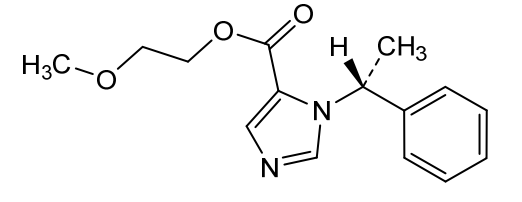

Moxetomidate
CAS 1567838-90-7
MF C15H18N2O3 MW 274.31 g/mol
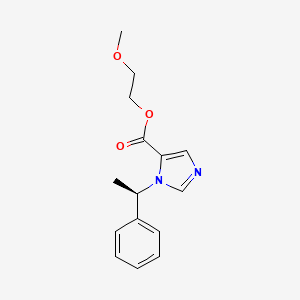
- 2-Methoxyethyl 1-[(1R)-1-phenylethyl]-1H-imidazole-5-carboxylate
- 1H-Imidazole-5-carboxylic acid, 1-[(1R)-1-phenylethyl]-, 2-methoxyethyl ester
2-methoxyethyl 3-[(1R)-1-phenylethyl]imidazole-4-carboxylate
2-methoxyethyl 1-[(1R)-1-phenylethyl]-1H-imidazole-5-carboxylate
GABAA receptor agonist, hypnotic, ET-26, ET 26, LPQ2K767W2
Moxetomidate (also known as methoxyetomidate or ET-26) is a novel, investigational short-acting intravenous anesthetic and sedative-hypnotic agent. It functions as a{GABA}_A} receptor agonist and is designed as a “soft drug” analogue of the traditional anesthetic etomidate.
The Purpose of Its Development
Traditional etomidate is highly valued in clinical settings for its exceptional cardiovascular stability, making it the agent of choice for inducing anesthesia in patients with low blood pressure, trauma, or severe heart conditions. However, its primary drawback is that it causes prolonged adrenocortical suppression by inhibiting the enzyme 11β-hydroxylase. This limits its safety for continuous infusions or repeated uses.
Moxetomidate was synthesized to overcome this exact limitation. It retains the favorable, heart-safe properties of etomidate while undergoing rapid metabolic breakdown into an inactive compound. This prevents prolonged suppression of the adrenal gland.
Key Scientific Properties
- Mechanism of Action: It acts as a positive allosteric modulator and agonist at the \(GABA}_A}) receptor site, depressing the central nervous system to induce hypnosis and sedation.
- Chemical Profile: Its chemical formula is C₁₅H₁₈N₂O₃ with a molecular weight of 274.31 g/mol. Its IUPAC name is 2-methoxyethyl (R)-1-(1-phenylethyl)-1H-imidazole-5-carboxylate.
- Clinical Trial Status: Developed by entities including Jinzhou Ahon Pharmaceutical Co., Ltd., moxetomidate hydrochloride (ET-26 HCl) has progressed into Phase 3 clinical trials as an induction anesthetic.
Methoxyetomidate is an investigational anesthetic agent being developed by Jinzhou Ahon Pharmaceutical Co., Ltd. It is a short-acting intravenous anesthetic that acts as a positive allosteric modulator of GABAA receptors.[1][2] As of 2024, methoxyetomidate is undergoing Phase 3 clinical trials for use in anesthesia.[3][1]
PAT
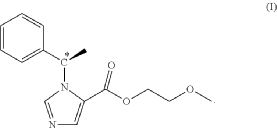
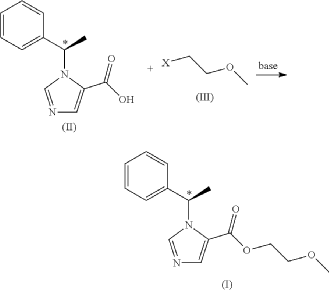
EG 1
Preparation of the Formula (I) Compound Guided by the Present Invention
| 1H-NMR (400 MHz CDCl 3) δ: 1.862 (3H, d, J=7.2 Hz), 3.393 (3H, s), 3.645 (3H, t, J=4.8 Hz), 4.31˜4.405 (2H, m), 6.348 (1H, q, J=7.2 Hz), 7.17˜7.359 (m, 5H), 7.742 (s, 1H), 7.827 (s, 1H). |
| 13C-NMR (100 MHz CDCl 3) δ: 22.30, 55.48, 59.15, 63.53, 70.48, 122.39, 126.36, 128.08, 128.93, 138.63, 140.02, 141.20, 160.26. |
PAT
- N-substituted imidazole carboxylic ester chiral compound containing an ether side chain, its preparation and applicationPublication Number: US-9969695-B2Priority Date: 2013-12-23Grant Date: 2018-05-15
- N-substituted imidazole carboxylic ester chiral compound containing ether side chain, preparation method and applicationPublication Number: EP-3088394-A1Priority Date: 2013-12-23
- N-Substituted Imidazole Carboxylic Ester Chiral Compound Containing an Ether Side Chain, Its Preparation and ApplicationPublication Number: US-2017001963-A1Priority Date: 2013-12-23
- N-substituted imidazole carboxylic ester chiral compound containing ether side chain, preparation method and applicationPublication Number: WO-2015096551-A1Priority Date: 2013-12-23
ADVERTISEMENT
ANAX LABORATORIES
WEBSITE https://www.anaxlab.com/
Discovery Solutions, Supporting the chemistry needs of clients in the Medical, Analytical and Bio Sciences
Development Solutions, Developing from Lab scale to PR&D, Kilo Scale-ups and Commercial Scales
SEE MORE………Integrated Solutions, Manufacturing Solutions, Products,
Can’t Find? Let’s Connect
Phone : +91 897704 2010 / +91 9177075735, Email : info@anaxlab.com
#MedicinalChemistry, #DrugDiscovery, #OrganicSynthesis, #ChemicalLibrary, #BuildingBlocks, #SARStudies, #ChemistryInnovation, #medchem, #Drugdevelopment, #Biotech, #Biotechnology, #AnaxLaboratories, #Pharma
AS ON FEB2026 4.574 LAKHS VIEWS ON BLOG WORLDREACH AVAILABLEFOR YOUR ADVERTISEMENT
join me on Linkedin
Anthony Melvin Crasto Ph.D – India | LinkedIn
join me on Researchgate
RESEARCHGATE
join me on Facebook
Anthony Melvin Crasto Dr. | Facebook
join me on twitter
Anthony Melvin Crasto Dr. | twitter
+919321316780 call whatsaapp
EMAIL. amcrasto@gmail.com
References
References
- “ET-26 Methoxyetomidate Hydrochloride Development Information”. Synapse by Patsnap. Retrieved 2024-11-23.
- Wang B, Chen S, Yang J, Yang L, Liu J, Zhang W (2017). “ET-26 hydrochloride (ET-26 HCl) has similar hemodynamic stability to that of etomidate in normal and uncontrolled hemorrhagic shock (UHS) rats”. PLOS ONE. 12 (8) e0183439. Bibcode:2017PLoSO..1283439W. doi:10.1371/journal.pone.0183439. PMC 5557577. PMID 28813523.
- “ET-26 Clinical Trials Overview”. Synapse by Patsnap. Retrieved 2024-11-23.
 | |
| Clinical data | |
|---|---|
| Other names | ET-26; Moxetomidate |
| Identifiers | |
| IUPAC name | |
| CAS Number | 1567838-90-7 |
| PubChem CID | 74766803 |
| ChemSpider | 133326476 |
| UNII | LPQ2K767W2 |
| Chemical and physical data | |
| Formula | C15H18N2O3 |
| Molar mass | 274.320 g·mol−1 |
| 3D model (JSmol) | Interactive image |
| SMILES | |
| InChI | |
//////////moxetomidate, anax labs, GABAA receptor agonist, hypnotic, ET-26, ET 26, LPQ2K767W2
#moxetomidate, # labs, #GABAA receptor agonist, hypnotic, #ET-26, #ET 26, #LPQ2K767W2
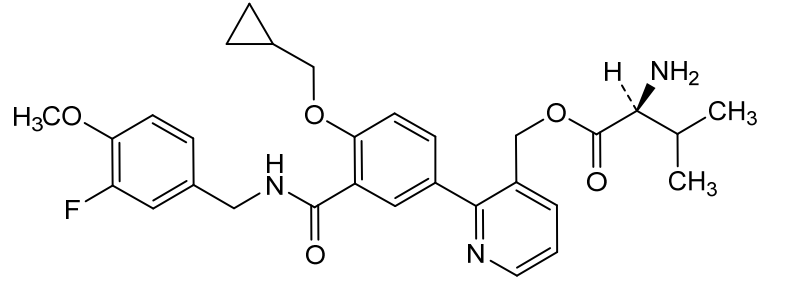
Mirivadelgat
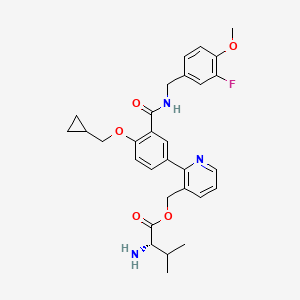
Mirivadelgat
CAS 1804941-96-5
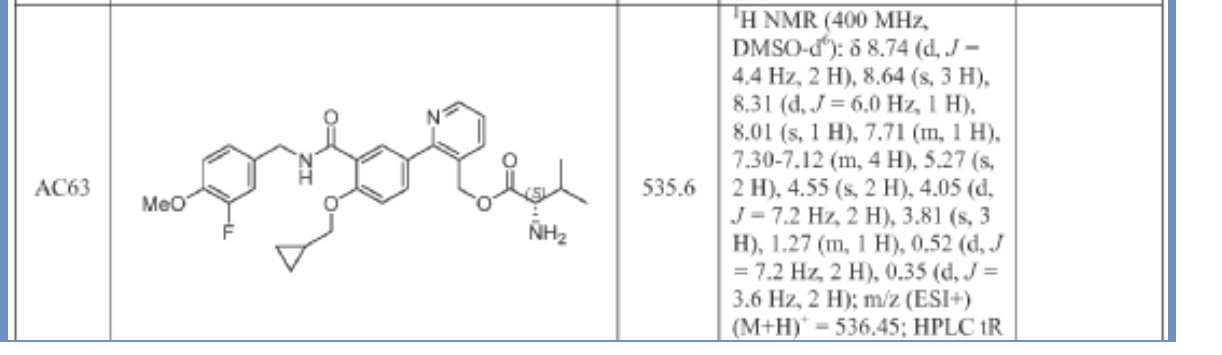
MF C30H34FN3O5 MW535.6 g/mol
[2-[4-(cyclopropylmethoxy)-3-[(3-fluoro-4-methoxyphenyl)methylcarbamoyl]phenyl]-3-pyridinyl]methyl (2S)-2-amino-3-methylbutanoate
L-Valine, [2-[4-(cyclopropylmethoxy)-3-[[[(3-fluoro-4-methoxyphenyl)methyl]amino]carbonyl]phenyl]-3-pyridinyl]methyl ester
{2-[4-(cyclopropylmethoxy)-3-{[(3-fluoro-4-methoxyphenyl)methyl]carbamoyl}phenyl]pyridin-3-yl}methyl
L-valinate
aldehyde dehydrogenase 2 activator, antianaemic, FP 045, 22TB7Q431D
Mirivadelgat (also known as FP-045) is a first-in-class, orally bioavailable small molecule that acts as a selective activator of mitochondrial aldehyde dehydrogenase 2 (ALDH2). Developed by Foresee Pharmaceuticals, this novel therapy helps cells clear toxic reactive aldehydes, reducing mitochondrial stress, cellular inflammation, and fibrosis. It is currently being evaluated in clinical trials for its disease-modifying potential across several serious conditions.
Current Clinical Development
The drug is undergoing clinical evaluation for multiple indications:
- Pulmonary Hypertension with Interstitial Lung Disease (PH-ILD): Mirivadelgat is currently in a multinational, Phase 2 trial known as the WINDWARD Study. The double-blind trial is assessing whether the drug can safely improve pulmonary vascular resistance and overall lung and cardiac function.
- Parkinson’s Disease: The drug was selected for the SLEIPNIR multi-drug Phase 2a platform trial funded by Cure Parkinson’s. It will evaluate mirivadelgat’s safety, brain penetration, and ability to clear the toxic waste products that drive Parkinson’s progression.
- Fanconi’s Anaemia: It has also reached Phase I/II testing for this rare genetic condition.
- Other Conditions: Early-stage Phase I research has explored its utility for metabolic and kidney disorders.
Mechanism of Action
When administered once daily, mirivadelgat targets deep cellular mechanics:
- ALDH2 Activation: It binds selectively to the ALDH2 enzyme in the mitochondria.
- Waste Clearance: It accelerates the metabolism of toxic reactive aldehydes produced by oxidative stress.
- Mitochondrial Protection: Lowering toxic aldehyde levels protects cellular structures and shields tissues from fibrosis and dysfunction.
Mirivadelgat is an orally bioavailable selective activator of the mitochondrial isoform of aldehyde dehydrogenase (ALDH2), with potential protective activity. Upon oral administration, mirivadelgat increases ALDH2 activity. This increases the metabolism of toxic reactive aldehydes and lowers the level of the toxic aldehydes. This may protect cells from the toxic aldehydes and prevent mitochondria diseases and disorders. ALDH2, a mitochondrial regulator of toxic aldehyde metabolism, plays an important role in the metabolism of toxic aldehydes. Toxic aldehydes are produced by oxidative stress.
Study to Evaluate Safety and Efficacy of Mirivadelgat in PH-ILD
CTID: NCT06475781, Phase: Phase 2, Status: Recruiting, Date: 2025-10-06
- OriginatorForesee Pharmaceuticals
- ClassAntianaemics; Antihypertensives; Cardiovascular therapies; Hepatoprotectants; Small molecules
- Mechanism of ActionAldehyde dehydrogenase 2 stimulants
- Phase IIPulmonary hypertension
- Phase I/IIFanconi’s anaemia
- Phase IKidney disorders; Metabolic disorders
- No development reportedCardiovascular disorders; Non-alcoholic fatty liver disease; Non-alcoholic steatohepatitis
- 08 Jun 2026Foresee Pharmaceuticals in collaboration with Haukeland University Hospital plans a phase IIa SLEIPNIR Platform trial for Parkinson’s disease (PO)
- 02 Jun 2026Helse Bergen HF, Cure Parkinson’s, Norwegian Parkinson’s Association plan the phase IIa SLEIPNIR-2 trial for Parkinson’s disease in Norway (PO, Capsule), in September 2026 , (CTIS2025-523570-17-00)
- 28 Oct 2025No recent reports of development identified for phase-I development in Cardiovascular-disorders in USA (PO)
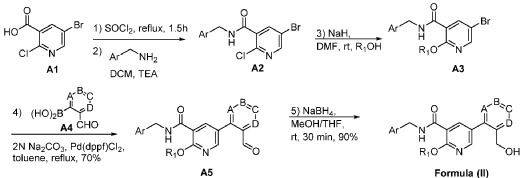
PAT
https://patentscope.wipo.int/search/en/detail.jsf?docId=WO2015127137&_cid=P20-MR2WCE-70172-1
ADVERTISEMENT
ANAX LABORATORIES
WEBSITE https://www.anaxlab.com/
Discovery Solutions, Supporting the chemistry needs of clients in the Medical, Analytical and Bio Sciences
Development Solutions, Developing from Lab scale to PR&D, Kilo Scale-ups and Commercial Scales
SEE MORE………Integrated Solutions, Manufacturing Solutions, Products,
Can’t Find? Let’s Connect
Phone : +91 897704 2010 / +91 9177075735, Email : info@anaxlab.com
#MedicinalChemistry, #DrugDiscovery, #OrganicSynthesis, #ChemicalLibrary, #BuildingBlocks, #SARStudies, #ChemistryInnovation, #medchem, #Drugdevelopment, #Biotech, #Biotechnology, #AnaxLaboratories, #Pharma
AS ON FEB2026 4.574 LAKHS VIEWS ON BLOG WORLDREACH AVAILABLEFOR YOUR ADVERTISEMENT
join me on Linkedin
Anthony Melvin Crasto Ph.D – India | LinkedIn
join me on Researchgate
RESEARCHGATE
join me on Facebook
Anthony Melvin Crasto Dr. | Facebook
join me on twitter
Anthony Melvin Crasto Dr. | twitter
+919321316780 call whatsaapp
EMAIL. amcrasto@gmail.com
References
- Mitochondrial aldehyde dehydrogenase-2 binding compounds and methods of use thereofPublication Number: US-9879036-B2Priority Date: 2014-02-19Grant Date: 2018-01-30
- Mitochondrial aldehyde dehydrogenase-2 binding compounds and methods of use thereofPublication Number: US-2017057982-A1Priority Date: 2014-02-19
- Mitochondrial aldehyde dehydrogenase 2 (aldh2) binding polycyclic amides and their use for the treatment of cancerPublication Number: EP-3107899-B1Priority Date: 2014-02-19Grant Date: 2020-08-12
//////////mirivadelgat, anax labs, aldehyde dehydrogenase 2 activator, antianaemic, FP 045, 22TB7Q431D
#mirivadelgat, #anax labs, #aldehyde dehydrogenase 2 activator, #antianaemic, #FP 045, #22TB7Q431D
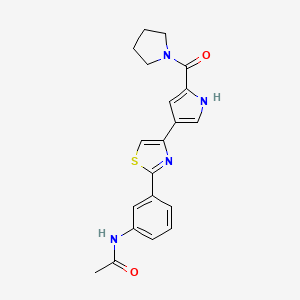
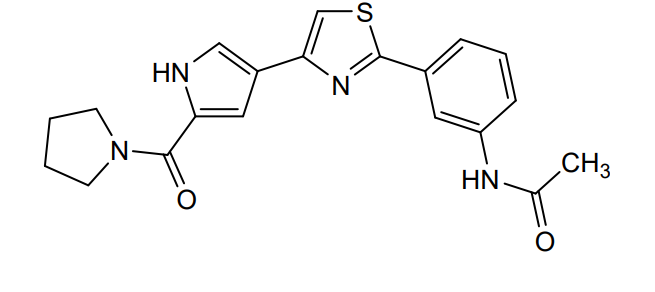
Milpecitinib
Milpecitinib
CAS 1415819-54-3
MF C20H20N4O2S MW380.5 g/mol
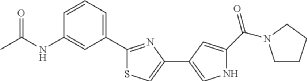
N-[3-[4-[5-(pyrrolidine-1-carbonyl)-1H-pyrrol-3-yl]-1,3-thiazol-2-yl]phenyl]acetamide
N-(3-{4-[5-(pyrrolidine-1-carbonyl)-1H-pyrrol-3-yl]-1,3-thiazol-2-yl}phenyl)acetamide
Janus tyrosine kinase inhibitor, anti-inflammatory, veterinary, PF-06263276, PF 06263276, Ph 1012, DNX 04013, CPh 1012, Ph-1012, CVXL 0074-02, 4Q8TT4B4GN
Milpecitinib is a small molecule drug. Milpecitinib has a monoisotopic molecular weight of 380.13 Da.
Milpecitinib (also known by its developmental codes PF-06263276, Ph-1012, and DNX-04013) is a potent, small-molecule Janus kinase (JAK) inhibitor used primarily in veterinary medicine and laboratory research. It functions as an ATP-competitive, broad-spectrum (pan-JAK) inhibitor that targets all four members of the JAK family: JAK1, JAK2, JAK3, and Tyrosine Kinase 2 (TYK2).
Primary Indication and Target
- Veterinary Use: Milpecitinib is designated for the control of pruritus (itching) associated with canine allergic dermatitis and the management of canine atopic dermatitis (CAD).
- Sponsorship: The United States Adopted Name (USAN) for this drug was officially adopted following sponsorship by Phibro Animal Health.
- Research Use: In laboratory settings, it is utilized to study complex inflammatory pathways, immune disorders, and certain cancers.
Mechanism of Action
Milpecitinib works by blocking the ATP-binding site of JAK enzymes. This inhibition halts the JAK-STAT signaling pathway, which plays a critical role in cellular responses to inflammatory cytokines. By blocking this cascade, the drug prevents the production and signaling of pro-inflammatory cytokines that cause severe itching and skin inflammation in dogs.
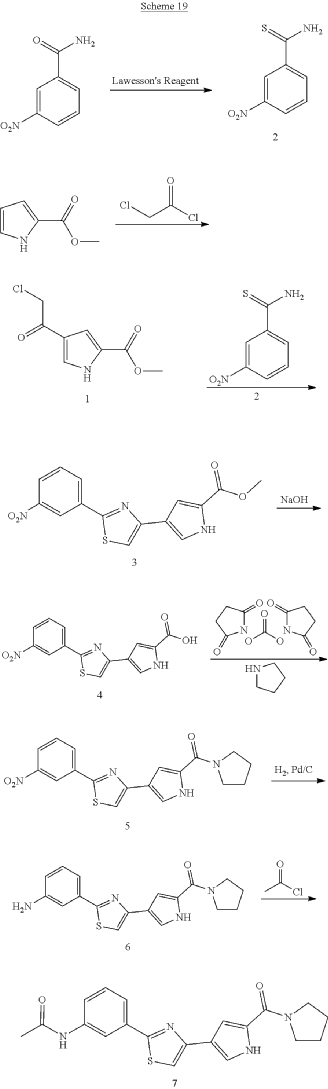
SYN
ADVERTISEMENT
ANAX LABORATORIES
WEBSITE https://www.anaxlab.com/
Discovery Solutions, Supporting the chemistry needs of clients in the Medical, Analytical and Bio Sciences
Development Solutions, Developing from Lab scale to PR&D, Kilo Scale-ups and Commercial Scales
SEE MORE………Integrated Solutions, Manufacturing Solutions, Products,
Can’t Find? Let’s Connect
Phone : +91 897704 2010 / +91 9177075735, Email : info@anaxlab.com
#MedicinalChemistry, #DrugDiscovery, #OrganicSynthesis, #ChemicalLibrary, #BuildingBlocks, #SARStudies, #ChemistryInnovation, #medchem, #Drugdevelopment, #Biotech, #Biotechnology, #AnaxLaboratories, #Pharma
AS ON FEB2026 4.574 LAKHS VIEWS ON BLOG WORLDREACH AVAILABLEFOR YOUR ADVERTISEMENT
join me on Linkedin
Anthony Melvin Crasto Ph.D – India | LinkedIn
join me on Researchgate
RESEARCHGATE
join me on Facebook
Anthony Melvin Crasto Dr. | Facebook
join me on twitter
Anthony Melvin Crasto Dr. | twitter
+919321316780 call whatsaapp
EMAIL. amcrasto@gmail.com
References
- Compositions and methods for modulating kinasesPublication Number: JP-6054379-B2Priority Date: 2011-06-07Grant Date: 2016-12-27
- Compositions and methods for modulating a kinasePublication Number: EP-2718290-B1Priority Date: 2011-06-07Grant Date: 2016-05-04
- Compositions and methods for modulating a kinasePublication Number: CA-2837268-CPriority Date: 2011-06-07Grant Date: 2020-05-12
- Compositions and Methods for Modulating a KinasePublication Number: US-2012316148-A1Priority Date: 2011-06-07
- Compositions and methods for modulating a kinasePublication Number: EP-2718290-A2Priority Date: 2011-06-07
- Compositions and methods for modulating a kinasePublication Number: WO-2012172438-A9Priority Date: 2011-06-07
- Compositions and methods for modulating a kinasePublication Number: US-8937065-B2Priority Date: 2011-06-07Grant Date: 2015-01-20
- Compositions and methods for modulating kinasesPublication Number: JP-2014520108-APriority Date: 2011-06-07
- Compositions and methods for modulating a kinasePublication Number: WO-2012172438-A2Priority Date: 2011-06-07
- Compositions and methods to modulate a kinasePublication Number: ES-2585244-T3Priority Date: 2011-06-07Grant Date: 2016-10-04
- Compound for modulating a kinase
- Publication Number: BR-112013031121-B1
- Priority Date: 2011-06-07
//////////milpecitinib, anax labs, Janus tyrosine kinase inhibitor, anti-inflammatory, veterinary, PF-06263276, PF 06263276, Ph 1012, DNX 04013, CPh 1012, Ph-1012, CVXL 0074-02, 4Q8TT4B4GN
#milpecitinib, #anax labs, #Janus tyrosine kinase inhibitor, #anti-inflammatory, #veterinary, #PF-06263276, #PF 06263276, #Ph 1012, #DNX 04013, #CPh 1012, #Ph-1012, #CVXL 0074-02, #4Q8TT4B4GN
Mazisotine


Mazisotine
CAS 1638588-92-7
MF C16H23N3O2 MW 289.37 g/mol
(1S,5R)-N-[2-methyl-1-[(3-methyl-2-pyridinyl)oxy]propan-2-yl]-3-azabicyclo[3.1.0]hexane-6-carboxamide
rac-(1R,5S,6R)-N-{2-methyl-1-[(3-methylpyridin-2-yl)oxy]propan-2-yl}-3-azabicyclo[3.1.0]hexane-6-carboxamide
(1R,5S,6r)-N-{2-methyl-1-[(3-methylpyridin-2-yl)oxy]propan-2-yl}-3-azabicyclo[3.1.0]hexane-6-carboxamide
somatostatin receptor receptor agonist, LY3556050, CNTX-0290, LY 3556050, CNTX 0290, D3M32WP3MH
Mazisotine (also known as LY3556050 or CNTX-0290) is an experimental, non-opioid chemical compound designed to treat chronic and neuropathic pain. It functions as a selective somatostatin receptor 4 (SSTR4) agonist, meaning it activates specific peripheral nerve pathways to block pain signals without activating the central nervous system’s opioid receptors.
While it showed early promise in animal models, Eli Lilly and Company removed mazisotine from its clinical development pipeline after disappointing results in Phase II clinical trials. It currently remains in use strictly as a chemical tool for laboratory pain research.
Key Facts and Clinical History
- Mechanism of Action: It binds to and activates SSTR4. This triggers a cellular response that suppresses pain and inflammation in peripheral sensory neurons.
- Intended Indications: It was being evaluated to treat diabetic peripheral neuropathic pain, osteoarthritis pain, and chronic low back pain.
- Development Partners: The compound was originally licensed by Eli Lilly from Centrexion Therapeutics in 2019 for an upfront fee of $47.5 million.
- Discontinuation: In mid-2025, Eli Lilly officially dropped the drug. Phase II clinical trials revealed that its efficacy did not meet the high success thresholds required to continue human testing.
- Side Effects: In clinical studies, reported treatment-emergent adverse effects were generally mild to moderate. They included constipation, nausea, dizziness, fatigue, and headaches.
Mazisotine (LY3556050, CNTX-0290) is a chemical compound which acts as an agonist at somatostatin receptor 4. It has analgesic effects and has been researched for the treatment of pain associated with arthritis and neuropathic pain. It was not pursued for human medical use following disappointing results in Phase II clinical trials, but continues to be used in research into the role of SST4 receptors in pain perception.[1][2]
- A Study of LY3556050 in Adult Participants With Diabetic Peripheral Neuropathic PainCTID: NCT06074562Phase: Phase 2Status: CompletedDate: 2025-07-03
- Chronic Pain Master Protocol (CPMP): A Study of LY3556050 in Participants With OsteoarthritisCTID: NCT04627038Phase: Phase 2Status: CompletedDate: 2023-11-02
- Chronic Pain Master Protocol (CPMP): A Study of LY3556050 in Participants With Diabetic Peripheral Neuropathic PainCTID: NCT04707157Phase: Phase 2Status: TerminatedDate: 2023-11-02
- Chronic Pain Master Protocol (CPMP): A Study of LY3556050 in Participants With Chronic Low Back PainCTID: NCT04874636Phase: Phase 2Status: CompletedDate: 2023-11-02
- A Study of Effect of LY3556050 on Metformin in Healthy ParticipantsCTID: NCT05615467Phase: Phase 1Status: CompletedDate: 2023-01-18
- A Study of Single and Repeated Doses of LY3556050 in Healthy ParticipantsCTID: NCT05341102Phase: Phase 1Status: CompletedDate: 2022-04-22
- A Study of LY3556050 in Healthy ParticipantsCTID: NCT04156750Phase: Phase 1Status: CompletedDate: 2020-08-19
PAT
https://patentscope.wipo.int/search/en/detail.jsf?docId=WO2025096300&_cid=P12-MQYLW5-94119-1

SYN
https://patentscope.wipo.int/search/en/detail.jsf?docId=US214328185&_cid=P12-MQYLW3-94084-1
PAT

reparation 1
[0081] Methyl (E)-4-((4-methylphenyl)sulfonamido)but-2-enoate

[0082] Methyl 4-bromobut-2-enoate (36.29g, 202.7mmol) was dissolved in MeCN (500 mL) at 15-25 ºC. tert-Butyl tosylcarbamate (50.00 g, 184.3 mmol) was added at 15-25 ºC. K2CO3 (30.57 g, 221.2mmol) and KI (3.06 g, 202.7 mmol) were added to the solution at 15-25 ºC, and warmed under nitrogen at 30 ºC for 20 hrs. The solution was cooled to 20 ºC and the mixture filtered. The filtered residue was washed with MeCN (100 mL) to give methyl (E)-4-((N-(tert-butoxycarbonyl)-4-methylphenyl)sulfonamido)but-2-enoate. TFA (101.03 g, 886.06 mmol) was added to the methyl (E)-4-((N-(tert-butoxycarbonyl)-4-methylphenyl)sulfonamido)but-2-enoate in MeCN solution (483.72 g, 143 mmol) and heated to 55-60 ºC for 16 hrs. The reaction solution was concentrated in vacuo to ~50 mL and solvent exchanged with toluene (2 x 250 mL). Toluene (500 mL) was added followed by EtOAc (50 mL) at 15-25 °C, and heated to 60 ºC for 1 hr., then cooled to 0 ºC for 12 hrs. The solution was filtered, and the wet cake was rinsed with n-heptane (50 mL). The cake was dried in vacuum at 50 ºC to give the title compound (37.85 g, 74.4%) as a white solid.1H NMR (CDCl3) δ 7.68 (d, J = 8.0Hz, 2H) 7.25 (d, J = 8.0Hz, 2H) 6.71 (dt, J = 15.6, 5.2Hz, 1H) 5.88 (dt, J = 15.6, 1.6Hz, 1H) 4.55 (t, J = 6.4Hz, 1H) 3.71 – 3.67 (m, 2H) 3.65 (s, 3H) 2.37 (s, 3H); HRMS (ESI+) Calculated for [C12H15NO4S+H] +: 270.0795, Found: 270.0788 (M+H).
Preparation 2
[0083] (1R,5S,6r)-3-Tosyl-3-azabicyclo[3.1.0]hexane-6-carboxylic acid

0084] Methyl (E)-4-((4- 2-enoate (51.90 g) was dissolved in 2-MeTHF (600mL) at 0 ºC . Added (2-bromoethyl)diphenylsulfonium triflate (36.50 g), KF (6.47 g), KOH (18.75 g) to the solution at 0 ºC. Warmed the solution to 15 ºC for 22 hrs. then 30 ºC for 3 hrs. Added water (100 mL) and MeOH (100 mL) into the solution. Added LiOH.H2O (4.77 g) and stirred at 30 ºC for 16 hrs. Cooled to 15-25oC and added n-heptane (100 mL). Stirred at 15-25oC for 10 min. Separated and collected the aqueous phase and washed the aqueous phase with n-heptane/2-MeTHF (50 mL/200 mL × 2). Concentrated the aqueous phase in vacuo to ~50 mL and added 3M aq. HCl
dropwise to adjust pH to 1~2. Stirred the mixture at 20-30 ºC for 2 hrs. Filtered the solution and rinsed through with EtOH/H2O (15 mL1:4). Dried the wet cake at 45 ºC for 8-10 hrs. to give the title compound as white solid (20.37 g, 65%) 1H NMR (CDCl3) δ 7.67 (d, J = 8.2 Hz, 2 H) 7.34 (d, J = 8.2 Hz, 2 H) 3.63 (d, J = 9.4 Hz, 2 H) 3.12 (d, J = 9.4 Hz, 2 H) 2.46 – 2.40 (m, 4 H) 2.07 – 2.01 (m, 2 H); HRMS (ESI+) Calcd. for [C13H15NO4S+H] +: 282.0795, Found: 282.0795 (M+H).
Preparation 3
[0085] 2-Methyl-1-((3-methylpyridin-2-yl)oxy)propan-2-amine

0086] 2-Amino-2-methylpropan- mmol) was dissolved in toluene (250 mL) at 15-25 ºC. Added potassium tert-butoxide (60.59 g, 534.6 mmol) to the solution and warmed to 30-40 ºC. Added 2-fluoro-3-methylpyridine (50.00 g, 450.0 mmol) to the solution and warmed to 80 ºC. Stirred the mixture for 18 hrs. at 80 ºC. Cooled the mixture to 15-25 ºC, added water (100 mL) and stirred for 30 min. Separated the aqueous layer and washed the organics with 10% aq. NaCl (300 mL x 3). Added toluene (250 mL) to the organics and concentrated in vacuo to give the title compound as a liquid (107.50 g, 98%). 1H NMR (CDCl3) δ 7.92 – 7.82 (m, 1H) 7.32 – 7.22 (m, 1H) 6.74 – 6.66 (m, 1H) 3.97 (s, 3H) 2.14 (s, 3H) 1.15 (s, 6H).
Preparation 4
[0087] (1R,5S,6r)-N-(2-Methyl-1-((3-methylpyridin-2-yl)oxy)propan-2-yl)-3-tosyl-3-azabicyclo[3.1.0]hexane-6-carboxamide

[0088] Dissolved
6-carboxylic acid (32.33 g, 88.2% purity) in toluene (320 mL) at 15~25 ºC. Added DMF (741.0 mg) and (COCl)2 (19.20 g) to the solution and heated to 45-55 ºC for 3~4 hrs. Concentrated the mixture in vacuo and exchanged with THF (100 mL × 2). Added THF (320 mL) and cooled to 0-10 ºC. Added 2-methyl-1-((3-methylpyridin-2-yl)oxy)propan-2-amine (23.60 g), TEA (30.80 g), DMAP (620.0 mg) at 0-10 ºC then warmed to 15-25 ºC for 2~4 hrs.
Concentrated the mixture in vacuo and solvent exchanged with EtOH (140 mL × 2). Concentrated in vacuo to 140 mL and heated to 50 ºC until the solid was dissolved. Added water (210 mL) dropwise into the solution at 40 ºC. Cooled the solution to 10 ºC for 14 hrs. Filtered and rinsed with EtOH/H2O (75 mL, 1:1.5). Dried the wet cake at 45 ºC for 20 hrs. to give the title compound as a solid (41.87 g, 87.4%).1H NMR (CDCl3) δ 7.94 – 7.87 (m, 1 H) 7.60 (d, J=8.0 Hz, 2 H) 7.37 (d, J=6.6 Hz, 1 H) 7.26 (d, J=8.0 Hz, 2 H) 6.78 (dd, J=6.6, 5.0 Hz, 1 H) 6.48 (s, 1 H) 4.25 (s, 2 H) 3.52 (d, J=9.4 Hz, 2 H) 2.95 (d, J=9.4 Hz, 2 H) 2.39 – 2.33 (m, 3 H) 2.17 (s, 3 H) 1.84 (s, 2 H) 1.39 (s, 6 H); HRMS (ESI+) Calcd. for [C23H29N3O4S+H] +: 444.1952, Found: 444.2089 (M+H).
Preparation 5
[0089] (1R,5S,6r)-N-(2-Methyl-1-((3-methylpyridin-2-yl)oxy)propan-2-yl)-3-azabicyclo[3.1.0]hexane-6-carboxamide

[0090] Dissolved 2-yl)oxy)propan-2-yl)-3-tosyl-3-azabicyclo[3.1.0]hexane-6-carboxamide (5.00 g) in MTBE (50 mL) under nitrogen. Cooled to -70-60 ºC and added dropwise 1M Ph2PK in THF (56 mL, 56 mmol) into the solution. Stirred the mixture for 6-8 hrs. at -70-60 ºC. Added 2M aq. HCl (50 mL) to the solution allowing the temperature to rise to 15-25 ºC. Separated and collected the aqueous phase and washed with 2-MeTHF (50 mL × 3). Added 2-MeTHF (50 mL) and adjusted the pH to 8~9 with K2CO3 powder. Separated and extracted the aqueous phase with 2-MeTHF (50 mL). Combined the organics and concentrated in vacuo to give the title compound as a yellow-brown solid (3.05 g, 89.4%) 1H NMR (CDCl3) δ 8.01 – 7.92 (m, 1 H) 7.45 – 7.36 (m, 1 H) 6.81 (dd, J=7.0, 5.0 Hz, 1 H) 6.39 (s, 1 H) 4.31 (s, 2 H) 3.09 – 2.89 (m, 4 H) 2.21 (s, 3 H) 1.94 – 1.86 (m, 2 H) 1.69 (s, 1 H) 1.47 (s, 6 H) 1.12 (t, J=2.8 Hz, 1 H); HRMS (ESI+) Calcd. for [C16H23N3O2+H] +: 290.1863, Found:
290.1917 (M+H).
ADVERTISEMENT
ANAX LABORATORIES
WEBSITE https://www.anaxlab.com/
Discovery Solutions, Supporting the chemistry needs of clients in the Medical, Analytical and Bio Sciences
Development Solutions, Developing from Lab scale to PR&D, Kilo Scale-ups and Commercial Scales
SEE MORE………Integrated Solutions, Manufacturing Solutions, Products,
Can’t Find? Let’s Connect
Phone : +91 897704 2010 / +91 9177075735, Email : info@anaxlab.com
#MedicinalChemistry, #DrugDiscovery, #OrganicSynthesis, #ChemicalLibrary, #BuildingBlocks, #SARStudies, #ChemistryInnovation, #medchem, #Drugdevelopment, #Biotech, #Biotechnology, #AnaxLaboratories, #Pharma
AS ON FEB2026 4.574 LAKHS VIEWS ON BLOG WORLDREACH AVAILABLEFOR YOUR ADVERTISEMENT
join me on Linkedin
Anthony Melvin Crasto Ph.D – India | LinkedIn
join me on Researchgate
RESEARCHGATE
join me on Facebook
Anthony Melvin Crasto Dr. | Facebook
join me on twitter
Anthony Melvin Crasto Dr. | twitter
+919321316780 call whatsaapp
EMAIL. amcrasto@gmail.com
References
References
- Stevens R, Corradini L, Doods H (April 2019). “Preclinical Evaluation of Human Somatostatin Receptor 4 (hSSTR4) Agonist CNTX-0290 for Mixed Pain Conditions”. The Journal of Pain. 20 (4): S73. doi:10.1016/j.jpain.2019.02.092.
- Nguyen TH, Saito T, Chang W, Navarro A, Davies HM (March 2026). “Diastereoselective Cyclopropanation with Secondary Diazoacetamides to Access endo-Azabicyclo[3.1.0]hexane-6-carboxamides”. Organic Letters. 28 (9): 3063–3067. doi:10.1021/acs.orglett.6c00392. PMC 12973298. PMID 41729728.
 | |
| Clinical data | |
|---|---|
| Other names | LY3556050, CNTX-0290 |
| Identifiers | |
| IUPAC name | |
| CAS Number | 1638588-92-7 |
| PubChem CID | 86294067 |
| ChemSpider | 77005706 |
| UNII | D3M32WP3MH |
| ChEMBL | ChEMBL5874446 |
| Chemical and physical data | |
| Formula | C16H23N3O2 |
| Molar mass | 289.379 g·mol−1 |
| 3D model (JSmol) | Interactive image |
| SMILES | |
| InChI | |
PAT
- Novel methods for the preparation of 3-azabicylco[3.1,0]hexane-6-carboxamide derivativesPublication Number: WO-2025096300-A1Priority Date: 2023-10-30
- Methods for the preparation and dose regimens for use of sstr4 agonists and salts thereofPublication Number: WO-2024191686-A1Priority Date: 2023-03-10
- Methods for the preparation and dose regimens for use of sstr4 agonists and salts thereofPublication Number: US-2024307349-A1Priority Date: 2023-03-10
- Methods for preparation and dose regimens for use of sstr4 agonists and salts thereofPublication Number: JP-2024170613-APriority Date: 2023-03-10
- Methods for the preparation of SSTR4 agonists and their salts and dosage regimens for usePublication Number: JP-7569953-B2Priority Date: 2023-03-10Grant Date: 2024-10-18
- Sstr4 agonist saltsPublication Number: US-2024067628-A1Priority Date: 2021-09-14
- SSTR4 agonist saltsPublication Number: US-11834435-B2Priority Date: 2021-09-14Grant Date: 2023-12-05
- New somatostatin receptor subtype 4 (sstr4) agonistsPublication Number: EP-2997021-B1Priority Date: 2013-05-17Grant Date: 2017-12-20
- Somatostatin receptor subtype 4 (SSTR4) agonistsPublication Number: US-9371282-B2Priority Date: 2013-05-17Grant Date: 2016-06-21
- Somatostatin receptor subtype 4 (SSTR4) agonistsPublication Number: US-10166214-B2Priority Date: 2013-05-17Grant Date: 2019-01-01
- New somatostatin receptor subtype 4 (sstr4) agonistsPublication Number: US-2019269650-A1Priority Date: 2013-05-17
- New somatostatin receptor subtype 4 (sstr4) agonistsPublication Number: WO-2014184275-A1Priority Date: 2013-05-17
- Somatostatin receptor subtype 4 (SSTR4) agonistsPublication Number: US-10675268-B2Priority Date: 2013-05-17Grant Date: 2020-06-09
- New Somatostatin receptor subtype 4 (SSTR4) agonistsPublication Number: US-2014343065-A1Priority Date: 2013-05-17
- Somatostatin receptor subtype 4 (SSTR4) agonistsPublication Number: US-9789082-B2Priority Date: 2013-05-17Grant Date: 2017-10-17
- New somatostatin receptor subtype 4 (sstr4) agonistsPublication Number: US-2017014381-A1Priority Date: 2013-05-17
- Somatostatin receptor subtype 4 (sstr4) agonistsPublication Number: US-2018092880-A1Priority Date: 2013-05-17
////////mazisotine, ANAX LABS, somatostatin receptor receptor agonist, LY3556050, CNTX-0290, LY 3556050, CNTX 0290, D3M32WP3MH, PAIN, NEUROPATHIC PAIN
#mazisotine, #ANAX LABS, #somatostatin receptor receptor agonist, #LY3556050, #CNTX-0290, #LY 3556050, #CNTX 0290, #D3M32WP3MH, #PAIN, #NEUROPATHIC PAIN
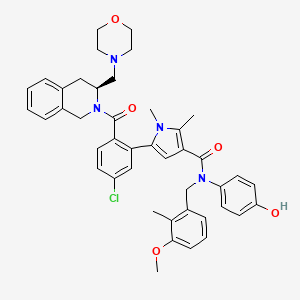
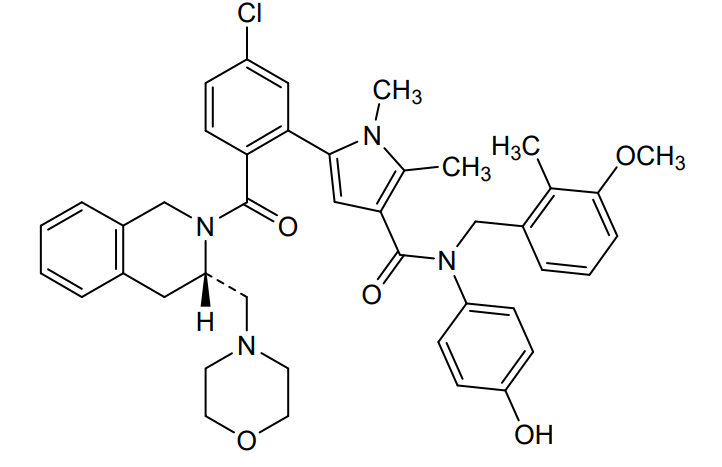
Lonitoclax
Lonitoclax
CAS 2952589-57-8
MF C43H45ClN4O5 MW733.3 g/mol
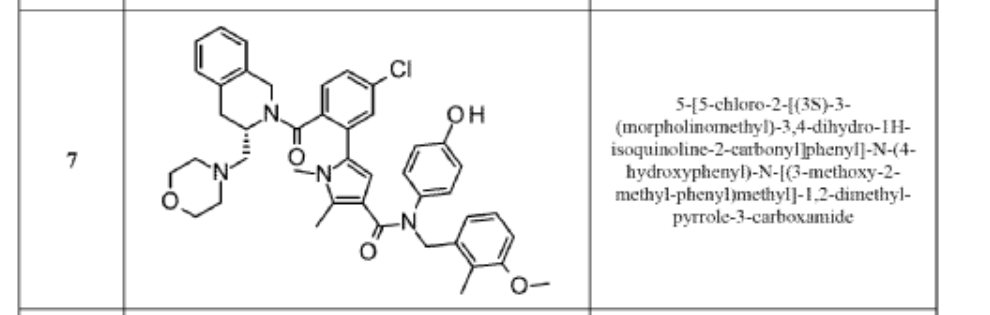
5-[5-chloro-2-[(3S)-3-(morpholin-4-ylmethyl)-3,4-dihydro-1H-isoquinoline-2-carbonyl]phenyl]-N-(4-hydroxyphenyl)-N-[(3-methoxy-2-methylphenyl)methyl]-1,2-dimethylpyrrole-3-carboxamide
- 1H-Pyrrole-3-carboxamide, 5-[5-chloro-2-[[(3S)-3,4-dihydro-3-(4-morpholinylmethyl)-2(1H)-isoquinolinyl]carbonyl]phenyl]-N-(4-hydroxyphenyl)-N-[(3-methoxy-2-methylphenyl)methyl]-1,2-dimethyl-
- 5-(5-Chloro-2-(((3S)-3-(morpholin-4-ylmethyl)-3,4-dihydroisoquinolin-2-(1-H)-yl)carbonyl)phenyl)-N-4-hydroxyphenyl)-N-(3-methoxy-2-methylbenzyl)-1,2-dimethyl-1H-pyrrole-3-carboxamide
- 5-[5-chloro-2-[(3S)-3-(morpholinomethyl)- 3,4-dihydro-1H-isoquinoline-2- carbonyl]phenyl]-N-(4-hydroxyphenyl)-N- [(3-methoxy-2-methyl-phenyl)methyl]-1,2- dimethyl-pyrrole-3-carboxamide
- 5-{5-Chloro-2-[(3S)-3-[(morpholin-4-yl)methyl]-3,4-dihydroisoquinoline-2(1H)-carbonyl]phenyl}-N-(4-hydroxyphenyl)-N-[(3-methoxy-2-methylphenyl)methyl]-1,2-dimethyl-1H-pyrrole-3-carboxamide
5-(5-chloro-2-{(3S)-3-[(morpholin-4-yl)methyl]-3,4-dihydroisoquinoline-2(1H)-carbonyl}phenyl)-N-(4-
hydroxyphenyl)-N-[(3-methoxy-2-methylphenyl)methyl]-1,2-dimethyl-1H-pyrrole-3-carboxamide
B-cell lymphoma 2 (Bcl-2) inhibitor, antineoplastic, ZE50-0134, ZE50 0134, Lomond Therapeutics, CANCER, 76NBC3X6A3
Lonitoclax (also known as ZE50-0134) is an investigational, next-generation, orally administered B-cell lymphoma 2 (Bcl-2) inhibitor being developed for the treatment of hematologic malignancies like Acute Myeloid Leukemia (AML) and Chronic Lymphocytic Leukemia (CLL). Developed by Lomond Therapeutics, the drug is engineered as a highly selective option to improve upon existing first-generation Bcl-2 inhibitors like venetoclax.
Mechanism and Advantages Over Venetoclax
Unlike earlier therapies, lonitoclax features a unique binding mode and a structurally distinct chemotype. Its design yields several pharmacology advantages:
- Higher Selectivity: It binds tightly to Bcl-2 while demonstrating exceptional selectivity over Bcl-xL, which helps lower hematologic toxicities.
- Limited Immune Suppression: In preclinical data, lonitoclax spared healthy non-malignant immune cells (B cells, CD8 T cells, and NK cells), a major shift from the immunosuppressive profile of venetoclax.
- Reduced Drug Interaction & Accumulation: It features a shorter half-life (~9–10 hours) and minimal CYP3A4 (P4503A4) inhibition. This prevents the drug from building up dangerously and mitigates the risk of Tumor Lysis Syndrome (TLS), potentially enabling safer outpatient treatments.
Clinical Development Status
Lonitoclax is currently advancing through early-phase clinical trials:
- IND Clearances: The U.S. FDA cleared Investigational New Drug (IND) applications evaluating lonitoclax for CLL/SLL and as a combination treatment for relapsed or refractory AML.
- Healthy Volunteer Studies: Phase 1 single ascending dose (SAD) studies in healthy adults confirmed that the drug is well tolerated with linear pharmacokinetics and no significant safety issues. Target engagement was confirmed through plasma apoptosis assays.
- Combination Trials: Active Phase 1b multicenter trials are underway evaluating the safety, efficacy, and synergy of lonitoclax when combined with hypomethylating agents like azacitidine in AML patients.
SYN
PAT
https://patentscope.wipo.int/search/en/detail.jsf?docId=WO2023129553&_cid=P11-MQVQMH-93381-1
ADVERISEMENT
ANAX LABORATORIES
WEBSITE https://www.anaxlab.com/
Discovery Solutions, Supporting the chemistry needs of clients in the Medical, Analytical and Bio Sciences
Development Solutions, Developing from Lab scale to PR&D, Kilo Scale-ups and Commercial Scales
SEE MORE………Integrated Solutions, Manufacturing Solutions, Products,
Can’t Find? Let’s Connect
Phone : +91 897704 2010 / +91 9177075735, Email : info@anaxlab.com
#MedicinalChemistry, #DrugDiscovery, #OrganicSynthesis, #ChemicalLibrary, #BuildingBlocks, #SARStudies, #ChemistryInnovation, #medchem, #Drugdevelopment, #Biotech, #Biotechnology, #AnaxLaboratories, #Pharma
AS ON FEB2026 4.574 LAKHS VIEWS ON BLOG WORLDREACH AVAILABLEFOR YOUR ADVERTISEMENT
join me on Linkedin
Anthony Melvin Crasto Ph.D – India | LinkedIn
join me on Researchgate
RESEARCHGATE
join me on Facebook
Anthony Melvin Crasto Dr. | Facebook
join me on twitter
Anthony Melvin Crasto Dr. | twitter
+919321316780 call whatsaapp
EMAIL. amcrasto@gmail.com
References
- Bcl-2 inhibitorsPublication Number: WO-2023129553-A1Priority Date: 2021-12-29
- BCL-2 InhibitorsPublication Number: US-2025115577-A1Priority Date: 2021-12-29
- Bcl-2 inhibitorsPublication Number: EP-4457223-A1Priority Date: 2021-12-29
///////Lonitoclax, ANAX LABS, B-cell lymphoma 2 (Bcl-2) inhibitor, antineoplastic, ZE50-0134, ZE50 0134, Lomond Therapeutics, CANCER, 76NBC3X6A3
#Lonitoclax, #ANAX LABS, #B-cell lymphoma 2 (Bcl-2) inhibitor, #antineoplastic, #ZE50-0134, #ZE50 0134, #Lomond Therapeutics, #CANCER, #76NBC3X6A3
Lomonitinib
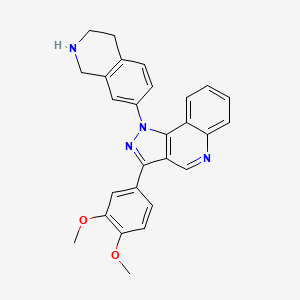
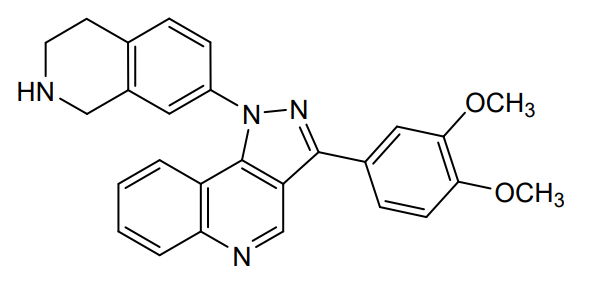
Lomonitinib
CAS 2923221-56-9
MF C27H24N4O2 MW436.5 g/mol
3-(3,4-dimethoxyphenyl)-1-(1,2,3,4-tetrahydroisoquinolin-7-yl)pyrazolo[4,5-c]quinoline
- 3-(3,4-dimethoxyphenyl)-1-(1,2,3,4-tetrahydroisoquinolin-7-yl)pyrazolo[4,3-c]quinoline
- 1H-Pyrazolo[4,3-c]quinoline, 3-(3,4-dimethoxyphenyl)-1-(1,2,3,4-tetrahydro-7-isoquinolinyl)-
- 3-(3,4-dimethoxyphenyl)-1-(1,2,3,4-tetrahydroisoquinolin-7-yl)-1H-pyrazolo[4,3-c]quinoline
- 7-[3-(3,4-dimethoxyphenyl)-1H- pyrazolo[4,3-c]quinolin-1-yl]-1,2,3,4- tetrahydroisoquinoline
- 7-[3-(3,4-Dimethoxyphenyl)-1H-pyrazolo[4,3-c]quinolin-1-yl]-1,2,3,4-tetrahydroisoquinoline
3-(3,4-dimethoxyphenyl)-1-(1,2,3,4-tetrahydroisoquinolin-7-yl)-1H-pyrazolo[4,3-c]quinoline
tyrosine kinase inhibitor, antineoplastic, ZE46-0134, Eilean Therapeutics, U4DPU7W7QU
Lomonitinib (also known as ZE46-0134) is a highly potent, selective, orally bioavailable pan-FLT3 and IRAK4 small molecule inhibitor being developed for the treatment of Acute Myeloid Leukemia (AML). Developed by Eilean Therapeutics in collaboration with Expert Systems, it uniquely targets both primary mutations and the major drug-resistance pathways that cause other AML therapies to fail.
Mechanism of Action
Lomonitinib utilizes a dual-targeting framework to bypass conventional drug resistance:
- Pan-FLT3 Inhibition: It binds to and blocks FMS-like tyrosine kinase 3 (FLT3) mutations. This includes the challenging FLT3-ITD-F691L “gatekeeper” mutation, which typically confers resistance to all currently approved standard FLT3 inhibitors like gilteritinib.
- IRAK4 Inhibition: It simultaneously targets interleukin-1 receptor-associated kinase 4 (IRAK4). IRAK4 activation acts as a key “escape pathway” that cancer cells use to survive and build adaptive resistance to standalone FLT3 therapy.
Key Clinical Advantages
According to preclinical models and clinical data presented at the American Society of Hematology (ASH), lomonitinib offers unique benefits:
- Superior Efficacy: In vivo models demonstrate stronger anti-tumor activity and deeper responses in gatekeeper mutation-dependent disease compared to gilteritinib.
- Favorable Loading Strategy: Because of its wide therapeutic index and low toxicity, clinicians can administer a high loading dose on Day 1 followed by a smaller maintenance dose. This achieves effective therapeutic drug levels by Day 4, a rapid target engagement not possible with older long-half-life FLT3 inhibitors.
- Low Drug Interactions: Clinical profiles show minimal pharmacokinetic interference from proton pump inhibitors (PPIs) or CYP3A4 inhibitors like itraconazole.
Development Status
Lomonitinib is currently classified as an investigational new drug:
- Clinical Trials: It is undergoing open-label, dose-escalation Phase 1/1b trials in both Australia and the United States (such as trial NCT06366789) evaluating adults with FLT3-mutated relapsed or refractory AML.
- Partnerships: The drug is being studied in the US in collaboration with The Leukemia & Lymphoma Society as part of their Beat AML master clinical trial portfolio
Lomonitinib is an orally bioavailable inhibitor of FMS-like tyrosine kinase 3 (FLT3; CD135; STK1; FLK2) mutations and interleukin-1 receptor-associated kinase 4 (IRAK4), with potential antineoplastic activity. Upon oral administration, lomonitinib targets, binds to and inhibits the activity of FLT3 mutations, including the FLT3-ITD-F691L gatekeeper mutation, while sparing the wild-type form of FLT3. This inhibits the proliferation of FLT3 mutant-expressing cancer cells. In addition, lomonitinib targets, binds to, and inhibits the kinase activity of IRAK4. This inhibits IRAK4-mediated signaling and may reduce adaptive resistance to FLT3 inhibition as toll-like receptor (TLR) activation plays an important role in resistance to FLT3 inhibition. FLT3, a class III receptor tyrosine kinase (RTK), is overexpressed or mutated in most B-lineage neoplasms and in acute myeloid leukemias. IRAK4, a serine/threonine-protein kinase, plays a key role in both the TLR and IL-1R signaling pathways.
- Dose Escalation and Expansion Study to Evaluate the Safety, PK, PD and Efficacy of ZE46-0134 in Adults With FLT3 Mutated or Spliceosome Mutated Relapsed or Refractory Acute Myeloid LeukemiaCTID: NCT06366789Phase: Phase 1Status: RecruitingDate: 2025-12-31
- Study of Biomarker-Based Treatment of Acute Myeloid LeukemiaCTID: NCT03013998Phase: Phase 1/Phase 2Status: RecruitingDate: 2025-12-17
- Study of Single and Multiple Ascending Doses of ZE46-0134 in Healthy VolunteersCTID: NCT06399315Phase: Phase 1Status: CompletedDate: 2025-12-09
SYN
PAT
SYN
https://patentscope.wipo.int/search/en/detail.jsf?docId=US445571045&_cid=P12-MQUBPX-10324-1
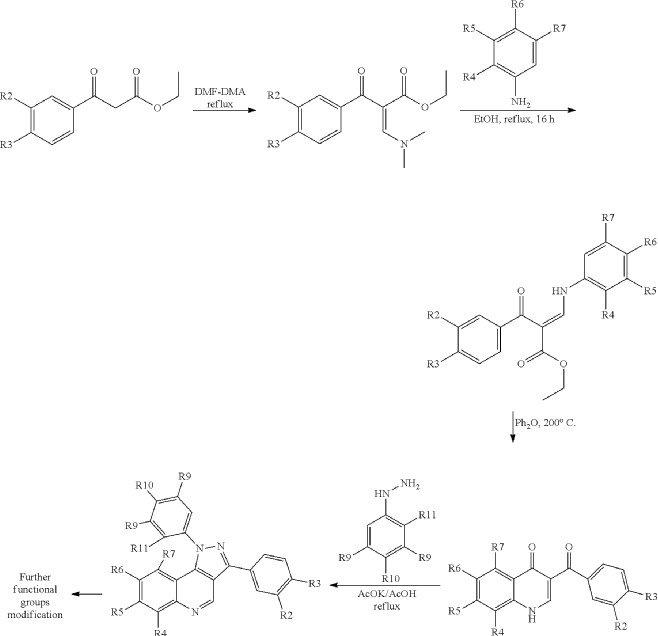

Example 34: 3-(3,4-dimethoxyphenyl)-1-(1,2,3,4-tetrahydroisoquinolin-7-yl)-1H-pyrazolo[4,3-c]quinoline dihydrochloride (1.31)
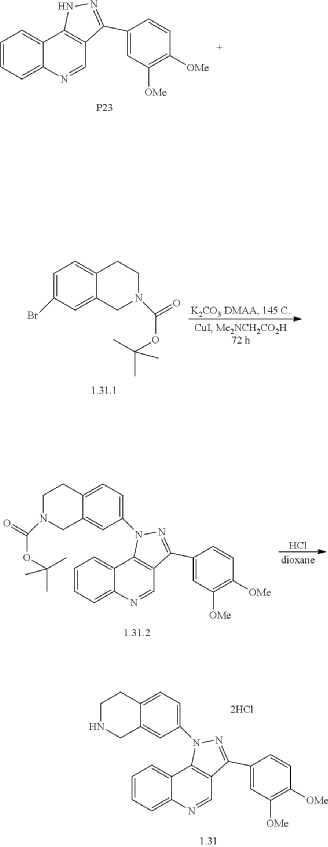
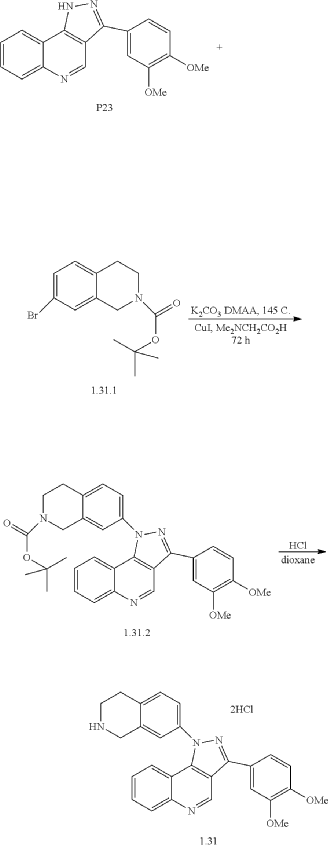
| A mixture of 3-(3,4-dimethoxyphenyl)-1H-pyrazolo[4,3-c]quinoline (P23) (153 mg, 0.5 mmol), tert-butyl 7-bromo-3,4-dihydroisoquinoline-2(1H)-carboxylate (1.31.1) (172 mg, 0.55 mmol), K 2CO 3 (83 mg, 0.6 mmol), CuI (10 mg, 0.05 mmol), N,N-dimethylglycine (11 mg, 0.1 mmol), and DMAA (2 mL) was stirred under Ar at 145° C. for 72 h, cooled to ambient temperature, diluted with CHCl 3, washed with 1% aq. solution of Na 2EDTA, and concentrated under reduced pressure. The residue was subjected to HPLC to afford 87 mg (33%) of tert-Butyl 7-(3-(3,4-dimethoxyphenyl)-1H-pyrazolo[4,3-c]quinolin-1-yl)-3,4-dihydroisoquinoline-2(1H)-carboxylate (1.31.2). 1H NMR (400 MHz, DMSO-d 6): δ 9.57 (s, 1H), 8.19 (d, J=8.4 Hz, 1H), 7.77 (m, 1H), 7.69 (dd, J 1=8.0 Hz, J 2=1.6 Hz, 1H), 7.63 (s, 1H), 7.57 (m, 3H), 7.51 (m, 2H), 7.17 (d, J=8.4 Hz, 1H), 4.63 (s, 2H), 3.88 (s, 3H), 3.86 (s, 3H), 3.68 (m, 2H), 2.98 (m, 2H), 1.45 (s, 9H). LCMS (ESI) m/z 538 [MH] +. |
ADVERTISEMENT
ANAX LABORATORIES
WEBSITE https://www.anaxlab.com/
Discovery Solutions, Supporting the chemistry needs of clients in the Medical, Analytical and Bio Sciences
Development Solutions, Developing from Lab scale to PR&D, Kilo Scale-ups and Commercial Scales
SEE MORE………Integrated Solutions, Manufacturing Solutions, Products,
Can’t Find? Let’s Connect
Phone : +91 897704 2010 / +91 9177075735, Email : info@anaxlab.com
#MedicinalChemistry, #DrugDiscovery, #OrganicSynthesis, #ChemicalLibrary, #BuildingBlocks, #SARStudies, #ChemistryInnovation, #medchem, #Drugdevelopment, #Biotech, #Biotechnology, #AnaxLaboratories, #Pharma
AS ON FEB2026 4.574 LAKHS VIEWS ON BLOG WORLDREACH AVAILABLEFOR YOUR ADVERTISEMENT
join me on Linkedin
Anthony Melvin Crasto Ph.D – India | LinkedIn
join me on Researchgate
RESEARCHGATE
join me on Facebook
Anthony Melvin Crasto Dr. | Facebook
join me on twitter
Anthony Melvin Crasto Dr. | twitter
+919321316780 call whatsaapp
EMAIL. amcrasto@gmail.com
References
- Substituted 1H-pyrazolo [4,3-c ] quinolines, methods of preparation and uses thereofPublication Number: CN-118076605-APriority Date: 2021-10-15
- SUBSTITUTED 1H-PYRAZOLO [4,3-c] QUINOLINES, METHODS OF PREPARATION, AND USE THEREOFPublication Number: US-2025011319-A1Priority Date: 2021-10-15
////////lomonitinib, anax labs, tyrosine kinase inhibitor, antineoplastic, ZE46-0134, Eilean Therapeutics, U4DPU7W7QU
#lomonitinib, #anax labs, #tyrosine kinase inhibitor, #antineoplastic, #ZE46-0134, #Eilean Therapeutics, #U4DPU7W7QU
Lixosicone
Lixosicone
CAS 1610878-71-1
MF C29H40O3 MW 436.6 g/mol
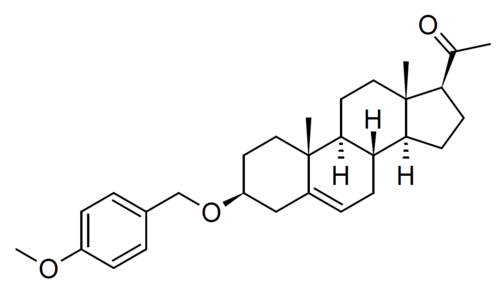
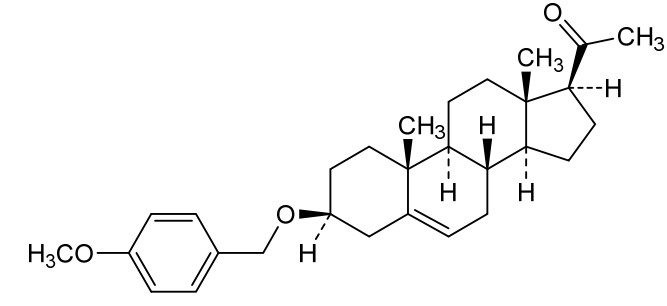
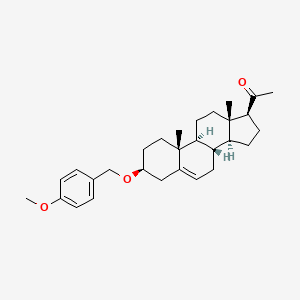
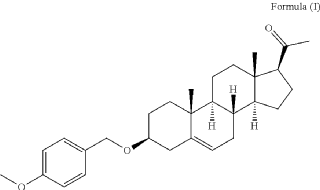
1-[(3S,8S,9S,10R,13S,14S,17S)-3-[(4-methoxyphenyl)methoxy]-10,13-dimethyl-2,3,4,7,8,9,11,12,14,15,16,17-dodecahydro-1H-cyclopenta[a]phenanthren-17-yl]ethanone
- 3beta-[(4-methoxyphenyl)methoxy]pregn-5-en-20-one
- (3beta)-3-[(4-Methoxyphenyl)methoxy]pregn-5-en-20-one
- Pregn-5-en-20-one, 3-[(4-methoxyphenyl)methoxy]-, (3beta)-
- 1-[(3S,8S,9S,10R,13S,14S,17S)-3-[(4-methoxyphenyl)methoxy]-10,13-dimethyl-2,3,4,7,8,9,11,12,14,15,16,17-dodecahydro-1H-cyclopenta[a]phenanthren-17-yl]ethanone
- 3?-(4-Methoxybenzyloxy)pregn-5-en-20-one; 1-((3S,8S,9S,10R,13S,14S,17S)-3-((4-Methoxybenzyl)oxy)-10,13-dimethyl-2,3,4,7,8,9,10,11,12,13,14,15,16,17-tetradecahydro-1H-cyclopenta[a]phenanthren-17-yl)ethan-1-one
3β-[(4-methoxyphenyl)methoxy]pregn-5-en-20-one
cannabinoid CB1 receptor signalling inhibitor, AEF0117, AEF 0117, 9LG9CT78SV
AEF0117 is a small molecule drug. AEF0117 is under investigation in clinical trial NCT05554926 (Study of [4-14C] AEF0117 Following a Single Oral Dose in Healthy Male Subjects).
Lixosicone (AEF0117, 3β-(4-methoxybenzyloxy)pregn-5-en-20-one) is a compound derived from pregnenolone by Aelis Farma, which acts as a biased negative allosteric modulator of the cannabinoid CB1 receptor, representing a new class of compounds referred to as CB1-selective signalling-specific inhibitors (CB1-SSi). It binds to an allosteric site on the CB1 receptor and modifies the downstream signalling produced as a result of CB1 activation, preventing CB1 mediated changes to mitogen-activated protein kinase (MAPK) phosphorylation but without affecting the signalling mediated by cyclic AMP. Unlike pregnenolone, AEF0117 is specific for the CB1-SSi activity and lacks the neurosteroid action typical of many structurally related compounds.[1]
In Phase II human clinical trials in patients diagnosed with cannabis use disorder, AEF0117 was found to partly but not completely block the effects of THC, and reduced cannabis self-administration but without producing an acute withdrawal syndrome and with relatively mild side effects. It is hoped that compounds of this type may be useful either as medications for the treatment of cannabinoid dependence, or could be used alongside medicinal cannabis to reduce unwanted side effects while retaining therapeutic efficacy.[2]
As of March 2026, lixosicone is in phase 2 clinical trials for treatment of substance-related disorders.[3] It is being developed by Aelis Farma.[3]
Clinical Development
The compound has shown promising results in clinical settings:
- Phase 2a results: In clinical trials evaluated by the National Institute on Drug Abuse, lixosicone significantly reduced the positive subjective effects (“the high”) of cannabis by 19% at lower doses and up to 38% at higher doses compared to a placebo.
- Reduced consumption: Testing demonstrated that the drug successfully reduced cannabis self-administration.
- Safety profile: Across early-stage evaluations, the drug was found to be safe, well-tolerated, and did not precipitate adverse behavioral withdrawal symptoms
SYN
PAT
https://patentscope.wipo.int/search/en/detail.jsf?docId=CN309682512&_cid=P10-MQRGHV-67541-1
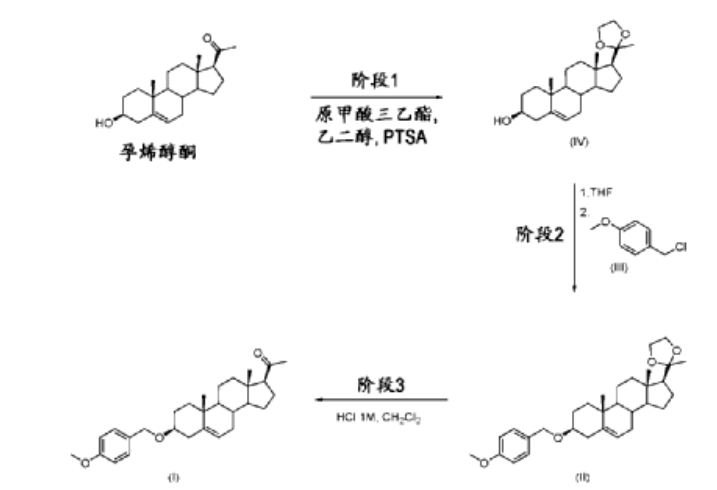
| Stage 1: Compound of formula (IV): (3S,8S,9S,10R,13S,14S,17S)-10,13-dimethyl-17-(2-methyl) (-1,3-dioxane-2-yl)-2,3,4,7,8,9,10,11,12,13,14,15,16,17-tetradecano-1H-cyclopentadiene Preparation of [a]phenanthrene-3-ol |
| Phase 1 was carried out in batches. Ethylene glycol (11.676 kg), pregnenolone (6.992 kg), and p-toluenesulfonic acid (0.840 kg, 4.42 mol, 0.2 equivalents) were charged into the reactor. The reaction mixture was stirred at 15°C–25°C for 25 minutes. Triethyl orthoformate (20.939 kg) was added in three portions, and the mixture was stirred at 15°C–25°C for at least 1 hour. Once complete, the reaction mixture was collected and slowly poured into a sodium bicarbonate solution (2.943 kg in 35.5 L of water) at 0°C–10°C. At the end of the addition, the reaction mixture was stirred at 0°C–10°C for 1 hour, then filtered and washed with water (12 L). The filtrate was also washed with 2-propanol (12 L) and dried under vacuum under a nitrogen stream. The dried solids were collected and charged into the reactor with 2-propanol (35 L). The slurry was heated under reflux for 2 hours. The reaction mixture was cooled to room temperature and stirred at room temperature for 12 hours. The reaction mixture was then cooled to between 0°C and 10°C and stirred for 2 hours. The solid was filtered and washed with 2-propanol (12 l), and then dried under vacuum under a nitrogen stream. Compound (IV) (8.031 kg) was obtained in a yield of 100.8% (uncorrected yield). |
| Phase 2: Compound of formula (II): 2-(3S,8S,9S,10R,13S,14S,17S)-3-((4-methoxybenzyl)oxy (10,13-dimethyl-2,3,4,7,8,9,10,11,12,13,14,15,16,17-tetradecano-1-H-cyclopentadien[a]) Preparation of phenanthrene-17-yl)-2-methyl-1,3-dioxolane |
| Compound (IV) (3.460 kg) and tetrahydrofuran (THF) (69 l) were charged into a reactor. The reaction mixture was stirred at 20°C–25°C for 80 minutes. The reaction mixture was filtered, and the solution of compound (IV) in THF was charged into the reactor. t-BuOK (2.835 kg) was added in portions to the THF solution of compound (IV) at 20°C–25°C. At the end of the addition, p-methoxybenzyl chloride (2.832 kg) and THF (4 l) of formula (III) were added to the reaction mixture via a feeding funnel. The reaction mixture was heated at 38°C–42°C. TBAI (1.555 kg) was added in portions to the reaction mixture at 38°C–42°C. The reaction mixture was heated at 55°C–60°C for 16 hours and 30 minutes. |
| Once complete, the reaction mixture is concentrated under vacuum to distill off 34-36 l of THF. The reaction mixture is then cooled to room temperature. Water (52 l) is added to the reactor, which is then cooled to 0-10 °C. The reaction mixture is carefully poured onto the water while maintaining the temperature at 0-10 °C. At the end of the addition, the reaction mixture is stirred at 0-10 °C for 1 hour and 50 minutes. The reaction mixture is filtered and washed with water (13 l). The filtrate is washed with acetonitrile (13.5 l), and the solids are dried under vacuum for 4 days under a nitrogen stream. |
| The solid was collected and acetonitrile (13 L) was added to the reactor. The mixture was heated under reflux for 4 hours. An additional acetonitrile (11 L) was added to the reactor and heated under reflux until a clear solution was obtained. The reaction mixture was cooled to room temperature and stirred at room temperature for 14 hours. The reaction mixture was cooled to 0 °C–10 °C and stirred at 0 °C–10 °C for 45 minutes, then filtered. Acetonitrile (10.5 L) was added to the reactor, cooled to 0 °C–10 °C, and then added to the filter to wash the filtrate. The solid was dried under vacuum under a nitrogen stream for 21 hours. Compound (II) (2.449 kg) was obtained in a yield of 59.2%. |
| • Stage 3: Preparation of compound (I): 3pMBP |
| Compound (II) (2.448 kg) and dichloromethane (10 L) were charged into a reactor. The solution was stirred for 20 minutes. 1 M hydrochloric acid (4.9 L) was added to the solution at 15 °C–25 °C. The reaction mixture was stirred until complete at 15 °C–25 °C. Dichloromethane (8 L) was added (to completely dissolve any precipitate) and phase separation was allowed. The organic layer was washed twice with water (5 L). The organic layer was collected and 2-propanol (24.5 L) was charged into a reactor at 15 °C–25 °C. The reaction mixture was concentrated under vacuum at a temperature below 40 °C. After completion, the reaction mixture was heated to reflux. 2-propanol (40 L) was added until a clear solution was observed. The reaction mixture was cooled to room temperature and stirred at room temperature for 12 hours. The reaction mixture was cooled to 0 °C–10 °C and stirred at 0 °C–-10 °C for 1 hour. The solid was filtered and washed with 2-propanol (5 l), then dried under vacuum with a nitrogen flow rate while the filter was heated at 35 °C–45 °C for 20 hours. Compound (I) was obtained in 85.8% yield (1.907 kg). |
PAT
https://patentscope.wipo.int/search/en/detail.jsf?docId=WO2019162328&_cid=P10-MQRGHV-67541-1
PAT
- 3β-(4-Methoxybenzyloxy)pregnant-5-en-20-one for the treatment of cannabinoid-related disordersPublication Number: CN-111757740-BPriority Date: 2018-02-20Grant Date: 2023-12-15
- 3beta-(4-methoxybenzyloxy)paragan-5-en-20-one for use in the treatment of cannabinoid-related disordersPublication Number: IL-276697-B2Priority Date: 2018-02-20
- 3-BETA-(4-METHOXYBENZYLOXY)PREGN-5-EN-20-ONE FOR USE IN THE TREATMENT OF CANNABINOID-RELATED DISORDERSPublication Number: PT-3755339-TPriority Date: 2018-02-20
- 3beta-(4-methoxybenzyloxy)pregn-5-en-20-one for use in the treatment of Cannabinoids-Related DisordersPublication Number: US-2023226076-A1Priority Date: 2018-02-20
- 3beta-(4-methoxybenzyloxy)pregn-5-en-20-one for use in the treatment of cannabinoids-related disordersPublication Number: EP-3755339-A1Priority Date: 2018-02-20
- 3beta-(4-methoxybenzyloxy)pregn-5-en-20-one for use in the treatment of Cannabinoids-Related DisordersPublication Number: US-2021030768-A1Priority Date: 2018-02-20
- 3-beta-(4-methoxybenzyloxy)pregn-5-en-20-one for use in the treatment of cannabinoids-related disordersPublication Number: EP-3755339-B1Priority Date: 2018-02-20Grant Date: 2024-01-03
- 3BETA-(4-METHOXYBENZYLOXY)PREGN-5-EN-20-ONE FOR USE IN THE TREATMENT OF CANNABINOIDS RELATED DISORDERSPublication Number: MA-51891-B1Priority Date: 2018-02-20
- 3Beta-(4-Methoxybenzyloxy)pregn-5-en-20-one for use in the treatment of cannabinoid-related disordersPublication Number: MD-3755339-T2Priority Date: 2018-02-20
- 3-BETA-(4-METHOXYBENZYLLOXY)PREGN-5-EN-20-ONE FOR USE IN THE TREATMENT OF CANNABINOID-RELATED DISORDERSPublication Number: HR-P20240276-T1Priority Date: 2018-02-20
- 3beta-(4-methoxybenzyloxy)pregn-5-en-20-one for use in the treatment of cannabinoids-related disordersPublication Number: WO-2019162328-A1Priority Date: 2018-02-20
- 3BETA-(4-METHOXYBENCYLOXY)PREGN-5-EN-20-ONE FOR USE IN THE TREATMENT OF CANNABINOID-RELATED DISORDERS.Publication Number: MX-2020008687-APriority Date: 2018-02-20
- 3β-(4-methoxybenzyloxy)pregn-5-en-20-one for use in the treatment of cannabinoids-related disordersPublication Number: US-11484537-B2Priority Date: 2018-02-20Grant Date: 2022-11-01
- 3beta-(4-methoxybenzyloxy)pregn-5-en-20-one for use in the treatment of cannabinoids-related disordersPublication Number: AU-2019223049-A1Priority Date: 2018-02-20
- 3beta-(4-methoxybenzyloxy)pregn-5-en-20-one for use in the treatment of cannabinoids-related disordersPublication Number: CA-3090975-A1Priority Date: 2018-02-20
ADVERTISEMENT
ANAX LABORATORIES
WEBSITE https://www.anaxlab.com/
Discovery Solutions, Supporting the chemistry needs of clients in the Medical, Analytical and Bio Sciences
Development Solutions, Developing from Lab scale to PR&D, Kilo Scale-ups and Commercial Scales
SEE MORE………Integrated Solutions, Manufacturing Solutions, Products,
Can’t Find? Let’s Connect
Phone : +91 897704 2010 / +91 9177075735, Email : info@anaxlab.com
#MedicinalChemistry, #DrugDiscovery, #OrganicSynthesis, #ChemicalLibrary, #BuildingBlocks, #SARStudies, #ChemistryInnovation, #medchem, #Drugdevelopment, #Biotech, #Biotechnology, #AnaxLaboratories, #Pharma
AS ON FEB2026 4.574 LAKHS VIEWS ON BLOG WORLDREACH AVAILABLEFOR YOUR ADVERTISEMENT
join me on Linkedin
Anthony Melvin Crasto Ph.D – India | LinkedIn
join me on Researchgate
RESEARCHGATE
join me on Facebook
Anthony Melvin Crasto Dr. | Facebook
join me on twitter
Anthony Melvin Crasto Dr. | twitter
+919321316780 call whatsaapp
EMAIL. amcrasto@gmail.com
References
“AEF 0117”. AdisInsight. 13 March 2026. Retrieved 17 April 2026.
US 11484537, Piazza PV, Fabre S, Metna M, Monlezun S, Busquet-Garcia A, Cota D, Marsicano G, Revest JM, Vallée M, “3β-(4-methoxybenzyloxy)pregn-5-en-20-one for use in the treatment of cannabinoids-related disorders.”, issued 1 November 2022, assigned to Universite de Bordeaux.
Haney M, Vallée M, Fabre S, Collins Reed S, Zanese M, Campistron G, et al. (June 2023). “Signaling-specific inhibition of the CB1 receptor for cannabis use disorder: phase 1 and phase 2a randomized trials”. Nature Medicine. 29 (6): 1487–1499. doi:10.1038/s41591-023-02381-w. PMC 10287566. PMID 37291212.
 | |
| Clinical data | |
|---|---|
| Other names | AEF0117; AEF-0117; 3β-(4-Methoxybenzyloxy)pregn-5-en-20-one |
| Drug class | Cannabinoid CB1 receptor negative allosteric modulator |
| Identifiers | |
| IUPAC name | |
| CAS Number | 1610878-71-1  |
| PubChem CID | 139433957 |
| ChemSpider | 129421614 |
| Chemical and physical data | |
| Formula | C29H40O3 |
| Molar mass | 436.636 g·mol−1 |
| 3D model (JSmol) | Interactive image |
| SMILES | |
| InChI | |
//////////lixosicone, anax labs, cannabinoid CB1 receptor signalling inhibitor, AEF0117, AEF 0117, 9LG9CT78SV
#lixosicone, #anax labs, #cannabinoid CB1 receptor signalling inhibitor, #AEF0117, #AEF 0117, #9LG9CT78SV
Lirucitinib
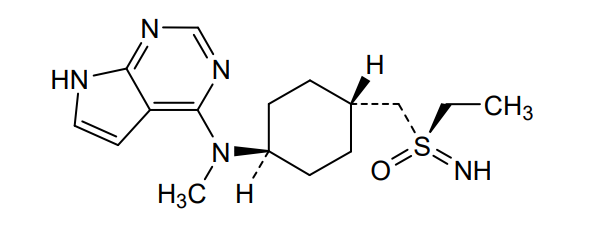
Lirucitinib
CAS 2458115-78-9
MF C16H25N5OS MW335.5 g/mol
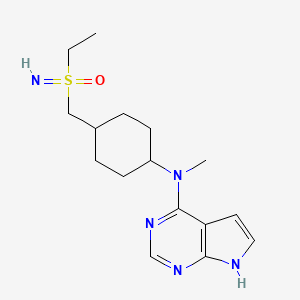
N-[4-[(ethylsulfonimidoyl)methyl]cyclohexyl]-N-methyl-7H-pyrrolo[2,3-d]pyrimidin-4-amine
(R)-ethyl(imino)({trans-4-[methyl(7H-pyrrolo[2,3-d]pyrimidin-4-yl)amino]cyclohexyl}methyl)-λ6
-sulfanone
Janus tyrosine kinase inhibitor, anti-inflammatory, GGW101, GGW 101
Lirucitinib is a Janus kinase (JAK) inhibitor primarily known as a novel, Class I veterinary drug. It specifically targets the JAK1 enzyme to block itch-inducing (pruritic) and inflammation-causing cytokines in the body.
Core Information
- Primary Use: The drug is developed for veterinary medicine to treat acute and chronic pruritic (severe itch) skin diseases in dogs, which are commonly caused by allergies, parasites, or infections.
- Approval Status: It received a Class I New Veterinary Drug Certificate from the Ministry of Agriculture and Rural Affairs (MARA) in China.
- Human Medicine: As of 2026, there are no clinical indications or indications that Lirucitinib is being tested for use in humans.
- Chemical Profile: It is an orally active small molecule with the chemical formula C₁₆H₂₅N₅OS and acts specifically as the (R)-enantiomer of the compound.
SYN
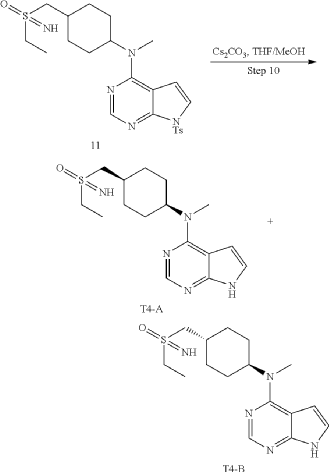
11 (1.0 g, 2.04 mmol) (prepared in step 9), tetrahydrofuran/methanol (10 mL), and cesium carbonate (1.33 g, 4.08 mmol) were added into a 25 mL single-necked flask, refluxed for 12 h, concentrated, and poured into dichloromethane and saturated salt solution, the organic phase was dried with anhydrous sodium sulfate, concentrated, and subjected to a conventional preparation method and a chiral preparation method to obtain product A as a white solid (20 mg, yield: 2.9%), LC-MS: 336 [M+H]+, H 1-NMR: 1H NMR (400 MHz, DMSO) δ 11.61 (s, 1H), 8.09 (s, 1H), 7.13 (s, 1H), 6.54 (s, 1H), 4.67 (s, 1H), 3.90-3.83 (m, 1H), 3.17 (s, 3H), 3.06-2.93 (m, 4H), 2.12-2.01 (m, 3H), 1.73-1.70 (m, 4H), 1.31-1.22 (m, 5H) and product B as a white solid (25 mg, yield: 3.7%), LC-MS: 336 [M+H]+, H 1—NMR: 1H NMR (400 MHz, DMSO) δ 11.59 (s, 1H), 8.09 (s, 1H), 7.12 (dd, J=3.3, 2.6 Hz, 1H), 6.54 (s, 1H), 4.67 (s, 1H), 3.58 (s, 1H), 3.17 (s, 3H), 3.06-2.89 (m, 4H), 2.16-1.93 (m, 3H), 1.74-1.69 (m, 4H), 1.25-1.23 (m, 5H).
ADVERTISEMENT
ANAX LABORATORIES
WEBSITE https://www.anaxlab.com/
Discovery Solutions, Supporting the chemistry needs of clients in the Medical, Analytical and Bio Sciences
Development Solutions, Developing from Lab scale to PR&D, Kilo Scale-ups and Commercial Scales
SEE MORE………Integrated Solutions, Manufacturing Solutions, Products,
Can’t Find? Let’s Connect
Phone : +91 897704 2010 / +91 9177075735, Email : info@anaxlab.com
#MedicinalChemistry, #DrugDiscovery, #OrganicSynthesis, #ChemicalLibrary, #BuildingBlocks, #SARStudies, #ChemistryInnovation, #medchem, #Drugdevelopment, #Biotech, #Biotechnology, #AnaxLaboratories, #Pharma
AS ON FEB2026 4.574 LAKHS VIEWS ON BLOG WORLDREACH AVAILABLEFOR YOUR ADVERTISEMENT
join me on Linkedin
Anthony Melvin Crasto Ph.D – India | LinkedIn
join me on Researchgate
RESEARCHGATE
join me on Facebook
Anthony Melvin Crasto Dr. | Facebook
join me on twitter
Anthony Melvin Crasto Dr. | twitter
+919321316780 call whatsaapp
EMAIL. amcrasto@gmail.com
PAT
- Jak inhibitor and preparation method thereforPublication Number: EP-3915989-B1Priority Date: 2019-01-30Grant Date: 2023-06-28
- Jak inhibitor and preparation method thereforPublication Number: US-2022106319-A1Priority Date: 2019-01-30
- Jak inhibitor and preparation method thereforPublication Number: WO-2020155931-A1Priority Date: 2019-01-30
- Jak inhibitor and preparation method thereforPublication Number: EP-3915989-A1Priority Date: 2019-01-30
/////////lirucitinib, anax labs, Janus tyrosine kinase inhibitor, anti-inflammatory, GGW101, GGW 101
#lirucitinib, #anax labs, #Janus tyrosine kinase inhibitor, #anti-inflammatory, #GGW101, #GGW 101
DR ANTHONY MELVIN CRASTO

ORGANIC SPECTROSCOPY


 New Drug Approvals
