New Drug Approvals
Follow New Drug Approvals on WordPress.com

FLAGS AND HITS

Flag Counter
DRUG APPROVALS BY DR ANTHONY MELVIN CRASTO

Archives

Categories

Join me on Linkedin

View Anthony Melvin Crasto Ph.D's profile on LinkedIn

Join me on Researchgate

Anthony Melvin Crasto Dr.

  Join me on Facebook FACEBOOK   ...................................................................Join me on twitter Follow amcrasto on Twitter     ..................................................................Join me on google plus Googleplus

MYSELF

DR ANTHONY MELVIN CRASTO Ph.D ( ICT, Mumbai) , INDIA 36Yrs Exp. in the feld of Organic Chemistry,Working for AFRICURE PHARMA as ADVISOR earlier with GLENMARK PHARMA at Navi Mumbai, INDIA. Serving chemists around the world. Helping them with websites on Chemistry.Million hits on google, NO ADVERTISEMENTS , ACADEMIC , NON COMMERCIAL SITE, world acclamation from industry, academia, drug authorities for websites, blogs and educational contribution, ........amcrasto@gmail.com..........+91 9323115463, Skype amcrasto64 View Anthony Melvin Crasto Ph.D's profile on LinkedIn Anthony Melvin Crasto Dr.

Enter your email address to follow this blog and receive notifications of new posts by email.

Join 37.9K other subscribers
DR ANTHONY MELVIN CRASTO Ph.D

DR ANTHONY MELVIN CRASTO Ph.D

DR ANTHONY MELVIN CRASTO, Born in Mumbai in 1964 and graduated from Mumbai University, Completed his Ph.D from ICT, 1991,Matunga, Mumbai, India, in Organic Chemistry, The thesis topic was Synthesis of Novel Pyrethroid Analogues, Currently he is working with AFRICURE PHARMA, ROW2TECH, NIPER-G, Department of Pharmaceuticals, Ministry of Chemicals and Fertilizers, Govt. of India as ADVISOR, earlier assignment was with GLENMARK LIFE SCIENCES LTD, as CONSUlTANT, Retired from GLENMARK in Jan2022 Research Centre as Principal Scientist, Process Research (bulk actives) at Mahape, Navi Mumbai, India. Total Industry exp 32 plus yrs, Prior to joining Glenmark, he has worked with major multinationals like Hoechst Marion Roussel, now Sanofi, Searle India Ltd, now RPG lifesciences, etc. He has worked with notable scientists like Dr K Nagarajan, Dr Ralph Stapel, Prof S Seshadri, etc, He did custom synthesis for major multinationals in his career like BASF, Novartis, Sanofi, etc., He has worked in Discovery, Natural products, Bulk drugs, Generics, Intermediates, Fine chemicals, Neutraceuticals, GMP, Scaleups, etc, he is now helping millions, has 9 million plus hits on Google on all Organic chemistry websites. His friends call him Open superstar worlddrugtracker. His New Drug Approvals, Green Chemistry International, All about drugs, Eurekamoments, Organic spectroscopy international, etc in organic chemistry are some most read blogs He has hands on experience in initiation and developing novel routes for drug molecules and implementation them on commercial scale over a 32 PLUS year tenure till date Feb 2023, Around 35 plus products in his career. He has good knowledge of IPM, GMP, Regulatory aspects, he has several International patents published worldwide . He has good proficiency in Technology transfer, Spectroscopy, Stereochemistry, Synthesis, Polymorphism etc., He suffered a paralytic stroke/ Acute Transverse mylitis in Dec 2007 and is 90 %Paralysed, He is bound to a wheelchair, this seems to have injected feul in him to help chemists all around the world, he is more active than before and is pushing boundaries, He has 100 million plus hits on Google, 2.5 lakh plus connections on all networking sites, 100 Lakh plus views on dozen plus blogs, 227 countries, 7 continents, He makes himself available to all, contact him on +91 9323115463, email amcrasto@gmail.com, Twitter, @amcrasto , He lives and will die for his family, 90% paralysis cannot kill his soul., Notably he has 38 lakh plus views on New Drug Approvals Blog in 227 countries......https://newdrugapprovals.wordpress.com/ , He appreciates the help he gets from one and all, Friends, Family, Glenmark, Readers, Wellwishers, Doctors, Drug authorities, His Contacts, Physiotherapist, etc He has total of 32 International and Indian awards

Verified Services

View Full Profile →

Recent Posts

Golden Root (Rhodiola rosea)…….a queen of adaptogenic herbs


Rhodiola rosea a2.jpg

 Golden Root (Rhodiola rosea) – Also called Arctic Root or Roseroot, golden root is considered a queen of adaptogenic herbs. As one blogger puts it, “[Golden root] allows us to regulate our immune, physiological and neurological responses to stress, allowing us to survive not only rough environmental/weather challenges, but also to adapt and adjust our often neurotic mental habits and crazy social/political climates as well.

”The Russians use it to improve physical stamina and adapt to environmental stress. In Siberia, people still say, “Those who drink Rhodiola tea will live more than 100 years old.” The extract possesses positive mood enhancing and anti-stress properties with no detectable levels of toxicity. Golden root works by enhancing the body’s ability to make serotonin, dopamine, and other neurotransmitters that aid in happiness and stress-reduction.


Rhodiola rosea (commonly golden root, rose root, roseroot, Aaron’s rod, arctic root, king’s crown, lignum rhodium, orpin rose) is a perennial flowering plant in the family Crassulaceae. It grows in cold regions of the world, including much of the Arctic, the mountains ofCentral Asia, scattered in eastern North America from Baffin Island to the mountains of North Carolina, and mountainous parts of Europe, such as the Alps, Pyrenees, and Carpathian Mountains, Scandinavia, Iceland, Great Britain and Ireland. It grows on sea cliffs and on mountains[2] at altitudes up to 2280 meters.[where?][citation needed] Several shoots grow from the same thick root. Shoots may reach 5 to 35 cm in height. R. rosea is dioecious – having separate female and male plants.

History

The first time that R. rosea is described was from Dioscorides in De Materia Medica.

Uses

Plant

Some studies have found support for it having antidepressant effects.[3][4] It is not approved by the U.S. Food and Drug Administration (FDA) to cure, treat, or prevent any disease. In fact, the FDA has forcibly removed some products containing R. rosea from the market due to disputed claims that it treats cancer, anxiety, influenza, the common cold, bacterial infections, and migraines.[5]

R. rosea may be effective for improving mood and alleviating depression. Pilot studies on human subjects[6][7][8] showed it improves physical and mental performance, and may reduce fatigue.

In Russia and Scandinavia, R. rosea has been used for centuries to cope with the cold Siberianclimate and stressful life.[citation needed][9][10] Such effects were provided with evidence in laboratory models of stress using the nematode C. elegans,[11] and in rats in which Rhodiola effectively prevented stress-induced changes in appetite, physical activity, weight gain and the estrus cycle.[12]

The plant has been used in traditional Chinese medicine, where it is called hóng jǐng tiān (). The medicine can be used to prevent altitude sickness.[citation needed]

The aerial portion is consumed as food in some parts of the world, sometimes added to salads.[13]

Phytochemicals and potential health effects

Withering flower

Scientists have identified about 140 chemical compounds in the subterranean portions of R. rosea.[14] Rhodiola roots contain phenols,rosavin, rosin, rosarin, organic acids, terpenoids, phenolcarbonic acids and their derivatives, flavonoids, anthraquinones, and alkaloids.

The chemical composition of the essential oil from R. rosea root growing in different countries varies. For example, rosavin, rosarin and rosin at their highest concentration according to many tests can be found only in R. rosea of Russian origin; the main component of the essential oil from Rhodiola growing in Bulgaria are geraniol and myrtenol; in China the main components are geraniol and 1-octanol; and in India the main component is phenylethilic alcohol. Cinnamic alcohol was discovered only in the sample from Bulgaria.[15]

R. rosea contains a variety of compounds that may contribute to its effects,[16] including the class of rosavins that includes rosavin, rosarin, and rosin. Several studies have suggested that the most active components are likely to be rhodioloside and tyrosol,[17] with other components being inactive when administered alone, but showing synergistic effects when a fixed combination of rhodioloside, rosavin, rosarin and rosin was used.[18] Authentication, as well as potency, of R. rosea crude material and standardized extracts thereof are carried out with validated high-performance liquid chromatography analyses to verify the content of the marker constituents salidroside, rosarin, rosavin, rosin and rosiridin.[19]

Although rosavin, rosarin, rosin and salidroside (and sometimes p-tyrosol, rhodioniside, rhodiolin and rosiridin) are among suspected active ingredients of R. rosea, these compounds are mostly polyphenols. There is no evidence that these chemicals have any physiological effect in humans that could prevent or reduce risk of disease.[20]

Although these phytochemicals are typically mentioned as specific to Rhodiola extracts, there are many other constituent phenolic antioxidants, including proanthocyanidins,quercetin, gallic acid, chlorogenic acid and kaempferol.[21][22]

Dried R. rosea root

Animal tests have suggested a variety of beneficial effects for R. rosea extracts,[23] and there is some scientific evidence for its efficacy as a treatment for depression and fatigue [6][7][24][25] in humans.

Scientific evidence

R. rosea extract exerts an antifatigue effect that increases mental performance, particularly the ability to concentrate in healthy subjects[6][7][24] and burnout patients with fatigue syndrome.[25] Rhodiola significantly reduced symptoms of fatigue and improved attention after four weeks of repeated administration.[25] A 2007 clinical trial from Armenia showed significant effect for a Rhodiola extract in doses of 340–680 mg per day in male and female patients from 18 to 70 years old with mild to moderate depression. No side effects were demonstrated at these doses.[3] One study found inhibition of MAO-A and MAO-B.[26] Studies on whether Rhodiola improves physical performance have been inconclusive, with some studies showing some benefit,[27] while others show no significant difference.[28]

Two systematic reviews on R. rosea extracts concluded that the research evidence is contradictory, and definite conclusions over its efficacy to relieve mental and physical fatigue are hampered by the lack of rigorously-designed, well-controlled randomized control trials [29]

In clinical medical trials on people R. rosea extract has a positive effect on sensitive and fading skin improving overall skin condition.[30][full citation needed]

R. rosea promotes the release of norepinephrine from rat pineal corpus cavernosum smooth muscle cell and artery endothelium cell, which was correlated with its effect of resisting senility.[31] R. rosea extract has been found to increase the life span of fruit fly (Drosophila) by 24% independently of dietary restriction.[32]

R. rosea may enhance the detoxification of many toxic heavy metals.[33]

References

  1. Jump up^ “Rhodiola rosea – Plants For A Future database report”. http://www.pfaf.org. Retrieved 2008-02-23.
  2. Jump up^ Stace, C.A. (2010). New flora of the British isles (Third ed.). Cambridge, U.K.: Cambridge University Press. p. 138. ISBN 9780521707725.
  3. ^ Jump up to:a b Darbinyan V, Aslanyan G, Amroyan E, Gabrielyan E, Malmström C, Panossian A (2007). “Clinical trial of Rhodiola rosea L. extract in the treatment of mild to moderate depression”. Nord J Psychiatry 61 (5): 343–8. doi:10.1080/08039480701643290.PMID 17990195.
  4. Jump up^ Dwyer AV, Whitten DL, Hawrelak JA (March 2011). “Herbal medicines, other than St. John’s Wort, in the treatment of depression: a systematic review” (PDF). Altern Med Rev 16 (1): 40–9. PMID 21438645.
  5. Jump up^ See for example, Letter, dated April 21, 2005, Food and Drug Administration
  6. ^ Jump up to:a b c Shevtsov VA, Zholus BI, Shervarly VI, et al. (Mar 2003). “A randomized trial of two different doses of Rhodiola rosea extract versus placebo and control of capacity for mental work”. Phytomedicine 10 (2–3): 95–105. doi:10.1078/094471103321659780.PMID 12725561.
  7. ^ Jump up to:a b c Darbinyan V, Kteyan A, Panossian A, Gabrielian E, Wikman G, Wagner H (Oct 2000). “Rhodiola rosea in stress induced fatigue—a double blind cross-over study of a standardized extract with a repeated low-dose regimen on the mental performance of healthy physicians during night duty”. Phytomedicine 7 (5): 365–71. doi:10.1016/S0944-7113(00)80055-0. PMID 11081987.
  8. Jump up^ Ha Z, Zhu Y, Zhang X, et al. (Sep 2002). “[The effect of rhodiola and acetazolamide on the sleep architecture and blood oxygen saturation in men living at high altitude]”.Zhonghua Jie He He Hu Xi Za Zhi (in Chinese) 25 (9): 527–30. PMID 12423559.
  9. Jump up^ Azizov, AP; Seĭfulla, RD (May–Jun 1998). “[The effect of elton, leveton, fitoton and adapton on the work capacity of experimental animals].”. Eksperimental’naia i klinicheskaia farmakologiia 61 (3): 61–3. PMID 9690082.
  10. Jump up^ Darbinyan, V; Kteyan, A; Panossian, A; Gabrielian, E; Wikman, G; Wagner, H (Oct 2000). “Rhodiola rosea in stress induced fatigue–a double blind cross-over study of a standardized extract SHR-5 with a repeated low-dose regimen on the mental performance of healthy physicians during night duty.”. Phytomedicine : international journal of phytotherapy and phytopharmacology 7 (5): 365–71. doi:10.1016/S0944-7113(00)80055-0. PMID 11081987.
  11. Jump up^ Wiegant FA, Surinova S, Ytsma E, Langelaar-Makkinje M, Wikman G, Post JA (Jun 2008). “Plant adaptogens increase lifespan and stress resistance in C. elegans”.Biogerontology 10 (1): 27–42. doi:10.1007/s10522-008-9151-9. PMID 18536978.
  12. Jump up^ Mattioli L, Funari C, Perfumi M (May 2008). “Effects of Rhodiola rosea L. extract on behavioural and physiological alterations induced by chronic mild stress in female rats”.Journal of Psychopharmacology (Oxford) 23 (2): 130–42.doi:10.1177/0269881108089872. PMID 18515456.
  13. Jump up^ Saratikov A.S. (1974). Golden Root (Rhodiola Rosea) (2nd ed.). Publishing House of Tomsk University. p. 158.
  14. Jump up^ Panossian, A., Wikman, G. (2010). “Rosenroot (Roseroot): Traditional Use, Chemical Composition, Pharmacology, and Clinical Efficacy”. Phytomedicine 17 (5-6): 481–493.doi:10.1016/j.phymed.2010.02.002.
  15. Jump up^ Evstavieva L., Todorova M., Antonova D., Staneva J. (2010). “Chemical composition of the essential oils of Rhodiola rosea L. of three different origins”. Pharmacogn Mag. 6 (24): 256–258.
  16. Jump up^ Kucinskaite A, Briedis V, Savickas A (2004). “[Experimental analysis of therapeutic properties of Rhodiola rosea L. and its possible application in medicine]”. Medicina (Kaunas) (in Lithuanian) 40 (7): 614–9. PMID 15252224.
  17. Jump up^ Mao Y, Li Y, Yao N (Nov 2007). “Simultaneous determination of salidroside and tyrosol in extracts of Rhodiola L. by microwave assisted extraction and high-performance liquid chromatography”. J Pharm Biomed Anal 45 (3): 510–5. doi:10.1016/j.jpba.2007.05.031.PMID 17628386.
  18. Jump up^ Panossian A, Nikoyan N, Ohanyan N, et al. (Jan 2008). “Comparative study of Rhodiola preparations on behavioral despair of rats”. Phytomedicine 15 (1–2): 84–91.doi:10.1016/j.phymed.2007.10.003. PMID 18054474.
  19. Jump up^ Ganzera M, Yayla Y, Khan IA (April 2001). “Analysis of the marker compounds of Rhodiola rosea L. (golden root) by reversed phase high performance liquid chromatography”. Chem. Pharm. Bull. 49 (4): 465–7. doi:10.1248/cpb.49.465.PMID 11310675.
  20. Jump up^ Boudet AM (2007). “Evolution and current status of research in phenolic compounds”.Phytochemistry 68 (22–24): 2722–35. doi:10.1016/j.phytochem.2007.06.012.PMID 17643453.
  21. Jump up^ Yousef GG, Grace MH, Cheng DM, Belolipov IV, Raskin I, Lila MA (Nov 2006). “Comparative phytochemical characterization of three Rhodiola species”. Phytochemistry67 (21): 2380–91. doi:10.1016/j.phytochem.2006.07.026. PMID 16956631.
  22. Jump up^ Liu Q, Liu ZL, Tian X (Feb 2008). “[Phenolic components from Rhodiola dumulosa]”.Zhongguo Zhong Yao Za Zhi (in Chinese) 33 (4): 411–3. PMID 18533499.
  23. Jump up^ Perfumi M, Mattioli L (Jan 2007). “Adaptogenic and central nervous system effects of single doses of 3% rosavin and 1% salidroside Rhodiola rosea L. extract in mice”.Phytother Res 21 (1): 37–43. doi:10.1002/ptr.2013. PMID 17072830.
  24. ^ Jump up to:a b Spasov. A.A., Mandrikov, V.B., Mitonova, I.A., 2000b. The effect of Dhodaxonon psycho-physiologic and physical adaptation of students to the academic load. Experimental and Clinical Pharmacology 63 (1), 76-78.
  25. ^ Jump up to:a b c Olsson E.M.G., von Schéele B., Panossian A.G. (2009). “A randomized double-blind placebo controlled parallel group study of an extract of Rhodiola rosea roots as treatment for patients with stress related fatigue”. Planta medica 75 (2): 105–112.doi:10.1055/s-0028-1088346. PMID 19016404.
  26. Jump up^ van Diermen, D.; Marston, A.; Bravo, J.; Reist, M.; Carrupt, PA.; Hostettmann, K. (Mar 2009). “Monoamine oxidase inhibition by Rhodiola rosea L. roots.”. J Ethnopharmacol122 (2): 397–401. doi:10.1016/j.jep.2009.01.007. PMID 19168123.
  27. Jump up^ De Bock K, Eijnde BO, Ramaekers M, Hespel P (Jun 2004). “Acute Rhodiola rosea intake can improve endurance exercise performance”. Int J Sport Nutr Exerc Metab 14(3): 298–307. PMID 15256690.
  28. Jump up^ Walker TB, Altobelli SA, Caprihan A, Robergs RA (Aug 2007). “Failure of Rhodiola rosea to alter skeletal muscle phosphate kinetics in trained men”. Metab Clin Exp. 56(8): 1111–7. doi:10.1016/j.metabol.2007.04.004. PMID 17618958.
  29. Jump up^ Ishaque, Sana; Shamseer, Larrisa; Bukutu, Cecilia; Vohra, Sunita. “Rhodiola rosea for physical and mental fatigue: a systematic review”. BMC Complementary and Alternative Medicine 12 (1): 70. doi:10.1186/1472-6882-12-70. PMID 3541197.
  30. Jump up^ Diemant et al., 2008
  31. Jump up^ Effect of Rodiola on level of NO and NOS in cultured rats penile corpus cavernosum smooth muscle cell and artery endothelium cell Kong X., Shi F., Chen Y., Lu H., Yao M., Hu M. Chinese Journal of Andrology 2007 21:10 (6-11)
  32. Jump up^ Schriner, Samuel E.; Lee, Kevin; Truong, Stephanie; Salvadora, Kathyrn T.; Maler, Steven; Nam, Alexander; Lee, Thomas; Jafari, Mahtab; Englert, Christoph (21 May 2013). “Extension of Drosophila Lifespan by Rhodiola rosea through a Mechanism Independent from Dietary Restriction”. PLoS ONE 8 (5): e63886. doi:10.1371/journal.pone.0063886.
  33. Jump up^ Boon-Niermeijer, E.K.; van den Berg, A.; Wikman, G.; Wiegant, F.A.C. “Phyto-adaptogens protect against environmental stress-induced death of embryos from the freshwater snail Lymnaea stagnalis”. Phytomedicine 7 (5): 389–399. doi:10.1016/S0944-7113(00)80060-4.

External links

Gotu Kola (Centella asiatica), this herb is known for calming depressive episodes, strengthening cognitive function, and helping one deal with both mental and physical stress


Starr 020803-0094 Centella asiatica.jpg

Gotu Kola (Centella asiatica) – An antiseptic, antispasmodic, peripheral vasodilator, and nerving and relaxant, this herb is known for calming depressive episodes, strengthening cognitive function, and helping one deal with both mental and physical stress.

Centella asiatica, commonly known as centella and gotu kola, is a small, herbaceous, annual plant of the family Mackinlayaceae or subfamily Mackinlayoideae of family Apiaceae, and is native to wetlands in Asia.[2][3] It is used as a medicinal herb in Ayurvedic medicine,traditional African medicine, and traditional Chinese medicine. It is also known as the Asiatic pennywort or Indian pennywort in English, among various other names in other languages.

Description

Centella grows in tropical swampy areas.[4] The stems are slender, creeping stolons, green to reddish-green in color, connecting plants to each other. It has long-stalked, green, reniform leaves with rounded apices which have smooth texture with palmately netted veins. The leaves are borne on pericladial petioles, around 2 cm. The rootstock consists of rhizomes, growing vertically down. They are creamish in color and covered with root hairs.[5]

The flowers are white or pinkish to red in color, born in small, rounded bunches (umbels) near the surface of the soil. Each flower is partly enclosed in two green bracts. The hermaphrodite flowers are minute in size (less than 3 mm), with 5-6 corolla lobes per flower. Each flower bears five stamens and two styles. The fruit are densely reticulate, distinguishing it from species of Hydrocotyle which have smooth, ribbed or warty fruit.[3] The crop matures in three months, and the whole plant, including the roots, is harvested manually.

Habitat

Centella grows along ditches and in low, wet areas. In Indian and Southeast Asian centella, the plant frequently suffers from high levels of bacterial contamination, possibly from having been harvested from sewage ditches. Because the plant is aquatic, it is especially sensitive to pollutants in the water, which are easily incorporated into the plant.

Culinary use

Flowers and leaves centella asiatica

Bai bua bok served as a refreshing drink in Thailand

Centella is used as a leafy green in Sri Lankan cuisine, where it is called gotu kola. In Sinhalese, gotu is translated as “conical shape” andkola as “leaf”. It is most often prepared as malluma (මැල්ලුම), a traditional accompaniment to rice and curry, and goes especially well with vegetarian dishes, such as dhal, and jackfruit or pumpkin curry. It is considered quite nutritious. In addition to finely chopped gotu kola,malluma almost always contains grated coconut, and may also contain finely chopped green chilis, chili powder, turmeric powder and lime(or lemon) juice. A variation of the nutritious porridge known as kola kenda is also made with gotu kola by the Sinhalese people of Sri Lanka. Kola Kenda is made with very well-boiled red rice (with extra liquid), coconut milk and gotu kola, which is pureed. The porridge is accompanied with jaggery for sweetness. Centella leaves are also used in sweet “pennywort” drinks.

In Indonesia, the leaves are used for sambai oi peuga-ga, an Aceh type of salad, and is also mixed into asinan in Bogor.

In Vietnam and Thailand, this leaf is used for preparing a drink or can be eaten in raw form in salads or cold rolls. In Bangkok, vendors in the famous Chatuchak Weekend Market sell it alongside coconut, roselle, chrysanthemum, orange and other health drinks.

In Malay cuisine the leaves of this plant are used for ulam, a type of Malay salad.[6]

It is one of the constituents of the Indian summer drink thandaayyee.

In Bangladeshi cuisine mashed centella is eaten with rice and is popular for its medicinal properties.


Medicinal effects

According to the American Cancer Society, although centella is promoted for its health benefits, “available scientific evidence does not support claims of its effectiveness for treating cancer or any other disease in humans”.[7] However some research has shown a possible health benefit in the form of reduction of the progression of subclinical arterial lesions in low-risk asymptomatic subjects.[8]

Other names

In South Asia, other common names of centella include సరస్వతి ఆకు (sarswathi aku) in Telugu; കുടവൻ (kudavan), മുത്തിൾ (muththil), or കുടങ്ങൽ (kudangal) in Malayalam; থানকুনি (thankuni) in Bengali; ගොටුකොල (gotu kola) in Sinhala; मधुकपर्णी (mandukaparni) inSanskrit; ब्राम्ही / ब्राह्मी (brahmi) in Marathi: ಒಂದೆಲಗ (ondelaga) in Kannada; வல்லாரை (vallaarai) in Tamil; brahmi booti in Hindi; perookin Manipuri; মানিমুনি (manimuni) in Assamese; timare in Tulu; tangkuanteh in Paite; ब्रह्मबुटि (brahmabuti) or घोड टाप्रे (ghod-tapre) in Nepali; and खोलचा घायँ (kholcha ghyan) in Newari (Nepal Bhasa).

In India, particularly, it is popularly known by a variety of names: bemgsag, brahma manduki, brahmanduki, brahmi, ondelaga or ekpanni (south India, west India), sarswathi aku(Andhra Pradesh), gotu kola, khulakhudi, mandukparni, mandookaparni, or thankuni (Bengal), depending on region. Bacopa monnieri is the more widely known Brahmi; both have some common therapeutic properties in Vedic texts and are used for improving memory. C. asiatica is called brahmi particularly in north India,[9][10] although that may be a case of mistaken identity introduced during the 16th century, when brahmi was confused with mandukaparni, a name for C. asiatica.[11] [12] Probably the earliest study ofmandookaparni as medya rasayana (improving the mental ability) was carried out at the Dr. A. Lakshmipathy Research Centre (now under CCRAS).[13]

In Southeast Asia, it is known as ស្លឹកត្រចៀកក្រាញ់ (sleuk tracheakkranh) in Khmer; မြင်းခွာပင် (mying khwar ) in Burmese; ใบบัวบก (bai bua bok) in Thai; rau má (“mother vegetable”) in Vietnamese; pegagan or antanan in Indonesian; takip-kohol (literally “snail lid“)[14] or yahong yahong (“little bowl”) in Filipino; and pegagan or pegaga in Malay.

In East Asia, it is known as 雷公根 (lei gong gen; literally “thunder god’s root”) or 崩大碗 (“chipped big bowl”) in Chinese; and 병풀 (byeong-pul, literally “bottle/jar plant”) in Korean.

Folklore

Gotu kola is a minor feature in the longevity tradition of the T’ai chi ch’uan master Li Ching-Yuen. He purportedly lived to be 197 or 256, due in part to his usage of traditionalChinese herbs, including gotu kola.

See also

References

  1. Jump up^ “Pharmacological Review on Centella asiatica: A Potential Herbal Cure-all.”. Indian J Pharm Sci: 546–56. September 2010.
  2. Jump up^ United States Department of Agriculture. “Plant Profile for Centella asiatica”. Retrieved 15 July 2012 (Use Native Status Link on Page).
  3. ^ Jump up to:a b Floridata. Centella asiatica. Retrieved 15 July 2012.
  4. Jump up^ Meschino Health. “Comprehensive Guide to Gotu Kola (Centella asiatica)”. Retrieved 15 July 2012.
  5. Jump up^ “Leaf Extract Treatment During the Growth Spurt Period Enhances Hippocampal CA3 Neuronal Dendritic Arborization in Rats”. Evid Based Complement Alternat Med: 349–57. September 2006.
  6. Jump up^ “Nasi ulam”. Retrieved 2009-05-07.
  7. Jump up^ “Gotu Kola”. American Cancer Society. 28 November 2011. Retrieved August 2013.
  8. Jump up^ “Pycnogenol® and Centella Asiatica for asymptomatic atherosclerosis progression”.International Angiology. 33(1): 20–26. February 2014.
  9. Jump up^ Daniel, M. (2005). Medicinal plants: chemistry and properties. Science Publishers. p. 225. ISBN 978-1-57808-395-4.
  10. Jump up^ “In north India, however, brāhmī is commonly identified as Centella asiatica (Linn.) Urban, which in Malayalam is known as muttil. It seems that this identification of brāhmīas C. asiatica has been in use for long in northern India, as Hēmādri’s ‘Commentary on Aṣṭāṅgahṛdayaṃ (Āyuṛvēdarasāyanaṃ) treats maṇḍūkapaṛṇī (C. asiatica) as a synonym of brahmi.” Warrier, P K; V P K Nambiar, C Ramankutty, V.P.K. & Ramankutty, R Vasudevan Nair (1996). Indian Medicinal Plants: A Compendium of 500 Species, Volume 1. Orient Blackswan. p. 238. ISBN 978-81-250-0301-4.
  11. Jump up^ Khare, C. P. (2003). Indian Herbal Remedies: Rational Western Therapy, Ayurvedic, and Other Traditional Usage, Botany. Springer. p. 89. ISBN 978-3-540-01026-5.
  12. Jump up^ “Mandukaparni (Centella asiatica)”. National R & D Centre for Rasayana. Retrieved 15 August 2013.
  13. Jump up^ Appa Rao MVR, Srinivas K, Koteshwar Rao T. “The effect of Mandookaparni (Centella asiatica) on the general mental ability (medhya) of mentally retarded children”. J. Res Indian Med. 1973;8:9–16.
  14. Jump up^ “Takip-kohol / Centella asiatica / Pennyworth: Philippine Medicinal Herbs / Philippine Alternative Medicine”. Stuartxchange.org. Retrieved 2014-03-22.

External links


Oat Straw (Avena sativa) helpful in calming the nerves of those who are detoxing from drug or alcohol addiction, and can even help curb nicotine cravings.


Avena Sativa - Oats

Oat Straw (Avena sativa) – Not only can this herb effectively treat anxiety, it is also used to treat migraines, shingles, fatigue, and even epilepsy. This herb can be especially helpful in calming the nerves of those who are detoxing from drug or alcohol addiction, and can even help curb nicotine cravings.

Avena Sativa – Oats Benefits

Are you feeling stressed, tired, depressed, fed-up, run down or even lacking your usual sexual desire? If so, have you considered a daily dose of Avena sativa (also known as Oats or Oatstraw)?

This wonderful herb is thought to be soothing to the brain and nervous system, whilst at the same time increasing sexual desire, and performance, in both men and women!


Avena sativa is quickly becoming a popular natural alternative to pharmaceutical erection enhancers without the dangerous side effects. Also known as Oats Milky Seed or Oatstraw, Avena Sativa is used to stimulate both men and women quickly and effectively. It is often described as the “Natural Viagra”! Its stimulating effects are well known in the animal world, especially with horses where it is widely known that if you feed them oats their behaviour will be wild and energetic! And we’ve all heard the term “sowing your oats”.

Dr. Larry Clapp has studied alternative virility medicines extensively and concludes that “ten drops, under the tongue, twice a day works very powerfully to enhance erectile function.” Other studies have also suggested powerful results in both sexes.

In women, the effect seems to be that of increasing sexual desire rather than physical performance. Avena sativa contains compounds which are both sedative and soothing to the brain and nervous system, hence it is said to be a good herb as a nerve restorative. In women the aphrodisiac effect seems to work by relaxing the body which in turn allows a natural increase in desire.

In men it appears to be effective for treating impotence and premature ejaculation, probably by increasing healthy blood flow.

As a food, oats are known to be good for the heart because they keep blood fats under control. They also have other medicinal properties.

Avena sativa seeds are not only a rich source of carbohydrate and soluble fibre, they also have the highest content of Iron, Zinc and Manganese of any grain. It is said to be useful as a nerve restorative.

Avena sativa has no known side effects, unlike the sometimes dangerous sexual prescription drugs. It is used as a nervous system general tonic as well as a general health tonic.

Avena sativa is often the primary ingredient in expensive sexual formulas and in the popular alternatives Herbal V, Cobra and Biogra. There is no need to purchase expensive herbal formulas. The pure herb is more powerful and is not expensive to use.

Avena sativa does not appear to interact with drugs so it is often used as a safe alternative to other herbs that are used for anxiety, such as St John’s wort, which cannot be taken with many prescription medications. Avena sativa may also be of use in helping with drug withdrawal and is often combined with valerian and skullcap.

Oats are sometimes added to the bath as a topical treatment for the skin condition eczema. Generally, there are no side effects or contra-indications from using avena sativa herbal supplements.

Freshly gathered Oatstraw

Freshly gathered Oatstraw

Medicinal Uses
Oatstraw is a cooling nervine and uterine tonic, anti-depressant, anti-spasmodic, nutritive, demulcent, and vulnerary herb. It’s high in vitamin E, protein, and minerals, and works by essentially feeding and soothing the nervous system, especially in times of stress, nervous exhaustion, and depression. It’s extremely helpful in menopause cases and with the recovery from shingles, estrogen deficiencies, persistant colds, and muscular sclerosis. As a tonic herb, it’s helpful for the whole system and can boost brain function and metabolism. It has high levels of silicic acid which help treat skin conditions such as excema, psoriasis, and irritations when applied externally as a soothing bath or compress. For depression, it combines well with lady’s slipper and skullcap. In Aryuvedic medicine, oatstraw is used for treating addictions and considered rejuvenating.

Dosage
Oatstraw can be taken as a tincture, with 3-5 ml three times daily, made into an infusion to taste drunk throughout the day. An infusion of oatstraw is high in B vitamins and protein. Oats, the fruit of the plant, can be made into a porridge or gruel. For irritated skin, both oatstraw and oats can be used in a bath at 1 pound of straw to 2 liters of water, boiled for half an hour, added to the bath water. As a foot-soak, it can help rejuvenate tired feet, especially when combined with a little peppermint and green tea. Oats themselves can be ground up and used in skincare products like as washes and scrubs (such as in my Dirty Girl Facial Scrub) and added to bath waters.


http://www.vitaminsestore.com/oatstraw-benefits-side-effects-reviews-and-dosage/

Tiny amounts of BPA can alter mammary gland development


Ralph Turchiano's avatarCLINICALNEWS.ORG

Researchers see BPA effects in monkey mammary glands

Study adds to growing health concerns about common plastic additive

PULLMAN, Wash.—A new study finds that fetal exposure to the plastic additive bisphenol A, or BPA, alters mammary gland development in primates. The finding adds to the evidence that the chemical can be causing health problems in humans and bolsters concerns about it contributing to breast cancer.

“Previous studies in mice have demonstrated that low doses of BPA alter the developing mammary gland and that these subtle changes increase the risk of cancer in the adult,” says Patricia Hunt, a geneticist in Washington State University’s School of Molecular Biosciences. “Some have questioned the relevance of these findings in mice to humans. But finding the same thing in a primate model really hits uncomfortably close to home.”

View original post 288 more words

Mom will teach you NMR


Dedicated to all moms in the world
C=O group is dad
O atom is mom
Carbonyl is dad and oxygen mom hence c labelled methyl has higher chemical shift  and gets a little more attention
SEE BELOW
NMR IS EASY
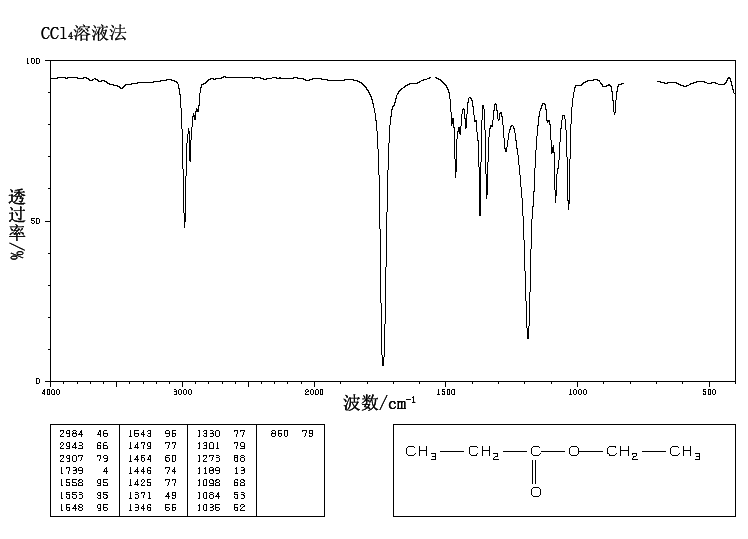
A chemical has Formula: C5H10O2
C5H10O2
Rule 2, omit O, gives C5H10
5 – 10/2 + 1 = 1 degree of unsaturation.
Look for 1 pi bond or aliphatic ring.
IR
IR spectrum
The band at 1740 indicates a carbonyl, probably a saturated aliphatic ester. The bands at 3000-2850 indicate C-H alkane stretches. The bands in the region 1320-1000 could be due to C-O stretch, consistent with an ester.
NMR spectrum
Structure answerThis is the structure. See if you can assign the peaks on your own.
NMR answerC has a higher chemical shift than D because it’s closer to a more electron-withdrawing functional group.
Carbonyl is dad and oxygen mom,  hence c has higher chemical shift  and gets a little more attention in proton nmr
13 C NMR
Mass spectrum
RAMAN
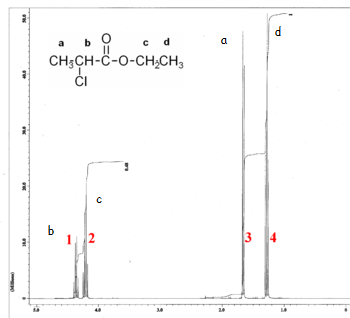
WHAT HAPPENS WHEN A CHLORO IS INTRODUCED
THE INTERPRETATION IS BELOW

remember “a” labelled  CH3 appears as a doublet

WHEN THERE IS ONE METHYL
WHEN THERE ONE CH2 SHORT 
WHEN MOM HAS ONE MORE CH2
PROPYL PROPIONATE, try this on your own
Propyl propanoate.png
1H NMR
image of Propyl proprionatesee interpretation

 BIGGER ONE THAN OBOVE
image of Propyl proprionate
13C NMR
image of Propyl proprionate
APT
image of Propyl proprionate
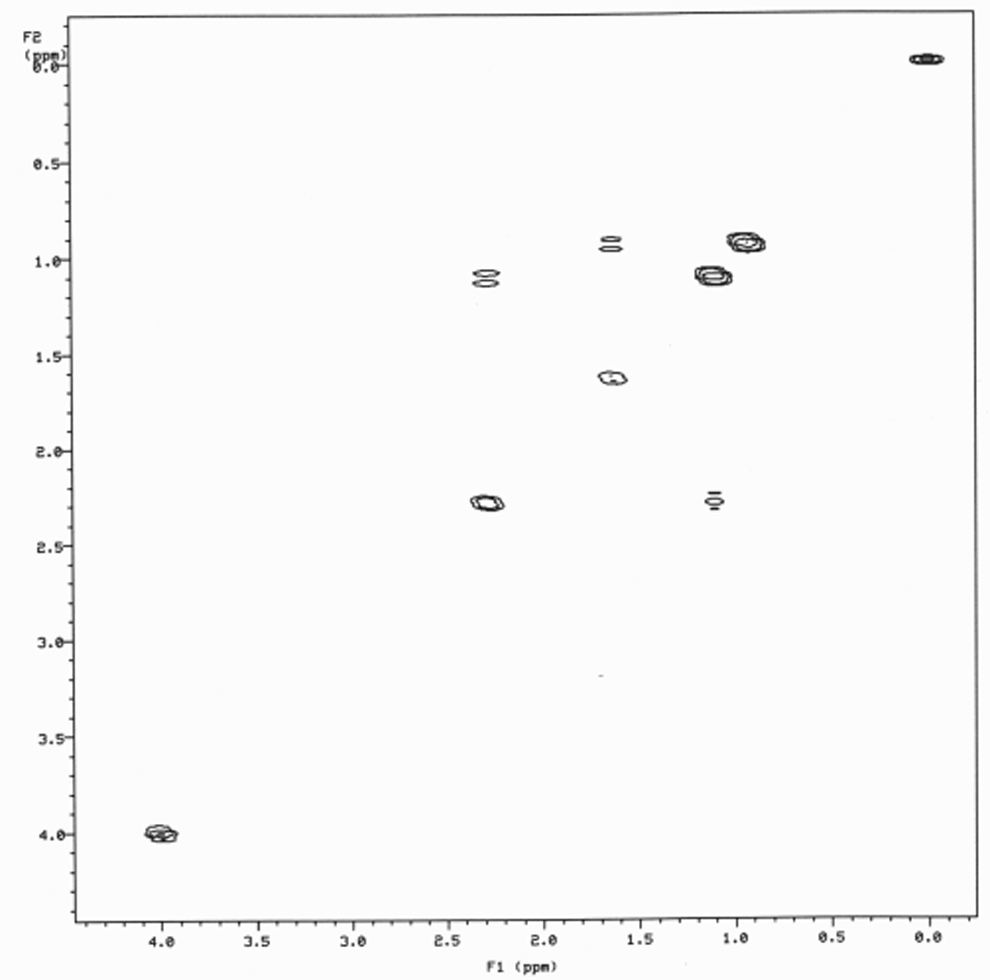
COSY
image of Propyl proprionate
WILL PASTE INTERPRETATION AFTER ONE WEEK……………….

Natural products from plants protect skin during cancer radiotherapy


Ralph Turchiano's avatarCLINICALNEWS.ORG

PUBLIC RELEASE DATE:

24-Jul-2014
Radiotherapy for cancer involves exposing the patient or their tumor more directly to ionizing radiation, such as gamma rays or X-rays. The radiation damages the cancer cells irreparably. Unfortunately, such radiation is also harmful to healthy tissue, particularly the skin over the site of the tumor, which is then at risk of hair loss, dermatological problems and even skin cancer. As such finding ways to protect the overlying skin are keenly sought.

Writing in the International Journal of Low Radiation, Faruck Lukmanul Hakkim of the University of Nizwa, Oman and Nagasaki University, Nagasaki, Japan, and colleagues there and at Macquarie University, New South Wales, Australia, Bharathiar University, India and Konkuk University, South Korea, explain how three ubiquitous and well-studied natural products derived from plants can protect the skin against gamma radiation during radiotherapy.

View original post 295 more words

Sage Therapeutics receives fast track designation for status epilepticus therapy


Allopregnanolone.png

SAGE-547
 ALLOPREGNANOLONE

Sage Therapeutics (Originator)

Sage Therapeutics

For Epilepsy, status epilepticus

SGE-102; SAGE-547; allopregnanolone; allosteric GABA A receptor modulators (CNS disorders),

Sage Therapeutics receives fast track designation for status epilepticus therapy
Ligand Pharmaceuticals announced that its partner Sage Therapeutics has received fast track designation from the US Food and Drug Administration (FDA) for the Captisol-enabled SAGE-547 to treat status epilepticus.

read at

http://www.pharmaceutical-technology.com/news/newssage-therapeutics-receives-fast-track-designation-for-status-epilepticus-therapy-4324543?WT.mc_id=DN_News


Chemical Name:   (3α)-Allopregnanolone
Synonyms:   (+)-3α-Hydroxy-5α-pregnan-20-one; (3α,5α)-3-Hydroxypregnan-20-one; 3α,5α-THP; 3α,5α-Tetrahydroprogesterone; 3α-Hydroxy-5α-dihydroprogesterone; 3α-Hydroxy-5α-pregnan-20-one; 3α-Hydroxy-5α-pregnane-20-one; 5α-Pregnan-3α-ol-20-one; 5α-Pregnane-3α-ol-20-one; Allopregnan-3α-ol-20-one; Allopregnanolone; Allotetrahydroprogesterone;
CAS Number:   516-54-1
Applications:   (3α)-Allopregnanolone acts as a GABAA receptor positive allosteric modulator. (3α)-Allopregnanolone is a metabolite of Progesterone (P755900). (3α)-Allopregnanolone is a neuroactive steroid present in the blood and also the brain.
References:   Puja, G. et al.: Neuron, 4, 759 (1990); Belelli, D. et ael. Neurosteroid, 6, 565 (2006); Viapiano, M. et al.: Neurochem. Res., 23, 155 (1998);
Mol. Formula:   C21H34O2
Appearance:   White Solid
Melting Point:   174-176°C
Mol. Weight:   318.49

SAGE-547 is a GABA(A) receptor modulator in phase I/II clinical trials at Sage Therapeutics as adjunctive therapy for the treatment of adults with super-refractory status epilepticus (SRSE).

In 2014, orphan drug designation was assigned in the U.S for the treatment of status epilepticus. In July 2014, fast track designation was received in the U.S. for the treatment of adults with super-refractory status epilepticus (SRSE).

July 22, 2014

SAGE Therapeutics, a biopharmaceutical company developing novel medicines to treat life-threatening, rare central nervous system (CNS) disorders, announced today that the U.S. Food and Drug Administration (FDA) has granted fast track designation to the SAGE-547 development program. SAGE-547 is an allosteric modulator of GABAA receptors in development for the treatment of adult patients with refractory status epilepticus who have not responded to standard regimens (super-refractory status epilepticus, or SRSE). SAGE is currently evaluating SAGE-547 in a Phase 1/2 clinical trial for the treatment of SRSE. Preliminary data indicate that the first four patients enrolled in the clinical trial met the key efficacy endpoint, in that each was successfully weaned off his or her anesthetic agent while SAGE-547 was being administered. There have also been no reported drug-related serious adverse events in these four patients to date.

“The fast track designation for SAGE-547 recognizes the significant unmet need that exists in the treatment of super-refractory status epilepticus,” said Jeff Jonas, MD, chief executive officer of SAGE Therapeutics. “The receipt of orphan drug designation earlier this year for status epilepticus and the fast track designation are both significant regulatory milestones for SAGE-547, and we will continue to work closely with the FDA to advance our lead compound and the additional programs in our pipeline for the treatment of life-threatening CNS disorders.”

Fast track designation is granted by the FDA to facilitate the development and expedite the review of drug candidates that are intended to treat serious or life-threatening conditions and that demonstrate the potential to address unmet medical needs.

About SAGE-547

SAGE-547 is an allosteric modulator of both synaptic and extra-synaptic GABAA receptors. GABAA receptors are widely regarded as validated drug targets for a variety of CNS disorders, with decades of research and multiple approved drugs targeting these receptor systems. SAGE-547 is an intravenous agent in Phase 1/2 clinical development as an adjunctive therapy, a therapy combined with current therapeutic approaches, for the treatment of SRSE.

About Status Epilepticus (SE)

SE is a life-threatening seizure condition that occurs in approximately 150,000 people each year in the U.S., of which 30,000 SE patients die.1 We estimate that there are 35,000 patients with SE in the U.S. that are hospitalized in the intensive care unit (ICU) each year. An SE patient is first treated with benzodiazepines, and if no response, is then treated with other, second-line, anti-seizure drugs. If the seizure persists after the second-line therapy, the patient is diagnosed as having refractory SE (RSE), admitted to the ICU and placed into a medically induced coma. Currently, there are no therapies that have been specifically approved for RSE; however, physicians typically use anesthetic agents to induce the coma and stop the seizure immediately. After a period of 24 hours, an attempt is made to wean the patient from the anesthetic agents to evaluate whether or not the seizure condition has resolved. Unfortunately, not all patients respond to weaning attempts, in which case the patient must be maintained in the medically induced coma. At this point, the patient is diagnosed as having SRSE. Currently, there are no therapies specifically approved for SRSE.

About SAGE Therapeutics

SAGE Therapeutics (NASDAQ: SAGE) is a biopharmaceutical company committed to developing and commercializing novel medicines to treat life-threatening, rare CNS disorders. SAGE’s lead program, SAGE-547, is in clinical development for super-refractory status epilepticus and is the first of several compounds the company is developing in its portfolio of potential seizure medicines. SAGE’s proprietary chemistry platform has generated multiple new compounds that target GABAA and NMDA receptors, which are broadly accepted as impacting many psychiatric and neurological disorders. SAGE Therapeutics is a public company launched in 2010 by an experienced team of R&D leaders, CNS experts and investors. For more information, please visitwww.sagerx.com.

Allopregnanolone
Allopregnanolone.png
Identifiers
PubChem 262961
ChemSpider 17216124 Yes
ChEMBL CHEMBL38856 
Jmol-3D images Image 1
Properties
Molecular formula C21H34O2
Molar mass 318.49 g/mol


Allopregnanolone (3α-hydroxy-5α-pregnan-20-one or 3α,5α-tetrahydroprogesterone), generally abbreviated as ALLO or as 3α,5α-THP, is an endogenous inhibitory pregnane neurosteroid.[1] It is synthesized from progesterone, and is a potent positive allosteric modulator of the GABAA receptor.[1] Allopregnanolone has effects similar to those of other potentiators of the GABAA receptor such as the benzodiazepines, including anxiolytic, sedative, and anticonvulsant activity.[1]

The 21-hydroxylated derivative of this compound, tetrahydrodeoxycorticosterone (THDOC), is an endogenous inhibitory neurosteroid with similar properties to those of allopregnanolone, and the 3β-methyl analogue of allopregnanolone, ganaxolone, is under development to treat epilepsy and other conditions.[1]

Biosynthesis

The biosynthesis of allopregnanolone starts with the conversion of progesterone into 5α-dihydroprogesterone by 5α-reductase type I. After that, 3α-hydroxysteroid dehydrogenase converts this intermediate into allopregnanolone.[1]

Depression, anxiety, and sexual dysfunction are frequently-seen side effects of 5α-reductase inhibitors such as finasteride, and are thought to be caused, in part, by interfering with the normal production of allopregnanolone.[2]

Mechanism

Allopregnanolone acts as a potent positive allosteric modulator of the GABAA receptor.[1] While allopregnanolone, like other inhibitory neurosteroids such as THDOC, positively modulates all GABAA receptor isoforms, those isoforms containing δ subunits exhibit the greatest potentiation.[1] Allopregnanolone has also been found to act as a positive allosteric modulator of the GABAA-ρ receptor, though the implications of this action are unclear.[3][4] In addition to its actions on GABA receptors, allopregnanolone, like progesterone, is known to be a negative allosteric modulator of nACh receptors,[5] and also appears to act as a negative allosteric modulator of the 5-HT3 receptor.[6] Along with the other inhibitory neurosteroids, allopregnanolone appears to have little or no action at other ligand-gated ion channels, including the NMDA, AMPA, kainate, and glycine receptors.[7]

Unlike progesterone, allopregnanolone is inactive at the nuclear progesterone receptor (nPR).[7] However, allopregnanolone can be intracellularly oxidized into 5α-dihydroprogesterone, which is an agonist of the nPR, and thus/in accordance, allopregnanolone does appear to have indirect nPR-mediated progestogenic effects.[8] In addition, allopregnanolone has recently been found to be an agonist of the newly-discovered membrane progesterone receptors (mPR), including mPRδ, mPRα, and mPRβ, with its activity at these receptors about a magnitude more potent than at the GABAA receptor.[9][10] The action of allopregnanolone at these receptors may be related, in part, to its neuroprotective and antigonadotropic properties.[9][11] Also like progesterone, recent evidence has shown that allopregnanolone is an activator of the pregnane X receptor.[7][12]

Similarly to many other GABAA receptor positive allosteric modulators, allopregnanolone has been found to act as an inhibitor of L-type voltage-gated calcium channels (L-VGCCs),[13] including α1 subtypes Cav1.2 and Cav1.3.[14] However, the threshold concentration of allopregnanolone to inhibit L-VGCCs was determined to be 3 μM (3,000 nM), which is far greater than the concentration of 5 nM that has been estimated to be naturally produced in the human brain.[14] Thus, inhibition of L-VGCCs is unlikely of any actual significance in the effects of endogenous allopregnanolone.[14] Also, allopregnanolone, along with several other neurosteroids, has been found to activate the G protein-coupled bile acid receptor (GPBAR1, or TGR5).[15] However, it is only able to do so at micromolar concentrations, which, similarly to the case of the L-VGCCs, are far greater than the low nanomolar concentrations of allopregnanolone estimated to be present in the brain.[15]

Function

Allopregnanolone possesses a wide variety of effects, including, in no particular order, antidepressant, anxiolytic, stress-reducing, rewarding,[16] prosocial,[17] antiaggressive,[18] prosexual,[17] sedative, pro-sleep,[19] cognitive and memory-impairing, analgesic,[20] anesthetic, anticonvulsant, neuroprotective, and neurogenic effects.[1]

Fluctuations in the levels of allopregnanolone and the other neurosteroids seem to play an important role in the pathophysiology of mood, anxiety, premenstrual syndrome, catamenial epilepsy, and various other neuropsychiatric conditions.[21][22][23]

Increased levels of allopregnanolone can produce paradoxical effects, including negative mood, anxiety, irritability, and aggression.[24][25][26] This appears to be because allopregnanolone possesses biphasic, U-shaped actions at the GABAA receptor – moderate level increases (in the range of 1.5–2 nM/L total allopregnanolone, which are approximately equivalent to luteal phase levels) inhibit the activity of the receptor, while lower and higher concentration increases stimulate it.[24][25] This seems to be a common effect of many GABAA receptor positive allosteric modulators.[26][21] In accordance, acute administration of low doses of micronized progesterone (which reliably elevates allopregnanolone levels), have been found to have negative effects on mood, while higher doses have a neutral effect.[27]

Therapeutic applications

Allopregnanolone and the other endogenous inhibitory neurosteroids have very short half-lives, and for this reason, have not been pursued for clinical use themselves. Instead, synthetic analogs with improved pharmacokinetic profiles, such as ganaxolone, have been synthesized and are being investigated. However, exogenous progesterone, such as oral micronized progesterone (OMP), reliably elevates allopregnanolone levels in the body with good dose-to-serum level correlations.[28] Due to this, it has been suggested that OMP could be described as a prodrug of sorts for allopregnanolone.[28] As a result, there has been some interest in using OMP to treat catamenial epilepsy,[29] as well as other menstrual cycle-related and neurosteroid-associated conditions.

……………………………………….

http://www.google.com/patents/WO2006037016A2?cl=en

Materials and Methods

[0181] The materials and methods used for the follwing experiments have been described in Griffin L.D., et al, Nature Medicine 10: 704-711 (2004). This reference is hereby incorporated by reference in its entirety.

Example 1: Allopregnanolone Treatment of Niemann Pick type-C Mice Substantially Reduces Accumulation of the Gangliosides GMl, GM2, and GM3 in the Brain [0182] Mice were given a single injection of allopregnanolone, prepared in 20% βcyclodextrin in phosphate buffered saline, at a concentration of 25 mg/kg. The injection was on day 7 of life (P7, postnatal day 7). Concentrations of gangliosides GMl, GM2, GM3, were measured as well as other lipids such as ceramides and cerebrosides.

…………………………………………….

WO-2014031792 OR EQ

http://www.google.com/patents/US20140057885?cl=en

…………………………………….

WO-2013112605

http://www.google.com/patents/WO2013112605A2?cl=en

References

  1. Reddy DS (2010). “Neurosteroids: endogenous role in the human brain and therapeutic potentials”. Prog. Brain Res. 186: 113–37. doi:10.1016/B978-0-444-53630-3.00008-7. PMC 3139029. PMID 21094889.
  2. Römer B, Gass P (December 2010). “Finasteride-induced depression: new insights into possible pathomechanisms”. J Cosmet Dermatol 9 (4): 331–2. doi:10.1111/j.1473-2165.2010.00533.x. PMID 21122055.
  3. Morris KD, Moorefield CN, Amin J (October 1999). “Differential modulation of the gamma-aminobutyric acid type C receptor by neuroactive steroids”. Mol. Pharmacol. 56 (4): 752–9. PMID 10496958.
  4. Li W, Jin X, Covey DF, Steinbach JH (October 2007). “Neuroactive steroids and human recombinant rho1 GABAC receptors”. J. Pharmacol. Exp. Ther. 323 (1): 236–47. doi:10.1124/jpet.107.127365. PMID 17636008.
  5. Bullock AE, Clark AL, Grady SR, et al. (June 1997). “Neurosteroids modulate nicotinic receptor function in mouse striatal and thalamic synaptosomes”. J. Neurochem. 68 (6): 2412–23. PMID 9166735.
  6. Wetzel CH, Hermann B, Behl C, et al. (September 1998). “Functional antagonism of gonadal steroids at the 5-hydroxytryptamine type 3 receptor”. Mol. Endocrinol. 12 (9): 1441–51. doi:10.1210/mend.12.9.0163. PMID 9731711.
  7. Mellon SH (October 2007). “Neurosteroid regulation of central nervous system development”. Pharmacol. Ther. 116 (1): 107–24. doi:10.1016/j.pharmthera.2007.04.011. PMC 2386997. PMID 17651807.
  8. Rupprecht R, Reul JM, Trapp T, et al. (September 1993). “Progesterone receptor-mediated effects of neuroactive steroids”. Neuron 11 (3): 523–30. PMID 8398145.
  9. Thomas P, Pang Y (2012). “Membrane progesterone receptors: evidence for neuroprotective, neurosteroid signaling and neuroendocrine functions in neuronal cells”. Neuroendocrinology 96 (2): 162–71. doi:10.1159/000339822. PMC 3489003. PMID 22687885.
  10. Pang Y, Dong J, Thomas P (January 2013). “Characterization, neurosteroid binding and brain distribution of human membrane progesterone receptors δ and {epsilon} (mPRδ and mPR{epsilon}) and mPRδ involvement in neurosteroid inhibition of apoptosis”. Endocrinology 154 (1): 283–95. doi:10.1210/en.2012-1772. PMC 3529379. PMID 23161870.
  11. Sleiter N, Pang Y, Park C, et al. (August 2009). “Progesterone receptor A (PRA) and PRB-independent effects of progesterone on gonadotropin-releasing hormone release”. Endocrinology 150 (8): 3833–44. doi:10.1210/en.2008-0774. PMC 2717864. PMID 19423765.
  12. Lamba V, Yasuda K, Lamba JK, et al. (September 2004). “PXR (NR1I2): splice variants in human tissues, including brain, and identification of neurosteroids and nicotine as PXR activators”. Toxicol. Appl. Pharmacol. 199 (3): 251–65. doi:10.1016/j.taap.2003.12.027. PMID 15364541.
  13. Hu AQ, Wang ZM, Lan DM, et al. (July 2007). “Inhibition of evoked glutamate release by neurosteroid allopregnanolone via inhibition of L-type calcium channels in rat medial prefrontal cortex”. Neuropsychopharmacology 32 (7): 1477–89. doi:10.1038/sj.npp.1301261. PMID 17151597.
  14. Earl DE, Tietz EI (April 2011). “Inhibition of recombinant L-type voltage-gated calcium channels by positive allosteric modulators of GABAA receptors”. J. Pharmacol. Exp. Ther. 337 (1): 301–11. doi:10.1124/jpet.110.178244. PMC 3063747. PMID 21262851.
  15. Keitel V, Görg B, Bidmon HJ, et al. (November 2010). “The bile acid receptor TGR5 (Gpbar-1) acts as a neurosteroid receptor in brain”. Glia 58 (15): 1794–805. doi:10.1002/glia.21049. PMID 20665558.
  16. Rougé-Pont F, Mayo W, Marinelli M, Gingras M, Le Moal M, Piazza PV (July 2002). “The neurosteroid allopregnanolone increases dopamine release and dopaminergic response to morphine in the rat nucleus accumbens”. Eur. J. Neurosci. 16 (1): 169–73. PMID 12153544.
  17. Frye CA (December 2009). “Neurosteroids’ effects and mechanisms for social, cognitive, emotional, and physical functions”. Psychoneuroendocrinology. 34 Suppl 1: S143–61. doi:10.1016/j.psyneuen.2009.07.005. PMC 2898141. PMID 19656632.
  18. Pinna G, Costa E, Guidotti A (February 2005). “Changes in brain testosterone and allopregnanolone biosynthesis elicit aggressive behavior”. Proc. Natl. Acad. Sci. U.S.A. 102 (6): 2135–40. doi:10.1073/pnas.0409643102. PMC 548579. PMID 15677716.
  19. Terán-Pérez G, Arana-Lechuga Y, Esqueda-León E, Santana-Miranda R, Rojas-Zamorano JÁ, Velázquez Moctezuma J (October 2012). “Steroid hormones and sleep regulation”. Mini Rev Med Chem 12 (11): 1040–8. PMID 23092405.
  20. Patte-Mensah C, Meyer L, Taleb O, Mensah-Nyagan AG (February 2014). “Potential role of allopregnanolone for a safe and effective therapy of neuropathic pain”. Prog. Neurobiol. 113: 70–8. doi:10.1016/j.pneurobio.2013.07.004. PMID 23948490.
  21. Bäckström T, Andersson A, Andreé L, et al. (December 2003). “Pathogenesis in menstrual cycle-linked CNS disorders”. Ann. N. Y. Acad. Sci. 1007: 42–53. PMID 14993039.
  22. Guille C, Spencer S, Cavus I, Epperson CN (July 2008). “The role of sex steroids in catamenial epilepsy and premenstrual dysphoric disorder: implications for diagnosis and treatment”. Epilepsy Behav 13 (1): 12–24. doi:10.1016/j.yebeh.2008.02.004. PMID 18346939.
  23. Finocchi C, Ferrari M (May 2011). “Female reproductive steroids and neuronal excitability”. Neurol. Sci. 32 Suppl 1: S31–5. doi:10.1007/s10072-011-0532-5. PMID 21533709.
  24. Bäckström T, Haage D, Löfgren M, et al. (September 2011). “Paradoxical effects of GABA-A modulators may explain sex steroid induced negative mood symptoms in some persons”. Neuroscience 191: 46–54. doi:10.1016/j.neuroscience.2011.03.061. PMID 21600269.
  25. Andréen L, Nyberg S, Turkmen S, van Wingen G, Fernández G, Bäckström T (September 2009). “Sex steroid induced negative mood may be explained by the paradoxical effect mediated by GABAA modulators”. Psychoneuroendocrinology 34 (8): 1121–32. doi:10.1016/j.psyneuen.2009.02.003. PMID 19272715.
  26. Bäckström T, Bixo M, Johansson M, et al. (February 2014). “Allopregnanolone and mood disorders”. Prog. Neurobiol. 113: 88–94. doi:10.1016/j.pneurobio.2013.07.005. PMID 23978486.
  27. Andréen L, Sundström-Poromaa I, Bixo M, Nyberg S, Bäckström T (August 2006). “Allopregnanolone concentration and mood–a bimodal association in postmenopausal women treated with oral progesterone”. Psychopharmacology (Berl.) 187 (2): 209–21. doi:10.1007/s00213-006-0417-0. PMID 16724185.
  28. Andréen L, Spigset O, Andersson A, Nyberg S, Bäckström T (June 2006). “Pharmacokinetics of progesterone and its metabolites allopregnanolone and pregnanolone after oral administration of low-dose progesterone”. Maturitas 54 (3): 238–44. doi:10.1016/j.maturitas.2005.11.005. PMID 16406399.
  29. Orrin Devinsky; Steven Schachter; Steven Pacia (1 January 2005). Complementary and Alternative Therapies for Epilepsy. Demos Medical Publishing. pp. 378–. ISBN 978-1-934559-08-6.

Additional reading

  • Herd, MB; Belelli, D; Lambert, JJ (2007). Neurosteroid modulation of synaptic and extrasynaptic GABA(A) receptors. Pharmacol. Ther. 116(1):20-34. doi:10.1016/j.pharmthera.2007.03.007.

FDA Approves Ryanodex for the Treatment of Malignant Hyperthermia


Dantrolene Tanaka et al.svg

Dantrolene sodium

1-[[[5-(4-nitrophenyl)-2-furanyl]methylene]amino]-2,4-imidazolidinedione


VIEW THIS POST AT BELOW LINK UNTIL FORMATTING IS FIXED

http://www.allfordrugs.com/2014/07/24/fda-approves-ryanodex-for

-the-treatment-of-malignant-hyperthermia/


FDA Approves Ryanodex for the Treatment of Malignant Hyperthermia

WOODCLIFF LAKE, N.J.(BUSINESS WIRE) July 23, 2014 —

Eagle Pharmaceuticals, Inc. (“Eagle” or “the Company”)

(Nasdaq:EGRX) today announced that the U. S. Food and Drug Administration (FDA)

has approved Ryanodex (dantrolene sodium) for injectable

suspension indicated for

the treatment of malignant hyperthermia (MH), along

with the appropriate supportive measures.

MH is an inherited and potentially fatal disorder triggered

by certain anesthesia agents

in genetically susceptible individuals. FDA had designated

Ryanodex as an Orphan Drug in

August 2013. Eagle has been informed by the FDA that it will learn over the next four to

six weeks if it has been granted the seven year Orphan Drug market exclusivity.

read at

http://www.drugs.com/newdrugs/fda-approves-ryanodex-malignant-

hyperthermia-4058.html?utm_source=ddc&utm_medium=email&utm_

campaign=Today%27s+

news+summary+-+July+23%2C+2014


READ MORE AT

PATENTS,  CAS NO ETC

http://www.allfordrugs.com/2014/07/24/fda-approves-ryanodex-

for-the-treatment-of-malignant-hyperthermia/

Best practice paper on visual inspection to be published in September 2014


Best practice paper on visual inspection to be published in September 2014

The ECA working group on visual inspection, which was founded this year, is going to publish its first document during the ECA event Particles in Parenterals and beyond. Read more.

http://www.gmp-compliance.org/eca_mitt_4410_8398,Z-PEM_n.html 

Every fifth FDA Warning Letter includes deficiencies regarding Equipment


Every fifth FDA Warning Letter includes deficiencies regarding Equipment

The considered period from 2012 until the first quarter of 2014 pertains to both companies in and outside of the United States.

None of the 19 mentioned warning letters is solely due to deficiencies regarding equipment. However, the big picture shows the lack of understanding of FDA requirements relative to used production equipment. In almost every case there are references

to violations against requirements defined in 21 CFR 211.67 (equipment cleaning and maintenance),

such as the absence of a maintenance system or a maintenance system that doesn’t fulfill the requirements.

In one case scratches and rust in production boilers were found. In another case the authority found

obvious defects with regard to the condition of the equipment, and in addition objected to the complete

lack of plans for maintenance and maintenance/cleaning of the production building.

The routine calibration was found to be insufficient in another case, and records of calibration work carried out were even missing completely.

http://www.gmp-compliance.org/enews_4361_Every%20fifth%20FDA%20Warning%20

Letter%20includes%20deficiencies%20regarding%20Equipment_

8428,8526,8427,9087,Z-PEM_n.html

Follow New Drug Approvals on WordPress.com

Enter your email address to follow this blog and receive notifications of new posts by email.

Join 37.9K other subscribers

ORGANIC SPECTROSCOPY

Read all about Organic Spectroscopy on ORGANIC SPECTROSCOPY INTERNATIONAL 

DISCLAIMER

I , Dr A.M.Crasto is writing this blog to share the knowledge/views, after reading Scientific Journals/Articles/News Articles/Wikipedia. My views/comments are based on the results /conclusions by the authors(researchers). I do mention either the link or reference of the article(s) in my blog and hope those interested can read for details. I am briefly summarising the remarks or conclusions of the authors (researchers). If one believe that their intellectual property right /copyright is infringed by any content on this blog, please contact or leave message at below email address amcrasto@gmail.com. It will be removed ASAP