PROUD Indian WORLD RECORD VIEWS holder on THIS BLOG, ………live, by DR ANTHONY MELVIN CRASTO, Worldpeaceambassador, Worlddrugtracker, Helping millions, 100 million hits on google, pushing boundaries,2.5 lakh plus connections worldwide, 45 lakh plus VIEWS on this blog in 227 countries, 7 CONTINENTS ……A 90 % paralysed man in action for you, I am suffering from transverse mylitis and bound to a wheel chair, [THIS BLOG HOLDS WORLD RECORD VIEWS ] A PROUD INDIAN
DR ANTHONY MELVIN CRASTO, Born in Mumbai in 1964 and graduated from Mumbai University, Completed his Ph.D from ICT, 1991,Matunga, Mumbai, India, in Organic Chemistry, The thesis topic was Synthesis of Novel Pyrethroid Analogues, Currently he is working with AFRICURE PHARMA, ROW2TECH, NIPER-G, Department of Pharmaceuticals, Ministry of Chemicals and Fertilizers, Govt. of India as ADVISOR, earlier assignment was
with GLENMARK LIFE SCIENCES LTD, as CONSUlTANT, Retired from GLENMARK in Jan2022 Research Centre as Principal Scientist, Process Research (bulk actives) at Mahape, Navi Mumbai, India. Total Industry exp 32 plus yrs, Prior to joining Glenmark, he has worked with major multinationals like Hoechst Marion Roussel, now Sanofi, Searle India Ltd, now RPG lifesciences, etc. He has worked with notable scientists like Dr K Nagarajan, Dr Ralph Stapel, Prof S Seshadri, etc, He did custom synthesis for major multinationals in his career like BASF, Novartis, Sanofi, etc., He has worked in Discovery, Natural products, Bulk drugs, Generics, Intermediates, Fine chemicals, Neutraceuticals, GMP, Scaleups, etc, he is now helping millions, has 9 million plus hits on Google on all Organic chemistry websites. His friends call him Open superstar worlddrugtracker. His New Drug Approvals, Green Chemistry International, All about drugs, Eurekamoments, Organic spectroscopy international,
etc in organic chemistry are some most read blogs He has hands on experience in initiation and developing novel routes for drug molecules
and implementation them on commercial scale over a 32 PLUS year tenure till date Feb 2023, Around 35 plus products in his career. He has good knowledge of IPM, GMP, Regulatory aspects, he has several International patents published worldwide . He has good proficiency in Technology transfer, Spectroscopy, Stereochemistry, Synthesis, Polymorphism etc., He suffered a paralytic stroke/ Acute Transverse mylitis in Dec 2007 and is 90 %Paralysed, He is bound to a wheelchair, this seems to have injected feul in him to help chemists all around the world, he is more active than before and is pushing boundaries, He has 100 million plus hits on Google, 2.5 lakh plus connections on all networking sites, 100 Lakh plus views on dozen plus blogs, 227 countries, 7 continents, He makes himself available to all, contact him on +91 9323115463, email amcrasto@gmail.com, Twitter, @amcrasto , He lives and will die for his family, 90% paralysis cannot kill his soul., Notably he has 38 lakh plus views on New Drug Approvals Blog in 227 countries......https://newdrugapprovals.wordpress.com/ , He appreciates the help he gets from one and all, Friends, Family, Glenmark, Readers, Wellwishers, Doctors, Drug authorities, His Contacts, Physiotherapist, etc
He has total of 32 International and Indian awards
After the WHO had released the second draft of the guideline for the design of hold time studies in March already, it now released the final version as part of the Technical Report Series 992. Find out more about the Guideline for Hold Time Studies.
The GMP regulations require that raw materials, packaging materials, intermediate, bulk and finished products need to be stored under suitable conditions. This also includes the definition of maximum hold-times for intermediate and bulk products prior to their further processing. The definition of these times should be justified on the basis of scientific data. This guideline aims at reflecting aspects that…
Erlotinib is an EGFR inhibitor. The drug follows Iressa (gefitinib), which was the first drug of this type. Erlotinib specifically targets the epidermal growth factor receptor (EGFR)tyrosine kinase, which is highly expressed and occasionally mutated in various forms of cancer. It binds in a reversible fashion to the adenosine triphosphate (ATP) binding site of the receptor.[1] For the signal to be transmitted, two EGFR molecules need to come together to form a homodimer. These then use the molecule of ATP to trans-phosphorylate each other on tyrosine residues, which generates phosphotyrosine residues, recruiting the phosphotyrosine-binding proteins to EGFR to assemble protein complexes that transduce signal cascades to the nucleus or activate other cellular biochemical processes. By inhibiting the ATP, formation of phosphotyrosine residues in EGFR is not possible and the signal cascades are not initiated.
Erlotinib hydrochloride (1), chemically named as N-(3-ethynylphenyl)-6,7-bis-(2-meth- oxyethoxy)-4-qumazolimmine monohydro chloride, is an inhibitor of oncogenic and proto- oncogenic protein tyrosine kinases, e.g. epidermal growth factor receptor (EGFR). Erlotinib is therefore useful in the treatment of proliferative disorders and is currently marketed for the treatment of lung cancer and pancreatic cancer.
(Erlotinib Hydrochloride)
(1)
It has been reported that erlotinib hydrochloride can exist in different polymorphic forms. The manufacturing process for many pharmaceuticals is hindered by the fact that the organic compound which is the active ingredient can exist in more than one polymorphic form. It is essential in pharmaceutical development to ensure that the manufacturing process for the preparation of the active ingredient affords a single polymorph with a consistent level of polymorphic purity. If the manufacturing process produces a product with varying degrees of polymorphic purity and/ or or where the process does not control polymorphic inter-conversion, it could lead to serious problems in dissolution and/ or bioavailability in the finished pharmaceutical composition comprising the active ingredient, Erlotinibhydrochloride is disclosed in patent US 5,747,498 and details of the disclosed method for the preparation of erlotinib hydrochloride are described in Scheme 1.
Scheme 1
4-Chloro-6,7-bis-(2-methoxyed oxy)qiunazoline (2) was reacted with 3-emynylaniline (3) or its hydrochloride salt using various solvents and pyridine as a base to yield erlotinib hydrochloride (1) which was treated widi a biphasic mixture consisting of saturated aqueous NaHC03, chloroform and methanol, to formerlotinib base (4). The base (4) obtained in the organic phase was purified by flash chromatography to afford purified erlotinib base. The purified base was further treated with hydrochloric acid in the presence of diethyl ether and chloroform to yield erlotinib hydrochloride.
This isolation of purified erlotinib base required the use of a lengthy workup process including column chromatography and required the chlorinated solvent, chloroform, which is not particularly suitable £01 commercial production of pharmaceuticals. Furthermore, the p irification by column chromatography is neither economical nor feasible at industrial scale. In addition, substantially pure erlotinib could not be obtained.
Two crystalline forms of erlotinib hydrochloride (polymorph A and polymorph B), were characterized by XRPD in patent application, WO 01/34574. Erlotinib hydrochloride can be obtained in form A or in a mixture of polymorph A and B, by refluxing 3-ethynylaniline and 4-chloro-6,7-bis-(2-methoxyemoxy)-qitiiiazoline in a mixture of toluene and acetonitrile. This afforded polymorph A or a mixture of polymorph A and B. It was also disclosed that the formation of polymorph A was favoixred by reducing the amounts of acetonitrile with respect to toluene.
Furthermore, erlotinibhydrochloride polymorph A can be converted into polymorph B by refluxing the polymorph A with alcohol/water. Consequently, in the disclosed methods, there was always contamination of form A with form B and vice-versa. In addition, the products of the reaction are not chemically pure and difficult to purify thereafter. Consequently, these methods are not suitable for preparation of commercial quantities of pure polymorph A.
A process for the preparation of erlotinib hydrochloride, polymorph E by condensation reaction of 3-emynylaiiiline and 4-chloro-6,7-bis-(2-memoxyethoxy)quii azoline in ( , , )- trifiuorotoluene and HC1 was disclosed in U.S. Patent application 2004/0162300. Polymorph E was characterized by XRPD, IR and melting point. However, (α,α,α)- trifluorotoluene is a highly flammable and dangerous solvent for the environment and is not suitable for commercial production. A process for the preparation of erlotinib hydrochloride, polymorph A by reaction of erlotinib base widi aqueous or gaseous HC1 was disclosed in US 2009/0131665. In this method, toluene, a mixture of toluene and methanol, TBME, ethyl acetate, 1-butanol or MIBK were used as a solvent.
However, when DCM, diethyl ether, isopropyl acetate, was used as a solvent, polymorph B was formed. In practice, it has been found that the disclosed methods are inconsistent and afford polymorphic mixtures. In particular, example 1 of US 2009/131665 was repeated and erlotinib hydrochloride was obtained with only 97% purity. In addition, XRPD analysis showed d at the example afforded form B or mixtures of forms A and B. Furthermore, several crystallizations of erlotinib hydrochloride, obtained from repetition of the example, using various solvents and their combinations would not yield a product pure enough to comply with ICH guidelines.
A process for the preparation of a hydrate of erlotinib hydrochloride comprising crystallization of erlotinib hydrochloride using water as solvent, preferably in the absence of organic solvent was disclosed in US 20080167327. This patent also disclosed the process to prepare hemihydrate polymorph form I as well as form II.
A process for the preparation of erlotinib hydrochloride, polymorph M, N and P by reaction of erlotinib base and aqueous or gaseous HC1 dissolved in organic solvents was disclosed in WO 2008/102369.
A process for the preparation of erlotinib hydrochloride by condensation reaction of 4- chloro~6,7-bis-(2-me oxyemoxy)-quinazoline and 3-ethynylaniline in isopropyl alcohol as a solvent and pyridine as a base was disclosed in Molecules Journal (Vol, 11, 286, 2006) but no details on the polymorph were disclosed.
A method for the preparation of erlotinib hydrochloride polymorph A comprising passing hydrochloride gas onto solid erlotinib base containing residual amounts of isopropanol was disclosed in WO 2010/040212. However, in practice it was found that the process did not afford chemically or polymorphically pure product. Repetition of example 1 (page 8) of WO 2010/040212 to prepare erlotinibhydrochloride, by reaction of erlotinib base and gaseous HQ in IPA as a solvent, afforded a mixture of polymorph A and polymorph B (as checked by XRPD).
A process for the preparation of acid salts of erlotinib by reaction of 4-chloro-6,7-bis-(2- memoxyemoxy)-quinazoline and 3-emynykniline or an acid salt of 3-emynylaniline under acidic conditions to form the corresponding erlotinib salt was disclosed in US 2010/0094004.
In order to complete the reaction, several hours (6 hours) of reflux was required and hence it is not a cost effective process. In addition, in practice it was found that the process did not afford chemically or polymorplxLcally pure product. A process £oi the preparation of erlotinib base, polymorph Gl, G2 and G3 was disclosed in WO 2009/002538 and WO 2010/05924.
Scheme 2
A method for the preparation of eiiotinib hydrochloride was disclosed in US 2009/0306377. The method, illustrated in Scheme 2, involves treating 6,7-dimethoxy- 4(3H)-quinazolone (5) with hydrobiOmic acid or pyridine-hydrochloric acid to afford 6,7- dihydroxy-4(3H)-quinazolone (6), which was diacetylated with acetic anhydride to afford diester (7), which was treated with oxalyl chloride/DMF to afford 4-chloro-6,7- ctiacetoxyquinazoline (8). Compound (8) was condensed with 3-e ynylaniline to afford JV- (3-ethynylphenyl)-6,7-dihydfoxy-4-quinazolinamine hydrochloride (9), which was converted into the diol N-(3-emynylphenyl)-6,7-dmyckOxy-4-quinazolinamine (10) by treatment with aqueous ammonia/methanol.
The diol (10) was treated with 2-iodo-ethylmethyl ether to yield compound (4) which on treatment with HC1 afforded erlotinib hydrochloride (1). However, this preparation of erlotinib hydrochloride is a long synthetic route and gives low yields and requires very toxic reagents like pyridine, HBi and controlled reagents like acetic anhydride. Hence, it is not suitable for large scale production. Object of the invention
The priot art processes described above for the preparation of erlotinib and its salts have major disadvantages with respect to the formation and removal of process related chemical and polymorphic impurities; poor commercial viability due to die use of hazardous reactants; expensive, time consuming separation methods such as column chromatography and/ or low yields and purity of final and intermediate products.
As the commercial production of erlotinib hydrochloride is of great importance, for the treatment of cancer, and in view of the above disadvantages associated with the prior art there is a real need for alternative and improved processes for the preparation of erlotinib hydrochloride which do not involve multiple steps and further eliminates the need for cumbersome purification techniques, particularly for the removal of the chemical and polymorphic impurities. The alternative processes must be economical and high yielding and provide erlotinib and its salts with a high degree of chemical and polymorphic purity.
U.S. Patent No. 5,747,498 disclosed 4-(substituted phenylamino) quinazoline derivatives, processes for their preparation, pharmaceutical compositions in which they are present and method of use thereof. These compounds are Tyrosine Kinase Inhibitors and are useful in the treatment of hyperproliferative diseases, such as cancers, in mammals. Among them, erlotinib hydrochloride, chemically N-(3-ethynylphenyl)-6,7-bis(2-methoxy ethoxy)-4-quinazolinamine hydrochloride is a selective inhibitor of the erbB family of oncogenic and protooncogenic protein tyrosine kinases, such as epidermal growth factor receptor (EGFR), and is useful for the treatment of proliferative disorders, such as cancers, particularly non small cell lung cancer, pancreatic cancer, ovarian cancer, breast cancer, glioma, head cancer or neck cancer.
Polymorphism is defined as “the ability of a substance to exist as two or more crystalline phases that have different arrangement and /or conformations of the molecules in the crystal Lattice. Thus, in the strict sense, polymorphs are different crystalline forms of the same pure substance in which the molecules have different arrangements and / or different configurations of the molecules”. Different polymorphs may differ in their physical properties such as melting point, solubility, X-ray diffraction patterns, etc. Polymorphic forms of a compound can be distinguished in the laboratory by analytical methods such as X-ray diffraction (XRD), Differential Scanning Calorimetry (DSC) and Infrared spectrometry (IR).
Solvent medium and mode of crystallization play very important role in obtaining a crystalline form over the other.
Erlotinib hydrochloride can exist in different polymorphic forms, which differ from each other in terms of stability, physical properties, spectral data and methods of preparation.
The U.S. Patent No. 5,747,498 (herein after referred to as the ‘498 patent) makes no reference to the existence of specific polymorphic forms of erlotinibhydrochloride. In this patent, it is disclosed that the compound is isolated according to conventional techniques; more precisely, according to the embodiments exemplified, crude erlotinib hydrochloride residue (obtained by reaction of 4-chloro-6,7-bis-(2-methoxyethoxy)-quinazoline with 3-ethynylaniline or its hydrochloride salt in a solvent such as a d-Cβ-alcohol, dimethylformamide, N-methylpyrrolidin-2-one, chloroform, acetonitrile, tetrahydrofuran, 1,4-dioxane, pyridine or other aprotic solvents, preferably isopropanol) is basified with saturated aqueous NaHCO3 in the presence of methanol and chloroform followed by flash chromatography on silica using 30% acetone in hexane to afford erlotinib free base, which is further treated with hydrochloric acid in the presence of diethyl ether and chloroform to give erlotinib hydrochloride (melting point: 228° – 2300C).
PCT Patent Publication No. WO 99/55683 disclosed erlotinib mesylate anhydrate and hydrate polymorphic forms, their method of preparation and pharmaceutical compositions containing thereof.
PCT Patent Publication No. WO 01/34574 A1 (herein after referred to as the ‘574 patent publication) described two crystalline forms of erlotinib hydrochloride (polymorph A and polymorph B), characterized by powder X-ray diffraction (p-XRD) pattern. The publication further taught that the synthetic procedure described and exemplified in the ‘498 patent produces the erlotinib hydrochloride as a mixture of the polymorphs A and B.
TARCEVA (erlotinib), a kinase inhibitor, is a quinazolinamine with the chemical name N-(3-ethynylphenyl)-6,7-bis(2-methoxyethoxy)-4-quinazolinamine. TARCEVA contains erlotinib as the hydrochloride salt that has the following structural formula:
Erlotinib hydrochloride has the molecular formula C22H23N3O4•HCl and a molecular weight of 429.90. The molecule has a pKa of 5.42 at 25oC. Erlotinib hydrochloride is very slightly soluble in water, slightly soluble in methanol and practically insoluble in acetonitrile, acetone, ethyl acetate and hexane.
Aqueous solubility of erlotinib hydrochloride is dependent on pH with increased solubility at a pH of less than 5 due to protonation of the secondary amine. Over the pH range of 1.4 to 9.6, maximal solubility of approximately 0.4 mg/mL occurs at a pH of approximately 2.
Erlotinib is a Human Epidermal Growth Factor Receptor Type 1 /Epidermal Growth Factor Receptor (HER1/EGFR) tyrosine kinase inhibitor.
Erlotinib is described chemically as N-(3-ethynylpheny!)-6,7-bis(2- methoxyethoxy)quinazolin-4-amine, and its hydrochloride salt is represented by the compound of Formula I.
Erlotinib is disclosed in EP0817775 which also a discloses process for its preparation, which involves adding 3-ethynylaniline and 4-chloro-6,7-bis(2-methoxyethoxy)quinazoline in isopropanol containing pyridine and then refluxing the mixture for 4 hours under the atmosphere of dry nitrogen. The solvent is removed and residue is extracted in 10% methanol in CHCI3 and saturated aqueous NaHCO3. N-(3-ethynylphenyl)-6,7-bis(2- methoxyethoxy)quinazolin-4-amine base is separated chromatographically and converted to the hydrochloride salt in a solvent such as CHCI3 using hydrochloric acid.
EP1044969 claims a method for preparing intermediates and compounds covering erlotinib. This patent discloses a process for preparing N-(3-ethynylphenyl)-6,7-bis(2- methoxyethoxy)quinazolin-4-amine which involves stirring 4-[3-[[6,7-bis(2-methoxyethoxy)- 4-quinazolinyl]amino]phenyl]-2-methyl-3-butyn-2-ol with anhydrous sodium hydroxide and 2-methoxyethanol and heating at reflux for 47 hours. The reaction mixture is cooled to 20- 25°C and concentrated HCI is added to it. The resulting mixture is granulated at 20-25°C to crystallize the product.
Indian patent application 902/CHE/2006 discloses a process for preparation of N-(3- ethynylphenyl)-6,7-bis(2-methoxyethoxy)quinazolin-4-amine hydrochloride. The process involves reacting 3,4-dihydroxy benzaldehyde with substituted ethylmethyl ether in the presence of an inert solvent and base to obtain 3,4-bis(2-methoxyethoxy) benzaldehyde. This 3,4-bis(2-methoxyethoxy) benzaldehyde is converted to 3,4-bis(2-methoxyethoxy) benzaldoxime in the presence of a base and organic solvent and is further dehydrated to 3,4-bis(2-methoxyethoxy) benzonitrile. The benzonitrile so obtained is nitrated to obtain 4,5-bis(2-methoxyethoxy)-2-nitrobenzonitrile which is further reduced to obtain 2-amino- 4,5-bis(2-methoxyethoxy) benzonitrile. N’-(3-ethynylphenyl)-N,N-dimethyl formamidine obtained on formylation of 3-ethynylaniline with N,N-dimethyl formamidine is coupled with 2-amino-4,5-bis(2-methoxyethoxy) benzonitrile to obtain erlotinib free base which on treatment with a polar solvent containing hydrochloric acid gives erlotinib hydrochloride.
Indian patent application 904/CHE/2006 also discloses a process for preparation of N-(3- ethynylphenyl)-6,7-bis(2-methoxyethoxy)quinazolin-4-amine hydrochloride. The process involves reacting 3,4-dihydroxy benzaldehyde with substituted ethylmethyl ether in the presence of an inert solvent and base to obtain 3,4-bis(2-methoxyethoxy) benzaldehyde. This 3,4-bis(2-methoxyethoxy) benzaldehyde is converted to 3,4-bis(2-methoxyethoxy) benzaldoxime in the presence of a base and organic solvent and is further dehydrated to 3,4-bis(2-methoxyethoxy) benzonitrile. The benzonitrile so obtained is nitrated to obtain 4,5-bis(2-methoxyethoxy)-2~nitrobenzonitrile which is further reduced to get 2-amino-4,5- bis(2-methoxyethoxy) benzonitrile. 2-amino-4,5-bis(2-methoxyethoxy) benzonitrile is formylated with a formylating agent in the presence of formic acid derivative to obtain N’- [2-cyano-4,5-bis(2-methoxyethoxy)phenyl]-N,N-dimethylformamidine which is coupled with an aniline derivative to obtain erlotinib free base which on treatment with a polar solvent containing hydrochloric acid gives erlotinib hydrochloride.
EXAMPLES:
Example – 1a:
Preparation of Erlotinib Hydrochloride : 5.O g of 4-chloro-6,7-bis (2-methoxyethoxy) quinazoline was suspended in 75 ml water and 2.55 g of 3-aminophenyl acetylene was charged at 25 – 300C. Further 1.0 ml 50 % hydrochloric acid was added. The reaction mass was stirred at 25 – 300C for 2 hours. The solid obtained was filtered and washed with water. The product was dried at 40 – 45°C to obtain 6.1 g of erlotinib hydrochloride. In a similar manner, different solvents were used for preparing erlotinib hydrochloride under acidic conditions as given in table 1 below :
Table 1
Example – 2a:
Preparation of Erlotinib Hydrochloride :
5.0 g of 4-chloro-6,7-bis(2-methoxyethoxy) quinazoline was suspended in 75 ml of water and 2.55 g of 3-aminophenyl acetylene was added at 25 – 300C followed by 1.0 ml of 50 % hydrochloric acid. The reaction mass was heated at 35 – 400C for 1 hour. The solid obtained was filtered and washed with water. The product was dried at 40 – 45°C to obtain 5.8 g of erlotinib hydrochloride.
In a similar manner, different solvents were used for preparing erlotinib hydrochloride under acidic conditions as given in table 2 below :
Table 2
Example – 3:
Preparation of Erlotinib Hydrochloride :
5 g of 4-chloro-6,7-bis(2-methoxyethoxy) quinazoline was suspended in 150 ml denatured spirit (SPDS) and 4.6 g of 3-aminophenyl acetylene was charged at 25 – 300C. Further 1.0 ml of methane sulphonic acid was added. The reaction mass was stirred at 25 – 300C for 3 hours. Solid obtained was filtered, washed with SPDS and dried under vacuum. This solid was suspended in water, basified with ammonia and stirred for 10 minutes. The resulting erlotinib base was isolated, washed with water and dried under vacuum. The base was suspended in water and acidified to pH 1.0 – 2.0 using hydrochloric acid. The reaction mixture was stirred for 2 hours, filtered, washed with water and dried at 40 – 450C to obtain 5.8 g of erlotinib hydrochloride.
Example – 4: Preparation of Erlotinib Hydrochloride :
10.0 g of 4-chloro-6,7-bis(2-methoxyethoxy) quinazoline was suspended in 300 ml methanol and 9.2 g of 3-aminophenyl acetylene was charged at 25 – 300C. Further 2.0 ml of benzoic acid was added. The reaction mass was stirred at 25 – 300C for 4 hours. Solid obtained was filtered, washed with methanol and dried under vacuum. This solid was suspended in water and then basified with sodium hydroxide and stirred for 10 minutes. The resulting erlotinib base was isolated, washed with water and dried under vacuum. The base was suspended in water and acidified to pH 1.0 – 2.0 using hydrochloric acid. The reaction mixture was stirred for 2 hours, filtered, washed with water and dried to obtain 11.2 g of erlotinib hydrochloride. Example – 5:
Preparation of Erlotinib Hydrochloride :
15.0 g of 4-chloro-6,7-bis(2-methoxyethoxy) quinazoline was suspended in 450 ml ethanol and 13.8 g of 3-aminophenyl acetylene was added at 25 – 30°C. Further 3.0 g tartaric acid was added. The reaction mass was stirred at 25 – 300C for 6 hours. Solid obtained was filtered, washed with water and dried under vacuum. This solid was suspended in water, basified with potassium hydroxide and stirred for 10 minutes. The resulting erlotinib base was isolated by filtration, washed with ethanol and dried under vacuum. The solid obtained was then suspended in water and acidified to pH 1.0 – 2.0 using hydrochloric acid. The reaction mixture was stirred for 2 hours, filtered, washed with water and dried at 40 – 45°C to obtain 18.3 g of erlotinib hydrochloride.
Example – 6: Preparation of Erlotinib Hydrochloride :
50 g of 4-chloro-6,7-bis(2-methoxyethoxy) quinazoline was suspended in 1500 ml acetonitrile and 46 g of 3-aminophenyl acetylene was added at 25 – 300C, followed by 10 ml acetic acid. The reaction mass was stirred at 25 – 30°C for 30 minutes. Solid obtained was filtered, washed with water and dried under vacuum. This solid was suspended in water, basified with potassium hydroxide and stirred for 10 minutes. The resulting erlotinib base was isolated, washed with acetonitrile and dried under vacuum. The solid obtained was then suspended in water and acidified to pH 1.0 – 2.0 using hydrochloric acid. The reaction mixture was stirred for 2 hours, filtered, washed with water and dried at 40 – 45°C to obtain 63 g of erlotinib hydrochloride.
An efficient, economical and large-scale convergent synthesis of epidermal growth factor receptor- tyrosine kinase inhibitors gefitinib (1, Iressa) and erlotinib (2, Tarceva) approved by U.S. FDA for the treatment of non-small-cell lung cancer is described. The formation of 4-anilinoquinazolines are achieved in a simple one-pot reaction of suitable formamidine intermediates and substituted anilines involving Dimroth rearrangement, thereby avoiding the need to make quinazolin-4(3H)-one intermediates, which require a large experimental inputs. Using this process, we have produced drug candidates 1 with overall yield of 66% from 4-methoxy-5-[3-(4-morpholinyl) propoxy]-2-nitrobenzonitrile (3) and 2 with 63% from 4,5-bis(2-methoxyethoxy)-2-nitrobenzonitrile (6) on a multigram scale.
2 as crude material, which was further recrystallized from ethyl acetate (1 L) and then with methanol (500 mL) to give off-white crystalline compound 2 (350 g, 66% yield). FREE BASE ERLOTINIB
Through a stirred suspension of erlotinib free base 2 (200 g) in methanol (2 L) was passed dry hydrochloric acid gas for ~0.5 h, keeping the temperature of the reaction mass at 15–20 °C. The solid precipitate was filtered and dried at 50 °C to give off-white crystalline material of erlotinib hydrochloride (9) (200 g, 92% yield).
Gefitinib is the first selective inhibitor of epidermal growth factor receptor‘s (EGFR) tyrosine kinase domain. Thus gefitinib is an EGFR inhibitor. The target protein (EGFR) is a family of receptors which includes Her1(erb-B1), Her2(erb-B2), and Her 3(erb-B3). EGFR is overexpressed in the cells of certain types of human carcinomas – for example in lung and breast cancers. This leads to inappropriate activation of the anti-apoptotic Ras signalling cascade, eventually leading to uncontrolled cell proliferation. Research on gefitinib-sensitive non-small cell lung cancers has shown that a mutation in the EGFR tyrosine kinase domain is responsible for activating anti-apoptotic pathways.[1][2] These mutations tend to confer increased sensitivity to tyrosine kinase inhibitors such as gefitinib and erlotinib. Of the types of non-small cell lung cancer histologies, adenocarcinoma is the type that most often harbors these mutations. These mutations are more commonly seen in Asians, women, and non-smokers (who also tend to more often have adenocarcinoma).
The FDA approved Gefitinib in May 2003 for NSCLC a type of lung cancer,[5] Gefitinib is currently marketed in over 64 countries.
In June 2005 the FDA withdrew approval for use in new patients due to lack of evidence that it extended life.[6]
In Europe gefitinib is indicated since 2009 in advanced NSCLC in all lines of treatment for patients harbouring EGFR mutations. This label was granted after gefitinib demonstrated as a first line treatment to significantly improve progression-free survival vs. a platinum doublet regime in patients harbouring such mutations. IPASS has been the first of four phase III trials to have confirmed gefitinib superiority in this patient population.[7] In most of the other countries where gefitinib is currently marketed it is approved for patients with advanced NSCLC who had received at least one previous chemotherapy regime. However, applications to expand its label as a first line treatment in patients harbouring EGFR mutations is currently in process based on the latest scientific evidence.As at August 2012 New Zealand has approved gefitinib as first line treatment for patients with EGFR mutation for naive locally advanced or metastatic, unresectable NSCLC. This publicly funded for an initial 4 month term and renewal if no progression. [8]
In 2014 in the TRANSCOG study Petty et al., demonstarted gefitinib was effective in esophageal cancer patients whose tumours harboured additional copies of the EGFR gene.[9] While gefitinib has yet to be proven to be effective in other cancers, there is potential for its use in the treatment of other cancers where EGFR overexpression is involved.
Erlotinib is another EGFR tyrosine kinase inhibitor that has a similar mechanism of action to gefitinib.
Experimental Uses
In August 2013, the BBC reported that researchers in Edinburgh and Melbourne found, in a small-scale trial of 12 patients, that the effectiveness of Methotrexate for treating ectopic pregnancy was improved when Gefitinib was also administered.[10]
Studies
IPASS (IRESSA Pan-Asia Study) was a randomized, large-scale, double-blinded study which compared Gefitinib vs. carboplatin/ paclitaxel as a first line treatment in advanced NSCLC.[11] IPASS studied 1,217 patients with confirmed adenocarcinoma histology who were former or never smokers. A pre-planned sub-group analyses showed that progression-free survival (PFS) was significantly longer for Gefitinib than chemotherapy in patients with EGFR mutation positive tumours (HR 0.48, 95 per cent CI 0.36 to 0.64, p less than 0.0001), and significantly longer for chemotherapy than Gefitinib in patients with EGFR mutation negative tumours (HR 2.85, 95 per cent CI 2.05 to 3.98, p less than 0.0001). This, in 2009, was the first time a targeted monotherapy has demonstrated significantly longer PFS than doublet chemotherapy.
EGFR Diagnostic tests
Genzyme, QIAGEN, Argenomics S.A. & other companies make tests to detect EGFR mutations, designed to help predict which lung cancer patients may respond best to some therapies, including Gefitinib and Erlotinib.
The tests examine the genetics of tumors removed for biopsy for mutations that make them susceptible to treatment.
The EGFR mutation test may also help AstraZeneca win regulatory approval for use of their drugs as initial therapies. Currently the TK inhibitors are approved for use only after other drugs fail. In the case of gefitinib, the drug works only in about 10% of patients with advanced non-small cell lung cancer, the most common type of lung cancer.
Adverse effects
As gefitinib is a selective chemotherapeutic agent, its tolerability profile is better than previous cytotoxic agents. Adverse drug reactions (ADRs) are acceptable for a potentially fatal disease.
Iressa was approved and marketed from July 2002 in Japan, making it the first country to import the drug.
Gefitinib is an anilinoquinazoline which is useful in the treatment of a certain type of lung cancer (non-small cell lung cancer or NSCLC) that has not responded to chemotherapy. The chemical name for gefitinib is 4-(3′-chloro-4′-fluoroanilino)-7- methoxy-6-(3-morpholinopropoxy) quinazoline. Its structural formula is :
Gefitinib
The earliest known synthesis of gefitinib was first disclosed in the patent application WO 96/33980. The synthetic method employed is depicted in the following reaction scheme 1.
The process involves selective demethylation of 6,7-dimethoxy quinazoline-4-one using methanesulfonic acid and L-methionine to get its 6-hydroxyl derivative, which is protected by acetylation. The acetoxy compound is chlorinated and condensed with chloro-fluoroaniline. Hydrolysis of the acetoxy compound followed by etherification with 3-morpholinopropyl chloride gives crude gefitinib which is purified by column chromatography. The process suffers from many disadvantages as it involves several protection and deprotection steps. The selective demethylation using methionine results in isomeric impurities and has to be purified or else the impurity carries over to subsequent steps in the preparation of gefitinib making it more difficult to isolate a pure product. The process also leads to formation of an N-alkylated impurity at the final stage which must be separated by column chromatography to obtain gefitinib.
Several other approaches are also described in the literature to make gefitinib.
WO 2004/024703 discloses a process for the preparation of gefitinib starting from 3- hydroxy-4-methoxy benzonitrile which involves condensation of 3-hydroxy-4-methoxy benzonitrile with morpholino propyl chloride, nitration, reduction with sodium dithionite to amino compound, hydrolysis of nitrile to amide, cyclisation in the presence of formamide to obtain quinazoline, chlorination with phosphorous oxychloride and finally condensation with chloro-fluoro aniline to obtain gefitinib. The process involves multiple steps and hence is time consuming.
WO 2005/023783 discloses a process for the manufacture of gefitinib starting from 2- amino-4-methoxy-5-(3-morpholinopropoxy)benzonitrile. The process involves a rearrangement reaction of 3-(3-chloro-4-fluorophenyl)-7-methoxy-6-(3- morpholinopropoxy)3,4-dihydroqunazoline-4-imine. The process is not feasible industrially, as the basic raw material is not readily available on a commercial scale and involves the use of excess 3-chloro-4-fluoroaniline which is expensive. A further draw back of the process is in the isomerization of the 4-imine compound which requires anhydrous conditions at high temperature for a longer duration of 96 hours. All the problems associated with this prior art process are overcome by the novel process of the present invention.
WO2005/070909 discloses a process for the preparation of gefitinib starting from isovanillin as depicted in scheme 2
The WO’ 909 process has disadvantages as it forms cis-trans geometrical isomers of the oxime, which have different reactivities. Furthermore, the process uses a large excess of acetic anhydride to convert the oxime to the nitrile at higher temperature.
The patent applications 901 /CHE/2006 and 903/CHE/2006 disclose another route for preparing gefitinib starting from isovanillin. The process involves formation of a formamido compound [N’-[2-cyano-4-{3-(4-morpholinyl)propoxy}phenyl]-N,N-dimethyl formamide], which is unstable and may result in undesired impurities in the final condensation with 3-chloro-4-fluoro aniline, thereby making the process less feasible on an industrial scale. The processes disclosed in the prior art are cumbersome. Therefore, there exists a need for a more economical and efficient method of making gefitinib which is suitable for industrial scale-up.
The process of the present invention avoids use of reagents such as sodium dithionite, acetic anhydride and allows substantial reduction in the number of problems associated with these reagents.
…………………
CLIP
Gefitinib A mixture of compound 1 starting acid 1 is heated in a closed loop to obtain ammonium 2 in 2 classic resonant3 , the 7 – Bit methoxy given electron, so to 6 – position methoxy-electron density is low, so that the acidic conditions demethylase (with methionine and methanesulfonic acid) may optionally occur in the 6 – position, to give compound 4 , 4 of the phenolic hydroxyl group with an acetyl group after protection thionyl chloride to get five , five and six occurred SNAr reaction 7 , 7deacetylated with ammonia and chloride 8 reaction gefitinib.
Detailed Description of the Invention In an embodiment of the present invention, there is provided an improved synthesis of gefitinib from isovanillin , as depicted below in reaction scheme 3.
isovanillin Formula II Formula in
Formula V Formula IV
W
Gefitinib Formula I
An alternate route for the synthesis of gefitinib from isovanillin according to the present invention is depicted below in reaction scheme 4.
Nitration
Step a Step b
Isovanillin Formula VIII Formula IX
Formula XII Formula XI Formula X
Formula XIII Formula XIV
Example 1 :
Preparation of 4-(3′-chloro-4′-fluoroanilino)-7-methoxy-6-(3- morpholinopropoxy)-quinazoline (gefitinib) (formula I)
Methanol (1200 ml) and 6-(3-morpholino propoxy)-7-methoxy-4-chloro quinazoline (200gm) were stirred for 15 minutes at 25-300C, then a solution of 4-fluoro-3- chloroaniline in methanol (213 gm in 400 ml) was charged and refluxed for 6 hours. The reaction mass was cooled to 15-200C, hydrochloric acid (40 ml) was added drop wise, and stirred at 5-100C for 30 minutes. The solid obtained was filtered and washed with chilled methanol (150ml). The solid was dissolved in a mixture of toluene (30 volume) and methanol (5 volume), the reaction mass was concentrated to half the volume and cooled to 5-10°C. The solid obtained was filtered, washed with toluene (200 ml) and dried at 45-50°C to yield the title compound (183 gm, 70% yield).
Example 2: Preparation of 6-(3-morpholino propoxy)-7-methoxy-4- chloroquinazoline (formula VII)
DMF (3 It), 6-(3-chloropropoxy)-7-methoxy-4-chloro quinazoline (200 gm) and morpholine (210 gm), were heated to 70-750C for 6-8 hours. The reaction mass was cooled to room temperature, and methylene chloride (2.5 It) and water (2.5 It) were charged. The layers separated and the aqueous layer extracted with methylene chloride twice (500 ml). The combined methylene chloride layer was washed with water, dried over sodium sulphate (10 gm) and concentrated completely at 35-40°C to yield the title compound (200 gm, 85% yield).
Example 3: Preparation of 6-(3-chloropropoxy)-7-methoxy-4-chloroquinazoline (formula Vl)
6-(3-chloropropoxy)-7-methoxyquinazoline-4-one (400 gm), thionyl chloride (3.2 It) and DMF (100 ml) were refluxed for 7-8 hours. Thionyl chloride was distilled off completely under reduced pressure below 45°C. Methylene chloride (2.5 It) and water (1.5 It) were charged, stirred for 30 minutes at room temperature and the layers separated. The aqueous layer was extracted twice with methylene chloride (500 ml), the combined methylene chloride layer was washed with 1 % sodium bicarbonate solution (1 It), dried over sodium sulphate (20 gm) and concentrated under reduced pressure at 35-40°C. The residue was stirred with isopropyl alcohol (400 ml) at 40-450C for 1 hour, cooled to 0-50C, the solids filtered, washed with chilled isopropyl alcohol (200 ml) and dried under vacuum at 45°C to yield the title compound (406 gm, 95% yield).
Example 4: Preparation of 6-(3-chloropropoxy)-7-methoxyquinazoline-4-one (formula V)
2-amino-4-methoxy-5-(3-chloropropoxy)benzoic acid (450gm), formamide (2250 ml) and ammonium formate (200 gm) were heated to 170-1800C for 3-4 hours. The reaction mass was concentrated under reduced pressure at 140-1500C. The residue was stirred in methanol (1000 ml) at 45-50°C and cooled to 5-10°C. The solid obtained was filtered to yield the title compound (420 gm, 90% yield).
Example 5: Preparation of 2-amino-4-methoxy-5-(3-chloropropoxy) benzoic acid (formula IV)
a) Preparation of 3-(3-chloropropoxy)-4-methoxy-6-nitrobenzoic acid
Methanol (4 It), 3-(3-chloropropoxy)-4-methoxy-6-nitro benzaldehyde (560 gm) and 30% methanolic NaOH solution (5 ml) were heated to 450C. To this reaction mass 35% of H2O2 solution (1200 ml) was added drop wise in 3-4 hours maintaining a pH of 10.5 – 11.5 with 30% methanolic NaOH solution. The reaction mass was quenched into ice water (10 kg) and the pH adjusted to 2.0-3.0 using hydrochloric acid. The solid obtained was filtered, washed with 50% aqueous methanol (500 ml) and dried at 45-500C to yield the title compound (510 gm, 86% yield).
bi) Preparation of 2-amino-4-methoxy-5-(3-chloropropoxy)benzoic acid – using hydrogen gas
Ethyl acetate (3 It), Pd/C (50 gm) and 3-(3-chloropropoxy)-4-methoxy-6-nitrobenzoic acid (500 gm) were hydrogenated under a hydrogen pressure of 5-6 kg at 35-400C for 3-4 hours. The reaction mass was filtered and the clear filtrate was distilled under reduced pressure at 45-500C. To the residue, hexane (1 It) was charged, stirred at room temperature, the solids filtered and dried at 45-50°C to yield the title compound (403 gm, 90% yield). 5
(bii) Preparation of 2-amino-4-methoxy-5-(3-chloropropoxy)benzoic acid – using hydrazine hydrate
S-p-chloropropoxyH-methoxy-e-nitrobenzoic acid (100 gm), hydrazine hydrate (50 gms), neutral alumina (20gms), charcoal (10 gms), water (50 ml) and methanol (500
10 ml) were mixed together. The reaction mass was heated to 500C. A solution of ferric chloride (2 gms, 0.012M) in 50 ml methanol was introduced slowly at 55-600C. The reaction mass was filtered over hyflo and the clear filtrate evaporated. The residue obtained was dissolved in 1.0-lit ethyl acetate, washed organic extract with water, evaporated to obtain title compound. (75 gms, 83.6%)
15
(biii) Preparation of 2-amino-4-methoxy-5-(3-chloropropoxy)benzoic acid – using ammonium formate
3-(3-chloropropoxy)-4-methoxy-6-nitro benzoic acid (165 gms), 5% Paladium on carbon (16.5 gms) and DMF (0.66 lit) were mixed together. The reaction mass was heated to
20 400C. Ammonium formate (82.5 gms) was charged in lots maintaining temperature below 500C. The temperature of reaction mass slowly raised to 70°Cand maintained for 2 hours. The reaction mass was cooled to 300C and catalyst was removed by filtration and the clear filtrate evaporated. The residue was dissolved in ethyl acetate (0.825 lit), washed with water and evaporated to yield the title compound. (125 gms,
25 84.5%)
Example 6: Preparation of 3-(3-chloropropoxy)-4-methoxy-6-nitro benzaldehyde (formula III)
5-nitro isovanillin (500 gm), acetonitrile (3.5 Its), K2CO3 (750 gm) and 30 chlorobromopropane (780 gm) were refluxed for 4 hours. The reaction mass was filtered hot, washed with acetonitrile (1 It) and the filtrate was distilled off to remove solvent. The residue was dissolved in methylene chloride (4 It) and washed with water. Water (3 It) was charged to the methylene chloride layer, the pH adjusted to 7.0 to 7.5 with acetic acid, the methylene chloride layer separated, dried over sodium sulphate (50 gm) and distilled out completely under reduced pressure below 400C. The residue was stirred with 2 volumes of n-Hexane at 40-450C, cooled slowly to 0-50C, the solids filtered, washed with n-Hexane (250 ml) and dried at 40-450C to yield the title compound (638 gm, 92% yield).
Example 7: Preparation of 5-nitro isovanillin (formula II)
Isovanillin (500 gm) and acetic acid (1750 ml) were cooled to -5 to O0C. To this solution, nitric acid (750 ml) was charged slowly at -5 to O0C with stirring. The temperature of the reaction mass was slowly raised to 25-300C and maintained for 12 hours. The reaction mass was quenched into ice water (4 kg), the solids filtered and washed with water (2 It). The solids were stirred with a 1% sodium bicarbonate solution (1 It), filtered and dried at 45-500C. The solid was dissolved in 6 volumes of ethyl acetate, ethyl acetate was distilled off up to half the volume and 3 volumes of n-Hexane were charged slowly at 45-50°C. The reaction mass was cooled slowly to 0-5°C, maintained for 1 hour, the solids filtered, washed with 0.5 volumes of 1 :1 mixture of ethyl acetate: n-Hexane and dried at 45-500C to yield the title compound (423 gm, 65 % yield) .
Example 8: Preparation of Methyl-2-hydroxy-3-methoxy benzoate (formula VIII)
a) Preparation of 3-hydroxy-4-methoxy benzoic acid
Methanol (350 ml), isovanillin (50 gm) and 30% methanolic sodium hydroxide solution (1 ml), were heated to 450C. To this solution, 35% hydrogen peroxide solution (107 ml) was charged slowly maintaining pH at 10.5 to 11.5 using methanolic sodium hydroxide solution over a period of 2-3 hours. The reaction mass was quenched into chilled water (1 It) and the pH adjusted to 2-3 using hydrochloric acid. The solids were filtered, washed with 50% aqueous methanol (50 ml) and dried at 45-50°C to yield 3-hydroxy-4- methoxy benzoic acid.
b) Preparation of Methyl-2-hydroxy-3-methoxy benzoate
The solid obtained in step a), was refluxed with 10% methanolic hydrochloric acid solution (250 ml) for 6 hours. The reaction mass was quenched into chilled water (1 It) and repeatedly extracted with methylene chloride (250 ml). The combined methylene chloride layer was washed with water (100 ml * 2) and methylene chloride distilled out completely at 35-40°C. The residue was stirred in hexane (150 ml), at 25-300C. The solid obtained was filtered, washed with hexane (25 ml) and dried at 40-45°C to yield the title compound (50 gm, 83% yield).
Example 9: Preparation of Methyl-5-hydroxy-4-methoxy-2-nitro benzoate (formula
IX)
Methyl-2-hydroxy-3-methoxy benzoate (50 gm) and acetic acid (175 ml) were cooled to
0-5°C. To this solution, 70% nitric acid solution (75 ml) was charged slowly at 0-5°C under stirring and the reaction mass was further stirred for 18 hours. The reaction mass was quenched into chilled water (800 ml) and extracted repeatedly with methylene chloride (400 ml). The combined methylene chloride layer was washed with water, followed by 1% potassium carbonate solution (100 ml), dried over sodium sulphate and methylene chloride distilled off completely at 35-40°C. The residue was dissolved in 10% aqueous methanol (250 ml). The filtrate was gradually cooled to 0-5°C and maintained for 1 hour. The solid obtained was filtered, washed with 10% aqueous methanol (100 ml) and dried at 40-450C to yield the title compound (46 gm, 74% yield).
Example 10: Preparation of Methyl-2-amino-5-hydroxy-4-methoxy benzoate (X) Ethyl acetate (300 ml), methyl-5-hydroxy-4-methoxy-2-nitro benzoate (50 gm) and 10% palladium/carbon (5 gm) were hydrogenated under a hydrogen gas pressure of 5-6 kg for 4 hours. The reaction mass was filtered to remove catalyst. The filtrate was distilled off to remove solvent. The residue obtained was stirred in n-hexane (100 ml) at 0-5°C The solid obtained was filtered and washed with n-hexane (25 ml) to yield the title compound (40 gm, 93% yield).
Example 11 : Preparation of 6-hydroxy-7-methoxy-quinazoline-4-one (formula Xl)
Methyl-2-amino-5-hydroxy-4-methoxy benzoate (50 gm), methanol (400 ml) and formamidine acetate (30 gm) were refluxed for 10 hours. The reaction mass was gradually cooled to 5-10°C and stirred for 1 hour. The solid obtained was filtered and washed with methanol (150 ml) and dried at 50-55°C to yield the title compound (45 gm, 92% yield).
Example 12 : Preparation of Gefitinib
Acetonitrile (500 ml), N-(4-fluoro-3-chloro phenyl)-6-hydroxy-7-methoxy quinazoline-4- amine (50 gm), 3-morpholinopropyl chloride (35 gm) and tetrabutyl ammonium bromide (5 gm) were refluxed for 16 hours. The reaction mass was distilled off to remove acetonitrile completely at 40-45°C. To the residue, water (500 ml) was charged and stirred for 15 minutes at 25-300C. The solid obtained was filtered, washed with methanol (50 ml) and dried at 45-50°C. The crude solid was dissolved in a mixture of toluene (1200 ml) and methanol (200 ml). The reaction mass was distilled off under reduced pressure at 40-450C to 400 ml volume, cooled to 10-150C, stirred for 30 minutes, the solid filtered, washed with toluene (40 ml) and dried to yield gefitinib (28 gm, 40% yield).
The process of preperation of 4-(3-chloro-4-flurophenylamino)-7-methoxy-6-[3-(4-morpholinyl)propoxy]-quinazoline is substantially as herein described with reference to the foregoing example. a) 4-methoxy-3-[3-(4-morpholinyl)-propoxy] benzaldehyde: A mixture of 3-hydroxy -4- methoxy benzaldehyde (20g), 3- morpholinopropyl chloride (28g), potassium carbonate (50g) and DMF (140ml) was stirred and heated to 100°C for 3 hours. The reaction mixture was cooled and filtered. The filtrate was evaporated and the residue obtained was dissolved in ethyl acetate (200ml). The ethyl acetate layer was washed with water, dried over anhydrous sodium sulphate. Evaporation of ethyl acetate yielded 4-methoxy-3-[3-(4-morpholinyl)-propoxy] benzaldehyde (34.8 gms,95%) of the formula II. b) 4-methoxy -3[3-(4-morpholinyl)-propoxy] benzonitrile: The above 34.8 gms of compound was dissolved in 200 ml methanol, and to this added 34.8 g of hydroxylamine hydrochloride and 35 ml of pyridine. The reaction mixture was heated to reflux for 3 hours and then cooled to 10 °C. The material precipitated mass was filtered and the solid mass obtained was washed with chilled methanol (50ml) and dried at room temperature. To this dried material was added 2 volumes of acetic anhydride and heated to 110°C for 4 hours. Then quenched the reaction mass in water and adjusted the pH to 8.0 with sodium bicarbonate and extracted with methylene dichloride. Washed the methylene dichloride layer with water and dried over calcium chloride. On evaporation of the solvent 4-methoxy -3[3-(4-morphoinyl)-propoxy] benzonitrile (31 gms, 90%) of the formula III. NMR spectrum (CDCI3): 5 2.05 (m, 2H), 2.53 (m, 6H), 3.72 (m, 4H), 3.91 (s, 3H). 4.10(mf 2H), 6.89 (d, 1H), 7.25 (d, 1H), 7.28 (dd, 1H). c) 4-Methoxy-5-[3-(4-morpholinyl)-propoxy]- 2-nitro benzonitrile: The above compound (31 gms) of the formula III was dissolved in 30 ml of 70% nitric acid and this was added to 55°C preheated 30 ml of 70% nitric acid slowly over a period of 2 hours under stirring. After completion of the addition, continued stirring at the same temperature for further an hour. Cooled the reaction mixture and quenched in cool water and
adjusted the pH to 8.0. The precipitate obtained was filtered and washed with ice cold water and dried the material at 50°C to get 27 gms yellow solid 4-Methoxy-5-[3-(4-morphoiinyl)-propoxy]- 2-nitro benzonitrile (75%) of the formula IV. NMR spectrum (DMSO-d6): 5 2.18 (m, 2H), 3.26 (m, 4H), 3.53 (m, 4H), 3.99 (s, 3H), 4.04 (m, 2H), 4.29 (m, 2H), 7.73 (s, 1H), 7.91 (s, 1H). d) Synthesis of 2-amino-4-methoxy-5-(3-morpholinopropoxy) benzonitrile: To 4-methoxy-5-[3-(4-morpholinyl) propoxy]-2-nitro benzonitrile (10 g) was added acetic acid (75ml) and water(75ml), stirred the reaction mass for about 10 min, added Iron powder (7g) in portions over a period of 2hrs, Stirred the reaction mixture for about Vi hr at room temperature adjusted PH of the reaction mass to 8 using ammonia solution, extracted the material into ethylacetate, the organic layer was dried over sodium sulfate and concentrated to get product(6g) 1HNMR (CDCI3): 5 2.01 (m, 2H), 2.51 (m. 6H), 3.72 (t, 4H), 3.84 (s, 3H), 3.97 (t, 2H), 4.14 (brs, 2H), 6.23 (s, 1H), 6.85 (s, 1H). (e) Synthesis of N’-(3-chloro-4-fluorophenyl) N,N-dimethyl formamidine. To 3-chloro-4-flouro aniline (10g, 0.0687moles) was added Toluene (40ml), N,N-dimethylformamide dimethyl acetal (18.3ml, 0.1374moles) and acetic acid (0.5ml), heated the reaction mixture to 110°C and stirred for about 2hrs, distilled off toluene to yield dark brown liquid (11g) 1HNMR (CDCI3): 5 3.0 (s, 6H), 6.75 (m, 1H) 6.94 (m, 1H), 6.98 (m, 1H), 7.45 (s, 1H). (f) Synthesis of Gefitinib: To 2-amino-4-methoxy-5-(3-morpholinopropoxy) benzonitrile (5g, 0.0172moles) was added toluene (30ml), N’-(3-chloro-4-fluorophenyl) N, N-dimethyl formamidine (3.44g, 0.0172moles) and acetic acid (0.5ml) refluxed the reaction mixture for about 4hrs cooled the reaction mass to room temperature, toluene layer was separated washed with water and chilled toluene layer to yield crude gefitinib and which was further recrystallized from methano! to get pure off-white crystalline compound(3g) having the mp 194-198°C UV, IR, NMR spectral data together with elemental analysis is in complete agreement with those of standard substance of Gefitinib
An efficient, economical and large-scale convergent synthesis of epidermal growth factor receptor- tyrosine kinase inhibitors gefitinib (1, Iressa) and erlotinib (2, Tarceva) approved by U.S. FDA for the treatment of non-small-cell lung cancer is described. The formation of 4-anilinoquinazolines are achieved in a simple one-pot reaction of suitable formamidine intermediates and substituted anilines involving Dimroth rearrangement, thereby avoiding the need to make quinazolin-4(3H)-one intermediates, which require a large experimental inputs. Using this process, we have produced drug candidates 1 with overall yield of 66% from 4-methoxy-5-[3-(4-morpholinyl) propoxy]-2-nitrobenzonitrile (3) and 2 with 63% from 4,5-bis(2-methoxyethoxy)-2-nitrobenzonitrile (6) on a multigram scale.
Synthesis of Gefitinib[J]. CJPH, 2013, 44(11): 1081-1083..
Synthesis of Gefitinib
1. School of Chemical Engineering, Huaihai Institute of Technology, Lianyungang 222001; 2. Lianyungang Shenghe Biotechnology Limited Company, Lianyungang 222007
Gefitinib was synthesized from 3-hydroxy-4-methoxybenzaldehyde via conversion of aldehyde to nitrile, condensation with N-(3-chloropropy1)morpholine, nitration and reduction to give 2-amino-4-methoxy-5-(3-morpholin-4-ylpropoxy)benzonitrile, which was subjected to amidination with 3-chloro-4-fluoroaniline and cyclization in the presence of formic acid with an overall yield of about 44%.
…………..
Synthesis of Gefitinib
LV Tong-jie,OUYANG Gui-ping,MENG Xiang-bing,LIU Xiao-yu(Key Laboratory of Green Pesticide and Agriculture Bioengineering,Ministry of Education,Research and Development Center for fine Chemicals,Guizhou University,Guizhou Guiyang 550025,China)
The 4-(3-chloro-4-fluorophenylamino)-7-methoxy-6-[3-(4-morpholinyl)pro-poxy]quinazoline(Geifitinib,ZD1839) was synthesized from 3-hydroxy-4-methoxybenzaldehyde,through a seven-step procedure of condensation,conversion of aldehyde to nitrile,n-itration,reduction,cyclization,et al.,and the total yield reached 31.81%.The structure of the compound was characterized by IR,1H-NMR,13C-NMR,and MS.
Sordella R, Bell DW, Haber DA, Settleman J (August 2004). “Gefitinib-sensitizing EGFR mutations in lung cancer activate anti-apoptotic pathways”. Science305 (5687): 1163–7.doi:10.1126/science.1101637. PMID15284455.
Lynch, Thomas J.; Bell, Daphne W.; Sordella, Raffaella; Gurubhagavatula, Sarada; Okimoto, Ross A.; Brannigan, Brain W.; Harris, Patricia L.; Haserlat, Sara M.; Supko, Jeffrey G.; Haluska, Frank G.; Louis, David N.; Christiani, David C.; Settleman, Jeff; Haber, Daniel A (May 20, 2004). “Activating Mutations in the Epidermal Growth Factor Receptor Underlying Responsiveness of Non-Small-Cell Lung Cancer to Gefitinib”. NEJM350 (21): 2129–39. doi:10.1056/nejmoa040938.
Mok TS, Wu YL, Thongprasert S, et al, Gefitinib or carboplatin-paclitaxel in pulmonary adenocarcinoma. N Engl J Med 2009; 361: 947–957. Sebastian M, Schmittel A, Reck, M, First-line treatment of EGFR-mutated nonsmall cell lung cancer: critical review on study methodology, European Respiratory Review. 2014 Mar 1;23(131):92-105.
N-(3-chloro-4-fluorophenyl)-7-methoxy-6-(3-morpholinopropoxy)quinazoline-4-amine (gefitinib) represented by Chemical Formula 1 below is a quinazoline derivative useful in treatment of non-small cell lung cancer. The structure of gefitinib is shown in the following Chemical Formula 1.
[Chemical Formula 1]
WO 96/33980 discloses the gefitinib synthesis method as represented in Scheme 1 below.
[Scheme 1]
According to the synthesis method of Scheme 1, 6,7-dimethoxy quinazolin-4-one as a starting material is subjected to selective demethylation, condensation with chlorofluoroaniline and then etherification with 4-(3-morpholinopropyl)chloride, thereby synthesizing gefitinib. Because gefitinib thus synthesized contains an excess of an N-alkylated impurity, that is, N-(3-chloro-4-fluorophenyl)-7-methoxy-6-(3-morpholinopropoxy)-N-(3-morpholinopropyl)quinazoline-4-amine in the final step, the impurity should be separated via column chromatography, undesirably lowering the yield and making it difficult to achieve commercial production.
To solve such problems, WO 2004/024703 discloses a method of synthesizing gefitinib from a start material of 3-hydroxy-4-methoxy benzonitrile as shown in Scheme 2 below.
[Scheme 2]
In the synthesis method of Scheme 2, a morpholinopropyl group is introduced before forming a quinazoline ring, thus suppressing the production of N-(3-chloro-4-fluorophenyl)-7-methoxy-6-(3-morpholinopropoxy)-N-(3-morpholinopropyl)quinazoline-4-amine which is the N-alkylated impurity. However, reduction of a nitro compound, formation of a quinazoline ring, and chlorination of the quinazoline ring in the final step to carry out condensation with chlorofluoroaniline are performed in the presence of the morpholinopropyl group, undesirably complicating the reaction process and lengthening the reaction time.
WO 2008/125867 discloses a method of synthesizing gefitinib from a start material of isovanilin as shown in Scheme 3 below.
[Scheme 3]
In the synthesis method of Scheme 3, propoxychloride is introduced before forming the quinazoline ring, thus suppressing the production of the N-alkylated impurity. After a quinazoline ring is formed and a morpholine group is introduced, chlorofluoroaniline is introduced, thus synthesizing gefitinib. However, a chloropropyl group and a morpholine group are separately introduced, instead of the morpholinopropyl group, thus increasing the number of synthesis steps, and also, the nitro reduction and the quinazoline ring reaction are performed in the presence of the chloropropyl group, undesirably causing the production of an impurity.
Additionally, WO 2005/023783 discloses a method of synthesizing gefitinib from imine via a rearrangement reaction, and WO 2005/070909 discloses a method of synthesizing gefitinib by performing nitrilization of oxime and then forming a quinazoline ring.
However, the preparation methods mentioned in the prior techniques produce an excess of impurity or include other routes to suppress the formation of the impurity, undesirably increasing the number of preparation steps and thus resulting in complicated processes and a long synthesis time, and thereby these methods are unsuitable for commercial production.
Therefore, there is required a method of efficiently and simply preparing gefitinib, which may minimize the production of an impurity and be suitable for use in industrial production.
[Citation List]
[Patent Literature]
(Patent Document 1) WO 96/33980
(Patent Document 2) WO 2004/024703
(Patent Document 3) WO 2008/125867
(Patent Document 4) WO 2005/070909
<Example 3-1> Preparation of N-(3-chloro-4-fluorophenyl)-7-methoxy-6-(3-morpholinopropoxy)quinazoline-4-amine (gefitinib)
About 123.0 g of 4-(3-chloro-4-fluorophenylamino)-7-methoxyquinazolin-6-ol and about 1100.0 mL of N,N-dimethylformamide were placed in a flask. The resulting mixture was suspended with stirring while about 186.0 g of potassium carbonate and about 4.7 g of N,N-dimethylaminopyridine were added. The reaction mixture was cooled to about -10℃, slowly added with about 77.0 g of iodotrimethylsilane while paying attention to heat generation, and stirred at about 15℃ for about 1 hr. Then about 75.5 g of 4-(3-chloropropyl)morpholine was diluted with about 130.0 mL of N,N-dimethylformamide and then slowly added. The reaction mixture was heated to about 80℃ and stirred for about 2 hr. The termination of the reaction was confirmed using HPLC and TLC. The reaction product was cooled to about 20℃, slowly added with 2460.0 mL of purified water, and stirred for 30 min, and the produced solid was filtered. The obtained solid was washed with about 490.0 mL of purified water and then dried in a vacuum at about 50℃ for about 3 hr, yielding about 154.7 g of the title compound N-(3-chloro-4-fluorophenyl)-7-methoxy-6-(3-morpholinopropoxy)quinazoline-4-amine (gefitinib) as pale yellow powder.
HPLC purity: 99.21% (N-alkylated impurity, that is, N-(3-chloro-4-fluorophenyl)-7-methoxy-6-(3-morpholinopropoxy)-N-(3-morpholinopropyl)quinazoline-4-amine: 0.3%)
<Example 3-3> Preparation of N-(3-chloro-4-fluorophenyl)-7-methoxy-6-(3-morpholinopropoxy)quinazoline-4-amine (gefitinib)
About 8.3 g of the title compound N-(3-chloro-4-fluorophenyl)-7-methoxy-6-(3-morpholinopropoxy)quinazoline-4-amine (gefitinib) as pale yellow powder was obtained in the same manner as in Example 3-2, with the exception that dimethylsulfoxide (DMSO) was used as the solvent, instead of N,N-dimethylacetamide (DMAC).
HPLC purity: 98.89% (N-alkylated impurity, that is, N-(3-chloro-4-fluorophenyl)-7-methoxy-6-(3-morpholinopropoxy)-N-(3-morpholinopropyl)quinazoline-4-amine: 0.7%)
<Example 4-2> Purification of N-(3-chloro-4-fluorophenyl)-7-methoxy-6-(3-morpholinopropoxy)quinazoline-4-amine (gefitinib)
About 8.6 g of N-(3-chloro-4-fluorophenyl)-7-methoxy-6-(3-morpholinopropoxy)quinazoline-4-amine obtained in Example 3-2 was suspended with stirring in about 129.0 mL of toluene and about 65.0 mL of anhydrous ethanol, and heated to about 40℃ so as to be thoroughly dissolved. About 1.9 g of neutral activated carbon was added into the resulting solution, stirred for about 1 hr, and filtered to thus remove the activated carbon. The filtrate was concentrated to about 90 mL, and stirred for about 30 min, and the produced solid was filtered. The obtained solid was washed with about 20.0 mL of toluene, and dried at about 40℃ for about 3 hr, thus obtaining about 7.3 g of white gefitinib.
The purified gefitinib was added to about 125.0 mL of anhydrous ethanol to prepare a suspension, which was then refluxed with stirring at about 75℃ so that gefitinib was thoroughly dissolved, and then further stirred for about 1 hr. The solution was gradually cooled to about 20℃ and the produced solid was stirred for about 30 min and then further stirred at about 5℃ for about 1 hr. The obtained solid was filtered, washed with about 7.0 mL of anhydrous ethanol, and dried in a vacuum at about 45℃ for about 5 hr, yielding about 6.5 g of purified white N-(3-chloro-4-fluorophenyl)-7-methoxy-6-(3-morpholinopropoxy)quinazoline-4-amine (gefitinib).
HPLC purity: 99.89% (without N-alkylated impurity, that is, N-(3-chloro-4-fluorophenyl)-7-methoxy-6-(3-morpholinopropoxy)-N-(3-morpholinopropyl)quinazoline-4-amine)
<Example 4-3> Purification of N-(3-chloro-4-fluorophenyl)-7-methoxy-6-(3-morpholinopropoxy)quinazoline-4-amine (gefitinib)
About 6.2 g of purified white N-(3-chloro-4-fluorophenyl)-7-methoxy-6-(3-morpholinopropoxy)quinazoline-4-amine (gefitinib) was obtained in the same manner as in Example 4-1, with the exception that the gefitinib prepared in Example 3-3 was used.
HPLC purity: 99.87% (N-alkylated impurity, that is, N-(3-chloro-4-fluorophenyl)-7-methoxy-6-(3-morpholinopropoxy)-N-(3-morpholinopropyl)quinazoline-4-amine: 0.03%)
Gefitinib is an oral epidermal growth factor receptor tyrosine kinase (EGFR-TK) inhibitor developed by AstraZeneca. It was marketed in Japan in 2002 for the treatment of advanced non-small cell lung cancer. It was approved by the FDA on May 5, 2003 as a third-line treatment for locally advanced or metastatic non-small cell lung. In 2005, Iressa was launched in China under the trade name Iressa for the treatment of locally advanced or metastatic non-small cell carcinoma that had previously received chemotherapy.[0003]Gefitinib has many synthetic routes, mainly three routes developed by the original research company (patent WO9633980) and process optimization and redevelopment based on this. The specific route is as follows:[0004]Route 1:[0005]
[0006]This route uses 6,7-dimethoxyquinazolin-4(3H) ketone as raw material, and selectively demethylates with methanesulfonic acid and L-methionine to obtain 6-hydroxy-7-methoxy-3,4 -Dihydroquinazolin-4-one, which is then acetylated on the phenolic hydroxyl group to obtain the key intermediate 3,4-dihydro-7-methoxy-4-oxoquinazolin-6-ol acetate , And then chlorinated, aminated, hydrolyzed, and etherified to obtain the target product gefitinib.[0007]Route 2:[0008]
[0009]This route uses cheap and easy-to-obtain isovanillin as a raw material, after etherification, nitration, reduction, hydrolysis and cyclization reactions to obtain substituted quinazolinone, and then chlorination with thionyl chloride to obtain 4-chloroquinazoline, Then nucleophilic substitution with 3-chloro-4-fluoroaniline arylamine gives gefitinib.[0010]Route 3:[0011]
[0012]This route also uses cheap and easy-to-obtain isovanillin as a raw material to obtain gefitinib through etherification, nitration, reduction and Dimroth rearrangement reactions and cyclization reactions.[0013]The above methods have their own advantages and disadvantages, but there are no dangerous processes such as nitrification reaction in the first route. Therefore, the first route is a safe and extensive method for preparing gefitinib. Among them, 4-(3-chloro-4-fluoroaniline)-6-acetoxy-7-methoxyquinazoline hydrochloride is the key intermediate of this route. We carefully studied and analyzed the patent, and combined with the experimental situation, we found that the synthesis of this intermediate has problems such as inconvenient amplification and high impurities. After distilling thionyl chloride, the material is easy to agglomerate after being evaporated to dryness. Residual reagents such as thionyl chloride will be wrapped in the agglomerate, which will affect the next step of the reaction. Moreover, the agglomerate is difficult to take out from the reactor, and the yield cannot be determined. Rate, also has an impact on the next feeding. The second step is the amination reaction. The commonly used solvent is isopropanol. The mechanism of the amination reaction is 3-chloro-4-fluoroaniline as a nucleophile to attack 6-acetoxy-4-chloro-7-methoxy The quinazoline salt, thus the substitution reaction occurs, but the solvent isopropanol also has a certain nucleophilicity and participates in the competitive reaction, but the nucleophilicity of isopropanol is weaker than 3-chloro-4-fluoroaniline, therefore, it needs to be inhibited Isopropanol participates in the reaction and reduces side reactions. These problems will affect product purity and scale-up production. Therefore, it is necessary to make reasonable improvements to the method.
Figure 1 is a mass spectrum of 4-(3-chloro-4-fluoroaniline)-6-acetoxy-7-methoxyquinazoline hydrochloride prepared in Example 1;[0034]2 is a hydrogen nuclear magnetic resonance spectrum of 4-(3-chloro-4-fluoroaniline)-6-acetoxy-7-methoxyquinazoline hydrochloride prepared in Example 1.
Example 1[0036](1) Combine 6-acetoxy-7-methoxy-3H quinazolin-4-one (250g, 1.07moL), thionyl chloride (1.75kg) and N,N-dimethylformamide ( 25g, 0.34moL) was placed in a 3L reaction flask, stirred and heated to reflux, and reacted for 6h. After the reaction is complete, cool down. When the internal temperature drops to 60℃, distill under reduced pressure until no droplets flow out. Add toluene ( 1.5kg), stirring and beating at 60°C for 1h, cooling to 20°C, suction filtration, and drying under reduced pressure to obtain 280 g of 6-acetoxy-4-chloro-7-methoxyquinazoline hydrochloride with a yield of 90.7 %.[0037](2) Dissolve 6-acetoxy-4-chloro-7-methoxyquinazoline hydrochloride (280g, 0.97mol) in isopropanol (1.5kg), reduce the temperature to -5°C, and add dropwise 3-chloro-4-fluoroaniline (155g, 1.07mol) in isopropanol, reacted at -10~20℃ for 5h, filtered with suction and dried under reduced pressure to obtain 340g of 4-(3-chloro-4-fluoroaniline)- 6-acetoxy-7-methoxyquinazoline hydrochloride, the yield was 88.3%.
NVP-BEZ235 is a dual inhibitor of phosphatidylinositol 3-kinase (P13K)and the downstream mammalian target of rapamycin (mTOR) by binding to the ATP-binding cleft of these enzymes. It specifically blocks the dysfunctional activation of the P13K pathway and induce G(1) arrest. NPV-BEZ235 has been shown to inhibit VEGF induced cell proliferation and survival in vitro and VEGF induced angiogenesis in vivo. It has also been shown to inhibit the growth of human cancer in animal models.
BEZ-235 is an orally active phosphatidylinositol 3-kinase (PI3K) inhibitor in early clinical trials at Novartis for the treatment of advanced breast cancer, renal cell carcinoma, solid tumors and castration-resistant prostate cancer. Phase I clinical trials were also under way at the company for the treatment of glioma, however, no developments in this indication has been reported. Phase II clinical trials are ongoing at Johann Wolfgang Goethe Universität for the treatment of relapsed or refractory acute leukemia.
PI3Ks perform various functions, promoting cell growth, proliferation, differentiation, motility, survival and intracellular trafficking. Mutations leading to increased activity of PI3Ks, including faulty production or action of PI3K antagonists, have been found in many cancers.
In a suitable lab glass reactor are placed 45.0 g of starting 2[4-(8-bromo-3-methyl-2-oxo-2,3- dihydro-imidazo[4,5-c]quinolin-1-yl)-phenyl]2-methyl-propionitrile together with 2.25 g of bistriphenylphosphine’palladium dichloride in 445 ml N,N-dimethylformamide. This mixture is heated to 95 0C and then a solution of 22.2 g of 3-quinoline boronic acid in a mixture of 225 ml DMF, 300 ml H2O and 60 g of KHCO3 is added. This mixture is heated for 2 h at 95 0C. Then 1080 ml H2O are added. The product 2-methyl-2-[4-(3-methyl-2-oxo-8-quinolin-3-yl- 2,3-dihydro-imidazo[4,5-c]quinolin-1-yl)-phenyl]propionitrile precipitates. The mixture is cooled within 1.5 h to 0 – 5 °C. After stirring at that temperature for 2 h the crude product is filtered and washed with 300 ml H2O. This product is dried in vacuo at 60 0C for 18 h, to yield crude product.
40 g of this crude product is dissolved in 200 ml formic acid at 60 0C. 8 g of active charcoal and Smopex 234 are added. The mixture is stirred at 60 0C for 1 h, the charcoal is filtered, the residue washed with 80 ml formic acid and then 175 ml formic acid are distilled off in vacuo. Then 320 ml methanol are added and the mixture is heated at reflux for 3 h. The purified product precipitates from the reaction mixture. The mixture is cooled to 0 – 5 0C within 1 h, then stirred 2 h at that temperature is finally filtered and washed with 80 ml cold methanol. This recrystallisation procedure is repeated again. Finally the twice recrystallised material is dried in vacuo at 60 0C to yield purified 2-Methyl-2-[4-(3-methyl-2-oxo-8-quinolin- 3-yl-2,3-dihydro-imidazo[4,5-c]quinolin-1-yl)-phenyl]propionitrile.
Example 1a 5-Bromo-2-(2-nitro-vinylamino)-benzoic acid
A suspension of 25 g (16 mmol) of 2-amino-5-bromo-benzoic acid (Fluka, Buchs, Switzerland) in H2O-HCI (37%) (10:1) is stirred for 8 h and then filtered (solution A). 8.17 g (255 mmol) of nitromethane (Fluka, Buchs, Switzerland) are added over 10 min to an ice- bath cooled mixture of 35 g of ice and 15.3 g (382 mmol) of NaOH. After stirring for 1 h at 0 0C and 1 h at rt, the solution is added at 0 0C to 28 g of ice and 42 ml of HCI (37%) (solution B). Solutions A and B are combined and the reaction mixture is stirred for 18 h at rt. The yellow precipitate is filtered off, washed with H2O and dried in vacuo at 400C to give the title compound. ES-MS: 287, 289 (M + H)+, Br pattern; 1H NMR (DMSO-d6): δ 13.7-14.6/br s (1 H), 12.94/d (1 H), 8.07/d (1 H), 8.03/dd (1 H), 7.83/dd (1 H), 7.71/d (1 H), 6.76/d (1 H).
Example 1b 6-Bromo-3-nitro-quinolin-4-ol
29 g (101 mmol) of 5-bromo-2-(2-nitro-vinylamino)-benzoic acid (Example 1a) and 11.9 g (121 mmol) of potassium acetate in 129 ml (152 mmol) of acetic anhydride are stirred for 1.5 h at 120 0C. The precipitate is filtered off and washed with acetic acid until the filtrate is colorless, then is washed with H2O and dried in vacuo to give the title compound. ES-MS: 269, 271 (M + H)+, Br pattern; analytical HPLC: W= 2.70 min (Grad 1).
Example 1c 6-Bromo-4-chloro-3-nitro-quinoline
20 g (74.3 mmol) of 6-bromo-3-nitro-quinolin-4-ol (Example 1b) in 150 ml (1.63 mol) of POCI3 are stirred for 45 min at 120 °C. The mixture is cooled to rt and poured slowly into ice- water. The precipitate is filtered off, washed with ice-cold water, and dissolved in CH2CI2. The organic phase is washed with cold brine, and the aqueous phase is discarded. After drying over MgSO4, the organic solvent is evaporated to dryness to provide the title compound. 1H NMR (CDCI3): J9.20/S (1H), 8.54/d (1H), 8.04/d (1H), 7.96/dd (1H); analytical HPLC: W= 4.32 min (Grad 1).
Example 1d 2-Methyl-2-(4-nitro-phenyl)-propionitrile
O .
To 15 g (92.5 mmol) of (4-nitro-phenyl)-acetonitrile (Fluka, Buchs, Switzerland), 1.64 mg (5.09 mmol) of tetrabutylammonium bromide (Fluka, Buchs, Switzerland) and 43.3 g (305 mmol) of iodomethane in 125 mL of CH2CI2 are added 1O g (250 mmol) of NaOH in 125 ml of water. The reaction mixture is stirred for 20 h at RT. After this time, the organic layer is separated, dried over MgSO4, and evaporated to dryness. The residue is dissolved in diethylether and treated with black charcoal for 30 min, filtered over Celite and evaporated in vacuo to give the title compound as a pale yellow solid. Analytical HPLC: tret= 3.60 minutes (Grad 1).Example 1e (2-(4-Amino-phenyl)-2-methyl-propionitrile
16 g (84.1 mmol) of 2-methyl-2-(4-nitro-phenyl)-propionitrile (Example 1d) and 4.16 g of Raney-Ni are shacked in 160 ml of THF-MeOH (1:1) under 1.1 bar of H2 for 12 h at rt. After completion of the reaction, the catalyst is filtered-off and the filtrate is evaporated to dryness. The residue is purified by flash chromatography on silica gel (hexane-EtOAc 3:1 to 1:2) to provide the title compound as an oil. ES-MS: 161 (M + H)+; analytical HPLC: tret= 2.13 minutes (Grad 1).
Example 1f 2-[4-(6-Bromo-3-nitro-quinolin-4-ylamino)-phenyl]-2-methyl-propionitrile
18 g (62.6 mmol) of 6-bromo-4-chloro-3-nitro-quinoline (Example 1c) and 11 g (68.9 mmol) of (2-(4-amino-phenyl)-2-methyl-propionitrile (Example 1e) are dissolved in 350 ml of acetic acid and stirred for 2 h. After this time, water is added and the yellow precipitate is filtered off and washed with H2O. The solid is dissolved in EtOAc-THF (1 :1), washed with sat. aqueous NaHCO3 and dried over MgSO4. The organic phase is evaporated to dryness to give the title compound as a yellow solid. ES-MS: 411 , 413 (M + H)+, Br pattern; analytical HPLC: tret= 3.69 min (Grad 1).
Example 1q 2-[4-(3-Amino-6-bromo-quinolin-4-ylamino)-phenyl]-2-methyl-propionitrile
24 g (58.4 mmol) of 2-[4-(6-bromo-3-nitro-quinolin-4-ylamino)-phenyl]-2-methyl-propionitrile (Example 1e) is shacked in 300 ml of MeOH-THF (1:1) under 1.1 bar of H2 in the presence of 8.35 g of Raney-Ni for 1 h. After completion of the reaction, the catalyst is filtered off and the filtrate is evaporated to dryness to give the title compound as a yellow foam. ES-MS: 381 , 383 (M + H)+, Br pattern; analytical HPLC: W= 3.21 min (Grad 1).
A solution of 5 g (13.1 mmol) of 2-[4-(3-amino-6-bromo-quinolin-4-ylamino)-phenyl]-2- methyl-propionitrile (Example 1g) and 1.59 g (15.7 mmol) of triethylamine in 120 ml CH2CI2 is added over 40 min to a solution of 2.85 g (14.4 mmol) of trichloromethyl chloroformate (Fluka, Buchs, Switzerland) in 80 ml of CH2CI2 at 00C with an ice-bath. The reaction mixture is stirred for 20 min at this temperature then is quenched with sat. aqueous NaHCO3, stirred for 5 min and extracted with CH2CI2. The organic layer is dried over Na2SO4, filtered and evaporated in vacuo to give crude title compound as a brownish solid. ES-MS: 407, 409 (M + H)+, Br pattern; analytical HPLC: tret= 3.05 min (Grad 1). Example 1i
To a solution of 3.45 g (8.47 mmol) of 2-[4-(8-bromo-2-oxo-2,3-dihydro-imidazo[4,5- c]quinolin-1-yl)-phenyl]-2-methyl-propionitrile (Example 1h), 1.8 g (12.7 mmol) of iodomethane (Fluka, Buchs, Switzerland) and 273 mg (0.847 mmol) of tetrabutylammonium bromide (Fluka, Buchs, Switzerland) in 170 ml of CH2CI2 is added a solution of 508 mg (12.7 mmol) of NaOH (Fluka, Buchs, Switzerland) in 85 ml of H2O. The reaction mixture is stirred for 2 days and 900 mg (6.35 mmol) of iodomethane and 254 mg (6.35 mmol) of NaOH in 5 ml of H2O are added. The reaction mixture is stirred for 1 day at rt . After this time, the reaction is quenched with H2O and extracted with CH2CI2 (2*). The organic layer is washed with brine, dried over Na2SO4, filtered and evaporated in vacuo to give the title compound as a beige solid. ES-MS: 421 , 423 (M + H)+, Br pattern; analytical HPLC: tret= 3.15 min (Grad 1).
Example 2
2-Methyl-2-[4-(3-methyl-2-oxo-8-quinolin-3-yl-2,3-dihydro-imidazo[4,5-c]quinolin-1-yl)- phenyl]propionitrile p-toluenesulfonate salt
26.5 g of 2-Methyl-2-[4-(3-methyl-2-oxo-8-quinolin-3-yl-2,3-dihydro-imidazo[4,5-c]quinolin-1- yl)-phenyl]propionitrile are placed together with 55 ml formic acid into a glass reactor. This mixture is heated to 60 0C to get a clear solution. This solution is clearfiltered and washed with 36 ml formic acid. Then formic acid is distilled off until the volume of the residual solution is 55 ml. Then a solution of 11.3 g of p-toluenesulfonic acid in 228 ml acetone is added at 50 0C, followed by further addition of 822 ml acetone within 30 minutes. The salt precipitates from the reaction mixture. The mixture is cooled to 0 0C within 2 h, stirred at that temperature for 3 h, is then filtered and washed with 84 ml acetone. The product‘ is dried at 60 0C in vacuo for 18 h to yield 29.8 g (82.4 %) of the 2-Methyl-2-[4-(3-methyl-2-oxo-8- quinolin-3-yl-2,3-dihydro-imidazo[4,5-c]quinolin-1-yl)-phenyl]propionitrile p-toluenesulfonate salt (crystalline form A). The crystalline forms of the present invention are synthesized in accordance with the following examples which are illustrative without limiting the scope of the present invention.
Example 3:
Preparation of form A of 2-methyl-2-[4-(3-methyl-2-oxo-8-quinolin-3-yl-2,3-dihydro- imidazo[4,5-c]quinolin-1-yl)-phenyl]-propionitrile
Form A of compound I can be manufactured in the following way: 241 g of free base are dissolved 2.4 I acetic acid at 50 0C. The solution is clearfiltered, washed with 250 ml acetic acid and then at 50 0C 7.2 I of water are added. The free base starts precipitating. The mixture is cooled within 1 h to 25 0C, is then filtered and washed with 10 I H2O. The free base is then dried in vacuo at 50 0C over night to yield 204 g of free base.
6-(4-(aminomethyl)-2-chlorophenoxyl)benzo[c][1,2]oxaborol-1(3H)-ol,
was synthesized at Anacor Pharmaceuticals as described in patent application WO 2010028005
A1
Pro-inflammatory cytokines play a critical role in the development of autoimmune and
inflammatory diseases. Targeting the cytokine environment has proven efficient for averting
inflammation. In this study, we reported that 6-(4-(aminomethyl)-2-
chlorophenoxyl)benzo[c][1,2]oxaborol-1(3H)-ol (AN3485), a benzoxaborole analog, inhibited
TLR2-, TLR3-, TLR4- and TLR5-mediated TNF-α, IL-1β and IL-6 release from human PBMCs
and isolated monocytes with IC50s ranging from 18 to 580 nM, and the inhibition was mediated
at the transcriptional level. Topical administration of AN3485 significantly reduced PMAinduced contact dermatitis and oxazolone-induced delayed-type hypersensitivity in mice,
indicating its capability of penetrating skin and potential topical application in skin
inflammation. Oral administration of AN3485 showed dose-dependent suppression of LPSinduced TNF-α and IL-6 production in mice with an ED90 of 30 mg/kg. Oral AN3485, 35
mg/kg, twice a day, suppressed collagen-induced arthritis in mice over a 20-day period. The
potent anti-inflammatory activity in in vitro and in vivo disease models makes AN3485 an
attractive therapeutic lead for a variety of cutaneous and systemic inflammatory diseases
A new class of boron-containing small molecules has been developed over the past several
years as potential drugs. Different from carbon, boron contains an electrophilic empty p-orbital
which can form transient bonds with nucleophiles in an enzyme active site, which mimics a
tetrahedral transition state of peptide bond cleavage in an enzymatic reaction (Baker et al., 2011).
The benzoxaboroles, in which the boron atom is incorporated into a heteroaromatic ring system,
are able to inhibit a number of important enzymes, including bacterial and fungi Leucyl-tRNA
synthetase (Rock et al., 2007), human phosphodiesterase-4 (PDE4) (Akama et al., 2009) and
HCV NS3/4A protease (Li et al., 2010). Three benzoxaboroles, AN2690 (Tavaborole), AN2728
and AN3365 (GSK’052) are in clinical trials for treatment of onychomycosis, psoriasis/atopic dermatitis and Gram-negative bacterial infection, and have been proven safe in human when
applied topically or systemically
……………………………………………………….
Structure-activity relationships of 6-(aminomethylphenoxy)-benzoxaborole derivatives as anti-inflammatory agent
Bioorg Med Chem Lett 2013, 23(6): 1680
Synthesis of compounds 9a–e. Reagents and conditions: (a) K2CO3, DMSO, 80–90 °C, overnight (33–61%); (b) LAH, THF, 0 °C to rt, 1 h, then 4 M HCl in 1,4-dioxane (43–68%); (c) aq NaOH, MeOH, 50 °C, 2 h (61%), (d) Ac2O, pyridine, rt (79%).
Synthesis of 6-(4-(aminomethyl)-2-chlorophenoxy)benzo[c][1,2]oxaborol-1(3H)-ol (9e): To a solution of 3H-benzo[c][1,2]oxaborole-1,6-diol (8) (300 mg, 2.00 mmol) in DMSO (30 mL) were added K2CO3(828 mg, 6.00 mmol) and 3-chloro-4-fluoro-benzonitrile (7b) (933 mg, 6.00 mmol). The reaction was heated at 90 °C for 7 h. After cooling the reaction mixture to room temperature, EtOAc (50 mL) was added. The organic layer was washed with water (5 × 50 mL). The organic layer was evaporated under vacuum. The residue was purified by reverse phase chromatography to afford 3-chloro-4-(1-hydroxy-1,3-dihydro-benzo[c][1,2]oxaborol-6-yloxy)-benzonitrile (9b) (190 mg, 33%). 1H NMR (400 MHz, DMSO-d6) δ ppm 9.24 (s, 1H), 8.22 (s, 1H), 7.77 (d, J = 7.8 Hz, 1H), 7.50 (d, J = 8.2 Hz, 1H), 7.34 (s, 1H), 7.28 (d, J = 8.2 Hz, 1H), 7.01 (d, J = 8.6 Hz, 1H), 4.99 (s, 2H); ESIMS (m/z): 284 (M−H)−; HPLC: 96.4% (220 nm), 96.0% (maxplot).
To a solution of compound 9b (136 mg, 0.480 mmol) in anhydrous THF (60 mL) was added lithium aluminum hydride (1 M/ether, 1.19 mL, 1.19 mmol) at 0 °C. The reaction was stirred for 2 h. Then the reaction was quenched with 1 M HCl (30 mL). MeOH (50 mL) was added and the solution was filtered. The filtrate was evaporated under vacuum. The residue was purified by reverse phase chromatography (biotage, gradient MeOH/H2O from 10% to 100%). To a suspension of 9e free base in MeOH (5 mL) was added 4 M HCl in 1,4-dioxane (0.2 mL). The mixture became a clear solution then precipitates formed, which were collected by filtration to afford 9e (106 mg, 68%) as a white solid. 1H NMR (400 MHz, DMSO-d6) δ ppm 9.19 (s, 1H), 8.18 (br s, 3H), 7.75 (s, 1H), 7.44–7.39 (m, 2H), 7.19–7.10 (m, 3H), 4.98 (s, 2H), 4.03 (q, J = 5.5 Hz, 2H); ESIMS (m/z): 290 (M+H)+; HPLC: 95.9% (220 nm), 96.9% (maxplot).
To a solution of 2-hydroxy-4-methoxy-benzaldehyde (30 g, 197 mmol) in DCM (anhydrous, 120 rnL) was added pyridine (79 mL, 986 mmol) at room temperature. After the mixture was cooled to -10 0C, the Tf2O (50 mL, 296 mmol) was slowly added to the reaction between -10 0C to 0 0C. The addition took about 2.5 hours. After the addition, the stirring was kept for 30 minutes. The EtOAc (200 mL) was added. The organic layer was washed with 1 M HCl (3 X 80 mL), dried over MgSO4, filtered, and evaporated under vacuum. The residue was purified over silica gel, eluting with 5% EtOAc / hexanes to give trifluoro-methanesulfonic acid 2- formyl-5-methoxy-phenyl ester (2) 46 g in 82% yield. 1H NMR (400 MHz,
To a solution of trifluoro-methanesulfonic acid 2-formyl-5-methoxy-phenyl ester (2) (46 g, 160 mmol) in 1,4-dioxane (anhydrous, 360 rnL) were added bis(pinacolato)diboron (82.3 g, 320 mmol), [l,l ‘-bis(diphenylphosphino)ferrocene] palladium(II)chloride (23.7 g, 32 mmol) and KOAc (47.6 g, 480 mmol). The mixture was stirred at room temperature with N2bubbling for 30 minutes. Then the reaction was heated at 100 0C for 3 hours. The solution was filtered, evaporated under vacuum. The residue was purified over silica gel, eluting with 20% EtOAc / hexanes to afford 4-methoxy-2-(4,4,5,5-tetramethyl-[l,3,2]dioxaborolan-2-yl)-benzaldehyde (3) 37.8 g in 90% yield. 1H NMR (400 MHz, CHLOROFORM- d) δ ppm 10.34 (s, 1 H), 7.90 (d, J=8.60 Hz, 1 H), 7.26 (s, 1 H), 6.99 (d, J=8.60 Hz, 1 H), 3.86 (s, 3 H), 1.36 (s, 12 H)
Compound 4:
To a clear solution of 4-methoxy-2-(4,4,5,5-tetramethyl-
[l,3,2]dioxaborolan-2-yl)-benzaldehyde (3) (48 g, 180 mmol) in MeOH (anhydrous, 300 mL) was slowly added NaBH4 (6.96 g, 180 mmol). The reaction was stirred at room temperature for 2 hours. Then IM HCl (100 mL) was slowly added. After stirring for overnight, the MeOH was evaporated under vacuum. The solid was filtered, washed with water and air-dried to afford 6-methoxy-3H- benzo[c][l,2]oxaborol-l-ol (4) 23 g in 77% yield. 1H NMR (400 MHz, DMSO-J6) δ ppm 9.11 (s, 1 H), 7.29 (d, J=8.21 Hz, 1 H), 7.23 (d, J=2.34 Hz, 1 H), 7.03 (dd, J=8.40, 2.54 Hz, 1 H), 4.90 (s, 2 H), 3.75 (s, 3 H).
Compound 5:
To a clear solution of 6-methoxy-3H-benzo[c][l,2]oxaborol-l-ol (4) (600 mg, 3.66 mmol) in DCM (anhydrous, 60 mL) was slowly added BBr3 (1M/DCM, 8.05 mL, 8.05 mmol) at -10 0C. The reaction was stirred for 3 hours, with monitoring by NMR. After all 4 had gone, 30 mL of cold water was added. Then 50 mL of EtOAc was added to extract all organic compounds. The organic layer was washed with cold brine, until the pH of aqueous layer changed to pH 7. The organic layer was dried over Na2SO4, filtered, evaporated under vacuum. The residue (-85% HPLC purity) was used directly for the next step reaction without further purification. 1H NMR (400 MHz, DMSO-J6) δ ppm 9.29 (s, 1 H), 9.04 (s, 1 H), 7.17 (d, J=8.21 Hz, 1 H), 7.07 (d, J=2.34 Hz, 1 H), 6.85 (dd, J=8.21, 2.34 Hz, 1 H), 4.85 (s, 2 H). ESMS (m/z): 149 (M- H)“. HPLC: 88.31% (220 nm), 85.02% (maxplot).
Compound 6:
To a solution of 3H-benzo[c][l,2]oxaborole-l,6-diol (5) (300 mg, 2 mmol) in DMSO (30 mL) were added K2CO3 (828 mg, 6 mmol) and 3-chloro-4-fiuoro- benzonitrile (933 mg, 6 mmol). The reaction was heated at 90 0C for 7 hours. After the cooling of reaction solution, EtOAc (50 mL) was added. The organic layer was washed with water (5 X 50 mL). The organic layer was evaporated under vacuum. The residue was purified by reverse phase chromatography to afford 3-chloro-4-(l- hydroxy-l,3-dihydro-benzo[c][l,2]oxaborol-6-yloxy)-benzonitrile (6) 190 mg in 33.3% yield. 1H NMR (400 MHz, DMSO-J6) δ ppm 9.24 (s, 1 H), 8.22 (s, 1 H), 7.77 (d, J=7.81 Hz, 1 H), 7.50 (d, J=8.20 Hz, 1 H), 7.34 (s, 1 H), 7.28 (d, J=8.20 Hz, 1 H), 7.01 (d, J=8.59 Hz, 1 H), 4.99 (s, 2 H). ESMS (m/z): 284 (M-H)“. HPLC: 96.41% (220 nm), 96.0% (maxplot).
(X): IS AN 3485
To a clear solution of 3-chloro-4-(l-hydroxy-l,3-dihydro- benzo[c][l,2]oxaborol-6-yloxy)-benzonitrile (6) (136 mg, 0.48 mmol) in THF
(anhydrous, 60 mL) was added lithium aluminum hydride (lM/ether, 1.19 mL, 1.19 mmol) at 0 0C. The reaction was stirred for 2 hours. Then the reaction was quenched with IM HCl (30 mL). MeOH (50 mL) was added and the solution was filtered. The filtrate was evaporated under vacuum. The residue was purified by reverse phase chromatography (biotage, gradient MeOH / H2O from 10% to 100%) to afford (X) 106 mg (white solid) in 68% yield. 1H NMR (400 MHz, DMSO-J6) δ ppm 9.19 (s, 1 H), 8.18 (br, s, 3 H), 7.75 (s, IH), 7.44-7.39 (m, 2 H), 7.19-7.10 (m, 3 H), 4.98 (s, 2 H), 4.03 (q, J=5.50 Hz, 2 H).
The Cook Islands‘ defence and foreign affairs are the responsibility of New Zealand, which is exercised in consultation with the Cook Islands. In recent times, the …
AG014699, the phosphate salt of AG14447, which has improved aqueous solubility, has been selected for clinical trial.AG014699 is a tricyclic indole poly(ADP-Ribose) polymerase (PARP) inhibitor with potential antineoplastic activity.
M.Wt: 421.3593
Formula: C19H21FN3O5P
CAS No: 459868-92-9
Rucaparib, PF-01367338283173-50-2 cas 6H-Pyrrolo[4,3,2-ef][2]benzazepin-6-one, 8-fluoro-1,3,4,5-tetrahydro-2-[4-[(methylamino)methyl]phenyl]-6H- Azepino[5,4,3-cd]indol-6-one, 8-fluoro-1,3,4,5-tetrahydro-2-[4-[(methylamino)methyl]phenyl] -8-Fluoro-2-[4-[(methylamino)methyl]phenyl]-1,3,4,5- tetrahydro-6H-azepino[5,4,3-cd]indol-6-one;8-Fluoro-2-(4-methylaminomethyl-phenyl)-1,3,4,5-tetrahydro-azepino[5,4,3-cd]indol-6-one8-Fluoro-2-(4-methylaminomethyl-phenyI)-l,3,4,5-tetrahydro-azepino[5,4,3- cd]indol-6-one
WO 2014052550, WO 2014037313, WO 2000042040WO 2004087713WO 2005012305
Rucaparib (AG 014699) is a PARP inhibitor being investigated as a potential anti-cancer agent.
Rucaparib inhibits “the contraction of isolated vascular smooth muscle, including that from the tumours of cancer patients. It also reduces the migration of some cancer and normal cells in culture.”[1]
It is thought that 20% of women with ovarian cancer who are not BRCA positive might also benefit from PARP inhibitors. Clinical trials are beginning (as of April, 2014)
As of November 2012 four clinical trials of rucaparib were recruiting patients.[5]
Inhibition of poly(ADP ribose) polymerase, or PARP, is an exciting new mechanism for the treatment of cancer.(1) The PARP enzyme is responsible for repair of damaged DNA in both normal and tumor cells, and inhibition of this repair mechanism is expected to make the cell more likely to undergo apoptosis. Preclinical work has shown that PARP inhibitors coadministered with a standard chemotherapuetic agent are more effective than the standard treatment aloneRucaparib is a NAD+ ADP-ribosyltransferase inhibitor in phase II clinical development at Cancer Research UK for the treatment of patients with advanced ovarian cancer and in patients with locally advanced or metastatic breast cancer. Clovis Oncology is conducting early clinical evaluation of rucaparib for the treatment of triple negative breast cancer or ER/PR +, HER2 negative with known BRCA1/2 mutations p2 and for the treatment of gBRCA mutation breast cancer.. Pfizer discontinued development of rucaparibin 2011.In 2011, the compound was licensed to Clovis Oncology by Pfizer for the treatment of cancer. In 2012, orphan drug designation was assigned in the U.S. and the E.U. for the treatment of ovarian cancer.
The compound 8-fluoro-2-{4-[(methylamino)methyl]phenyl}-1 ,3,4,5-tetrahydro-6H-azepino[5,4,3- cd]indol-6-one represented by formula
is a small molecule inhibitor of poly(ADP-ribose) polymerase (PARP). 8-Fluoro-2-{4- [(methylamino)methyl]phenyl}-1,3,4,5-tetrahydro-6H-azepino[5,4,3-cd]indol-6-one and salts thereof, is disclosed in U.S. Patent No. 6,495,541 and PCT Application No. PCT/IB2004/000915, International Publication No. WO 2004/087713, the disclosures of which are incorporated herein by reference in their entireties. U.S. Provisional Patent Applications No. 60/612,459 and 60/679,296, entitled “Polymorphic Forms of the Phosphate Salt of 8-Fluoro-2-{4-[(methylamino)methyl]phenyl}-1 ,3,4,5-tetrahydro-6H- azepino[5,4,3-cd]indol-6-one,” the disclosures of which are incorporated herein by reference in their entireties, describe novel polymorphic forms of the phosphate salt of 8-fluoro-2-{4- [(methylamino)methyl]phenyl}-1 ,3,4,5-tetrahydro-6H-azepino[5,4,3-cd]indol-6-one, and methods for their preparation. U.S. Provisional Patent Applications No. 60/612,458; and 60/683,006, entitled “Therapeutic Combinations Comprising Poly(ADP-Ribose) Polymerases Inhibitor,” the disclosures of which are incorporated herein by reference in its entirety, describe pharmaceutical combinations of 8-fluoro-2-{4- [(methylamino)methyl]phenyl}-1 ,3,4,5-tetrahydro-6H-azepino[5,4,3-cd]indol-6-one.
Example IIII:8-Fluoro-2-(4-methylaminomethyl-phenyI)-l,3,4,5-tetrahydro-azepino[5,4,3- cd]indol-6-one
4-(8-fluoro-6-oxo-3,4,5,6-tetrahydro-lH-azepino[5,4,3-cd]indol-2-yl)- benzaldehyde (100 mg, 0.32 mmol; prepared in a manner similar to that described for compound 12 for 2-bromo-8-fluoro-l,3,4,5-tetrahydro-azepino[5,4,3-cd]indol-6-one and 4-formylphenylboronic acid) was reacted with methylamine (1.62 mmol) as described for Compound PPP to yield 8-fluoro-2-(4-methylaminomethyl-phenyl)- l,3,4,5-tetrahydro-azepino[5,4,3-cd]indol-6-one, 32 mg (31%) as a yellow solid: m.p. 1543-155 °C; Η NMR (300 MHz, d6-DMSO) 2.28 (s, 3H), 3.04 (m, 2H), 3.40 (m, 2H), 3.69 (s, 2H), 7.32 (dd, 7= 9.0, 2.4 Hz, IH), 7.44 (m, 3H), 7.57 (d, 7= 8.1 Hz, 2H), 8.25 (br t, IH), 11.67 (br s, IH). HRMS (MALDI MH+) Calcd for C19H18N3OF: 324,1512. Found: 325.1524. Anal. (C19H18N3OF03 H2O) C, H, N.
PAPER
Org. Process Res. Dev., 2012, 16 (12), pp 1897–1904
DOI: 10.1021/op200238p
http://pubs.acs.org/doi/full/10.1021/op200238pNovel PARP inhibitor 1 is a promising new candidate for treatment of breast and ovarian cancer. A modified synthetic route to 1 has been developed and demonstrated on 7 kg scale. In order to scale up the synthesis to multikilogram scale, several synthetic challenges needed to be overcome. The key issues included significant thermal hazards present in a Leimgruber–Batcho indole synthesis, a low-yielding side-chain installation, a nonrobust Suzuki coupling and hydrogen cyanide generation during a reductive amination. In addition to these issues, changing from intravenous to oral delivery required a new salt form and therefore a new crystallization procedure. This contribution describes development work to solve these issues and scaling up of the new process in the pilot plant.
To a solution of aqueous sodium hydroxide (40% w/w, 3.6 kg, 2.0 equiv) in water (88 L, 14 L/kg) and methanol (35 L, 5.5 L/kg) was added 12 ……………………………………………………deleted……………………..and dried at 45 °C under vacuum to give 1 as a 1:1 THF solvate (5.57 kg, 14.08 mol, 84% yield);
8-Fluoro-2-(4-methylaminomethyl-phenyl)-1,3,4,5-tetrahydro-azepino[5,4,3-cd]indol-6-one (S)-camphorsulfonate Salt (21)
To a slurry of 1 (5.32 kg, 13.48 mol) in isopropanol (30 L, 5.5 L/kg) and water (39 L, 7.3 L/kg) was added a solution of (S)-camphorsulfonic acid (3.75 kg, 16.18 mol, 1.2 equiv) in water (10.6 L, 2 L/kg). The resultant slurry was then heated to 70 °C and held for 1 h to ensure dissolution. …………………………..deleted…………………..C to give 21 as a white crystalline solid (7.09 kg, 12.76 mol, 95% yield); mp (IPA/water) 303 °C;
The compound 8-fluoro-2-{4-[(methylamino)methyl]phenyl}-1 ,3,4,5-tetrahydro-6H-azepino[5,4,3- cd]indol-6-one represented by formula
is a small molecule inhibitor of poly(ADP-ribose) polymerase (PARP). 8-Fluoro-2-{4- [(methylamino)methyl]phenyl}-1,3,4,5-tetrahydro-6H-azepino[5,4,3-cd]indol-6-one and salts thereof, is disclosed in U.S. Patent No. 6,495,541 and PCT Application No. PCT/IB2004/000915, International Publication No. WO 2004/087713, the disclosures of which are incorporated herein by reference in their entireties.
U.S. Provisional Patent Applications No. 60/612,459 and 60/679,296, entitled “Polymorphic Forms of the Phosphate Salt of 8-Fluoro-2-{4-[(methylamino)methyl]phenyl}-1 ,3,4,5-tetrahydro-6H- azepino[5,4,3-cd]indol-6-one,” the disclosures of which are incorporated herein by reference in their entireties, describe novel polymorphic forms of the phosphate salt of 8-fluoro-2-{4- [(methylamino)methyl]phenyl}-1 ,3,4,5-tetrahydro-6H-azepino[5,4,3-cd]indol-6-one, and methods for their preparation. U.S. Provisional Patent Applications No. 60/612,458; and 60/683,006, entitled “Therapeutic Combinations Comprising Poly(ADP-Ribose) Polymerases Inhibitor,” the disclosures of which are incorporated herein by reference in its entirety, describe pharmaceutical combinations of 8-fluoro-2-{4- [(methylamino)methyl]phenyl}-1 ,3,4,5-tetrahydro-6H-azepino[5,4,3-cd]indol-6-one.
Example 13. Synthesis of 8-Fluoro-2-(4-methylaminomethyl-phenyl)-1,3.4.5-tetrahvdro-azepinor5.4.3- ccflindol-6-one (15) i
Lactam 14 (14.42 g, 0.038 mol) was dissolved in hydrobromic acid in acetic acid (30%-32%, 140 ml). The reaction solution was stirred for 46 hours at room temperature in a 500ml flask that was connected to an ethanolamine scrubber system. HPLC analysis indicated the completion of the reaction. Ice (30 g) was added to the reaction solution followed by addition of aqueous NaOH (327 ml, 10 M, 3.27 mol) while the temperature was maintained between 25 0C and 35 0C. When addition of NaOH was complete, the pH was 10. The resulting solid was collected by filtration, washed with water (2 x 50 ml). The filter cake was then suspended in water (125 ml) and stirred for 2 hours. The solid was collected by filtration, washed with water (2 x 25 ml) and dried to afford 10.76 g of product (88% yield). 1H NMR (300 MHz, DMSO-d6) δ 2.577(s, 3H), 3.053(m, 2H), 3.406(m, 2H), 4.159(s, 2H), 7.36(dd, 1 H, J= 2.4 Hz and J= 9.3 Hz), 7.44(dd, 1 H, J= 2.4 Hz and J= 11.1 Hz), 7.63(d, 2H, J=8.1 Hz), 7.70(d, 2H, J= 8.1 Hz), 8.265(t, 1H, J= 5.7 Hz), 11.77(s, 1 H). Exact mass calculated for C19H19FN3O: 324.1512. Found: 324.1497.
UPDATES
OriginatorClovis Oncology; Foundation Medicine
ClassDiagnostic agents
Highest Development Phases
RegisteredOvarian cancer
Phase IIIFallopian tube cancer; Peritoneal cancer
Clinical Phase UnknownCancer
Most Recent Events
19 Dec 2016Registered for Ovarian cancer (Diagnosis) in USA
23 Aug 2016Preregistration for Ovarian cancer (Diagnosis) in USA (unspecified route)
05 May 2016Clovis Oncology announces intention to submit PMA application to US FDA
Rucaparib phosphateis in phase Ⅲ clinical trials for the treatment of patients with advanced ovarian cancer, fallopian tube cancer and ovarian cancer. It was granted breakthrough therapy designation by FDA for the treatment of ovarian cancer in 2015.
The compound was originally developed by Pfizer, then licensed to Clovis Oncology by Pfizer in 2011 for the treatment of cancer.
Clovis Oncology receives Breakthrough Therapy designation for rucaparib for treatment of advanced ovarian cancer in patients with BRCA-mutated tumours
7 April 2015 • Author: Victoria White
Clovis Oncology has announced that the U.S. Food and Drug Administration (FDA) has granted Breakthrough Therapy designation for the Company’s investigational agent rucaparib as monotherapy treatment of advanced ovarian cancer in patients who have received at least two lines of prior platinum-containing therapy, with BRCA-mutated tumours, inclusive of both germline BRCA (gBRCA) and somatic BRCA (sBRCA) mutations.
2525 28th Street
Suite 100
Boulder, CO 80301 Tel: 303.625.5000
Fax: 303.245.0360
are a biopharmaceutical company focused on acquiring, developing and commercializing cancer treatments in the United States, Europe and other international markets. Our development programs are targeted at specific subsets of cancer, combining personalized medicine with companion diagnostics to direct therapeutics to those patients most likely to benefit from them.
We have three product candidates in clinical development: rociletinib (CO-1686), which is in Phase II development for the treatment of non-small cell lung cancer; rucaparib, which is in Phase II and Phase III clinical trials for the treatment of ovarian cancer; and lucitanib, which is in Phase II clinical trials for the treatment of breast and lung cancers. We have received Breakthrough Therapy designation from the FDA for rociletinib and rucaparib. We maintain global rights for rociletinib and rucaparib, and U.S. and Japanese rights to lucitanib.
Ina Hoffmann, Bettina Blumenroder, Silvia Onodi nee Thumann, Sabine Dommer, Jurgen Schatz
Efficient and generally applicable ligand-less and ligand-supported Suzuki coupling reactions in pure water under aerobic conditions.
We report a simple and efficient procedure for the ligand-free as well as ligand-assisted Suzuki reaction in both pure water and aqueous media. The cross-coupling reactions proceed successfully using phenylboronic acid or potassium phenyltrifluoroborate as a nucleophilic coupling partner. The method can be effectively applied to both activated and deactivated aryl halides yielding quantitative conversions…
BMS-564929 is a highly potent, orally active and nonsteroidal tissue selective modulator of androgen receptor (AR) with Ki value of 2.11 nM.
BMS-564929 is a selective androgen receptor (AR) modulator with Ki value of 2.11 ± 0.16 nM [1].
The AR is a type of nuclear receptor that is activated by the androgenic hormones, testosterone, or dihydrotestosterone. The important function is regulating gene expression.
BMS-564929 is a muscle-tissue specific agonist for AR with a bicyclic hydantoin structure [2]. BMS-564929 is about 400-fold selective for AR vs. PR and more than 1000-fold selective for AR vs. GR, MR and ERα and β. In the C2C12 myoblast cell line, BMS-564929 shows a potency of 0.44 ± 0.03 nM compared with 2.81 ± 0.48 nM measured for testosterone
In castrated male rats, BMS-564929 is substantially more potent than testosterone (T) in promoting the growth of the levator ani muscle, and is highly selective for muscle vs. Prostate. Because of its potent oral activity and tissue selectivity, BMS-564929 is expected to yield beneficial clinical effects in muscle and other tissues with a more favorable safety way
BMS-564,929 is an investigational selective androgen receptor modulator, which is being developed by Bristol-Myers Squibb for treatment of the symptoms of age-related decline in androgen levels in men (“andropause“). These symptoms may includedepression, loss of muscle mass and strength, reduction in libido and osteoporosis. Treatment with exogenous testosterone is effective in counteracting these symptoms but is associated with a range of side effects, the most serious of which is enlargement of the prostate gland, which can lead to benign prostatic hypertrophy and even prostate cancer. This means there is a clinical need for selective androgen receptor modulators, which produce anabolic effects in some tissues such as muscle and bone, but without stimulating androgen receptors in the prostate.[1]
BMS-564,929 is one such compound currently in early human clinical trials, which is an orally active, potent and selective agonist for androgen receptors (Ki 2.1nM, 20x functional selectivity for muscle tissue over prostate) and in studies on castrated rats it was shown to counteract decrease in muscle mass over time, and at higher doses even increased muscle mass, without significantly affecting prostate tissue.[2] It does however vastly reduce luteinizing hormone levels, it being an astonishing 33x more suppressive compound than testosterone,[3] which may be a problem in human clinical use.[4]
Selective androgen receptor modulators may also be used by athletes to assist in training and increase physical stamina and fitness, potentially producing effects similar to anabolic steroids but with significantly fewer side effects. For this reason, SARMs have already been banned by the World Anti-Doping Agency since January 2008 despite no drugs from this class yet being in clinical use, and blood tests for all known SARMs are currently being developed.[5][6]
Patent
Submitted
Granted
Bicyclic modulators of androgen receptor function [US2004019063]
2004-01-29
BICYCLIC MODULATORS OF ANDROGEN RECEPTOR FUNCTION [US7772267]
2008-05-08
2010-08-10
Bicyclic modulators of androgen receptor function [US7405234]
To a solution of 3-chloro-2-methylaniline (3.00 g, 21.2 mmol) in 25 mL of EtOH at rt was added acetic anhydride (2.40 mL, 25.4 mmol), and the solution was stirred at rt for 2 h. The mixture was concentrated under reduced pressure to give 3.89 g (100%) of the desired acetamide. 1H NMR (DMSO- ) δ 2.05 (s, 3H), 2.20 (s, 3H), 7.16 (t, J = 1.1, 8.3, 1H), 7.25 (d, J = 8.3, 1H), 7.31 (d, J = 8.3, 1H), 9.55 (s, 1H); 13C NMR (DMSO- ) δ 15.1, 23.1, 124.4, 125.8, 126.7, 130.3, 133.7, 138.0, 168.3; HPLC a) column: Phenominex ODS C18 4.6 x 50 mm, 4 min gradient, 10% MeOH/90% H2O/0.1% TFA to 90% MeOH/10% H2O/0.1% TFA; 1 min hold, 4 mL/min UV detection at 220 nm, 2.32 min retention time; HPLC b) column: Shimadzu Shim-Pack VP-ODS CI 8 4.6 x 50 mm, 4 min gradient, 10% MeOH/90% H2O/0.1% TFA to 90% MeOH/10% H2O/0.1% TFA, 1 min hold; 4 mL/min, UV detection at 220 nm, 2.20 min retention time (99%); MS (ES) m/z 184 [M+H]+.
no 23B. 4-Bromo-3-chloro-2-methylphenylacetamide
To a suspension of acetamide 23A (2.00 g, 10.9 mmol) in 15 mL of glacial AcOH cooled to approximately 15 °C was added bromine (1.67 mL, 32.7 mmol) over 20 min. The ice bath was removed and the solution was stirred for
2 h, poured into ice water with stirring, and the solid was then filtered and dried to give 2.75 g (96%) of the desired bromide. 1H NMR (DMSO-_i6) δ 2.05 (s,
HPLC a) column: Phenominex ODS C18 4.6 x 50 mm, 4 min gradient, 10%
MeOH/90% H2O/0.1% TFA to 90% MeOH/10% H2O/0.1 % TFA, 1 min hold,
4 mL/min, UV detection at 220 nm, 2.95 min retention time; HPLC b) column:
Shimadzu Shim-Pack VP-ODS C18 4.6 x 50 mm, 4 min gradient, 10% MeOH/90% H2O/0.1% TFA to 90% MeOH/10% H2O/0.1% TFA, 1 min hold,
4 mL/min, UV detection at 220 nm, 2.87 min retention time (98%); MS (ES) m/z 263 [M+H]+.
23C. 3-Chloro-4-cyano-2-methylphenylacetamide
A suspension of bromide 23B (2.70 g, 10.3 mmol) and copper cyanide (0.92 g,
10.3 mmol) in DMF (30 mL) was heated to 150 °C for 4 h. The suspension was cooled, poured into water with stirring, and the solid was filtered and dried to give 1.44 g (67%) of the desired nitrile. 1H NMR (DMSO-d6) δ 2.12 (s, 3H),
i n 2.29 (s, 3H), 7.72 (d, J = 8.8, 1H), 7.75 (d, J = 8.2, 1H), 9.73 (s, 1H); 13C NMR (DMSO- ) δ 15.3, 23.5, 107.7, 116.5, 123.0, 130.1, 131.5, 135.7, 142.3, 168.8; HPLC a) column: Phenominex ODS C18 4.6 x 50 mm, 4 min gradient, 10% MeOH/90% H2O/0.1% TFA to 90% MeOH/10% H2O/0.1% TFA, 1 min hold, 4 mL/min, UV detection at 220 nm, 2.23 min retention time; HPLC b) column: Shimadzu Shim-Pack VP-ODS C18 4.6 x 50 mm, 4 min gradient, 10% MeOH/90% H2O/0.1% TFA to 90% MeOH/10% H2O/0.1% TFA, 1 min hold, 4 mL/min, UV detection at 220 nm, 2.13 min retention time (95%); MS (ES) m/z 209 [M+H]+.
23D. 3-Chloro-4-cyano-2-methylphenylaniline
A solution of cyanoacetamide 23C (9.90 g, 47.4 mmol) in 100 mL of concentrated HCl EtOH (1 :1) was refluxed 30 min. The solution was then concentrated and dried under reduced pressure to give 9.41 g (98%) of the desired aniline as the hydrochloride salt. The free base of the aniline was obtained by suspending the salt in EtOAc and washing with saturated aqueous NaHC03 solution. The organic layer was then dried (MgS04), filtered and concentrated under reduced pressure. Η NMR (OMSO-dβ) δ 2.12 (s, 3H), 6.30 (s, 2H), 6.61 (d, J = 8.23, 1H), 7.36 (d, J = 8.23, 1H); 13C NMR DMSO-d6) δ 13.8, 96.9, 112.1, 118.3, 118.85, 132.2, 135.6, 152.5; HPLC a) column: Phenominex ODS C18 4.6 x 50 mm, 4 min gradient, 10% MeOH/90% H2O/0.1% TFA to 90% MeOH/10% H2O/0.1% TFA, 1 min hold, 4 mL/min, UV detection at 220 nm, 2.43 min retention time; HPLC b):column: Shimadzu Shim-Pack VP-ODS C18 4.6 x 50 mm, 4 min gradient, 10% MeOH/90% H2O/0.1% TFA to 90% MeOH/10% H2O/0.1% TFA, 1 min hold, 4 mL/min, UV detection at 220 nm, 2.31 min retention time (99%); MS (ES) m/z 167 [M+H]+.
23E. 2-Chloro-4-isocyanato-3-methylbenzonitriIe
5
The title compound was prepared from compound 23D in a manner similar to that described in Experiments 2D to 2E.
l o 23F. (2S,3-R)-l-(3-Chloro-4-cyano-2-methylphenylcarbamoyl)-3-hydroxy- pyrrolidine-2-carboxylic acid methyl ester
To a solution of hydroxyproline compound IF (493 mg, 3.40 mmol) in CH2C12
15 (15 mL) was added 4 A molecular sieves (~ 3.0 g), followed by isocyanate 23E (725 mg, 3.22 mmol), and the resulting mixture was stirred at rt overnight, filtered, and concentrated under reduced pressure. The residue was purified by flash chromatography (silica gel, 0.5% MeOH in EtOAc/hexane, 1: 1) to afford the title compound (736 mg) as an off-white solid. HPLC column: YMC S-5 0 C18 (4.6 x 50 mm), 0% to 100% B, 4 min gradient, 1 min hold (A = 90% H20 – 10% CH3CN – 0.1% TFA and B = 10% H20 – 90% CH3CN – 0.1% TFA), flow rate at 4 mL/min, UV detection at 220 nm, 1.57 min retention time (100%); MS (ES) m/z 338 [M+H]+. 23G. (7-R,7a5)-2-Chloro-4-(7-hydroxy-l,3-dioxotetrahydropyrroIo[l,2- c]imidazoI-2-yl)-3-methyIbenzonitrile.
To a suspension of cz‘s-3-hydroxyproline methyl ester, HCl salt (4.91 g, 27 mmol) in CH2C12 (100 mL) cooled to 0 °C was added -Pr2NEt (4.79 mL, 27.5 mmol). After stirring at rt for 15 min, isocyanate 23E was added as a solid in one portion through a powder addition funnel, rinsing with 50 mL CH2C12. The resulting light brown solution was stirred at rt until urea formation was complete (~ 2 h). To the mixture was then added DBU (4.6 mL, 30 mmol), and the resulting brown colored solution was stirred at rt until hydantoin formation was complete (~ 15 h). The product (4.72 g, 62%) was collected by filtration and washing with CH2C12 (2x). The mother liquor was then diluted with CH2C12 and washed with H20 (2x), 1 N HCl (2x) and brine. After removal of most of the solvent under reduced pressure, further product (1.2 g, 16%) was collected by filtration and washing with CH2C12 (2x). Recrystallization of the 4.72 g of crude product from hot THF and hexane gave 4.5 g of analytically pure product.
HPLC a) column: Phenominex ODS C18 4.6 x 50 mm, 4 min gradient, 10% MeOH/90% H2O/0.1% TFA to 90% MeOH 10% H2O/0.1% TFA; 1 min hold; 4 mL/min, UV detection at 254 nm, 2.07 and 2.32 min retention time; HPLC b) column: Shimadzu Shim-Pack VP-ODS C18 (4.6 x 50 mm), 4 min gradient, 10% MeOH/90% H2O/0.1% TFA to 90% MeOH/10% H2O/0.1% TFA, 1 min hold, 4 mL/min, UV detection at 254 nm, 1.93 and 2.23 min retention time; Chiral HPLC column: Daicel Chiralcel OD 4.6 x 250 mm, isocratic, 30 min, 25% isopropanol/hexanes, 1 mL/min, UV detection at 254 nm; Shimadzu HPLC: 17.99 min retention time (>99%): Column: Hypercarb 5μ, 4.6 x 100 mm, 25 °C, isocratic, 30 min ACN/Η20 (35:65); 1 mL/min,
10.99 min retention time; MS (ES) m/z 306 [M+H]+. Alternatively, compound 23G can also be prepared by the following procedure: A solution of 22C (0.10 g, 0.28 mmol) and copper cyanide (0.03 g, 0.34 mmol) in DMF (1 mL) was refluxed for 3 h, cooled to rt, and diluted with water. The resulting solid was filtered, washed with water, dried and purified using preparative HPLC to afford the title compound (27 mg).
Alternatively, compound 23G can also be prepared by the following procedures: A solution of 22C (0.10 g, 0.278 mmol) and copper cyanide (0.03g, 0.334 mmol) in DMF (1 mL) was refluxed for 3 h, cooled to rt and diluted with water. The resulting solid was filtered, washed with water, dried and purified using preparative HPLC to afford the title compound (27 mg). HPLC: 99% at 2.06, 2.34 min (retention time) (Conditions: Phenom. Lura C18 (4.6 x 50 mm); Eluted with 0% to 100% B, 4 min gradient (A = 90% H20 – 10% MeOH – 0.1% TFA and B = 10% H20 – 90% MeOH – 0.1% TFA); Flow rate at 4.0 mL/min. UV detection at 220 nm). Chiral HPLC: retention time = 11.04 min (99%); Conditions: OD (4.6 x 250 mm); Eluted with 25% isopropanol in hexane for 30 min at 1 mL/min. MS (ES) m/z 306 [M+l]+.
Thevis, M; Kohler, M; Schlörer, N; Kamber, M; Kühn, A; Linscheid, MW; Schänzer, W (2008). “Mass spectrometry of hydantoin-derived selective androgen receptor modulators”. Journal of mass spectrometry : JMS43 (5): 639–50. doi:10.1002/jms.1364. PMID18095383.
Thevis, M; Kohler, M; Thomas, A; Maurer, J; Schlörer, N; Kamber, M; Schänzer, W (2008). “Determination of benzimidazole- and bicyclic hydantoin-derived selective androgen receptor antagonists and agonists in human urine using LC-MS/MS”. Analytical and Bioanalytical Chemistry391 (1): 251–61. doi:10.1007/s00216-008-1882-6. PMID18270691.
Jejuri is a city and a municipal council in Pune district in the Western Indian state of Maharashtra. It is famous for the main temple of Lord Khandoba.
Jejuri is situated 48 km from Pune in Maharashtra State. Jejuri can be reached is by Road or Rail from Pune. Number of State Transport buses ply from Pune. It can be reached by Express trains from Pune Railway Station. GKP LTT Express Train no.15018 departure 0450 hrs from Pune PN arrival Jejuri JJR 0548 hrs, Maharshtra Express Train no.11040 departure 0450 hrs from Pune PN arrival Jejuri JJR 0549 hrs Koyana Express Train no.11029 departure 0045 hrs from Pune PN arrival Jejuri JJR 0148 hrs Sahyadri Express Train no.11023 departure 2205 hrs from Pune PN arrival Jejuri JJR 2308 hrs.These trains runs all days.
Jejuri is one of the most famous religious places in Maharashtra. The Village Jejuri is popularly known as Khanderayachi Jejuri.
Jejuri’s Khandoba Temple is built on a hill, which is approximately 51 kilometers away from Pune Railway Station. As the Temple is on the hill, one has to ascend more than 200 steps. But the ascending is not so tough and the wonderful view of Jejuri village is superb. If weather permits, One can easily see the spectacular view of Dive and Saswad Ghat. One can enjoy number of `Deep Mala’ (lamp post) while climbing the hill. Jejuri is really popular for its old Deep Malas.
The Jejuri temple was constructed in 1608. The Sabhamandap (Audience Hall) and other parts of the structure were completed subsequently. In 1742, Holkars constructed pillars and completed battlements and tank. The devotees added gateways, stairways, lamp pillars, cloisters etc.
The Idol of Lord khandoba in the Temple is beautiful.
The shepherd community considers Khandoba as their family deity.
One must visit Jejuri to look the Crystal Stands. Jejuri is one of the important temples in Maharashtra with historical significance.
Khandobacha Yelkot, Yelkot Yelkot Jay Malhar, Sadanandacha Yelkot, Kadepathar Maharaj Ki Jay are some of the popular terms here.
One can find many idols in and nearby the Jejuri Temple.
Pirarubicin
or Pinorubicin
or Therarubicin
or (8S,10S)-10-(((2R,4S,5S,6S)-4-Amino-6-methyl-5-(((R)-tetrahydro-2H-pyran-2-yl)oxy)tetrahydro-2H-pyran-2-yl)oxy)-6,8,11-trihydroxy-8-(2-hydroxyacetyl)-1-methoxy-7,8,9,10-tetrahydrotetracene-5,12-dione
or Pirarubicin
Pirarubicin Hcl is an analogue of the anthracycline anti-neoplastic doxorubicin, which is an inhibitor of Topo II.
Target: Topoisomerase
Pirarubicin is an anthracycline drug. An analogue of the anthracycline antineoplastic antibiotic doxorubicin. Pirarubicin intercalates into DNA and interacts with topoisomerase II, thereby inhibiting DNA replication and repair and RNA and protein synthesis. This agent is less cardiotoxic than doxorubicin and exhibits activity against some doxorubicin-resistant cell lines.
Pirarubicin (THP-adriamycin or THP-doxorubicin) was found during a search of new anthracycline antibiotics among 4′-O-substituted compounds having less toxicities than other anthracycline anticancer drugs in 1979 by Umezawa et al. In its preclinical studies, this compound possessed almost similar antitumor efficacies to doxorubicin, but was effective against doxorubicin-resistant P388 and other murine tumor cell lines. This compound was rapidly incorporated into tumor cells, inhibiting DNA polymerase alpha and subsequently DNA synthesis.
Inhibition of RNA synthesis was also noted. In the clinical studies, clinical responses were established against head and neck cancer, breast cancer, urogenital cancers, ovarian cancer, uterine cancer, acute leukemia, and malignant lymphoma, showing a wide antitumor spectrum clinically. Among the side effects, cardiac toxicity, alopecia and disturbance of the digestive organs were mild. From these results, THP-adriamycin seems to be a useful clinical drug for human solid tumors.
Pirarubicin (INN) is an anthracycline drug. An analogue of the anthracycline antineoplastic antibiotic doxorubicin. Pirarubicin intercalates into DNA and interacts with topoisomerase II, thereby inhibiting DNA replication and repair and RNA and protein synthesis. This agent is less cardiotoxic than doxorubicin and exhibits activity against some doxorubicin-resistant cell lines
Vijayapur city, formerly Bijapur, is the district headquarters of Bijapur District of Karnataka state. It is also the headquarters for Bijapur Taluka. Bijapur city is well …
Janssen Pharmaceuticals, under license from Vertex Pharmaceuticals, is developing VX-787 and its back-up compound VX-353, an influenza A viral replication inhibitor, for treating influenza A virus infection, including pandemic and avian influenza strains. In May 2015, VX-787 was in phase II clinical trial.
Useful for treating influenza virus infection. For concurrent filing see WO2015073476 (claiming the polymorphic forms of VX-787) and WO2015073491 (claiming the composition comprising the hydrochloride salt of VX-787).
Polymorphic forms of hydrochloride (A,F and D) and tosylate salts (form A) of VX-787 are claimed. , useful for treating influenza virus infection. For concurrent filing see WO2015073481 (claiming the processes for the synthesis of VX-787 ) and WO2015073491 (claiming the composition comprising the hydrochloride salt of VX-787).
Vertex Licenses VX-787 to Janssen Pharmaceuticals for the Treatment of Influenza
Vertex Pharmaceuticals Incorporated (Nasdaq: VRTX) today announced that it has entered into a licensing agreement with Janssen Pharmaceuticals, Inc. for the worldwide development and commercialization of VX-787, a novel medicine discovered by Vertex for the treatment of influenza. As part of the agreement, Vertex will receive an up-front payment of $30 million from Janssen and has the potential to receive additional development and commercial milestone payments as well as royalties on future product sales. Vertex completed a Phase 2a study of VX-787 in 2013 that showed statistically significant improvements in viral and clinical measurements of influenza infection. VX-787 is designed to directly inhibit replication of the influenza virus.
“With a deep history in developing new medicines for viral infections and diseases, Janssen is well-positioned to advance the global development of VX-787 for the treatment of influenza,” said Jeffrey Leiden, M.D., Ph.D., Chairman, President and Chief Executive Officer of Vertex. “This collaboration provides important support for the continued development of VX-787 in influenza and contributes to our financial strength to enable continued investment in our key development programs for cystic fibrosis and in research aimed at discovering new medicines.”
About the Collaboration
Under the terms of the collaboration, Janssen will have full global development and commercialization rights to VX-787. Vertex will receive a $30 million up-front payment from Janssen and could receive additional development and commercial milestone payments as well as royalties on future product sales. The collaboration, and the related $30 million up-front payment, is subject to the expiration of the waiting period under the Hart-Scott-Rodino Antitrust Improvements Act.
About VX-787
VX-787 is an investigational medicine that is designed to directly inhibit replication of influenza A, including recent H1 (pandemic) and H5 (avian) influenza strains, based on in-vitro data. VX-787’s mechanism represents a new class of potential medicines for the treatment of influenza, distinct from neuraminidase inhibitors, the current standard of care for the treatment of influenza. VX-787 is intended to provide a rapid onset of action and an expanded treatment window.
In a Phase 2a influenza challenge study, statistically significant improvements in viral and clinical measurements of influenza infection were observed after treatment with VX-787. The study met its primary endpoint and showed a statistically significant decrease in the amount of virus in nasal secretions (viral shedding) over the seven-day study period. In addition, at the highest dosing regimen evaluated in the study, there was a statistically significant reduction in the severity and duration of influenza-like symptoms. In this study, VX-787 was generally well-tolerated, with no adverse events leading to discontinuation. Those who took part in the study volunteered to be experimentally exposed to an attenuated form of live H3N2 influenza A virus. H3N2 is a common type of influenza virus and was the most common type observed in the 2012/2013 influenza season in the United States.
VX-787 was discovered by Vertex scientists.
About Influenza
Often called “the flu,” seasonal influenza is caused by influenza viruses, which infect the respiratory tract.1 The flu can result in seasonal epidemics2 and can produce severe disease and high mortality in certain populations, such as the elderly.3 Each year, on average 5 to 20 percent of the U.S. population gets the flu4 resulting in more than 200,000 flu-related hospitalizations and 36,000 deaths.5 The overall national economic burden of influenza-attributable illness for adults is $83.3 billion.5 Direct medical costs for influenza in adults totaled $8.7 billion including $4.5 billion for adult hospitalizations resulting from influenza-attributable illness.5 The treatment of the flu consists of antiviral medications that have been shown in clinical studies to shorten the disease and reduce the severity of symptoms if taken within two days of infection.6 There is a significant need for new medicines targeting flu that provide a wider treatment window, greater efficacy and faster onset of action.
About Vertex
Vertex is a global biotechnology company that aims to discover, develop and commercialize innovative medicines so people with serious diseases can lead better lives. In addition to our clinical development programs focused on cystic fibrosis, Vertex has more than a dozen ongoing research programs aimed at other serious and life-threatening diseases.
Founded in 1989 in Cambridge, Mass., Vertex today has research and development sites and commercial offices in the United States, Europe, Canada and Australia. For four years in a row, Science magazine has named Vertex one of its Top Employers in the life sciences. For additional information and the latest updates from the company, please visit www.vrtx.com.
Vertex’s press releases are available at www.vrtx.com.
Vertex Pharmaceuticals’ Boston Campus, United States of America
Lynette Hopkinson VP Commercial Regulatory Affairs, Global Regulatory Affairs Vertex Pharmaceuticals Incorporated, United States
swati Patel, a lead analyst, shared a toast with Mir Hussain, a systems engineer, at Vertex Pharmaceuticals during the Friday beer hour, which features beer and chips for employees.
On Fridays around 5 o’clock, after a hard week of work, Frank Holland likes to unwind with a beer. And he doesn’t have to leave work to get one.
Holland is a research scientist at Vertex Pharmaceuticals, which every Friday rings in “beer hour,” offering free adult beverages and munchies to its 1,300 Boston employees.
For Holland, the weekly ritual is a chance to escape the bubble of his chemistry lab and bump into colleagues from other departments — as well as Vertex’s top executives, who regularly attend. For those who prefer grapes to hops, there is also wine.
“Some of the other companies I worked at, you really had to go out of your way to meet people,” said Holland, 32. “At Vertex all you have to do is show up in the cafeteria on a Friday afternoon.”
Sure, free beer is common at hip tech offices; some even have their own bars. But Vertex, best known for its treatment for cystic fibrosis, was doing this way before it was cool. The beer-hour tradition goes back to the company’s founding days, in 1989. Back then, it was just two dozen people in a small office in Cambridge. Someone went to a corner store, bought a case of beer and some chips, and beer hour was born.
Virginia Carden Carnahan Vice President, New Product Planning and Strategy, Vertex Pharmaceuticals
A scientist works in the lab at Boston-based Vertex Pharmaceuticals.

 DRUG APPROVALS BY DR ANTHONY MELVIN CRASTO
.....
DRUG APPROVALS BY DR ANTHONY MELVIN CRASTO
.....


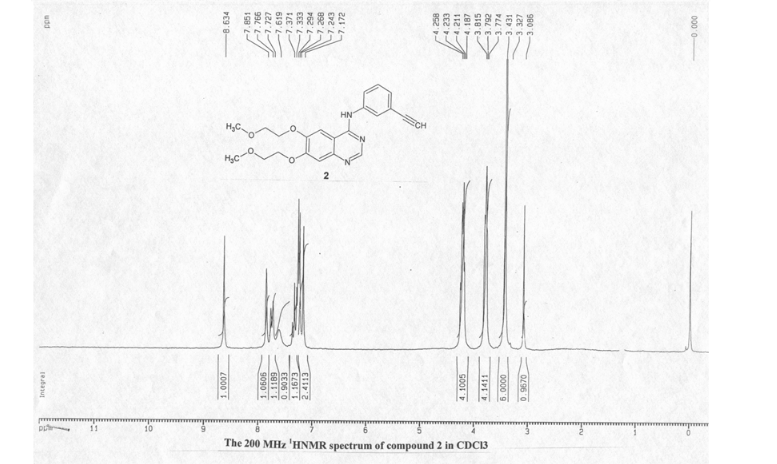




 GEFITINIB
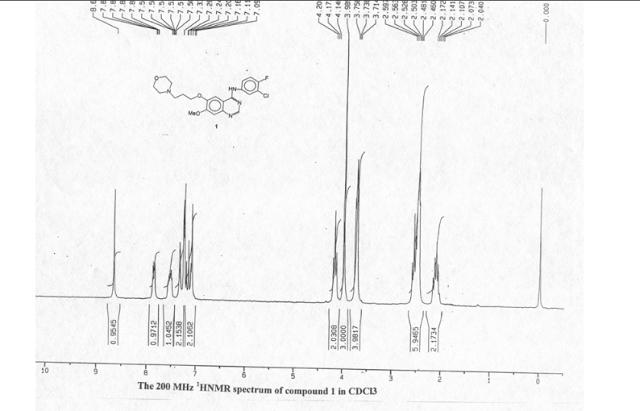
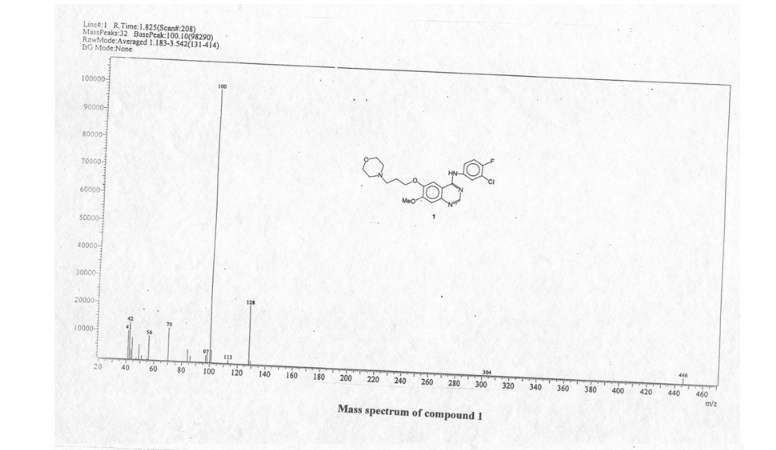


 AIRPORT


 FLAG
FLAG


 Novel PARP inhibitor 1 is a promising new candidate for treatment of breast and ovarian cancer. A modified synthetic route to 1 has been developed and demonstrated on 7 kg scale. In order to scale up the synthesis to multikilogram scale, several synthetic challenges needed to be overcome. The key issues included significant thermal hazards present in a Leimgruber–Batcho indole synthesis, a low-yielding side-chain installation, a nonrobust Suzuki coupling and hydrogen cyanide generation during a reductive amination. In addition to these issues, changing from intravenous to oral delivery required a new salt form and therefore a new crystallization procedure. This contribution describes development work to solve these issues and scaling up of the new process in the pilot plant.


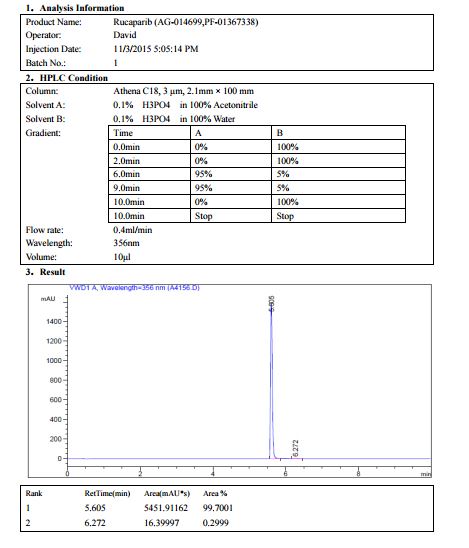
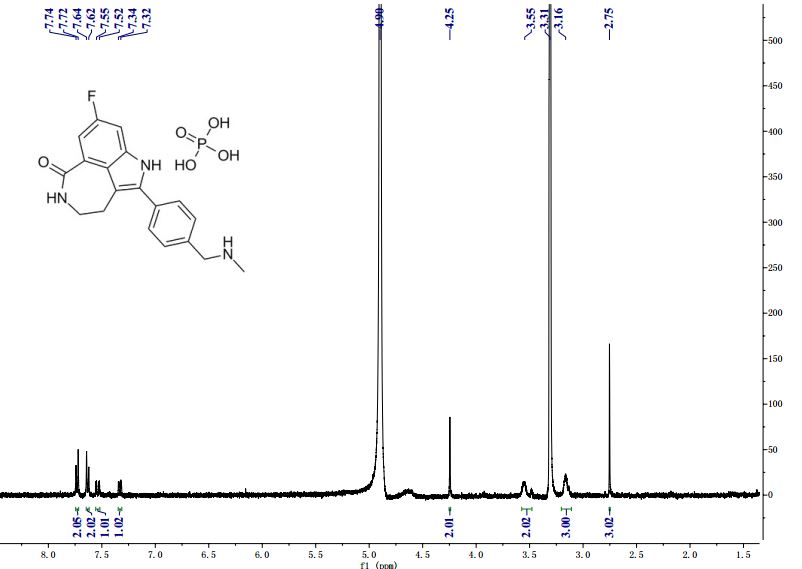
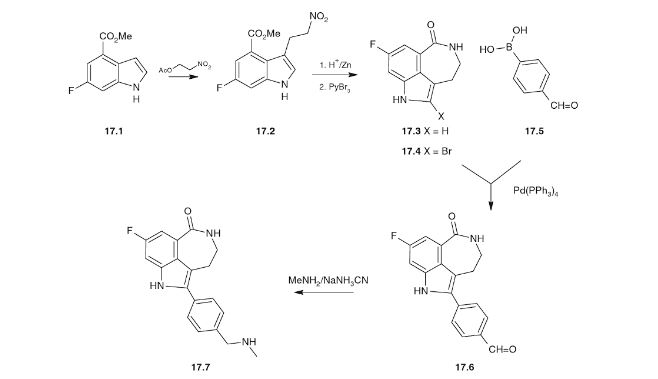


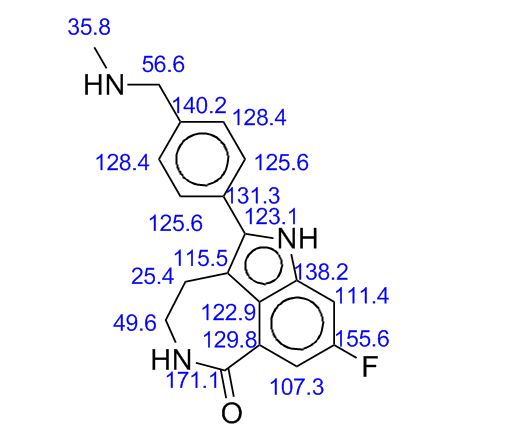
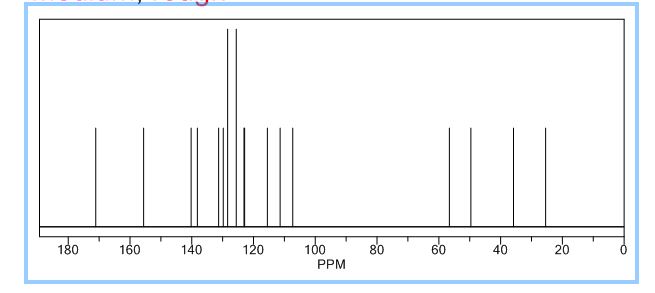


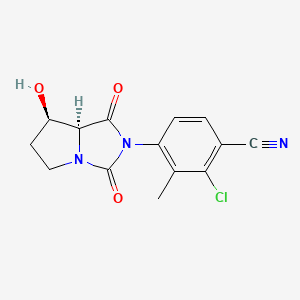


 Pirarubicin Hydrochloride


 .
.

 .
.


 GOLCONDA


