
Home » Uncategorized (Page 7)
Category Archives: Uncategorized
 DRUG APPROVALS BY DR ANTHONY MELVIN CRASTO
.....FOR BLOG HOME CLICK HERE
DRUG APPROVALS BY DR ANTHONY MELVIN CRASTO
.....FOR BLOG HOME CLICK HEREFlag and hits
ORGANIC SPECTROSCOPY

SUBSCRIBE

 Subscribe in a reader
Enter your email address:
Delivered by FeedBurner
Subscribe to New Drug Approvals by Email


Recent Comments
 | shivkr2 on SPSR Excellence Award 2025 – S… |
 | Bonkasaurus on Infigratinib phosphate |
 | PALOVAROTENE | ORGAN… on Palovarotene |
| Pfizer just purchase… on Temanogrel | |
| Pfizer To Cash In On… on Temanogrel |
Florcicaper (18F)
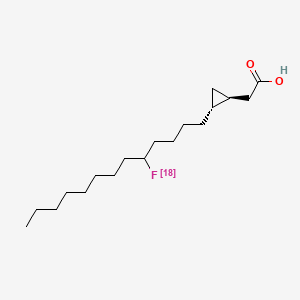
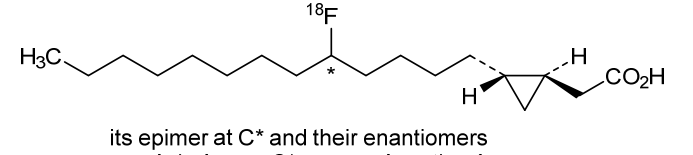
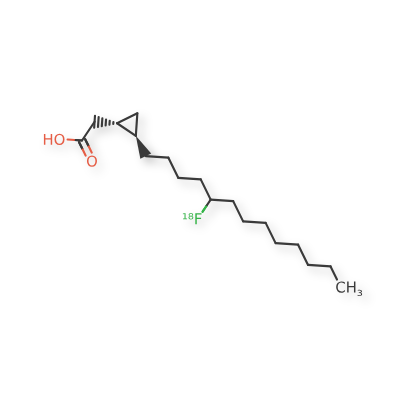
Florcicaper (18F)
CAS 855927-17-2
MF C18H3318FO2, MW 299.4544
2-[(1S,2R)-2-(5-(18F)fluorotridecyl)cyclopropyl]acetic acid
| 2-((1S,2R)-2-(5-(FLUORO-18F)TRIDECYL)CYCLOPROPYL)ACETIC ACID |
| TRANS-9(RS)-18F-FLUORO-3,4(RS,RS)-METHYLENEHEPTADECANOIC ACID |
rac-{(1R,2S)-2-[(5RS)-5-(18F)fluorotridecyl]cyclopropyl}aceticacid
imaging agent, CARDIOPET, (18F FCPHA), FDG79C95XB
CardioPET is: An F-18 labeled, modified fatty acid that provides insight into regions with decreased blood flow or metabolic insufficiency in the myocardium.; CardioPET may be used to: Identify patients that will benefit from PCI or revascularization and guide intervention, Assess myocardial viability, Evaluate CAD in patients that cannot exercise.; Agent: Muscle State Imaging Agent, Type: Fatty Acid (Labeled with Fluorine 18), Condition: Coronary Artery Disease, Status: completed enrollment.;This imaging agent exploits the dietary needs of the heart as it relates to glucose and fatty acids. By introducing a radio-labeled analog to the natural fatty acids utilized as an energy source by the heart we can visualize the anatomic location and state of the muscle within the areas defined by the specific coronary artery blood flow distribution and detect problems in advance of symptoms that would lead to a stress test.
Cardiopet is under investigation in clinical trial NCT01826773 (Cardiopet as PET Imaging Agent to Assess Myocardial Perfusion and Fatty Acid Uptake in Known or Suspected CAD Subjects).
A Phase I Study in Healthy Volunteers to Evaluate the Safety of CardioPET™ in Detection of Coronary Artery Disease
CTID: NCT00413647
Phase: Phase 1
Status: Completed
Date: 2013-06-12
PATENTS
CA-2876139-A1
CN-104684546-A
CN-114736112-A
CN-115141087-A
CN-115141087-B
CN-115141125-A
CN-115141125-B
CN-115181013-A
CN-115181013-B
CN-115850224-A
CN-115850224-B
CN-115959978-A
CN-115959978-B
CN-116041169-A
CN-116199658-A
CN-116217356-A
EP-2858630-A1
EP-4133284-A1
US-10533059-B2
US-11701429-B2
US-2015361110-A1
US-2017014528-A1
US-2020199249-A1
US-2020297854-A1
US-20230314449-A1
US-20230381092-A1
US-9409927-B2
WO-2013185032-A1
WO-2022082327-A1
WO-2023085674-A1
WO-2023236978-A1
WO-2023237092-A1
PAT
https://patentscope.wipo.int/search/en/detail.jsf?docId=WO2013185032&_cid=P11-MPJ5UV-89230-1
PAT
https://patentscope.wipo.int/search/en/detail.jsf?docId=WO2022082327&_cid=P11-MPJ5WJ-90048-1
ADVT
ANAX LABORATORIES
WEBSITE https://www.anaxlab.com/
Discovery Solutions, Supporting the chemistry needs of clients in the Medical, Analytical and Bio Sciences
Development Solutions, Developing from Lab scale to PR&D, Kilo Scale-ups and Commercial Scales
SEE MORE………Integrated Solutions, Manufacturing Solutions, Products,
Can’t Find? Let’s Connect

Phone : +91 897704 2010 / +91 9177075735, Email : info@anaxlab.com
#MedicinalChemistry, #DrugDiscovery, #OrganicSynthesis, #ChemicalLibrary, #BuildingBlocks, #SARStudies, #ChemistryInnovation, #medchem, #Drugdevelopment, #Biotech, #Biotechnology, #AnaxLaboratories, #Pharma


AS ON FEB2026 4.574 LAKHS VIEWS ON BLOG WORLDREACH AVAILABLEFOR YOUR ADVERTISEMENT
join me on Linkedin
Anthony Melvin Crasto Ph.D – India | LinkedIn
join me on Researchgate
RESEARCHGATE

join me on Facebook
Anthony Melvin Crasto Dr. | Facebook
join me on twitter
Anthony Melvin Crasto Dr. | twitter
+919321316780 call whatsaapp
EMAIL. amcrasto@gmail.com

References
- Nanotherapeutics for drug targetingPublication Number: WO-2013185032-A1Priority Date: 2012-06-07
- Nanotherapeutics for drug targetingPublication Number: EP-2858630-A1Priority Date: 2012-06-07
- Super lewis acidic borate esters as 18F-labeled PET probesPublication Number: US-9409927-B2Priority Date: 2013-01-24Grant Date: 2016-08-09
- Super lewis acidic borate esters as 18f-labeled pet probesPublication Number: US-2015361110-A1Priority Date: 2013-01-24
- Nanotherapeutics for drug targetingPublication Number: CA-2876139-A1Priority Date: 2012-06-07
- Nanotherapeutics for drug targetingPublication Number: US-2020297854-A1Priority Date: 2012-06-07
- Nanotherapeutics for drug targetingPublication Number: CN-104684546-APriority Date: 2012-06-07
- Diagnosis of stage b2 dmvdPublication Number: US-2023314449-A1Priority Date: 2020-04-07
- Targeted drug delivery through affinity based linkersPublication Number: US-2017014528-A1Priority Date: 2014-03-12
- Targeted drug delivery through affinity based linkersPublication Number: US-2020199249-A1Priority Date: 2014-03-12
- Targeted drug delivery through affinity based linkersPublication Number: US-10533059-B2Priority Date: 2014-03-12Grant Date: 2020-01-14
- Targeted drug delivery through affinity based linkersPublication Number: US-11701429-B2Priority Date: 2014-03-12Grant Date: 2023-07-18
//////////florcicaper (18F), anax labs, imaging agent, CARDIOPET, (18F FCPHA), FDG79C95XB
#florcicaper (18F), #anax labs, #imaging agent, #CARDIOPET, #(18F FCPHA), #FDG79C95XB
Fexlamose
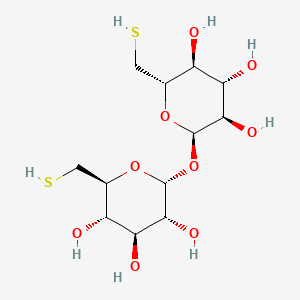
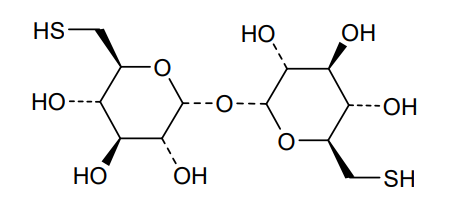
Fexlamose
CAS 1285607-08-0
MFC12H22O9S2 MW374.4 g/mol
(2S,3S,4S,5R,6R)-2-(sulfanylmethyl)-6-[(2R,3R,4S,5S,6S)-3,4,5-trihydroxy-6-(sulfanylmethyl)oxan-2-yl]oxyoxane-3,4,5-triol
- 6-Thio-alpha-D-glucopyranosyl 6-thio-alpha-D-glucopyranoside
- alpha-D-Glucopyranoside, 6-thio-alpha-D-glucopyranosyl 6-thio-
- 6-thio-alpha-D-glucopyranosyl 6-thio-alpha-D-glucopyranoside; 6,6′-dithiotrehalose
6-thio-α-D-glucopyranosyl 6-thio-α-D-glucopyranoside; 6,6′-dithiotrehalose
mucolytic, AER-01, AER 01, VY9GAK6EVR, MUC-031, MUC031
Fexlamose (formerly known as AER-01) is an experimental inhaled small-molecule drug developed by Aer Therapeutics to treat muco-obstructive lung diseases like COPD (Chronic Obstructive Pulmonary Disease) and asthma. It is a thiol-modified carbohydrate designed to break down mucus plugs in the airways
How it Works
- Mechanism: Fexlamose acts as a mucolytic by cleaving the disulfide bonds in mucus, thinning the thick secretions that block airways.
- The Problem It Targets: While many respiratory drugs manage inflammation or relax airway muscles, currently no approved treatments directly tackle mucus plugs, which are a major cause of breathing difficulties in COPD.
- Delivery: It is administered as an inhalation solution (or potentially a dry powder) directly into the lungs.
- Current Clinical Status
- Fexlamose is an investigational drug and is not yet approved for public use or commercial prescription.
- Clinical Trials: It is undergoing Phase 2a clinical studies (such as the AER-01-002 trial) to evaluate its safety, tolerability, and efficacy in adults with moderate to severe COPD.
- Study Design: These trials utilize specialized CT mucus plug scoring to identify patients who are most likely to benefit from the therapy.
SYN
https://patentscope.wipo.int/search/en/detail.jsf?docId=WO2017197360&_cid=P10-MPHQBA-11926-1
Syn
US-20230172885-A1
https://patentscope.wipo.int/search/en/detail.jsf?docId=US399239351&_cid=P10-MPHQQF-20898-1
Syn
US-20230181607-A1
https://patentscope.wipo.int/search/en/detail.jsf?docId=US399582635&_cid=P10-MPHQRV-21687-1
ADVT
ANAX LABORATORIES
WEBSITE https://www.anaxlab.com/
Discovery Solutions, Supporting the chemistry needs of clients in the Medical, Analytical and Bio Sciences
Development Solutions, Developing from Lab scale to PR&D, Kilo Scale-ups and Commercial Scales
SEE MORE………Integrated Solutions, Manufacturing Solutions, Products,
Can’t Find? Let’s Connect
Phone : +91 897704 2010 / +91 9177075735, Email : info@anaxlab.com
#MedicinalChemistry, #DrugDiscovery, #OrganicSynthesis, #ChemicalLibrary, #BuildingBlocks, #SARStudies, #ChemistryInnovation, #medchem, #Drugdevelopment, #Biotech, #Biotechnology, #AnaxLaboratories, #Pharma
AS ON FEB2026 4.574 LAKHS VIEWS ON BLOG WORLDREACH AVAILABLEFOR YOUR ADVERTISEMENT
join me on Linkedin
Anthony Melvin Crasto Ph.D – India | LinkedIn
join me on Researchgate
RESEARCHGATE
join me on Facebook
Anthony Melvin Crasto Dr. | Facebook
join me on twitter
Anthony Melvin Crasto Dr. | twitter
+919321316780 call whatsaapp
EMAIL. amcrasto@gmail.com
References
//////////fexlamose, ANAX LABS, mucolytic, AER-01, AER 01, VY9GAK6EVR, MUC-031, MUC031
#fexlamose, #ANAX LABS, #mucolytic, #AER-01, #AER 01, #VY9GAK6EVR, #MUC-031, #MUC031
Famlasertib
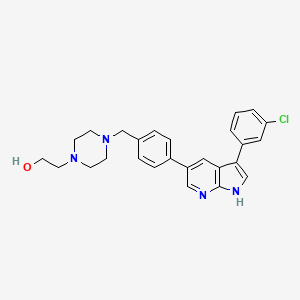
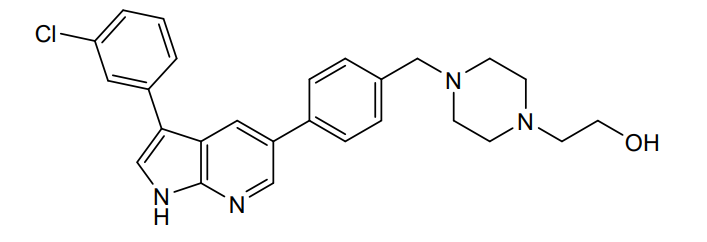
Famlasertib
CAS 2375591-69-6
MFC26H27ClN4O MW 447.0 g/mol
4-[[4-[3-(3-Chlorophenyl)-1H-pyrrolo[2,3-b]pyridin-5-yl]phenyl]methyl]-1-piperazineethanol
2-[4-({4-[3-(3-chlorophenyl)-1H-pyrrolo[2,3-b]pyridin-5-yl]phenyl}methyl)piperazin-1-yl]ethan-1-ol
serine/threonine kinase inhibitor, amyotrophic lateral sclerosis, Prosetin, WJP32276AY
Prosetin is an orally administered blocker of MAP4K under investigation for the treatment of amyotrophic lateral sclerosis.
Famlasertib (also known as Prosetin or Prostetin/12k) is a highly potent, small-molecule inhibitor targeting the mitogen-activated protein kinase kinase kinase kinase (MAP4K) family. It is an experimental drug primarily under investigation for its neuroprotective capabilities in treating neurodegenerative disorders like amyotrophic lateral sclerosis (ALS) and as an anti-invasive agent in certain cancers
- Target Pathways: MAP4K4 (HGK), MLK1, and MLK3
- Key Properties: Orally active, blood-brain barrier penetrant (CNS-penetrant)
Mechanism of Action
Famlasertib functions by blocking the activation of the MAP4K protein family, specifically demonstrating powerful inhibitory values (\(\text{IC}_{50}\)) against subfamilies like HGK (MAP4K4), MLK3, and MLK1. By inhibiting these kinases, the compound: [1]
- Reduces Endoplasmic Reticulum (ER) Stress: It helps mitigate the unfolded protein response that triggers programmed cell death in neurons affected by misfolded protein accumulation.
- Suppresses Inflammation: It blocks inflammatory pathways associated with neurodegeneration and cell damage.
- Restrains Cell Motility: In oncology contexts, it disrupts kinase signaling linked to actin cytoskeleton remodeling, preventing malignant cells from migrating.
Primary Areas of Research
1. Amyotrophic Lateral Sclerosis (ALS)
In motor neuron models of ALS, cellular stress frequently triggers neurodegeneration. Because famlasertib easily passes through the blood-brain barrier, it is capable of directly shielding motor neurons from ER-stress-mediated cell death, extending cell viability in laboratory models.
2. Oncology (Medulloblastoma)
Recent findings published on bioRxiv indicate that famlasertib acts as a “migrastatic” agent in medulloblastoma (a type of pediatric brain tumor). It suppresses the highly invasive behavior and single-cell motility of tumor cells without exhibiting developmental toxicity.
SYN
https://patentscope.wipo.int/search/en/detail.jsf?docId=WO2020163594&_cid=P21-MPGALG-31359-1
PAT
https://patentscope.wipo.int/search/en/detail.jsf?docId=US317630245&_cid=P21-MPGALG-31359-1
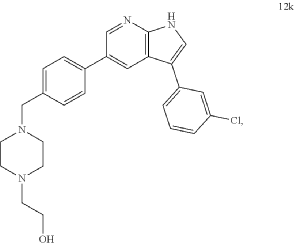
Preparation of 2-(4-(4-(3-(3-Chlorophenyl)-1H-pyrrolo[2,3-b]pyridin-5-yl)benzyl)piperazin-1-yl)ethan-1-ol (Compound 12k)
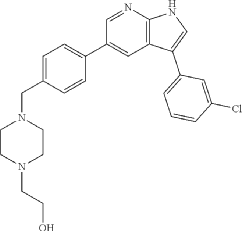
Following the general procedure described above, with 4-(3-(3-chlorophenyl)-1-tosyl-1H-pyrrolo[2,3-b]pyridin-5-yl)benzaldehyde (10c, 418 mg, 0.86 mmol) and 1-(2-hydroxyethyl)piperazine (224 mg, 211 μL, 1.72 mmol, 2.0 eq) as the starting materials, 2-(4-(4-(3-(3-chlorophenyl)-1H-pyrrolo[2,3-b]pyridin-5-yl)benzyl)piperazin-1-yl)ethan-1-ol (12k) was isolated as an off-white solid (139.9 mg, 36% yield over two steps). 1H NMR (400 MHz, Methanol-d 4) δ 8.57 (d, J=2.0 Hz, 1H), 8.54 (d, J=2.0 Hz, 1H), 7.80 (s, 1H), 7.76 (d, J=8.3 Hz, 2H), 7.65 (t, J=1.9 Hz, 1H), 7.64-7.57 (m, 3H), 7.42 (t, J=7.9 Hz, 1H), 7.29 (ddd, J=8.0, 2.1, 1.0 Hz, 1H), 4.27 (s, 2H), 3.93-3.86 (m, 2H), 3.62 (s, 4H), 3.41 (s, 4H), 3.35-3.31 (m, 2H) ppm. HRMS (APCI +, m/z): calcd. for C 26H 28N 40Cl [M+H +]: 447.1952, found: 447.1954.
SYN
https://patentscope.wipo.int/search/en/detail.jsf?docId=US469942811&_cid=P21-MPGAUU-39605-1
ADVT
ANAX LABORATORIES
WEBSITE https://www.anaxlab.com/
Discovery Solutions, Supporting the chemistry needs of clients in the Medical, Analytical and Bio Sciences
Development Solutions, Developing from Lab scale to PR&D, Kilo Scale-ups and Commercial Scales
SEE MORE………Integrated Solutions, Manufacturing Solutions, Products,
Can’t Find? Let’s Connect
Phone : +91 897704 2010 / +91 9177075735, Email : info@anaxlab.com
#MedicinalChemistry, #DrugDiscovery, #OrganicSynthesis, #ChemicalLibrary, #BuildingBlocks, #SARStudies, #ChemistryInnovation, #medchem, #Drugdevelopment, #Biotech, #Biotechnology, #AnaxLaboratories, #Pharma
AS ON FEB2026 4.574 LAKHS VIEWS ON BLOG WORLDREACH AVAILABLEFOR YOUR ADVERTISEMENT
join me on Linkedin
Anthony Melvin Crasto Ph.D – India | LinkedIn
join me on Researchgate
RESEARCHGATE
join me on Facebook
Anthony Melvin Crasto Dr. | Facebook
join me on twitter
Anthony Melvin Crasto Dr. | twitter
+919321316780 call whatsaapp
EMAIL. amcrasto@gmail.com
References
- Design, synthesis of new 3H-imidazo[4,5-b]pyridine derivatives and evaluation of their inhibitory properties as mixed lineage kinase 3 inhibitorsPublication Name: Bioorganic & Medicinal Chemistry LettersPublication Date: 2024-03-15PMID: 38346577DOI: 10.1016/j.bmcl.2024.129652
- The emerging role of mixed lineage kinase 3 (MLK3) and its potential as a target for neurodegenerative diseases therapiesPublication Name: European Journal of Medicinal ChemistryPublication Date: 2023-09-05PMID: 37247505DOI: 10.1016/j.ejmech.2023.115511
- Development of MAP4 Kinase Inhibitors as Motor Neuron-Protecting AgentsPublication Name: Cell Chemical BiologyPublication Date: 2019-12-19PMCID: PMC7253076PMID: 31676236DOI: 10.1016/j.chembiol.2019.10.005
PAT
- Immunophilin binding agents and uses thereofPublication Number: US-2023063768-A1Priority Date: 2019-02-07
- Immunophilin binding agents and uses thereofPublication Number: WO-2020163594-A1Priority Date: 2019-02-07
- Immunophilin-dependent inhibitors and uses thereofPublication Number: US-2022193242-A1Priority Date: 2019-02-07
- Immunophilin-dependent inhibitors and uses thereofPublication Number: WO-2020163598-A1Priority Date: 2019-02-07
- Compounds, compositions and methods for inhibiting toxic endoplasmic reticulum stress – Patents.comPublication Number: JP-7487170-B2Priority Date: 2018-03-01Grant Date: 2024-05-20
- Compounds, compositions, and methods for suppressing toxic endoplasmic reticulum stress
- Publication Number: US-2021040091-A1
- Priority Date: 2018-03-01G
///////famlasertib, serine/threonine kinase inhibitor, amyotrophic lateral sclerosis, Prosetin, WJP32276AY
#famlasertib, #serine/threonine kinase inhibitor, #amyotrophic lateral sclerosis, #Prosetin, #WJP32276AY
Epaldeudomide
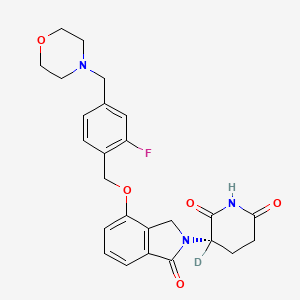
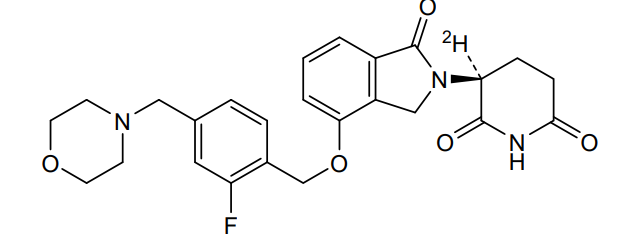
Epaldeudomide
CAS 1918159-31-5
MF C25H252HFN3O5, MW 468.5 g/mol
(3S)-3-deuterio-3-[7-[[2-fluoro-4-(morpholin-4-ylmethyl)phenyl]methoxy]-3-oxo-1H-isoindol-2-yl]piperidine-2,6-dione
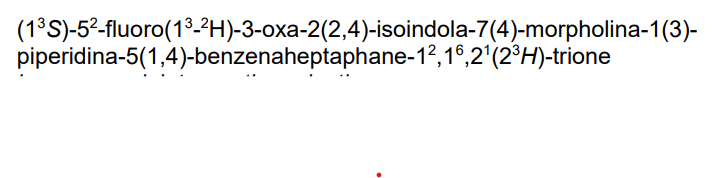
KPG-818, KPG 818, ANTINEOPLASTIC, KV0TBL8MUS
Epaldeudomide (also known as KPG-818) is an investigational, next-generation immunomodulatory drug and “molecular glue” developed by Kangpu Biopharmaceuticals. Designed as a targeted therapy, it works by binding to the CRL4-CRBN E3 ubiquitin ligase complex to degrade specific proteins, showing promise in treating blood cancers, solid tumors, and autoimmune diseases.
Mechanism of Action
- Molecular Glue: It is a small molecule that acts as a modulator of the cereblon (CRBN) E3 ligase.
- Protein Degradation: It targets and induces the rapid degradation of two Ikaros zinc-finger transcription factors: IKZF3 (Aiolos) and IKZF1 (Ikaros).
- Immunomodulation: By degrading these targets, epaldeudomide triggers broad-spectrum immune responses, reduces tumor proliferation, and suppresses inflammation (such as the production of TNF-\(\alpha \)).
Therapeutic Pipeline and Research
Epaldeudomide is currently undergoing clinical evaluation to assess its safety, tolerability, and efficacy.
- Hematology/Oncology: It is being studied for the treatment of hematologic malignancies (such as multiple myeloma and lymphomas). It demonstrates potent anti-tumor and anti-angiogenic activity without several severe side effects typically associated with earlier immunomodulatory drugs.
- Autoimmune and Inflammatory Disorders: Because of its broad anti-inflammatory effects and ability to inhibit TNF-\(\alpha \), it is being explored for use against autoimmune conditions and inflammatory arthritis.
- OriginatorKangpu Biopharmaceuticals
- ClassAnti-inflammatories; Antineoplastics; Small molecules
- Mechanism of ActionCRBN protein modulators; Ubiquitin protein ligase complex modulators
- Phase IIInflammatory bowel diseases
- Phase I/IISystemic lupus erythematosus
- Phase IHaematological malignancies
- PreclinicalBehcet’s syndrome; Crohn’s disease; Multiple myeloma
- 06 Dec 2025Efficacy, pharmacokinetics and adverse events data from a phase I trial in Haematological malignancies presented at 67th American Society of Hematology Annual Meeting and Exposition (ASH-Hem-2025)
- 26 Nov 2025Epaldeudomide is still in phase I trials for Haematological malignancies (Second-line therapy or greater) in USA (PO, Capsule) (NCT04283097)
- 18 Nov 2025Efficacy and adverse events data from a phase I trial in Haematological malignancies released by Kangpu Biopharmaceuticals
SYN
US-10017492-B2
US-20170313676-A1
SYN
EP-3643709-A1
EP-3643709-B1
https://patentscope.wipo.int/search/en/detail.jsf?docId=EP293972088&_cid=P21-MPEVL7-37300-1
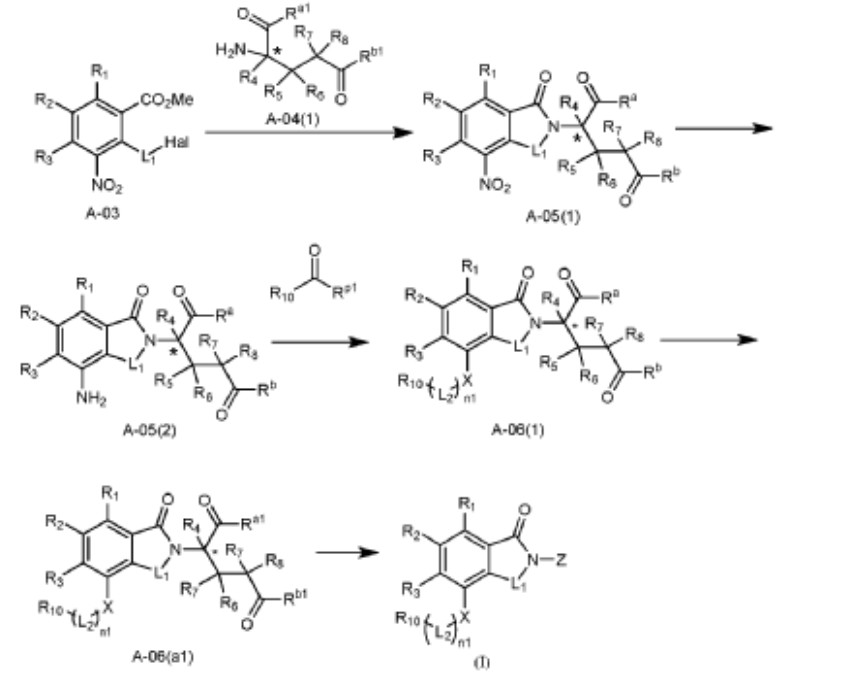
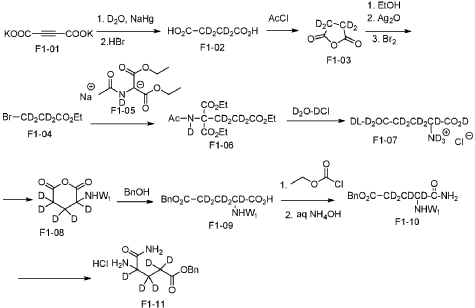
Example 37: Compound A382
[0196] 3-(4-((2-fluoro-5-(3-morpholinopropoxy)benzyl)amino)-1-oxoisoindolin-2-yl)piperidine-2,6-dione, A382.
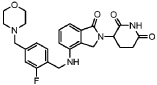
[0197] 1H NMR (DMSO- d 6, 300 MHz): δ 11.00 (s, 1H), 7.32 (t, J = 7.8 Hz, 1H), 7.22 (t, J = 7.8 Hz, 1H), 7.05-7.13 (m, 2H), 6.93 (d, J = 7.5 Hz, 1H), 6.64 (d, J = 7.8 Hz, 1H), 6.28 (t, J = 6.3 Hz, 1H), 5.07-5.13 (m, 1H), 4.38 (d, J= 5.7 Hz, 2H), 4.28 (d, J= 17.4 Hz, 1H), 4.16 (d, J= 17.4 Hz, 1H), 3.54 (t, J= 4.5 Hz, 4H), 3.42 (s, 2H), 2.85-2.97 (m, 1H), 2.57-2.63 (m, 1H), 2.26-2.38 (m, 5H), 2.00-2.09 (m, 1H). LCMS: 467.2 ([M+1] +).
Example 69: Compound A406
[0296] ( S)-3-deuterium-3-(4-((2-fluoro-4-(morpholinomethyl)benzyl)oxy)-1-oxoisoindolin-2-yl)piperidine-2,6-dione, A406.
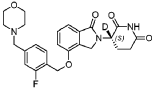
[0297] 1H NMR (DMSO- d 6, 300 MHz): δ 10.98 (s, 1H),7.47-7.55 (m, 2H), 7.31-7.38 (m, 2H), 7.16-7.20 (m, 2H), 5.24 (s, 2H), 5.06-5.12 (m, 0.04H), 4.35 (d, J = 18.0 Hz, 1H), 4.19 (d, J = 18.0 Hz, 1H), 3.55 (br, 4H), 3.47 (s, 2H), 2.82-2.94 (m, 1H), 2.48-2.57 (m, 1H), 2.33-2.42 (m, 5H), 1.91-1.96 (m, 1H). LCMS: 469.2 ([M+1] +).
ADVT
ANAX LABORATORIES
WEBSITE https://www.anaxlab.com/
Discovery Solutions, Supporting the chemistry needs of clients in the Medical, Analytical and Bio Sciences
Development Solutions, Developing from Lab scale to PR&D, Kilo Scale-ups and Commercial Scales
SEE MORE………Integrated Solutions, Manufacturing Solutions, Products,
Can’t Find? Let’s Connect
Phone : +91 897704 2010 / +91 9177075735, Email : info@anaxlab.com
#MedicinalChemistry, #DrugDiscovery, #OrganicSynthesis, #ChemicalLibrary, #BuildingBlocks, #SARStudies, #ChemistryInnovation, #medchem, #Drugdevelopment, #Biotech, #Biotechnology, #AnaxLaboratories, #Pharma
AS ON FEB2026 4.574 LAKHS VIEWS ON BLOG WORLDREACH AVAILABLEFOR YOUR ADVERTISEMENT
join me on Linkedin
Anthony Melvin Crasto Ph.D – India | LinkedIn
join me on Researchgate
RESEARCHGATE
join me on Facebook
Anthony Melvin Crasto Dr. | Facebook
join me on twitter
Anthony Melvin Crasto Dr. | twitter
+919321316780 call whatsaapp
EMAIL. amcrasto@gmail.com
References
- Isoindoline derivative, intermediate, preparation method, pharmaceutical composition and use thereofPublication Number: US-10017492-B2Priority Date: 2014-10-30Grant Date: 2018-07-10
- Isoindoline derivative, intermediate, preparation method, pharmaceutical composition and use thereofPublication Number: EP-3643709-A1Priority Date: 2014-10-30
- Isoindoline derivative, intermediate, preparation method, pharmaceutical composition and use thereofPublication Number: US-2017313676-A1Priority Date: 2014-10-30
- Isoindoline derivative, intermediate, preparation method, pharmaceutical composition and use thereofPublication Number: EP-3643709-B1Priority Date: 2014-10-30Grant Date: 2021-10-20
/////////epaldeudomide, ANAX LABS, KPG-818, KPG 818, ANTINEOPLASTIC, KV0TBL8MUS
#epaldeudomide, #ANAX LABS, #KPG-818, #KPG 818, #ANTINEOPLASTIC, #KV0TBL8MUS
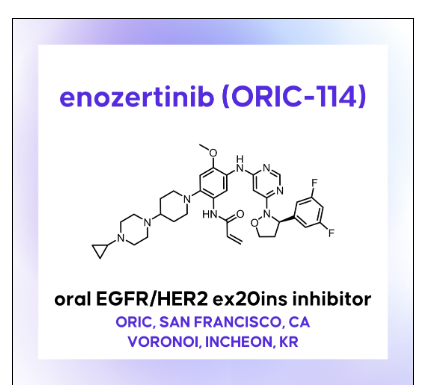
Enozertinib
Enozertinib
CAS 2489185-38-6
MF C35H42F2N8O3 MW660.8
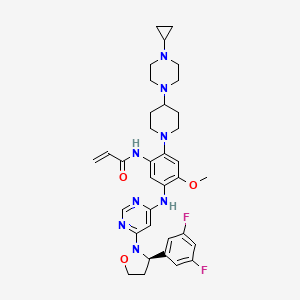
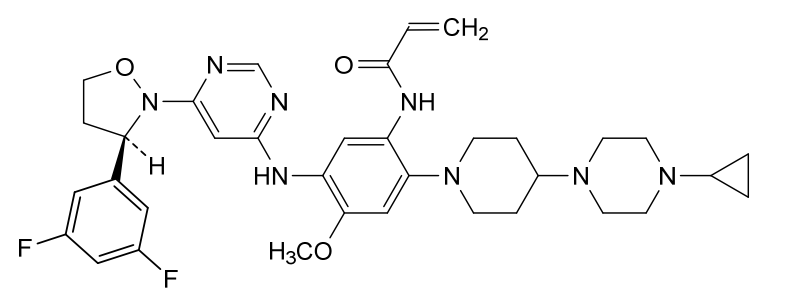
N-[2-[4-(4-cyclopropylpiperazin-1-yl)piperidin-1-yl]-5-[[6-[(3R)-3-(3,5-difluorophenyl)-1,2-oxazolidin-2-yl]pyrimidin-4-yl]amino]-4-methoxyphenyl]prop-2-enamide
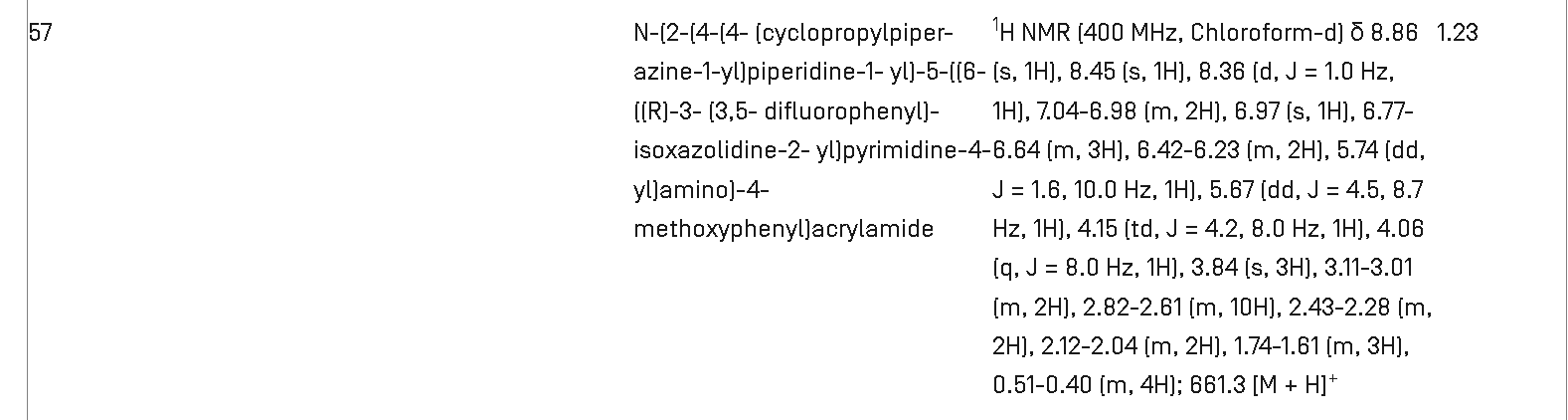
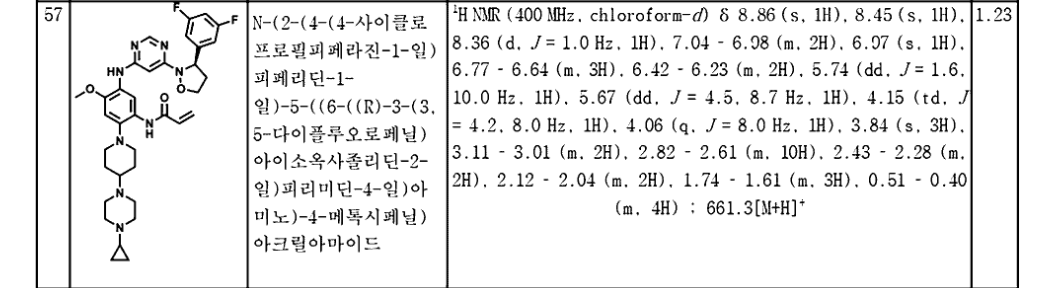
- N-(2-(4-(4-cyclopropylpiperazine-1-yl)piperidine-1-yl)-5-((6-((R)-3-(3,5-difluorophenyl)isoxazolidine-2-yl)pyrimidine-4-yl)amino)-4-methoxyphenyl)acrylamide
- N-[2-[4-(4-Cyclopropyl-1-piperazinyl)-1-piperidinyl]-5-[[6-[(3R)-3-(3,5-difluorophenyl)-2-isoxazolidinyl]-4-pyrimidinyl]amino]-4-methoxyphenyl]-2-propenamide
- N-[2-[4-(4-cyclopropylpiperazin-1-yl)piperidin-1-yl]-5-[[6-[(3R)-3-(3,5-difluorophenyl)-1,2-oxazolidin-2-yl]pyrimidin-4-yl]amino]-4-methoxyphenyl]prop-2-enamide

epidermal growth factor receptor tyrosine kinase inhibitor, antineoplastic, ORIC-114, ORIC 114, DU24UP8R94
Enozertinib (formerly ORIC-114) is an investigational, orally bioavailable, and brain-penetrant dual EGFR/HER2 inhibitor developed by ORIC Pharmaceuticals. It targets cancers with exon 20 insertion and atypical EGFR mutations. Its core profile highlights its ability to cross the blood-brain barrier.
How it Works
Enozertinib acts as an irreversible, mutant-selective covalent inhibitor. By blocking overactive EGFR and HER2 signaling, it induces cell death and inhibits tumor growth. Because it penetrates the central nervous system (CNS), it is uniquely suited to treat both primary brain tumors and brain metastases—a common complication in non-small cell lung cancer (NSCLC).
Enozertinib is an orally bioavailable, central nervous system (CNS) penetrating, mutant-selective covalent inhibitor of epidermal growth factor receptor (EGFR; ErbB1) and human epidermal growth factor receptor 2 (HER2; EGFR2; ErbB2) alterations, including exon 20 insertion (Ex20ins) mutations, with potential antineoplastic activity. Upon oral administration, enozertinib selectively targets, irreversibly binds to and inhibits the activity of EGFR or HER2 insertions or mutations. This prevents EGFR/HER2-mediated signaling. This may induce cell death and inhibit tumor growth in EGFR/HER2-overexpressing tumor cells. Enozertinib is able to penetrate the blood-brain-barrier (BBB) and may therefore exert its activity against EGFR Ex20ins-driven CNS primary tumors and CNS metastases. The ErbB receptor tyrosine kinase family is involved in key cellular functions, including cell growth and survival. EGFR and HER2 alterations constitutively upregulate kinase activity.
SYN
https://drughunter.com/molecule/enozertinib-oric-114
SYN
PAT
SIMILAR SYNTHESIS
ADVT
ANAX LABORATORIES
WEBSITE https://www.anaxlab.com/
Discovery Solutions, Supporting the chemistry needs of clients in the Medical, Analytical and Bio Sciences
Development Solutions, Developing from Lab scale to PR&D, Kilo Scale-ups and Commercial Scales
SEE MORE………Integrated Solutions, Manufacturing Solutions, Products,
Can’t Find? Let’s Connect
Phone : +91 897704 2010 / +91 9177075735, Email : info@anaxlab.com
#MedicinalChemistry, #DrugDiscovery, #OrganicSynthesis, #ChemicalLibrary, #BuildingBlocks, #SARStudies, #ChemistryInnovation, #medchem, #Drugdevelopment, #Biotech, #Biotechnology, #AnaxLaboratories, #Pharma
AS ON FEB2026 4.574 LAKHS VIEWS ON BLOG WORLDREACH AVAILABLEFOR YOUR ADVERTISEMENT
join me on Linkedin
Anthony Melvin Crasto Ph.D – India | LinkedIn
join me on Researchgate
RESEARCHGATE
join me on Facebook
Anthony Melvin Crasto Dr. | Facebook
join me on twitter
Anthony Melvin Crasto Dr. | twitter
+919321316780 call whatsaapp
EMAIL. amcrasto@gmail.com
References
- Egfr inhibitor for treating cancers comprising atypical egfr mutationsPublication Number: WO-2024233313-A1Priority Date: 2023-05-05
- Fumarate, tartrate, malate, and citrate salts of an egfr inhibitorPublication Number: WO-2024096624-A1Priority Date: 2022-11-03
- Malonate and glycolate salts of an egfr inhibitorPublication Number: WO-2024097848-A1Priority Date: 2022-11-03
- Malonate and glycolate salts of an egfr inhibitorPublication Number: EP-4611902-A1Priority Date: 2022-11-03
- Fumarate, tartrate, malate, and citrate salts of an egfr inhibitorPublication Number: EP-4612147-A1Priority Date: 2022-11-03
- Fumarate, tartrate, malate and citrate salts of EGFR inhibitorsPublication Number: CN-120035590-APriority Date: 2022-11-03
- Heteroaryl derivative, method for producing same, and pharmaceutical composition comprising same as effective componentPublication Number: US-11466000-B2Priority Date: 2019-03-19Grant Date: 2022-10-11
- Heteroaryl derivatives, their preparation methods, and pharmaceutical compositions containing them as active ingredientsPublication Number: CN-115838369-APriority Date: 2019-03-19
- Heteroaryl derivatives, methods for their preparation, and pharmaceutical compositions containing them as active ingredientsPublication Number: CN-114605400-APriority Date: 2019-03-19
- HETEROARYL DERIVATIVE, METHOD FOR PRODUCING THE SAME, AND PHARMACEUTICAL COMPOSITION INCLUDING THE SAME AS AN EFFECTIVE COMPONENTPublication Number: BR-112021018704-B1Priority Date: 2019-03-19
- Heteroaryl derivative, method for producing same, and pharmaceutical composition comprising same as effective componentPublication Number: US-2022289733-A1Priority Date: 2019-03-19
- Heteroaryl derivatives, methods for producing heteroaryl derivatives, and pharmaceutical compositions containing heteroaryl derivatives as active ingredientsPublication Number: JP-7394298-B2Priority Date: 2019-03-19Grant Date: 2023-12-08
- Heteroaryl derivatives, methods for their preparation, and pharmaceutical compositions containing them as active ingredientsPublication Number: CN-113993866-APriority Date: 2019-03-19
//////////enozertinib, anax labs, epidermal growth factor receptor tyrosine kinase inhibitor, antineoplastic, ORIC-114, ORIC 114, DU24UP8R94
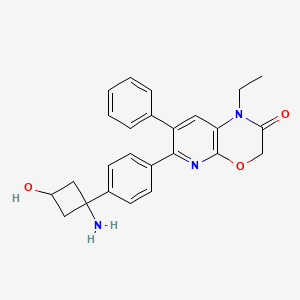
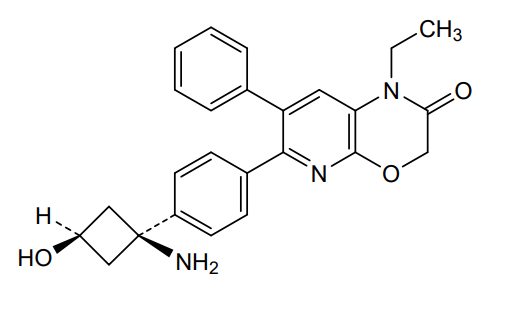
Engasertib
Engasertib
CAS 1313439-71-2
MF C25H25N3O3 MW415.5 g/mol
6-[4-(1-amino-3-hydroxycyclobutyl)phenyl]-1-ethyl-7-phenylpyrido[2,3-b][1,4]oxazin-2-one
6-{4-[(1S,3S)-1-amino-3-hydroxycyclobutyl]phenyl}-1-ethyl-7-phenyl-1H-pyrido[2,3-b][1,4]oxazin-2(3H)-one
serine/threonine kinase inhibitor, ALM-301, VAD-044, ALM 301, VAD 044, Orphan Drug, K2US8HW4TQ
Engasertib is an oral, once-daily AKT inhibitor developed by Vaderis Therapeutics, primarily investigated as a targeted therapy for Hereditary Hemorrhagic Telangiectasia (HHT). Clinical trials show it safely reduces the frequency and duration of bleeding episodes without an FDA-approved equivalent currently available
Core Information
- Mechanism of Action: Engasertib is a highly selective inhibitor of AKT1 and AKT2. In HHT, mutations in the ALK1 pathway lead to abnormal blood vessel growth driven by an excess of the AKT protein. By inhibiting AKT, the drug promotes vascular stability and reduces vessel fragility.
- Target Indication: Hereditary Hemorrhagic Telangiectasia (HHT) — a rare, severe genetic disorder causing vascular abnormalities and frequent, heavy bleeding, particularly nosebleeds (epistaxis)
Clinical Efficacy & Safety
- Proof-of-Concept Trial: A 12-week, placebo-controlled study with 75 HHT patients evaluated daily doses of 30 mg and 40 mg.
- The 40 mg cohort demonstrated a 41% reduction in mean bleeding duration and a 28% reduction in bleeding frequency, compared to 24% and 18% in the placebo group.
- 61% of patients in the 40 mg group rated their clinical condition as “Much Better”.
- Extended Efficacy: In long-term open-label extensions, benefits were sustained and amplified over 12 months, resulting in a 66% reduction in mean bleeding duration and a 55% reduction in bleeding frequency.
- Side Effects: Generally well-tolerated. The most common side effects (reversible and manageable with supportive care) were mild-to-moderate rash and hyperglycemia
- OriginatorAlmac Discovery
- DeveloperVaderis Therapeutics
- ClassAntineoplastics; Small molecules; Vascular disorder therapies
- Mechanism of ActionProto-oncogene protein c-akt inhibitors
- Orphan Drug StatusYes – Hereditary haemorrhagic telangiectasia
- Phase IVascular disorders
- PreclinicalBreast cancer; Prostate cancer
- No development reportedHereditary haemorrhagic telangiectasia
- 28 Dec 2025No recent reports of development identified for phase-I development in Hereditary haemorrhagic telangiectasia in Belgium (PO, Capsule)
- 28 Dec 2025No recent reports of development identified for phase-I development in Hereditary haemorrhagic telangiectasia in France (PO, Capsule)
- 28 Dec 2025No recent reports of development identified for phase-I development in Hereditary haemorrhagic telangiectasia in Italy (PO, Capsule)
SYN
Example 139: 6-(4-((1s.3s)-1-amino-3-hydroxycyclobutyl)phenyl)-1-ethyl-7-phenyl-1H-pyrido[2,3-b][1,4]oxazin-2(3H)-one
Step 1: tert-butyl ((1s.3s)-1-(4-(1-ethyl-2-oxo-7-phenyl-2.3-dihydro-1H-pyrido[2,3-b][1,4]oxazin-6-yl)phenyl)-3-hydroxycyclobutyl)carbamate
In a 15 mL reaction tube was added 6-bromo-1-ethyl-7-phenyl-1H-pyrido[2,3-b][1,4]oxazin-2(3H)-one (50 mg, 0.150 mmol), tert-butyl ((1s,3s)-3-hydroxy-1-(4-(4,4,5,5-tetramethyl-1,3,2-dioxaborolan-2-yl)phenyl)cyclobutyl)carbamate (49 mg, 0.125 mmol) and cesium carbonate (204 mg, 0.625 mmol) in a mixture of 1,4-dioxane (2.3 ml) and water (0.8 ml) to give a colourless solution. This was degassed by bubbling nitrogen for 15 minutes, followed by the addition of [1,1′-bis(diphenylphosphino)ferrocene]dichloropalladium(II) dichloromethane adduct (20 mg, 0.025 mmol) and degassing for a further 5 minutes. The reaction mixture was heated to 50°C under a nitrogen atmosphere for one hour then allowed to cool to room temperature, diluted with water (5 ml) and extracted into ethyl acetate (3 x 5 ml). The combined organic phases were dried over Na2SO4, filtered and concentrated to dryness under reduced pressure. The residue was purified by Biotage chromatography (cyclohexane:ethyl acetate, gradient elution from 90:10 to 0:100) to give the desired product as an off-white solid (45 mg, 70% yleld). Ή-NMR (500 MHz, CDCl3) δ 7.29-7.35 (5H, m), 7.28 (1H, s), 7.18-7.24 (4H, m), 4.96 (1H, br s), 4.88 (2H, s), 4.05 (1H, br s), 4.01 (2H, q), 2.98 (2H, br s), 2.75 (2H, br s), 1.20-1.51 (9H, br m), 1.32 (3H, t). LCMS (Method D) RT = 1.25 min, M+H+ = 516.20.
Step 2: 6-(4-((1s,3s)-1-amino-3-hydroxycyclobutyl)phenyl)-1-ethyl-7-phenyl-1H-pyrido[2,3-b][1,4]oxazin-2(3H)-one
tert-butyl ((1s,3s)-1-(4-(1-ethyl-2-oxo-7-phenyl-2,3-dihydro-1H-pyrido[2,3-b][1,4]oxazin-6-yl)phenyl)-3-hydroxycyclobutyl)carbamate (45 mg, 0.087 mmol) was dissolved in TFA (1 mL) and stirred for 30 seconds. The solution was immediately concentrated to dryness under reduced pressure. The residue was dissolved in diethyl ether (~3 mL) and concentrated to dryness under reduced pressure three times. The residue was then slurried in diethyl ether (3 mL) and after settling the supernatant solvent removed by pipette. This was repeated three times. The remaining solvent was removed by freeze drylng overnight to give the desired compound as an off-white solid (33 mg, 71% yleld).
1H-NMR (500 MHz, MeOD) δ 7.55 (1H, s), 7.39-7.42 (4H, m), 7.27-7.31 (3H, m), 7.20-7.24 (2H, m), 4.93 (2H, s), 4.01-4.11 (3H, m), 3.03-3.11 (2H, m), 2.42-2.50 (2H, m), 1.28 (3H, t). LCMS (Method D) RT = 0.74 min, M+H+ = 416.20.
SYN
EXAMPLES
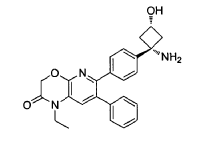
Example 1: Synthesis of 6-(4-(l-amino-3-hvdroxycvclobutyl)phenyl)-l-ethyl-7-phenyl-lH-pyrido[2,3-b][l,4]oxazin-2(3H)-one
6-(4-(l-amino-3-hydroxycyclobutyl)phenyl)-l-ethyl-7-phenyl-lH-pyrido[2,3-b][l,4]oxazin-2(3H)-one (referred to herein as “VAD044 free base”) was synthesized in accordance with the protocol as set out in W02011077098 – see in particular Examples 97, 113 and 139 (reproduced below):
Synthesis of 6-(4-((ls,3s)-l-amino-3-hvdroxycvclobutyl)phenyl)-l-ethyl-7-phenyl-lH-pyrido[2,3-bHl,41oxazin-2(3H)-one: from WO2Q11077098 Example 139:
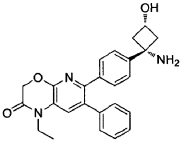
Step 1: tert-butyl((ls,3s)-l-(4-(l-ethyl-2-oxo-7-phenyl-2,3-dihydro-lH-pyrido[2,3-b][l,4]oxazin-6-yl)phenyl)-3-hvdroxycvclobutyl)carbamate
In a 15 mL reaction tube was added 6-bromo-l-ethyl-7-phenyl-lH-pyrido[2,3-b][l,4]oxazin-2(3H)-one* (50 mg, 0.150 mmol), tert-butyl((ls,3s)-3-hydroxy-l-(4-(4,4,5,5-tetramethyl-l,3,2-dioxaborolan-2-yl)phenyl)cyclobutyl)carbamate** (49 mg, 0.125 mmol) and cesium carbonate (204 mg, 0.625 mmol) in a mixture of 1,4-dioxane (2.3 ml) and water (0.8 ml) to give a colourless solution. This was degassed by bubbling nitrogen for 15 minutes, followed by the addition of [1,1′-bis(diphenylphosphino)ferrocene]dichloropalladium(ll) dichloromethane adduct (20 mg, 0.025 mmol) and degassing for a further 5 minutes. The reaction mixture was heated to 50°C under a nitrogen atmosphere for one hour then allowed to cool to room temperature, diluted with water (5 ml) and extracted into ethyl acetate (3 x 5 ml). The combined organic phases were dried over Na2SO4, filtered and concentrated to dryness under reduced pressure. The residue was purified by Biotage chromatography (cyclohexane:ethyl acetate, gradient elution from 90:10 to 0:100) to give the desired product as an off- white solid (45 mg, 70% yield). 1H-NMR (500 MHz, CDCI3) 6 7.29-7.35 (5H, m), 7.28 (1H, s), 7.18-7.24 (4H, m), 4.96 (1H, br s), 4.88 (2H, s), 4.05 (1H, br s), 4.01 (2H, q), 2.98 (2H, br s), 2.75 (2H, br s), 1.20-1.51 (9H, br m), 1.32 (3H, t). LCMS (Method D) RT = 1.25 min, M+H+ = 516.20.

tert-butyl((ls,3s)-l-(4-(l-ethyl-2-oxo-7-phenyl-2,3-dihydro-lH-pyrido[2,3-b][l,4]oxazin-6-yl)phenyl)-3- hydroxycyclobutyl)carbamate (45 mg, 0.087 mmol) was dissolved in TFA (1 mL) and stirred for 30 seconds. The solution was immediately concentrated to dryness under reduced pressure. The residue was dissolved in diethyl ether (~3 mL) and concentrated to dryness under reduced pressure three times. The residue was then slurried in diethyl ether (3 mL) and after settling the supernatant solvent removed by pipette. This was repeated three times. The remaining solvent was removed by freeze drying overnight to give the desired compound as an off-white solid (33 mg, 71% yield). 1H-NMR (500 MHz, MeOD) 6 7.55 (1H, s), 7.39- 7.42 (4H, m), 7.27-7.31 (3H, m), 7.20- 7.24 (2H, m), 4.93 (2H, s), 4.01-4.11 (3H, m), 3.03-3.1 1 (2H, m), 2.42-2.50 (2H, m), 1.28 (3H, t). LCMS (Method D) RT = 0.74 min, M+H+ = 416.20.

To a suspension of sodium hydride (5.31 g, 133 mmol) in 1,4-dioxane (250 ml), ethyl glycolate (12.56 ml,
133 mmol) was added drop wise over a period of 30 minutes ensuring that the temperature was maintained below 30°C. The resulting thick suspension was stirred at room temperature for 15 minutes.
In a separate II round- bottomed flask was added 5-bromo-2-chloro-3-nitropyridine (21 g, 88 mmol) in
1,4-dioxane (150 ml) to give a brown solution. The suspension of sodium hydride and ethyl glycolate was added drop wise over a period of 30 minutes at 0°C. The resulting reaction mixture was heated to 80°C overnight.
The reaction mixture was concentrated under reduced pressure and the crude residue was purified by
Biotage silica chromatography (gradient 0% to 10% ethyl acetate in n-hexanes) to give the title compound
(1 ,8g, 44%).1H NMR (500 MHz, CDCI3) 6 8.48 (1H, s), 8.42 (1H, s), 5.07 (2H, s), 4.28-4.24 (2H, q), 1.31-1.28
(3H, t).

In a II round-bottomed flask was added ethyl 2-(5-bromo-3-nitropyridin-2-yloxy)acetate (18.33 g, 60.1 mmol), phenylboronic acid (10.99 g, 90 mmol), triphenylphosphine (4.73 g, 18.02 mmol) and cesium fluoride (45.6 g, 300 mmol) in 1,2-dimethoxyethane (300 ml) to give a yellow solution. The reaction mixture was degassed by bubbling nitrogen for 30 minutes. Pallad ium (II ) acetate (2.023 g, 9.01 mmol) was added and the mixture was heated to 75°C under a nitrogen atmosphere overnight. The reaction mixture was allowed to cool to room temperature and concentrated to dryness under reduced pressure to give a brown solid. This was re-dissolved in dichloromethane, filtered and concentrated to dryness under reduced pressure to give a brown solid The crude residue was purified via Biotage chromatography (gradient 5% to 60% ethyl acetate in n-hexanes) to give the title compound (6.9g, 38%). 1H NMR (500 MHz, CDCI3) 6 8.58 (1H, s), 8.56 (1H, s), 7.59-7.52 (2H, m), 7.48-7.46 (2H, m), 7.45-7.43 (1H, m), 5.13 (2H, s), 4.30-4.26 (2H, q), 1.33-1.30 (3H, t).

In a 500 ml round-bottomed flask was added ethyl 2-(3-nitro-5-phenylpyridin-2-yloxy)acetate (4.6 g, 15.22 mmol) in hydrochloric acid, 37% (40 ml) to give a yellow suspension. The mixture was cooled to 0-5°C followed by the portion wise addition of tin powder (9.94 g, 84 mmol). The addition proved to be exothermic. Caution should be taken while adding. The mixture was then stirred at room temperature for further 30 minutes until all foaming ceased. The reaction mixture was heated to 80°C under a nitrogen atmosphere for 3 hours. The reaction mixture cooled to room temperature and diluted with water (800ml). The white precipitate was isolated by filtration, washed with water (100 ml) and sucked dry to give a white solid. The solid was azeotroped with toluene (3 x 30 ml) to give a white solid as the title compound (2.6g, 77%). XH NMR (500 MHz, (CD3)2SO) 6 10.41 (1H, s), 8.10 (1H, s), 7.59 (2H, d), 7.49-7.42 (2H, t), 7.39-7-38 (1H, d), 4.83 (2H, s).
Step 4: 6-bromo-7-phenyl-lH-pyrido[2,3-b][l,4]oxazin-2(3H)-one
In a 10ml microwave vial was 7-phenyl-l H-pyrido[2,3-b][l ,4]oxazin-2(3H)-one (50 mg, 0.221 mmol) and N-bromosuccinimide (78.6 mg, 0.441 mmol) in dimethylformamide (1 ml). The reaction mixture was heated to 80°C under microwave irradiation for 30 minutes. The reaction mixture was cooled to room
temperature and diluted with ethyl acetate (10ml). The organic solution was washed with water (2x10ml) and brine (2x10ml). The organic phase was dried over anhydrous Na2SO4, filtered and concentrated under reduced pressure. The crude residue was purified via Biotage chromatography (gradient 0% to 5% methanol in dichloromethane) to give the title compound as a yellow solid (61 mg, 90%). 1H NMR (500 MHz, CD3OD) 6 7.48-7.32 (5H, m), 7.12 (1 H, s), 4.82 (2H, s).

In a 15 mL reaction tube was added 6-bromo-7-phenyl-lH-pyrido[2,3-b][l,4]oxazin-2(3H)-one (300 mg, 0.983 mmol), iodoethane (0.095 mL, 1.180 mmol) and potassium carbonate (408 mg, 2.95 mmol) in anhydrous N,N-dimethylformamide (1 mL) to give a brown suspension. This was stirred at 50 °C under a nitrogen atmosphere for 60 minutes. The reaction mixture was diluted with saturated sodium bicarbonate solution (5 mL) and extracted into ethyl acetate (3 x 5 mL). The combined organic phases were washed with 50:50 water.brine (3 x 5 mL), dried over Na2SO4, filtered and concentrated to dryness under reduced pressure to give a brown solid. This was purified by Biotage chromatography (25g silica cartridge, cyclohexane:ethyl acetate, gradient elution from 90:10 to 20:80) to give the title compound as a beige solid (160 mg, 48.8 % yield). XH NMR (500 MHz, CDCI3) 6 7.58-7.37 (5H, m), 7.21 (1H, s), 4.86 (2H, s), 3.96 (2H, q), 1.27 (3H, t). LCMS (Method D) RT 1.293 min, M+l= 334.

n a 40 mL reaction tube was added tert-butyl(ls,3s)-l-(4-bromophenyl)-3- hydroxycyclobutylcarbamate*** (0.25 g, 0.731 mmol) in anhydrous tetrahydrofuran (14 ml) to give a colourless solution. This was degassed by bubbling nitrogen for 20 minutes, followed by the addition of [l,l’-bis(diphenylphosphino)ferrocene]dichloropalladium(ll) dichloromethane adduct (60 mg, 0.073 mmol). After bubbling nitrogen for a further 15 minutes, potassium acetate (143 mg, 1.461 mmol) and bis(pinacolato)diboron (223 mg, 0.877 mmol) were added. The reaction mixture was heated to reflux overnight then concentrated to dryness under reduced pressure and purified by Biotage chromatography (cyclohexane:ethyl acetate, gradient elution from 88:12 to 0:100) to give the desired product as a colourless oil that solidified upon standing (240 mg, 84% yield). 1H-NMR (500 MHz, CDCI3) 6 7.71 (2H, d), 7.44 (2H, d), 4.15 (1H, br s), 2.87-2.98 (2H, m), 2.27-2.44 (2H, m), 1.22-1.49 (21H, br m).
(*** synthesis described in WO2009148887 and WO2009148916)
ADVT
ANAX LABORATORIES
WEBSITE https://www.anaxlab.com/
Discovery Solutions, Supporting the chemistry needs of clients in the Medical, Analytical and Bio Sciences
Development Solutions, Developing from Lab scale to PR&D, Kilo Scale-ups and Commercial Scales
SEE MORE………Integrated Solutions, Manufacturing Solutions, Products,
Can’t Find? Let’s Connect
Phone : +91 897704 2010 / +91 9177075735, Email : info@anaxlab.com
#MedicinalChemistry, #DrugDiscovery, #OrganicSynthesis, #ChemicalLibrary, #BuildingBlocks, #SARStudies, #ChemistryInnovation, #medchem, #Drugdevelopment, #Biotech, #Biotechnology, #AnaxLaboratories, #Pharma
AS ON FEB2026 4.574 LAKHS VIEWS ON BLOG WORLDREACH AVAILABLEFOR YOUR ADVERTISEMENT
join me on Linkedin
Anthony Melvin Crasto Ph.D – India | LinkedIn
join me on Researchgate
RESEARCHGATE
join me on Facebook
Anthony Melvin Crasto Dr. | Facebook
join me on twitter
Anthony Melvin Crasto Dr. | twitter
+919321316780 call whatsaapp
EMAIL. amcrasto@gmail.com
References
- Inhibitors of akt activityPublication Number: EP-2516435-B1Priority Date: 2009-12-23Grant Date: 2014-08-06
- Inhibitors of akt activityPublication Number: WO-2011077098-A1Priority Date: 2009-12-23
- Inhibitors of akt activityPublication Number: EP-2516435-B8Priority Date: 2009-12-23Grant Date: 2014-10-15
- Inhibitors of akt activityPublication Number: EP-2516435-A1Priority Date: 2009-12-23
- Inhibitors of AKT activityPublication Number: US-9221838-B2Priority Date: 2009-12-23Grant Date: 2015-12-29
- Allosteric akt inhibitors for use in the treatment of hereditary hemorrhagic telangiectasiaPublication Number: US-2024092801-A1Priority Date: 2020-09-30
- Allosteric akt inhibitors for use in the treatment of hereditary hemorrhagic telangiectasiaPublication Number: WO-2022069552-A1Priority Date: 2020-09-30
- Allosteric akt inhibitors for use in the treatment of hereditary hemorrhagic telangiectasiaPublication Number: EP-4221713-A1Priority Date: 2020-09-30
- Inhibitors of akt activityPublication Number: US-2013116243-A1Priority Date: 2009-12-23
- Inhibitors of akt activityPublication Number: WO-2011077098-A9Priority Date: 2009-12-23
////////engasertib, anax labs, serine/threonine kinase inhibitor, ALM-301, VAD-044, ALM 301, VAD 044, Orphan Drug, K2US8HW4TQ
Encofosbuvir

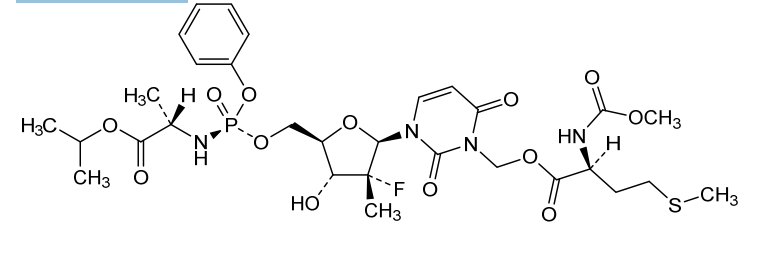
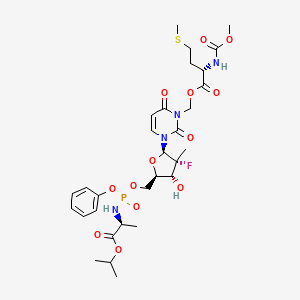
Encofosbuvir, Yiqibuvir
CAS 2232134-77-7
MF C30H42FN4O13PS MW 748.7 g/mol
- L-Alanine, O3-[N-(methoxycarbonyl)-L-methionyl]-[P(S),2’R]-2′-deoxy-2′-fluoro-3-(hydroxymethyl)-2′-methyl-P-phenyl-5′-uridylyl-, 1-methylethyl ester
- O3-[N-(Methoxycarbonyl)-L-methionyl]-[P(S),2’R]-2′-deoxy-2′-fluoro-3-(hydroxymethyl)-2′-methyl-P-phenyl-5′-uridylyl-L-alanine 1-methylethyl ester
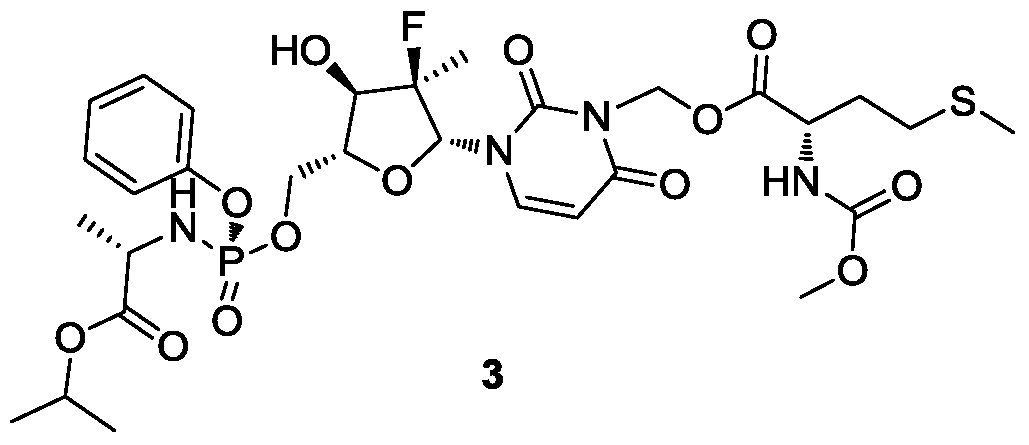
[3-[(2R,3R,4R,5R)-3-fluoro-4-hydroxy-3-methyl-5-[[[[(2S)-1-oxo-1-propan-2-yloxypropan-2-yl]amino]-phenoxyphosphoryl]oxymethyl]oxolan-2-yl]-2,6-dioxopyrimidin-1-yl]methyl (2S)-2-(methoxycarbonylamino)-4-methylsulfanylbutanoate

antiviral, HEC 110114; Yiqibuvir, CHINA 2025, APPROVALS 2025, 82E4Q8WQV7
Encofosbuvir is a novel, oral small-molecule direct-acting antiviral (DAA) drug used to treat the hepatitis C virus (HCV). Approved by China’s National Medical Products Administration (NMPA) in March 2025, it serves as a core component of a domestic, pan-genotypic treatment regimen.
🔬 Mechanism of Action
Encofosbuvir works by targeting the machinery the virus needs to replicate itself:
- Target Enzyme: It functions as an HCV NS5B RNA-dependent RNA polymerase inhibitor.
- Viral Suppression: By selectively binding to this polymerase, it blocks the synthesis of viral RNA, effectively halting the replication and spread of the hepatitis C virus in mammals
Clinical Indications and Usage
According to the official regulatory updates from the China NMPA, encofosbuvir is prescribed under specific clinical parameters:
- Combination Therapy: It must be used in combination with netanasvir (specifically netanasvir phosphate capsules).
- Target Genotypes: The regimen is highly effective across multiple viral strains, covering HCV genotypes 1, 2, 3, and 6.
- Patient Profile: It is indicated for adult patients who are treatment-naïve (never treated before) or who have been previously treated with interferon. It is safe for use in patients with or without compensated liver cirrhosis.
The drug is classified as a Class 1 innovative drug, representing a milestone in self-developed, domestic intellectual property:
- Developers: It was jointly developed and brought to market by Sunshine Lake Pharma (a subsidiary of HEC Pharm) and YiChang HEC ChangJiang Pharmaceutical Co., Ltd.
- Dosage Form: It is distributed commercially as 0.3g tablets.
- Therapeutic Context: This medication expands the developer’s innovative hepatitis C pipeline, building upon their previously approved portfolio like emitasvir phosphate
- OriginatorHEC Pharm; Sunshine Lake Pharma
- DeveloperSunshine Lake Pharma
- ClassAntivirals
- Mechanism of ActionHepatitis C virus NS 5 protein inhibitors
- RegisteredHepatitis C
- 27 Mar 2025Registered for Hepatitis C (Combination therapy, Treatment-naive) in China (PO)
- 08 Feb 2025Preregistered for Hepatitis C (Combination therapy, Treatment-experienced) in China (PO)
- 08 Feb 2025Registered for Hepatitis C (Combination therapy, Treatment-experienced) in China (PO)
Encofosbuvir is an antiviral drug used to treat hepatitis C virus (HCV). In China, encofosbuvir is approved for use in combination with netanasvir for the treatment of adult patients with chronic HCV genotypes 1, 2, 3, or 6, who are either treatment-naive or have been previously treated with interferon.[1]
SYN
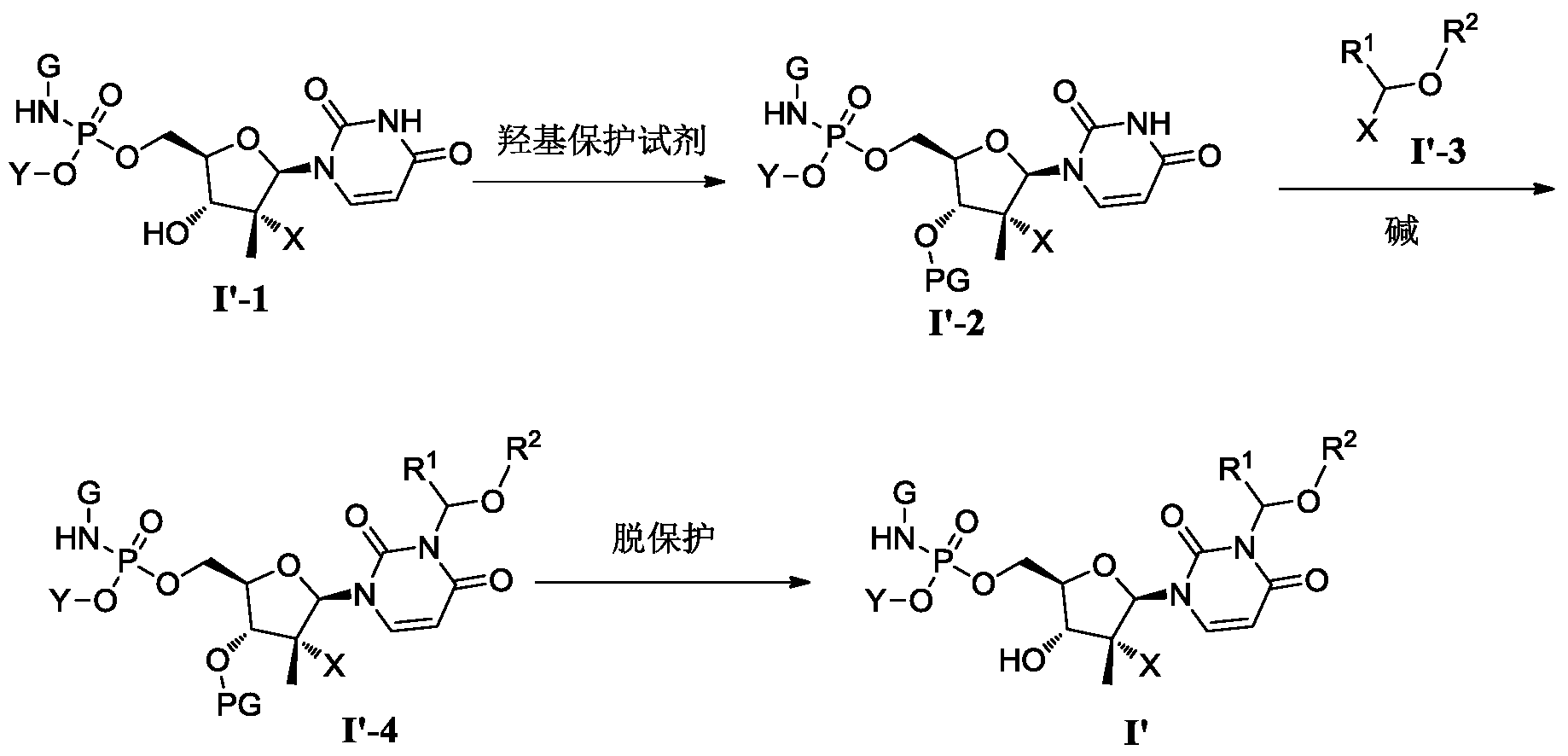
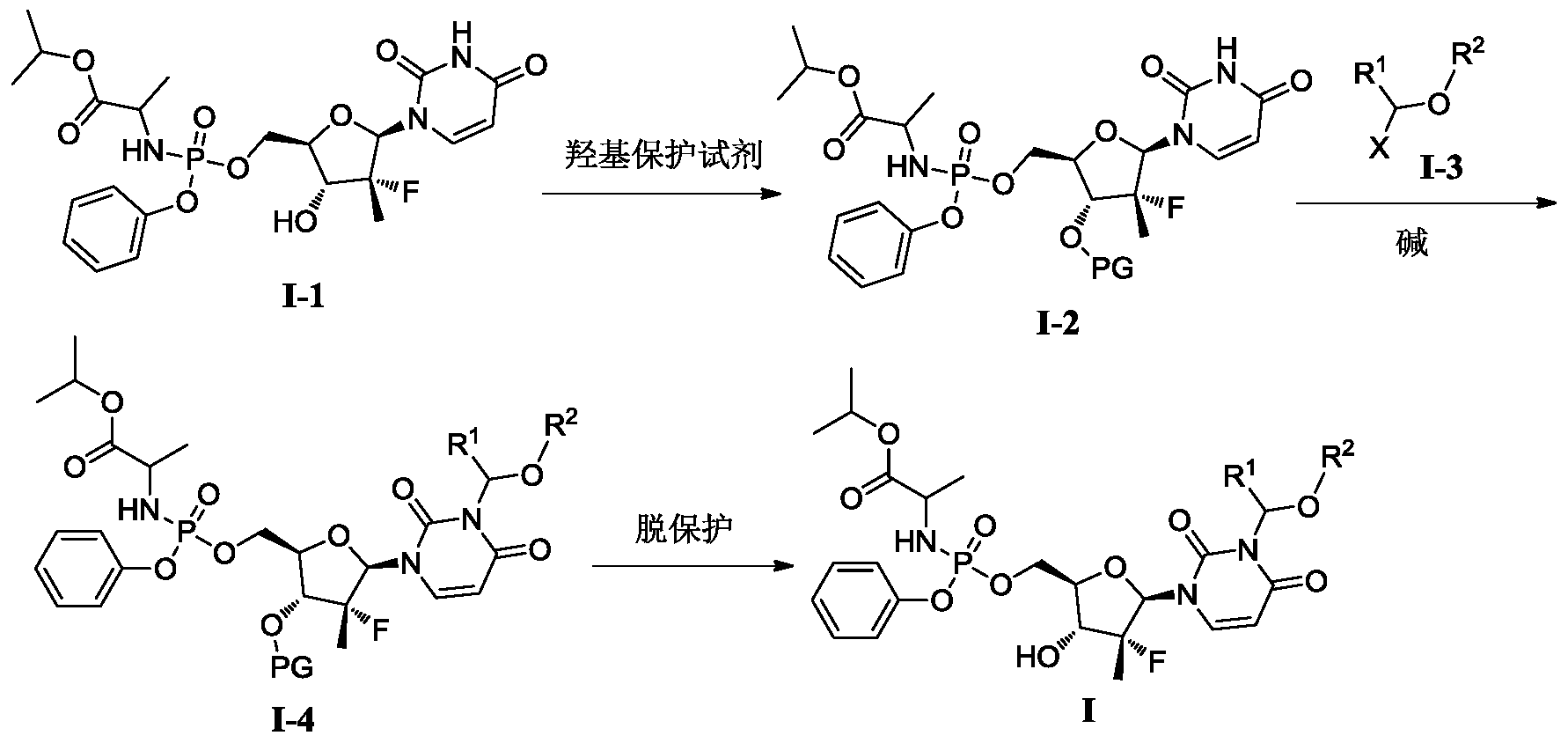
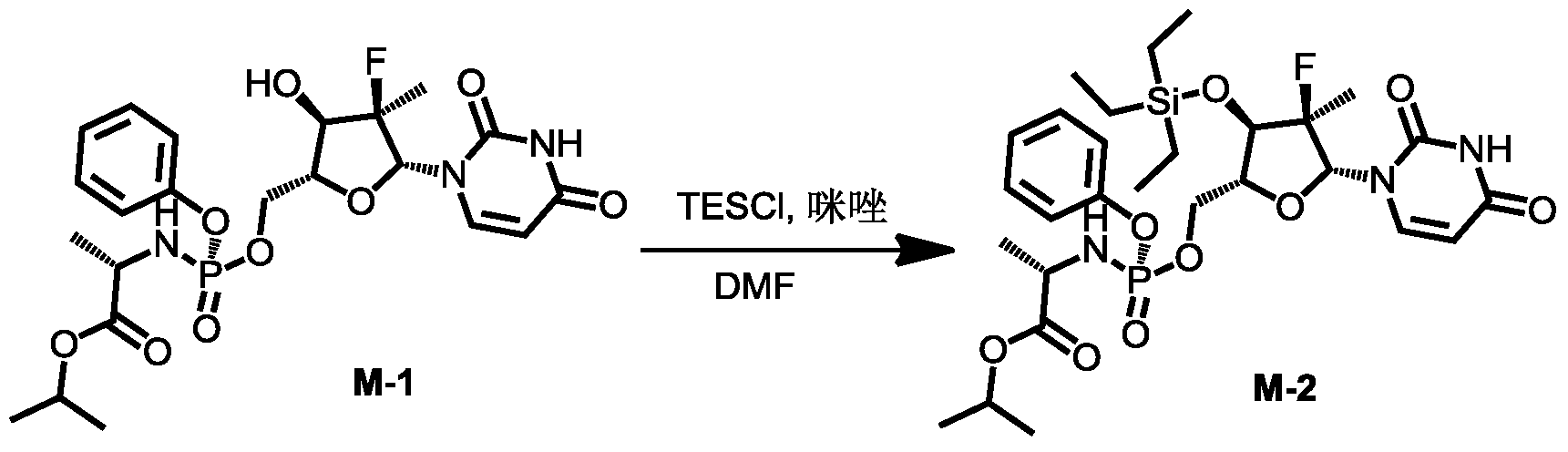
[0515](S)-(3-((2R,3R,4R,5R)-3-fluoro-4-hydroxy-5-((((S)-(((S)-1-isopropoxy-1-oxopropyl-2-yl)amino)(phenoxy)phosphoryl)oxy)methyl)-3-methyltetrahydrofuran-2-yl)-2,6-dioxo-2,3-dihydropyrimidin-1(6H)-yl)methyl-2-((methoxycarbonyl)amino)-4-(methylthio)butyrate
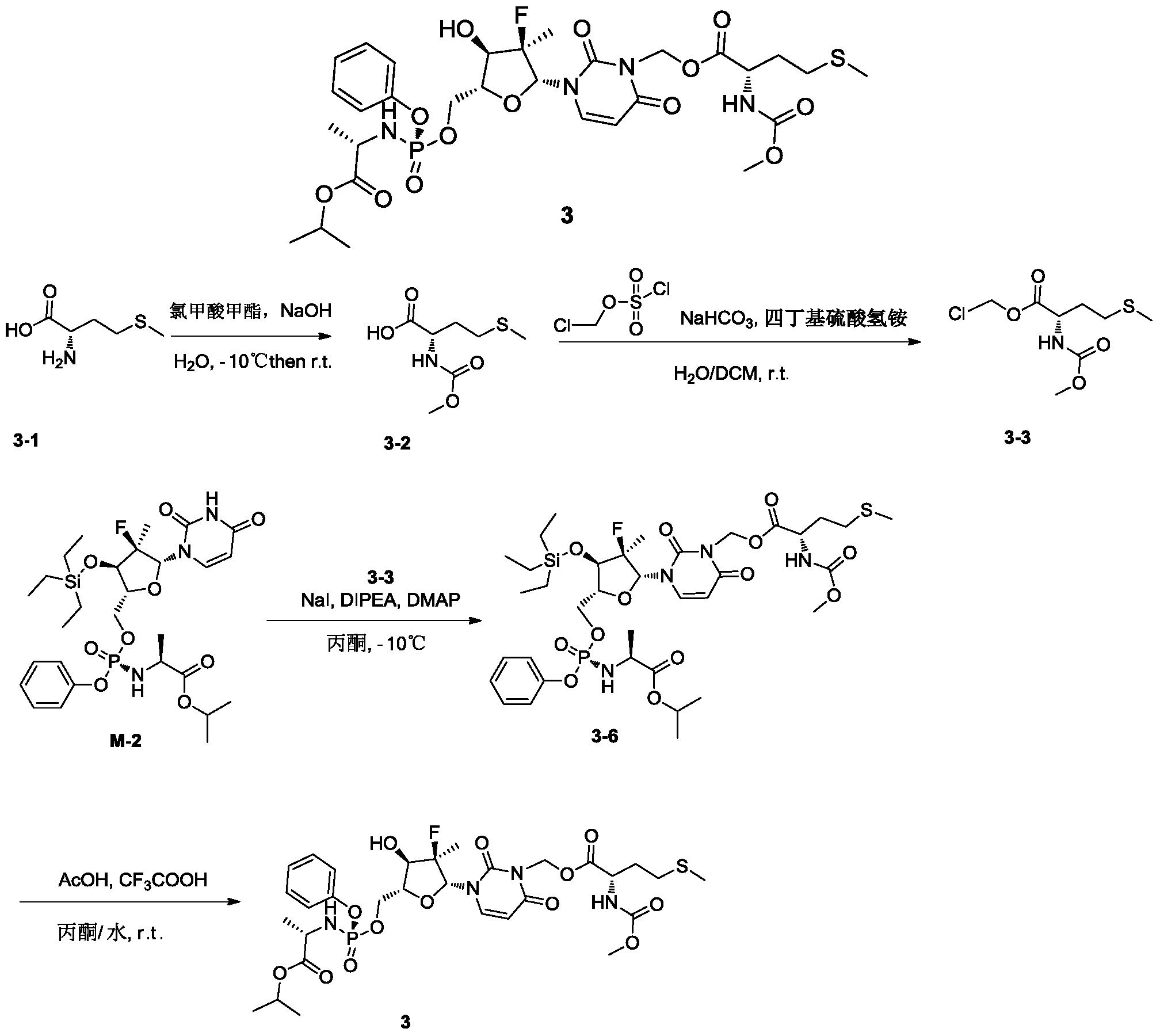
[0531]4) Synthesis of compound 3
Compound 3-6 (3.63 g, 4.2 mmol, 1 eq) was dissolved in acetone (12 mL), and water (9 mL), trifluoroacetic acid (3 mL), and glacial acetic acid (12 mL) were added sequentially at room temperature, followed by a reaction time of 2 hours. After the reaction was monitored by TLC until complete, 30 mL of dichloromethane was added to the reaction solution, stirred thoroughly, and allowed to stand for phase separation. The organic phase was washed sequentially with water (10 mL × 3), saturated sodium chloride (10 mL), dried over anhydrous sodium sulfate, and the solvent was removed under reduced pressure. The solution was purified by column chromatography using DCM:MeOH = 50:1 as the eluent, yielding 2.8 g of a white foamy solid.
[0534]MS-ESI: m/z 748.8[M+1] +;
[0535]
1H NMR(400MHz,CDCl 3)δ7.49(d,J=8.2Hz,1H),7.34(d,J=7.6Hz,2H),7.24–7.16(m,3H),6.19(d,J=17.3Hz,1H),6.07–5.94(m,2H),5.75(d,J=8.3Hz,1H),5.41(d,J=7.4Hz,1H),5.07–4.95(m,1H),4.58–4.39(m,3H),4.12(d,J=8.6Hz,1H),4.02–3.80(m,4H),3.67(s,3H),2.52(t,J=7.5Hz,2H),2.14–1.90(m,5H),1.37(dd,J=18.4,14.3Hz,6H),1.24(d,J=6.3Hz,6H)。
ANAX LABORATORIES
WEBSITE https://www.anaxlab.com/
Discovery Solutions, Supporting the chemistry needs of clients in the Medical, Analytical and Bio Sciences
Development Solutions, Developing from Lab scale to PR&D, Kilo Scale-ups and Commercial Scales
SEE MORE………Integrated Solutions, Manufacturing Solutions, Products,
Can’t Find? Let’s Connect
Phone : +91 897704 2010 / +91 9177075735, Email : info@anaxlab.com
#MedicinalChemistry, #DrugDiscovery, #OrganicSynthesis, #ChemicalLibrary, #BuildingBlocks, #SARStudies, #ChemistryInnovation, #medchem, #Drugdevelopment, #Biotech, #Biotechnology, #AnaxLaboratories, #Pharma
AS ON FEB2026 4.574 LAKHS VIEWS ON BLOG WORLDREACH AVAILABLEFOR YOUR ADVERTISEMENT
join me on Linkedin
Anthony Melvin Crasto Ph.D – India | LinkedIn
join me on Researchgate
RESEARCHGATE
join me on Facebook
Anthony Melvin Crasto Dr. | Facebook
join me on twitter
Anthony Melvin Crasto Dr. | twitter
+919321316780 call whatsaapp
EMAIL. amcrasto@gmail.com
References
“Netanasvir Phosphate Capsules Approved for Marketing by China NMPA”. National Medical Products Administration. 2025-06-11.
| Clinical data | |
|---|---|
| Trade names | 英强布韦 |
| Legal status | |
| Legal status | Rx in China |
| Identifiers | |
| IUPAC name | |
| CAS Number | 2232134-77-7 |
| PubChem CID | 141522644 |
| UNII | 82E4Q8WQV7 |
| Chemical and physical data | |
| Formula | C30H42FN4O13PS |
| Molar mass | 748.71 g·mol−1 |
| 3D model (JSmol) | Interactive image |
| SMILES | |
| InChI | |
//////////encofosbuvir, anax labs, antiviral, HEC 110114; Yiqibuvir, CHINA 2025, APPROVALS 2025, 82E4Q8WQV7
Emupertinib
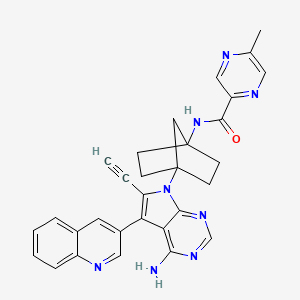
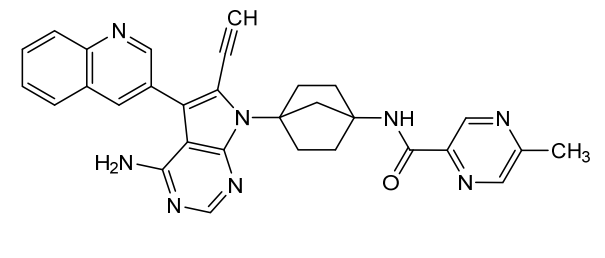
Emupertinib
CAS 2472802-77-8
MFC30H26N8O MW514.6 g/mol
2-Pyrazinecarboxamide, N-[4-[4-amino-6-ethynyl-5-(3-quinolinyl)-7H-pyrrolo[2,3-d]pyrimidin-7-yl]bicyclo[2.2.1]hept-1-yl]-5-methyl-
N-{4-[4-amino-6-ethynyl-5-(quinolin-3-yl)-7Hpyrrolo[2,3-d]pyrimidin-7-yl]bicyclo[2.2.1]heptan-1-yl}-
5-methylpyrazine-2-carboxamide
epidermal growth factor receptor tyrosine kinase, inhibitor, antineoplastic, TAS3351, TAS 3351, CU9YW8A5TP
Emupertinib is a potent, small-molecule epidermal growth factor receptor (EGFR) tyrosine kinase inhibitor. It possesses selective antineoplastic potential for targeting specific mutant profiles of cancer cells. The compound was originally developed by Taiho Pharmaceutical Co., Ltd. under the developmental code TAS3351
Development Profile
The International Nonproprietary Name (INN) for this therapeutic chemical structure was formally proposed under the World Health Organisation (WHO) proposed INN list 132 in early 2025. Global research pipelines list the compound’s structural classification profile within non-small cell lung cancer (NSCLC) primary discovery programs. The drug currently remains a specialized compound designated for global laboratory research use only, rather than standard human prescription or veterinary clinical treatments
SYN
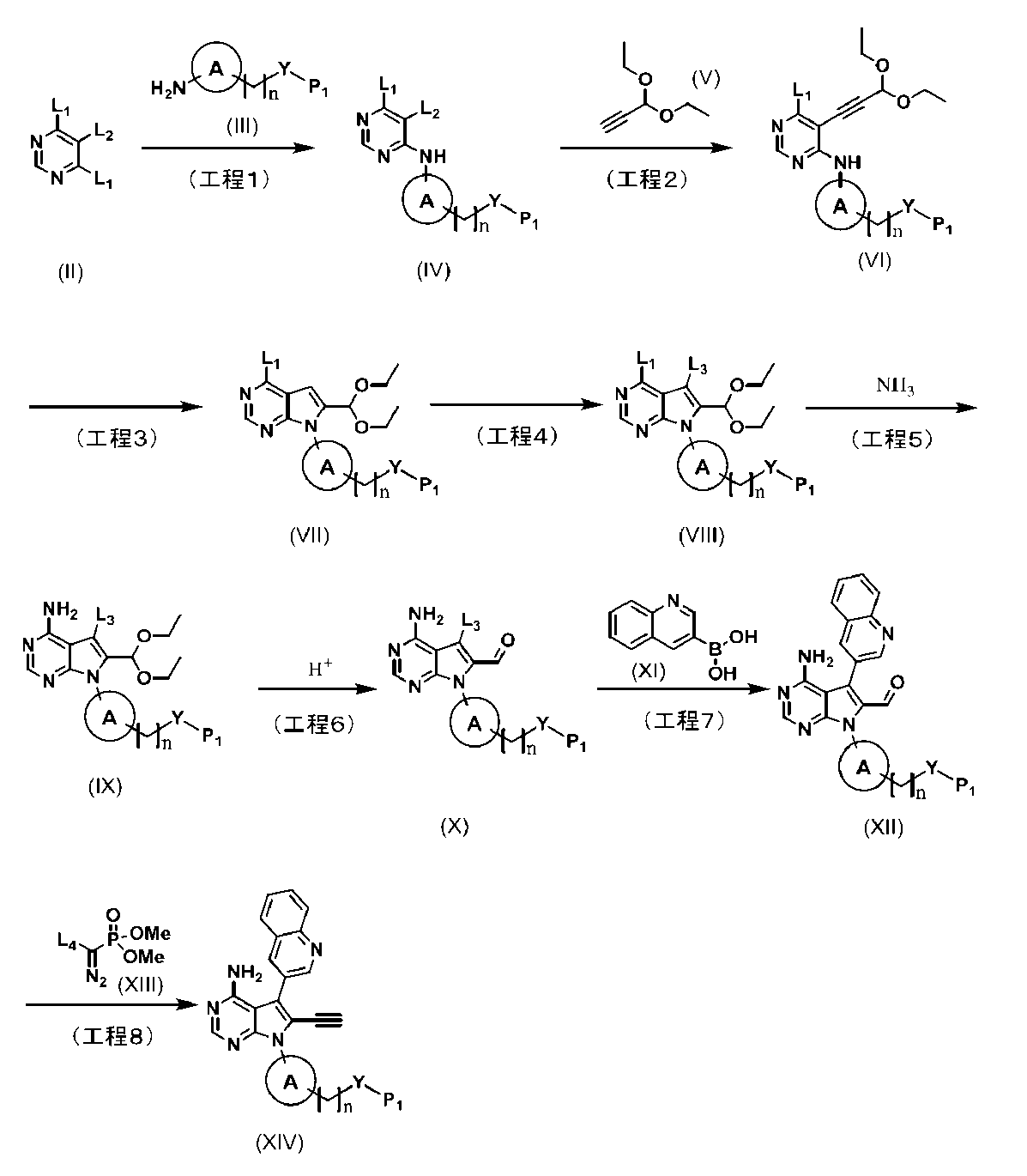
[0184][Example 37]
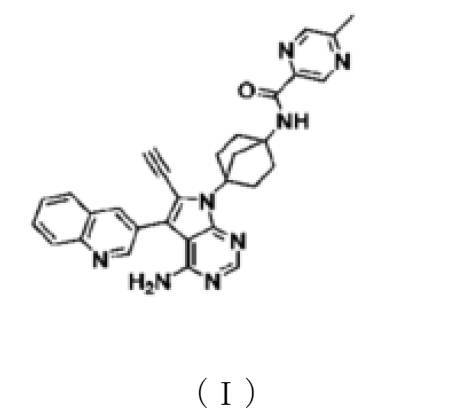
N-(4-(4-amino-6-ethynyl-5-(quinoline-3-yl)-7H-pyrrolo[2,3-d]pyrimidine-7-yl)bicyclo[2.2.1]heptan-1-yl)
-5-methylpyrazine-2-carboxamide The title compound was obtained by following the same method as in Example 29 (step 6), except that 5-methylpyrazine-2-carboxylic acid was used instead of 5-(fluoromethyl)-2-methylpyrazole-3-carboxylic acid used in Example 29.
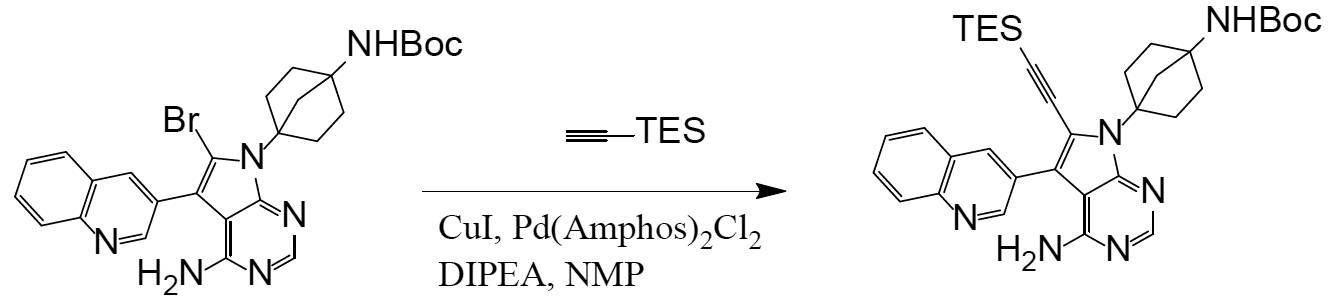
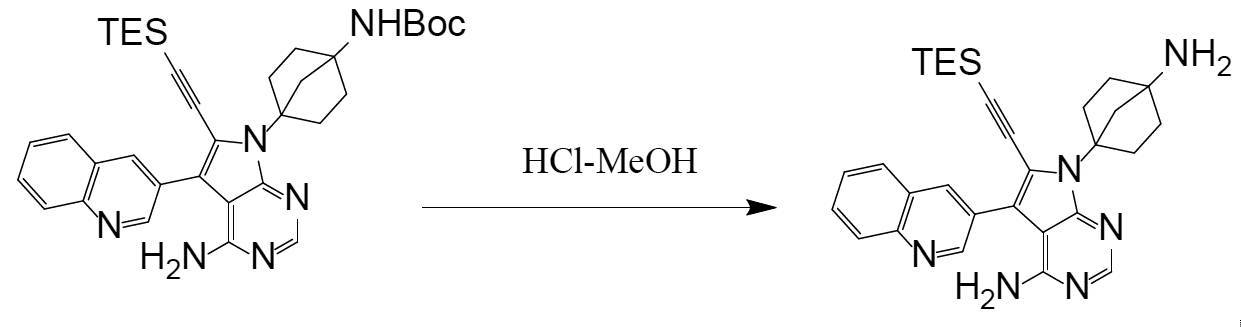
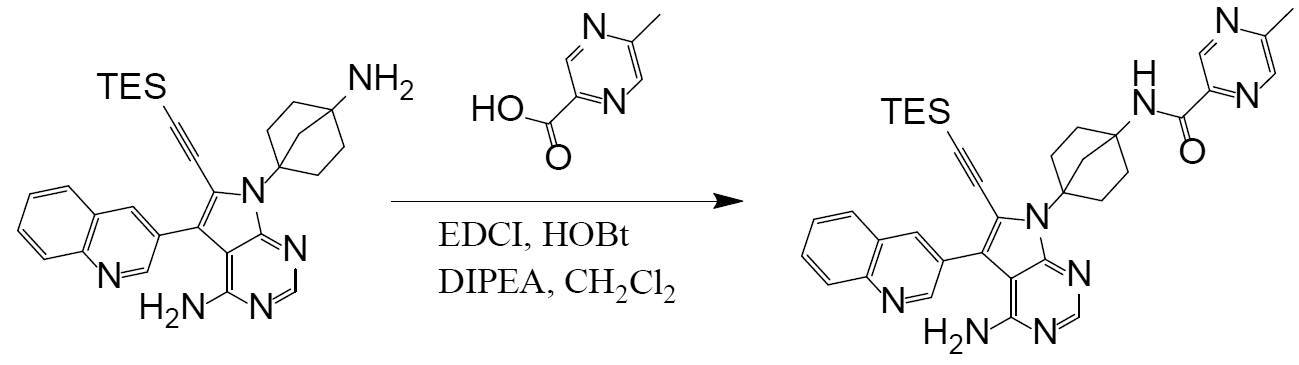
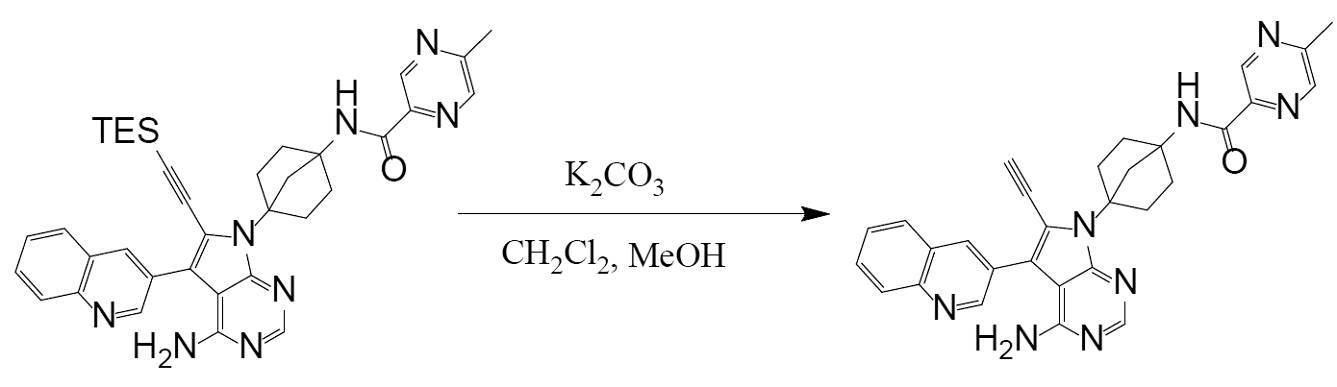
(Step 4)
Synthesis of N-(4-(4-amino-6-ethynyl-5-(quinoline-3-yl)-7H-pyrrolo[2,3-d]pyrimidine-7-yl)bicyclo[2.2.1]heptan-1-yl)-5-methylpyrazine-2-carboxamide (compound (1))
[Chemical Formula 7]
It can be obtained by deprotecting the acetylene protecting group TES of N-(4-(4-amino-5-(quinoline-3-yl)-6-((triethylsilyl)ethynyl)-7H-pyrrolo[2,3-d]pyrimidine-7-yl)bicyclo[2.2.1]heptan-1-yl)-5-methylpyrazine-2-carboxamide obtained in Step 3 under basic conditions.
The reagents used to create basic conditions are not particularly limited as long as the reaction proceeds, but examples of inorganic bases include metal hydroxides (sodium hydroxide, calcium hydroxide, etc.), metal hydrides (lithium hydride, sodium hydride, etc.), and metal carbonates (sodium carbonate, potassium carbonate, cesium carbonate, calcium carbonate, lithium carbonate, magnesium carbonate, sodium bicarbonate, etc.). Examples of organic bases include metal alkoxides (sodium methoxide, potassium tert-butoxide, etc.), metal amides (sodium amide, lithium diisopropylamide, etc.), alkyl metal compounds (n-butyllithium, trimethylaluminum, etc.), alkylamines (triethylamine, tetramethylethylenediamine, piperidine, 1,4-diazabicyclo[2.2.2]octane, etc.), heterocyclic amines (diazabicycloundecene, pyridine, imidazole, etc.), and quaternary ammonium fluorides (tetra-n-butylammonium fluoride). Preferably, the reagent used to create basic conditions is a reagent that does not contain fluoride ions, more preferably a metal carbonate, and even more preferably potassium carbonate. These can be used alone or in combination to adjust the pH to the desired level.
The amount of reagent used is not particularly limited as long as the reaction proceeds, but for example, 0.1 to 50 moles can be used per mole of the starting compound (the compound represented by formula (II)). Preferably, 0.1 to 10 moles, and more preferably 0.1 to 2 moles.
ADVT
ANAX LABORATORIES
WEBSITE https://www.anaxlab.com/
Discovery Solutions, Supporting the chemistry needs of clients in the Medical, Analytical and Bio Sciences
Development Solutions, Developing from Lab scale to PR&D, Kilo Scale-ups and Commercial Scales
SEE MORE………Integrated Solutions, Manufacturing Solutions, Products,
Can’t Find? Let’s Connect
Phone : +91 897704 2010 / +91 9177075735, Email : info@anaxlab.com
#MedicinalChemistry, #DrugDiscovery, #OrganicSynthesis, #ChemicalLibrary, #BuildingBlocks, #SARStudies, #ChemistryInnovation, #medchem, #Drugdevelopment, #Biotech, #Biotechnology, #AnaxLaboratories, #Pharma
AS ON FEB2026 4.574 LAKHS VIEWS ON BLOG WORLDREACH AVAILABLEFOR YOUR ADVERTISEMENT
join me on Linkedin
Anthony Melvin Crasto Ph.D – India | LinkedIn
join me on Researchgate
RESEARCHGATE
join me on Facebook
Anthony Melvin Crasto Dr. | Facebook
join me on twitter
Anthony Melvin Crasto Dr. | twitter
+919321316780 call whatsaapp
EMAIL. amcrasto@gmail.com
References
Substituted pyrrolo[2,3-d]pyrimidines as EGFR inhibitors
Publication Number: US-11786534-B2
Priority Date: 2019-02-15
Grant Date: 2023-10-17
- Crystal of 7h-pyrrolo[2,3-d]pyrimidine-4-amine derivativePublication Number: EP-4512808-A1Priority Date: 2022-04-22
- 7H-pyrrolo[2,3-d]pyrimidin-4-amine derivativePublication Number: KR-102645237-B1Priority Date: 2019-02-15Grant Date: 2024-03-07
- 7h-pyrrolo[2,3-d]pyrimidine-4-amine derivativePublication Number: WO-2020166680-A1Priority Date: 2019-02-15
- 7h-pyrrolo[2,3-d]pyrimidine-4-amine derivativePublication Number: US-2022160719-A1Priority Date: 2019-02-15
- 7H-Pyrrolo[2,3-d]pyrimidin-4-amine derivativesPublication Number: CN-113453764-BPriority Date: 2019-02-15Grant Date: 2024-04-16
- Brain-migrating tumor treatment agent containing, as active ingredient, n-(4-(4-amino-6-ethynyl-5-(quinolin-3-yl)-7h-pyrrolo[2,3-d]pyrimidin-7-yl) bicyclo[2.2.1]heptan-1-yl)-5-methylpyrazine-2-carboxamide or salt thereofPublication Number: WO-2025127108-A1Priority Date: 2023-12-13
- Crystals of 7h-pyrrolo[2,3-d]pyrimidin-4-amine derivativesPublication Number: WO-2025072720-A1Priority Date: 2023-09-29
- Crystal of 7h-pyrrolo[2,3-d]pyrimidine-4-amine derivativePublication Number: WO-2023204303-A1Priority Date: 2022-04-22
- Method for producing 7h-pyrrolo[2,3-d]pyrimidine-4-amine derivativePublication Number: WO-2023204304-A1Priority Date: 2022-04-22
- Method for producing 7h-pyrrolo[2,3-d]pyrimidine-4-amine derivativePublication Number: US-2025270214-A1Priority Date: 2022-04-22
///////emupertinib, anax labs, epidermal growth factor receptor tyrosine kinase, inhibitor, antineoplastic, TAS3351, TAS 3351, CU9YW8A5TP
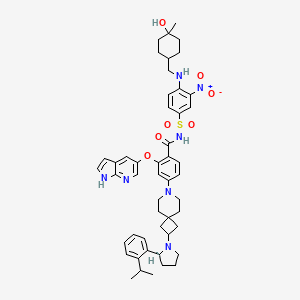
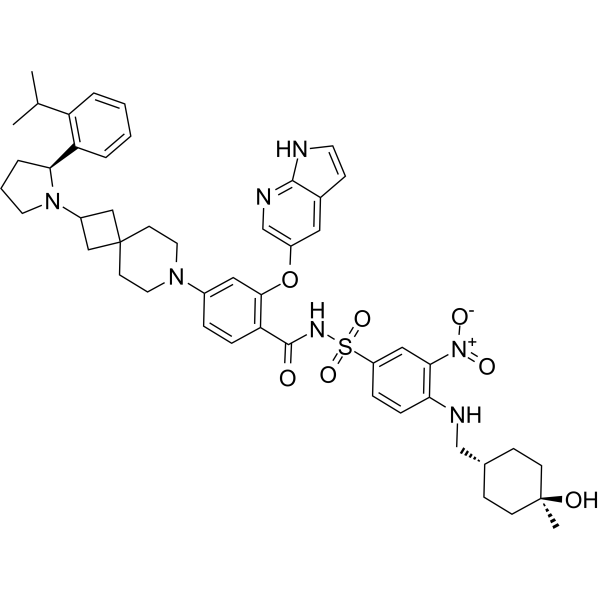
Sonrotoclax
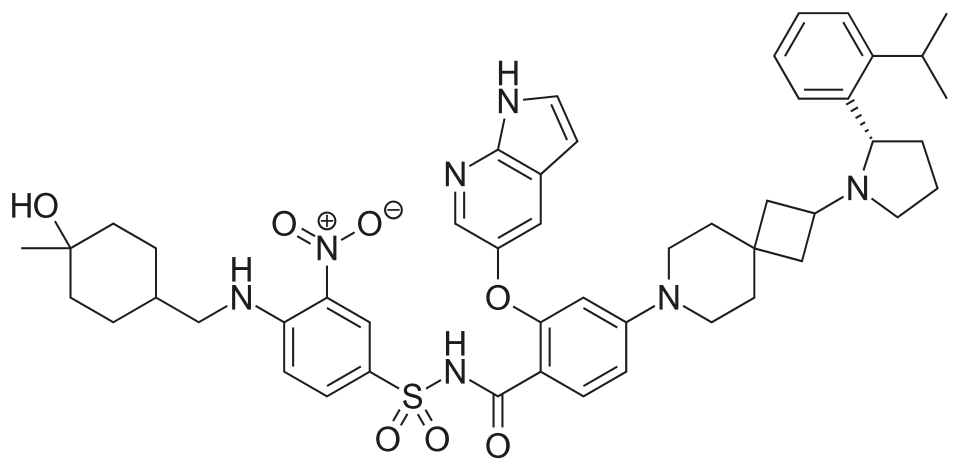
Sonrotoclax
CAS 2383086-06-2
MW 890.1 g/mol, MFC49H59N7O7S
FDA APPROVED 5/13/2026, Beqalzi, APPROVALS 2026, BGB-11417, BGB 11417, 30R67U9KYS
N-[4-[(4-hydroxy-4-methylcyclohexyl)methylamino]-3-nitrophenyl]sulfonyl-4-[2-[(2S)-2-(2-propan-2-ylphenyl)pyrrolidin-1-yl]-7-azaspiro[3.5]nonan-7-yl]-2-(1H-pyrrolo[2,3-b]pyridin-5-yloxy)benzamide
- 2-((1H-Pyrrolo[2,3-b]pyridin-5-yl)oxy)-N-((4-((((1r,4r)-4-hydroxy-4-methylcyclohexyl)methyl)amino)-3-nitrophenyl)sulfonyl)-4-(2-((S)-2-(2-isopropylphenyl)pyrrolidin-1-yl)-7-azaspiro[3.5]nonan-7-yl)benzamide
- 2-((1H-Pyrrolo[2,3-b]pyridin-5-yl)oxy)-N-((4-(((trans-4-hydroxy-4-methylcyclohexyl)methyl)amino)-3-nitrophenyl)sulfonyl)-4-(2-((S)-2-(2-isopropylphenyl)pyrrolidin-1-yl)-7-azaspiro[3.5]nonan-7-yl)benzamide
To treat adults with relapsed or refractory mantle cell lymphoma after at least two lines of systemic therapy, including a Bruton’s tyrosine kinase inhibitor
Sonrotoclax is a potent, orally active Bcl2 inhibitor. Sonrotoclax has effective cell killing effect against a variety of lymphoma and leukemia cell lines.
Regulatory Status & Primary Indication
On May 13, 2026, the U.S. Food and Drug Administration (FDA) granted accelerated approval to sonrotoclax for treating adult patients with relapsed or refractory mantle cell lymphoma (MCL). [1]
- Eligibility Requirement: Patients must have undergone at least two prior lines of systemic therapy, which must include a Bruton’s tyrosine kinase (BTK) inhibitor.
- Clinical Performance: In the supporting Phase 1/2 BGB-11417-201 trial, sonrotoclax demonstrated an overall response rate (ORR) of 52% and a median time to response of 1.9 months
Sonrotoclax is an orally bioavailable inhibitor of the anti-apoptotic protein B-cell lymphoma 2 (Bcl-2), with potential pro-apoptotic and antineoplastic activities. Upon oral administration, sonrotoclax specifically binds to and inhibits the activity of the pro-survival protein Bcl-2. This restores apoptotic processes and inhibits cell proliferation in Bcl-2-overexpressing tumor cells. Bcl-2, a protein that belongs to the Bcl-2 family, is overexpressed in various tumor cell types and plays an important role in the negative regulation of apoptosis. Its tumor expression is associated with increased drug resistance and cancer cell survival.
Sonrotoclax is an investigational new drug that is being evaluated for the treatment of hematologic malignancies, particularly chronic lymphocytic leukemia (CLL) and small lymphocytic lymphoma (SLL).[1] It is a potent and selective BCL2 inhibitor that can overcome resistance associated with BCL2 mutations, such as the G101V variant, which limits the effectiveness of first-generation inhibitors like venetoclax.[2]
SYN
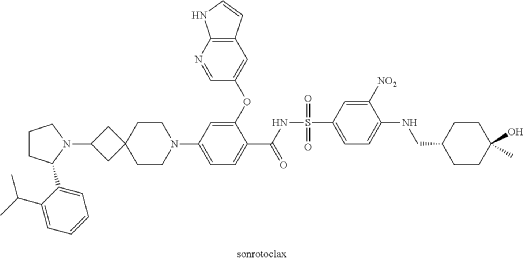
2-((1H-pyrrolo[2,3-b]pyridin-5-yl)oxy)-N-((4-((((1r,4r)-4-hydroxy-4-methylcyclohexyl)methyl)amino)-3-nitrophenyl)sulfonyl)-4-(2-((S)-2-(2-isopropylphenyl)pyrrolidin-1-yl)-7-azaspiro[3.5]nonan-7-yl)benzamide (hereinafter sonrotoclax).
SYN
2-((1H-pyrrolo[2,3-b]pyridin-5-yl)oxy)-N-((4-((((1r,4r)-4-hydroxy-4-methylcyclohexyl)methyl)amino)-3-nitrophenyl)sulfonyl)-4-(2-((S)-2-(2-isopropylphenyl)pyrrolidin-1-yl)-7-azaspiro[3.5]nonan-7-yl)benzamide
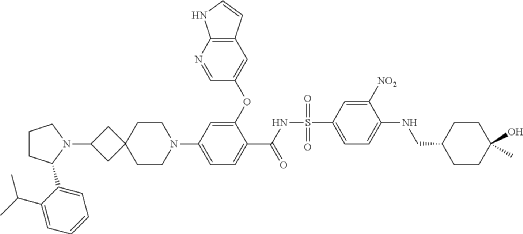
Step 9: 2-((1H-pyrrolo[2,3-b]pyridin-5-yl)oxy)-N-((4-((((1r,4r)-4-hydroxy-4-methylcyclohexyl)methyl)amino)-3-nitrophenyl)sulfonyl)-4-(2-((S)-2-(2-isopropylphenyl)pyrrolidin-1-yl)-7-azaspiro[3.5]nonan-7-yl)benzamide
SYN
- US11420968
- https://patentscope.wipo.int/search/en/detail.jsf?docId=US335022833&_cid=P10-MP4VD4-31735-1
Example F43: 2-((1H-pyrrolo[2,3-b]pyridin-5-yl)oxy)-N-((4-((((1r,4r)-4-hydroxy-4-methylcyclohexyl)methyl)amino)-3-nitrophenyl)sulfonyl)-4-(2-((S)-2-(2-isopropylphenyl)pyrrolidin-1-yl)-7-azaspiro[3.5]nonan-7-yl)benzamide
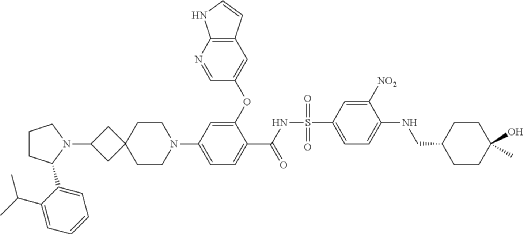
PAT
- Ketal Protected Intermediate for Sonrotoclax and Preparation Method ThereofPublication Number: US-2025320207-A1Priority Date: 2022-12-27
- Methods of treating multiple myeloma using bcl-2 inhibitorPublication Number: US-2025161279-A1Priority Date: 2022-07-21
- Methods of treating myeloid malignancies using bcl-2 inhibitorPublication Number: WO-2023218410-A1Priority Date: 2022-05-12
- Methods of treating myeloid malignancies using bcl-2 inhibitorPublication Number: US-2025057821-A1Priority Date: 2022-05-12
- Methods of treating myeloid malignancies using bcl-2 inhibitorPublication Number: EP-4522169-A1Priority Date: 2022-05-12
- Methods of cancer treatment using bcl-2 inhibitorPublication Number: WO-2021110102-A1Priority Date: 2019-12-02
- Bcl-2 inhibitorsPublication Number: US-2022402915-A1Priority Date: 2018-04-29
- Bcl-2 inhibitorsPublication Number: US-11420968-B2Priority Date: 2018-04-29Grant Date: 2022-08-23
- Bcl-2 inhibitorsPublication Number: US-2021269433-A1Priority Date: 2018-04-29
- Bcl-2 InhibitorsPublication Number: US-2024376104-A1Priority Date: 2018-04-29
- Bcl-2 inhibitorsPublication Number: EP-3788042-B1Priority Date: 2018-04-29Grant Date: 2025-02-12
- Bcl-2 inhibitorsPublication Number: EP-4545515-A1Priority Date: 2018-04-29
ANAX LABORATORIES
WEBSITE https://www.anaxlab.com/
Discovery Solutions, Supporting the chemistry needs of clients in the Medical, Analytical and Bio Sciences
Development Solutions, Developing from Lab scale to PR&D, Kilo Scale-ups and Commercial Scales
SEE MORE………Integrated Solutions, Manufacturing Solutions, Products,
Can’t Find? Let’s Connect
Phone : +91 897704 2010 / +91 9177075735, Email : info@anaxlab.com
#MedicinalChemistry, #DrugDiscovery, #OrganicSynthesis, #ChemicalLibrary, #BuildingBlocks, #SARStudies, #ChemistryInnovation, #medchem, #Drugdevelopment, #Biotech, #Biotechnology, #AnaxLaboratories, #Pharma
AS ON FEB2026 4.574 LAKHS VIEWS ON BLOG WORLDREACH AVAILABLEFOR YOUR ADVERTISEMENT
join me on Linkedin
Anthony Melvin Crasto Ph.D – India | LinkedIn
join me on Researchgate
RESEARCHGATE
join me on Facebook
Anthony Melvin Crasto Dr. | Facebook
join me on twitter
Anthony Melvin Crasto Dr. | twitter
+919321316780 call whatsaapp
EMAIL. amcrasto@gmail.com
References
References
- “Sonrotoclax – BeiGene”. AdisInsight. Springer Nature Switzerland AG.
- Tomkins O, D’Sa S (2024). “Review of BCL2 inhibitors for the treatment of Waldenström’s macroglobulinaemia and non-IgM lymphoplasmacytic lymphoma”. Frontiers in Oncology. 14 1490202. doi:10.3389/fonc.2024.1490202. PMC 11570586. PMID 39558954.
| Clinical data | |
|---|---|
| Pronunciation | /sɒnˈroʊtəklæks/ son-ROH-tə-klaks |
| Identifiers | |
| IUPAC name | |
| CAS Number | 2383086-06-2 |
| PubChem CID | 149553242 |
| ChemSpider | 129309008 |
| UNII | 30R67U9KYS |
| KEGG | D12883 |
| ChEMBL | ChEMBL5314951 |
| Chemical and physical data | |
| Formula | C49H59N7O7S |
| Molar mass | 890.11 g·mol−1 |
| 3D model (JSmol) | Interactive image |
| SMILES | |
| InChI | |
/////////sonrotoclax, anax labs, FDA 2026, APPROVALS 2026, Beqalzi, BGB-11417, BGB 11417, 30R67U9KYS, accelerated approval
Elunetirom

Elunetirom
CAS 2156649-32-8
MF C19H21Cl2NO3 MW382.3 g/mol
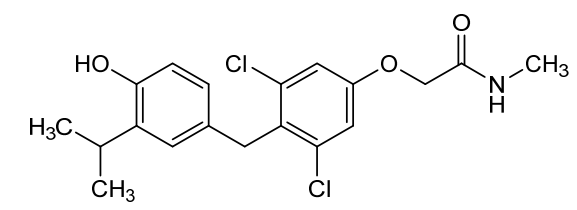
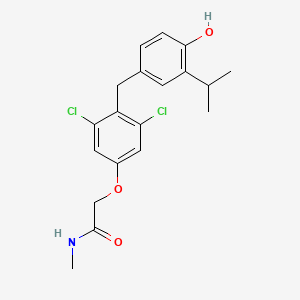
2-[3,5-dichloro-4-[(4-hydroxy-3-propan-2-ylphenyl)methyl]phenoxy]-N-methylacetamide
2-(3,5-dichloro-4-{[4-hydroxy-3-(propan-2-yl)phenyl]methyl}phenoxy)-N-methylacetamide
thyroid hormone beta receptor agonist, ABX-002, MA-JD21, ABX 002, MA JD21, QTW4WC4BRX, MA-JD-21,
Elunetirom (ABX-002/MA-JD21) is an oral, brain-penetrant thyroid hormone receptor beta agonist being developed by Autobahn Therapeutics for major depressive disorder (MDD) and bipolar depression. As of early 2026, it is in Phase 2 clinical trials, aiming to treat these disorders with fewer peripheral side effects than traditional treatments.
Key Facts About Elunetirom
- Mechanism: It is a prodrug converted into an active metabolite that selectively targets TR\(\beta \) in the central nervous system (CNS), boosting brain energy and plasticity.
- Development Stage: Currently in Phase 2 trials for major depressive disorder (MDD) and bipolar depression.
- Target Indications: Primarily for psychiatric conditions, with preclinical research for neurodegenerative diseases like multiple sclerosis and adrenomyeloneuropathy.
- Benefits: Designed to offer a favorable safety profile compared to synthetic thyroid hormones, minimizing systemic side effects.
Clinical Status (2025–2026)
As of early 2026, Autobahn Therapeutics has reported positive Phase 1 data, confirming its, safety, tolerability, and ability to engage with brain targets.
- Phase 2 Focus: Evaluating its potential as an add-on (adjunctive) therapy for depression.
- Preclinical Findings: Studies suggest it may help repair myelin (remyelination) and treat cognitive impairment.
Elunetirom, also known by its developmental code names ABX-002 and MA-JD21, is a thyroid hormone receptor agonist which is under development for the treatment of major depressive disorder, bipolar depression, multiple sclerosis, and adrenomyeloneuropathy.[1][2] It is a prodrug of LL-340001 and acts as a potent, selective, and centrally penetrant agonist of the thyroid hormone receptor beta (TRβ).[1][2] The drug produces psychoplastogenic effects similar to those of brain-derived neurotrophic factor (BDNF) in rodents.[2] In addition, it has been found to improve cognitive impairment caused by old age or scopolamine treatment in rodents.[2] Eunetirom is under development by Autobahn Therapeutics.[1] As of December 2025, it is in phase 2 clinical trials for treatment of major depressive disorder and bipolar depression and is in the preclinical research stage of development for multiple sclerosis and adrenomyeloneuropathy.[1]
SYN
PAT
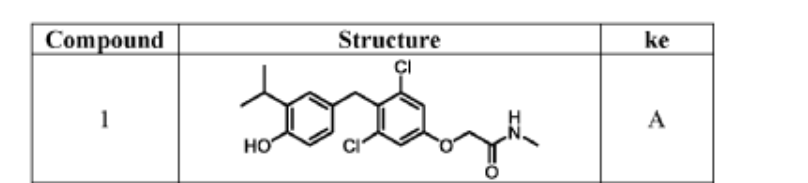
xample 16. Preparation of 2-(3. 5-dichloro-4-(4-hvdroxy-3-isopropylbenzyl) phenoxy)-N-methylacetamide (MA-JD21; 10b)
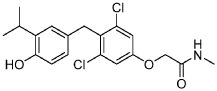
0142] 2-(3, 5-dichloro-4-(4-hydroxy-3-isopropylbenzyl) phenoxy) acetic acid (100 mg, 0.27 mmol, 1 equiv.) was dissolved in methanol (5 mL) in a sealed tube. Sulfuric acid (1 drop) added to it and the reaction was sealed and heated to 65°C for one hour while stirring. It was cooled to room temperature and TLC analysis (ethyl acetate: hexane 1 : 1) shows complete conversion to the intermediate methyl ester. To this was then added 40% methyl amine in water (320μ1, 4mmol, 15 equiv.). The reaction is resealed and heated to 65°C for one hour. The reaction flask was cooled to room temperature and sodium hydroxide (0.5N, 10 mL) added to it. The reaction product was extracted with dichoromethane (3 x 50 mL). The organic layers were combined, dried on anhydrous Mg2S04, filtered and concentrated. Purification by flash chromatography (50% hexane in ethylacetate) gave the product as a white solid (65 mg, 0.17 mmol, 63%). XH NMR (400 MHz, MeOH-c¾): 5=7.12 (s, 2H), 7.01 (d, IH, J=1.98Hz), 6.77 (dd, IH, J=8.21Hz, 2.26Hz), 6.62 (d, IH, J=8.21Hz), 4.56 (s, 2H), 4.15 (s, 2H), 3.23 (septet, IH, J=7.14Hz), 2.85 (s, 3H), 1.17 (d, 6H, J= 6.93Hz). HRMS exact mass calculated for C19H21CI2NO3 [M + H] +: m/z 384.09455, found m/z 384.09473.
PAT
- Derivatives of sobetiromePublication Number: US-10870616-B2Priority Date: 2016-05-18Grant Date: 2020-12-22
- Process for the preparation of derivatives of sobetiromePublication Number: EP-3936497-A1Priority Date: 2016-05-18
- Subiterol DerivativesPublication Number: CN-113277958-APriority Date: 2016-05-18
- Sobetarom derivativePublication Number: JP-6982004-B2Priority Date: 2016-05-18Grant Date: 2021-12-17
- Derivatives of sobetiromePublication Number: US-2019210950-A1Priority Date: 2016-05-18
- History of SubtirumPublication Number: IL-263050-APriority Date: 2016-05-18
- Derivatives of sorbetyromPublication Number: KR-102331596-B1Priority Date: 2016-05-18Grant Date: 2021-11-25
- Derivatives of sobetiromePublication Number: EP-3457851-B1Priority Date: 2016-05-18Grant Date: 2021-06-23
- Fatty acid amide hydrolase (faah) cleavable prodrugs of thyromimetics and combination with peripherally restricted faah inhibitorsPublication Number: EP-4333844-A1Priority Date: 2021-05-06
- Isotopic thyromimetic compoundsPublication Number: US-2023348364-A1Priority Date: 2020-06-03
- Sobetarom derivativePublication Number: JP-2022033788-APriority Date: 2016-05-18
- Derivatives of sobetiromePublication Number: AU-2017267734-A1Priority Date: 2016-05-18
- Derivatives of sobetiromePublication Number: WO-2017201320-A1Priority Date: 2016-05-18
- Fatty acid amide hydrolase (faah) cleavable prodrugs of thyromimetics and combination with peripherally restricted faah inhibitorsPublication Number: US-2024254075-A1Priority Date: 2021-05-06
- Fatty acid amide hydrolase (FAAH) cleaves prodrugs of thyroxine drugs and combinations with peripherally restricted FAAH inhibitorsPublication Number: CN-117597122-APriority Date: 2021-05-06
- Fatty acid amide hydrolase (faah) cleavable prodrugs of thyromimetics and combination with peripherally restricted faah inhibitorsPublication Number: WO-2022236133-A1Priority Date: 2021-05-06
- Fatty acid amide hydrolase (faah) cleavable prodrugs of thyromimetics and combination with peripherally restricted faah inhibitorsPublication Number: AU-2022271304-A1Priority Date: 2021-05-06
- Fatty acid amide hydrolase (faah) cleavable prodrugs of thyromimetics and combination with peripherally restricted faah inhibitorsPublication Number: CA-3217789-A1Priority Date: 2021-05-06
ADVT
ANAX LABORATORIES
WEBSITE https://www.anaxlab.com/
Discovery Solutions, Supporting the chemistry needs of clients in the Medical, Analytical and Bio Sciences
Development Solutions, Developing from Lab scale to PR&D, Kilo Scale-ups and Commercial Scales
SEE MORE………Integrated Solutions, Manufacturing Solutions, Products,
Can’t Find? Let’s Connect
Phone : +91 897704 2010 / +91 9177075735, Email : info@anaxlab.com
#MedicinalChemistry, #DrugDiscovery, #OrganicSynthesis, #ChemicalLibrary, #BuildingBlocks, #SARStudies, #ChemistryInnovation, #medchem, #Drugdevelopment, #Biotech, #Biotechnology, #AnaxLaboratories, #Pharma
AS ON FEB2026 4.574 LAKHS VIEWS ON BLOG WORLDREACH AVAILABLEFOR YOUR ADVERTISEMENT
join me on Linkedin
Anthony Melvin Crasto Ph.D – India | LinkedIn
join me on Researchgate
RESEARCHGATE
join me on Facebook
Anthony Melvin Crasto Dr. | Facebook
join me on twitter
Anthony Melvin Crasto Dr. | twitter
+919321316780 call whatsaapp
EMAIL. amcrasto@gmail.com
References
References
- “Autobahn Therapeutics”. AdisInsight. 2 December 2025. Retrieved 7 January 2026.
- Harris J, Baccei J, Franey B, Vivian JA, MacKenna D, Stratton W, et al. (January 2026). “ACNP 64th Annual Meeting: Poster Abstracts P584-P872”. Neuropsychopharmacology. 51 (Suppl 1). Nature Publishing Group: 410–571. doi:10.1038/s41386-025-02281-2. PMID 41507446.
| Clinical data | |
|---|---|
| Other names | ABX-002; ABX002; MA-JD21; MA-JD-21 |
| Routes of administration | Oral[1] |
| Drug class | Thyromimetic; Thyroid hormone receptor beta (TRβ) agonist |
| Identifiers | |
| IUPAC name | |
| CAS Number | 2156649-32-8 |
| PubChem CID | 132160637 |
| DrugBank | DB18157 |
| ChemSpider | 129433137 |
| UNII | QTW4WC4BRX |
| KEGG | D13273 |
| ChEMBL | ChEMBL5314909 |
| Chemical and physical data | |
| Formula | C19H21Cl2NO3 |
| Molar mass | 382.28 g·mol−1 |
| 3D model (JSmol) | Interactive image |
| SMILES | |
| InChI | |
///////////elunetirom, ANAX LABS, thyroid hormone beta receptor agonist, ABX-002, MA-JD21, ABX 002, MA JD21, QTW4WC4BRX, MA-JD-21,


 New Drug Approvals


