New Drug Approvals

Home » Articles posted by DR ANTHONY MELVIN CRASTO Ph.D (Page 416)

Author Archives: DR ANTHONY MELVIN CRASTO Ph.D

DRUG APPROVALS BY DR ANTHONY MELVIN CRASTO .....FOR BLOG HOME CLICK HERE

Blog Stats

  • 4,819,432 hits

Flag and hits

Flag Counter

Enter your email address to follow this blog and receive notifications of new posts by email.

Join 37.9K other subscribers
Follow New Drug Approvals on WordPress.com

Archives

Categories

Recent Posts

Flag Counter

ORGANIC SPECTROSCOPY

Read all about Organic Spectroscopy on ORGANIC SPECTROSCOPY INTERNATIONAL 

Enter your email address to follow this blog and receive notifications of new posts by email.

Join 37.9K other subscribers
DR ANTHONY MELVIN CRASTO Ph.D

DR ANTHONY MELVIN CRASTO Ph.D

DR ANTHONY MELVIN CRASTO, Born in Mumbai in 1964 and graduated from Mumbai University, Completed his Ph.D from ICT, 1991,Matunga, Mumbai, India, in Organic Chemistry, The thesis topic was Synthesis of Novel Pyrethroid Analogues, Currently he is working with AFRICURE PHARMA, ROW2TECH, NIPER-G, Department of Pharmaceuticals, Ministry of Chemicals and Fertilizers, Govt. of India as ADVISOR, earlier assignment was with GLENMARK LIFE SCIENCES LTD, as CONSUlTANT, Retired from GLENMARK in Jan2022 Research Centre as Principal Scientist, Process Research (bulk actives) at Mahape, Navi Mumbai, India. Total Industry exp 32 plus yrs, Prior to joining Glenmark, he has worked with major multinationals like Hoechst Marion Roussel, now Sanofi, Searle India Ltd, now RPG lifesciences, etc. He has worked with notable scientists like Dr K Nagarajan, Dr Ralph Stapel, Prof S Seshadri, etc, He did custom synthesis for major multinationals in his career like BASF, Novartis, Sanofi, etc., He has worked in Discovery, Natural products, Bulk drugs, Generics, Intermediates, Fine chemicals, Neutraceuticals, GMP, Scaleups, etc, he is now helping millions, has 9 million plus hits on Google on all Organic chemistry websites. His friends call him Open superstar worlddrugtracker. His New Drug Approvals, Green Chemistry International, All about drugs, Eurekamoments, Organic spectroscopy international, etc in organic chemistry are some most read blogs He has hands on experience in initiation and developing novel routes for drug molecules and implementation them on commercial scale over a 32 PLUS year tenure till date Feb 2023, Around 35 plus products in his career. He has good knowledge of IPM, GMP, Regulatory aspects, he has several International patents published worldwide . He has good proficiency in Technology transfer, Spectroscopy, Stereochemistry, Synthesis, Polymorphism etc., He suffered a paralytic stroke/ Acute Transverse mylitis in Dec 2007 and is 90 %Paralysed, He is bound to a wheelchair, this seems to have injected feul in him to help chemists all around the world, he is more active than before and is pushing boundaries, He has 100 million plus hits on Google, 2.5 lakh plus connections on all networking sites, 100 Lakh plus views on dozen plus blogs, 227 countries, 7 continents, He makes himself available to all, contact him on +91 9323115463, email amcrasto@gmail.com, Twitter, @amcrasto , He lives and will die for his family, 90% paralysis cannot kill his soul., Notably he has 38 lakh plus views on New Drug Approvals Blog in 227 countries......https://newdrugapprovals.wordpress.com/ , He appreciates the help he gets from one and all, Friends, Family, Glenmark, Readers, Wellwishers, Doctors, Drug authorities, His Contacts, Physiotherapist, etc He has total of 32 International and Indian awards

Verified Services

View Full Profile →

Archives

Categories

Flag Counter

BioAlliance Pharma’s Sitavig Receives FDA Approval for the Treatment of Herpes Labialis


Paris, April 15, 2013 – BioAlliance Pharma SA today announced the receipt of marketing authorization from the U.S. Food and Drug Administration (FDA) for Sitavig in the treatment of recurring Herpes labialis, marking the successful conclusion to the assessment procedure carried out by the American authorities.

After Loramyc®, registered in 26 countries including the United States, BioAlliance Pharma for the second time has successfully passed the FDA review. The registration of Sitavig, developed internally, shows once again the teams’ capacity and expertise.

File:Acyclovir 3D.png

Based on proprietary Lauriad® technology, Sitavig comes in the form of a mucoadhesive tablet

acylovir

which the patient places on the gum and which delivers a high concentration of acyclovir directly to the lip, the site of the cold sore infection. In a phase III international study conducted on 775 patients, Sitavig demonstrated a high level of efficacy in terms of healing time with one single tablet containing 50 mg of acyclovir and an excellent tolerance profile. In addition to its efficacy, Sitavig offers a unique unobtrusive and simple formulation with a single application for the episode’s entire duration, representing major advantages for patients suffering from recurrent herpes sores.

“Herpes labialis is an infection that affects a very large number of patients around the world and for which there is a real need for effective treatment with appropriate presentation. We participated in the phase III clinical trial in our center and were able to test the benefits of Sitavig. We are very pleased with the outcome of this development which will allow patients, once the product is on the market, to have a drug that meets their needs,” says Professor Stephen Keith Tyring of the Dermatology Department at the University of Texas Health Sciences Center in Houston.

Herpes labialis is an extremely widespread condition. Its estimated annual prevalence is 15% of the adult population1, namely some 40 million people in the United States with more than 100 million episodes of Herpes labialis annually, representing a significant potential market of hundreds of millions of dollars.

Sitavig, the second drug of BioAlliance’s ‘Specialty Products’ portfolio, is intended to be marketed via international partnership agreements and to generate significant income for the company. Obtaining the MA will allow the company to accelerate discussions with potential partners for marketing in the United States.

About BioAlliance Pharma

A company dedicated to specialty and orphan products in the treatment of cancers and supportive care, with an approach focused on drug resistance. BioAlliance Pharma designs and develops innovative medicines mainly intended for hospital use and drugs in rare or orphan diseases. Created in 1997 and listed on the Euronext stock exchange in Paris in 2005, the company has ambitions to become a key player in these areas by linking innovation to patient needs. It possesses the key skills to identify, develop and register drugs in Europe and the United States.

AYURVEDA- ERECTILE DYSFUNTION AND ASSOCIATED MEDICINES


sildanafil

Erection of the penis in males is often a result of a state of sexual arousal. Erectile dysfunction occurs when it becomes difficult to produce erection even in a state of adequate arousal. Erectile dysfunction can occur at any age to any one and at any point of time. It can be due to a vast array of reasons, ranging from fatigue to serious diabetic or heart conditions. While causes like fatigue can be taken care of by simple rest and a good night’s sleep, serious causes like diabetes and cardiovascular diseases can be a little difficult to deal with. Erectile dysfunction does not necessarily mean that there is something physically wrong within the body, as it can also be a result of a vast number of psychological reasons. The loss of erection in itself can give rise to a vast number of psychological problems like loss of self respect and confidence and, hence, requires immediate medical assistance.

File:Vardenafil.svg

vardenafil

You can characterize erectile dysfunction (also known as the problem of male impotency) into two broad categories: firstly, when sometimes full erections are obtained, like when the person under consideration is in deep sleep. This condition is due to the failure of getting an erection due to a psychological reason and can be solved with professional psychological assistance. Secondly, when no erection is obtained. This is generally when the physical structure is not working properly.

File:Tadalafil skeletal.svg

tadalafil

Erectile dysfunction takes place when a man fails to get a proper erection or is not able to sustain it to indulge in sexual intercourse. There is no formal means of detecting and diagnosing an erectile dysfunction. However, blood tests are conducted in such cases as they generally give a fair idea of the underlying diseases such as prolactinoma, diabetes and hypogonadism. Impotency is generally a result of poor health conditions and can be a result of obesity or malnutrition. There are a number of tests along with the blood tests that are undertaken to determine the nature and extent of an erectile dysfunction problem. These are duplex ultrasound to evaluate the blood flow, penile nervous function test such as bulbocavernosus reflex, nocturnal penile tumescence, penile biothesiometry, Magnetic Resonance Angiography (MRA), etc.

avanafil

Avanafil can be synthesized from a benzylamine derivative and a pyrimidine derivative:

Avanafil synthesis.png

Some patients have trouble discussing problems relating to erectile dysfunction with their doctors, but it is important to step forward as erectile dysfunction can also be a symptom of other health problems such as clogged arteries or nerve damage. A doctor can offer a number of treatments for erectile dysfunction depending on the reason and underlying conditions.

While some treatments may involve a steady intake of medicines over a period of time, others can be as simple as taking a few pills for some days and getting more exercise and physical activity. The treatment generally lasts for about a month, but can also be of shorter or longer duration, depending on the severity of the disorder. If the erectile dysfunction is due to some other major ailment, then the problem generally subsides after complete recovery.

When a patient is suffering from erectile dysfunction, he generally has a very low self esteem and, hence, it becomes important that he get professional help and doesn’t try to deal with the situation all by himself. Becoming a part of a support group and taking psychological help from a psychiatrist often helps.

The most common medicines prescribed for erectile dysfunctions are sildanafil or viagra, vardenafil or levitra, and tadalafil or cialis. These medicines can cause side effects such as dizziness and headaches, and should be only taken under expert medical supervision. Some of the other side effects of these medicines may include an increased blood pressure and, thus, are not recommended for heart patients.

Remedies for Erectile Dysfunction

Here are several natural remedies that are used for erectile dysfunction.

L-Arginine

L-arginine is an amino acid that the body uses to make nitric oxide, a substance signals smooth muscle surrounding blood vessels to relax, which dilates the blood vessels and increases blood flow. Relaxation of smooth muscle in the penis allows for enhanced blood flow, leading to an erection.

L-arginine is found naturally in foods such as meat, dairy, poultry and fish. It is also available as oral L-arginine supplements, which some product manufacturers market as a “natural Viagra”).

There have only been two studies to date, however, evaluating the effectiveness of L-arginine for erectile dysfunction.

One study involved 50 men who took L-arginine (5 grams a day) or a placebo. After six weeks, significantly more men taking L-arginine experienced an improvement in sexual function compared with men taking the placebo. Interestingly, it only benefited men who had initially low levels of nitric oxide.

Another study using a smaller dose of L-arginine and a shorter treatment duration found no benefit with L-arginine use. The study involved 32 men with erectile dysfunction who took oral L-arginine supplements (500 milligrams three times per day) or a placebo for 17 days. Oral L-arginine was no better than the placebo.

Side effects may include digestive complaints. High dosees of L-arginine may stimulate the body’s production of gastrin, a hormone that increases stomach acid. For this reason, L-arginine may be harmful for individuals with ulcers and people taking drugs that are hard on the stomach.

L-arginine may also alter potassium levels in the body, especially in people with liver disease. It should not be taken by people who are on medications that alter potassium levels, such as potassium sparing diuretics and ACE inhibitors

Propionyl-L-Carnitine

One study examined the use of two forms of carnitine, propionyl-L-carnitine and acetyl-L-carnitine in 96 men who with erectile dysfunction after prostate surgery. One group were given a placebo, another group took propionyl-L-carnitine (2 grams per day) plus acetyl-L-carnitine (2 grams per day) and sildenafil (Viagra) when needed, and the third group used Viagra alone.

Propionyl-L-carnitine and acetyl-L-carnitine were found to enhance the effectiveness of sildenafil, and result in improved erectile function, sexual intercourse satisfaction, orgasm, and general sexual well-being compared to Viagra alone.

Another study examined the effectiveness of propionyl-L-carnitine supplements plus sildenafil in men with erectile dysfunction and diabetes who were previously unresponsive to Viagra alone. Participants in the study received either propionyl-L-carnitine (two grams per day) plus Viagra (50 milligrams twice a week) or Viagra alone. After 24 weeks, propionyl-L-carnitine plus Viagra was significantly more effective than Viagra alone.

Gingko

The herb ginkgo is used for erectile dysfunction, particularly in people who experience sexual dysfunction as a side effect of antidepressant drugs. It appears to relax smooth muscle and enhance blood flow in the penis.

In one study of 60 men with erectile dysfunction, there was a 50 percent success rate after six months of ginkgo treatment. Two additional studies, however, found that ginkgo was no better than a placebo.

Zinc

Siginificant depletion of the mineral zinc, associated with long-term use of diuretics, diabetes, digestive disorders, and certain kidney and liver diseases, has been shown to lead to erectile dysfunction.

Ashwagandha

The herb ashwagandha (Withania somnifera) is sometimes called Indian Ginseng because it is thought to have similar effects on the body. It is thought to increase energy, stamina, and sexual function. No studies, however, have examined whether it is effective for erectile dysfunction in humans.

Side effects of ashwagandha may include drowsiness. It should not be combined with sedative drugs.

Yohimbe

The bark of the west African yohimbe tree is a source of yohimbine, a compound that has been found to stimulate blood flow to the penis, increase libido, and decrease the period between ejaculations.

Yohimbe is not recommended, however, because it is potentially dangerous, even in small doses. Side effects may include dizziness, anxiety, nausea, a severe drop in blood pressure, abdominal pain, fatigue, hallucinations, and paralysis.

Tongkat Ali

Tongkat Ali was dubbed the “Asian Viagra” in a May 1999 report in the New Sunday Times.

It has been used in Malaysia for many years by men to increase sexual desire, libido, sexual performance and to treat erectile dysfunction.

Tongkat ali appears to work by increasing levels of the hormone testosterone. Testosterone is primarily responsible for the growth and development of male reproductive organs, including the penis, testicles, scrotum, prostate, and seminal vesicles. Normal testosterone levels maintain energy level, mood, fertility, and sexual desire.

Because of its testosterone-enhancing properties, tongkat ali is also used by bodybuilders to increase muscle mass and strength

…………………………………………………………………………………………………..

Tribulus terrestris

Tribulus terrestris, also known as puncture vine, is a herb that has been used in the traditional medicine of China and India for centuries.

In the mid-1990s, tribulus terrestris became known in North America after Eastern European Olympic athletes said that taking tribulus helped their performance.

The active compounds in tribulus are called steroidal saponins. Two types, called furostanol glycosides and spirostanol glycosides, appear to be involved with the effects of tribulus. These saponins are found primarily in the leaf.

Tribulus is most often used for infertility, erectile dysfunction, and low libido. In the last decade, it has become popular to improve sports performance.

Tribulus has been marketed these conditions because research performed in Bulgaria and Russia indicates that tribulus increases levels of the hormones testosterone (by increasing luteinizing hormone), DHEA, and estrogen. The design of these research studies, however, has been questioned.

A more recent study found that four weeks of tribulus supplements (at 10 to 20 milligrams per kg of body weight daily) had no effect on male sex hormones testosterone, androstenedione, or luteinizing hormone compared to people who did not take tribulus.

Preliminary animal studies found that tribulus heightened sexual behavior and increased intracavernous pressure. This was attributed to increases in testosterone. There haven’t been any well-designed human studies to confirm these early findings.

…………………………………………………………………………………………………………………….

Maca
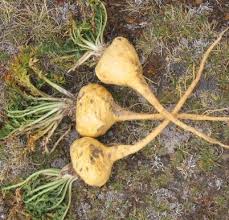
Maca (Lepidium meyenii) is a root plant consumed as a food and for medicinal purposes. Maca is also known as “Peruvian ginseng” (despite the fact that it is not a member of the ginseng family), because it is used as a folk remedy to increase stamina, energy, and sexual function. It is typically taken as a pill or liquid extract or as powdered maca root.

Long used to enhance energy and boost stamina, maca is often touted as an aphrodisiac and a natural means of improving sexual performance and fertility. Although few scientific studies have tested maca’s medicinal effects, some research suggests that maca may offer certain health benefits.

Proponents claim that maca may help with these health concerns:

  • fatigue
  • infertility
  • symptoms of menopause
  • sexual dysfunction in women
  • sexual dysfunction in men (including erectile dysfunction)

Maca is also said to aid in the treatment of cancer.

Here’s a look at the available research on maca and its potential health benefits:

There is “limited evidence” for maca’s effectiveness in improving sexual function in men and women, according to a 2010 report published in BMC Complementary and Alternative Medicine. The report’s authors analyzed four clinical trials, two of which found that maca may have positive effects on sexual dysfunction or sexual desire in healthy menopausal women or healthy adult men. However, the other two trials found that maca failed to produce any positive effects on sexual function.

In a 2008 study from CNS Neuroscience & Therapeutics, researchers found that maca may help alleviate sexual dysfunction caused by use of selective-serotonin reuptake inhibitors (or SSRIs, a class of medications used in treatment of depression). The study involved 20 people with depression, all of whom were experiencing SSRI-induced sexual dysfunction. Results revealed that maca may also help improve libido.

………………………………………………………………………………………………………………

Muira Palma
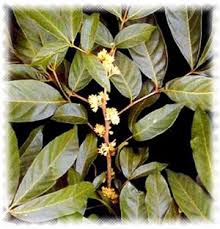
Muira puama is a small Brazilian tree that grows across the Amazon river basin. It has a long history of use in Brazilian folk medicine as an aphrodisiac.

The root and stem of the tree are used medicinally.

Muira puama is used mainly as a herbal remedy for erectile dysfunction and sexual dysfunction in women.

……………………………………………………………………………………………………………..

Damiana
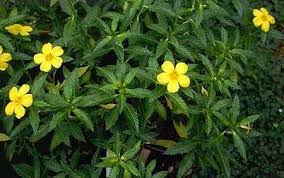
Other Names: Turnera diffusa, Turnera aphrodisiacaDamiana is a plant native to Mexico and the southern United States. The dried leaves are used medicinally.Damiana has been widely used as an aphrodisiac in Mexico for men and women.The use of damiana as an aphrodisiac is somewhat controversial because there is no scientific evidence that it works and yet it has been widely promoted as a sexual stimulant.One study suggests that damiana may have plant compounds with effects similar to those of progesterone. Over 150 herbs were tested for their ability to bind with estrogen and progesterone receptors in breast cancer cells and found that the damiana was among the six highest progesterone-binding herbs and spices.Damiana is also used for asthma, anxiety, depression, headache, and menstrual disorders, however, there is no scientific evidence that it works for these conditions.

Damiana is found in various forms, including capsule, liquid extract, and tea form. A typical dosage is a 400 mg capsule taken once or twice a day.

Damiana may cause mild indigestion.

Damiana contains a glycoside compound called arbutin. In the urinary tract, arbutin is converted into a chemical called hydroquinone. In large amounts, hydroquinone can cause nausea, vomiting, tinnitus (ringing in the ears, convulsions, and eventually, collapse and death.

Although damiana contains about 1/10 of the arbutin as the herb uva ursi, a maximum safe dose of damiana has not been established.

The safety of damiana in children, pregnant or nursing women, or people with liver or kidney disease has not been established.

…………………………………………………………………………………………………………..

Fo-Ti

Other Names: Polygonum multiflorum, He shou wu

Fo-ti is a plant native to China that is also found in Japan and Taiwan. The medicinal part of the plant is the root. In traditional Chinese medicine, it is often boiled in a liquid made with black beans — this is known as red fo-ti. White fo-ti is the unprocessed root.

Fo-ti is called He shou wu, which means “black-haired Mr. He” in Chinese. This name refers to a legend of an older villager named Mr. He who took fo-ti and restored his black hair, youthful appearance and vitality.

……………………………………………………………………………………………………………….

Horny Goat Weed
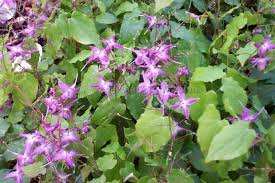
Horny goat weed is a leafy plant that is native to Asia and the Mediterranean region. It is also known as Epimedium and Yin Yan Huo.

Horny goat weed has a long history of use in traditional Chinese medicine.

According to folklore, horny goat weed’s reputed aphrodisiac qualities were discovered when a Chinese goat herder noticed increased sexual activity in his flock after they ingested the weed.

Animal studies indicate that horny goat weed may work by increasing nitric oxide levels, which relaxes smooth muscle and lets more blood flow to the penis or clitoris.

Horny goat weed also appears to act by inhibiting the PDE-5 enzyme, which is the same way that the popular drug Viagra works.

Some evidence suggests horny goat weed may modulate levels of the hormones cortisol, testosterone, and thyroid hormone, bringing low levels back to normal.

AYURVEDA –DIABETES and MEDICINAL HERBS


Diabetes is one of the oldest known diseases. An Egyptian manuscript mentions the phrase “the passing of too much urine” to describe the prevalence of the disease then, while in India, the great physician Sushruta, identified the disease and classified it as Medhumeha. The ancient Indians tested for diabetes by observing whether ants were attracted to a person’s urine, and called the ailment “sweet urine disease”.

Of the estimated 346 million people worldwide that suffer from Diabetes, around 51 million are in India alone! According to a WHO report, an estimated 3.4 million people died from consequences of high blood sugar in 2004.

Many studies have shown how the use of certain plants has helped in lowering blood sugar levels and to some extent even curtailing it completely. This week we list down a few common and easily available plants that have proved to be very efficient in curbing this disease.

Diabetes mellitus, or simply diabetes, is a group of metabolic diseases in which a person has high blood sugar, either because the pancreas does not produce enough insulin, or because cells do not respond to the insulin that is produced. This high blood sugar produces the classical symptoms of polyuria (frequent urination), polydipsia(increased thirst) and polyphagia (increased hunger).

There are three main types of diabetes mellitus (DM).

  • Type 1 DM results from the body’s failure to produce insulin, and currently requires the person to inject insulin or wear an insulin pump. This form was previously referred to as “insulin-dependent diabetes mellitus” (IDDM) or “juvenile diabetes”.
  • Type 2 DM results from insulin resistance, a condition in which cells fail to use insulin properly, sometimes combined with an absolute insulin deficiency. This form was previously referred to as non insulin-dependent diabetes mellitus (NIDDM) or “adult-onset diabetes”.
  • The third main form, gestational diabetes occurs when pregnant women without a previous diagnosis of diabetes develop a high blood glucose level. It may precede development of type 2 DM.

Other forms of diabetes mellitus include congenital diabetes, which is due to geneticdefects of insulin secretion, cystic fibrosis-related diabetes, steroid diabetes induced by high doses of glucocorticoids, and several forms of monogenic diabetes.

Untreated, diabetes can cause many complications. Acute complications include diabetic ketoacidosis and nonketotic hyperosmolar coma. Serious long-term complications includecardiovascular disease, chronic renal failure, and diabetic retinopathy (retinal damage). Adequate treatment of diabetes is thus important, as well as blood pressure control and lifestyle factors such as stopping smoking and maintaining a healthy body weight.

All forms of diabetes have been treatable since insulin became available in 1921, and type 2 diabetes may be controlled with medications. Insulin and some oral medications can cause hypoglycemia (low blood sugars), which can be dangerous if severe. Both types 1 and 2 are chronic conditions that cannot be cured. Pancreas transplants have been tried with limited success in type 1 DM;gastric bypass surgery has been successful in many with morbid obesity and type 2 DM. Gestational diabetes usually resolves after delivery.

Diabetes is of two kinds: Type 1 and Type 2. Type 1 diabetes is an autoimmune disease which affects the pancreas. As a result of this, the pancreas either produce no insulin or too little of it. Type 2 diabetes is different. In this, the body builds up resistance towards insulin and therefore requires greater amount of insulin, every time.

Herbs that have been used in medicine from times immemorial have shown great potential in anti-diabetic activity. Different herbs achieve this in different ways. Some boost the insulin production. Some others boost the utilization of insulin. There are a few herbs which prevent the breakdown of starches into sugars while still others increase the sensitivity of the body towards insulin. Through all these means, the herbs effectively reduce diabetes and become useful in its treatment.

The best thing about these herbs are that they are the most natural form of ingesting chemicals that are useful in treating diabetes. However, care and advice must be sought before making use of a combination of the below listed herbs.

Fenugreek

Fenugreek

Fenugreek or Methi
Fenugreek is used both as a herb (the leaves) and as a spice (the seed). The leaves and sprouts are also eaten as vegetables. The plant is cultivated worldwide as a semi-arid crop and is a common ingredient in many curries.

Fenugreek lowers resistance to insulin and control blood glucose levels by increasing the number of insulin receptors in red blood cells. This will increase glucose utilization in peripheral tissues, thereby reducing the levels of glucose in the blood. However Fenugreek should not be used by pregnant or lactating women.

Sprinkle some seeds in the soil and cover them with soil till they are around a centimetre deep. You will notice the first sprouts in around a week – 10 days and the plant will be ready to use in a month’s time.

The oil extracted from its seeds is a potent insulin stimulant, a powerful anti-oxidant and a modulator of the immune system. Dr. K.Hamden has also discovered that fenugreek oil improved kidney and pancreatic damage in animals. Thus, fenugreek helps in lowering the blood sugar levels in diabetics. The herb can be ingested by drying and grinding then seeds into powder which is then taken in as a paste. However, fenugreek is also known the cause breathing difficulties, facial numbness, swellings, gas and dizziness.

Aloe Vera

Aloe Vera

Aloe vera
Aloe vera is often regarded as a ‘healing herb’. Dried aloe vera sap and gel (inner leaf) is used traditionally to treat diabetes because it is believed to help reduce levels of fasting blood glucose. Aloe vera is a succulent, and as such, stores a large quantity of water within its leaves and root system. During the winter months, the plant will become somewhat dormant, and require very little moisture. During this period watering should be minimal. Allow the soil to become completely dry before giving the plant a cup or two of water.

Aloe vera is a sun loving plant and needs at least a sq. ft to grow to its optimum height and spread.  It is strongly advised to avoid the oral consumption of non-decolorized whole leaf extract of aloe vera as it has shown to be slightly toxic.

Garlic

Garlic

Garlic
Garlic is regarded as the best herb to lower blood sugar as well as repair cells of the pancreas and stimulate it to produce insulin. Garlic can significantly lower blood sugar as its extract reduces blood sugar levels during oral and intravenous glucose tolerance.

Garlic has been long known to lower blood sugar. Recent research by Dr. Y.M. Lee has revealed some more amazing aspects of this herb. High blood sugar causes oxidative stress and free-radical damage to the cells. Being rich in anti-oxidants, garlic helps to prevent several renal and cardiac complications that arise from high blood sugar. Another revealing fact is that aged, black garlic has greater proportions of anti-oxidants compared to regular garlic. Thus, it is more effective against the damage done by diabetes. Onther ancillary benefits in battling diabetes include lowering bad cholesterol in the blood, promoting blood flow and thus regulating blood pressure.

To grow garlic, carefully break the cloves from the bulbs, a process also known as cracking, and plant around 16 of them in a sq. ft. They require moderate amounts of water, but adequate sunshine. Your garlic should be ready to harvest in around 2 months and love the company of tomatoes, peppers, potatoes, broccoli and carrots. Avoid planting them around beans, peas and parsley.

Insulin Plant

Insulin Plant

Insulin Plant
Fiery Costus or Spiral Flag is an herbaceous plant that is characterized by large fleshy looking leaves and is propagated by stem cutting. These plants grow very quickly and require moderate amounts of sun light. They grow to a height of 2 ft and are normally dried and powdered before they are consumed.

The author strongly recommends consulting an ayurvedic doctor on the correct quantities and duration of consumption of each of these plants or their various parts for optimum results.

 Ginseng

Ginseng has long been used to promote body vigor, vitality and to prolong life. Ginsenosides which are found in ginseng have recently been credited with anti-diabetic activity. Dr. J.Z. Luo and Dr. L. Luo have found that these ginsenosides battle diabetes in two ways. Firstly, they reduce the insulin-resistance of the body. They also support and assist the beta cells in the pancreas which produce insulin and release it into the blood stream. They do this by increasing aerobic glycolysis through the stimulation of the beta-adrenoceptor. This direct effect of the ginseng root on the pancreas helps in combating diabetes.

 Holy Basil

The holy basil has been extensively used in Indian systems of medicine like Ayurveda to treat diabetes. Dr.M.Bhat, the lead author for a paper on complementary and alternative medicine, reported that basil was extremely effective in relieving the condition of postprandial hyperglycemia. This is the excessive rise in blood-sugar levels immediately after eating. Basil prevents this by inhibiting the enzymes responsible for breaking down starch into sugars. Thus, it inhibits the activity of a-amylase in the saliva and the other glucosidases in the intestines and pancreas.

Onion

Recent research suggests that more than the apple, it is onion and garlic that help to keep the doctor away! Onion, like garlic, is rich in sulpha compounds. One chemical, allyly propyl disulphide also called as APDS, is of particular interest in treating diabetes. The liver is home to many insulin-deactivating sites that render insulin ineffective. Allyl propyl disulphide has a structure that competes with insulin in binding with the sites at the liver. This ensures that a greater number of insulin molecules are available in the blood to breakdown sugars. Apart from this, onion is also known lower the blood lipid levels and inhibit aggregation of platelets which results in a better overall blood circulation.

 Bitter melon

Bitter melon is an important part of Chinese medicine. Research teams from the Shanghai Institute of Materia Medica and Garvan Institute of Medical Research in China have discovered how bitter melon helps diabetics. It contains four different bio-active compounds which activate the enzyme known as AMPK. This enzyme enables glucose uptake by regulating fuel metabolism in the body. Also, charatin and momordica present in bitter melon act as hypoglycemic agents in the bloodstream by mimicking the behavior of insulin.However, care should be taken and a physician consulted before taking this herb in conjunction with other anti-diabetic herbs to prevent possible cross-reactions.

Cinnamon

Cinnamon has traditionally been used for a treating a variety of problems including gastro-intestinal disorders, colds, flu and urinary infections. James.A.Duke, a doctorate from the U.S. Department of Agriculture says that even one eighth of a teaspoon of cinnamon triples the efficacy of insulin in the bloodstream. This is because in many cases, though the body produces sufficient insulin, it does not utilize it efficiently. Cinnamon helps by enhancing insulin’s ability to metabolize sugar. It contains the anti-oxidant glutathione and the the flavanoid, methylhydroxy chalcone polymer. These make even the fat cells more responsive towards insulin.

 Olive
 

In a paper published in the British Journal of Nutrition in 2009, lead author Dr. T. Cvjetićanin, reports an amazing antidiabetic property of the olive leaf extracts. The extract interferes with the production of cytokines in the body. The cytokines are chemical molecules which produce inflammation. This reduced inflammation successfully blocks the destruction of beta cells in the pancreas. These beta cells are actively involved in the production of insulin. Thus, the insulin levels in the blood increase and diabetes is controlled.

Ginkgo biloba

Ginkgo has been used in medicine for centuries now. New research has revealed many important aspects of this herb which are medically useful. Research at the University of Texas Health and Science Center by Dr.Kudolo has shown that ginkgo reduces pallet aggregation. This results in increased circulation of the blood and thus prevents complications of diabetes that are circulation-based. In diabetics with falling insulin levels, ginkgo was also found to boost insulin production. However, the dosage of the herb is yet to be determined. Excessive use of the herb is known to cause headaches, nausea, vomiting, stomach upsets, diarrhea and even allergic skin reactions.

 Lingonberry

In the northern climes of the world, lingonberry has been used medicinally by people for centuries. Dr. L.P. Beaulieu in his article in Phytotherapy Research has shown how lingonberry extract was used successfully in history to treat diabetes and the complications arising out of diabetes. The ability to treat diabetes was because of the flavonoids thatare present in the lingonberry extracts. Copper is an essential mineral that is used in the treatment of diabetes and lingonberries have good concentrations of this mineral. Being rich sources of omega-3 fatty acids, these berries also have associated anti-oxidant and anti-inflammatory properties.

Bliberry

A Japanese study on mice has shown that bliberry consumption reduces glucose levels in the blood and thus reduce the risk from diabetes. These berries are high in anthocyanin which affects the action of different proteins that are involved in fat metabolism and glucose transport. The anthocyanin activates a protein which in turn stimulates lipid breakdown (in muscles and liver) and modulates AMP-activated protein kinase (AMPK).The net effect is an increased sensitivity towards insulin which enhanced the hormone’s efficacy. Bliberry leaves are also known to reduce risks of long-term and chronic diabetic problems such as diabetic cataracts and diabetic retinopathy.

MORE ON DIABETES

Type 1 diabetes

Type 1 diabetes mellitus is characterized by loss of the insulin-producing beta cells of the islets of Langerhans in the pancreas, leading to insulin deficiency. This type can be further classified as immune-mediated or idiopathic. The majority of type 1 diabetes is of the immune-mediated nature, in which beta cell loss is a T-cell-mediated autoimmune attack. There is no known preventive measure against type 1 diabetes, which causes approximately 10% of diabetes mellitus cases in North America and Europe. Most affected people are otherwise healthy and of a healthy weight when onset occurs. Sensitivity and responsiveness to insulin are usually normal, especially in the early stages. Type 1 diabetes can affect children or adults, but was traditionally termed “juvenile diabetes” because a majority of these diabetes cases were in children.

“Brittle” diabetes, also known as unstable diabetes or labile diabetes, is a term that was traditionally used to describe to dramatic and recurrent swings in glucose levels, often occurring for no apparent reason in insulin-dependent diabetes. This term, however, has no biologic basis and should not be used. There are many reasons for type 1 diabetes to be accompanied by irregular and unpredictablehyperglycemias, frequently with ketosis, and sometimes serious hypoglycemias, including an impaired counterregulatory response to hypoglycemia, occult infection, gastroparesis (which leads to erratic absorption of dietary carbohydrates), and endocrinopathies (e.g., Addison’s disease). These phenomena are believed to occur no more frequently than in 1% to 2% of persons with type 1 diabetes.

Type 2 diabetes

Type 2 diabetes mellitus is characterized by insulin resistance, which may be combined with relatively reduced insulin secretion.The defective responsiveness of body tissues to insulin is believed to involve the insulin receptor. However, the specific defects are not known. Diabetes mellitus cases due to a known defect are classified separately. Type 2 diabetes is the most common type.

In the early stage of type 2, the predominant abnormality is reduced insulin sensitivity. At this stage, hyperglycemia can be reversed by a variety of measures and medications that improve insulin sensitivity or reduce glucose production by the liver.

Gestational diabetes

Gestational diabetes mellitus (GDM) resembles type 2 diabetes in several respects, involving a combination of relatively inadequate insulin secretion and responsiveness. It occurs in about 2%–5% of all pregnancies and may improve or disappear after delivery. Gestational diabetes is fully treatable, but requires careful medical supervision throughout the pregnancy. About 20%–50% of affected women develop type 2 diabetes later in life.

Though it may be transient, untreated gestational diabetes can damage the health of the fetus or mother. Risks to the baby includemacrosomia (high birth weight), congenital cardiac and central nervous system anomalies, and skeletal muscle malformations. Increased fetal insulin may inhibit fetal surfactant production and cause respiratory distress syndrome. Hyperbilirubinemia may result from red blood cell destruction. In severe cases, perinatal death may occur, most commonly as a result of poor placental perfusion due to vascular impairment. Labor induction may be indicated with decreased placental function. A Caesarean section may be performed if there is marked fetal distress or an increased risk of injury associated with macrosomia, such as shoulder dystocia.

A 2008 study completed in the U.S. found the number of American women entering pregnancy with pre-existing diabetes is increasing. In fact, the rate of diabetes in expectant mothers has more than doubled in the past six years.This is particularly problematic as diabetes raises the risk of complications during pregnancy, as well as increasing the potential for the children of diabetic mothers to become diabetic in the future.

AYURVEDA- Safed Musli, Barisadri, a safe herbal alternative to chemical-based Viagra


Safed Musli Photo,  Safed Musli

Safed Musli was originally grown in thick forest in natural form, and is a traditional medicinal plant. Mainly its tuberous roots are used in Ayurvedic medicines. These roots are made into powder form and are used for the preparation of nutritive tonic used in general sexual weakness. Nowadays, there is a very vast demand of Safed Musli powder all over the world. In India many Pharmaceutical companies use this powder in different medicines.

Making Process: In India Safed Musli Powder is done by collecting of healthy tuberous roots. Then it is purified by washing properly and making into fine powder form. After that packaging in aseptic method for storage and transportation.

Safed Musli Herb
Safed Musli Herb Uses of Safed Musli Powder :

  • Safed musli powder is used for preparation of medicinal formulation and capsules.

  • Safed musli powder is used for preparation of Decoction or herbal teas.

  • Safed musli powder is Nutritive and Rejuvenative.

  • Safed musli powder is one of the most potent Aphrodisiac form used today.

  • Safed musli powder is used in case of Pre and Post natal uses.


Safed Musli (Chlorophytum borivilianum), a divine herb, is a tuber crop that is partly an herb with sub-erect lanceolate leaves (Long and wide in the middle) and a tuberous root system. It can grow up to a maximum height of 1.5 ft. while the tubers can grow up to a depth of 10″. The plant is an important ingredient of CHYAWANPRASH, and is commonly found in some patches of the forest areas in India as well as in Maharashtra. The plant has reached rare status in nature due to overexploitation; and owing to its increased demand as a safe herbal alternative to chemical-based Viagra, the species has attracted the attention of farmers as well as researchers in several institutions.

The leaves of safed musli are around 15 to 45 cms long and around 2.5 cms wide. They have soft hair and the leaves whose tips come in contact with soil produces adventitious roots.

Safed Musli requires well drained loamy to sandy loam soils rich in organic matter. Warm and humid climatic condition with good amount of soil moisture during the growing season favour luxuriant vegetative growth and facilitate fleshy root development.

The seeds are black in colour and with angular edges that takes around 2 -3 weeks to sprout. They look similar to onion seeds in appearance. The seeds or roots (fingers in this case) are planted at a distance of 35 to 40 cm apart in organically rich soil. The plant matures in about 3 months and requires bright sunlight for good growth. Weeds should be controlled and any kind of deficiency should be immediately traced and the required element should be supplied. This plant needs regular care and from the time of sowing until harvesting, the plant and soil needs utmost care.

At maturity the leaves start yellowing and ultimately dry up from the collar part and fall down. The plant could thus be harvested when leaves have dried. During digging of plants, fleshy root bunches should be lifted from the soil.

The harvested fleshy roots are cleaned and the skin removed. The white musli tubers obtained are dried and spread in the shade for about 4-7 days.

The fruit is a 4-seeded capsule, with a slender beak and spongy septa. The roots are stout, short or elongate, more or less cylindrical, 4 to 15 cms long and 0.5 to 1 cm wide.

Dried roots of Safed Musli contain 42% carbohydrate, 8–9% protein, 3–4% fiber and 2–17% saponin: saponin has the medicinal property of enhancing vitality and immunity in human beings. It also helps in correcting gynaecological disorders. There are many other therapeutic uses of safed musli where dried tubers are used as a curative for pre-natal and post-natal illness, arthritis, restorative and a health tonic etc.

The root stock extracts is effective mainly on the urinary system and is considered to be diuretic in action. When prepared as a paste with goats milk or honey and applied locally over the face, Safed Musli, brightens the complexion of the face.

References:

  • Phytochemistry, 1978,17:287.
  • Sharma, R. et al. (1987) J.Res. Edu. Ind. Med. 1-10.
  • Singh, R.H., Singh, L.J.(1980) J.Res.Ayur.Siddha. 1:133.

Lupin Launches its Oral Contraceptive Daysee™ Tablets in the US Market; Generic of Seasonique® Tablets


MUMBAI, India and BALTIMORE, April 12, 2013

Pharma major, Lupin Ltd., announced today that its subsidiary Lupin Pharmaceuticals Inc. (collectively Lupin) has received final approval for its Daysee Tablets (Levonorgestrel and Ethinyl Estradiol Tablets, USP, 0.15 mg/0.03 mg and Ethinyl Estradiol Tablets, USP, 0.01 mg) from the United States Food and Drugs Administration (US FDA) to market a generic version of Teva Branded Pharm.’s Seasonique Tablets®. Lupin has already commenced shipping the product.

Lupin’s Daysee Tablets is indicated for use by women to prevent pregnancy.

Lupin’s Daysee Tablet (Levonorgestrel and Ethinyl estradiol tablets USP 0.15 mg/0.03 mg and Ethinyl estradiol tablets USP 0.01 mg) is available in Extended-Cycle Wallets each containing a 13-week supply of tablets: 84 light blue tablets, each containing 0.15 mg of Levonorgestrel and 0.03 mg of Ethinyl estradiol, and 7 mustard tablets, each containing 0.01 mg of Ethinyl estradiol. The light blue tablets are round, biconvex, film-coated tablets, debossed with “LU” on one side and “V21” on the other side. The mustard tablets are round, biconvex, film-coated tablets debossed with “LU” on one side and “V22” on the other side.

The total sales for Branded and generic sales for the product stood at USD 161 million (IMS MAT Dec 2012).

About Lupin Limited

Headquartered in Mumbai, Lupin is an innovation led transnational pharmaceutical company producing and developing a wide range of branded and generic formulations and APIs. The Company is a significant player in the Cardiovascular, Diabetology, Asthma, Pediatric, CNS, GI, Anti-Infective and NSAID space and holds global leadership positions in the Anti-TB and Cephalosporin segment.

Lupin is the 5th largest and fastest growing generics player in the US (5.1% market share by prescriptions, IMS Health) and the 3rd largest Indian pharmaceutical company by sales. The Company is also the fastest growing top 10 generic pharmaceutical players in Japan and South Africa (IMS).

For the financial year ended March 2012, Lupin’s Consolidated Total Income and Profit after Tax were Rs. 70,972 million (USD 1.49 billion) and Rs.8,676 million (USD 182 million) respectively. Please visit http://www.lupinworld.com for more information.

Lupin Pharmaceuticals, Inc. is the wholly owned U.S. subsidiary of Lupin Limited.  Headquartered in Baltimore, Maryland, Lupin Pharmaceuticals, Inc. is dedicated to delivering high-quality, affordable generic medicines and branded formulations trusted by healthcare professionals and patients across geographies. For more information, visit http://www.lupinpharmaceuticals.com.

Fostamatinib


vsprasada's avatarMed.Chem.Cool

AstraZeneca Reports Mixed Phase III Results For Rheumatoid Arthritis Candidate

4/5/2013 3:39 AM ET

Anglo-Swedish drug maker AstraZeneca Plc, on Friday said that a phase III study to assess the efficacy and safety of its drug candidate Fostamatinib for rheumatoid arthritis met one primary endpoint, while it failed in its second primary goal.

The trial, dubbed OSKIRA-1, had two primary endpoints namely, assessing signs and symptoms of rheumatoid arthritis as measured by ACR20 response rates, and an X-ray endpoint known as mTSS (modified Total Sharp Score). While Fostamatinib achieved a statistically significant improvement in ACR20 response rate compared to placebo in the trial, it failed to achieve statistical significance in mTSS.

The company added that the safety and tolerability findings for Fostamatinib observed in the OSKIRA-1 study were generally consistent with those previously reported for the TASKi Phase II program. In the study, the most commonly reported adverse events were…

View original post 196 more words

Sorbent begins CLP-1001 Phase 2b trial in heart failure patients


APRIL 2013

Sorbent Therapeutics has begun Phase 2b trial evaluating the safety and efficacy of CLP-1001 in treating signs and symptoms of fluid overload in heart failure patients.

Non-absorbed oral polymer CLP-1001 binds to and removes excess sodium and fluid in the GI tract independently of the kidneys……………read original article at pharmaceutical business review

http://clinicaltrials.pharmaceutical-business-review.com/news/sorbent-begins-clp-1001-phase-2b-trial-in-heart-failure-patients-120413

EMA reviews new Sanofi flu vaccine


EMA reviews new Sanofi flu vaccine

April 12, 2013


Sanofi says that regulators in Europe have started to evaluate its four-in-one influenza vaccine.

The French drugmaker’s Sanofi Pasteur unit announced that a decentralised marketing authorisation application has been accepted for review in the European Union for a quadrivalent formulation of its three-strain seasonal influenza vaccine Vaxigrip. France will act as the reference member state.

Currently-licensed vaccines are trivalent and are formulated every year, based on seasonal recommendations made by the World Health Organisation and national authorities. They contain inactivated strains that confer protection against two influenza A virus subtypes and one type B virus.

However, for over a decade, two distinct influenza B families have co-circulated, Sanofi noted, making it difficult to predict which B-lineage strain will predominate in a country or in a region in seasons to come. The new vaccine includes two A and two B strains corresponding to both of the aforementioned B lineages.

Olivier Charmeil, Sanofi Pasteur’s chief executive, said the inclusion of the four flu viruses anticipated to circulate in the forthcoming season “has the potential to reduce the risk of influenza disease and influenza-related complications, specifically hospitalisations and deaths among those, at risk, who contract the disease”.

In October 2012, a supplemental Biologics License Application was filed in the USA for a quadrivalent formulation of Sanofi’s Fluzone vaccine. An action date is anticipated in the second quarter of 2013.

Earlier this month, rival GlaxoSmithKline’s quadrivalent seasonal influenza vaccine, Influsplit Tetra/Fluarix Tetra, was granted marketing authorisation in Germany and the UK, the first four-strain flu jab to be approved in Europe.

Newzealand’s PHARMAC is seeking feedback on a proposal to list pegfilgrastim (Neulastim) and tocilizumab (Actemra) , from 1 July 2013, with Roche Products (NZ) Limited.


https://i0.wp.com/www.voxy.co.nz/files/imagecache/news_item_image/files/pharmac_22.jpg

NEWZEALAND

Tocilizumab and pegfilgrastim

12 April 2013

PHARMAC is seeking feedback on a proposal to list pegfilgrastim (Neulastim) for prevention of neutropenia in patients undergoing cancer chemotherapy, and tocilizumab (Actemra) for systemic juvenile idiopathic arthritis, from 1 July 2013, through a provisional agreement with Roche Products (NZ) Limited.

Feedback sought

PHARMAC welcomes feedback on this proposal. To provide feedback, please submit it in writing by 5:00 pm on Monday 29 April 2013 to:

Geraldine MacGibbon
Senior Therapeutic Group Manager

Email: geraldine.macgibbon@pharmac.govt.nz

Fax: 04 460 4995

Post: PO Box 10 254, Wellington 6143.

All feedback received before the closing date will be considered by PHARMAC’s Board (or Chief Executive acting under delegated authority) prior to making a decision on this proposal.

http://www.pharmac.health.nz/news/item/tocilizumab-and-pegfilgrastim


Tocilizumab (INN, or atlizumab, developed by Hoffmann–La Roche and Chugai and sold under the trade names Actemra and RoActemra) is an immunosuppressive drug, mainly for the treatment of rheumatoid arthritis (RA) and systemic juvenile idiopathic arthritis, a severe form of RA in children. It is a humanized monoclonal antibody against the interleukin-6 receptor (IL-6R). Interleukin 6 (IL-6) is a cytokine that plays an important role in immune response and is implicated in the pathogenesis of many diseases, such as autoimmune diseases, multiple myeloma and prostate cancer.


Pegfilgrastim is a PEGylated form of the recombinant human granulocyte colony-stimulating factor (GCSF) analog filgrastim. It serves to stimulate the level of white blood cells (neutrophils).

Amgen manufactures pegfilgrastim under the brand name Neulasta Which was mainly worked on by Martine Allard, and Roche under the name Neulastim. In India it is also marketed by Abbott Healthcare under the brand name Imupeg. The drug is prepared by coupling a 20 kDa polyethylene glycol (PEG) molecule to the N-terminus of the filgrastim protein. Pegfilgrastim has a human half-life of 15 to 80 hours, much longer than the parent filgrastim (3–4 hours).

Pegfilgrastim treatment can be used to stimulate the bone marrow to produce more neutrophils to fight infection in patients undergoing chemotherapy.


AYURVEDA-Jyotishmati / Malkangani – Staff-tree (Celastrus paniculatus)


Jyotishmati / Malkangani -Staff-tree, (Celastrus paniculatus)

  • Excellent pain reliever

Relieves pain: Apply staff-tree oil on the affected area.

Celastrus paniculatus
Scientific classification
Kingdom: Plantae
(unranked): Angiosperms
(unranked): Eudicots
(unranked): Rosids
Order: Celastrales
Family: Celastraceae
Genus: Celastrus
Species: C. paniculatus
Binomial name
Celastrus paniculatus
Willd.
Synonyms
Celastrus dependens Wall.

Celastrus paniculatus seeds

Celastrus paniculatus is a woody liana commonly known as black oil plant, climbing staff tree, and intellect tree (Sanskrit: jyotishmati ज्योतीष्मती, Hindi: Mal-kangani माल-कांगनी, Chinese: deng you teng 灯油藤).[1][2][3] The plant grows throughout India at elevations up to 1800 m.[1][4] Oil from the seeds is used as a traditional medicine in Indian Unani and Ayurvedic medicine.[1][5]

C. paniculatus is a deciduous vine with stems up to 10 centimeters in diameter and 6 meters long with rough, pale brown exfoliating bark covered densely with small, elongated lenticles. The leaves are simple, broad, and oval, obovate or elliptic in shape, with toothed margins.[1][2] The Intellect tree, or Celastrus paniculatus, is a climbing shrub, also known as malkangani, found throughout India. The seeds contain fatty acids and alkaloids, and have sedative and antidepressant actions. Botanist M. Daniel states that the seeds are used to sharpen the memory, and Ayurvedic practitioners also use the seed oil as a brain tonic and as a treatment for memory loss. A study published in the August 2004 issue of the “Journal of Ethnopharmacology” found that intellect tree’s ability to improve memory loss may be due to its neuroprotective actions. A study of rats suggested the aqueous extract of Celastrus paniculatus seed has dose-dependent cholinergic activity, thereby improving memory performance.[6]


  1.  Premila, M. S. (2006). Ayurvedic Herbs: A Clinical Guide to the Healing Plants of Traditional Indian Medicine. New York: Haworth Press. ISBN 0-7890-1768-7.
  2. H. F. Macmillan (1989). Handbook of Tropical Plants. Columbia, Mo: South Asia Books. ISBN 81-7041-177-7.
  3.  Putz, Francis E.; Mooney, Harold A. (1991). The Biology of vines. Cambridge, UK: Cambridge University Press. ISBN 0-521-39250-0.
  4.  Zhixiang Zhang, Michele Funston: Celastrus, in Flora of China, Vol. 11
  5.  Chopra, R. N. Indigenous Drugs of india. Kolkata: Academic Publishers. ISBN 978-81-85086-80-4.
  6.  Bhanumathy M. Harish MS. Shivaprasad HN. Sushma G.”Nootropic activity of Celastrus paniculatus seed.Pharmaceutical Biology. 48(3):324-7, 2010 Mar.

Native to: India, China, Sri Lanka, and south-east Asia


Celastrus paniculatus is a shrub used in Ayurdevic medicine in India.  Various properties are attributed to the aerial parts of the plant, but we will deal here primarily with the seeds and the oil expressed from them. Celastrus paniculatus oil is cold-pressed raw herbal oil expressed from the Malkangni/Intellect Tree seeds of Celastrus panuculatis, a shrub native to India.   While Celastrus oil has been used in India for centuries it is only within the past few years that it has started to become known outside of Ayurvedic medicine, the traditional medicinal practice of India.


1.   The oil is used to increase memory and facilitate learning.

2.   It induces a feeling of well-being and has reported aphrodisiac effects.

The oil in its raw state has a shelf life of 2 years if kept in a cool and dark place such as a refrigerator. When put into softgels the shelf life can be expected to be much longer, on the order of four years if kept in a dark and refrigerated state.

Oil Chemical Composition:

The oil contains protein,   carbohydrates (less than 1 calorie per dose), fats (saturated fats: .022 of 1%, polyunsaturated fats: .035 of 1%, monounsaturated fats: .032 of 1%) Vitamin C, Sodium, Potassium, ash, Calcium, Iron, and Sesqiterpene polyesters.

Uses of Malkangni:

1.   Celastrus paniculata is a treasured medicinal herb that is revered for its effects on the brain and has been used for centuries in Ayurveda for sharpening the memory, increasing intellect, and improving concentration.

2.   The seed oil is used for massage with great benefit, especially in vata diseases like sciatica, lumbago, paralysis, arthritis and facial palsy.

3.   The seed oil is useful to hasten the healing in nonhealing wounds and ulcers.

4.   Essential for acne, boils, eczema and hair loss.

5.   Excellent pain reliever Relieves pain

The seed oil is extremely beneficial as a sirovirecana cleansing nasal therapy, wherein the drops instilled into nostrils, ward off mucous secretions in colds and cough.

Habitat:

It grows almost all over India, up to attitude of 1,800 meter Specially Punjab, Kashmir etc. hilly state. It is also found SriLanka, Malaya deep and Philippines.  Globally the species occurs in the tropical and subtropical regions of India, Myanmar (earlier Burma), China, Malaysia, SriLanka and Philippines and also in North America. Within India, it occurs in Andhra Pradesh, Karnataka, Goa, Maharashtra, Gujarat, Madhya Pradesh, Uttar Pradesh, Arunachal Pradesh, Punjab and Himachal Pradesh.

The leaf and seed of Jyotismati is used in the form of powder and oil to treat udara roga, wound, sidhma, drowsiness in fever and amenorrhoea and many Skin diseases.

Morphology Description:

Malkagni is a large, woody, climbing shrub. The leaves are ovate oblong-elliptic, the flowers are unisexual, small greenish white or yellowish green, the capsules are globose, yellow 1-6 seeded and transversely wrinkled, the seeds are ellipsoid or ovoid, yellowish or reddish-brown in color enclosed in scarlet aril, which stains yellowish orange.

Chemical Composition: 

The seeds yield brownish yellow oil 52.2% with an unpleasant taste. This oil is reported to contain acetic acids & benzoic acids in addition to the higher amount of the fatty acids.

Application:

The oil of Malkagini locally act as a good analgesic, anti-inflammatory it overcome pain and inflammation in case of paralysis, facial paralysis, joint pains, sciatica, lumber pain etc.

Ayurveda recognizes its seeds as an effective nervine tonic. Its use is recommended in chronic debilitating diseases of nervous system. The seeds possess emetic, diaphoretic, febrifugal and Nervine properties and are used for sharpening the memory & learning abilities.  

Effect on Doshas – Pacifies Vata & Kapha, Promotes Pitta.