
Home » 2014 (Page 77)
Yearly Archives: 2014
 DRUG APPROVALS BY DR ANTHONY MELVIN CRASTO
.....FOR BLOG HOME CLICK HERE
DRUG APPROVALS BY DR ANTHONY MELVIN CRASTO
.....FOR BLOG HOME CLICK HEREFlag and hits
ORGANIC SPECTROSCOPY

SUBSCRIBE

 Subscribe in a reader
Enter your email address:
Delivered by FeedBurner
Subscribe to New Drug Approvals by Email


Recent Comments
 | shivkr2 on SPSR Excellence Award 2025 – S… |
 | Bonkasaurus on Infigratinib phosphate |
 | PALOVAROTENE | ORGAN… on Palovarotene |
| Pfizer just purchase… on Temanogrel | |
| Pfizer To Cash In On… on Temanogrel |
LCB01-0371……..new oxazolidinone in phase 1 has improved activity against Gram-positive pathogens

LCB01-0371
3-[3-Fluoro-4-(1-methyl-1,4,5,6-tetrahydro-1,2,4-triazin-4-yl)phenyl]-5(R)-(hydroxymethyl)oxazolidin-2-one
LegoChem Biosciences (South Korea)
Phase I, Gram-positive
308.3082
C14 H17 F N4 O3
LCB01-0371 is being developed by LegoChem Bio. This new oxazolidinone has improved activity against Gram-positive pathogens and has good pharmacokinetic profiles in animals [103].
The compound is under Phase I clinical development to assess the safety and tolerability of the compound. The company is currently recruiting participants to be part of the trial [103,104].
read
-
[PDF]
7. 레고켐(임상).cdr
New oxazolidinone LCB01–0371 for MRSA and VRE infection. Young Lag Cho. Company : LegoChem Biosciences, Inc. Website : http://www.legochembio.com.
LCB01-0371 is a new oxazolidinone with cyclic amidrazone. In vitro activity of LCB01-0371 against 624 clinical isolates was evaluated and compared with those of linezolid, vancomycin, and other antibiotics. LCB01-0371 showed good activity against Gram-positive pathogens. In vivo activity of LCB01-0371 against systemic infections in mice was also evaluated. LCB01-0371 was more active than linezolid against these systemic infections. LCB01-0371 showed bacteriostatic activity against Staphylococcus aureus.
As examples of oxazolidinone compounds including an oxazolidinone ring, 3-phenyl-2-oxazolidinone derivatives having one or two substituent(s) are described in US Patent Nos. 4,948,801, 4,461,773, 4,340,606, 4,476,136, 4,250,318 and 4,128,654, and 3-[(mono-substituted)phenyl]-2-oxazolidinone derivatives represented by Chemical Formula A are described in EP 0312000, J. Med. Chem.32, 1673(1989), J. Med. Chem. 33, 2569 (1990), Tetrahedron Lett. 45,123(1989), and the like.
[Chemical Formula A]

And, oxazolidinone derivatives represented by Chemical Formula B and Chemical Formula C were synthesized by Pharmacia & Upjohn (WO 93/23384, WO 95/14684 and WO 95/07271). The compound of Chemical Formula B, “linezolid”, is the first oxazolidinone antibiotic and is marketed under the trade name “zyvox” for oral administration and injection, approved by the U.S. Food and Drug Administration (FDA). However, most of synthetic oxazolidinone compounds are associated with some limitations, such as toxicity, low in vivo efficacy and low solubility. As for linezolid, solubility in water is only about 3 mg/mL, which causes its use as injection limited.
[Chemical Formula B]

[Chemical Formula C]

WO 93/09103 discloses phenyl oxazolidinone derivatives having a heterocyclic ring, including pyridine, thiazole, indole, oxazole, quinol, etc., at the 4-position of the phenyl group. But, the substituents of the heterocyclic ring are merely simple alkyl or amino group, and the activities are not so excellent.
In order to solve these problems, WO 01/94342 discloses phenyloxazolidinone derivatives having various pyridine or phenyl derivatives at the 4-position of the phenyl group. The synthetic compounds have wide antibacterial spectrum and excellent antibacterial activity. Although the oxazolidinone compounds having various pyridine derivatives at the 4-position of the phenyl group of oxazolidinone have wider antibacterial spectrum and excellent antibacterial activity as compared to linezolid, most of them have aqueous solubility of 30 ㎍/mL or less, and thus have limitation in preparing injections.
TR-700 and TR-701, represented by Chemical Formula D, are developed by Dong-A Pharmaceutical and recently licensed to Trius Therapeutics. TR-701 is a prodrug of TR-700 and it is in the phase II clinical trial. TR-701 solves the solubility problem via formation of prodrug from TR-700, exhibits an antibacterial activity superior to that of linezolid. However, the compound shows higher toxicities (cytotoxicity, MAO profile, myelosuppression, etc.) than linezolid, and, thus, is expected to have many limitations.
[Chemical Formula D]

As described above, a compound having superior antibacterial activity, satisfactory solubility and lower toxicity is yet to be found.
The inventors of the present invention have synthesized novel oxazolidinone derivatives in order to develop antibiotics having superior antibacterial activity as compared to existing antibiotics and having higher solubility for easier preparation into oral administration and injection formulations. The novel oxazolidinone derivatives according to the present invention have been confirmed to have superior antibacterial activity and significantly improved antibacterial spectrum.
Especially, the cyclic amidoxime or cyclic amidrazone compound presented by the present invention has not been studied before. Whereas acyclic amidoxime or amidrazone is relatively well known, the cyclic amidoxime or cyclic amidrazone compound like those disclosed in the present invention is hardly known. Introduction of the cyclic form results in remarkably improved absorptivity and allows the formation of a salt having an adequate basicity, thereby greatly increasing solubility in water. The increased solubility in water makes it possible to prepare injections without using a prodrug and with little toxicity.
watch outfor synthesis…will be updated
WO 2010036000
http://www.google.com/patents/WO2010036000A2?cl=en
[Scheme 1]

[Scheme 2]

[Scheme 3]

[Scheme 4]

[Scheme 5]

*[Scheme 6]

http://www.google.com/patents/WO2010036000A2?cl=en
[Example 94] Preparation of Compound 94

Compound 93 (150 mg, 0.51 mmol) was dissolved in methanol (5 mL), formaldehyde (37% aqueous solution, 0.21 mL, 2.55 mmol) and stirred for 1 hour at room temperature after adding acetic acid (0.03 mL, 0.51 mmol) and NaBH3CN (48 mg, 0.77 mmol). The solution was distilled under reduced pressure, dissolved in dichloromethane (100 mL), sequentially washed with saturated aqueous sodium bicarbonate solution and saturated aqueous sodium chloride solution (brine), dried with anhydrous sodium sulfate, concentrated under reduced pressure, and separated by column chromatography to obtain Compound 94(71 mg, 0.23 mmol, 45%).
1H NMR (600 MHz, DMSO-d6) δ= 7.59 (dd, J 1 = 13.8 Hz, J 2 = 2.4 Hz, 1H), 7.33-7.30 (m, 2H), 6.84 (s, 1H), 5.23 (t, J = 5.4 Hz, 1H), 4.70 (m, 1H), 4.07 (t, J = 9.0 Hz, 1H), 3.82 (m, 1H), 3.71 (t, J = 4.8 Hz, 2H), 3.69-3.54 (m, 2H), 2.87 (t, J = 4.8 Hz, 2H), 2.61 (s, 3H).
LCMS: 309 (M + H+) for C14H17-FN4O3.
[Example 93] Preparation of Compound 93

Compound 93 (190 mg, 0.65 mmol, 74%) was obtained from Compound 92 as in Example 2.
1H NMR (600 MHz, DMSO-d6) δ= 7.73 (dd, J 1 = 13.8 Hz, J 2 = 2.4 Hz, 1H), 7.60 (t, J = 9 Hz, 1H), 7.45 (dd, J 1 = 9.0 Hz, J2 = 2.4 Hz, 1H), 4.75 (m, 1H), 4.11 (t, J = 9.0 Hz, 1H), 3.88 (m, 1H), 3.78 (t, J = 4.8 Hz, 2H), 3.70-3.55 (m, 2H), 3.36 (t, J =4.8 Hz, 2H).
LCMS: 295 (M + H+) for C13H15-FN4O3.
[Example 92] Preparation of Compound 92

Compound 92 (240 mg, 0.75 mmol, 32%) was obtained from Compound XXIII as in Preparation Example 10.
1H NMR (600 MHz, CDCl3) δ= 8.55 (s, 1H), 7.61 (dd, J 1 = 13 Hz, J 2 = 2.4 Hz, 1H), 7.25 (dd, J 1 = 9.0 Hz, J 2 = 2.7 Hz, 1H), 7.14 (t, J = 8.4 Hz, 1H), 6.90 (s, 1H), 4.79 (m, 1H), 4.04-3.99 (m, 5H), 3.79-3.73 (m, 3H), 2.58 (br, s, 1H).
LCMS: 323 (M + H+) for C14H15-FN4O4.
[Preparation Example 17] Preparation of Compound XXIII

Compound V (26 g, 0.053 mol) was dissolved in dichloromethane (180 mL) and stirred for 10 minutes after slowly adding diisopropylethylamine (DIPEA, 13 mL, 0.079 mol) and benzoyl chloride (Bz-Cl, 7.4 mL, 0.064 mol) sequentially dropwise at 0℃. After heating to room temperature, followed by adding a small amount of DMAP, the solution was stirred for 2 hours. The solution was concentrated under reduced pressure, dissolved in ethyl acetate, sequentially washed with saturated aqueous sodium bicarbonate solution and saturated aqueous sodium chloride solution (brine), dried with anhydrous sodium sulfate, and concentrated under reduced pressure to quantitatively obtain Compound XXII (31 g, 0.053 mol), which was treated with hydrochloric acid as in Preparation Example 9 to quantitatively obtain Compound XXIII.
[Preparation Example 5] Preparation of Compound V

Compound IV (116 g, 0.22 mol) was dissolved in THF (400 mL) and stirred for 20 minutes after slowly adding n-butyllithium (2.5 M solution in n-hexane, 90 mL, 0.23 mol) dropwise at -78℃. After adding (R)-glycidyl butyrate (31.5 mL, 0.23 mol), followed by stirring for 3 hours while slowly heating to room temperature, the solution was adjusted to pH ~6 with aqueous ammonium chloride solution, and concentrated under reduced pressure. The concentrate was dissolved in 80% ethyl acetate/hexane solution, sequentially washed with water and saturated aqueous sodium chloride solution (brine), dried with anhydrous sodium sulfate, and concentrated under reduced pressure. The concentrate was separated by column chromatography using 40% ethyl acetate/hexane solution to obtain Compound V (45 g, 0.093 mol, 42%) as a colorless oil.
1H NMR (600 MHz, CDCl3) δ 7.50-7.48 (m, 1H), 7.30-7.28 (m, 1H), 7.17-7.16 (m, 1H), 4.74-4.70 (m, 1H), 4.03-4.02 (m, 1H), 3.98 (m, 2H), 3.75 (m, 3H), 3.65 (m, 2H), 1.51 (s, 3H), 1.36 (s, 6H), 0.85 (s, 9H), 0.02 (s, 6H).
[Preparation Example 1] Preparation of Compound I

After dissolving 3,4-difluoronitrobenzene (158 g, 0.99 mol) in acetonitrile (800 mL) and adding ethanolamine (117 g, 1.9 mol), the mixture was stirred for 4 hours under reflux. The reaction solution was cooled to room temperature, concentrated under reduced pressure, triturated with diethyl ether, and filtered to obtain yellow Compound I (199 g, 0.99 mol, 100%).
1H NMR (400 MHz, chloroform-d1) δ 7.97 (d, 1H, J = 8.8 Hz), 7.87 (dd, 1H, J 1 = 11.6 Hz, J 2 = 2.4 Hz), 6.65 (t, 1H, J = 8.8 Hz), 5.10-4.87 (bs, 1H), 3.97-3.83 (m, 2H), 3.43-3.37 (m, 2H).
[Preparation Example 2] Preparation of Compound II

Compound I (100 g, 0.5 mol), t-butyldimethylsilyl chloride (TBS-Cl, 97 g, 0.65 mol) and imidazole (51 g, 0.75 mol) were dissolved in dichloromethane (700 mL) at 0℃ and stirred overnight after slowly heating to room temperature. The reaction solution was concentrated under reduced pressure, dissolved in ethyl acetate and washed with 0.5 N HCl, washed sequentially with saturated aqueous sodium bicarbonate solution and saturated aqueous sodium chloride solution (brine), dried with anhydrous sodium sulfate, and concentrated under reduced pressure to quantitatively obtain a compound with a tbs group attached to alcohol. This compound was dissolved in THF (500 mL) and 1.2 equivalents of Boc2O and 0.1 equivalent of 4-dimethylaminopyridine (DMAP) were added. After stirring for 3 hours at room temperature, ammonia water (30 mL) was added. After stirring further for 20 minutes, the solution was concentrated under reduced pressure. The concentrate was dissolved again in ethyl acetate, sequentially washed with 0.5 N HCl, saturated aqueous sodium bicarbonate solution and saturated aqueous sodium chloride solution (brine), dried with anhydrous sodium sulfate, and concentrated under reduced pressure to quantitatively obtain Compound II.
1H NMR (600 MHz, chloroform-d1) δ 8.06-7.98 (m, 1H), 7.95 (dd, 1H, J 1 = 10.2 Hz, J 2 = 2.4 Hz), 7.57 (t, 1H, J = 7.8 Hz), 3.80 (t, 2H, J = 5.4 Hz), 3.73 (t, 2H, J = 4.8 Hz), 1.42 (s, 9H), 0.81 (s, 9H), 0.01 (s, 6H).
[Preparation Example 3] Preparation of Compound III

Compound II (92 g, 0.22 mol) was dissolved in methanol (600 mL) and stirred for 4 hours under hydrogen balloon after adding Pd/C (6 g). The reaction mixture was filtered using celite and concentrated under reduced pressure to quantitatively obtain Compound III (86 g) as a colorless oil.
1H NMR (400 MHz, chloroform-d1) δ 6.99 (t, 1H, J = 12.0 Hz), 6.44-6.30 (m, 2H), 3.81-3.63 (m, 4H), 3.63-3.52 (m, 2H), 1.50 (s, 3H), 1.35 (s, 6H), 0.86 (s, 9H), 0.03 (s, 6H).
[Preparation Example 4] Preparation of Compound IV

Compound III (86 g, 0.22 mol) was dissolved in dichloromethane (300 mL). After adding aqueous 1 N NaOH solution (300 mL), benzyl chloroformate (Cbz-Cl, 38 mL, 0.27 mol) was slowly added dropwise while stirring. After stirring for 1 hour at room temperature, the organic layer was separated, washed twice with water, dried with anhydrous sodium sulfate, and concentrated under reduced pressure to quantitatively obtain Compound IV (116 g) as a yellow oil.
1H NMR (600 MHz, chloroform-d1) δ 7.44-7.32 (m, 6H), 7.18 (t, 1H, J = 8.1 Hz), 6.96 (d, 1H, J = 8.4 Hz), 6.84-6.66 (bs, 1H), 5.20 (s, 2H), 3.82-3.63 (m, 2H), 3.63-3.58 (m, 2H), 1.51 (s, 3H), 1.35 (s, 6H), 0.86 (s, 9H), 0.02 (s, 6H).
- 103 Jeong, J.-W.; Jung, S.-J.; Lee, H.-H.; Kim, Y.-Z.; Park, T.-K.; Cho, Y.-L.; Chae, S.-E.; Baek, S.-Y.; Woo, S.-H.; Lee, H.-S.; et al. In vitro and In vivo activities of LCB01–0371, a new oxazolidinone. Antimicrob. Agents Chemother. 2010, 54, 5359–5362, doi:10.1128/AAC.00723-10.
- 104 LegoChem Biosciences. Multiple ascendoing dose study for LCB01–0371. Available online: http://www.clinicaltrials.gov/ct2/show/NCT01842516 (accessed on 15 August 2013).
- http://clinicaltrials.gov/ct2/show/NCT01842516
- http://www.pubfacts.com/author/Yong+Zu+Kim
- New oxazolidinones with cyclic amidrazone (I): Structure activity relationship of cyclic amidrazone antibiotics
49th Intersci Conf Antimicrob Agents Chemother (ICAAC) (September 12-15, San Francisco) 2009, Abst F1-1508 -
[PDF]
7. 레고켐(임상).cdr
New oxazolidinone LCB01–0371 for MRSA and VRE infection. Young Lag Cho. Company : LegoChem Biosciences, Inc. Website : http://www.legochembio.com.
| KR100674096B1 * | Title not available | |||
| KR100713170B1 * | Title not available | |||
| KR20040035207A * | Title not available | |||
| US7157456 * | Dec 11, 2000 | Jan 2, 2007 | Bayer Healthcare Ag | Substituted oxazolidinones and their use in the field of blood coagulation |
| WO2011111971A2 * | Mar 8, 2011 | Sep 15, 2011 | Legochem Biosciences,Inc. | Method for preparing (r)-3-(3-fluoro-4-(1-methyl-5,6-dihydro-1,2,4-triazin-4(1h)-yl)phenyl)-5-(substituted methyl)oxazolidin-2-one derivatives |
| WO2012121424A1 * | Mar 4, 2011 | Sep 13, 2012 | (주)레고켐바이오사이언스 | Novel oxazolidinone derivative having cyclic amidrazone group and pharmaceutical composition containing same |

 Eperezolid
 radezolid

Ranbezolid
 Sutezolid
 linezolid
A safe, cheap and effective method for slow-freezing human stem cells

Human pluripotent stem cells (hPSCs) show great potential and versatility in regenerative medicine and new therapeutic approaches to fight disease. Patient-specific, individualized treatments using stem cells have even been generated for a number of diseases. Although further research into hPSCs is needed in order to harness their full potential, preserving the stem cells and storing them in the large numbers required for research has proved difficult.
Teruo Akuta and colleagues at the RIKEN Center for Developmental Biology, together with scientists from the Foundation for Biomedical Research and Innovation, have now developed a cost-effective, efficient and reliable slow-freezing method for preserving hPSCs in large numbers with a high survival rate.
Vitrification, which involves the use of cryoprotectants to chill cells to low temperatures without freezing, and conventional slow-freezing techniques are currently used for the cryopreservation of hPSCs. “Vitrification using liquid nitrogen is a highly skilled task,” notes Akuta, “and is not…
View original post 263 more words
Plazomicin…………against multidrug-resistant Klebsiella pneumoniae and Escherichia coli.

Plazomicin
6′-(hydroxylethyl)-1-(haba)-sisomicin
Plazomicin is a neoglycoside antibiotic with activity against a broad range of Gram-positive and Gram-negive pathogens. Plazomicin showed potent in vitro activity against multidrug-resistant Klebsiella pneumoniae and Escherichia coli.
| Synonyms: O-2-Amino-2,3,4,6-tetradeoxy-6-[(2-hydroxyethyl)amino]-α-D-glycero-hex-4-enopyranosyl-(1→4)-O-[3-deoxy-4-C-methyl-3-(methylamino)-β-L-arabinopyranosyl-(1→6)]-N1-[(2S)-4-amino-2-hydroxy-1-oxobutyl]-2-deoxy-D-streptamine; ACHN 490; |
| CAS Number: 1154757-24-0 |
| Achaogen (USA)Phase II completed |
| Mol. Formula: C25H48N6O10 |
| Aminoglycosides, Broad-spectrum, |
| Mol. Weight: 592.68 |

To continue the development of plazomicin, the company has received a contract option of US$ 60M from the Biomedical Advanced Research and Development Authority (BARDA) to support a global Phase III clinical study. The study will evaluate plazomicin in treating patients with serious Gram-negative bacterial infections due to carbapenem-resistant Enterobacteriaceae. The study is expected to start in the fourth quarter of 2013 [4].
Achaogen is a clinical-stage biopharmaceutical company passionately committed to the discovery, development, and commercialization of novel antibacterials to treat multi-drug resistant, or MDR, gram-negative infections.

Achaogen (a-KAY-o-jen) is developing plazomicin, its lead product candidate, for the treatment of serious bacterial infections due to MDR Enterobacteriaceae, including carbapenem-resistant Enterobacteriaceae, or CRE. In 2013, the Centers for Disease Control and Prevention identified CRE as a “nightmare bacteria” and an immediate public health threat that requires “urgent and aggressive action.” We expect to initiate a Phase 3 superiority trial of plazomicin in the first quarter of 2014.
CRE are one of many types of MDR gram-negative pathogens threatening patients. Bacteria such as Pseudomonas aeruginosa, Acinetobacter baumannii, and extended-spectrum beta-lactamase producing Enterobacteriaceae each pose “serious” resistance threats, according to the CDC, and also drive a great need for new, safe, and effective antibiotics. We have assembled the chemistry and microbiology expertise and capabilities required to develop new agents for the treatment of gram-negative infections. Plazomicin was the first clinical candidate from our gram-negative antibiotic discovery engine. In addition, our research and development pipeline includes two antipseudomonal programs targeting P. aeruginosa—a program to discover and develop small molecule inhibitors of LpxC, which is an enzyme essential for the synthesis of the outer membrane of gram-negative bacteria, and a therapeutic antibody program. We are also pursuing small molecule research programs targeting other essential gram-negative enzymes.
Achaogen has built an exceptional research and development team with deep expertise in the discovery and development of new drugs from research through commercialization. Our executive team has over 60 years of combined industry experience, and a proven track record of leadership, global registration, and lifecycle management for over 20 products. Our facility is located on the shores of the San Francisco Bay, ten minutes from the San Francisco International Airport, and only fifteen minutes from downtown San Francisco.
http://www.google.com/patents/US20100099661
Common Intermediates Sisomicin

Amberlite IRA-400 (OH form) (200 g) was washed with MeOH (3×200 m1). To a stirring suspension of the washed resin in MeOH (150 mL) was added sisomicin sulfate (20.0 g, 0.029 mol) and the mixture was stirred overnight. The resin was then filtered and washed with MeOH (100 mL) and the combined organic layers were concentrated to dryness to yield the desired sisomicin (11.57 g, 0.026 mol, 89.6% yield): MS m/e [M+H]+ calcd 448.3, found 448.1.
Example 1 6′-(2-Hydroxy-ethyl)-1-(4-amino-2(S)-hydroxy-butyryl)-sisomicin

6′-(2-tert-Butyldimethylsililoxy-ethyl)-2′,3,3″-triBoc-1-(N-Boc-4-amino-2(S)-hydroxy-butyryl)-sisomicin
2′,3,3″-triBoc-1-(N-Boc-4-amino-2(S)-hydroxy-butyryl)-sisomicin (0.10 g, 0.105 mmol) was treated with tert-butyldimethylsilyloxy acetaldehyde following Procedure 1-Method A to yield the desired 6′-(2-tert-butyldimethylsilyloxy-ethyl)-2′,3,3″-triBoc-1-(N-Boc-4-amino-2(S)-hydroxy-butyryl)-sisomicin (MS m/e [M+H]+ calcd 1107.6, found 1107.4), which was carried through to the next step without further purification.

6′-(2-Hydroxy-ethyl)-1-(4-amino-2(S)-hydroxy-butyryl)-sisomicin
6′ -(2-tert-butyldimethylsililoxy-ethyl)-2′,3,3″-triBoc-1-(N-Boc-4-amino-2(S)-hydroxy-butyryl)-sisomicin (0.105 mmol) was submitted to Procedure 3-Method B for Boc removal to yield a crude, which was purified by RP HPLC Method 1-Column A to yield 6′-(2-hydroxy-ethyl)-1-(4-amino-2(S)-hydroxy-butyryl)-sisomicin: MS m/e [M+H]+ calcd 593.3, found 593.2, [M+Na]+615.3 ; CLND 97.5% purity.
- Achaogen. Study for the treatment of complicated urinary tract infection and acute pyelonephritis.Available online: http://www.clinicaltrials.gov/ct2/show/NCT01096849 (accessed on 11 April 2013).
- Zhanel, G.G.; Lawson, C.D.; Zelenitsky, S.; Findlay, B.; Schweizer, F.; Adam, H.; Walkty, A.; Rubinstein, E.; Gin, A.S.; Hoban, D.J.; et al. Comparison of the next-generation aminoglycoside plazomicin to gentamicin, tobramycin and amikacin. Expert Rev. Anti-Infect. Ther. 2012, 10, 459–473, doi:10.1586/eri.12.25.
- Endimiani, A.; Hujer, K.M.; Hujer, A.M.; Armstrong, E.S.; Choudhary, Y.; Aggen, J.B.; Bonomo, R.A. ACHN-490, a neoglycoside with potent in vitro activity against multidrug-resistant Klebsiella pneumoniae isolates. Antimicrob. Agents Chemother. 2009, 53, 4504–4507.
- Achaogen. Achaogen pipeline. Available online: http://www.achaogen.com (accessed on 30 August 2012).
- Achaogen. Achaogen Awarded $60M Contract Option by BARDA for the Clinical Development of Plazomicin. Available online: http://www.achaogen.com/news/151/15 (accessed on 19 June 2013).
- Achaogen. Achaogen announces all objectives met in Phase 2 Plazomicin complicated urinary tract infections study and start of first-in-human study with ACHN-975. Available online: http://www.achaogen.com/uploads/news/id148/Achaogen_PressRelease_2012–05–15.pdf (accessed on 10 April 2013).
- Achaogen. Achaogen Announces Agreement with FDA on a Special Protocol Assessment for a Phase 3 Clinical Trial of Plazomicin to Treat Infections Caused by Carbapenem-Resistant Enterobacteriaceae (CRE); Achaogen: San Francisco, CA, USA, 2013.
- Comparison of the next-generation aminoglycoside plazomicin to gentamicin, tobramycin and amikacin
-
4-23-2010ANTIBACTERIAL AMINOGLYCOSIDE ANALOGS

| US8318685 | Nov 14, 2011 | Nov 27, 2012 | Achaogen, Inc. | Antibacterial aminoglycoside analogs |
| US8367625 | Apr 7, 2011 | Feb 5, 2013 | Achaogen, Inc. | Antibacterial aminoglycoside analogs |
| US8372813 | Apr 7, 2011 | Feb 12, 2013 | Achaogen, Inc. | Antibacterial aminoglycoside analogs |
| US8377896 | Mar 9, 2011 | Feb 19, 2013 | Isis Pharmaceuticals, Inc | Antibacterial 4,6-substituted 6′, 6″ and 1 modified aminoglycoside analogs |
| US8399419 | Mar 9, 2011 | Mar 19, 2013 | Achaogen, Inc. | Antibacterial aminoglycoside analogs |
| US8481502 | Apr 6, 2012 | Jul 9, 2013 | Achaogen, Inc. | Antibacterial aminoglycoside analogs |
| US8492354 | Nov 14, 2011 | Jul 23, 2013 | Achaogen, Inc. | Antibacterial aminoglycoside analogs |
| US8524675 | Nov 14, 2011 | Sep 3, 2013 | Achaogen, Inc. | Antibacterial aminoglycoside analogs |
| US8524689 | Nov 14, 2011 | Sep 3, 2013 | Achaogen, Inc. | Antibacterial aminoglycoside analogs |
| US8569264 | Jan 5, 2012 | Oct 29, 2013 | Isis Pharmaceuticals, Inc. | Antibacterial 4,5-substituted aminoglycoside analogs having multiple substituents |
| US8653041 | Oct 15, 2012 | Feb 18, 2014 | Achaogen, Inc. | Antibacterial aminoglycoside analogs |
| US8653042 | Nov 14, 2011 | Feb 18, 2014 | Achaogen, Inc. | Antibacterial aminoglycoside analogs |
| US8658606 | Nov 14, 2011 | Feb 25, 2014 | Achaogen, Inc. | Antibacterial aminoglycoside analogs |
SITAFLOXACIN …………Antibacterial [DNA-gyrase inhibitor]

7-[(4S)-4-Amino-6-azaspiro[2.4]heptan-6-yl]-8-chloro-6-fluoro-1-[(2S)-2-fluorocyclopropyl]-4-oxoquinoline-3-carboxylic acid
(1R-(1a(S*),2a))-7-(7-Amino-5-azaspiro[2.4]hept-5-yl)-8-chloro-6-fluoro-1-(2-fluorocyclopropyl)-1,4-dihydro-4-oxo-3-quinolinecarboxylic Acid
SYNTHESIS……….http://www.drugfuture.com/synth/syndata.aspx?ID=176447
127254-10-8 [RN]
127254-10-8(ACETATE)
- DU 6859A
- DU-6859a
- Sitafloxacin
- UNII-9TD681796G
Sitafloxacin (INN; also called DU-6859a) is a fluoroquinolone antibiotic[1] that shows promise in the treatment of Buruli ulcer. The molecule was identified by Daiichi Sankyo Co., which brought ofloxacin and levofloxacin to the market. Sitafloxacin is currently marketed in Japan by Daiichi Sankyo under the tradename Gracevit.
Sitafloxacin is a new-generation, broad-spectrum oral fluoroquinolone antibiotic.It is very active against many Gram-positive, Gram-negative and anaerobic clinical isolates, including strains resistant to other fluoroquinolones, was recently approved in Japan for the treatment of respiratory and urinary tract infections. Sitafloxacin is active against methicillin-resistant staphylococci, Streptococcus pneumoniae and other streptococci with reduced susceptibility to levofloxacin and other quinolones and enterococci

163253-35-8
-
C19-H18-Cl-F2-N3-O3.3/2H2-O
- 427.833

AU 8933702; EP 0341493; JP 1990231475; JP 1995300416; JP 1999124367; JP 1999124380; US 5587386; US 5767127
The condensation of 3-chloro-2,4,5-trifluorobenzoylacetic acid ethyl ester (I) with (1R,2S)-N-(tert-butoxycarbonyl)-2-fluorocyclopropylamine (III) and ethyl orthoformate (II) in hot acetic anhydride gives (1R,2S)-2-(3-chloro-2,4,5-trifluorobenzoyl)-3-(2-fluorocyclopropylamino)acrylic acid ethyl ester (IV). The cyclization of (IV) by means of NaH yields the quinolone (V), which is hydrolyzed with HCl to the free acid (VI). The condensation of (VI) with 7(S)-(tert-butoxycarbonylamino)-5-azaspiro[2.4]heptane (VII) by means of triethylamine in refluxing acetonitrile affords the protected final product (VIII), which is finally deprotected with trifluoroacetic acid and anisole.

The chiral intermediate (1R,2S)-N-(tert-butoxycarbonyl)-2-fluorocyclopropylamine (III) is obtained as follows: 1) The cyclization of butadiene (IX) with dibromofluoromethane by means of BuONa, followed by oxidation with KMnO4, esterification with ethanol – sulfuric acid and reduction with tributyltin hydride gives 2-fluorocyclopropanecarboxylic acid ethyl ester as a cis/trans mixture (X), which is separated by crystallization. The cis-racemic-isomer (XI) is hydrolyzed with NaOH to the corresponding acid (XII), which is condensed with (R)-alpha-methylbenzylamine (XIII) by means of diphenyl chlorophosphate to give the mixture of diastereomers (XIV). This mixture is separated by crystallization, yielding pure (1S,2S)-2-fluoro-N-[alpha(R)-methylbenzyl]cyclopropanecarboxamide (XV), which is hydrolyzed with HCl to the corresponding free acid (XVI). Finally, this compound is converted into (III) by treatment with diphenylphosphoryl azide in refluxing tert-butanol.

b) The intermediate 7(S)-(tert-Butoxycarbonylamino)-5-azaspiro[2.4]heptane (VII) can also be obtained as follows: 1) The cyclopropanation of ethyl acetoacetate (XXXI) with 1,2-dibromoethane (XXXII) by means of K2CO3 in DMF gives 1-acetylcyclopropane-1-carboxylic acid ethyl ester (XXXIII), which is brominated with Br2 in ethanol yielding the bromoacetyl derivative (XXXIV). The cyclization of (XXXI) with (R)-alpha-methylbenzylamine (XIII) by means of triethylamine affords 5-[1(R)-phenylethyl]-5-azaspiro[2.4]heptane-4,7-dione (XXXV), which by reaction with hydroxylamine is converted into the monooxime (XXXVI). The reduction of (XXXVI) with H2 over RaNi in methanol affords 7-amino-5-[1(R)-phenylethyl]-5-azaspiro[2.4]heptan-4-one as a diastereomeric mixture (XXXVII) + (XXXVIII), which is separated by column chromatography. The reduction of the (7S)-isomer (XXXVIII) with LiAlH4 in THF gives 7(S)-amino-5-[1(R)-phenylethyl]-5-azaspiro[2.4]heptane (XXXIX), which is protected in the usual way to the tert-butoxycarbonyl derivative (XL). Finally, this compound is debenzylated to (VII) by hydrogenation with H2 over Pd/C in ethanol.
The chiral intermediate (1R,2S)-N-(tert-butoxycarbonyl)-2-fluorocyclopropylamine (III) is obtained as follows: 1) The cyclization of butadiene (IX) with dibromofluoromethane by means of BuONa, followed by oxidation with KMnO4, esterification with ethanol – sulfuric acid and reduction with tributyltin hydride gives 2-fluorocyclopropanecarboxylic acid ethyl ester as a cis/trans mixture (X), which is separated by crystallization. The cis-racemic-isomer (XI) is hydrolyzed with NaOH to the corresponding acid (XII), which is condensed with (R)-alpha-methylbenzylamine (XIII) by means of diphenyl chlorophosphate to give the mixture of diastereomers (XIV). This mixture is separated by crystallization, yielding pure (1S,2S)-2-fluoro-N-[alpha(R)-methylbenzyl]cyclopropanecarboxamide (XV), which is hydrolyzed with HCl to the corresponding free acid (XVI). Finally, this compound is converted into (III) by treatment with diphenylphosphoryl azide in refluxing tert-butanol.

b) The intermediate 7(S)-(tert-Butoxycarbonylamino)-5-azaspiro[2.4]heptane (VII) can also be obtained as follows: 2) The reaction of 1-acetylcyclopropane-1-carboxylic acid ethyl ester (XXXIII) with (R)-alpha-methylbenzylamine (XIII) by means of NaOH and ethyl chloroformate gives the corresponding amide (XLI), which by reaction with ethylene glycol and p-toluenesulfonic acid is converted into the ethylene ketal (XLII). The bromination of (XLII) with Br2 in dioxane affords the bromomethyl dioxolane (XLIII), which is finally cyclized to 5-[1(R)-phenylethyl]-5-azaspiro[2.4]heptane-4,7-dione (XXXV), already obtained as an intermediate in the preceding synthesis.

The chiral intermediate (1R,2S)-N-(tert-butoxycarbonyl)-2-fluorocyclopropylamine (III) can also be obtained as follows: 3) A study of the influence of different substituents in the cis/trans ratio of the cyclopropanation process has been performed. The general method is as follows: the reaction of benzylamine (XXIII) with acetaldehyde and trichloromethyl chloroformate gives the N-benzyl-N-vinylcarbamoyl chloride (XXIV), which by treatment with alcohol yields the N-vinylcarbamate (XXV). The cyclopropanation of (XXV) with fluorodiiodomethane and diethyl zinc as before preferentially affords the cis-N-(2-fluorocyclopropyl)carbamate (XXVI), which is purified by crystallization. The hydrogenolysis of (XXVI) with H2 over Pd/C in acetic acid gives cis-racemic-2-fluorocyclopropylamine (XXVII), which is submitted to optical resolution with L-menthyl chloroformate to afford pure (1R,2S)-isomer (XXII). Finally, this compound is converted into (III) with tert-butoxycarbonyl anhydride as before.
References
- Anderson, DL. (Jul 2008). “Sitafloxacin hydrate for bacterial infections.”. Drugs Today (Barc) 44 (7): 489–501. doi:10.1358/dot.2008.44.7.1219561.PMID 18806900.
- Chem Pharm Bull 1998,46(4),587
- J Med Chem 1994,37(20),3344
- Drugs Fut 1994,19(9),827
- 33rd Intersci Conf Antimicrob Agents Chemother (Oct 17-20, New Orleans) 1993,Abst 975
- Tetrahedron Lett 1992,33(24),3487-90
- Keating GM (April 2011). “Sitafloxacin: in bacterial infections”. Drugs 71 (6): 731–44. doi:10.2165/11207380-000000000-00000.PMID 21504249.
- (Japanese) Gracevit グレースビット (PDF) Daiichi Sankyo Co. January 2008.
|
3-7-2012
|
Method for Production of Quinolone-Containing Lyophilized Preparation
|
|
|
12-5-2007
|
Stabilized liquid preparation
|
|
|
8-24-2007
|
PHARMACEUTICAL COMPOSITION
|
|
|
6-29-2007
|
PHARMACEUTICAL COMPOSITION
|
|
|
7-15-2005
|
Pharmaceutical composition
|
|
|
3-2-2005
|
Highly absorptive solid preparation
|
|
|
7-9-2004
|
Highly absorbable solid preparation
|
|
|
2-6-2004
|
Medicinal composition
|
|
|
12-17-1999
|
NOVEL THERAPEUTIC AGENTS THAT MODULATE ENZYMATIC PROCESSES
|
Bitter Apricot Seed ( Xingren ) 杏仁

Xing Ren is the mature seed of Prunus armeniaca L. var. ansu Maxim, P. armeniaca L., P. mandshurica (Maxim.) Koehne or P. sibirica L., family Rosaceae.
Main ingredients
Xing Ren contains 50% of fatty oils (including oleic, linoleic. palmitic, stearic and linolenic acids), as well as amygdalin, amygdalase and prunase. Hydrolysing amygdalin generates benzaldehyde and hydrocyanic acid, which is toxic
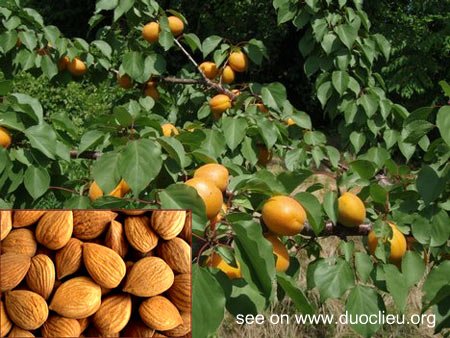
Bitter Apricot Seed ( Xingren ) 杏仁
Bitter Apricot Seed ( Xingren ) 杏仁 , also known as xing ren 杏仁,ku xing ren 苦杏仁,kuang xing ren 光杏仁,ku he ren 杏核仁,炒杏仁,jian xing ren 尖杏仁,xing ren xiang 杏仁霜. It belong to the “Rosaceae” family.
Bitter Apricot Seed ( Xingren ) 杏仁 has a warm, bitter and slightly toxic. It is use for treating the lung and large intestine.

Pharmaceutical Name: Semen Armeniacae.Botanical Name: 1. Prunus armeniaca L. var. ansu maxim.; 2. Prunus mandshurica(Maxim.) Koehne; 3. Prunus sibirica L.
Common Name: Apricot seed, Bitter apricot seed or kernel.Source of Earliest Record: Shennong Bencao Jing.Part Used & Method for Pharmaceutical
Preparations: The seeds are collected after the apricot ripens in summer. They are then dried in the sun and pounded into pieces.Properties & Taste: Bitter, slightly warm and slightly toxic.Meridians: Lung and large intestine.
Functions: 1. To stop cough and relieve asthma; 2. To moisten the intestines and move stool.Indications & Combinations:1. Cough and asthma: a) cough due to invasion by exogenous pathogenic wind and heat Apricot seed (Xingren) is used with Mulberry leaf (Sangye) and Chrysanthemum flower (Juhua) in the formula Sang Ju Yin; b) cough due to dysfunction of the lungs caused by dryness and heatApricot seed (Xingren) is used with Mulberry leaf (Sangye), Tendrilled fritillary bulb (Chuanbeimu) and Glehnia root (Shashen) in the formula Sang Xing Tang; c) cough and asthma due to accumulated heat in the lungsApricot seed (Xingren) is used with Gypsum (Shigao) and Ephedra (Mahuang) in the formula Ma Xing Shi Gan Tang.2. Constipation due to dryness in the intestines: Apricot seed (Xingren) is used with Hemp seed (Huomaren) and Chinese angelica root (Danggui) in the formula Runchang Wan.Dosage: 3-10 g.Cautions & Contraindications: This herb is slightly toxic, so overdosing should be avoided. It should be used with caution in infants.
Bitter Apricot Seed ( Xingren ) 杏仁
1. Arresting coughing and asthma.
2. Expelling phlegm.
3. Help bowel movements.
Bitter Apricot Seed ( Xingren ) 杏仁 Toxicity & Cautions:
Bitter Apricot Seed ( Xingren ) 杏仁 contain hydrogen cyanide which is a strong toxin. Eating 20 to 30 piece may cause toxic reaction even death. The toxin can be hydrolyzed in cooking and can render it non toxic. It is not recommended for small children.
Properties
Taste: bitter; nature: slightly warm; slightly toxic.
Channels entered
Lung and Large Intestine.
Functions and indications
Stops coughing and calms wheezing, moistens the Intestines and frees the bowels. It is indicated for coughing and wheezing, sore throat andconstipation.
Common dosage
3-10g, decocted for a short time only.
Precautions and contraindications
- As Xing Ren is slightly toxic, large dosages should be avoided, especially when treating infants.
- Contraindicated in cases of weak constitution and profuse sweating.

Remarks
Ku Xing Ren (Semen Pruni Armeniacae Amarum), or bitter apricot kernel, is normally used for this herb.
In China, people who can afford to buy apricot as a fresh fruit generally throw the stones away. Servants and the less fortunate children gatherthe stones and sell them to collectors who use cheap labor to crack the shells (endocarp) and free the seeds (kernel) with the brown seed coat tightly covering the embryo (two cotyledons with the small radical and plumule).
In Chinese prescriptions, an apricot seed with the brown seed coat intact is called bei-xing-ren (northern apricot seed). All Chinese apothecaries keep a supply of apricot seeds in this state.
Detoxificated apricot seed: The major portion of the annual production of apricot seed is detoxified, processed by being first subjected to boiling water to loosen the seed coat, which can then be rubbed off by hand, followed by soaking the white cotyledons in cold water with several changes to eliminate the bitter element and to detoxify them. Then the detoxified white cotyledons are dried for the market. In Chinese prescriptions, this decoated and detoxified material is called nan-xing-ren (southern apricot seed) or tian-xing-ren (sweet apricot seed), which is also available in apothecaries. However, a greater portion of the detoxified material is used in pastry and for food.
Toxicity
The LD for intravenous injection of amygdalin in mice or rats is 25g/kg; for intraperitoneal injection, it is 8g/kg; and for oraladministration, it is O.6g/kg. Oral administration of 55 pieces (the equivalem of about 60g) of Ku Xing Ren, containing 1.8g of amygdalin, can cause death in humans. The main symptoms oftoxic reaction include a bitter taste in the mouth, dizziness, nausea, vomiting, pain in the abdomen, diarrhoea, agitation, vexation and restlessness, palpitations, and weakness of the limbs, and in severe cases, oppression in the chest, difficulty in breathing, loss of consciousness, a reduction in blood pressure and even coma. Ku Xing Ren should therefore not be used raw and overdosage must be avoided.
Modern Research
- Inhibits the respiratory centre to stop coughing and calmwheezing.
- Affects digestion by inhibiting the activity of pepsins.
- Reduces the level of blood fats.
- Inhibits inflammation and alleviates pain.
- Inhibits carcinoma
Carrots Cut Men’s Prostate Cancer Risk by 50%:

http://www.ncbi.nlm.nih.gov/pubmed/24519559
United States Patent and Trademark Office ….. published and made electronically available a new edition of the Manual of Patent Examining Procedure (MPE

The USPTO continues to offer an online discussion tool for commenting on selected chapters of the Manual. To participate in the discussion and to contribute your ideas go to: http://uspto-mpep.ideascale.com.
Erectile dysfunction can be reversed without medication
Men suffering from sexual dysfunction can be successful at reversing their problem, by focusing on lifestyle factors and not just relying on medication, according to new research at the University of Adelaide.
In a new paper published in the Journal of Sexual Medicine, researchers highlight the incidence of erectile dysfunction and lack of sexual desire among Australian men aged 35-80 years.
Over a five-year period, 31% of the 810 men involved in the study developed some form of erectile dysfunction.
“Sexual relations are not only an important part of people’s wellbeing. From a clinical point of view, the inability of some men to perform sexually can also be linked to a range of other health problems, many of which can be debilitating or potentially fatal,” says Professor Gary Wittert, Head of the Discipline of Medicine at the University of Adelaide and Director of the University’s Freemasons Foundation Centre for…
View original post 255 more words
DS-8587 (Daiichi Sankyo (Japan) a new broad-spectrum antibacterial agent, is in phase I clinical trials for the treatment of bacterial infection.

DS-8587
Daiichi Sankyo (Japan)
7-[3a(R)-Amino-6a(S)-fluoroperhydrocyclopenta[c]pyrrol-2-yl]-6-fluoro-1-[(1R,2S)-2-fluorocyclopropyl]-8-methyl-4-oxo-1,4-dihydroquinoline-3-carboxylic acid hydrochloride dihydrate
7-[(1S,6S)-1-amino-4-oxa-8-azabicyclo[4.3.0]nonan-8-yl]-6-fluoro-1-[(1R,2S)-2-fluorocyclopropan-1-yl]-1,4-dihydro-8-methoxy-4-oxoquinoline-3-carboxylic acid
| C21 H22 F3 N3 O3 . Cl H . 2 H2 O | |
| Mw | 493.904 |
DS-8587, a new broad-spectrum antibacterial agent, is in phase I clinical trials at Daiichi Sankyo for the treatment of bacterial infection.
DS-8587, from Daiichi Sankyo, is a fluoroquinolone with improved activity against both Gram-negative and Gram-positive bacteria. The compound is especially effective against Acinetobacter baumannii but also has improved activity against streptococci, staphylococci, enterococci, E. coli, and anaerobes . The compound is currently under Phase I of clinical development .
DS-8587, a new generation of fluoroquinolone, against Acinetobacter baumannii. The MICs against clinical isolates and inhibitory activity against target enzymes of DS-8587 was superior to ciprofloxacin and levofloxacin. Furthermore, the antibacterial activity of DS-8587 was less affected by adeA/adeB/adeC or abeM efflux pumps and frequency of single-step mutations with DS-8587 was lower as compared to those with ciprofloxacin. DS-8587 might be an effective agent against A. baumanniiinfection.
WO 2008082009 or
http://www.google.com/patents/EP2540715A1?cl=en
- [Reference Example 71]
(3S)-3-[3-(tert-Butyldimethylsilyloxy)-1-propyl]-5-oxo-1-[(1R)-1-phenylethyl]pyrrolidine-3-carboxylic acid tert-butyl ester
-


-
[(3S)-3-(3-Hydroxy-1-propyl)-5-oxo-1-[(1R)-1-phenylethyl]pyrrolidine-3-carboxylic acid tert-butyl ester (46 g) and imidazole (11.9 g) were dissolved in dimethylformamide (600 mL). After addition of tert-butyldimethylsilyl chloride (23.2 g) under ice-cooling, the mixture was stirred at room temperature for 59.5 hours. The reaction solution was extracted with a 10% citric acid solution and ethyl acetate. Then, the organic layer was sequentially washed with saturated sodium bicarbonate water and brine, dried over anhydrous sodium sulfate, and filtered. Thereafter, the solvent was evaporated under reduced pressure. The residue was subjected to silica gel column chromatography (hexane:ethyl acetate = 9:1 -> 8:2 -> 2:1) to give 29.7 g of the title compound as a pale yellow oil.
1H-NMR (400 MHz, CDCl3) δ: 7.37-7.22 (5H, m), 5.48 (1H, q, J=7.11 Hz), 3.58 (2H, t, J=6.13 Hz), 3.34 (1H, d, J=10.05 Hz), 3.12 (1H, d, J=10.05 Hz), 2.94 (1H, d, J=16.91 Hz), 2.31 (1H, d, J=17.16 Hz), 1.86-1.74 (1H, m), 1.72-1.62 (1H, m), 1.51 (3H, d, J=7.11 Hz), 1.49-1.24 (2H, m), 1.33 (9H, s), 0.88 (9H, s), 0.03 (6H, s).


[Reference Example 72]
(3S)-3-[3-(tert-Butyldimethylsilyloxy)-1-propyl]-4-fluoro-5-oxo-1-[(1R)-1-phenylethyl]pyrrolidine-3-carboxylic acid tert-butyl ester
-

-
(3S)-3-[3-(tert-Butyldimethylsilyloxy)-1-propyl]-5-oxo-1-[(1R)-1-phenylethyl]pyrrolidine-3-carboxylic acid tert-butyl ester (30 g) was dissolved in tetrahydrofuran (280 mL), and the atmosphere was replaced with argon. Then, lithium hexamethyldisilazide (1.0 M solution in tetrahydrofuran) (78.0 mL) was added dropwise at -15°C, and the mixture was stirred at -5°C for 30 minutes. After cooling to -15°C again, a solution of N-fluorobenzenesulfonimide (26.6 g) in tetrahydrofuran (220 mL) was added dropwise, and the mixture was stirred at room temperature for 17 hours. The reaction solution was extracted with a 10% citric acid solution and ethyl acetate. Then, the organic layer was washed with brine, dried over anhydrous sodium sulfate, and filtered. Thereafter, the solvent was evaporated under reduced pressure. The residue was subjected to silica gel column chromatography (hexane:ethyl acetate = 9:1 -> 8:2) to give 8.15 g of the title compound as a pale yellow solid. 1H-NMR (400 MHz, CDCl3) δ: 7.37-7.23 (5H, m), 5.53-5.44 (1H, m), 5.18 (1H, d, J=51.72 Hz), 3.64-3.52 (2H, m), 3.32-3.19 (2H, m), 1.92-1.65 (2H, m), 1.55 (3H, d, J=4.66 Hz), 1.33 (9H, s), 0.88 (9H, s), 0.03 (6H, s).
MS (FAB) m/z: 480 (M+H)+.
IR (ATR) ν: 3421, 2977, 2935, 2877, 1698, 1454, 1369, 1309, 1249, 1153, 1058, 1035, 1006, 842 cm-1.

[Reference Example 73]
(3S)-4-Fluoro-3-(3-hydroxy-1-propyl)-5-oxo-1-[(1R)-1-phenylethyl]pyrrolidine-3-carboxylic acid tert-butyl ester
-

-
(3S)-3-[3-(tert-Butyldimethylsilyloxy)-1-propyl]-4-fluoro-5-oxo-1-[(1R)-1-phenylethyl]pyrrolidine-3-carboxylic acid tert-butyl ester (8.15 g) was dissolved in tetrahydrofuran (25.0 mL). Acetic acid (22.0 mL) and tetrabutylammonium fluoride (1.0 M solution in tetrahydrofuran) (25.0 mL) were added under ice-cooling, and the mixture was stirred at room temperature for 21.5 hours. The reaction solution was extracted with a 10% citric acid solution and ethyl acetate. Then, the organic layer was sequentially washed with saturated sodium bicarbonate water and brine, dried over anhydrous sodium sulfate, and filtered. Thereafter, the solvent was evaporated under reduced pressure. The residue was subjected to silica gel column chromatography (hexane:ethyl acetate = 9:1 -> 8:2 -> 1:1) to give 5.77 g of the title compound as a pale yellow oil.
1H-NMR (400 MHz, CDCl3) δ: 7.37-7.22 (5H, m), 5.48 (1H, q, J=7.03 Hz), 5.20 (1H, d, J=51.48 Hz), 3.69-3.59 (2H, m), 3.31-3.21 (2H, m), 1.95-1.72 (2H, m), 1.68-1.43 (2H, m), 1.56 (3H, d, J=7.11 Hz), 1.33 (9H, s).

[Reference Example 74]
(3S)-3-(3-benzenesulfonyloxy-1-propyl)-4-Fluoro-5-oxo-1-[(1R)-1-phenylethyl]pyrrolidine-3-carboxylic acid tert-butyl ester
-

-
(3S)-4-Fluoro-3-(3-hydroxy-1-propyl)-5-oxo-1-[(1R)-1-phenylethyl]pyrrolidine-3-carboxylic acid tert-butyl ester (12.20 g) was dissolved in dichloromethane (400 mL). Benzenesulfonyl chloride (9.06 mL), triethylamine (10.7 mL), and 4-dimethylaminopyridine (2.04 g) were added under ice-cooling, and the mixture was stirred at room temperature for 12.5 hours. Saturated sodium bicarbonate water was added to the reaction solution, and the mixture was stirred for 30 minutes, followed by extraction with dichloromethane. The organic layer was sequentially washed with a 10% citric acid solution and brine, dried over anhydrous sodium sulfate, and filtered. Thereafter, the solvent was evaporated under reduced pressure. The residue was subjected to silica gel column chromatography (hexane:ethyl acetate = 8:2 -> 1:1) to give 11.7 g of the title compound as a pale yellow oil.
1H-NMR (400 MHz, CDCl3) δ: 7.94 – 7.87 (2H, m), 7.71-7.63 (1H, m), 7.60-7.53 (2H, m), 7.37-7.23 (5H, m), 5.46 (1H, q, J=7.11 Hz), 5.15 (1H, d, J=51.48 Hz), 4.10-3.98 (2H, m), 3.26-3.15 (2H, m), 1.88-1.50 (4H, m), 1.55 (3H, s), 1.30 (9H, s).

[Reference Example 75]
(1S,5R)-5-Fluoro-4-oxo-3-[(1R)-1-phenylethyl]-3-azabicyclo[3.3.0]octan-1-ylcarboxylic acid tert-butyl ester
-

-
(3S)-3-(3-benzenesulfonyloxy-1-propyl)-4-Fluoro-5-oxo-1-[(1R)-1-phenylethyl]pyrrolidine-3-carboxylic acid tert-butyl ester (10.9 g) was dissolved in tetrahydrofuran (350 mL), and the atmosphere was replaced with argon. Then, potassium hexamethyldisilazide (0.5 M solution in toluene) (86.5 mL) was added dropwise at – 15°C, and the mixture was stirred at 0°C for 1.5 hours. After cooling to -10°C, saturated aqueous ammonium chloride (100 mL) was added dropwise, and the mixture was stirred at room temperature for 30 minutes. The reaction solution was extracted with a 10% citric acid solution and ethyl acetate. Then, the organic layer was washed with brine, dried over anhydrous sodium sulfate, and filtered. Thereafter, the solvent was evaporated under reduced pressure. The residue was subjected to silica gel column chromatography (hexane:ethyl acetate = 9:1 -> 7:1) to give 4.36 g of the title compound as a pale yellow solid.
1H-NMR (400 MHz, CDCl3) δ: 7.38-7.25 (5H, m), 5.58-5.49 (1H, m), 3.63 (1H, d, J=10.3 Hz), 2.91 (1H, dd, J=10.3, 3.2 Hz), 2.67-2.56 (1H, m), 2.50-2.38 (1H, m), 2.26-2.09 (1H, m), 2.06-1.94 (1H, m), 1.74-1.66 (1H, m), 1.54 (3H, d, J=7.1 Hz), 1.50-1.40 (1H, m), 1.34 (9H, s).

[Reference Example 76]
(1R,5R)-1-(tert-Butoxycarbonylamino)-5-fluoro-4-oxo-3-[(1R)-1-phenylethyl]-3-azabicyclo[3.3.0]octane
-


-
(1S,5R)-5-Fluoro-4-oxo-3-[(1R)-1-phenylethyl]-3-azabicyclo[3.3.0]octan-1-ylcarboxylic acid tert-butyl ester (4.36 g, 12.5 mmol) was dissolved in dichloromethane (70 mL). Trifluoroacetic acid (70 mL) was added dropwise, and the mixture was stirred at room temperature for six hours. The solvent was evaporated under reduced pressure, and then the residue was azeotropically distilled with toluene to give carboxylic acid (3.70 g).
-
The resulting carboxylic acid was dissolved in toluene. Triethylamine (3.51 mL, 25.2 mmol) and diphenylphosphoryl azide (2.98 ml, 13.8 mmol) were added, and the mixture was heated to reflux for five hours. The solvent was evaporated under reduced pressure. Then, 1,4-dioxane (110 ml) and 6N hydrochloric acid (110 mL) were added to the residue, and the mixture was stirred at 60°C for 2.5 hours. After extraction with water and ethyl acetate, the aqueous layer was made alkaline with a saturated sodium hydroxide solution and extracted with chloroform twice. The organic layers were combined, dried over anhydrous sodium sulfate, and filtered, and then the solvent was evaporated under reduced pressure. Di-tert-butyl dicarbonate (11.05 g) was added to the residue, and the mixture was stirred at 75°C for six hours. The reaction solution was concentrated under reduced pressure, and then the residue was subjected to silica gel column chromatography (hexane:ethyl acetate = 9:1 -> 1:1) to give 3.69 g of the title compound as a pale yellow oil.
1H-NMR (400 MHz, CDCl3) δ: 7.37-7.23 (5H, m), 5.50 (1H, q, J=7.1 Hz), 5.22 (1H, brs), 3.34 (2H, s), 2.49-2.37 (1H, m), 2.32-2.03 (3H, m), 2.02-1.90 (1H, m), 1.51 (3H, d, J=7.1 Hz), 1.55-1.48 (1H, m), 1.35 (9H, s).


[Reference Example 77]
(1R,5S)-1-(tert-Butoxycarbonylamino)-5-fluoro-3-[(1R)-1-phenylethyl]-3-azabicyclo[3.3.0]octane
-

-
(1R,5R)-1-(tert-Butoxycarbonylamino)-5-fluoro-4-oxo-3-[(1R)-1-phenylethyl]-3-azabicyclo[3.3.0]octane (3.69 g, 10.2 mmol) was dissolved in tetrahydrofuran (200 mL). A 1.20 M solution of a borane-tetrahydrofuran complex in tetrahydrofuran (42.4 mL, 50.9 mmol) was added dropwise under ice-cooling, and the mixture was stirred for two hours while gradually heating to room temperature. The solvent was evaporated under reduced pressure. Under ice-cooling, 90% aqueous ethanol (100 mL) and triethylamine (100 mL) were added to the residue, and the mixture was heated to reflux for two hours. The solvent was evaporated under reduced pressure, and then the residue was extracted with saturated sodium bicarbonate water and dichloromethane. Thereafter, the target substance was extracted from the aqueous layer with dichloromethane. The organic layers were combined, washed with brine, and dried over anhydrous sodium sulfate. After filtration, the solvent was evaporated under reduced pressure, and the resulting residue was subjected to silica gel column chromatography (hexane:ethyl acetate = 95:5 -> 90:10) to give 3.33 g of the title compound as a pale yellow oil.
1H-NMR (400 MHz, CDCl3) δ: 7.32 – 7.18 (5H, m), 5.38 (1H, brs), 3.22 (1H, q, J=6.37 Hz), 2.92-2.57 (4H, m), 2.12-1.86 (4H, m), 1.80-1.67 (1H, m), 1.63-1.52 (3H, m), 1.42 (9H, s), 1.32 (3H, d, J=6.37 Hz)

- [Reference Example 78]
(1R,5S)-1-(tert-Butoxycarbonylamino)-5-fluoro-3-azabicyclo[3.3.0]octane
-

-
(1R,5S)-1-(tert-Butoxycarbonylamino)-5-fluoro-3-[(1R)-1-phenylethyl]-3-azabicyclo[3.3.0]octane (700 mg, 2.0 mmol) was dissolved in ethanol (30 mL). 10% palladium-carbon (50% wet) (1.01 g) was added, and the mixture was stirred in a hydrogen atmosphere at 50°C for 15 hours. The catalyst was removed by filtration, and then the filtrate was concentrated under reduced pressure. The resulting residue was subjected to silica gel column chromatography (dichloromethane:methanol = 98:2 -> 95:5) to give 446 mg of the title compound as a pale yellow solid.
[α]D 23-15° (c=0.100, MeOH).
1H-NMR (400 MHz, CDCl3) δ: 5.29 (1H, brs), 3.47-3.18 (2H, m), 2.93-2.79 (2H, m), 2.15-1.71 (6H, m), 1.45 (9H, s).

- [Example 17]
7-[(1R,5S)-1-Amino-5-fluoro-3-azabicyclo[3.3.0]octan-3-yl]-6-fluoro-1-[(1R,2S)-2-fluorocyclopropane]-1,4-dihydro-8-methyl-4-oxoquinoline-3-carboxylic acid
-

-
Triethylamine (0.215 mL, 1.54 mmol) and 6,7-difluoro-1-[(1R,2S)-2-fluorocyclopropane]-1,4-dihydro-8-methyl-4-oxoquinoline-3-carboxylic acid-BF2 chelate (530 mg, 1.53 mmol) were added to a solution of (1R,5S)-1-(tert-butoxycarbonylamino)-5-fluoro-3-azabicyclo[3.3.0]octane (250 mg, 1.02 mmol) in dimethyl sulfoxide (5.0 mL). The mixture was stirred at room temperature for seven days. Triethylamine (0.215 mL, 1.54 mmol) and 6,7-difluoro-1-[(1R,2S)-2-fluorocyclopropane]-1,4-dihydro-8-methyl-4-oxoquinoline-3-carboxylic acid-BF2 chelate (530 mg, 1.53 mmol) were further added to the reaction solution, and the mixture was stirred at room temperature for seven days. Triethylamine (0.215 mL, 1.54 mmol) and 6,7-difluoro-1-[(1R,2S)-2-fluorocyclopropane]-1,4-dihydro-8-methyl-4-oxoquinoline-3-carboxylic acid-BF2 chelate (530 mg, 1.53 mmol) were further added to the reaction solution, and the mixture was stirred at room temperature for ten days. Ethanol (6.0 mL), water (2.0 mL), and triethylamine (2.0 mL) were added to the reaction solution, and the mixture was stirred at 80°C for one hour. The solvent was evaporated under reduced pressure, and then the residue was extracted with a 10% citric acid solution and ethyl acetate. Then, the organic layer was washed with water twice and brine, dried over anhydrous sodium sulfate, and filtered. Thereafter, the solvent was evaporated under reduced pressure. The residue was subjected to silica gel column chromatography (dichloromethane:methanol = 98:2), and the resulting fraction was concentrated under reduced pressure. Then, the residue was dissolved in concentrated hydrochloric acid (3.5 mL) under ice-cooling, and the solution was stirred at room temperature for one hour. The reaction solution was washed with chloroform five times, and then the aqueous layer was adjusted to pH 12 with a saturated sodium hydroxide solution. The basic solution was adjusted to pH 7.4 with hydrochloric acid, followed by extraction with chloroform. The organic layer was dried over anhydrous sodium sulfate and filtered, and then the solvent was evaporated under reduced pressure. The resulting residue was purified by PTLC (developed with the lower layer of chloroform:methanol:water = 7:3:1). The resulting residue was solidified with isopropanol to give 7.1 mg of the title compound as a pale yellow solid.
-
1H-NMR (400 MHz, 0.1N NaOD) δ: 8.50 (1H, s), 7.77 (1H, d, J=13.73 Hz), 5.80-4.80 (1H, m), 4.22-4.10 (1H, m), 3.99-3.85 (1H, m), 3.68-3.47 (2H, m), 3.43-3.34 (1H, m), 2.68 (3H, s), 2.21-1.98 (3H, m), 1.97-1.56 (4H, m), 1.42-1.23 (1H, m).
MS (FAB); m/z: 422 (M+H)+.
Anal.Calcd C21H22F3N3O3·0.5H2O·0.25IPA: C, 58.65; H, 5.66; F, 12.80; N, 9.43. Found: C, 58.63; H, 5.35; F, 12.35; N, 9.22.
IR (ATR) ν: 2971, 2856, 1722, 1614, 1450, 1432, 1322, 1132, 1097, 987, 954, 929, 887, 856, 804 cm-1.

WO 2012018105
http://www.google.st/patents/WO2012018105A1?cl=en
The following structural formula

compound represented by, 7 – [(1R, 5S) -1 – amino-5 – fluoro-3 – azabicyclo [3.3.0] octan-3 – yl] -6 – fluoro -1 – [(1R, . the 2S) -2 – fluoro-cyclopropane-1 – yl] -1,4 – dihydro-8 – methyl-4 – oxo-3-quinoline -) is referred to as carboxylic acid (hereinafter referred to as Compound A multi-agent containing quinolone resistance including resistant Gram-positive cocci resistant pneumococcus, etc., widely against gram-negative bacteria from Gram-positive bacteria, and, in addition to show strong antibacterial activity, convulsions, which is known in the art as a side effect of the antimicrobial agent of the present system potential cardiotoxicity light and toxicity-inducing activity (photosensitivity), has been reported recently in clinical further (QT prolongation), blood sugar abnormalities, and to express the side effects of delayed-type drug 疹等 is excellent safety low, Then, it is excellent oral absorbability and organ migration properties become apparent, is expected as an antimicrobial agent superior (Patent Document 1).
WO 2008/082009 pamphlet
The compound A, was synthesized according to the method described in Patent Document 1.
Preparation 7 1 hydrochloride dihydrate Ratings (1) Compound A crystalline acid addition salt preparation of acid addition salts of (Example 1) Compound A, and Compound A – [(1R, 5S) – 1 – amino-5 – fluoro-3 – azabicyclo [3.3.0] octan-3 – yl] -6 – fluoro -1 – [(1R, 2S) -2 – fluoro-cyclo-1 – yl] -1 , 4 – dihydro-8 – methyl-4 – oxo-3-quinoline – was added 1mol / L hydrochloric acid (74μL) carboxylic acid (Compound A) (31.3mg,, 0.074mmol) in, and dried under reduced pressure at room temperature.10% aqueous 2 the residue – was added to (100μL) propanol was dissolved by heating at 60 ℃, and allowed to stand day out on the room temperature. Collected by filtration the precipitated crystals, and the 1st air dried, 19.9mg (yield: 54%) was obtained.
Elemental analysis: C 21 H 22 F 3 N 3 O 3 · HCl · 2H 2 O
Theoretical value: C; 51.07, H; 5.51, N; 8.51, F; 11.54, Cl; 7.18
Measured value: C; 50.93, H; 5.40, N; 8.49, F; 11.30, Cl; 7.47
The characteristic diffraction peaks in the powder X-ray diffraction: 2θ = 5.3,7.9,10.6,13.3,21.1,23.0,25.1,27.6 (°)
2 5% aqueous (1001.6mg, 0.746mmol) in the preparation of Compound A one hydrochloride monohydrate (2) Compound A – was added propanol (30mL), was dissolved by heating at 60 ℃. After stirring day out on the room temperature and stirred for 6 hours at 10 ℃. Collected by filtration the precipitated crystals, and the 1st dried air, 839.3 mg (yield: 87%) was obtained.
Elemental analysis: C 21 H 22 F 3 N 3 O 3 · HCl · 1H 2 O
Theoretical value: C; 53.00, H; 5.30, N; 8.83, F; 11.98, Cl; 7.45
Measured value: C; 53.25, H; 5.43, N; 8.51, F; 11.58, Cl; 7.18
The characteristic diffraction peaks in the powder X-ray diffraction: 2θ = 11.3,14.0,20.1,21.4,22.8,24.0,26.0,26.6 (°)
ref
- Higuchi, S.; Onodera, Y.; Chiba, M.; Hoshino, K.; Gotoh, N. Potent in vitro antibacterial activity of DS-8587, a new generation of broad spectrum quinolone, against Acinetobacter baumannii. Antimicrob. Agents Chemother. 2013, doi:10.1128/AAC.02374-12.
- Daiichi Sankyo. Major R&D pipeline as of July, 2013. Available online: http://www.daiichisankyo.com/rd/pipeline/pdf/Pipeline_EN.pdf (accessed on 28 September 2013).
| EP0343524A1 | May 19, 1989 | Nov 29, 1989 | Shionogi Seiyaku Kabushiki Kaisha | Pyridonecarboxylic acids and antibacterial agents |
| JPH0395176A | Title not available | |||
| JPH02231475A | Title not available | |||
| JPH08225567A | Title not available | |||
| JPS6345261A | Title not available | |||
| JPS6456673A | Title not available | |||
| JPS61282382A | Title not available | |||
| US5017708 * | Sep 8, 1989 | May 21, 1991 | Shionogi & Co., Ltd. | Azabicycloalkanes |
| WO1994014794A1 | Dec 28, 1993 | Jul 7, 1994 | Hideki Ao | 8-methoxyquinolonecarboxylic acid derivative |
| WO1995021163A1 | Feb 2, 1995 | Aug 10, 1995 | Katsumi Chiba | Pyridonecarboxylic acid derivative substituted by bicyclic amino group, ester thereof, salt thereof, and bicyclic amine as intermediate therefor |
| WO1996023782A1 | Feb 1, 1996 | Aug 8, 1996 | Daiichi Seiyaku Co | Heterocyclic compounds |

1, nemonoxacin; 2, delafloxacin; 3, finafloxacin; 4, zabofloxacin; 5, JNJ-Q2; 6, DS-8587; 7, KPI-10; 8, ozenoxacin; 9, chinfloxacin; 10, ACH-702.
Ozenoxacin in phase 3……topical formulation in the treatment of impetigo

1-cyclopropyl-8-methyl-7-[5-methyl-6-(methylamino)-3-pyridinyl]-4-oxo-1 ,4-dihydro-3- quinolinecarboxylic acid
1-cyclopropyl-8-methyl-7-{5-methyl-6-[(methylamino)methyl]-3-pyridyl}-4-oxo-1,4-dihydro-3-quinolinecarboxylic acid.
Ferrer Internacional (Spain), phase 3 Gram-positive
Ferrer Internacional has completed one Phase III clinical trial to evaluate the topical formulation of ozenoxacin in the treatment of impetigo [
|
poster……http://landing.quotientbioresearch.com/blog/bid/50380/Ozenoxacin-Activity-against-Atypical-Bacteria
Ozenoxacin is active against a great number of pathogens, such as Propionibacterium acnes, Staphylococcus aureus, methicillin-susceptible Staphylococcus aureus (MSSA), methicillin-resistant Staphylococcus aureus (MRSA) including ciprofloxacin-resistant strains, methicillin-susceptible Staphylococcus epidermidis (MSSE), methicillin-resistant Staphylococcus epidermidis (MRSE), Streptococcus pyogenes, Group G Streptococci, penicillin-resistant Streptococcus pneumoniae, Beta-lactamase positive Haemophilus influenzae, non-typeable strains of Haemophilus influenzae, Beta-lactamase positive Moraxella catarrhalis, Neisseria meningitides, Legionella pneumophila, Mycoplasma pneumoniae, Legionella pneumophila, Mycobacterium tuberculosis, Streptococcus agalactiae group B, Neisseria gonorrhoeae, Chlamydia trachomatis, Mycoplasma hominis, Ureaplasma urealyticum Helicobacter pylori, Bacteroides fragilis, Clostridium perfringens, Escherichia coli, quinolone-resistant Escherichia coli, Salmonella spp., Shigella spp., ciprofloxacin-susceptible Pseudomonas aeruginosa, Clostridium difficile, and Listeria monocytogenes.
Ozenoxacin is a novel non-fluorinated quinolone antibacterial agent. It is currently in late stage phase 3 trials for the topical treatment of impetigo. The bacterial action of ozenoxacin is through the dual inhibition of DNA gyrase and topoisomerase IV. Excellent in vitro and in vivo antibacterial activity has been demonstrated in pre-clinical and clinical studies against a broad range of bacterial organisms. This includes organisms with emerging resistance to quinolones. Phase I and II clinical trials have also shown that ozenoxacin is a safe and effective antibacterial agent. No evidence of adverse effects as linked to topically formulated halogenated quinolones has been shown.
Ozenoxacin (I) was firstly disclosed in US6335447, and equivalent patents. Its chemical name is 1-cyclopropyl-8-methyl-7-[5-methyl-6-(methylamino)-3-pyridinyl]-4-oxo-1 ,4-dihydro-3- quinolinecarboxylic acid. Its chemical formula is: H

Ozenoxacin (I)
Topical application of antimicrobial agents is a useful tool for therapy of skin and skin structures infections, sexually transmitted diseases and genital tract infections and some systemic infections susceptible to topical treatment. Topical antimicrobial therapy has several potential advantages compared with systemic therapy.
Firstly, it can avoid an unnecessary exposure of the gut flora which may exert selection for resistance. Secondly, it is expected that the high local drug concentration in topical application and the negligible systemic absorption should overwhelm many mutational resistances. Thirdly, topical applications are less likely than systemic therapy to cause side effects. Accordingly, some topical compositions comprising ozenoxacin have been reported in the art.
JP2002356426A discloses ointments and gels for skin. An ointment comprising ozenoxacin 1%, N-methyl-2-pyrrolidone 8%, propylene glycol 14.9%, oleic acid 0.9%, diisopropanolamine 2.3%, polyethylene glycol 400 20.2%, polyethylene glycol 4000 50.2%, and water 3.2% is reported in Example 2.
JP2003226643A discloses aqueous solutions comprising ozenoxacin, cyclodextrin, and a viscous agent.
EP1731138A1 discloses fine particle dispersion liquid comprising ozenoxacin to be used in the manufacture of pharmaceutical compositions.
WO2007015453A1 discloses lotions comprising ozenoxacin.
JP2007119456A discloses aqueous suspensions containing nanoparticles and solution granules of ozenoxacin to be used in the manufacture of pharmaceutical compositions. Ophthalmic solutions are mentioned preferably. A combined use of ozenoxacin, magnesium ions, and hydroxypropyl-β-cyclodextrin specially for ophthalmic use is disclosed in Yamakawa, T. et al., Journal of Controlled Release (2003), 86(1 ), 101-103.
Semisolid topical compositions are useful alternatives to liquid compositions, because of their better manipulation and consequent patient preferences. However, in spite of the great diversity of components present in the semisolid compositions disclosed in the art, no quantitative stability studies are available for them.
Thus, there is a need of proved stable semisolid topical compositions comprising ozenoxacin as active ingredient, wherein microbiological and therapeutic activities are warranted because of demonstrated durable and prolonged pharmaceutical stability.
Synthesis
US6335447
http://www.google.co.in/patents/US6335447
EXAMPLE 5
To a solution of 0.80 g of 7-[6-({[(benzyloxy)-carbonyl] (methyl)amino}methyl)-5-methyl-3-pyrdyl]-1-cyclo-propyl-8-methyl-4-oxo-1,4-dihydro-3-quinoline-carboxylic acid in 16 ml of acetic acid was added 0.20 g of 5% (w/w) palladium-carbon and the mixture was stirred at ambient temperature and atmospheric pressure for 2 hours under a hydrogen atmosphere. The reaction mixture was filtered and the solvent was evaporated under reduced pressure. The obtained residue was dissolved in a mixed solvent consisting of 3.8 ml of ethanol and 3.8 ml of water. After adding 3.8 ml of an aqueous 1 mol/l sodium hydroxide solution thereto and adjusting the solution to pH 5.5with 1 mol/l hydrochloric acid, 10 ml of chloroform was added thereto. An organic layer was separated and dried over anhydrous magnesium sulfate and the solvent was evaporated under reduced pressure. Addition of diethyl ether to the obtained residue and filtration of crystals afforded 0.25 g of colorless crystals of 1-cyclopropyl-8-methyl-7-{5-methyl-6-[(methylamino)methyl]-3-pyridyl}-4-oxo-1,4-dihydro-3-quinolinecarboxylic acid.
IR (KBr) cm−1: 3322, 1721; NMR(d1-TFA) δ: 1.2-1.9 (4H, m), 2.94 (3H, s), 3.05 (3H, s), 3.29 (3H, s), 4.6-5.0 (1H, m), 5.12 (2H, s), 7.91 (1H, d, J=8.5 Hz), 8.6-9.0 (2H, m), 9.0-9.3 (1H, brs), 9.75 (1H, s). Melting point: 199° C.
- Ferrer Group. Key development projects. Available online: http://www.ferrergrupo.com/Innovation_Innovacion-Pipeline-de-proyectos-ENG (accessed on 15 April 2013).
- Yamakawa, T.; Mitsuyama, J.; Hayashi, K. In vitro and in vivo antibacterial activity of T-3912, a novel non-fluorinated topical quinolone. J. Antimicrob. Chemother. 2002, 49, 455–465, doi:10.1093/jac/49.3.455.
- Ferrer Internacional. Efficacy and safety of ozenoxacin 1% cream versus placebo in the treatment of patients with impetigo. Available online: http://clinicaltrials.gov/ct2/show/NCT01397461 (accessed on 13 April 2013).


 New Drug Approvals