
Home » 2018 (Page 14)
Yearly Archives: 2018
 DRUG APPROVALS BY DR ANTHONY MELVIN CRASTO
.....FOR BLOG HOME CLICK HERE
DRUG APPROVALS BY DR ANTHONY MELVIN CRASTO
.....FOR BLOG HOME CLICK HEREFlag and hits
ORGANIC SPECTROSCOPY

SUBSCRIBE

 Subscribe in a reader
Enter your email address:
Delivered by FeedBurner
Subscribe to New Drug Approvals by Email


Recent Comments
 | shivkr2 on SPSR Excellence Award 2025 – S… |
 | Bonkasaurus on Infigratinib phosphate |
 | PALOVAROTENE | ORGAN… on Palovarotene |
| Pfizer just purchase… on Temanogrel | |
| Pfizer To Cash In On… on Temanogrel |
Specific Stereoisomeric Conformations Determine the Drug Potency of Cladosporin Scaffold against Malarial Parasite
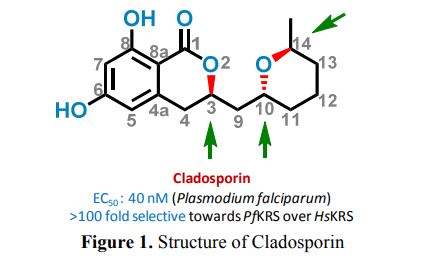
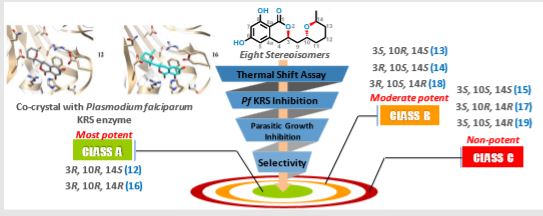

Specific Stereoisomeric Conformations Determine the Drug Potency of Cladosporin Scaffold against Malarial Parasite
https://pubs.acs.org/doi/abs/10.1021/acs.jmedchem.8b00565


Dr. D. Srinivasa Reddy has been appointed as an editor of Bioorganic & Medicinl Chemistry Letters, Elsevier Publications. Congratulation Sir !
Click here for details. https://www.journals.elsevier.com/bioorganic-and-medicinal-chemistry-letters
The research interests of his group lie in issues related to application of oriented organic synthesis, in particular total synthesis of biologically active natural products, medicinal chemistry and crop protection. This team has been credited with having accomplished total synthesis of more than 25 natural products with impressive biological activities. “Some of our recent achievements include identification of potential leads, like antibiotic compound based on hunanamycin natural product for treating food infections, anti-diabetic molecule in collaboration with an industry partner and anti-TB compound using a strategy called ‘re-purposing of a drug scaffold’,” said Reddy.
A total of two awardees out of four were from CSIR institutes. In addition to Reddy, Rajan Shankarnarayanan, CSIR – CCMB, Hyderabad (basic sciences), also was conferred with the award. Vikram Mathews, CMC, Vellore (medical research) and Prof Ashish Suri, AIIMS, New Delhi (clinical research), were the others to receive the awards.
With more than 80 scientific publications and 35 patents, Reddy is one of the most prominent scientists in the city and has already been honoured with the Shanti Swarup Bhatnagar prize in chemical sciences. Reddy is also a nominated member of the scientific body of Indian Pharmacopoeia, government of India and was elected as a fellow of the Telangana and Maharashtra Academies of Sciences in addition to the National Academy of Sciences, India (NASI).
PF 06650833


PF-06650833
1-{[(2S,3S,4S)-3-ethyl-4-fluoro-5-oxopyrrolidin-2-yl]methoxy}-7-methoxyisoquinoline-6-carboxamide
CAS 1817626-54-2
Chemical Formula: C18H20FN3O4
Molecular Weight: 361.3734
- Originator Pfizer
- Class Anti-inflammatories; Antirheumatics
- Mechanism of Action Interleukin-1 receptor-associated kinase inhibitors
- Phase II Rheumatoid arthritis
- Phase I Lupus vulgaris
- 01 Aug 2018 Pfizer completes a phase II trial in Rheumatoid arthritis (Treatment-experienced) in USA, Ukraine, Taiwan, Serbia, Russia, Romania, Poland, Mexico, South Korea, Georgia, Bosnia-Herzegovina, Australia, Croatia, Spain, Slovakia, Czech Republic, Hungary, Germany, Bulgaria (PO) (NCT02996500)
- 28 Jul 2018 No recent reports of development identified for phase-I development in Lupus(In volunteers) in USA (PO, Controlled release)
- 28 Jul 2018 No recent reports of development identified for phase-I development in Lupus(In volunteers) in USA (PO, Immediate release)
- PF-06650833 is an inhibitor of Interleukin-1 receptor associated kinase 4 (IRAK4). RAK4 is located proximal to TLR/IL-1 receptors, and in preclinical studies, inhibits downstream signaling from these receptors. The development of novel small molecule inhibitors of this kinase has the potential to lead to new therapeutics to treat diseases such as rheumatoid arthritis, lupus, and lymphomas.
Interleukin-1 receptor associated kinase 4 (IRAK-4) is a serine threonine kinases that plays a key role in innate immune signaling. IRAK-4 is activated by the interleukin (IL-1) family receptors (IL-1R, IL-18R, and IL-33R), as well as the Toll-like receptors (TLRs). Inhibition of IRAK-4 blocks the production of inflammatory cytokines such as type I interferons, tumor necrosis factor (TNF), IL-1, IL-6, and IL-12 that are key drivers of autoimmune and inflammatory diseases. IRAK-4 is an attractive therapeutic target for diseases associated with dysregulated inflammation, such as systemic lupus erythematosus and rheumatoid arthritis.


Conditions: (a) LDA (1.2 equiv), TMSCl (1.3 equiv), THF, −60 °C, 30 min; (b) allyl methyl carbonate (1.1 equiv), Pd(OAc)2 (0.05 equiv), THF, 65 °C, 2 h, 73% (2 steps); (c) LiThCN (1.5 equiv), EtMgCl (1.5 equiv), TMSCl (2.0 equiv), THF, −78 °C, 6 h, 90%; (d) LDA (1.8 equiv), NFSI (1.25 equiv), THF, −78 °C, 1 h, 23% (8), 45% (9); (e) pTsOH (0.05 equiv), MeCN, H2O, 90 °C, 2 h, 97%; (f) 3 (0.9 equiv), KHMDS (2.0 equiv), DMF, THF, −10 °C, 30 min, 84%; (g) H2O2 (10 equiv), K2CO3 (4.0 equiv), DMSO, 20 °C, 2 h, 97%.
CLIP
Target: Interleukin-1 receptor associated kinase 4 (IRAK4): This kinase is important in innate immunity, and its inhibition is predicted to be beneficial in treating inflammatory diseases.
Disease: Rheumatoid arthritis, inflammatory bowel disorder
Notes: PF06650833 came from a screening assay that used nuclear magnetic resonance spectroscopy to determine binding between molecular fragments and IRAK4. The initial hit, which bound weakly to IRAK4, was optimized with structure- and property-based medicinal chemistry to generate a series of potent inhibitors, said Katherine Lee, an associate research fellow at Pfizer.
Paper
Improvements to Enable the Large Scale Synthesis of 1-{[(2S,3S,4S)-3-Ethyl-4-fluoro-5-oxopyrrolidin-2-yl]methoxy}-7-methoxyisoquinoline-6-carboxamide (PF-06650833)
 , Bryan Li‡ , Zhihui Peng‡, Lulin Wei‡, Emma McInturff‡, David Place‡, David B. Damon‡, and Robert A. Singer‡

https://pubs.acs.org/doi/suppl/10.1021/acs.oprd.8b00386/suppl_file/op8b00386_si_001.pdf

An improved process for the large scale synthesis of 1-{[(2S,3S,4S)-3-ethyl-4-fluoro-5-oxopyrrolidin-2-yl]methoxy}-7-methoxyisoquinoline-6-carboxamide (1), a candidate currently in clinical development, was developed. Key objectives were to eliminate chromatographic purifications, to maximize the reproducibility of each step, and to improve the yield and efficiency of each step relative to the previous discovery syntheses of 1. This work was focused on improvements to the synthesis of the stereochemically complex lactam 2. Steps of particular concern were the preparation of the unsaturated lactam 6, the cuprate conjugate addition reaction to produce 7, and the conversion of 7 to 8 with a high degree of diastereoselection. The solutions to these challenges have permitted the synthesis of 2 in excess of 100 kg, which in turn has permitted 1 to be prepared in sufficient amounts to support further development.
1 (31.3 kg, 91%, 82% overall) as a white, free-flowing powder.
1H NMR (500 MHz, DMSO): δ 8.86 (s, 1H), 8.16 (s, 1H), 7.90 (d, J = 5.9 Hz, 1H), 7.84 (br. s., 1H), 7.74 (s, 1H), 7.70 (br. s., 1H), 7.42 (d, J = 5.9 Hz, 1H), 4.90 (dd, J = 5.9, 53.8 Hz, 1H), 4.54 (dd, J = 3.5, 11.1 Hz, 1H), 4.26 (dd, J = 6.4, 11.0 Hz, 1H), 4.13–4.05 (m, 1H), 3.97 (s, 3H), 2.69–2.54 (m, 1H), 1.68–1.53 (m, 2H), 1.02 (t, J = 7.3 Hz, 3H).
13C NMR{1H} (126 MHz, DMSO): δ 171.0 (d, J = 19.4 Hz), 166.4, 158.4, 155.1, 137.7, 131.8, 130.3, 128.4, 120.3, 115.2, 103.2 (d, J = 4.2 Hz), 90.0 (d, J = 179.2 Hz), 66.3, 56.0, 54.1, 42.2 (d, J = 19.4 Hz), 16.4 (d, J = 8.4 Hz), 12.1.
19F NMR (H decoupled, 376 MHz, DMSO-d6): δ −199.26.
LCMS: 362 (MH+).
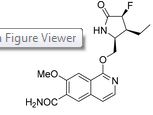


//////////////PF-06650833, PF 06650833, PF06650833, PF-6650833, PF 6650833, PF6650833.
O=C(C1=CC2=C(C(OC[C@H]([C@H](CC)[C@@H]3F)NC3=O)=NC=C2)C=C1OC)N
/////////////////PF-06650833, PF 06650833, Phase 3, Atopic dermatitis, PFIZER, Breakthrough Therapy Designation
LRH-1 agonism favours an immune-islet dialogue which protects against diabetes mellitus
Sreeni Labs Private Limited

LRH-1 agonism favours an immune-islet dialogue which protects against diabetes mellitus
NATURE COMMUNICATIONS | (2018) 9:1488 |DOI: 10.1038/s41467-018-03943-0 | http://www.nature.com/naturecommunications
Type 1 diabetes mellitus (T1DM) is due to the selective destruction of islet beta cells by
immune cells. Current therapies focused on repressing the immune attack or stimulating beta
cell regeneration still have limited clinical efficacy. Therefore, it is timely to identify innovative
targets to dampen the immune process, while promoting beta cell survival and function. Liver
receptor homologue-1 (LRH-1) is a nuclear receptor that represses inflammation in digestive
organs, and protects pancreatic islets against apoptosis. Here, we show that BL001, a small
LRH-1 agonist, impedes hyperglycemia progression and the immune-dependent inflammation
of pancreas in murine models of T1DM, and beta cell apoptosis in islets of type 2 diabetic
patients, while increasing beta cell mass and insulin secretion. Thus, we suggest that LRH-1
agonism favors a dialogue between immune and islet cells, which could be druggable to
protect against diabetes mellitus.
//////////////SREENI LABS
FDA approves new drug Doptelet (avatrombopag) for patients with chronic liver disease who have low blood platelets and are undergoing a medical procedure
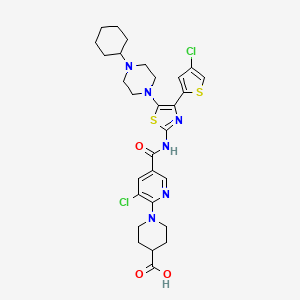
Avatrombopag
https://newdrugapprovals.org/2015/08/24/avatrombopag/
The U.S. Food and Drug Administration today approved Doptelet (avatrombopag) tablets to treat low blood platelet count (thrombocytopenia) in adults with chronic liver disease who are scheduled to undergo a medical or dental procedure. This is the first drug approved by the FDA for this use.Continue reading.
May 21, 2018
Release
The U.S. Food and Drug Administration today approved Doptelet (avatrombopag) tablets to treat low blood platelet count (thrombocytopenia) in adults with chronic liver disease who are scheduled to undergo a medical or dental procedure. This is the first drug approved by the FDA for this use.
“Patients with chronic liver disease who have low platelet counts and require a procedure are at increased risk of bleeding,” said Richard Pazdur, M.D., director of the FDA’s Oncology Center of Excellence and acting director of the Office of Hematology and Oncology Products in the FDA’s Center for Drug Evaluation and Research. “Doptelet was demonstrated to safely increase the platelet count. This drug may decrease or eliminate the need for platelet transfusions, which are associated with risk of infection and other adverse reactions.”
Platelets (thrombocytes) are colorless cells produced in the bone marrow that help form blood clots in the vascular system and prevent bleeding. Thrombocytopenia is a condition in which there is a lower-than-normal number of circulating platelets in the blood. When patients have moderately to severely reduced platelet counts, serious or life-threatening bleeding can occur, especially during invasive procedures. Patients with significant thrombocytopenia typically receive platelet transfusions immediately prior to a procedure to increase the platelet count.
The safety and efficacy of Doptelet was studied in two trials (ADAPT-1 and ADAPT-2) involving 435 patients with chronic liver disease and severe thrombocytopenia who were scheduled to undergo a procedure that would typically require platelet transfusion. The trials investigated two dose levels of Doptelet administered orally over five days as compared to placebo (no treatment). The trial results showed that for both dose levels of Doptelet, a higher proportion of patients had increased platelet counts and did not require platelet transfusion or any rescue therapy on the day of the procedure and up to seven days following the procedure as compared to those treated with placebo.
The most common side effects reported by clinical trial participants who received Doptelet were fever, stomach (abdominal) pain, nausea, headache, fatigue and swelling in the hands or feet (edema). People with chronic liver disease and people with certain blood clotting conditions may have an increased risk of developing blood clots when taking Doptelet.
This product was granted Priority Review, under which the FDA’s goal is to take action on an application within six months where the agency determines that the drug, if approved, would significantly improve the safety or effectiveness of treating, diagnosing or preventing a serious condition.
The FDA granted this approval to AkaRx Inc.
//////////////Doptelet, avatrombopag, fda 2018, akarx, priority review,
FDA Approves Tavalisse (fostamatinib disodium hexahydrate) for Chronic Immune Thrombocytopenia — Med-Chemist

Rigel Pharmaceuticals, Inc. announced that the U.S. Food and Drug Administration (FDA) approved Tavalisse (fostamatinib disodium hexahydrate) for the treatment of thrombocytopenia in adult patients with chronic immune thrombocytopenia (ITP) who have had an insufficient response to a previous treatment. Tavalisse is an oral spleen tyrosine kinase (SYK) inhibitor that targets the underlying autoimmune cause of the…
Mibefradil, a new class of compound to study TRPM7 channel function — Sussex Drug Discovery Centre

Transient receptor potential (TRPM) is a family of non-selective cation channels that are widely expressed in mammalian cells. TRP channels are composed of six transmembrane domains and the family consists of eight different channels, TRPM1–TRPM8. TRPM7 is compromised of an ion channel moiety essential for the ion channel function, which serves to increase intracellular calcium […]
via Mibefradil, a new class of compound to study TRPM7 channel function — Sussex Drug Discovery Centre
Dark Chocolate improves vision with 2 hours — ClinicalNews.Org

Dark Chocolate improves vision with 2 hours Contrast sensitivity and visual acuity were significantly higher 2 hours after consumption of a dark chocolate bar compared with a milk chocolate bar, but the duration of these effects and their influence in real-world performance await further testing. Rabin JC, Karunathilake N, Patrizi K. Effects of Milk vs […]
via Dark Chocolate improves vision with 2 hours — ClinicalNews.Org
FDA approves new uses for two drugs Tafinlar (dabrafenib) and Mekinist (trametinib) administered together for the treatment of BRAF-positive anaplastic thyroid cancer


FDA approves new uses for two drugs Tafinlar (dabrafenib) and Mekinist (trametinib) administered together for the treatment of BRAF-positive anaplastic thyroid cancer
The U.S. Food and Drug Administration approved Tafinlar (dabrafenib) and Mekinist (trametinib), administered together, for the treatment of anaplastic thyroid cancer (ATC) that cannot be removed by surgery or has spread to other parts of the body (metastatic), and has a type of abnormal gene, BRAF V600E (BRAF V600E mutation-positive). Continue reading.
May 4, 2018
Release
The U.S. Food and Drug Administration approved Tafinlar (dabrafenib) and Mekinist (trametinib), administered together, for the treatment of anaplastic thyroid cancer (ATC) that cannot be removed by surgery or has spread to other parts of the body (metastatic), and has a type of abnormal gene, BRAF V600E (BRAF V600E mutation-positive).
“This is the first FDA-approved treatment for patients with this aggressive form of thyroid cancer, and the third cancer with this specific gene mutation that this drug combination has been approved to treat,” said Richard Pazdur, M.D., director of the FDA’s Oncology Center of Excellence and acting director of the Office of Hematology and Oncology Products in the FDA’s Center for Drug Evaluation and Research. “This approval demonstrates that targeting the same molecular pathway in diverse diseases is an effective way to expedite the development of treatments that may help more patients.”
Thyroid cancer is a disease in which cancer cells form in the tissues of the thyroid gland. Anaplastic thyroid cancer is a rare, aggressive type of thyroid cancer. The National Institutes of Health estimates there will be 53,990 new cases of thyroid cancer and an estimated 2,060 deaths from the disease in the United States in 2018. Anaplastic thyroid cancer accounts for about 1 to 2 percent of all thyroid cancers.
Both Tafinlar and Mekinist are also approved for use, alone or in combination, to treat BRAF V600 mutation-positive metastatic melanoma. Additionally, Tafinlar and Mekinist are approved for use, in combination, to treat BRAF V600E mutation-positive, metastatic non-small cell lung cancer.
The efficacy of Tafinlar and Mekinist in treating ATC was shown in an open-label clinical trial of patients with rare cancers with the BRAF V600E mutation. Data from trials in BRAF V600E mutation-positive, metastatic melanoma or lung cancer and results in other BRAF V600E mutation-positive rare cancers provided confidence in the results seen in patients with ATC. The trial measured the percent of patients with a complete or partial reduction in tumor size (overall response rate). Of 23 evaluable patients, 57 percent experienced a partial response and 4 percent experienced a complete response; in nine (64 percent) of the 14 patients with responses, there were no significant tumor growths for six months or longer.
The side effects of Tafinlar and Mekinist in patients with ATC are consistent with those seen in other cancers when the two drugs are used together. Common side effects include fever (pyrexia), rash, chills, headache, joint pain (arthralgia), cough, fatigue, nausea, vomiting, diarrhea, myalgia (muscle pain), dry skin, decreased appetite, edema, hemorrhage, high blood pressure (hypertension) and difficulty breathing (dyspnea).
Severe side effects of Tafinlar include the development of new cancers, growth of tumors in patients with BRAF wild-type tumors, serious bleeding problems, heart problems, severe eye problems, fever that may be severe, serious skin reactions, high blood sugar or worsening diabetes, and serious anemia.
Severe side effects of Mekinist include the development of new cancers; serious bleeding problems; inflammation of intestines and perforation of the intestines; blood clots in the arms, legs or lungs; heart problems; severe eye problems; lung or breathing problems; fever that may be severe; serious skin reactions; and high blood sugar or worsening diabetes.
Both Tafinlar and Mekinist can cause harm to a developing fetus; women should be advised of the potential risk to the fetus and to use effective contraception.
The FDA granted Priority Review and Breakthrough Therapy designation for this indication. Orphan Drug designation, which provides incentives to assist and encourage the development of drugs for rare diseases, was also granted for this indication.
The FDA granted this approval to Novartis Pharmaceuticals Corporation.
///////////////Tafinlar, dabrafenib, Mekinist, trametinib, fda 2018, Priority Review, Breakthrough Therapy designation, Orphan Drug designation, Novartis Pharmaceuticals Corporation,
What are the drugs of the future? — All About Drugs
A cartoon representing how, in history, we are continuously faced with new scientific advancements that make us question what the future holds and whether what we currently have is still useful or should be replaced. What are the drugs of the future? Med. Chem. Commun., 2018, Advance ArticleDOI: 10.1039/C8MD90019A, Opinion Huy X. Ngo, Sylvie Garneau-Tsodikova…
Efmoroctocog alfa, エフモロクトコグアルファ;

(Heavy chain)
ATRRYYLGAV ELSWDYMQSD LGELPVDARF PPRVPKSFPF NTSVVYKKTL FVEFTDHLFN
IAKPRPPWMG LLGPTIQAEV YDTVVITLKN MASHPVSLHA VGVSYWKASE GAEYDDQTSQ
REKEDDKVFP GGSHTYVWQV LKENGPMASD PLCLTYSYLS HVDLVKDLNS GLIGALLVCR
EGSLAKEKTQ TLHKFILLFA VFDEGKSWHS ETKNSLMQDR DAASARAWPK MHTVNGYVNR
SLPGLIGCHR KSVYWHVIGM GTTPEVHSIF LEGHTFLVRN HRQASLEISP ITFLTAQTLL
MDLGQFLLFC HISSHQHDGM EAYVKVDSCP EEPQLRMKNN EEAEDYDDDL TDSEMDVVRF
DDDNSPSFIQ IRSVAKKHPK TWVHYIAAEE EDWDYAPLVL APDDRSYKSQ YLNNGPQRIG
RKYKKVRFMA YTDETFKTRE AIQHESGILG PLLYGEVGDT LLIIFKNQAS RPYNIYPHGI
TDVRPLYSRR LPKGVKHLKD FPILPGEIFK YKWTVTVEDG PTKSDPRCLT RYYSSFVNME
RDLASGLIGP LLICYKESVD QRGNQIMSDK RNVILFSVFD ENRSWYLTEN IQRFLPNPAG
VQLEDPEFQA SNIMHSINGY VFDSLQLSVC LHEVAYWYIL SIGAQTDFLS VFFSGYTFKH
KMVYEDTLTL FPFSGETVFM SMENPGLWIL GCHNSDFRNR GMTALLKVSS CDKNTGDYYE
DSYEDISAYL LSKNNAIEPR SFSQNPPVLK RHQREITRTT LQSDQEEIDY DDTISVEMKK
EDFDIYDEDE NQSPRSFQKK TRHYFIAAVE RLWDYGMSSS PHVLRNRAQS GSVPQFKKVV
FQEFTDGSFT QPLYRGELNE HLGLLGPYIR AEVEDNIMVT FRNQASRPYS FYSSLISYEE
DQRQGAEPRK NFVKPNETKT YFWKVQHHMA PTKDEFDCKA WAYFSDVDLE KDVHSGLIGP
LLVCHTNTLN PAHGRQVTVQ EFALFFTIFD ETKSWYFTEN MERNCRAPCN IQMEDPTFKE
NYRFHAINGY IMDTLPGLVM AQDQRIRWYL LSMGSNENIH SIHFSGHVFT VRKKEEYKMA
LYNLYPGVFE TVEMLPSKAG IWRVECLIGE HLHAGMSTLF LVYSNKCQTP LGMASGHIRD
FQITASGQYG QWAPKLARLH YSGSINAWST KEPFSWIKVD LLAPMIIHGI KTQGARQKFS
SLYISQFIIM YSLDGKKWQT YRGNSTGTLM VFFGNVDSSG IKHNIFNPPI IARYIRLHPT
HYSIRSTLRM ELMGCDLNSC SMPLGMESKA ISDAQITASS YFTNMFATWS PSKARLHLQG
RSNAWRPQVN NPKEWLQVDF QKTMKVTGVT TQGVKSLLTS MYVKEFLISS SQDGHQWTLF
FQNGKVKVFQ GNQDSFTPVV NSLDPPLLTR YLRIHPQSWV HQIALRMEVL GCEAQDLYDK
THTCPPCPAP ELLGGPSVFL FPPKPKDTLM ISRTPEVTCV VVDVSHEDPE VKFNWYVDGV
EVHNAKTKPR EEQYNSTYRV VSVLTVLHQD WLNGKEYKCK VSNKALPAPI EKTISKAKGQ
PREPQVYTLP PSRDELTKNQ VSLTCLVKGF YPSDIAVEWE SNGQPENNYK TTPPVLDSDG
SFFLYSKLTV DKSRWQQGNV FSCSVMHEAL HNHYTQKSLS LSPG
(Lignt chain)
DKTHTCPPCP APELLGGPSV FLFPPKPKDT LMISRTPEVT CVVVDVSHED PEVKFNWYVD
GVEVHNAKTK PREEQYNSTY RVVSVLTVLH QDWLNGKEYK CKVSNKALPA PIEKTISKAK
GQPREPQVYT LPPSRDELTK NQVSLTCLVK GFYPSDIAVE WESNGQPENN YKTTPPVLDS
DGSFFLYSKL TVDKSRWQQG NVFSCSVMHE ALHNHYTQKS LSLSPG
(disulfide bridges: H153-H179, H248-H329, H528-H554, H630-H711, H938-H964, H1005-H1009, H1127-H1275, H1280-H1432, H1444-L6, H1447-L9, H1479-H1539, H1585-H1643, L41-L101, L147-L205)
Efmoroctocog alfa
Protein chemical formulaC9736H14863N2591O2855S78
Protein average weight220000.0 Da (Apparent, B-domain deleted)
Peptide
CAS: 1270012-79-7
エフモロクトコグアルファ;
| 2015/11/19 ema APPROVED elocta |


Efmoroctocog alfa is a fully recombinant factor VIII-Fc fusion protein (rFVIIIFc) with an extended half-life compared with conventional factor VIII (FVIII) preparations, including recombinant FVIII (rFVIII) products such as Moroctocog alfa[1]. It is an antihemorrhagic agent used in replacement therapy for patients with haemophilia A (congenital factor VIII deficiency). It is suitable for all age groups. Haemophilia A is a rare bleeding disorder associated with a slow clotting process caused by the deficiency of factor VIII. Patients with this disorder are more susceptible to recurrent bleeding episodes and excessive bleeding following minor traumatic injuries or surgical procedures [1]. Prophylactic treatment may dramatically improve the management of severe haemophilia A in the future by reducing joint bleeding and other hemorrhages that cause chronic pain and disability to patients [1, 2]. Prophylaxis has also shown to reduce the formation of neutralizing anti-FVIII antibodies, or inhibitors [2].
Factor VIII is a blood coagulant factor involved in the intrinsic pathway to form fibrin, or a blood clot. Efmoroctocog alfa is a first commercially available rFVIII-Fc fusion protein (rFVIIIFc) where the conjugated molecule of rFVIII to polyethylene glycol is covalently fused to the dimeric Fc domain of human immunoglobulin G1, a long-lived plasma protein [FDA Label]. The B domain of factor VIII is deleted. In animal models of haemophilia, efmoroctocog alfa demonstrated an approximately two-fold longer t½ than commercially available rFVIII products [1].
Other drug products with similar structure and function to Efmoroctocog alfa include Moroctocog alfa, which is produced by recombinant DNA technology and is identical in sequence to endogenously produced Factor VIII, but does not contain the B-domain, which has no known biological function, and Antihemophilic factor human, which is purified endogenous Factor VIII from human pooled blood and contains both A- and B-subunits.
It is commonly marketed as Elocta or Eloctate for intravenous injection. To date, no confirmed inhibitory autoantibodies were seen in previously treated patients included in clinical studies and treatment-emergent adverse events were generally consistent with those expected in the patient populations being studied [1]. The extended half-life of efmoroctocog alfa provides several clinical benefits for patients, including reduced frequency of injections required and improved adherence to prophylaxis [1].
Haemophilia A is an inherited sex-linked disorder of blood coagulation in which affected males (very rarely females) do not produce functional coagulation FVIII in sufficient quantities to achieve satisfactory haemostasis. The incidence of congenital haemophilia A is approximately 1 in 10,000 births. Disease severity is classified according to the level of FVIII activity (% of normal) as mild (>5% to <40%), moderate (1% to 5%) or severe (<1%). This deficiency in FVIII predisposes patients with haemophilia A to recurrent bleeding episodes in joints, muscles or internal organs, either spontaneously or as a result of accidental or surgical trauma. Without adequate treatment these repeated haemarthroses and haematomas lead to long-term sequelae with severe disability. Other less frequent, but more severe bleeding sites, are the central nervous system, the urinary or gastrointestinal tract, eyes and the retro-peritoneum. Patients with haemophilia A are at high risk of developing major and life-threatening bleeds after surgical procedures, even after minor procedures such as tooth extraction. The development of cryoprecipitate and subsequently FVIII concentrates, obtained by fractionation of human plasma, provided replacement FVIII and greatly improved clinical management and life expectancy of patients with haemophilia A. Current treatment approaches focus on either prophylactic or on demand factor replacement therapy with plasma-derived FVIII or recombinant FVIII products. In the short term, prophylaxis can prevent spontaneous bleeding and in the long term, prophylaxis can prevent bleeding into joints that will eventually lead to debilitating arthropathy. Prophylaxis with FVIII concentrates is currently the preferred treatment regimen for patients with severe haemophilia A, especially in very young patients. The majority of patients receiving prophylaxis are treated 3-times weekly or every other day at a dose of 25–40 international units (IU)/kg (or 15–25 IU/kg in an intermediate dose regimen), although an escalating dose regimen is also used. However, on-demand treatment is still the predominant replacement approach in many countries. The most serious complication in the treatment of haemophilia A is the development of neutralising antibodies (inhibitors) against FVIII, rendering the patient resistant to replacement therapy and thereby increasing the risk of unmanageable bleeding, particularly arthropathy, and disability.
ELOCTA (efmoroctocog alfa) is a recombinant human coagulation factor VIII Fc fusion protein (rFVIIIFc) consisting of B-domain deleted FVIII covalently attached to the Fc domain of human immunoglobulin G1 (IgG1) thus aiming at prolongation of plasma half-life. It has been developed as a long-acting version of recombinant FVIII (rFVIII) for the control and prevention of bleeding episodes, routine prophylaxis, and perioperative management (surgical prophylaxis) in individuals with hemophilia A. ELOCTA is formulated as powder for intravenous administration in a single-use vial. Each single-use vial contains nominally 250, 500, 750, 1000, 1500, 2000, or 3000 International Units (IU) of rFVIIIFc for reconstitution with a solvent (Sterile Water for Injections), which is provided in a pre-filled syringe. In 2013, national scientific advice was sought from the United Kingdom Medicines and Healthcare Products Regulatory Agency (MHRA), Swedish Medicinal Products Agency, and German Paul-Ehrlich-Institute. No substantial deviations from the advices provided could be identified. On 2 April 2014, the Paediatric Committee (PDCO) of the European Medicines Agency adopted a favourable opinion on the modification of an agreed paediatric investigation plan (PIP) (P/0077/2014) and a partially completed compliance procedure was finalised on 16-18 July 2014 (EMEA-C1-001114-PIP01-10-MO2). Completed studies, Study 997HA301 and Study 8HA02PED, and the initiation of Study 8HA01EXT are considered compliant with EMA Decision P/0077/2014.
The active substance of ELOCTA, efmoroctocog alfa, is a recombinant human coagulation factor VIII, Fc fusion protein (rFVIIIFc) comprising B-domain deleted (BDD) human FVIII covalently linked to the Fc domain of human immunoglobulin G1(IgG1). It has been developed as a long-acting version of recombinant FVIII (rFVIII). ELOCTA is formulated as a sterile, non-pyrogenic, preservative-free, lyophilized, white to off-white powder to cake for intravenous administration in a single-use vial. Each single-use vial contains nominally 250, 500, 750, 1000, 1500, 2000, or 3000 International Units (IU) of rFVIIIFc for reconstitution with liquid diluent (Sterile Water for Injection), which is provided in a pre-filled syringe. The finished medicinal product consists of a package containing a rFVIIIFc drug product vial, a pre-filled diluent (SWFI) syringe and medical devices (a plunger rod, a vial adapter (used as a transfer device during reconstitution), an infusion set, alcohol swabs, plasters and gauze pad for intravenous administration).
Structure The active substance of Elocta, efmoroctocog alfa, is a recombinant human coagulation factor VIII, Fc fusion protein (rFVIIIFc) comprised of a single molecule of B-domain deleted human Factor VIII (BDD FVIII) fused to the dimeric Fc region of human IgG1 with no intervening linker sequence.
The rFVIIIFc protein has a molecular weight of approximately 220 kDa. rFVIIIFc is synthesized as 2 polypeptide chains, one chain consisting of BDD FVIII fused to the N-terminal of human IgG1 Fc domain the other chain consisting of the same Fc region alone. The two subunits of rFVIIIFc, FVIIIFc single chain and Fc single chain, are associated through disulfide bonds in the hinge region of Fc as well as through extensive noncovalent interactions between the Fc fragments.
Characterisation rFVIIIFc was extensively characterised by physicochemical methods in accordance with guideline ICH Q6B. The structural characterisation and the physicochemical properties confirmed the expected properties for a recombinant FVIIIFc product. In general, the characterization performed was considered appropriate for this complex fusion molecule. The panel of tests was comprehensive and covered most of its structural and functional attributes. The comparability between representative batches from development and commercial manufacture (including process validation batches) as well as with rFVIIIFc reference materials was demonstrated. The biological activity was analysed by the FVIII one stage clotting assay (activated partial thromboplastin time (aPTT)), the FVIII chromogenic assay and the FcRn binding assay. Additional in vitro functional tests were performed comprising the binding to von Willebrand factor and the generation of Factor Xa. Since it is anticipated that the potency of modified products measured by the one stage clotting assay (aPTT) may be dependent on the choice of the aPTT reagent, the ISTH recommends for all new FVIII products to perform a study including assay variations (different aPTT reagents) for FVIII testing when using the coagulation assay. Respective studies were provided by the Applicant in Module 5 (no significant dependence on the aPTT reagent was observed). REF 3
AUSTRALIA REF 4
Submission details Type of submission: New biological entity Decision: Approved Date of decision: 18 June 2014 Active ingredient: Efmoroctocog alfa (rhu2)3
Product name: Eloctate Sponsor’s name and address: Biogen Idec Australia Pty Ltd Suite 1, Level 5 123 Epping Rd North Ryde, NSW 2113 Dose form: Powder for injection and diluent Strengths: 250 international units (IU), 500 IU, 750 IU, 1000 IU, 1500 IU, 2000 IU and 3000 IU Containers: Type I glass vial (powder) and pre-filled syringe (diluent) Pack size: Single Approved therapeutic use: Eloctate is a long-acting antihaemophilic factor (recombinant) indicated in adults and children ( ≥ 12 years) with haemophilia A (congenital factor VIII deficiency) for: · control and prevention of bleeding episodes · routine prophylaxis to prevent or reduce the frequency of bleeding episodes · perioperative management (surgical prophylaxis) Eloctate does not contain von Willebrand factor, and therefore is not indicated in patients with von Willebrand’s disease. Route of administration: Intravenous (IV) infusion Dosage: Refer to the Product Information (PI; Attachment 1) ARTG numbers: 210521 (250 IU), 210519 (500 IU), 210523 (750 IU), 210525 (1000 IU), 210522 (1500 IU), 210524 (2000 IU), 210520 (3000 IU). 2 recombinant human 3 The ingredient name at the time of submission and registration was Efraloctocog alfa, The name was subsequently changed on 20 February 2015 to harmonise to the International Non-proprietary Name (INN) Efmoroctocog alfa. The AusPAR document has been amended by replacing the previous name efraloctocog alfa with approved INN efmoroctocog alfa.
- Frampton JE: Efmoroctocog Alfa: A Review in Haemophilia A. Drugs. 2016 Sep;76(13):1281-1291. doi: 10.1007/s40265-016-0622-z. [PubMed:27487799]
- Tiede A: Half-life extended factor VIII for the treatment of hemophilia A. J Thromb Haemost. 2015 Jun;13 Suppl 1:S176-9. doi: 10.1111/jth.12929. [PubMed:26149020]
- http://www.ema.europa.eu/docs/en_GB/document_library/EPAR_-_Public_assessment_report/human/003964/WC500198644.pdf
- https://www.tga.gov.au/sites/default/files/auspar-efmoroctocog-alfa-rhu-150317.pdf
- http://www.who.int/medicines/publications/druginformation/innlists/RL73_pre.pdf
///////////Efmoroctocog alfa, Peptide, ema 2015


 New Drug Approvals