
New Drug Approvals

Home » 2014 (Page 81)

Yearly Archives: 2014

DRUG APPROVALS BY DR ANTHONY MELVIN CRASTO .....FOR BLOG HOME CLICK HERE

Blog Stats

  • 4,819,047 hits

Flag and hits

Flag Counter

Enter your email address to follow this blog and receive notifications of new posts by email.

Join 37.9K other subscribers
Follow New Drug Approvals on WordPress.com

Archives

Categories

Recent Posts

Flag Counter

ORGANIC SPECTROSCOPY

Read all about Organic Spectroscopy on ORGANIC SPECTROSCOPY INTERNATIONAL 

Enter your email address to follow this blog and receive notifications of new posts by email.

Join 37.9K other subscribers
DR ANTHONY MELVIN CRASTO Ph.D

DR ANTHONY MELVIN CRASTO Ph.D

DR ANTHONY MELVIN CRASTO, Born in Mumbai in 1964 and graduated from Mumbai University, Completed his Ph.D from ICT, 1991,Matunga, Mumbai, India, in Organic Chemistry, The thesis topic was Synthesis of Novel Pyrethroid Analogues, Currently he is working with AFRICURE PHARMA, ROW2TECH, NIPER-G, Department of Pharmaceuticals, Ministry of Chemicals and Fertilizers, Govt. of India as ADVISOR, earlier assignment was with GLENMARK LIFE SCIENCES LTD, as CONSUlTANT, Retired from GLENMARK in Jan2022 Research Centre as Principal Scientist, Process Research (bulk actives) at Mahape, Navi Mumbai, India. Total Industry exp 32 plus yrs, Prior to joining Glenmark, he has worked with major multinationals like Hoechst Marion Roussel, now Sanofi, Searle India Ltd, now RPG lifesciences, etc. He has worked with notable scientists like Dr K Nagarajan, Dr Ralph Stapel, Prof S Seshadri, etc, He did custom synthesis for major multinationals in his career like BASF, Novartis, Sanofi, etc., He has worked in Discovery, Natural products, Bulk drugs, Generics, Intermediates, Fine chemicals, Neutraceuticals, GMP, Scaleups, etc, he is now helping millions, has 9 million plus hits on Google on all Organic chemistry websites. His friends call him Open superstar worlddrugtracker. His New Drug Approvals, Green Chemistry International, All about drugs, Eurekamoments, Organic spectroscopy international, etc in organic chemistry are some most read blogs He has hands on experience in initiation and developing novel routes for drug molecules and implementation them on commercial scale over a 32 PLUS year tenure till date Feb 2023, Around 35 plus products in his career. He has good knowledge of IPM, GMP, Regulatory aspects, he has several International patents published worldwide . He has good proficiency in Technology transfer, Spectroscopy, Stereochemistry, Synthesis, Polymorphism etc., He suffered a paralytic stroke/ Acute Transverse mylitis in Dec 2007 and is 90 %Paralysed, He is bound to a wheelchair, this seems to have injected feul in him to help chemists all around the world, he is more active than before and is pushing boundaries, He has 100 million plus hits on Google, 2.5 lakh plus connections on all networking sites, 100 Lakh plus views on dozen plus blogs, 227 countries, 7 continents, He makes himself available to all, contact him on +91 9323115463, email amcrasto@gmail.com, Twitter, @amcrasto , He lives and will die for his family, 90% paralysis cannot kill his soul., Notably he has 38 lakh plus views on New Drug Approvals Blog in 227 countries......https://newdrugapprovals.wordpress.com/ , He appreciates the help he gets from one and all, Friends, Family, Glenmark, Readers, Wellwishers, Doctors, Drug authorities, His Contacts, Physiotherapist, etc He has total of 32 International and Indian awards

Verified Services

View Full Profile →

Archives

Categories

Flag Counter

FDA Approves Neuraceq (florbetaben F18 injection) for PET Imaging of Beta-Amyloid Plaques


FLORBETABEN F18

Diagnostic radiopharmaceutical

1. Benzenamine, 4-[(1E)-2-[4-[2-[2-[2-(fluoro-18F)ethoxy]ethoxy]ethoxy]phenyl]
ethenyl]-N-methyl-

2. 4-{(1E)-2-(4-{2-[2-(2-[18F]fluoroethoxy)ethoxy]ethoxy}phenyl)eth- 1-en-1-yl}-N-methylaniline

C21H26[18F]NO3
358.5
Bayer Healthcare

UNII-TLA7312TOI
CAS REGISTRY NUMBER  902143-01-5
https://www.ama-assn.org/resources/doc/usan/florbetaben-f18.pdf


Berlin/Boston, March 20, 2014‒ Piramal Imaging today announced that the U.S. Food and Drug Administration (FDA) has approved Neuraceq. This approval comes only four weeks after receiving marketing authorization for Neuraceq from the European Commission.

Neuraceq is indicated for Positron Emission Tomography (PET) imaging of the brain to estimate beta-amyloid neuritic plaque density in adult patients with cognitive impairment who are being evaluated for Alzheimer’s disease (AD) and other causes of cognitive decline.

read at

http://www.drugs.com/newdrugs/fda-approves-neuraceq-florbetaben-f18-pet-imaging-beta-amyloid-plaques-4021.html?utm_source=ddc&utm_medium=email&utm_campaign=Today%27s+news+summary+-+March+20%2C+2014

4-[(E)-2-(4-{2-[2-(2-fluoroethoxy)ethoxy]ethoxy}phenyl)vinyl]-N-methylaniline has been labeled with [F-18]fluoride and is claimed by patent application WO2006066104 and members of the corresponding patent family.

Figure imgf000002_0001

4-[(E)-2-(4-{2-[2-(2-[F-18]fluoroethoxy)ethoxy]- ethoxy}phenyl)vinyl]-N-methylaniline

The usefulness of this radiotracer for the detection of Αβ plaques have been reported in the literature (W. Zhang et al., Nuclear Medicine and Biology 32 (2005) 799-809; C. Rowe et al., Lancet Neurology 7 (2008) 1 -7).

The synthesis of 4-[(E)-2-(4-{2-[2-(2-[F-18]fluoroethoxy)ethoxy]ethoxy}phenyl)- vinyl]-N-methylaniline has been described before:

a) W. Zhang et al., Nuclear Medicine and Biology 32 (2005) 799-809.

Figure imgf000003_0001

4-[(E)-2-(4-{2-[2-(2-[F-18]fluoroethoxy)ethoxy]- ethoxy}phenyl)vinyl]-N-methylaniline

4 mg precursor 2a (2-[2-(2-{4-[(E)-2-{4-[(tert-butoxycarbonyl)(methyl)amino]- phenyl}vinyl]phenoxy}ethoxy)ethoxy]ethyl methanesulfonate) in 0.2 mL

DMSO were reacted with [F-18]fluoride/kryptofix/potassium carbonate complex. The intermediate was deprotected with HCI and neutralized with

NaOH. The mixture was extracted with ethyl acetate. The solvent was dried and evaporated, the residue was dissolved in acetonitrile and purified by semi-preparative HPLC. 20% (decay corrected), 1 1 % (not corrected for decay) 4-[(E)-2-(4-{2-[2-(2-[F-18]fluoroethoxy)ethoxy]ethoxy}phenyl)vinyl]-N- methylaniline were obtained in 90 min.

WO2006066104

4 mg precursor 2-[2-(2-{4-[(E)-2-{4-[(tert-butoxycarbonyl)(methyl)amino]- phenyl}vinyl]phenoxy}ethoxy)ethoxy]ethyl methanesulfonate in 0.2 mL DMSO were reacted with [F-18]fluoride/kryptofix/potassium carbonate complex. The intermediates was deprotected with HCI and neutralized with NaOH. The mixture was extracted with ethyl acetate. The solvent was dried and evaporated, the residue was dissolved in acetonitrile and purified by semi- preparative HPLC. 30% (decay corrected), 17% (not corrected for decay) 4- [(E)-2-(4-{2-[2-(2-[F-18]fluoroethoxy)ethoxy]ethoxy}phenyl)vinyl]-N- methylaniline were obtained in 90 min. to yield N-Boc protected 4-[(E)-2-(4-{2-[2-(2-[F- 18]fluoroethoxy)ethoxy]ethoxy}phenyl)vinyl]-N-methylaniline. The unreacted perfluorinated precursor was removed using a fluorous phase cartridge.

Deprotection, final purification and formulation to obtain a product, suitable for injection into human is not disclosed. Furthermore, the usefulness (e.g. regarding unwanted F-19/F-18 exchange) of this approach at a higher radioactivity level is not demonstrated. Finally, this method would demand a two-pot setup (first reaction vessel: fluorination, followed by solid-phase- extraction, and deprotection in the second reaction vessel).

However, the focus of the present invention are compounds and methods for an improved “one-pot process” for the manufacturing of 4-[(E)-2-(4-{2-[2-(2- [F-18]fluoroethoxy)ethoxy]ethoxy}phenyl)vinyl]-N-methylaniline.

Very recently, further methods have been described:

d) US201001 13763

The mesylate precursor 2a was reacted with [F-18]fluoride species in a solvent mixture consisting of 100 μΙ_ acetonitrile and 500 μΙ_ tertiary alcohol. After fluorination for 10 min at 100-150 °C, the solvent was evaporated. After deprotection (1 N HCI, 5 min, 100-120 °C), the crude product was purified by HPLC (C18 silica, acetonitrile / 0.1 M ammonium formate).

e) H. Wang et al., Nuclear Medicine and Biology 38 (201 1 ) 121 -127

5 mg precursor 2a (2-[2-(2-{4-[(E)-2-{4-[(tert-butoxycarbonyl)(methyl)amino]- phenyl}vinyl]phenoxy}ethoxy)ethoxy]ethyl methanesulfonate) in 0.5 ml_

DMSO were reacted with [F-18]fluoride/kryptofix/potassium carbonate complex. The intermediate was deprotected with HCI and neutralized with NaOH. The crude product was diluted with acetonitrile / 0.1 M ammonium dformate (6/4) and purified by semi-preparative HPLC. The product fraction was collected, diluted with water, passed through a C18 cartridge and eluted with ethanol, yielding 17% (not corrected for decay) 4-[(E)-2-(4-{2-[2-(2-[F- 18]fluoroethoxy)ethoxy]ethoxy}phenyl)vinyl]-N-methylaniline within 50 min. In the paper, the conversion of an unprotected mesylate precursor (is described:

5 mg unprotected mesylate precursor (2-{2-[2-(4-{(E)-2-[4- (methylamino)phenyl]vinyl}phenoxy)ethoxy]-ethoxy}ethyl 4- methanesulfonate) in 0.5 ml_ DMSO were reacted with [F- 18]fluoride/kryptofix/potassium carbonate complex. The crude product was diluted with acetonitrile / 0.1 M ammonium formate (6/4) and purified by semi- preparative HPLC. The product fraction was collected, diluted with water, passed through a C18 cartridge and eluted with ethanol, yielding 23% (not corrected for decay) 4-[(E)-2-(4-{2-[2-(2-[F-

18]fluoroethoxy)ethoxy]ethoxy}phenyl)vinyl]-N-methylaniline within 30 min. Beside the purification by HPLC, a process based on solid-phase-extraction was investigated, but the purity was inferior to that with HPLC purification. So far, one-pot radiolabelings have been performed using a mesylate precursor. It is know, that for F-18 labeling of stilbenes, mesylates have advantages over corresponding tosylates by providing more clean reactions with less amount of by-products (W. Zhang et al. Journal of Medicinal Chemistry 48 (2005) 5980- 5988), whereas the purification starting from the tosylate precursor was tedious and time consuming resulting in a low yield.

In contrast to this teaching of the prior art, we found advantages of tosylate and further arylsulfonate precursors for 4-[(E)-2-(4-{2-[2-(2-[F- 18]fluoroethoxy)ethoxy]ethoxy}phenyl)vinyl]-N-methylaniline compared to the corresponding mesylate. Less non-radioactive by-products that eluted close to the retention time of 4-[(E)-2-(4-{2-[2-(2-[F-

18]fluoroethoxy)ethoxy]ethoxy}phenyl)vinyl]-N-methylaniline were found in the crude products if arylsulfonate precursors were used (Example 2 – Example 6) compared to the crude mixture that was obtained after conversion of the mesylate precursor (Example 1 ).

The favorable by-product profile after radiolabeling of tosylate precursor 2b (Figure 10) compared to the radiolabeling of mesylate precursor 2a (Figure 7) supported an improved cartridge based purification (Example 8, Example 9).

…………………

WO2011151281A1

The term “F-18” means fluorine isotope 18F. The term”F-19″ means fluorine isotope 19F. EXAMPLES

Example 1 Radiolabeling of mesylate precursor 2a

Figure imgf000016_0001

4-[(E)-2-(4-{2-[2-(2-[F-18]fluoroethoxy)ethoxy]- ethoxy}phenyl)vinyl]-N-methylaniline

Radiolabeling was performed on a remote controlled synthesis module (Tracerlab FXN). Precursor 2a (2 mg) in 0.5 mL DMSO + 0.5 mL acetonitrile was treated with dried potassium carbonate/kryptofix/[F-18]fluoride complex for 6 min at 100 °C. 1 M HCI (1 mL) + 10 mg ascorbic acid was added and the mixture was heated for 4 min at 100 °C. 2M NaOH (0.5 mL), water (6 mL) and ethanol (1 mL) were added and the crude mixture was trapped on a C18 cartridge. The crude product mixture was eluted with acetonitrile and diluted with 0.1 M ammonium formiat buffer (1 mL) + 5 mg ascorbic acid. A sample of the crude product was taken and analyzed by analytical HPLC (Figure 1 ). After purification by semi- preparative HPLC, the product was diluted with water + 5 mg ascorbic acid, trapped on a C18 cartridge and eluted with 1 mL ethanol.

Yield of 4-[(E)-2-(4-{2-[2-(2-[F-18]fluoroethoxy)ethoxy]ethoxy}phenyl)-vinyl]-N- methylaniline: 21 % (corrected for decay).

Example 2 Synthesis and radiolabeling of tosylate precursor 2b

Figure imgf000017_0001
Figure imgf000017_0002

4-[(E)-2-(4-{2-[2-(2-[F-18]fluoroethoxy)ethoxy]- ethoxy}phenyl)vinyl]-N-methylaniline

4-Dimethylaminopyridine (26.7 mg) and triethylamine (225 μΙ_) were added to a solution of 1 .0 g terf-butyl {4-[(E)-2-(4-{2-[2-(2- hydroxyethoxy)ethoxy]ethoxy}phenyl)vinyl]phenyl}methylcarbamate (4) in dichloromethane (12 mL) at 0 °C. A solution of p- toluenesulfonyl chloride (417 mg) in dichloromethane (13.5 mL) was added at 0 °C. The resulting mixture was stirred at room temperature over night. The solvent was removed under reduced pressure and the crude product was purified by flash chromatography (silica, 0- 80% ethyl acetate in hexane). 850 mg 2b were obtained as colorless solid.

1 H NMR (300 MHz, CDCI3) δ ppm 1 .46 (s, 9 H), 2.43 (s, 3 H), 3.27 (s, 3 H), 3.59-3.73 (m, 6 H), 3.80- 3.86 (m, 2 H), 4.05-4.19 (m, 2 H), 6.88-7.05 (m, 4 H), 7.21 (d, J = 8.3 Hz, 2 H), 7.32 (d, J = 8.3 Hz, 2 H), 7.39-7-47 (m, 4 H), 7.80 (d, J = 8.3 Hz, 2 H). MS (ESIpos): m/z = 612 (M+H)+

Radiolabeling was performed on a remote controlled synthesis module (Tracerlab FXN). Precursor 2b (2 mg) in 0.5 mL DMSO + 0.5 mL acetonitrile was treated with dried potassium carbonate/kryptofix/[F-18]fluoride complex for 6 min at 100 °C. 1 M HCI (1 mL) + 10 mg ascorbic acid was added and the mixture was heated for 4 min at 100 °C. 2M NaOH (0.5 mL), water (6 mL) and ethanol (1 mL) were added and the crude mixture was trapped on a C18 cartridge. The crude product mixture was eluted with acetonitrile and diluted with 0.1 M ammonium formiat buffer (1 mL) + 5 mg ascorbic acid. A sample of the crude product was taken and analyzed by analytical HPLC (Figure 2). After purification by semi- preparative HPLC, the product was diluted with water + 5 mg ascorbic acid, trapped on a C18 cartridge and eluted with 1 mL ethanol.

Yield of 4-[(E)-2-(4-{2-[2-(2-[F-18]fluoroethoxy)ethoxy]ethoxy}phenyl)-vinyl]-N- methylaniline: 25% (corrected for decay).

Example 3 Synthesis and radiolabeling of 2c (2-[2-(2-{4-[(E)-2-{4-[(tert- butoxycarbonyl)(methyl)amino]phenyl}vinyl]phenoxy}ethoxy)ethoxy]ethyl

4-bromobenzenesulfonate)

Figure imgf000018_0001

4-[(E)-2-(4-{2-[2-(2-[F-18]fluoroethoxy)ethoxy]- ethoxy}phenyl)vinyl]-N-methylaniline To a stirred solution of 100 mg (0,219 mmol) tert-butyl-{4-[(E)-2-(4-{2-[2-(2- hydroxyethoxy)ethoxy]ethoxy}phenyl)vinyl]phenyl}methylcarbamate

(WO2006/066104) in 2 mL THF was added a solution of 140 mg (0.548 mmol) 4-brombenzene sulfonylchlorid in 3 mL THF drop by drop. The reaction mixture was cooled to 0°C. 156.8 mg (1 .1 mmol) potassium trimethylsilanolat was added. The milky suspension was stirred at 0°C for 2 hours and at 80°C for another 2 hours. The reaction mixture was poured onto ice-cooled water. The aqueous solution was extracted with dichloromethane several times. The combined organic phases were dried with sodium sulphate and concentrated in vacuum. The crude product was purified using silica gel with ethyl acetate/hexane-gradient as mobile phase. The desired product 2c was obtained with 77 mg (0.1 14 mmol, 52.0 % yield).

1 H NMR (300 MHz, CDCI3) δ ppm 1 .39 (s, 10 H) 3.20 (s, 3 H) 3.50 – 3.57 (m, 2 H) 3.57 – 3.61 (m, 2 H) 3.61 – 3.66 (m, 2 H) 3.72 – 3.80 (m, 2 H) 4.02 – 4.10 (m, 2 H) 4.10 – 4.17 (m, 2 H) 6.79 – 6.85 (m, 2 H) 6.91 (d, J=8.10 Hz, 2 H) 7.10 – 7.17 (m, 2 H) 7.32 – 7.41 (m, 5 H) 7.57 – 7.65 (m, 2 H) 7.67 – 7.74 (m, 2 H)

MS (ESIpos): m/z = 676/678 (M+H)+

Radiolabeling was performed on a remote controlled synthesis module (Tracerlab FXN). Precursor 2c (2 mg) in 0.5 mL DMSO + 0.5 mL acetonitrile was treated with dried potassium carbonate/kryptofix/[F-18]fluoride complex for 6 min at 100 °C. 1 M HCI (1 mL) + 10 mg ascorbic acid was added and the mixture was heated for 4 min at 100 °C. 2M NaOH (0.5 mL), water (6 mL) and ethanol (1 mL) were added and the crude mixture was trapped on a C18 cartridge. The crude product mixture was eluted with acetonitrile and diluted with 0.1 M ammonium formiat buffer (1 mL) + 5 mg ascorbic acid. A sample of the crude product was taken and analyzed by analytical HPLC (Figure 3). After purification by semi- preparative HPLC, the product was diluted with water + 5 mg ascorbic acid, trapped on a C18 cartridge and eluted with 1 mL ethanol.

Yield of 4-[(E)-2-(4-{2-[2-(2-[F-18]fluoroethoxy)ethoxy]ethoxy}phenyl)-vinyl]-N- methylaniline: 43% (corrected for decay). Example 4 Synthesis and radiolabeling of 2d (2-[2-(2-{4-[(E)-2-{4-[(tert- butoxycarbonyl)(methyl)amino]phenyl}vinyl]phenoxy}ethoxy)ethoxy]ethyl

4-(adamantan-1 -yl)benzenesulfonate)

Figure imgf000020_0001

4-[(E)-2-(4-{2-[2-(2-[F-18]fluoroethoxy)ethoxy]- ethoxy}phenyl)vinyl]-N-methylaniline

To a stirred solution of 151 mg (0,330 mmol) tert-butyl-{4-[(E)-2-(4-{2-[2-(2- hydroxyethoxy)ethoxy]ethoxy}phenyl)vinyl]phenyl}methylcarbamate

(WO2006/066104), 4.03 mg (0,033 mmol) DMAP und 36.7 mg (363 mmol) triethylamine in 4 mL dichlormethane was added a solution of 97,4 mg (0,313 mmol) 4-(adamantan-1 -yl)benzene sulfonylchloride in 1 mL dichlormethane at 0°C. The reaction mixture was stirred at 0°C for 1 hour and over night at room temperature. 7.3 mg (0,072 mmol) triethylamin und 19.5 mg (0.062 mmol) 4- (adamantan-l -yl)benzenesulfonyl chloride were added to the reaction mixture. The reaction mixture was stirred at room temperature for 3 days. It was concentrated in vacuum. The crude product was purified using silica gel with ethyl acetate/hexane-gradient as mobile phase. The desired product 2d was obtained with 104 mg (0.142 mmol, 43.4% yield).

1 H NMR (300 MHz, CDCI3) δ ppm 1 .51 (s, 9 H), 1 .62 (s, 1 H), 1 .74 – 1 .91 (m, 6 H), 1 .94 (d, J=3.20 Hz, 6 H), 2.16 (br. s., 3 H), 3.31 (s, 3 H), 3.63 – 3.69 (m, 2 H), 3.69 – 3.73 (m, 2 H), 3.76 (dd, J=5.27, 4.52 Hz, 2 H), 3.89 (d, J=4.90 Hz, 2 H), 4.13 – 4.26 (m, 4 H), 6.95 (d, J=8.85 Hz, 2 H), 7.02 (d, J=8.29 Hz, 2 H), 7.25 (d, J=8.48 Hz, 2 H), 7.40 – 7.52 (m, 4 H), 7.55 (m, J=8.67 Hz, 2 H), 7.89 (m, J=8.67 Hz, 2 H)

MS (ESIpos): m/z = 732 (M+H)+

Radiolabeling was performed on a remote controlled synthesis module (Tracerlab FXN). Precursor 2d (2 mg) in 0.5 mL DMSO + 0.5 mL acetonitrile was treated with dried potassium carbonate/kryptofix/[F-18]fluoride complex for 6 min at 100 °C. 1 M HCI (1 mL) + 10 mg ascorbic acid was added and the mixture was heated for 4 min at 100 °C. 2M NaOH (0.5 mL), water (6 mL) and ethanol (1 mL) were added and the crude mixture was trapped on a C18 cartridge. The crude product mixture was eluted with acetonitrile and diluted with 0.1 M ammonium formiat buffer (1 mL) + 5 mg ascorbic acid. A sample of the crude product was taken and analyzed by analytical HPLC (Figure 4). After purification by semi- preparative HPLC, the product was diluted with water + 5 mg ascorbic acid, trapped on a C18 cartridge and eluted with 1 mL ethanol.

Yield of 4-[(E)-2-(4-{2-[2-(2-[F-18]fluoroethoxy)ethoxy]ethoxy}phenyl)-vinyl]-N- methylaniline: 27% (corrected for decay).

Example 5 Synthesis and radiolabeling of 2e (2-[2-(2-{4-[(E)-2-{4-[(tert- butoxycarbonyl)(methyl)amino]phenyl}vinyl]phenoxy}ethoxy)ethoxy]ethyl

4-cyanobenzenesulfonate)

Figure imgf000022_0001
Figure imgf000022_0002

4-[(E)-2-(4-{2-[2-(2-[F-18]fluoroethoxy)ethoxy]- ethoxy}phenyl)vinyl]-N-methylaniline

To a stirred solution of 151 mg (0.330 mmol) tert-butyl-{4-[(E)-2-(4-{2-[2-(2- hydroxyethoxy)ethoxy]ethoxy}phenyl)vinyl]phenyl}methylcarbamate

(WO2006/066104), 4.03 mg (0.033 mmol) DMAP und 36.7 mg (0.363 mmol) triethylamine in 4 mL dichlormethane was added a solution of 63.2 mg (0.313 mmol) 4-cyanobenzenesulfonyl chloride in 1 mL dichlormethane at 0°C. The reaction mixture was stirred over night and concentrated in vacuum. The crude product was purified using silica gel with ethyl acetate/hexane-gradient as mobile phase. The desired product 2e was obtained with 118 mg (0.190 mmol, 57.6 % yield).

1 H NMR (400 MHz, CDCI3) δ ppm 1 .47 (s, 9 H) 3.28 (s, 3 H) 3.58 – 3.63 (m, 2 H) 3.63 – 3.68 (m, 2 H) 3.70 – 3.75 (m, 2 H) 3.81 – 3.87 (m, 2 H) 4.1 1 – 4.18 (m, 2 H) 4.24 – 4.30 (m, 2 H) 6.91 (d, J=8.59 Hz, 2 H) 6.99 (dt, 2 H) 7.22 (d, J=8.34 Hz, 2 H) 7.39 – 7.50 (m, 4 H) 7.83 (m, J=8.59 Hz, 2 H) 7.98 – 8.1 1 (m, 2 H)

MS (ESIpos): m/z = 623 (M+H)+

Radiolabeling was performed on a remote controlled synthesis module (Tracerlab FXN). Precursor 2e (2 mg) in 0.5 mL DMSO + 0.5 mL acetonitrile was treated with dried potassium carbonate/kryptofix/[F-18]fluoride complex for 6 min at 100 °C. 1 M HCI (1 mL) + 10 mg ascorbic acid was added and the mixture was heated for 4 min at 100 °C. 2M NaOH (0.5 mL), water (6 mL) and ethanol (1 mL) were added and the crude mixture was trapped on a C18 cartridge. The crude product mixture was eluted with acetonitrile and diluted with 0.1 M ammonium formiat buffer (1 mL) + 5 mg ascorbic acid. A sample of the crude product was taken and analyzed by analytical HPLC (Figure 5). After purification by semi- preparative HPLC, the product was diluted with water + 5 mg ascorbic acid, trapped on a C18 cartridge and eluted with 1 mL ethanol.

Yield of 4-[(E)-2-(4-{2-[2-(2-[F-18]fluoroethoxy)ethoxy]ethoxy}phenyl)-vinyl]-N- methylaniline: 31 % (corrected for decay).

Example 6 Synthesis and radiolabeling of 2f (2-[2-(2-{4-[(E)-2-{4-[(tert- butoxycarbonyl)(methyl)amino]phenyl}vinyl]phenoxy}ethoxy)ethoxy]ethyl

2-nitrobenzenesulfonate)

Figure imgf000023_0001
Figure imgf000023_0002

4-[(E)-2-(4-{2-[2-(2-[F-18]fluoroethoxy)ethoxy]- eth oxy} phe nyl )vi ny I] -N -methyla n i I i ne

To a stirred solution of 200 mg (0.437 mmol) tert-butyl-{4-[(E)-2-(4-{2-[2-(2- hydroxyethoxy)ethoxy]ethoxy}phenyl)vinyl]phenyl}methylcarbamate

(WO2006/066104), 5.34 mg (0.044 mmol) DMAP und 47.5 mg (0.470 mmol) triethylamine in 4 mL dichlormethane was added a solution of 92 mg (0,415 mmol) 2-nitrobenzenesulfonyl chloride in 1 mL dichlormethane at 0°C. The reaction mixture was stirred over night and concentrated in vacuum. The crude product was purified with ethyl acetate/hexane-gradient as mobile phase using silica gel. The desired product 2f was obtained with 77 mg (0.1 19 mmol, 59.5 % yield). 1 H NMR (400 MHz, CDCI3) δ ppm 1 .39 (s, 9 H) 3.20 (s, 3 H) 3.55 – 3.63 (m, 4 H) 3.59 (m, 4 H) 3.69 – 3.74 (m, 2 H) 3.75 – 3.80 (m, 2 H) 4.06 (dd, J=5.68, 3.92 Hz,

2 H) 4.32 – 4.37 (m, 2 H) 6.80 – 6.84 (m, 2 H) 6.84 – 6.98 (dt, 2 H) 7.14 (d, J=8.59 Hz, 2 H) 7.35 (d, J=3.03 Hz, 2 H) 7.37 (d, J=2.78 Hz, 2 H) 7.62 – 7.74 (m,

3 H) 8.06 – 8.1 1 (m, 1 H)

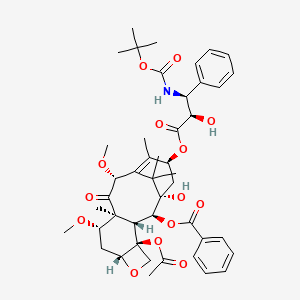
Cabazitaxel


Cabazitaxel.png

Cabazitaxel

For treatment of patients with hormone-refractory metastatic prostate cancer previously treated with a docetaxel-containing treatment regimen.

4-acetoxy-2α-benzoyloxy-5β,20-epoxy-1-hydroxy-7β,10β-dimethoxy-9-oxotax-11-en-13α-yl(2R,3S)-3-tert-butoxycarbonylamino-2-hydroxy-3-phenyl-propionate

(1S,2S,3R,4S,7R,9S,10S,12R,15S)-4-(Acetyloxy)-15-{[(2R,3S)-3-{[(tert-butoxy)carbonyl]amino}-2-hydroxy-3-phenylpropanoyl]oxy}-1-hydroxy-9,12-dimethoxy-10,14,17,17-tetramethyl-11-oxo-6-oxatetracyclo[11.3.1.03,10.04,7]heptadec-13-ene-2-yl benzoate

183133-96-2

Jevtana, Taxoid XRP6258, Cabazitaxelum, 183133-96-2, Xrp6258, CHEBI:63584, XRP-6258, TXD 258, XRP 6258
Molecular Formula: C45H57NO14   Molecular Weight: 835.93238

EMA:LinkUS FDA:link

Cabazitaxel is prepared by semi-synthesis from 10-deacetylbaccatin III (10-DAB) which is extracted from yew tree needles. The chemical name of cabazitaxel is (2α,5β,7β,10β,13α)-4-acetoxy-13-({(2R,3S)-3-[(tert-butoxycarbonyl)amino]-2-hydroxy-3-phenylpropanoyl}oxy)-1-hydroxy-7,10-dimethoxy-9-oxo-5,20-epoxy-tax-11-en-2-yl benzoate and is marketed as a 1:1 acetone solvate (propan-2-one),

Cabazitaxel is an anti-neoplastic used with the steroid medicine prednisone. Cabazitaxel is used to treat people with prostate cancer that has progressed despite treatment with docetaxel. Cabazitaxel is prepared by semi-synthesis with a precursor extracted from yew needles (10-deacetylbaccatin III). It was approved by the U.S. Food and Drug Administration (FDA) on June 17, 2010.

Cabazitaxel (previously XRP-6258, trade name Jevtana) is a semi-synthetic derivative of a natural taxoid.[1] It was developed by Sanofi-Aventis and was approved by the U.S. Food and Drug Administration (FDA) for the treatment of hormone-refractory prostate cancer on June 17, 2010. It is a microtubule inhibitor, and the fourth taxane to be approved as a cancer therapy.[2]

Nagesh Palepu, “CABAZITAXEL FORMULATIONS AND METHODS OF PREPARING THEREOF.” U.S. Patent US20120065255, issued March 15, 2012.

US20120065255 Link out

Cabazitaxel in combination with prednisone is a treatment option for hormone-refractory prostate cancer following docetaxel-based treatment.

Clinical trials

In a phase III trial with 755 men for the treatment of castration-resistant prostate cancer, median survival was 15.1 months for patients receiving cabazitaxel versus 12.7 months for patients receiving mitoxantrone. Cabazitaxel was associated with more grade 3–4 neutropenia (81.7%) than mitoxantrone (58%).[3]

United States 5438072 2010-06-17   exp  2013-11-22
United States 5698582 2010-06-17          2012-07-03
United States 5847170 2010-06-17          2016-03-26
United States 6331635 2010-06-17          2016-03-26
United States 6372780 2010-06-17          2016-03-26
United States 6387946 2010-06-17          2016-03-26
United States 7241907 2010-06-17          2025-12-10

JEVTANA (cabazitaxel) is an antineoplastic agent belonging to the taxane class. It is prepared by semi-synthesis with a precursor extracted from yew needles.

The chemical name of cabazitaxel is (2α,5β,7β,10β,13α)-4-acetoxy-13-({(2R,3S)-3[(tertbutoxycarbonyl) amino]-2-hydroxy-3-phenylpropanoyl}oxy)-1-hydroxy-7,10-dimethoxy-9oxo-5,20-epoxytax-11-en-2-yl benzoate – propan-2-one(1:1).

Cabazitaxel has the following structural formula:

JEVTANA (cabazitaxel) Structural Formula Illustration

Cabazitaxel is a white to almost-white powder with a molecular formula of C45H57NO14C3H6O and a molecular weight of 894.01 (for the acetone solvate) / 835.93 (for the solvent free). It is lipophilic, practically insoluble in water and soluble in alcohol.

JEVTANA (cabazitaxel) Injection 60 mg/1.5 mL is a sterile, non-pyrogenic, clear yellow to brownish-yellow viscous solution and is available in single-use vials containing 60 mg cabazitaxel (anhydrous and solvent free) and 1.56 g polysorbate 80. Each mL contains 40 mg cabazitaxel (anhydrous) and 1.04 g polysorbate 80.

DILUENT for JEVTANA is a clear, colorless, sterile, and non-pyrogenic solution containing 13% (w/w) ethanol in water for injection, approximately 5.7 mL.

JEVTANA requires two dilutions prior to intravenous infusion. JEVTANA injection should be diluted only with the supplied DILUENT for JEVTANA, followed by dilution in either 0.9% sodium chloride solution or 5% dextrose solution.

The taxane family of terpenes has received much attention in the scientific and medical community, because members of this family have demonstrated broad spectrum of anti-leukemic and tumor-inhibitory activity. A well-known member of this family is paclitaxel (Taxol®).

Figure imgf000002_0001

Paclitaxel (Taxol) Paclitaxel was first isolated from the bark of the pacific yew tree (Taxus brevifolia) in 1971 , and has proved to be a potent natural anti-cancer agent. To date, paclitaxel has been found to have activity against different forms of leukemia and against solid tumors in the breast, ovary, brain, and lung in humans.

As will be appreciated, this beneficial activity has stimulated an intense research effort over recent years with a view to identifying other taxanes having similar or improved properties, and with a view to developing synthetic pathways for making these taxanes, such as paclitaxel.

This research effort led to the discovery of a synthetic analogue of paclitaxel, namely, docetaxel (also known as Taxotere®). As disclosed in U.S. Patent No. 4,814,470, docetaxel has been found to have a very good anti-tumour activity and better bioavailability than paclitaxel. Docetaxel is similar in structure to paclitaxel, having t- butoxycarbonyl instead of benzoyl on the amino group at the 3′ position, and a hydroxy group instead of the acetoxy group at the C-10 position.

Figure imgf000003_0001

As will be appreciated, taxanes are structurally complicated molecules, and the development of commercially viable synthetic methods to make taxanes has been a challenge. A number of semi-synthetic pathways have been developed over the years, which typically begin with the isolation and purification of a naturally occurring starting material, which can be converted to a specific taxane derivative of interest. Cabazitaxel (I) is an anti-tumor drug which belongs to the taxol family. It differs from docetaxel in that it has methoxy groups at positions 7 and 10 of the molecule, as opposed to the hydroxyl groups at equivalent positions in docetaxel. Cabazitaxel is obtained by semi-synthesis from an extract of Chinese yew (Taxus mairei). It is understood that cabazitaxel can be obtained via semi-synthesis from other taxus species including T.candensis, T.baccatta, T.chinensis, T. mairei etc.

Figure imgf000004_0001

Cabazitaxel is a semi-synthetic derivative of the natural taxoid 0-deacetylbaccatin III (10-DAB) with potentially unique antineoplastic activity for a variety of tumors.

Cabazitaxel binds to and stabilizes tubulin, resulting in the inhibition of microtubule depolymerization and cell division, cell cycle arrest in the G2/M phase, and the inhibition of tumor cell proliferation. This drug is a microtubule depolymerization inhibitor, which can penetrate blood brain barrier (BBB).

Cabazitaxel was recently approved by the US Federal Drug Administration (FDA) for the treatment of docetaxel resistant hormone refractory prostate cancer. It has been developed by Sanofi-Aventis under the trade name of Jevtana. The CAS number for the compound is 183133-96-2. A synonym is dimethoxydocetaxel. The compound is also known as RPR-1 16258A; XRP6258; TXD 258; and axoid XRP6258.

The free base form of cabazitaxel has the chemical name

(2aR,4S,4aS,6R,9S, 1 1 S,12S,12aR, 12bS)-12b-acetoxy-9-(((2R,3S)-3-((tert- butoxycarbonyl)amino)-2-hydroxy-3-phenylpropanoyl)oxy)-11-hydroxy-4,6-dimethoxy- 4a,8, 13, 13-tetramethyl-5-oxo-2a,3,4,4a,5,6,9, 10, 11 , 12, 12a, 12b-dodecahydro-1 H- 7, 1 1-methanocyclodeca[3,4]benzo[1 ,2-b]oxet-12-yl benzoate. In a first part of this description, taxel drugs including paclitaxel (taxol), docetaxel (taxotere) and cabazitaxel may be prepared starting from 10-deacetylbaccatin (known as 10-DAB) derived from Taxus plants, via semi-synthesis. Furthermore, the same inventive methodologies can be used to semi-synthesize cabazitaxel starting from 9- dihydro-13-acetylbaccatin III (9-DHB).

Patent numbers CN1213042C, CN152870, CN1179716 and CN1179775 disclose methods to prepare cabazitaxel from 10-DAB (herein compound II).

Figure imgf000005_0001

10-DAB (II)

A typical prior art synthesis route is as follows:

Figure imgf000006_0001
Figure imgf000007_0001

OCOCH3

OCOC6H5

The method above which synthesizes cabazitaxel has many synthetic steps, a very low overall yield and high price.

There is therefore a need in the art to develop new methods to synthesize cabazitaxel and its intermediates to improve the yield of cabazitaxel, simplify the methodology and optimize the synthetic technology.

Cabazitaxel, chemically known as 4-acetoxy-2α-benzoyloxy-5β,20-epoxy-1-hydroxy-7β,10β-dimethoxy-9-oxotax-11-en-13α-yl(2R,3S)-3-tert-butoxycarbonylamino-2-hydroxy-3-phenyl-propionate, is represented by formula (I).

Figure US20130109870A1-20130502-C00001

It is a microtubule inhibitor, indicated in combination with prednisone for treatment of patients with hormone-refractory metastatic prostate cancer previously treated with a docetaxel-containing treatment regimen, under the trade name Jevtana®.

Cabazitaxel is known from U.S. Pat. No. 5,847,170. Process for preparation of Cabazitaxel as described in U.S. Pat. No. 5,847,170 involves column chromatography, which is cumbersome tedious and not commercially viable.

The acetone solvate of 4-acetoxy-2α-benzoyloxy-5β-20-epoxy-1-hydroxy-7β, 10β-dimethoxy-9-oxotan-11-en-13α-yl-(2R,3S)-3-tert-butoxycarbonylamino-2-hydroxy-3-phenylpropionate (Form A) is formed by crystallization by using acetone and is characterized by XRD in U.S. Pat. No. 7,241,907.

U.S. 20110144362 describes anhydrous crystalline Forms B to Form F, ethanolates Form B, D, E and F and mono and dihydrate Forms of Cabazitaxel. All the anhydrous crystalline forms are prepared either by acetone solvate or ethanol solvate. Mono and dihydrate forms are formed at ambient temperature in an atmosphere containing 10 and 60% relative humidity, respectively.

Cabazitaxel (also called dimethoxy docetaxel) is a dimethyl derivative of docetaxel, which itself is semi-synthetic, and was originally developed by Rhone-Poulenc Rorer and was approved by the U.S. Food and Drug Administration (FDA) for the treatment of hormone-refractory prostate cancer on Jun. 17, 2010. Cabazitaxel is a microtubule inhibitor. The acetone solvate crystalline form of cabazitaxel and a process for its preparation is disclosed in the U.S. Pat. No. 7,241,907.

U.S. Pat. No. 5,847,170 describes cabazitaxel and its preparation methods. One of the methods described in U.S. Pat. No. 5,847,170 includes a step-wise methylation of 10-DAB (the step-wise methylation method is shown in FIG. 1) to provide the key intermediate (2αR,4S,4αS,6R,9S,11S,12S,12αR,12βS)-12β-acetoxy-9,11-dihydroxy-4,6-dimethoxy-4α,8,13,13-tetramethyl-5-oxo-2α,3,4,4α,5,6,9,10,11,12,12α,12β-dodecahydro-1H-7,11-methanocyclodeca[3,4]benzo[1,2-b]oxet-12-yl benzoate, herein referred to as 7,10-di-O-methyl-10-DAB (XVa). The intermediate XVa is coupled with the 3-phenylisoserine side chain derivative VI to provide XVa′, which is followed by removal of the oxazolidine protecting group from the side chain of XVa′ to give cabazitaxel.

Another method described in U.S. Pat. No. 5,847,170 utilizes methylthiomethyl (MTM) ethers as shown in FIG. 2. MTM ethers can be prepared from alcohols using two common methods. One method comprises deprotonation of an alcohol with a strong base to form an alkoxide followed by alkylation of the alkoxide with a methylthiomethyl halide. This approach is only useful when the alcohol is stable to treatment with a strong base. 10-DAB and some of its derivatives in which C7-OH is not protected displays so instability in the presence of strong bases and epimerization of the C7-OH can occur upon contact of 10-DAB and some of its derivatives in which C7-OH is not protected with strong bases. Another method for the synthesis of MTM ethers from alcohols utilizes Ac2O and DMSO. One disadvantage of this method is that it can also lead to the oxidation of alcohols to aldehydes or ketones. For example when the synthesis of the 10-di-O-MTM derivative of 10-DAB without protecting groups at the C13 hydroxyl group is attempted undesired oxidation of the C13-OH to its corresponding ketone occurs.

U.S. Pat. No. 5,962,705 discloses a method for dialkylation of 10-DAB and its derivatives to furnish 7,10-di-O-alkyl derivatives, as shown in FIG. 3. This has been demonstrated as a one-step, one-pot reaction, however, provides the best isolated yield when potassium hydride is used at −30° C. From an industrial point of view, the use of low reaction temperature is less favorable than using ambient temperature. Furthermore the use of a strong base can cause some epimerization of the C7-OH chiral center with an associated loss of yield. Potassium hydride is a very reactive base and must be treated with great caution.

Accordingly, there is a need for an alternative processes for the preparation of cabazitaxel and its key intermediate, 7,10-di-O-methyl-10-DAB (XVa) that is short in number of synthetic steps and avoids the use of low temperatures and strong bases such as metal hydrides in the C7-O methyl ether formation step. Such a process would also be useful for the preparation of analogues of cabazitaxel wherein the C7-O and C10-O functional groups were substituted with other alkyl groups.

FIG. 1 shows the chemistry employed in the examples of U.S. Pat. No. 5,847,170.

FIG. 2 shows the chemistry employed in the examples of U.S. Pat. No. 5,847,170.

FIG. 3 shows the chemistry employed in the examples of U.S. Pat. No. 5,962,705.

FIG. 4 shows key steps of the general synthetic scheme as per Method A/A′ of the present invention for the synthesis of cabazitaxel and cabazitaxel analogues.

FIG. 5 shows key steps of the general synthetic scheme as per Method B/B′ of the present invention for the synthesis of cabazitaxel and cabazitaxel analogues.

FIG. 6 shows the general scheme for the hydrodesulfurization reaction.

FIG. 7 shows the complete synthetic route of Method A that can be used for conversion of 10-DAB to cabazitaxel.

FIG. 8 shows the complete synthetic route of Method B that can be used for conversion of 10-DAB to cabazitaxel.

FIG. 9 shows the complete synthetic route of Method A′ that can be used for conversion of 10-DAB, via XIV′, to cabazitaxel.

FIG. 10 shows the complete synthetic route of Method B′ that can be used for conversion of 10-DAB, via XVI′, to cabazitaxel.

FIG. 11 shows the synthetic relationship between two methods (A and B) used to convert 7,10-di-O-alkyl-10-DAB (XV) to cabazitaxel.

FIG. 12 shows the synthetic scheme for the preparation of XIVa.

FIG. 13 shows the synthetic scheme for the preparation of XIVb from 10-DAB.

FIG. 14 shows the synthetic scheme for the preparation of XIVb from XIVb′.

FIG. 15 shows the synthetic scheme for the preparation of XIVc.

FIG. 16 shows the synthetic scheme for the preparation of XIVa′ from XIVa.

FIG. 17 shows the synthetic scheme for the preparation of XIVa′ from XX.

FIG. 18 shows the synthetic scheme for the preparation of XIVb′.

FIG. 19 shows the synthetic scheme for the preparation of XIVc′.

FIG. 20 shows the synthetic scheme for the preparation of XVa from XIVa.

FIG. 21 shows the synthetic scheme for the preparation of XVa from XIVb.

FIG. 22 shows the synthetic scheme for the preparation of XVa from XIVc.

FIG. 23 shows the synthetic scheme for the preparation of XVa′ from XIVa.

FIG. 24 shows the synthetic scheme for the preparation of XVa′ from XIVa′.

FIG. 25 shows the synthetic scheme for the preparation of XVa′ from XIVb′.

FIG. 26 shows the synthetic scheme for the preparation of XVa′ from XIVc′.

FIG. 27 shows the synthetic scheme for the preparation of XVa′ from XVa.

FIG. 28 shows the synthesis of cabazitaxel.

FIG. 29 shows the synthesis of XVIIa.

FIG. 30 shows the synthesis of XVIIIa.

FIG. 31 shows the synthesis of XIXa.

FIG. 32 shows the synthesis of XVIa.

FIG. 33 shows the synthesis of XVa from XVIa.

see this at  http://www.google.com/patents/US20130116444

………..

WO2013057260A1

Detailed description

The invention provides a new method for the preparation of cabazitaxel, one embodiment of which can be summarized as follows, showing the preparation of a protected taxane intermediate and its deprotection to taxane compounds:

Figure imgf000022_0001
Figure imgf000023_0001
Figure imgf000023_0002
Figure imgf000023_0003

OH OCOCH3

OCOC6H5

This reaction is also depicted in Figure 1. The reaction of the invention reduces the number of steps and increases yield of cabazitaxel.

The deprotection methods of the invention can also be used for the preparation of paclitaxel (taxol):

Figure imgf000024_0001

The deprotection methods of the invention can also be applied to the preparation of docetaxel:

Figure imgf000025_0001

10-DAB synthetic routes

Example 12

Dissolve 100 g of 2′-THP-cabazitaxel in 1730 ml of HOAc/H20/THF (3:1 :1 ). under N2 atmosphere, increase temperature to 50 degrees C and stir 4 hrs. Then cool to room temperature. Add 2L of ethyl acetate, 2 L of H20, stir, separate layers, wash organic layer with saturated NaHC03 (3 L x 2), saturated NaCI (3 L), dry with Na2S04.

Concentrate to obtain white 77.8 g of cabazitaxel (yield 83%).

MS(m/z) :859(M+Na)„ jHNMR (500MHz) δ 1.21(611, d) , 1.36(911, s) , 1.59(lH, s) , 1.64(lH,s) , 1.79(lH,m) , 1.87 (3H, s) ,2.27 (2H, m) , 2.35(3H,m) ,2.69(lH,m) ,3.30 (3H, s) ,

3.45 (3H, s) , 3.85 (2H, m) , 4.16 (1H, d) , 4.29 (1H, d) , 4.62 (1H, bs) , 4.79 (1H, s) , 5.29 (1H, m),5.42(lH, d),5.62(lH, d),6.21 (1H, t),7.2 ~ 7.4(6H, m) , 7.48 (2H, t),7.59(lH, t) , 8.11 (2H, d) ,

References

Patents

Patent :

Patent Number : 5438072

Country : United States

Approved : 2010-06-17

Expires : 2013-11-22

Patent :

Patent Number : 5698582

Country : United States

Approved : 2010-06-17

Expires : 2012-07-03

Patent :

Patent Number : 5847170

Country : United States

Approved : 2010-06-17

Expires : 2016-03-26

Patent :

Patent Number : 6331635

Country : United States

Approved : 2010-06-17

Expires : 2016-03-26

Patent :

Patent Number : 6372780

Country : United States

Approved : 2010-06-17

Expires : 2016-03-26

Patent :

Patent Number : 6387946

Country : United States

Approved : 2010-06-17

Expires : 2016-03-26

Patent :

Patent Number : 7241907

Country : United States

Approved : 2010-06-17

Expires : 2025-12-10

3-13-2009
SELF-EMULSIFYING AND SELF-MICROEMULSIFYING FORMULATIONS FOR THE ORAL ADMINISTRATION OF TAXOIDS
3-32-2005
Semi-solid formulations for the oral administration of taxoids
2-4-2005
Self-emulsifying and self-microemulsifying formulations for the oral administration of taxoids
6-12-2002
Use of taxoid derivatives

Orphan Drugs: FDA Approval For Tropical Disease


Orphan Druganaut Blog's avatarOrphan Druganaut Blog

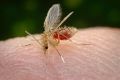
The FDA announces on March 19th the approval of Impavido (Miltefosine), an oral medicine for the treatment of the tropical disease Leishmaniasis. Leishmaniasis is caused by a parasite, Leishmania, which is transmitted by sand fly bites to humans. It occurs mainly in people who live in the tropics and subtropics. The drug is already approved for sale in Europe, the Indian subcontinent, and Central and South America.

The FDA granted Impavido Fast Track Designation, Priority Review, and Orphan Drug Designation (ODD) (October 2006). Paladin Therapeutics, Impavido’s manufacturer, is awarded a FDA Tropical Disease Priority Review Voucher. This type of Priority Review Voucher (PRV) is awarded under a provision in the FDA Amendments Act of 2007 that encourages the development of new drugs and vaccines for neglected tropical diseases. “The PRV is transferable and can be sold and entitles the bearer to a priority review for any product. To…

View original post 115 more words

The U.S. FDA approved Impavido (miltefosine) to treat a tropical disease called leishmaniasis


Miltefosine.svg

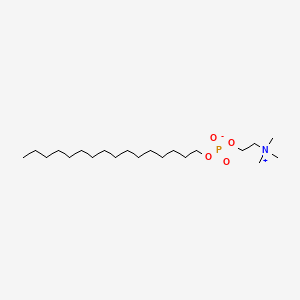
MILTEFOSINE

2-(hexadecoxy-oxido-phosphoryl)oxyethyl-trimethyl-azanium

58066-85-6

Hexadecylphosphocholine, Miltex, HDPC, HePC, Hexadecylphosphorylcholine, 58066-85-6, Miltefosina, Miltefosinum, Impavido
Molecular Formula: C21H46NO4P   Molecular Weight: 407.568002

March 19, 2014 — The U.S. Food and Drug Administration today approved Impavido (miltefosine) to treat a tropical disease called leishmaniasis.

Leishmaniasis is a disease caused by Leishmania, a parasite which is transmitted to humans through sand fly bites. The disease occurs primarily in people who live in the tropics and subtropics. Most U.S. patients acquire leishmaniasis overseas.

Impavido is an oral medicine approved to treat the three main types of leishmaniasis: visceral leishmaniasis (affects internal organs), cutaneous leishmaniasis (affects the skin) and mucosal leishmaniasis (affects the nose and throat). It is intended for patients 12 years of age and older. Impavido is the first FDA-approved drug to treat cutaneous or mucosal leishmaniasis.

“Today’s approval demonstrates the FDA’s commitment to making available therapeutic options to treat tropical diseases,” said Edward Cox, M.D., director of the Office of Antimicrobial Products in the FDA’s Center for Drug Evaluation and Research.

The FDA granted Impavido fast track designation, priority review, and orphan product designation. These designations were granted because the drug demonstrated the potential to fill an unmet medical need in a serious disease or condition, the potential to be a significant improvement in safety or effectiveness in the treatment of a serious disease or condition, and is intended to treat a rare disease, respectively. With this approval, Impavido’s manufacturer, Paladin Therapeutics, is awarded a Tropical Disease Priority Review Voucher under a provision included in the Food and Drug Administration Amendments Act of 2007 that aims to encourage development of new drugs and biological products for the prevention and treatment of certain tropical diseases.

Impavido’s safety and efficacy were evaluated in four clinical trials. A total of 547 patients received Impavido and 183 patients received either a comparator drug or a placebo. Results from these trials demonstrated that Impavido is safe and effective in treating visceral, cutaneous and mucosal leishmaniasis.

The labeling for Impavido includes a boxed warning to alert patients and health care professionals that the drug can cause fetal harm and therefore should not be given to pregnant women. Health care professionals should advise women to use effective contraception during and for five months after Impavido therapy.

The most common side effects identified in clinical trials were nausea, vomiting, diarrhea, headache, decreased appetite, dizziness, abdominal pain, itching, drowsiness and elevated levels of liver enzymes (transaminases) and creatinine.

Paladin Therapeutics is based in Montreal, Canada

Miltefosine (INN, trade names Impavido and Miltex) is a phospholipid drug. Chemically it is a derivative of alkylphosphocholinecompounds discovered in the early 1980s. It was developed in the late 1980s as an anticancer drug by German scientists Hansjörg Eibl and Clemens Unger.[2] Simultaneously but independently it was found that the drug could kill Leishmania parasites, and since the mid-1990s successful clinical trials were conducted. The drug became the first (and still the only prescribed) oral drug in the treatment ofleishmaniasis. It is now known to be a broad-spectrum antimicrobial drug, active against pathogenic bacteria and fungi,[1][3] as well as human trematode Schistosoma mansoni and its vector host, the snail Biomphalaria alexandrina.[4] It can be administered orally and topically.

In the target cell, it acts as an Akt inhibitor. Therefore, it is also under investigation as a potential therapy against HIV infection.[5][6]

Phospholipid group alkylphosphocholine were known since the early 1980s, particularly in terms of their binding affinity with cobra venom.[7]In 1987 the phosholids were found to potent toxins on leukemic cell culture.[8] Initial in vivo investigation on the antineoplastic activity showed positive result, but then only at high dosage and at high toxicity.[9] At the same time in Germany, Hansjörg Eibl, at the Max Planck Institute for Biophysical Chemistry, and Clemens Unger, at the University of Göttingen, demonstrated that the antineoplastic activity of the phospholipid analogue miltefosine (at the time known as hexadecylphosphocholine) was indeed tumour-specific. It was highly effective against methylnitrosourea-induced mammary carcinoma, but less so on transplantable mammary carcinomas and autochthonous benzo(a)pyrene-induced sarcomas, and relatively inactive on Walker 256 carcinosarcoma and autochthonous acetoxymethylmethylnitrosamine-induced colonic tumors of rats.[10][11] It was subsequently found that miltefosine was strucrally unique among lipds having anticancer property in that it lacks the glycerol group, is highly selective on cell types and acts through different mechanism.[12][13]

In the same year as the discovery of the acticancer property, miltefosine was reported by S. L. Croft and his team at the London School of Hygiene and Tropical Medicine as having antileishmanial effect as well. The compound was effective against Leishmania donovani amastigotes in cultured mouse peritoneal macrophages at a dose of 12.8 mg/kg/day in a five-day course.[14] However priority was given to the development of the compound for cutaneous metastases of breast cancer. In 1992 a new research was reported in which the compound was highly effective in mouse against different life cycle stages of different Leishmania species, and in fect more potent than the conventional sodium stibogluconate therapy by a factor of more than 600.[15] Results of the first clinical trial in humans were reported from Indian patients with chronic leishmaniasis with high degree of success and safety.[16] This promising development promulgated a unique public–private partnership collaboration between ASTA Medica (later Zentaris GmbH), the WHO Special Programme for Research and Training in Tropical Diseases, and the Government of India. Eventually, several successful Phase II and III trials led to the approval of miltefosine in 2002 as the first and only oral drug for leishmaniasis.[1]

Miltefosine is registered and used by Zentaris GmbH in IndiaColombia and Germany for the treatment of visceral and cutaneous leishmaniasis, and is undergoing clinical trials for this use in several other countries, such as Brazil[17] and Guatemala.[18]

Miltefosine is a phosphocholine analogue that was originally launched in 1993 by Baxter Oncology for the treatment of cancer. In 2003, Zentaris (formerly part of Asta Medica) launched the drug for the oral treatment of visceral leishmaniasis. Zentaris has also brought the product to market for the treatment of cutaneous leishmaniasis. Jado Technologies is conducting phase II clinical trials for the treatment of antihistamine resistant urticaria. Clinical trials had been ongoing for several indications, including the treatment of cutaneous mastocytosis or cutaneous involvement of systemic mastocytosis. Jado is investigating topical and oral versions of the compound in phase II trials in several allergy indications.

Miltefosine is effective against promastigotes and intracellular amastigotes, which survive and multiply in phagolysosomal compartments of macrophages and make up the two stages of the leishmania lifecycle. Although the exact mechanism of action of the drug has not been determined, it may exert its therapeutic effect through inhibition of phospholipid metabolism. Another theory suggests that miltefosine may interfere with leishmaniacal membrane signal transduction, lipid metabolism and glycosylphosphatidylinositol anchor biosynthesis. The drug is well absorbed in the gastrointestinal tract after a single oral administration and is widely distributed throughout the body.

Miltefosine was originally developed under a collaboration between the Indian government, the German biopharmaceutical company Zentaris, and the Tropical Disease Research (TDR) programme, co-sponsored by the World Health Organization and the United Nations Development Programme (UNDP). Subsequent to the product’s approval, Zentaris partnered with various organizations for its distribution. In February 2004, Roche and Zentaris entered into a marketing agreement, pursuant to which Roche agreed to support Zentaris in the registration process and to market miltefosine in Brazil.

Several medical agents have some efficacy against visceral or cutaneous leishmaniasis, however a 2005 survey concluded that Miltefosine is the only effective oral treatment for both forms of leishmaniasis.[19]

Miltefosine is being investigated by researchers interested in finding treatments for infections which have become resistant to existing drugs. Animal and in vitro studies suggest it may have broad anti-protozoal and anti-fungal properties:

  • An in vitro study found that miltefosine is effective against metronidazole-resistant variants of Trichomonas vaginalis, a sexually transmitted protozoal disease.[22]

Investigatory usage against HIV infection

Miltefosine targets HIV infected macrophages, which play a role in vivo as long-lived HIV-1 reservoirs. The HIV protein Tat activates pro-survival PI3K/Akt pathway in primary human macrophages. Miltefosine acts by inhibiting the PI3K/Akt pathway, thus removing the infected macrophages from circulation, without affecting healthy cells.[5] It significantly reduces replication of HIV-1 in cocultures of human dendritic cells (DCs) and CD4(+) T cells, which is due to a rapid secretion of soluble factors and is associated with induction of type-I interferon (IFN) in the human cells.[26]

In leishmanisis the recommended dose as oral monotherapy is 2.5 mg/kg/day for a total of 28 days. However, due to frequent commercial shortage of the 10 mg capsule, dosages are often altered. For example, the Indian government recommends 100 mg/day miltefosine for patients with a body weight ≥25 kg (corresponding to ∼1.7–4 mg/kg/day) and 50 mg/day for body weights <25 kg (corresponding to ∼2–5.5 mg/kg/day).[1] Even up to 150 mg/day for 28 days was found to be quite safe.[27]

The main side effects reported with miltefosine treatment are nausea and vomiting, which occur in 60% of patients. Adverse effect is more severe in women and young children. The overall effects are quite mild and easily reverse.[28] It is embryotoxic and fetotoxic in rats and rabbits, and teratogenic in rats but not in rabbits. It is therefore contraindicated for use during pregnancy, andcontraception is required beyond the end of treatment in women of child-bearing age.[29]

Figure US08394785-20130312-C00009
miltefosine (1-hexadecylphosphoryl-choline, HePC); Calbiochem 475841

Compounds oFigure US08394785-20130312-C00001f the general formula I belonging to the class of phospholipids (X is O and Ris a group of formula II), e.g. alkyloxy phospholipids (Y is O) and the corresponding alkylthio derivatives (Y is S), can be prepared as described in the literature (Bittman, R.; J. Med. Chem. 1997, 40, 1391-1395; Reddy, K. C.; Tetrahedron Lett. 1994, 35, 2679-2682; Guivisdalsky, P. N.; J. Med. Chem. 1990, 33, 2614-2621 and references cited therein) or by standard variations of the procedures described therein. Synthesis of the corresponding ester and thioester analogues (Y is OCO and SCO, respectively) can be accomplished by standard acylation of the hydroxy or thio precursor materials.

Compounds of the general formula I belonging to the class of phosphonolipids (X is a direct bond and Ris a group of formula II), e.g alkyloxy phosphonolipids (Y is O and Ris a group of formula II) and the corresponding alkylthio derivatives (Y is S) can be prepared as published by Bittman et al. (Bittman, R.; J. Med. Chem. 1993, 36, 297-299; Bittman, R.; J. Med. Chem.1994, 37, 425-430 and references cited therein) or by synthetic variations of the procedures described therein. Synthesis of the corresponding ester and thioester analogues (Y is OCO or SCO) can be accomplished by standard acylation of the hydroxy or thio precursor materials.

SEE

Antitumor ether lipids: An improved synthesis of ilmofosine and an enantioselective synthesis of an ilmofosine analog
Tetrahedron Lett 1994, 35(17): 2679

AND

Hexadecylphosphocholine, a new antineoplastic agent: Cytotoxic properties in leukaemic cells
J Cancer Res Clin Oncol 1986, 111: 24

References

  1. Dorlo, T. P. C.; Balasegaram, M.; Beijnen, J. H.; de Vries, P. J. (2012). “Miltefosine: a review of its pharmacology and therapeutic efficacy in the treatment of leishmaniasis”. Journal of Antimicrobial Chemotherapy 67 (11): 2576–2597. doi:10.1093/jac/dks275.PMID 22833634.
  2.  Eibl, H; Unger, C (1990 Sep). “Hexadecylphosphocholine: a new and selective antitumor drug.”. Cancer Treatment Reviews 17 (2-3): 233–42. PMID 2272038.
  3.  Almeida Pachioni, JD; Magalhães, JG; Cardoso Lima, EJ; Moura Bueno, LD; Barbosa, JF; Malta de Sá, M; Rangel-Yagui, CO (2013). “Alkylphospholipids – a promising class of chemotherapeutic agents with a broad pharmacological spectrum.”. Journal of Pharmacy & Pharmaceutical sciences : a publication of the Canadian Society for Pharmaceutical Sciences, Societe canadienne des sciences pharmaceutiques 16 (5): 742–59. PMID 24393556.
  4.  Eissa, Maha M; El Bardicy, Samia; Tadros, Menerva (2011). “Bioactivity of miltefosine against aquatic stages of Schistosoma mansoni, Schistosoma haematobium and their snail hosts, supported by scanning electron microscopy”Parasites & Vectors 4 (1): 73.doi:10.1186/1756-3305-4-73PMC PMC3114006PMID 21569375.
  5. Jump up to:a b Chugh P, Bradel-Tretheway B, Monteiro-Filho CM, et al. (2008). “Akt inhibitors as an HIV-1 infected macrophage-specific anti-viral therapy”Retrovirology 5 (1): 11. doi:10.1186/1742-4690-5-11PMC 2265748PMID 18237430.
  6.  “Parasitic Drug Shows HIV-Fighting Promise”. AIDSmeds.com. 2008-02-01. Retrieved 2008-02-02.
  7.  Teshima, K; Ikeda, K; Hamaguchi, K; Hayashi, K (1983). “Bindings of cobra venom phospholipases A2 to micelles of n-hexadecylphosphorylcholine.”. Journal of Biochemistry 94(1): 223–32. PMID 6619110.
  8.  Fleer, EA; Unger, C; Kim, DJ; Eibl, H (1987). “Metabolism of ether phospholipids and analogs in neoplastic cells.”. Lipids 22 (11): 856–61. PMID 3444378.
  9.  Berger, MR; Petru, E; Schmähl, D (1987). “Therapeutic ratio of mono or combination bacterial lipopolysaccharide therapy in methylnitrosourea-induced rat mammary carcinoma.”. Journal of Cancer Research and Clinical Oncology 113 (5): 437–45. PMID 3624299.
  10.  Muschiol, C; Berger, MR; Schuler, B; Scherf, HR; Garzon, FT; Zeller, WJ; Unger, C; Eibl, HJ; Schmähl, D (1987). “Alkyl phosphocholines: toxicity and anticancer properties.”. Lipids 22 (11): 930–4. PMID 3444388.
  11.  Berger, MR; Muschiol, C; Schmähl, D; Eibl, HJ (1987). “New cytostatics with experimentally different toxic profiles.”. Cancer treatment Reviews 14 (3-4): 307–17. PMID 3440252.
  12.  Hilgard, P; Stekar, J; Voegeli, R; Engel, J; Schumacher, W; Eibl, H; Unger, C; Berger, MR (1988). “Characterization of the antitumor activity of hexadecylphosphocholine (D 18506).”.European Journal of Cancer & Clinical Oncology 24 (9): 1457–61. PMID 3141197.
  13.  Eibl, H; Unger, C (1990 Sep). “Hexadecylphosphocholine: a new and selective antitumor drug.”. Cancer Treatment Reviews 17 (2-3): 233–42. PMID 2272038.
  14.  Croft, S.L.; Neal, R.A.; Pendergast, W.; Chan, J.H. (1987). “The activity of alkyl phosphorylcholines and related derivatives against Leishmania donovani”. Biochemical Pharmacology 36 (16): 2633–2636. doi:10.1016/0006-2952(87)90543-0.
  15.  Kuhlencord, A; Maniera, T; Eibl, H; Unger, C (1992). “Hexadecylphosphocholine: oral treatment of visceral leishmaniasis in mice.”Antimicrobial Agents and Chemotherapy 36(8): 1630–1634. doi:10.1128/AAC.36.8.1630PMC PMC192021PMID 1329624.
  16.  Sundar, Shyam; Rosenkaimer, Frank; Makharia, Manoj K; Goyal, Ashish K; Mandal, Ashim K; Voss, Andreas; Hilgard, Peter; Murray, Henry W (1998). “Trial of oral miltefosine for visceral leishmaniasis”. The Lancet 352 (9143): 1821–1823. doi:10.1016/S0140-6736(98)04367-0.PMID 9851383.
  17.  Cristina, Márcia; Pedrosa, Robert (September 2005). “Hospital de Doenças Tropicais testa droga contra calazar”Sapiência (in Portuguese) (Fundação de Amparo à Pesquisa do Estado do Piauí). Archived from the original on 2006-08-22. Retrieved 2006-09-01.
  18.  Soto J, Berman J (2006). “Treatment of New World cutaneous leishmaniasis with miltefosine.”. Trans R Soc Trop Med Hyg 100: S34. doi:10.1016/j.trstmh.2006.02.022.PMID 16930649.
  19. Berman, J. (2005). “Clinical status of agents being developed for leishmaniasis”. Expert Opinion on Investigational Drugs 14 (11): 1337–1346. doi:10.1517/13543784.14.11.1337.PMID 16255674.
  20. Saraiva V, Gibaldi D, Previato J, Mendonça-Previato L, Bozza M, Freire-De-Lima C, Heise N (2002). “Proinflammatory and cytotoxic effects of hexadecylphosphocholine (miltefosine) against drug-resistant strains of Trypanosoma cruzi.”Antimicrob Agents Chemother 46 (11): 3472–7. doi:10.1128/AAC.46.11.3472-3477.2002PMC 128733PMID 12384352.
  21.  Widmer F, Wright L, Obando D, Handke R, Ganendren R, Ellis D, Sorrell T (2006).“Hexadecylphosphocholine (miltefosine) has broad-spectrum fungicidal activity and is efficacious in a mouse model of cryptococcosis.”Antimicrob Agents Chemother 50 (2): 414–21. doi:10.1128/AAC.50.2.414-421.2006PMC 1366877PMID 16436691.
  22.  Blaha C, Duchêne M, Aspöck H, Walochnik J (2006). “In vitro activity of hexadecylphosphocholine (miltefosine) against metronidazole-resistant and -susceptible strains of Trichomonas vaginalis”. J. Antimicrob. Chemother. 57 (2): 273–8.doi:10.1093/jac/dki417PMID 16344287.
  23.  Choubey V, Maity P, Guha M, et al. (February 2007). “Inhibition of Plasmodium falciparum choline kinase by hexadecyltrimethylammonium bromide: a possible antimalarial mechanism”Antimicrob. Agents Chemother. 51 (2): 696–706. doi:10.1128/AAC.00919-06.PMC 1797733PMID 17145794.
  24.  Naegleria fowleri – Primary Amebic Meningoencephalitis (PAM)
  25.  Brain-Eating Amoeba: How One Girl Survived
  26. Garg, Ravendra; Tremblay, Michel J. (October 2012). “Miltefosine represses HIV-1 replication in human dendritic cell/T-cell cocultures partially by inducing secretion of type-I interferon”.Virology 432 (2): 271–276. doi:10.1016/j.virol.2012.05.032PMID 22704066.
  27.  Sundar, Shyam; Jha, T.K.; Thakur, C.P.; Bhattacharya, S.K.; Rai, M. (2006). “Oral miltefosine for the treatment of Indian visceral leishmaniasis”. Transactions of the Royal Society of Tropical Medicine and Hygiene 100 (Suppl 1): S26–S33. doi:10.1016/j.trstmh.2006.02.011.PMID 16730038.
  28.  S.D. Seth (2008). “Drug therapy of leishmaniasis”. In S.D. Seth. Textbook of Pharmacology. Elsevier India. p. 31. ISBN 9788131211588.
  29.  Sindermann, H.; Engel, J. (December 2006). “Development of miltefosine as an oral treatment for leishmaniasis”. Transactions of the Royal Society of Tropical Medicine and Hygiene 100 (Suppl 1): S17–S20. doi:10.1016/j.trstmh.2006.02.010PMID 16730362.

7-4-2012
LOCAL TREATMENT OF NEUROFIBROMAS
10-28-2011
METHODS FOR THE TREATMENT AND AMELIORATION OF ATOPIC DERMATITIS
8-17-2011
Methods for the treatment and amelioration of atopic dermatitis
11-16-2007
Mucosal formulation
7-20-2007
NOVEL ALKYL PHOSPHOLIPID DERIVATIVES WITH REDUCED CYTOTOXICITY AND USES THEREOF


an animation to soothe ones eye

PICLAMILAST


PICLAMILAST

An antiasthmatic agent and phosphodiesterase 4 inhibitor.
144035-83-6

SANOFI

  • 3-(Cyclopentyloxy)-N-(3,5-dichloro-4-pyridinyl)-4-methoxybenzamide
  • 3-(Cyclopentyloxy)-N-(3,5-dichloro-4-pyridyl)-p-anisamide
  • Benzamide, 3-(cyclopentyloxy)-N-(3,5-dichloro-4-pyridinyl)-4-methoxy-
  • C18-H18-Cl2-N2-O3
  • 381.2572
  • CCRIS 8304
  • Cpodpmb
  • Piclamilast
  • RP 73-401
  • RP 73401
  • RP-73-401
  • RPR 73401
  • UNII-WM58D7C3ZT

Piclamilast (RP 73401), is a selective PDE4 inhibitor.[1] It is comparable to other PDE4 inhibitors for its anti-inflammatory effects. It has been investigated for its applications to the treatment of conditions such as chronic obstructive pulmonary diseasebronchopulmonary dysplasia andasthma. It is a second generation compound that exhibits structural functionalities of the PDE4 inhibitors cilomilast and roflumilast. The structure for piclamilast was first elucidated in a 1995 European patent application.[2] The earliest mention of the name “piclamilast” was used in a 1997 publication.[3]

Piclamilast functions through the selective inhibition of the four PDE4 isoforms (PDE4A-D). It shows no inhibition of the other PDEs. The PDE4 isoforms are especially important to inflammatory and immunomodulatory cells. They are the most common PDE in inflammatory cells such as mast cellsneutrophilsbasophilseosinophilsT lymphocytesmacrophages, and structural cells such as sensory nerves and epithelial cells. PDE4hydrolyzes cyclic adenosine monophosphate (cAMP) to inactive adenosine monophosphate (AMP). Inhibition of PDE4 blocks hydrolysis of cAMP thereby increasing levels of cAMP within cells. cAMP suppresses the activity of immune and inflammatory cells. PDE4 inhibition in an induced chronic lung disease murine model was shown to have anti-inflammatory properties, attenuate pulmonary fibrin deposition and vascular alveolar leakage, and prolong survival in hyperoxia-induced neonatal lung injury. A study of PDE4 inhibition in a murine model of allergic asthma showed that piclamilast significantly improves the pulmonary function, airway inflammation and goblet cell hyperplasia.[4][5]

Emesis is the most commonly cited side effect of piclamilast. It has proven difficult to separate the emetic side effects from the therapeutic benefits of several PDE4 inhibitors, including piclamilast.[6]

Chemical synthesis

The preparation steps for synthesis of piclamilast are as follows (both discovery[7] and production[8] routes have been documented)

Piclamilast synthesis.png

  1. Addition of cyclopentyl to isovanillin via Williamson ether synthesis.
  2. Oxidation of aldehyde group to carboxylic acid.
  3. Formation of acid chloride by treatment with thionyl chloride.
  4. Formation of amide by reaction with deprotonated 4-amino-3,5-dichloropyridine.

SEE

J Med Chem 1994, 37(11): 1696

http://pubs.acs.org/doi/abs/10.1021/jm00037a021

AND

Org Process Res Dev 1998, 2(3): 157

http://pubs.acs.org/doi/full/10.1021/op9700385

Figure

3-(cyclopentyloxy)-N-(3,5-dichloropyrid-4-yl)-4-methoxybenzamide (1) (26.4 g, 69%) as an off-white solid, mp 155−157 °C (lit.1 mp 155−157 °C). 1H NMR:  δ 1.55−2.05 (m, 8H), 3.93 (s, 3H), 4.87 (m, 1H), 6.95 (d, 1H, J = 8 Hz), 6.98−7.53 (m, 2H), 7.65 (s, 1H), 8.56 (s, 2H). Anal. Calcd for C18H18Cl2N2O3:  C, 56.7; H, 4.76; Cl, 18.6; N, 7.35. Found:  C, 56.3; H, 4.7; Cl, 18.4; N, 7.2.

References

  1.  Beeh, K. M.; Beier, J.; Lerch, C.; Schulz, A. K.; Buhl, R. (2004). “Effects of Piclamilast, a Selective Phosphodiesterase-4 Inhibitor, on Oxidative Burst of Sputum Cells from Mild Asthmatics and Stable COPD Patients”. Lung 182 (6): 369–377. doi:10.1007/s00408-004-2518-zPMID 15765929edit
  2.  EP application 0497564
  3.  Souness, J. E.; Houghton, C.; Sardar, N.; Withnall, M. T. (1997). “Evidence that cyclic AMP phosphodiesterase inhibitors suppress interleukin-2 release from murine splenocytes by interacting with a ‘low-affinity’ phosphodiesterase 4 conformer”British Journal of Pharmacology 121 (4): 743–750. doi:10.1038/sj.bjp.0701200PMC 1564751PMID 9208143edit
  4.  Sun, J.; Deng, Y.; Wu, X.; Tang, H.; Deng, J.; Chen, J.; Yang, S.; Xie, Q. (2006). “Inhibition of phosphodiesterase activity, airway inflammation and hyperresponsiveness by PDE4 inhibitor and glucocorticoid in a murine model of allergic asthma”. Life Sciences 79 (22): 2077–2085. doi:10.1016/j.lfs.2006.07.001PMID 16875702edit
  5.  De Visser, Y. P.; Walther, F. J.; Laghmani, E. H.; Van Wijngaarden, S.; Nieuwland, K.; Wagenaar, G. T. M. (2008). “Phosphodiesterase-4 inhibition attenuates pulmonary inflammation in neonatal lung injury”. European Respiratory Journal 31 (3): 633–644. doi:10.1183/09031936.00071307PMID 18094015edit
  6.  Hirose, R.; Manabe, H.; Nonaka, H.; Yanagawa, K.; Akuta, K.; Sato, S.; Ohshima, E.; Ichimura, M. (2007). “Correlation between emetic effect of phosphodiesterase 4 inhibitors and their occupation of the high-affinity rolipram binding site in Suncus murinus brain”. European Journal of Pharmacology 573 (1–3): 93–99. doi:10.1016/j.ejphar.2007.06.045PMID 17658510edit
  7.  Ashton, M. J.; Cook, D. C.; Fenton, G.; Karlsson, J. A.; Palfreyman, M. N.; Raeburn, D.; Ratcliffe, A. J.; Souness, J. E.; Thurairatnam, S.; Vicker, N. (1994). “Selective Type IV Phosphodiesterase Inhibitors as Antiasthmatic Agents. The Syntheses and Biological Activities of 3-(Cyclopentyloxy)-4-methoxybenzamides and Analogs”. Journal of Medicinal Chemistry 37 (11): 1696.doi:10.1021/jm00037a021edit
  8.  Cook, D. C.; Jones, R. H.; Kabir, H.; Lythgoe, D. J.; McFarlane, I. M.; Pemberton, C.; Thatcher, A. A.; Thompson, D. M.; Walton, J. B. (1998). “Process Development of the PDE IV Inhibitor 3-(Cyclopentyloxy)-N-(3,5-dichloropyrid-4-yl)-4-methoxybenzamide”. Organic Process Research & Development 2 (3): 157. doi:10.1021/op9700385

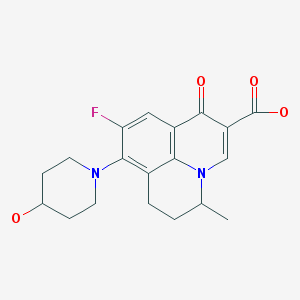
NADIFLOXACIN, Jinofloxacin


Nadifloxacin
Nadifloxacin
OPC-7251, Nadixa, Nadoxin, Acuatim
CAS  124858-35-1
 9-Fluoro-6,7-dihydro-8-(4-hydroxy-1-piperidinyl)-5-methyl-1-oxo-1H,5H-benzo[ij]quinolizine-2-carboxylic acid
9-fluoro-8-(4-hydroxy-1-piperidyl)-5-methyl-6,7-dihydro-1-oxo-1H,5H-benzo[ij]quinolizine-2-carboxylic acid.
9-fluoro-6,7-dihydro-8-(4-hydroxy-l-pyperidinyl)-5-methyl- l-oxo-lH,5H-benzo(I,j)quinolizine-2-carboxylic acid
 jinofloxacin
  • (+-)-9-Fluoro-6,7-dihydro-8-(4-hydroxypiperidino)-5-methyl-1-oxo-1H,5H-benzo(ij)quinolizine-2-carboxylic acid
  • CCRIS 4066
  • Jinofloxacin
  • Nadifloxacin
  • Nadifloxacine
  • Nadifloxacine [INN-French]
  • Nadifloxacino
  • Nadifloxacino [INN-Spanish]
  • Nadifloxacinum
  • Nadifloxacinum [INN-Latin]
  • Nadixa
  • OPC-7251
  • S-Nadifloxacin
  • UNII-6CL9Y5YZEQ
Acuatim (Otsuka)
Molecular Formula: C19H21FN2O4, 360.38
 C 63.32%, H 5.87%, F 5.27%, N 7.77%, O 17.76%
Properties: Colorless prisms from EtOH-H2O, mp 245-247° (dec). LD50 male, female mice and rats (mg/kg): 376.5, 420.6, 225.7, 240.5 i.v. (Hashimoto).
 mp 245-247° (dec
Antibacterial (topical).
(R)-isomer does not induce chromosomal aberrations, unlike (S)-isomer.
NOTE… LEVONADIFLOXACIN IS IN PHASE 2
LAUNCHED 1993 OTSUKA FOR ACNE
Nadifloxacin, a novel topical fluoroquinolone, was initially launched in 1993 by Otsuka for the topical treatment of acne. It has since been marketed as an ointment for the treatment of bacterial infection. Originally developed at Otsuka, nadifloxacin is manufactured, distributed and marketed by the company in collaboration with Pfleger, Ferrer and Galderma.
NADIFLOXACIN

Nadifloxacin is chemically, 9-fluoro-6,7-dihydro-8-(4-hydroxy-l-pyperidinyl)-5-methyl- l-oxo-lH,5H-benzo(I,j)quinolizine-2-carboxylic acid of Formula I provided below.

Figure imgf000002_0001

FORMULA I Nadifloxacin is a synthetic quinolone with potent broad-spectrum anti-bacterial activity. Nadifloxacin inhibits the enzyme DNA gyrase that is involved in bacterial DNA synthesis and replication, thus inhibiting the bacterial multiplication. RS-nadifloxacin and S-nadifloxacin, in particular, exhibit strong antibacterial activity against Gram-positive, Gram-negative and anaerobic bacteria, resistant Gram-positive organisms such as methicillin-resistant Staphylococcus aureus (MRSA), quinolone-resistant Staphylococcus aureus, coagulase negative staphylococci, such as methicillin-resistant Staphylococcus epidermidis (MRSE), enterococci, betahemolytic streptococci and viridans group of streptococci, mycobacteria and newly emerging nosocomial pathogens such as Chryseobacterium meninges epticum, and Gram-negative pathogens such as E.coli, Klebsiella, Proteus, Serratia, Citrobacter and Pseudomonas. Recently, it has also been shown that S-(-)-nadifloxacin, in particular exhibits potent antibacterial activity against glycopeptide intermediate S. aureus (GISA), vancomycin intermediate S. aureus (VISA) and vancomycin-resistant S. aureus (VRSA). Nadifloxacin is also active against quinolone-resistant Staphylococci.

Nadifloxacin is marketed in the form of cream for topical application for the treatment of acne vulgaris, folliculitis and sycosis vulgaris. It is also indicated for the treatment of topical bacterial infections with susceptible bacteria.

The use of quinolone antibiotics to treat infections is known art in the field of ophthalmic pharmaceutical compositions and methods of treatment. Several quinolone antibacterial agents available in the market include gatifloxacin (available as Zymar®), Levofloxacin (available as Quixin® or Iquix®), Ciprofloxacin (available as Ciloxan®), Ofloxacin (available as Ocuflox®), Lomefloxacin (available as Lomeflox®), Moxifloxacin (available as Vigamox®) and Norfloxacin (available as Chibroxin®).

U.S. Patent No. 4,844,902 discloses a topically applicable formulation comprising by weight about 0.01 to 30% of an anti-bacterially active compound, 0.01 to 10% of a corticosteroid and a carrier. U.S. Patent No. 6,333,045 discloses liquid pharmaceutical compositions of gatifloxacin or salt thereof and disodium edetate.

U.S. Patent No. 6,716,830 discloses ophthalmic dosage forms of moxifioxacin or salts thereof in a concentration of 0.1% to 1% (w/w) and pharmaceutically acceptable vehicle.

U.S. Patent No. 6,359,016 relates to topical suspension formulations containing ciprofloxacin and dexamethasone.

U.S. Patent No 4,399,134 discloses processes for the preparation of nadifloxacin or salts thereof and antibacterially effective pharmaceutical compositions of nadifloxacin. Typical dosage forms include tablets, pills, powders, liquid preparations, suspensions, emulsions, granules, capsules, suppositories, and injectable preparations (solutions, suspensions, etc).

U.S. Patent No 6,884,768 discloses solid oral pharmaceutical compositions that includes nadifloxacin, an absorbefacient and taurine compounds.

U.S. Patent Application 20060183698 describes topical ophthalmic formulation that includes serum electrolytes; an antimicrobial compound and an anti-inflammatory or steroidal compound. Several antimicrobial agents have been disclosed including nadifloxacin.

U.S. Patent Application 20040176337 discloses topical . compositions of benzoquinolizine-2-carboxylic acid antimicrobial drug.

U.S. Patent Application 20040176321 discloses injectable pharmaceutical composition for intravenous delivery of an active agent that includes RS-(±)-nadifloxacin; S-(-)- nadifloxacin and hydrates thereof; or S~(-)-nadifloxacin arginine and salts thereof. PCT Publication WO 04/00360 describes pharmaceutical compositions of several active ingredients including nadifloxacin for topical use for treatment of dermatosis.

European Patent EP 275,515 and U.S. Patent No. 4,923,862 disclose aqueous pharmaceutical compositions of levofloxacin and ofloxacin or salts thereof.

PCT application WO 02/39993 discloses a stable pharmaceutical preparation of a combination drug, comprising an anti-infective agent, selected from the group consisting of quinolone derivatives, amino-glycoside derivatives and their pharmaceutically acceptable salts; an ant-inflammatory agent which is a corticosteroid; a complexation enhancing polymer; a solubilizer exhibiting an inclusion phenomena; pharmaceutically acceptable excipients within a suitable carrier system.

Journal of Ocular Pharmacology and Therapeutics, vol 23(3): 243-256, 2007 discloses (7- [(3R)-3 -aminohexahydro- 1 H-azepine- 1 -yl]-8-chloro- 1 -cyclopropyl-6-fluoro- 1 ,4-dihydro- 4-oxo-3-quinolinecarboxylivc acid as the topical agent for the treatment of ophthalmic infections.

………………..
JP 1983090511
The bromination of 5-fluoro-2-methylquinoline (I) with Br2 and Ag2SO4 in H2SO4 or with Br2 and AlCl3 gives 5-bromo-6-fluoro-2-methylquinoline (II), which is reduced with H2 over PtO2 in acetic acid, yielding 5-bromo-6-fluoro-2-methyl-1,2,3,4-tetrahydroquinoline (III). The cyclization of (III) with diethyl ethoxymethylenemalonate (IV) and polyphosphoric acid (PPA) at 150 C affords 8-bromo-9-fluoro-5-methyl-1-oxo-6,7-dihydro-1H,5H-benzo[i,j]quinolizine-2-carboxylic acid (V), which is finally condensed with 4-hydroxypiperidine (VI) by heating at 160 C in HMPT.
The synthesis of Ro 40-7592 is carried out as follows: Addition of 4-bromotoluene (I) to 4-(benzyloxy)-3-methoxybenzaldehyde (II) in the presence of butyllithium in THF at -78 C gives 4-(benzyloxy)-3-methoxy-4′-methylbenzhydrol (III). Oxidation of this compound with pyridinium chlorochromate in CH2Cl2 yields the corresponding 4-(benzyloxy)-3-methoxy-4′-methylbenzophenone (IV). Debenzylation of (IV) with 30% aqueous hydrobromic acid in acetic acid affords 4-hydroxy-3-methoxy-4′-methylbenzophenone (V). Regioselective nitration of (V) with 65% aqueous nitric acid in acetic acid gives 4-hydroxy-3-methoxy-4′-methyl-5-nitrobenzophenone (VI). Hydrolysis of the methoxy group in (VI) with 30% aqueous hydrobromic acid in boiling acetic acid affords 3,4-dihydroxy-4′-methyl-5-nitrobenzophenone, Ro 40-7592.
………………
EXAMPLE 1In a 100 ml flask were placed 7.5 g of 9-fluoro-8-bromo-5-methyl-6,7-dihydro-1-oxo-1H,5H-benzo-[ij]quinolizine-2-carboxylic acid, 9.5 g of 4-hydroxypiperidine and 60 ml of N-methyl-pyrrolidone and the mixture was stirred at 150 nitrogen gas atmosphere. After 6.5 hours disappearance of the starting materials was confirmed by thin layer chromatography, and N-methylpyrrolidone and 4-hydroxypiperidine were removed using an aspirator at a bath temperature of 140 residue were added dimethylformamide, ethanol and water and the mixture was allowed to stand overnight. On the next day, 1.6 g of crystals were obtained which were recrystallized twice each from ethanol-water to give 1.05 g of 9-fluoro-8-(4-hydroxy-1-piperidyl)-5-methyl-6,7-dihydro-1-oxo-1H,5H-benzo[ij]quinolizine-2-carboxylic acid. m.p. 244

______________________________________Elemental Analysis for C.sub.19 H.sub.21 N.sub.2 O.sub.4 F C H N______________________________________Calc'd (%): 63.32 5.87 7.78Found (%): 63.28 5.76 7.89______________________________________
References:
 Fluorinated quinolone antibacterial. Prepn: H. Ishikawa et al., BE 891046eidem, US 4399134 (1982, 1983 both to Otsuka); eidem, Chem. Pharm. Bull. 37, 2103 (1989).
Toxicity data: K. Hashimoto et al., Iyakuhin Kenkyu 21, 671 (1990), C.A. 114, 156625r (1991).
In vitro antibacterial activity: K. Vogt et al., Eur. J. Clin. Microbiol. Infect. Dis. 11, 943 (1992).
HPLC determn: M. Koike et al., J. Chromatogr. 526, 235 (1990).
Clinical trial in treatment of acne: I. Kurokawa et al., J. Am. Acad. Dermatol. 25, 674 (1991).

Vatiquinone, バチキノン


Vatiquinone.pngimg

ChemSpider 2D Image | Vatiquinone | C29H44O3

Vatiquinone

バチキノン

Vatiquinone; Alpha-Tocotrienol quinone; EPI-743; UNII-6O85FK9I0X; 1213269-98-7; Vincerenone

Molecular Formula: C29H44O3
Molecular Weight: 440.668 g/mol

2-[(3R,6E,10E)-3-hydroxy-3,7,11,15-tetramethylhexadeca-6,10,14-trienyl]-3,5,6-trimethylcyclohexa-2,5-diene-1,4-dione

2-((R,6E,10E)-3-hydroxy-3,7,11,15-tetramethylhexadeca-6,10,14-trien-1-yl)-3,5,6-trimethylcyclohexa-2,5-diene-1,4-dione

2-[(3R,6E,10E)-3-hydroxy-3,7,11,15-tetramethylhexadeca-6,10,14-trien-1-yl]-3,5,6-trimethylcyclohexa-2,5-diene-1,4-dione
6O85FK9I0X
9604
Research Code:EPI-743; ATQ-3, BioE-743
MOA:Mitochondria
  • Originator Edison Pharmaceuticals
  • Developer Edison Pharmaceuticals; Sumitomo Dainippon Pharma; University of Florida; Yale University
  • Class Alkadienes; Benzoquinones; Cyclohexenes; Small molecules
  • Mechanism of Action Antioxidants; NQO1 modulators
  • Orphan Drug Status Yes – Mitochondrial disorders; Leigh disease; Friedreich’s ataxia
  • New Molecular Entity Yes

Highest Development Phases

  • Phase III Leigh disease
  • Phase II Friedreich’s ataxia; Methylmalonic acidaemia; Mitochondrial disorders; Noise-induced hearing loss; Parkinson’s disease; Rett syndrome
  • No development reported Gilles de la Tourette’s syndrome

Most Recent Events

  • 04 Nov 2017 No recent reports of development identified for phase-I development in Gilles-de-la-Tourette’s-syndrome in USA (PO)
  • 01 Apr 2017 Efficacy data from a phase II trial in Friedreich’s ataxia presented at the 69th Annual Meeting of the American Academy of Neurology (AAN- 2017)
  • 16 Apr 2016 Initial efficacy and safety data from a phase IIa trial in Parkinson’s disease presented at the 68th Annual Meeting of the American Academy of Neurology (AAN – 2016)

Vatiquinone is in phase II/III clinical trials for the treatment of leigh syndrome in JP. Phase II clinical trials is also ongoing for Friedreich’s ataxia, Parkinson’s disease, Pearson syndrome, cobalamin C deficiency syndrome, hearing loss and Rett’s syndrome.

Vatiquinone was originally developed by Edison Pharmaceuticals, then licensed to Sumitomo Dainippon Pharma in Japan in 2013.

Orphan drug designations for the treatment of Friedreich’s, Leigh syndrome and Rett’s syndrome were granted to the compound by FDA in 2014.
In 2013, the compound was licensed to Sumitomo Dainippon Pharma by Edison Pharmaceuticals in Japan for development and commercialization for the treatment of pediatric orphan inherited mitochondrial and adult central nervous system diseases.

EU

On 17 January 2018, orphan designation (EU/3/17/1971) was granted by the European Commission to Edison Orphan Pharma BV, The Netherlands, for vatiquinone (also known as alpha-tocotrienol quinone) for the treatment of RARS2 syndrome.

http://www.ema.europa.eu/ema/index.jsp?curl=pages/medicines/human/orphans/2018/03/human_orphan_002075.jsp&mid=WC0b01ac058001d12b

Vatiquinone, also known as EPI 743, is an orally bioavailable para-benzoquinone being developed for inherited mitochondrial diseases. The mechanism of action of EPI-743 involves augmenting the synthesis of glutathione, optimizing metabolic control, enhancing the expression of genetic elements critical for cellular management of oxidative stress, and acting at the mitochondria to regulate electron transport.

Vatiquinone has been investigated for the treatment and prevention of Retinopathy, Rett Syndrome, Genetic Disease, Noise-induced Hearing Loss, and Methylmalonic Aciduria and Homocystinuria,Cblc Type.

EPI-743 (vatiquinone) is a compound being developed by BioElectron  (previously known as Edison Pharmaceuticals) to treat Friedreich’s ataxia (FA), a rare, autosomal recessive genetic disorder. The disorder is caused by mutations in the FXN gene, which encodes for a protein called frataxin. Frataxin is required for the normal functioning of mitochondria, or the energy factories of the cells. Decreased levels of frataxin, as observed in patients with FA, disrupts the normal function of mitochondria and leads to the gradual development of symptoms associated with the disease: impairment of muscle coordination, loss of muscle strength and sensation, and impaired speech, vision, and hearing.

Currently, there are no drugs available that could cure or help to effectively manage the condition, although a large number of potential treatments are in the pipeline.

How EPI-743 works

EPI-743 is a drug belonging to the class of para-benzoquinones, a group of potent antioxidants. The regulation of oxidative stress is disturbed in people with FA. EPI-743 targets an enzyme called NADPH quinone oxidoreductase 1 (NQO1), helping to increase the biosynthesis of glutathione, a compound essential for the control of oxidative stress. The drug does not target any FA-specific biochemical pathways directly, but helps to improve the regulation of cellular energy metabolism in general. Due to its non-specific mechanism, the drug can be used in a variety of disorders where mitochondrial function is affected.

EPI-743 in clinical trials

In December 2012, Edison Pharmaceuticals started a placebo-controlled Phase 2 study (NCT01728064) to examine the safety and efficacy of EPI-743 on visual and neurological function in FA patients. The study was completed in February 2016. The results indicated no significant differences in visual function at six months between patients treated with EPI-743 and those who received a placebo. However, researchers reported a trend toward improvement in neurological function.

In October 2013, the University of South Florida started a small Phase 2 study (NCT01962363) to evaluate the effects of EPI-743 in patients with rare point mutations leading to FA. The study investigated whether treatment with EPI-743 has a discernible impact on neurological function. The results announced in April 2016 demonstrated significant improvements in neurological functions over 18 months. However, the trial only included three participants.

Currently, no further trials testing EPI-743 in FA patients is taking place. However, the drug is in clinical trials for several other disorders that affect the functions of mitochondria, including Leigh syndrome, mitochondrial respiratory chain disease, Pearson syndrome, and others.

Other information

In February 2014, the U.S. Food and Drug Administration (FDA) granted orphan drug status to EPI-743, which allows a more expedited drug approval process. The FDA also granted fast track status to EPI-743 for the treatment of FA in March 2014.

ADDITIONAL INFORMATION

Edison Pharmaceuticals is developing vatiquinone, which was awarded Fast Track status for Friedreich’s ataxia in March 2014.

Reference

Bioorg. Med. Chem. Lett. 201121, 3693-3698.

https://www.sciencedirect.com/science/article/pii/S0960894X11005440

Reference

WO2013041676A1 / US9045402B2.

It is known that a-tocotrienol quinones are pharmaceutically active.

US 201 1 /0172312 A1 discloses that tocotrienol quinones are used in treating Leight Syndrome. WO 2010/126909 A1 and US 2006/0281809 A1 disclose that tocotrienol quinones can be used for treating ophthalmic diseases and mitochondrial diseases. US 5,318,993 discloses the activity of tocotrienol quinones as cholesterol suppression. W.D. Shrader et al., Bioorganic & Medical Chemistry Letters 21 (201 1 ), 3693-3698 disclose that the R-isomer of a-tocotrienol quinone is a metabolite of α-tocotrienol and is a potent cellular protectant against oxidative stress and ageing. The R-isomer of α-tocotrienol used for this study has been extracted from Elaeis guineensis. All these documents either use tocotrienol from natural sources or do not disclose the source of tocotrienol respectively tocotrienol quinones or disclose very specific complex synthesis thereof. These methods are very expensive and limited in producing industrial amounts of the desired products.

It is well known that from vitamin E the tocopherols and tocotrienols having the R-configuration have a significantly higher bioactivity (biopotency) than the corresponding S-isomer. This is also the case for the corresponding R-isomers of tocotrienol quinones.

Synthetic pathways to produce the R-isomer of tocotrienol quinones in a stereospecific way are very expensive and therefore only of limited interest.

The synthesis of a-tocotrienol is known from Kabbe and Heitzer, Synthesis 1978, 888-889, however, no indication of chirality whatsoever is indicated.

The synthesis of tocotrienol from the corresponding 4-oxo-chromanol-derivative is known from US 6,096,907, however, no indication of chirality is indicated.

J. Org. Chem. 1981 , 46, 2445-2450 and CH 356754 disclose the chemical transformation of a-tocopherol to a-tocopheryl quinone and to a-tocopherylhydro-quinone, however, neither tocotrienols nor tocotrienol quinones are mentioned.

Separation of chiral compounds by chromatography is principally known. However, it is also known that the quantitative separation is very often very difficult to achieve.

Due to the importance of these substances, there exists a high interest in a process which would produce R-tocotrienol quinones in a large scale in an easy and economic way.

Examples

The present invention is further illustrated by the following experiments.

1 . Chromatographic separation

Starting materials:

Solvents and reagents used as received were heptane (Fluka, 51750), ethanol (Merck, 1 .00983), isopropanol (Sigma-Aldrich, 59300) and acetic acid (Fluka, 45730).

Chromatography:

Preparative separations were performed on an Agilent 1 100 series hplc system consisting of an Agilent 1 100 degasser, Agilent 1 100 preparative pump, Agilent 1 100 diode array detector, Agilent 1 100 MPS G2250A autosampler/fraction collector controlled by chemstation/CC-mode software package.

HPLC conditions for preparative separation:

Column: Daicel Chiracel® OD-H, 250 mm x 20 mm; eluent 0.5% isopropanol, 0.2 % acetic acid in n-heptane; flow 13 ml/min; detection 220 nm, 400 μΙ injection.

Separation of (R)-6-hydroxy-2,5,7,8-tetramethyl-2-((3E,7E)-4,8, 12-trimethyl-trideca-3,7, 11-trienyl) chroman-4-one and (S)-6-hydroxy-2,5,7,8-tetramethyl-2-((3E, 7E)-4,8, 12-trimethyltrideca-3, 7, 11-trienyl) chroman-4-one

Example 1 :

6-Hydroxy-2,5,7,8-tetramethyl-2-((3E,7E)-4,8,12-trimethyltrideca-3,7,1 1 -trienyl) chroman-4-one was prepared according to the example 6a in Kabbe and Heitzer, Synthesis 1978, 888-889.

The product was analyzed by HPLC (Column: Daicel Chiracel® OD-H, 250 mm x 4.6 mm; eluent 1 % ethanol in n-hexane; flow 1 ml/min; detection 220 nm, 2 μΙ injection). Figure 9 b) shows this chromatogram. It shows that the product is a 49.5 : 50.5 mixture (Retention time 13.2 and 14.2 min.)

87.5 mg of this product in heptane was injected and the two peaks with retention time at maximum 35.4 min. (1 ) (50.9%) resp. 43.5 min. (2) (49.1 %) were se-parated by the preparative HPLC separation. Figure 9 a) shows the chromatogram of the preparative HPLC separation.

After evaporation to dryness and dissolution the two collected fractions have been reanalysis on an analytical column (Daicel Chiracel® OD-H, 250 mm x 4.6 mm; eluent 1 % ethanol in n-hexane; flow 1 ml/min; detection 220 nm, 2 μΙ injection). Figure 9 c), respectively Figure 9 d), show the chromatogram of the first fraction, respectively the second fraction. The separation of the two isomers (Retention time 13.2 min, resp. 14.2 min) in the two fraction shows to be 94.9 : 5.1 (Figure 9 c)) resp. 7.1 : 92.9 (Figure 9 d)). Hence, the two isomers have been separation by preparative chromatography almost completely.

Patent

WO2010126909

The active component of the formulation of the present invention is selected from alpha- tocotrienol quinone, beta-tocotrienol quinone, gamma-tocotrienol quinone, delta-tocotrienol quinone, and mixtures thereof. In one embodiment, the formulation of the present invention comprises alpha-tocotrienol quinone as the active component. In other embodiments, the formulations of the present invention comprise one or more tocotrienol quinones of Formula I or mixtures thereof, in a pharmaceutically acceptable vehicle, and in other embodiments, the formulations of the present invention comprise alpha-tocotrienol quinone in a pharmaceutically acceptable vehicle. In other particular embodiments, the formulations are administered orally. In other embodiments, the formulations of the present invention comprise one or more tocotrienol quinones of Formula I or mixtures thereof, in an ophthalmically acceptable vehicle for topical, periocular, or intraocular administration, and in other embodiments, the formulations of the present invention comprise alpha-tocotrienol quinone in an ophthalmically acceptable vehicle.

[0120] The formulations of the present invention comprise tocotrienol quinones which can be produced synthetically from the respective tocotrienol by oxidation with suitable oxidizing agents, as for example eerie ammonium nitrate (CAN). Particularly, the formulations of the present invention comprise alpha-tocotrienol quinone (CAS Reg. No. 1401-66-7) produced by oxidation of alpha-tocotrienol. A preferred process for the production of alpha-tocotrienol has been described in co-owned US provisional application USAN 61/197,585 titled “Process for Enrichment and Isolation of alpha-Tocotrienol from Natural Extracts”.

[0121] Syntheses of various members of the tocotrienol family in the d,l- or (RS)-form have been published, see for example Schudel et al, HeIv. Chim. Acta (1963) 46, 2517-2526; H. Mayer et al, HeIv. Chim. Acta (1967) 50, 1376-11393; H.-J. Kabbe et al, Synthesis (1978), 888-889; M. Kajiwara et al, Heterocycles (1980) 14, 1995-1998; S. Urano et al, Chem. Pharm. Bull. (1983) 31, 4341-4345, Pearce et al, J. Med Chem. (1992), 35, 3595-3606 and Pearce et al, J. Med. Chem. (1994). 37, 526-541. None of these reported processes lead to the natural form of the tocotrienols, but rather produces racemic mixtures. Syntheses of natural form d-tocotrienols have been published. See for example. J. Scott et al, HeIv. CMm. Acta (1976) 59, 290-306, Sato et al. (Japanese Patent 63063674); Sato et al. (Japanese Patent NoJP 01233278) and Couladouros et al. (US Patent No. 7,038,067).

[0122] While synthetic and natural tocopherols are readily available in the market, the natural tocotrienol supply is limited, and generally comprises a mixture of tocotrienols. Crude palm oil which is rich in tocotrienols (800-1500 ppm) offers a potential source of natural tocotrienols. Carotech, Malaysia is able to extract and concentrate tocotrienols from crude palm oil, by a process patented in U.S. Pat. No. 5,157,132. Tocomin®-50 typically comprises about 25.32% mixed tocotrienols (7.00% alpha-tocotrienol, 14.42% gamma-tocotrienol, 3.30% delta-tocotrienol and 0.6% beta-tocotrienol ), 6.90% alpha-tocopherol and other phytonutrients such as plant squalene, phytosterols, co-enzyme QlO and mixed carotenoids.

[0123] Other methods for isolation or enrichment of tocotrienol from certain plant oils and plant oil by-products have been described in the literature. For some examples of such isolation and purification processes, see for instance Top A. G. et al, U.S. Pat. No. 5,190,618; Lane R et al, U.S. Pat No. 6,239,171; Bellafiore, L. et al. U.S. Pat. No.6,395,915; May, CY et al, U.S. Pat. No.6,656,358; Jacobs, L et al, U.S. Pat. No. 6,838,104; Sumner, C et al. Int. Pat. Pub. WO 99/38860, or Jacobs, L, Int. Pat. Pub. WO 02/500054. The compounds for use in the present invention and the other therapeutically active agents can be administered at the recommended maximum clinical dosage or at lower doses. Dosage levels of the active compounds in the compositions for use in the present invention may be varied so as to obtain a desired therapeutic response depending on the route of administration, severity of the disease and the response of the patient. When administered in combination with other therapeutic agents, the therapeutic agents can be formulated as separate compositions that are given at the same time or different times, or the therapeutic agents can be given as a single composition.

REFERENCES

1: Peragallo JH, Newman NJ. Is there treatment for Leber hereditary optic neuropathy? Curr Opin Ophthalmol. 2015 Nov;26(6):450-7. doi: 10.1097/ICU.0000000000000212. PubMed PMID: 26448041; PubMed Central PMCID: PMC4618295.

2: Miller DK, Menezes MJ, Simons C, Riley LG, Cooper ST, Grimmond SM, Thorburn DR, Christodoulou J, Taft RJ. Rapid identification of a novel complex I MT-ND3 m.10134C>A mutation in a Leigh syndrome patient. PLoS One. 2014 Aug 12;9(8):e104879. doi: 10.1371/journal.pone.0104879. eCollection 2014. PubMed PMID: 25118196; PubMed Central PMCID: PMC4130626.

3: Strawser CJ, Schadt KA, Lynch DR. Therapeutic approaches for the treatment of Friedreich’s ataxia. Expert Rev Neurother. 2014 Aug;14(8):949-57. doi: 10.1586/14737175.2014.939173. Epub 2014 Jul 18. PubMed PMID: 25034024.

4: Enns GM. Treatment of mitochondrial disorders: antioxidants and beyond. J Child Neurol. 2014 Sep;29(9):1235-40. doi: 10.1177/0883073814538509. Epub 2014 Jun 30. PubMed PMID: 24985754.

5: Avula S, Parikh S, Demarest S, Kurz J, Gropman A. Treatment of mitochondrial disorders. Curr Treat Options Neurol. 2014 Jun;16(6):292. doi: 10.1007/s11940-014-0292-7. PubMed PMID: 24700433; PubMed Central PMCID: PMC4067597.

6: Hargreaves IP. Coenzyme Q10 as a therapy for mitochondrial disease. Int J Biochem Cell Biol. 2014 Apr;49:105-11. doi: 10.1016/j.biocel.2014.01.020. Epub 2014 Feb 2. Review. PubMed PMID: 24495877.

7: Chicani CF, Chu ER, Miller G, Kelman SE, Sadun AA. Comparing EPI-743 treatment in siblings with Leber’s hereditary optic neuropathy mt14484 mutation. Can J Ophthalmol. 2013 Oct;48(5):e130-3. doi: 10.1016/j.jcjo.2013.05.011. PubMed PMID: 24093206.

8: Pastore A, Petrillo S, Tozzi G, Carrozzo R, Martinelli D, Dionisi-Vici C, Di Giovamberardino G, Ceravolo F, Klein MB, Miller G, Enns GM, Bertini E, Piemonte F. Glutathione: a redox signature in monitoring EPI-743 therapy in children with mitochondrial encephalomyopathies. Mol Genet Metab. 2013 Jun;109(2):208-14. doi: 10.1016/j.ymgme.2013.03.011. Epub 2013 Mar 24. PubMed PMID: 23583222.

9: Sadun AA, La Morgia C, Carelli V. Mitochondrial optic neuropathies: our travels from bench to bedside and back again. Clin Experiment Ophthalmol. 2013 Sep-Oct;41(7):702-12. doi: 10.1111/ceo.12086. Epub 2013 Apr 11. Review. PubMed PMID: 23433229.

10: Kerr DS. Review of clinical trials for mitochondrial disorders: 1997-2012. Neurotherapeutics. 2013 Apr;10(2):307-19. doi: 10.1007/s13311-013-0176-7. Review. PubMed PMID: 23361264; PubMed Central PMCID: PMC3625388.

11: Blankenberg FG, Kinsman SL, Cohen BH, Goris ML, Spicer KM, Perlman SL, Krane EJ, Kheifets V, Thoolen M, Miller G, Enns GM. Brain uptake of Tc99m-HMPAO correlates with clinical response to the novel redox modulating agent EPI-743 in patients with mitochondrial disease. Mol Genet Metab. 2012 Dec;107(4):690-9. doi: 10.1016/j.ymgme.2012.09.023. Epub 2012 Sep 28. PubMed PMID: 23084792.

12: Martinelli D, Catteruccia M, Piemonte F, Pastore A, Tozzi G, Dionisi-Vici C, Pontrelli G, Corsetti T, Livadiotti S, Kheifets V, Hinman A, Shrader WD, Thoolen M, Klein MB, Bertini E, Miller G. EPI-743 reverses the progression of the pediatric mitochondrial disease–genetically defined Leigh Syndrome. Mol Genet Metab. 2012 Nov;107(3):383-8. doi: 10.1016/j.ymgme.2012.09.007. Epub 2012 Sep 10. PubMed PMID: 23010433.

13: Büsing A, Drotleff AM, Ternes W. Identification of α-tocotrienolquinone epoxides and development of an efficient molecular distillation procedure for quantitation of α-tocotrienol oxidation products in food matrices by high-performance liquid chromatography with diode array and fluorescence detection. J Agric Food Chem. 2012 Aug 29;60(34):8302-13. doi: 10.1021/jf301137b. Epub 2012 Aug 16. PubMed PMID: 22747466.

14: Sadun AA, Chicani CF, Ross-Cisneros FN, Barboni P, Thoolen M, Shrader WD, Kubis K, Carelli V, Miller G. Effect of EPI-743 on the clinical course of the mitochondrial disease Leber hereditary optic neuropathy. Arch Neurol. 2012 Mar;69(3):331-8. doi: 10.1001/archneurol.2011.2972. PubMed PMID: 22410442.

15: Enns GM, Kinsman SL, Perlman SL, Spicer KM, Abdenur JE, Cohen BH, Amagata A, Barnes A, Kheifets V, Shrader WD, Thoolen M, Blankenberg F, Miller G. Initial experience in the treatment of inherited mitochondrial disease with EPI-743. Mol Genet Metab. 2012 Jan;105(1):91-102. doi: 10.1016/j.ymgme.2011.10.009. Epub 2011 Oct 21. PubMed PMID: 22115768.

16: Shrader WD, Amagata A, Barnes A, Enns GM, Hinman A, Jankowski O, Kheifets V, Komatsuzaki R, Lee E, Mollard P, Murase K, Sadun AA, Thoolen M, Wesson K, Miller G. α-Tocotrienol quinone modulates oxidative stress response and the biochemistry of aging. Bioorg Med Chem Lett. 2011 Jun 15;21(12):3693-8. doi: 10.1016/j.bmcl.2011.04.085. Epub 2011 Apr 24. PubMed PMID: 21600768.

17: Gagnon KT. HD Therapeutics – CHDI Fifth Annual Conference. IDrugs. 2010 Apr;13(4):219-23. PubMed PMID: 20373247.

18: Bidichandani SI, Delatycki MB. Friedreich Ataxia. 1998 Dec 18 [updated 2014 Jul 24]. In: Pagon RA, Adam MP, Ardinger HH, Wallace SE, Amemiya A, Bean LJH, Bird TD, Fong CT, Mefford HC, Smith RJH, Stephens K, editors. GeneReviews® [Internet]. Seattle (WA): University of Washington, Seattle; 1993-2016. Available from http://www.ncbi.nlm.nih.gov/books/NBK1281/ PubMed PMID: 20301458.

19: Yu-Wai-Man P, Chinnery PF. Leber Hereditary Optic Neuropathy. 2000 Oct 26 [updated 2013 Sep 19]. In: Pagon RA, Adam MP, Ardinger HH, Wallace SE, Amemiya A, Bean LJH, Bird TD, Fong CT, Mefford HC, Smith RJH, Stephens K, editors. GeneReviews® [Internet]. Seattle (WA): University of Washington, Seattle; 1993-2016. Available from http://www.ncbi.nlm.nih.gov/books/NBK1174/ PubMed PMID: 20301353.

 バチキノン
Vatiquinone

C29H44O3 : 440.66
[1213269-98-7]
Patent ID

Title

Submitted Date

Granted Date

US9162957 METHODS FOR SELECTIVE OXIDATION OF ALPHA TOCOTRIENOL IN THE PRESENCE OF NON-ALPHA TOCOTRIENOLS
2012-07-19
2014-09-04
US9670545 METHODS AND KITS FOR TREATING AND CLASSIFYING INDIVIDUALS AT RISK OF OR SUFFERING FROM TRAP1 CHANGE-OF-FUNCTION
2014-06-11
2016-06-30
US2017297991 METHODS FOR SELECTIVE OXIDATION OF ALPHA TOCOTRIENOL IN THE PRESENCE OF NON-ALPHA TOCOTRIENOLS
2017-01-20
US2014221674 PROCESS FOR THE PRODUCTION OF ALPHA-TOCOTRIENOL AND DERIVATIVES
2013-09-26
2014-08-07
US8575369 Process for the production of alpha-tocotrienol and derivatives
2012-01-25
2013-11-05
Patent ID

Title

Submitted Date

Granted Date

US2017037023 PROCESS FOR THE PRODUCTION OF ALPHA-TOCOTRIENOL AND DERIVATIVES
2016-03-11
US9670170 RESORUFIN DERIVATIVES FOR TREATMENT OF OXIDATIVE STRESS DISORDERS
2014-03-14
2016-02-11
US9296712 RESORUFIN DERIVATIVES FOR TREATMENT OF OXIDATIVE STRESS DISORDERS
2013-03-15
2014-09-18
US8106223 PROCESS FOR THE PRODUCTION OF ALPHA-TOCOTRIENOL AND DERIVATIVES
2010-04-29
2012-01-31
US9567279 METHODS FOR SELECTIVE OXIDATION OF ALPHA TOCOTRIENOL IN THE PRESENCE OF NON-ALPHA TOCOTRIENOLS
2015-09-10
2016-01-07

////////////orphan drug status,  EPI-743, fast track, EPI743, EPI-743, EPI 743, Vatiquinone; alpha-Tocotrienol quinone, Vincerenone, バチキノン , BioE-743

CC1=C(C(=O)C(=C(C1=O)C)CCC(C)(CCC=C(C)CCC=C(C)CCC=C(C)C)O)C

Biogen Idec, Atlas Venture Pump $17M into Ataxion

  • Biogen Idec and Atlas Venture have agreed to invest a combined $17 million of Series A financing in a nearly-year-old drug developer focused on hereditary ataxias. Biogen Idec is separately providing R&D and other funding to the company, called Ataxion. The biotech giant has the option to acquire Ataxion to continue development of the program upon completion of a Phase I multiple ascending dose (MAD) study at pre-negotiated terms, including undisclosed upfront and milestone payments. Earlier this month, Edison Pharmaceuticals won FDA “fast-track” designation for its own Fredrich’s ataxia drug, the company’s lead drug candidate EPI-743, now in Phase II trials. And on February 12, the developer of a preclinical gene therapy for Friedrich’s ataxia, Voyager Therapeutics, was launched by Third Rock Ventures with $45 million in Series A financing. read at http://www.genengnews.com/gen-news-highlights/biogen-idec-atlas-venture-pump-17m-into-ataxion/81249632/
  • EPI-743 is being developed at Edison Pharmaceuticals in phase II clinical trials for several indications; Leigh syndrome, Friedreich’s ataxia, Parkinson’s disease, Pearson syndrome, cobalamin C deficiency syndrome and Rett’s syndrome. The licensee, Dainippon Sumitomo is developing the product in phase II/III study for the treatment of Leigh syndrome in children. Preclinical studies are also underway for the treatment of Huntington’s disease. In 2011, an orphan drug designation was assigned by the FDA for the treatment of inherited mitochondrial respiratory chain diseases and by the EMA for the treatment of Leigh syndrome, and in 2014, the FDA assigned another orphan drug for the treatment of Friedreich’s ataxia. In 2014, the product was granted fast track designation for this indication. In 2013, the compound was licensed to Dainippon Sumitomo Pharma by Edison Pharmaceuticals in Japan for development and commercialization for the treatment of pediatric orphan inherited mitochondrial and adult central nervous system diseases.
  • OLD ARTICLE

Edison Pharma

19 February 2013 EPI-743 Vatiquinone  is a new drug that is based on vitamin E. Tests have shown that it can help improve the function of cells with mitochondrial problems. It may be able to treat people with genetic disorders that affect metabolism and mitochondria Edison Pharmaceuticals and Bambino Gesu Children’s Hospital have announced the commencement of EPI-743 Phase 2 cobalamin C deficiency syndrome trial. EPI-743 is an orally bioavailable small molecule and a member of the para-benzoquinone class of drugs. The trial’s principal investigator, Bambino Gesu Children’s Hospital, division of metabolism Professor Carlo Dionisi-Vici said, “Given the central role of glutathione in cellular redox balance and antioxidant defense systems, we are eager to explore whether a therapeutic that increases glutathione such as EPI-743 will provide clinical benefit.” Improvement in visual function is the primary endpoint of the placebo-controlled study while secondary outcome measurements assess neurologic and neuromuscular function, glutathione biomarkers, quality of life, in addition to safety parameters. The investigation is aimed at assessing the efficacy of EPI-743 in disorders of intermediary metabolism that also result in redox disturbances. EPI-743 is an orally absorbed small molecule that readily crosses into the central nervous system. It works by targeting the enzyme NADPH quinone oxidoreductase 1 (NQO1). Its mode of action is to synchronize energy generation in mitochondria with the need to counter cellular redox stress Friedreich’s ataxia (FRDA) is an autosomal recessive neurodegenerative and cardiodegenerative disorder caused by decreased levels of the protein frataxin. The disease causes the progressive loss of voluntary motor coordination (ataxia) and cardiac complications. Symptoms typically begin in childhood, and the disease progressively worsens as the patient grows older; patients eventually become wheelchair-bound due to motor disabilities. Patients with Friedreich’s ataxia develop loss of visual acuity or changes in color vision. Most have jerky eye movements (nystagmus), but these movements by themselves do not necessarily interfere with vision. ……………… Bioorg Med Chem Lett 2011, 21(12): 3693 http://www.sciencedirect.com/science/article/pii/S0960894X11005440We report that α-tocotrienol quinone (ATQ3) is a metabolite of α-tocotrienol, and that ATQ3 is a potent cellular protectant against oxidative stress and aging. ATQ3 is orally bioavailable, crosses the blood–brain barrier, and has demonstrated clinical response in inherited mitochondrial disease in open label studies. ATQ3 activity is dependent upon reversible 2e-redox-cycling. ATQ3 may represent a broader class of unappreciated dietary-derived phytomolecular redox motifs that digitally encode biochemical data using redox state as a means to sense and transfer information essential for cellular function. Full-size image (38 K)

Figure 1.

The conversion of α-tocotrienol to α-tocotrienol quinone.


Full-size image (38 K)

Figure 1.

The conversion of α-tocotrienol to α-tocotrienol quinone.

Amgen Drug Evolocumab Hits Endpoint of Cholesterol Reduction


Amgen announced that the Phase 3 TESLA (Trial Evaluating PCSK9 Antibody in Subjects with LDL Receptor Abnormalities) trial evaluating evolocumab met its primary endpoint of the percent reduction from baseline at week 12 in low-density lipoprotein cholesterol (LDL-C). The percent reduction in LDL-C, or “bad” cholesterol, was clinically meaningful and statistically significant………….read at
Evolocumab 
Monoclonal antibody
Source Human
Target PCSK9
Clinical data
Legal status  ?
Identifiers
CAS number 1256937-27-5
ATC code None
Chemical data
Formula C6242H9648N1668O1996S56 
Mol. mass 141.8 kDa

Evolocumab[1] is a monoclonal antibody designed for the treatment of hyperlipidemia.[2] Evolocumab is a fully human monoclonal antibody that inhibits proprotein convertase subtilisin/kexin type 9 (PCSK9).

PCSK9 is a protein that targets LDL receptors for degradation and thereby reduces the liver’s ability to remove LDL-C, or “bad” cholesterol, from the blood.

Evolocumab, being developed by Amgen scientists, is designed to bind to PCSK9 and inhibit PCSK9 from binding to LDL receptors on the liver surface. In the absence of PCSK9, there are more LDL receptors on the surface of the liver to remove LDL-C from binding to LDL receptors on the liver surface. In the absence of PCSK9, there are more LDL receptors on the surface of the liver to remove LDL-C from the blood.

On 23 January 2014 Amgen announced that the Phase 3 GAUSS-2 (Goal Achievement After Utilizing an Anti-PCSK9 Antibody in Statin Intolerant Subjects-2) trial evaluating evolocumab in patients with high cholesterol who cannot tolerate statins met its co-primary endpoints: the percent reduction from baseline in low-density lipoprotein cholesterol (LDL-C) at week 12 and the mean percent reduction from baseline in LDL-C at weeks 10 and 12. The mean percent reductions in LDL-C, or “bad” cholesterol, compared to ezetimibe were consistent with results observed in the Phase 2 GAUSS study.[3]

The GAUSS-2 trial evaluated safety, tolerability and efficacy of evolocumab in 307 patients with high cholesterol who could not tolerate effective doses of at least two different statins due to muscle-related side effects. Patients were randomized to one of four treatment groups: subcutaneous evolocumab 140 mg every two weeks and oral placebo daily; subcutaneous evolocumab 420 mg monthly and oral placebo daily; subcutaneous placebo every two weeks and oral ezetimibe 10 mg daily; or subcutaneous placebo monthly and oral ezetimibe 10 mg daily.

Safety was generally balanced across treatment groups. The most common adverse events (> 5 percent in evolocumab combined group) were headache (7.8 percent evolocumab; 8.8 percent ezetimibe), myalgia (7.8 percent evolocumab; 17.6 percent ezetimibe), pain in extremity (6.8 percent evolocumab; 1.0 percent ezetimibe), and muscle spasms (6.3 percent evolocumab; 3.9 percent ezetimibe).

Evolocumab, a PCSK9 inhibitor, was safe and effective at lowering low-density lipoprotein cholesterol (LDL-C) after one year of treatment, according to a study published online Nov. 19 inCirculation and presented simultaneously at the American Heart Association scientific session in Dallas.

The Open-Label Study of Long-term Evaluation Against LDL-C (OSLER) trial took place at 156 study centers around the world that participated in at least one of four phase 2 studies of between October 2011 and June 2012. Evolocumab is a PCSK9 (proprotein convertase subtilisin/kexin type 9) inhibitor made by Amgen.

Investigators led by Michael J. Koren, MD, of the Jacksonville Center for Clinical Research in Florida, randomized 1,104 participants in a 2:1 ratio to receive either evolocumab (420 mg every four weeks) plus standard-of-care therapy (based on guidelines for treatment of hypercholesterolemia) or evolocumab alone, which served as the control. After 12 weeks, lipid results were unblinded and investigators were able to adjust standard-of-care therapy in either group.

The main efficacy objective was to determine the effects of longer-term evolocumab therapy on cholesterol levels and the main safety endpoints included incidence of adverse events, serious adverse events and adverse events resulting in discontinuation of the drug.

Patients who received evolocumab for the first time in the OSLER study had an average LDL-C reduction of 52.3 percent at one year. Patients previously dosed with evolocumab in a prior trial and were in the evolocumab and standard-of-care group in OSLER had an average LDL-C reduction of 52.1 percent at the end of the study compared with 50.4 percent at baseline. Patients who terminated evolocumab when they entered OSLER had their LDL-C levels returned to around their baseline.

Adverse events occurred in 73.1 percent of the standard-of-care group and 81.4 percent of the evolocumab plus standard-of-care group. The researchers determined that 5.6 percent of adverse events were related to evolocumab. Serious adverse events occurred in 6.3 percent of the control group and 7.1 percent in the combination group.

The authors explained that their findings offer more insight into the use of this class of drugs to lower LDL-C in at-risk patients.

“Challenging patients such as those who fail to reach current lipid goals despite maximum doses of highly effective statin agents or those with well-documented statin intolerance are thus logical populations for treatment with PCSK9 inhibitors,” they concluded.

References

NEW DRUG APPROVALS bY DR ANTHONY CRASTO WILL TOUCH 2 LAKH VIEWS THIS MONTH


NEW DRUG APPROVALS WILL TOUCH 2 LAKH VIEWS THIS MONTH

THANKS FOR YOUR SUPPORT

https://newdrugapprovals.org/ 2 LAKH VIEWS SOON

DR ANTHONY MELVIN CRASTO

ANTHONY MELVIN CRASTO
MY BLOGS……… ALL ABOUT DRUGS,
.
.
.

MIFEPRISTONE


Mifepristone.svg

Mifepristone
Abortifacient.
CAS: 84371-65-3
(11b,17b)-11-[4-(Dimethylamino)phenyl]-17-hydroxy-17-(1-propynyl)estra-4,9-dien-3-one
17β-hydroxy-11β-(4-dimethylaminophenyl)-17α (Propa-1 ,2-dienyl) estra-4 ,9-dien-3-one.
17β-hydroxy-11β-(4-dimethylaminophenyl) 17α-(prop-2-ynyl) estra-4 ,9-dien-3-one.
 11b-[4-(N,N-dimethylamino)phenyl]-17a-(prop-1-ynyl)-D4,9-estradiene-17b-ol-3-one
(11β,17β)-11-[4-(N,N-dimethylamino)phenyl]-17-hydroxy-17-(1-propynyl)estra-4,9-diene-3-one
RU-486; RU-38486, Mifegyne (HMR)
MF: C29H35NO2
MW: 429.59
C 81.08%, H 8.21%, N 3.26%, O 7.45%
mp 150°.
Optical Rotation: [a]D20 +138.5° (c = 0.5 in chloroform)
Progesterone receptor antagonist with partial agonist activity.
Mifeprex, Mifegyne, RU-486, Corlux, 84371-65-3, Mifepristonum [Latin], Mifepristona [Spanish], RU486, Mifepriston
Molecular Formula: C29H35NO2   Molecular Weight: 429.5937
A progestational and glucocorticoid hormone antagonist. Its inhibition of progesterone induces bleeding during the luteal phase and in early pregnancy by releasing endogenous prostaglandins from the endometrium or decidua. As a glucocorticoid receptor antagonist, the drug has been used to treat hypercortisolism in patients with nonpituitary CUSHING SYNDROME.

Mifepristone (or RU-486) is a synthetic steroid compound with both antiprogesterone and antiglucocorticoid properties. The compound is a 19-nor steroid with substitutions at positions C11 and C17 (17 beta-hydroxy-11 beta-[4-dimethylamino phenyl] 17 alpha-[1-propynyl]estra-4,9-dien-3-one), which antagonizes cortisol action competitively at the receptor level.

U.S. Pat. No. 4,386,085 (the ‘085 patent) discloses mifepristone starting from estra-5(10), 9(11)-diene-3,17-dione 3-ethylene acetal. The ‘085 patent discloses the purification of mifepristone by column chromatography using cyclohexane-ethyl acetate (7:3) mixture as an eluent. However, a drawback to the use of column chromatography is its unsuitability for industrial use.

Mifepristone is a progesterone receptor antagonist used as an abortifacient in the first months of pregnancy, and in smaller doses as an emergency contraceptive. Mifepristone is also a powerful glucocorticoid receptor antagonist, and has occasionally been used in refractory Cushing’s Syndrome(due to ectopic/neoplastic ACTH/Cortisol secretion). During early trials, it was known as RU-38486 or simply RU-486, its designation at the Roussel Uclaf company, which designed the drug. The drug was initially made available in France, and other countries then followed—often amid controversy. It is marketed under tradenames Korlym and Mifeprex, according to FDA Orange Book.

Mifepristone was the first antiprogestin to be developed and it has been evaluated extensively for its use as an abortifacient. The original target for the research group, however, was the discovery and development of compounds with antiglucocorticoid properties. It is these antiglucocorticoid properties that are of great interest in the treatment of severe mood disorders and psychosis.

In April 1980, as part of a formal research project at Roussel-Uclaf for the development of glucocorticoid receptorantagonists, chemist Georges Teutsch synthesized mifepristone (RU-38486, the 38,486th compound synthesized by Roussel-Uclaf from 1949 to 1980; shortened to RU-486); which was discovered to also be a progesterone receptor antagonist. In October 1981, endocrinologist Étienne-Émile Baulieu, a consultant to Roussel-Uclaf, arranged tests of its use for medical abortion in eleven women in Switzerland by gynecologist Walter Herrmann at theUniversity of Geneva‘s Cantonal Hospital, with successful results announced on April 19, 1982. On October 9, 1987, following worldwide clinical trials in 20,000 women of mifepristone with aprostaglandin analogue (initially sulprostone or gemeprost, later misoprostol) for medical abortion, Roussel-Uclaf sought approval in France for their use for medical abortion, with approval announced on September 23, 1988.

On October 21, 1988, in response to antiabortion protests and concerns of majority (54.5%) owner Hoechst AG of Germany, Roussel-Uclaf’s executives and board of directors voted 16 to 4 to stop distribution of mifepristone, which they announced on October 26, 1988. Two days later, the French government ordered Roussel-Uclaf to distribute mifepristone in the interests of public health.French Health Minister Claude Évin explained that: “I could not permit the abortion debate to deprive women of a product that represents medical progress. From the moment Government approval for the drug was granted, RU-486 became the moral property of women, not just the property of a drug company.” Following use by 34,000 women in France from April 1988 to February 1990 of mifepristone distributed free of charge, Roussel-Uclaf began selling Mifegyne (mifepristone) to hospitals in France in February 1990 at a price (negotiated with the French government) of $48 per 600 mg dose.

Mifegyne was subsequently approved in Great Britain on July 1, 1991, and in Sweden in September 1992, but until his retirement in late April 1994, Hoechst AG chairman Wolfgang Hilger, a devout Roman Catholic, blocked any further expansion in availability. On May 16, 1994, Roussel-Uclaf announced that it was donating without remuneration all rights for medical uses of mifepristone in the United States to the Population Council, which subsequently licensed mifepristone to Danco Laboratories, a new single-product company immune to antiabortion boycotts, which won FDA approval as Mifeprex on September 28, 2000.

On April 8, 1997, after buying the remaining 43.5% of Roussel-Uclaf stock in early 1997, Hoechst AG ($30 billion annual revenue) announced the end of its manufacture and sale of Mifegyne ($3.44 million annual revenue) and the transfer of all rights for medical uses of mifepristone outside of the United States to Exelgyn S.A., a new single-product company immune to antiabortion boycotts, whose CEO was former Roussel-Uclaf CEO Édouard Sakiz. In 1999, Exelgyn won approval of Mifegyne in 11 additional countries, and in 28 more countries over the following decade.

Mifepristone’s production and use as abortifacient may result in its release to the environment through various waste streams. If released to air, an estimated vapor pressure of 8.0X10⁻¹⁴ mm Hg at 25 deg C indicates mifepristone will exist solely in the particulate phase in the ambient atmosphere. Particulate-phase mifepristone will be removed from the atmosphere by wet and dry deposition. Mifepristone does not contain chromophores that absorb light at wavelengths >290 nm and therefore is not expected to be susceptible to direct photolysis by sunlight. If released to soil, mifepristone is expected to have no mobility based upon an estimated Koc of 89,000. Volatilization from water and moist soil surfaces is not expected to be an important fate process based upon an estimated Henry’s Law constant of 5.0X10⁻¹³ atm-cu m/mole. Mifepristone will not volatilize from dry soil surfaces based upon its vapor pressure. Biodegradation data were not available. If released into water, mifepristone is expected to adsorb to suspended solids and sediment based upon the estimated Koc. An estimated BCF of 2,800 suggests potential for bioconcentration in aquatic organisms is very high. Hydrolysis is not expected to be an important environmental fate process since this compound lacks functional groups that hydrolyze under environmental conditions. Occupational exposure to mifepristone may occur through inhalation and dermal contact with this compound at workplaces where mifepristone is produced or used. Exposure to the drug among the general population may be limited to those being administered the drug mifepristone, (an abortifacient).

Mifepristona3D.pngmifepristone
Synthesis
3,3-(Ethylenedioxy)estra-5(10),9(11)-diene-17(beta)-one (I) could react with propynylmagnesium bromine (II) in the presence of THF to produce 3,3-(ethylenedioxy)-17(beta)-(propyn-1-yl)estra-5(10),9(11)-diene-17(beta)-ol (III), which is epoxidized with H2O2 in hexafluoroacetone-methylene chloride yielding 3,3-(ethylenedioxy)-17(beta)-(propyn-1-yl)-5(alpha),10(alpha)-epoxyestra-9(11)-en-17(beta)-ol (IV). The reaction of (IV) with 4-dimethylaminophenylmagnesium bromide (V) in THF affords 11(beta)-(4-dimethylaminophenyl)-3,3-(ethylenedioxy)-17(beta)-(propyn-1-yl)estra-9-en-17(beta)-ol (VI), which is finally deprotected by a treatment with HCl in metnanol.
Intermediate
 11β-[4(N,N-dimethylamino)phenyl]-17β-hydroxy-17α-(3-methyl-1-butynyl)-estra-4,9-dien-3-one from estra-5(10), 9(11)-diene-3,17-dione-cyclic-3-(1,2-ethanediylacetal) of the structural formula 2.
Figure US06512130-20030128-C00004

The compound of structural formula 2 can be prepared from (+)-estrone in seven steps. Methylation of hydroxy group at C-3 in (+)-estrone, reduction of 17-ketone to 17β-alcohol followed by Birch reduction of ring A and mild hydrolysis of the enol ether to afford estra-17β-hydroxy-5(10)-en-3-one in four steps (Ref: Wilds, A. L. and Nelson, N. A. J. Am. Chem. Soc. 1953, 75, 5365-5369). This compound in another three steps, namely bromination and dehydrobrominatlon, ketalisation followed by Oppenauer oxidation yield compound having structural formula 2 (Ref: Perelman, M; Farkas, E.; Fornefield, E. J.; Kraay, R. J. and Rapala, B. T. J. Am. Chem. Soc. 1960, 82, 2402-2403).

U.S. Pat. No. 4,386,085 describes the synthesis of steroids of the general formula mentioned therein

………………..
      EXAMPLE 15 17β-hydroxy-11β-(4-dimethylaminophenyl)-17α (Propa-1 ,2-dienyl) estra-4 ,9-dien-3-one.Step A: 11β-(4-dimethylaminophenyl) 3,3 – / 1,2-ethane diyl bis (oxy) / 17α-(propa-1 ,2-dienyl) estr-9-en-5α-17β-diol and 11β – (4 – dimethylaminophenyl) 3,3 – / 1,2-ethane diyl bis (oxy) / 17α-(prop-2-ynyl) estr-9-en-5α (-17β-diol. Preparation of lithium compound.

    • In 50 cm3 of anhydrous tetrahydrofuran at 0, +5 ° C, bubbled up Allène the absorption of 2.1 g. Cooled to -70 ° C. and 15 minutes in 23.9 cm3 of a 1.3 M solution of butyllithium in hexanne. The resulting mixture is stirred for 15 minutes at -70 ° C.

Condensation

    • A solution of lithium derivative obtained above was added at -70 ° C in 25 minutes a solution of 3.5 g of the product obtained in Step A of Example 7 in 35 cm3 of anhydrous tetrahydrofuran. Stirred for 1 hour at -70 ° C, slowly poured into a saturated aqueous solution iced ammonium chloride. Extracted with ether, the organic phase washed with saturated sodium chloride, dried and the solvent evaporated. 3.4 g of product which was chromatographed on silica eluting with petroleum ether-ethyl acetate (1-1) to 1 mile triethylamine. Thus isolated: a) 1.73 g of isomer 17α-(propa-1 ,2-dienyl) F = 178 ° C. / Α / D = -32 ° ± 2 ° (c = 0.7% chloroform) b) 1.5 g of isomer 17o (- (prop-2-ynyl) F = 150 ° C. / α / D = -15 ° ± 2 ° (c = 0.9% chloroform).

Step B: 17β-hydroxy-11β-(4-dimethylaminophenyl)-17α (propa-1, 2 – dienyl) estra-4 ,9-dien-3-one.

  • Inert gas mixing 1.73 g of 17α isomer (- (propa-1, 2 – dienyl) obtained in Step A, 51.8 cm3 of 95% ethanol and 3.5 cm3 of 2N hydrochloric acid. stirred at 20 ° C for 1 hour, add 50 cm3 of methylene chloride and 50 cm3 of a 0.25 M solution of sodium bicarbonate, decanted, extracted with methylene chloride, washed with water, dried and the solvent evaporated. obtained 1.51 g of product was dissolved in 10 cm3 of methylene chloride hot. was added 15 cm3 of isopropyl ether, concentrated and allowed to stand. thus isolated 1.23 g of the expected product was crystallized again in methylene chloride-isopropyl ether. finally obtained 1.11 g of the expected product. F = 228 ° C.
    / Α / D – 139, 5 ° ± 3 ° (c = 0.8% chloroform). ANY ERROr MAIL ME amcrasto@gmail.com
Prepn: J. G. Teutsch et al., EP 57115;eidem, US 4386085 (1982, 1983 both to Roussel-UCLAF).
Pharmacology: W. Herrmann et al., C.R. Seances Acad. Sci. Ser. 3294, 933 (1982).
Pituitary and adrenal responses in primates: D. L. Healy et al., J. Clin. Endocrinol. Metab. 57, 863 (1983).
Mechanism of action study: M. Rauch et al., Eur. J. Biochem. 148, 213 (1985).
Clinical study as abortifacient: B. Couzinet et al.,N. Engl. J. Med. 315, 1565 (1986); as postcoital contraceptive: A. Glasier et al., ibid. 327, 1041 (1992).
Review of mechanism of action and clinical applications: E. E. Baulieu, Science 245, 1351-1357 (1989).
Reviews: I. M. Spitz, C. W. Bardin, N. Engl. J. Med. 329, 404-412 (1993); R. N. Brogden et al., Drugs 45, 384-409 (1993).
Mifepristonemifepristone
5-27-1999
BORNEOL ESTERS, PROCESS FOR THEIR PREPARATION AND THEIR PHARMACEUTICAL USE
2-19-1999
NEW EPOTHILONE DERIVATIVES, METHOD FOR PRODUCING SAME AND THEIR PHARMACEUTICAL USE NEW EPOTHILONE DERIVATIVES, METHOD FOR PRODUCING SAME AND THEIR PHARMACEUTICAL USE
2-18-1999
Use of insect pheromones to treat pathologies induced by excess of glucocorticoid ANTIGLUCOCORTICOID DRUG
11-19-1998
BORNEOL DERIVATIVES AFFECTING TUBULIN POLYMERIZATION AND DEPOLYMERIZATION
10-3-1997
NOVEL BORNEOLS, PROCESSES FOR PRODUCING THEM AND PHARMACEUTICAL USE THEREOF
8-14-1997
11-Benzaldoximeestradiene-derivates, a process for their preparation and pharmaceutical compositions containing them
3-6-1997
New 11-benzaldehyde oxime, 17-beta methoxy, 17 alpha methoxymethyl derivates of estradiene, a process for their preparation and pharmaceutical compositions containing them
9-20-1995
Method for the diagnosis of cervical changes
12-22-1993
11-aryl steroid derivatives
8-25-2000
NOVEL EPOTHILONE DERIVATIVES, METHOD FOR PRODUCING THEM AND THEIR PHARMACEUTICAL USE NOVEL EPOTHILONE DERIVATIVES, METHOD FOR PRODUCING THEM AND THEIR PHARMACEUTICAL USE
8-25-2000
NOVEL EPOTHILON DERIVATIVES, METHOD FOR THE PRODUCTION THEREOF AND THEIR PHARMACEUTICAL APPLICATION NOVEL EPOTHILON DERIVATIVES, METHOD FOR THE PRODUCTION THEREOF AND THEIR PHARMACEUTICAL APPLICATION
8-25-2000
16-HALOGEN-EPOTHILONE DERIVATIVES, METHOD FOR PRODUCING THEM AND THEIR PHARMACEUTICAL USE 16-HALOGEN-EPOTHILONE DERIVATIVES, METHOD FOR PRODUCING THEM AND THEIR PHARMACEUTICAL USE
8-18-2000
EPOTHILON DERIVATIVES, METHOD FOR THE PRODUCTION AND THE USE THEREOF AS PHARMACEUTICALS EPOTHILON DERIVATIVES, METHOD FOR THE PRODUCTION AND THE USE THEREOF AS PHARMACEUTICALS
1-7-2000
EPOTHILON DERIVATIVES, THEIR PREPARATION PROCESS, INTERMEDIATE PRODUCTS AND THEIR PHARMACEUTICAL USE
12-17-1999
NOVEL ANTIESTROGENS, A METHOD FOR THE PRODUCTION THEREOF, AND THEIR PHARMACEUTICAL APPLICATION
11-26-1999
GLUCOCORTICOID RECEPTOR ANTAGONISTS FOR THE TREATMENT OF DEMENTIA
10-13-1999
Anti-glucocorticoid drug
9-30-1999
11 Beta-Benzaldoxim-9 Alpha, 10 Alpha-epoxy-estr-4-en-derivatives, a process for their production and pharmaceutical compositions containing them
9-11-1999
S-SUBSTITUTED 11 beta -BENZALDOXIME-ESTRA-4,9-DIENE-CARBONIC ACID THIOLESTERS, METHOD FOR THE PRODUCTION THEREOF AND PHARMACEUTICAL PREPARATIONS CONTAINING THESE COMPOUNDS
1-6-2011
PRODRUGS, THEIR PREPARATION AND USE AS MEDICAMENTS
6-4-2010
STEROID MODULATORS OF PROGESTERONE RECEPTOR AND/OR GLUCOCORTICOID RECEPTOR
7-26-2007
NEW EPOTHILONE DERIVATIVES, METHOD FOR PRODUCING SAME AND THEIR PHARMACEUTICAL USE
5-11-2007
Novel polymorph form M of mifepristone and process for its preparation
7-27-2006
GLYCOSYL PRODRUG CONJUGATE WITH ENHANCED TOLERANCE
7-13-2006
METHODS FOR TREATING PSYCHOSIS ASSOCIATED WITH GLUCOCORTICOID RELATED DYSFUNCTION
2-2-2006
Prodrugs for the treatment tumors and inflammatory diseases
2-7-2002
USE OF NITRIC OXIDE SYNTHASE SUBSTRATE AND/OR DONOR, OR A NITRIC OXIDE INHIBITOR FOR THE MANUFACTURE OF MEDICAMENTS FOR THE TREATMENT OF UTERINE CONTRACTILITY DISORDERS
9-13-2001
NOVEL BORNEOL DERIVATIVES, METHODS OF MANUFACTURING THEM, AND THEIR PHARMACEUTICAL USE
11-22-2000
Methods for treating psychosis associated with glucocorticoid related dysfunction