New Drug Approvals

Home » 2014 (Page 31)

Yearly Archives: 2014

DRUG APPROVALS BY DR ANTHONY MELVIN CRASTO .....FOR BLOG HOME CLICK HERE

Blog Stats

  • 4,816,591 hits

Flag and hits

Flag Counter

Enter your email address to follow this blog and receive notifications of new posts by email.

Join 37.9K other subscribers
Follow New Drug Approvals on WordPress.com

Archives

Categories

Recent Posts

Flag Counter

ORGANIC SPECTROSCOPY

Read all about Organic Spectroscopy on ORGANIC SPECTROSCOPY INTERNATIONAL 

Enter your email address to follow this blog and receive notifications of new posts by email.

Join 37.9K other subscribers
DR ANTHONY MELVIN CRASTO Ph.D

DR ANTHONY MELVIN CRASTO Ph.D

DR ANTHONY MELVIN CRASTO, Born in Mumbai in 1964 and graduated from Mumbai University, Completed his Ph.D from ICT, 1991,Matunga, Mumbai, India, in Organic Chemistry, The thesis topic was Synthesis of Novel Pyrethroid Analogues, Currently he is working with AFRICURE PHARMA, ROW2TECH, NIPER-G, Department of Pharmaceuticals, Ministry of Chemicals and Fertilizers, Govt. of India as ADVISOR, earlier assignment was with GLENMARK LIFE SCIENCES LTD, as CONSUlTANT, Retired from GLENMARK in Jan2022 Research Centre as Principal Scientist, Process Research (bulk actives) at Mahape, Navi Mumbai, India. Total Industry exp 32 plus yrs, Prior to joining Glenmark, he has worked with major multinationals like Hoechst Marion Roussel, now Sanofi, Searle India Ltd, now RPG lifesciences, etc. He has worked with notable scientists like Dr K Nagarajan, Dr Ralph Stapel, Prof S Seshadri, etc, He did custom synthesis for major multinationals in his career like BASF, Novartis, Sanofi, etc., He has worked in Discovery, Natural products, Bulk drugs, Generics, Intermediates, Fine chemicals, Neutraceuticals, GMP, Scaleups, etc, he is now helping millions, has 9 million plus hits on Google on all Organic chemistry websites. His friends call him Open superstar worlddrugtracker. His New Drug Approvals, Green Chemistry International, All about drugs, Eurekamoments, Organic spectroscopy international, etc in organic chemistry are some most read blogs He has hands on experience in initiation and developing novel routes for drug molecules and implementation them on commercial scale over a 32 PLUS year tenure till date Feb 2023, Around 35 plus products in his career. He has good knowledge of IPM, GMP, Regulatory aspects, he has several International patents published worldwide . He has good proficiency in Technology transfer, Spectroscopy, Stereochemistry, Synthesis, Polymorphism etc., He suffered a paralytic stroke/ Acute Transverse mylitis in Dec 2007 and is 90 %Paralysed, He is bound to a wheelchair, this seems to have injected feul in him to help chemists all around the world, he is more active than before and is pushing boundaries, He has 100 million plus hits on Google, 2.5 lakh plus connections on all networking sites, 100 Lakh plus views on dozen plus blogs, 227 countries, 7 continents, He makes himself available to all, contact him on +91 9323115463, email amcrasto@gmail.com, Twitter, @amcrasto , He lives and will die for his family, 90% paralysis cannot kill his soul., Notably he has 38 lakh plus views on New Drug Approvals Blog in 227 countries......https://newdrugapprovals.wordpress.com/ , He appreciates the help he gets from one and all, Friends, Family, Glenmark, Readers, Wellwishers, Doctors, Drug authorities, His Contacts, Physiotherapist, etc He has total of 32 International and Indian awards

Verified Services

View Full Profile →

Archives

Categories

Flag Counter

Salix Pharmaceuticals and Pharming receive FDA approval for Ruconest


Ruconest

  • Ruconest® is the first recombinant human C1 esterase inhibitor (rhC1INH) approved for use in patients with HAE.
  • rhC1INH and plasma-derived C1INH have an identical amino acid sequence. 18

The in vitro inhibitory potency of rhC1INH toward target enzymes is comparable with that of plasma-derived C1INH. 1, 6, 19

Ruconest® is the first recombinant human C1 esterase inhibitor (rhC1INH) developed and approved for the treatment of acute angioedema attacks in HAE patients. Use of a well-controlled transgenic platform for the production of Ruconest® ensures that product supply is virtually unlimited and avoids the risk of transmission of human blood-borne infections.

http://www.fda.gov/NewsEvents/Newsroom/PressAnnouncements/ucm405526.htm

fda …..July 17, 2014 approved

Salix Pharmaceuticals and Pharming receive FDA approval for Ruconest
Salix Pharmaceuticals and Pharming have announced US Food and Drug Administration (FDA) approval of Ruconest for treatment of acute angioedema attacks in adult and adolescent patients with hereditary angioedema (HAE).

Salix Pharmaceuticals and Pharming receive FDA approval for Ruconest

Salix Pharmaceuticals and Pharming have announced US Food and Drug Administration (FDA) approval of Ruconest for treatment of acute angioedema attacks in adult and adolescent patients with hereditary angioedema (HAE).

The FDA has approved the company’s biologics licence application for Ruconest, a C1 esterase inhibitor [recombinant], based on a Phase III trial (RCT) that included an open-label extension (OLE) phase and is supported by results of two additional RCTs and two additional OLE studies.


read at

http://www.pharmaceutical-technology.com/news/newssalix-pharmaceuticals-pharming-receive-fda-approval-for-ruconest-4322007?WT.mc_id=DN_News


Salix Pharmaceuticals, Ltd.SLXP -1.30% and Pharming Group NV today announced that the Food and Drug Administration has approved RUCONEST® (C1 Esterase Inhibitor [Recombinant]) 50 IU/kg for the treatment of acute angioedema attacks in adult and adolescent patients with hereditary angioedema (HAE). Because of the limited number of patients with laryngeal attacks, effectiveness was not established in HAE patients with laryngeal attacks.


“We are pleased that RUCONEST® provides the HAE community with another FDA-approved option for treating painful and debilitating HAE attacks,” said Anthony Castaldo, President of the Hereditary Angioedema Association (US HAEA), a non-profit patient services and research organization with a membership of over 5,000 HAE patients in the United States.


RUCONEST® is a recombinant C1 esterase inhibitor that can be administered by the patient after receiving training by a healthcare provider. HAE attacks stem from a deficiency of the C1 inhibitor protein in the blood. HAE is a rare inherited genetic condition that is often not properly diagnosed until later in a patient’s life as the symptoms of an attack can mirror someone experiencing an allergic reaction. Severe, painful swelling can occur at any time, which means most people suffering from HAE deal with the constant fear of when their next attack might surface and how that might impair their lives and those around them.


“Results in the pivotal clinical trial demonstrate RUCONEST® is a safe and effective option for the treatment of acute hereditary angioedema attacks,” said Dr. Marc Riedl of the US HAEA Angioedema Center at the University of California – San Diego and primary investigator of the phase III study. “At the US HAEA Angioedema Center, we strive to better the lives of those suffering from hereditary angioedema and part of that is ensuring patients have access to advanced treatments that have been proven to work in clinical trials. RUCONEST is an important addition to those treatment options.”


Sijmen de Vries, CEO of Pharming, said: “The approval of RUCONEST® in the US is a very significant milestone for Pharming. For many years we have strived to make RUCONEST® – the first recombinant replacement therapy for C1Inhibitor deficiency – available to the HAE patient community in the US, because we were aware of the great value and benefit this product adds to patients’ lives. Today we are proud to have achieved this goal in the US.”


“RUCONEST® is a much needed treatment option for patients suffering from acute attacks of hereditary angioedema. Until now, there hasn’t been an FDA approved recombinant C1 esterase inhibitor option to treat symptoms of HAE,” said Carolyn J. Logan, President and Chief Executive Officer of Salix. “The unpredictability of HAE can make patients feel uncertain about when their next attack might strike, which is why it is important to have a medicine that can be administered by the patient that resolves an attack. Salix is proud to make RUCONEST® available.”


The FDA approval of the Biologics License Application (BLA) for RUCONEST® for treatment of acute angioedema attacks in patients with HAE is based on a randomized, double-blind, placebo-controlled, phase III trial (RCT) which included an open-label extension (OLE) phase and is supported by the results of two additional RCTs and two additional OLE studies. The pivotal RCT and OLE studies analyzed the results from 44 subjects who experienced 170 HAE attacks. The primary efficacy endpoint was the time to beginning of symptom relief, assessed using patient-reported responses to two questions about the change in overall severity of their HAE attack symptoms after the start of treatment. These were assessed at regular time points for each of the affected anatomical locations for up to 24 hours. To achieve the primary endpoint, a patient had to have a positive response to both questions along with persistence of improvement at the next assessment time (i.e., the same or better response).


A statistically significant difference in the time to beginning of symptom relief was observed in the intent-to-treat population (n=75) between RUCONEST and placebo (p=0.031, log-rank test); the median time to beginning of symptom relief was 90 minutes for RUCONEST patients (n=44) and 152 minutes for placebo patients (n=31).


RUCONEST® is manufactured by Pharming Group NV in the Netherlands. Salix has licensed exclusive rights from Pharming to commercialize RUCONEST® in North America and market RUCONEST® for the treatment of acute HAE attack symptoms.


Salix currently plans on making RUCONEST® accessible to patients later in 2014.

About RUCONEST ®

RUCONEST® (C1 Esterase Inhibitor [Recombinant]) 50 IU/kgis an injectable medicine that is used to treat acute angioedema attacks in adult and adolescent patients with hereditary angioedema (HAE). HAE is caused by a deficiency of the C1 esterase inhibitor protein, which is present in blood and helps control inflammation (swelling) and parts of the immune system. A shortage of C1 esterase inhibitor can lead to repeated attacks of swelling, pain in the abdomen, difficulty breathing and other symptoms. RUCONEST® contains C1 esterase inhibitor at 50 IU/kg.

When administered at the onset of HAE attack symptoms at the recommended dose, RUCONEST® works to return a patient’s C1-INH levels to normal range and quickly relieve the symptoms of an HAE attack with a low recurrence of symptoms.

RUCONEST® is the first and only plasma-free, recombinant C1-INH approval from the U.S. Food and Drug Administration (FDA) and was approved in July 2014.

About HAE

RUCONEST has been granted Orphan Drug designation by the FDA for the treatment of acute angioedema attacks in patients with hereditary angioedema (HAE). With RUCONEST now approved by the FDA, Salix believes this designation should provide seven years of marketing exclusivity in the United States.

Hereditary angioedema (HAE) is a genetic condition occurring between 1 in 10,000 to 1 in 50,000 people. Those with HAE experience episodes of swelling in their extremities, face and abdomen, with potentially life-threatening swelling of the airway. When it occurs in the abdomen, this swelling can be accompanied by bouts of nausea, vomiting and severe pain. Swelling in the face or extremities can be painful, disfiguring, and disabling.

HAE patients have a defect in the gene that controls production of a protein found in the blood vessels, called C1 inhibitor or C1-INH. When a person’s C1-INH levels are low, fluid from blood vessels can leak into nearby connective tissues, causing severe pain and swelling and, in rare cases, death from asphyxiation from airway swelling.

About Pharming Group NV

Pharming Group NV is developing innovative products for the treatment of unmet medical needs. RUCONEST® (conestat alfa) is a recombinant human C1 esterase inhibitor approved for the treatment of angioedema attacks in patients with HAE in the USA, Israel, all 27 EU countries plus Norway, Iceland and Liechtenstein. RUCONEST® is distributed in the EU by Swedish Orphan Biovitrum. RUCONEST® is partnered with Salix Pharmaceuticals Inc. SLXP -1.30% in North America. The product is also being evaluated for various follow-on indications. Pharming has a unique GMP compliant, validated platform for the production of recombinant human proteins that has proven capable of producing industrial volumes of high quality recombinant human protein in a more economical way compared to current cell based technologies. In July 2013, the platform was partnered with Shanghai Institute for Pharmaceutical Industry (SIPI), a Sinopharm Company, for joint global development of new products. Pre- clinical development and manufacturing will take place at SIPI and are funded by SIPI. Pharming and SIPI initially plan to utilize this platform for the development of rhFVIII for the treatment of Haemophilia A. Additional information is available on the Pharming website; www.pharming.com .

About Salix Pharmaceuticals

Salix Pharmaceuticals, Ltd., headquartered in Raleigh, North Carolina, develops and markets prescription pharmaceutical products and medical devices for the prevention and treatment of gastrointestinal diseases. Salix’s strategy is to in-license late-stage or marketed proprietary therapeutic products, complete any required development and regulatory submission of these products, and commercialize them through the Company’s 500-member specialty sales force.

Salix markets XIFAXAN® (rifaximin) tablets 200 mg and 550 mg, MOVIPREP® (PEG 3350, sodium sulfate, sodium chloride, potassium chloride, sodium ascorbate and ascorbic acid for oral solution, 100 g/7.5 g/2.691 g/1.015 g/5.9 g/4.7 g), OSMOPREP® (sodium phosphate monobasic monohydrate, USP, and sodium phosphate dibasic anhydrous, USP) Tablets, APRISO® (mesalamine) extended-release capsules 0.375 g, UCERIS® (budesonide) extended release tablets, for oral use, GIAZO® (balsalazide disodium) tablets, COLAZAL® (balsalazide disodium) Capsules, GLUMETZA® (metformin hydrochloride extended-release tablets) 500 mg and 1000 mg, ZEGERID® (omeprazole/sodium bicarbonate) Powder for Oral Suspension, ZEGERID® (omeprazole/sodium bicarbonate) Capsules, METOZOLV® ODT (metoclopramide hydrochloride), RELISTOR® (methylnaltrexone bromide) Subcutaneous Injection, FULYZAQ® (crofelemer) delayed-release tablets, SOLESTA®, DEFLUX®, PEPCID® (famotidine) for Oral Suspension, DIURIL® (chlorothiazide) Oral Suspension, AZASAN® (azathioprine) Tablets, USP, 75/100 mg, ANUSOL-HC® 2.5% (Hydrocortisone Cream, USP), ANUSOL-HC® 25 mg Suppository (Hydrocortisone Acetate), PROCTOCORT® Cream (Hydrocortisone Cream, USP) 1% and PROCTOCORT® Suppository (Hydrocortisone Acetate Rectal Suppositories) 30 mg, CYCLOSET® (bromocriptine mesylate) tablets, FENOGLIDE® (fenofibrate) tablets. UCERIS (budesonide) rectal foam, RELSITOR®, encapsulated bowel prep and rifaximin for additional indications are under development.


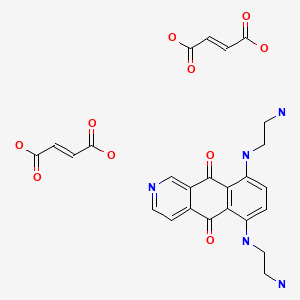
Pixantrone


Chemical structure for CTK0H5262


Pixantrone.svg

Pixantrone

BBR-2778 , CTK0H5262


  • Pixolti
  • Pixuvri
  • UNII-P0R64C4CR9


An immunosuppressant.

144510-96-3 [RN]

5,8-Bis((2-aminoethyl)amino)-2-aza-anthracene-9,10-dione

6,9-Bis((2-aminoethyl)amino)benz(g)isoquinoline-5,10-dione

5,8-Bis((2-aminoethyl)amino)-2-aza-anthracene-9,10-dione

6,9-Bis((2-aminoethyl)amino)benz(g)isoquinoline-5,10-dione

CTI BioPharma receives Israeli approval for aggressive B-cell non-Hodgkin’s lymphoma therapy

CTI BioPharma has obtained Israeli Ministry of Health’s approval for Pixuvri (pixantrone), as a monotherapy to treat adult patients with multiply relapsed or refractory aggressive B-cell non-Hodgkin’s lymphoma who have received up to three previous courses of treatment.

The company also announced that the Dutch Healthcare Authority and the College voor zorgverzekeringen of the Netherlands have approved funding for Pixuvri as an add-on drug for patients who need a third or fourth-line treatment option for aggressive B-cell lymphoma.

Tel Aviv University faculty of medicine Dr Abraham Avigdor said: “The approval of PIXUVRI in Israel provides patients with aggressive B-cell NHL who have failed second or third-line therapy a new approved option, where none existed before, that can effectively treat their disease with manageable side-effects.


read at

http://www.pharmaceutical-technology.com/news/newscti-biopharma-receives-israeli-approval-aggressive-b-cell-non-hodgkins-lymphoma-therapy-4321986?WT.mc_id=DN_News


Pixantrone
Pixantrone.svg
Identifiers
CAS number  144510-96-3
PubChem 134019
ChemSpider 118174 Yes
KEGG D05522 Yes
ChEMBL CHEMBL167731 Yes
ATC code L01DB11
Jmol-3D images Image 1
Properties
Molecular formula C17H19N5O2
Molar mass 325.365 g/mol
Appearance Blue solid
Pharmacology
Routes of
administration
Intravenous
Elimination
half-life
9.5–17.5 hours
Excretion Fecal (main route of excretion) and renal (4–9%)
Except where noted otherwise, data are given for materials in their standard state (at 25 °C (77 °F), 100 kPa)

Pixantrone dimaleate [USAN]

CAS  144675-97-8

Molecular Formula

  • C17-H19-N5-O2.2C4-H4-O4

Molecular Weight

  • 441.4417
  • Benz(g)isoquinoline-5,10-dione, 6,9-bis((2-aminoethyl)amino)-, (2Z)-2-butenedioate (1:2)

On May 10, 2012, the European Commission issued a conditional marketing authorization valid throughout the European Union for pixantrone for the treatment of adult patients with multiply relapsed or refractory aggressive non-Hodgkin’s B-cell lymphoma (NHL). Pixantrone is a cytotoxic aza-anthracenedione that directly alkylates DNA-forming stable DNA adducts and cross-strand breaks. The recommended dose of pixantrone is 50 mg/m2 administered on days 1, 8, and 15 of each 28-day cycle for up to 6 cycles. In the main study submitted for this application, a significant difference in response rate (proportion of complete responses and unconfirmed complete responses) was observed in favor of pixantrone (20.0% vs. 5.7% for pixantrone and physician’s best choice, respectively), supported by the results of secondary endpoints of median progression-free and overall survival times (increase of 2.7 and 2.6 months, respectively). The most common side effects with pixantrone were bone marrow suppression (particularly of the neutrophil lineage) nausea, vomiting, and asthenia. This article summarizes the scientific review of the application leading to approval in the European Union. The detailed scientific assessment report and product information, including the summary of product characteristics, are available on the European Medicines Agency website (http://www.ema.europa.eu).


Pixantrone (rINN; trade name Pixuvri) is an experimental antineoplastic (anti-cancer) drug, an analogue of mitoxantrone with fewertoxic effects on cardiac tissue.[1] It acts as a topoisomerase II poison and intercalating agent.[2][3] The code name BBR 2778 refers topixantrone dimaleate, the actual substance commonly used in clinical trials.[4]


History

Anthracyclines are important chemotherapy agents. However, their use is associated with irreversible and cumulative heart damage. Investigators have attempted to design related drugs that maintain the biological activity, but do not possess the cardiotoxicity of the anthracyclines.[5] Pixantrone was developed to reduce heart damage related to treatment while retaining efficacy.[1]

Random screening at the US National Cancer Institute of a vast number of compounds provided by the Allied Chemical Company led to the discovery of ametantrone as having significant anti-tumor activity. Further investigation regarding the rational development of analogs of ametantrone led to the synthesis of mitoxantrone, which also exhibited marked anti-tumor activity[5] Mitoxantrone was considered as an analog of doxorubicin with less structural complexity but with a similar mode of action. In clinical studies, mitoxantrone was shown to be effective against numerous types of tumors with less toxic side effects than those resulting from doxorubicin therapy. However, mitoxantrone was not totally free of cardiotoxicity. A number of structurally modified analogs of mitoxantrone were synthesized and structure-activity relationship studies made.[5] BBR 2778 was originally synthesized by University of Vermont researchers Miles P. Hacker and Paul A. Krapcho[5] and initially characterized in vitro for tumor cell cytotoxicity and mechanism of action by studies at the Boehringer Mannheim Italia Research Center, Monza, and University of VermontBurlington.[4]Other studies have been completed at the University of Texas M. D. Anderson Cancer CenterHouston, the Istituto Nazionale Tumori,Milan, and the University of Padua.[2][6][4] In the search for novel heteroanalogs of anthracenediones, it was selected as the most promising compound. Toxicological studies indicated that BBR 2778 was not cardiotoxic, and US patents are held by the University of Vermont. An additional US patent application was completed in June 1995 by Boehringer Mannheim, Italy.[5]

Novuspharma, an Italian company, was established in 1998 following the merger of Boehringer Mannheim and Hoffmann-La Roche, and BBR 2778 was developed as Novuspharma’s leading anti-cancer drug, pixantrone.[7] A patent application for the injectable preparation was filed in May 2003.[8]

In 2003, Cell Therapeutics, a Seattle biotechnology company, acquired pixantrone through a merger with Novuspharma.[9]

Clinical trials

Pixantrone is a substance that is being studied in the treatment of cancer. It belongs to the family of drugs called antitumor antibiotics.[10] phase III clinical trials of pixantrone have been completed.[11][12] Pixantrone is being studied as an antineoplastic for different kinds of cancer, including solid tumors and hematological malignancies such as non-Hodgkin lymphomas.

Animal studies demonstrated that pixantrone does not worsen pre-existing heart muscle damage, suggesting that pixantrone may be useful in patients pretreated with anthracyclines. While only minimal cardiac changes are observed in mice given repeated cycles of pixantrone, 2 cycles of traditional anthracyclines doxorubicin or mitoxantrone result in marked or severe heart muscle degeneragion.[1]

Clinical trials substituting pixantrone for doxorubicin in standard first-line treatment of patients with aggressive non-Hodgkin’s lymphoma, had a reduction in severe side effects when compared to patients treated with standard doxorubicin-based therapy. Despite pixantrone patients receiving more treatment cycles, a three-fold reduction in the incidence of severe heart damage was seen as well as clinically significant reductions in infections and thrombocytopenia, and a significant reduction in febrile neutropenia. These findings could have major implications for treating patients with breast cancer, lymphoma, and leukemia, where debilitating cardiac damage from doxorubicin might be prevented.[13]Previous treatment options for multiply relapsed aggressive non-Hodgkin lymphoma had disappointing response rates.[14]

The completed phase II RAPID trial compared the CHOP-R regimen of Cyclophosphamide, Doxorubicin, Vincristine, Prednisone, and Rituximab to the same regimen, but substituting Doxorubicin with Pixantrone. The objective was to show that Pixantrone was not inferior to Doxorubicin and less toxic to the heart.[15]

Pixantrone was shown to have potentially reduced cardiotoxicity and demonstrated promising clinical activity in these phase II studies in heavily pretreated non-Hodgkin lymphomapatients.[14]

The pivotal phase III EXTEND (PIX301) randomized clinical trial studied pixantrone to see how well it works compared to other chemotherapy drugs in treating patients with relapsed non-Hodgkin’s lymphoma.[16] The complete response rate in patients treated with pixantrone has been significantly higher than in those receiving other chemotherapeutic agents for treatment of relapsed/refractory aggressive non-Hodgkin lymphoma.[14]

Administration

It can be administered through a peripheral vein rather than a central implanted catheter as required for other similar drugs.[8][14]

Regulatory approval

U.S. Food and Drug Administration

The FDA granted fast track designation for pixantrone in patients who had previously been treated two or more times for relapsed or refractory aggressive NHL. Study sponsor Cell Therapeutics announced that Pixantrone achieved the primary efficacy endpoint. The minutes of the Oncologic Drugs Advisory Committee meeting of March 22, 2010[17]show that this had not in fact been achieved with statistical significance and this combined with major safety concerns lead to the conclusion that the trial was not sufficient to support approval. In April 2010 the FDA asked for an additional trial.[18]

European Medicines Agency

On May 5, 2009, Pixantrone became available in Europe on a Named-Patient Basis. A named-patient program is a compassionate use drug supply program under which physicians can legally supply investigational drugs to qualifying patients. Under a named-patient program, investigational drugs can be administered to patients who are suffering from serious illnesses prior to the drug being approved by the European Medicines Evaluation Agency. “Named-patient” distribution refers to the distribution or sale of a product to a specific healthcare professional for the treatment of an individual patient. In Europe, under the named-patient program the drug is most often purchased through the national health system.[19] In 2012 pixantrone received conditional marketing authorization in the European Union as Monotherapy to Treat Adult Patients with Multiply Relapsed or Refractory Aggressive Non-Hodgkin B-Cell Lymphomas.

Research

Pixantrone is as potent as mitoxantrone in animal models of multiple sclerosis.[20] Pixantrone has a similar mechanism of action as mitoxantrone on the effector function of lymphomonocyte B and T cells in experimental allergic encephalomyelitis but with lower cardiotoxicity. Pixantrone inhibits antigen specific and mitogen induced lymphomononuclear cell proliferation, as well as IFN-gamma production.[21] Clinical trials are currently ongoing in Europe.

Pixantrone also reduces the severity of experimental autoimmune myasthenia gravis in Lewis rats,[22] and in vitro cell viability experiments indicated that Pixantrone significantly reduces amyloid beta (A beta(1-42)) neurotoxicity, a mechanism implicated in Alzheimer’s disease.[23]


http://www.chemdrug.com/databases/8_0_mhpyqlxgrykqdwig.html

3,4-Pyridinedicarboxylic acid (I) was converted to the cyclic anhydride (II) upon heating with acetic anhydride. Friedel-Crafts condensation of anhydride (II) with p-difluorobenzene (III) in the presence of AlCl3 gave rise to a mixture of two regioisomeric keto acids, (IV) and (V). Cyclization of this mixture in fuming sulfuric acid at 140 C generated the benzoisoquinoline (VI) (1,2). Subsequent displacement of the fluorine atoms of (VI) with ethylenediamine ( VII) in pyridine provided the target bis (2-aminoethylamino) derivative, which was finally converted to the stable dimaleate salt. Alternatively, ethylenediamine (VII) was protected as the mono-N-Boc derivative (VIII) by treatment with Boc2O. Condensation of the difluoro compound (VI) with the protected ethylenediamine (VIII) furnished (IX). The Boc groups of (IX) were then removed by treatment with trifluoroacetic acid. After adjustment of the pH to 4.2 with KOH, treatment with maleic acid provided BBR-2778.

J Med Chem1994,37, (6): 828

SEE MORE

http://www.chemdrug.com/databases/8_0_mhpyqlxgrykqdwig.html

References

  1.  Cavalletti E, Crippa L, Mainardi P, Oggioni N, Cavagnoli R, Bellini O, Sala F. (2007). “Pixantrone (BBR 2778) has reduced cardiotoxic potential in mice pretreated with doxorubicin: comparative studies against doxorubicin and mitoxantrone”. Invest New Drugs. 25 (3): 187–95. doi:10.1007/s10637-007-9037-8PMID 17285358.
  2. De Isabella P, Palumbo M, Sissi C, Capranico G, Carenini N, Menta E, Oliva A, Spinelli S, Krapcho AP, Giuliani FC, Zunino F. (1995). “Topoisomerase II DNA cleavage stimulation, DNA binding activity, cytotoxicity, and physico-chemical properties of 2-aza- and 2-aza-oxide-anthracenedione derivatives”. Mol Pharmacol. 48 (1): 30–8.PMID 7623772.
  3.  Evison BJ, Mansour OC, Menta E, Phillips DR, Cutts SM (2007). “Pixantrone can be activated by formaldehyde to generate a potent DNA adduct forming agent”Nucleic Acids Res. 35 (11): 3581–9. doi:10.1093/nar/gkm285PMC 1920253.PMID 17483512.
  4.  Krapcho AP, Petry ME, Getahun Z, Landi JJ Jr, Stallman J, Polsenberg JF, Gallagher CE, Maresch MJ, Hacker MP, Giuliani FC, Beggiolin G, Pezzoni G, Menta E, Manzotti C, Oliva A, Spinelli S, Tognella S (1994). “6,9-Bis[(aminoalkyl)amino]benzo[g]isoquinoline-5,10-diones. A novel class of chromophore-modified antitumor anthracene-9,10-diones: synthesis and antitumor evaluations”. J Med Chem. 37 (6): 828–37. doi:10.1021/jm00032a018PMID 8145234.
  5.  US patent 5587382, Krapcho AP, Hacker MP, Cavalletti E, Giuliani FC, “6,9-bis[(2-aminoethyl) amino]benzo [g]isoquinoline-5,10- dione dimaleate; an aza-anthracenedione with reduced cardiotoxicity”, issued 1996-12-24, assigned to Boehringer Mannheim Italia, SpA
  6.  Zwelling LA, Mayes J, Altschuler E, Satitpunwaycha P, Tritton TR, Hacker MP. (1993). “Activity of two novel anthracene-9,10-diones against human leukemia cells containing intercalator-sensitive or -resistant forms of topoisomerase II”. Biochem Pharmacol. 46 (2): 265–71. doi:10.1016/0006-2952(93)90413-QPMID 8394077.
  7.  Borchmann P, Reiser M (May 2003). “Pixantrone (Novuspharma)”. IDrugs 6 (5): 486–90. PMID 12789604.
  8.  EP patent 1503797, Bernareggi A, Livi V, “Injectable Pharmaceutical Compositions of an Anthracenedione Derivative with Anti-Tumoral Activity”, published 2003-11-27, issued 2008-09-29, assigned to Cell Therapeutics Europe S.R.L.
  9.  Pollack, Andrew (2003-06-17). “Company News; Cell Therapeutics Announces Plan To Buy Novuspharma”The New York Times. Retrieved 2010-05-22.
  10. Jump up^ Mosby’s Medical Dictionary, 8th edition. © 2009, Elsevier. “definition of antineoplastic antibiotic”. Free Online Medical Dictionary, Thesaurus and Encyclopedia. Retrieved 2012-01-31.
  11. Jump up^ “NCT00088530”BBR 2778 for Relapsed, Aggressive Non-Hodgkin’s Lymphoma (NHL). ClinicalTrials.gov. Retrieved 2012-01-31.
  12.  “NCT00551239”Fludarabine and Rituximab With or Without Pixantrone in Treating Patients With Relapsed or Refractory Indolent Non-Hodgkin Lymphoma. ClinicalTrials.gov. 2012-01-31. Retrieved 2012-01-31.
  13. “Pixantrone Combination Therapy for First-line Treatment of Aggressive Non-Hodgkin’s Lymphoma Results in Reduction in Severe Toxicities Including Heart Damage When Compared to Doxorubicin-based Therapy”Press Release. Retrieved 2012-01-31.
  14. Jump up to:a b c d Engert A, Herbrecht R, Santoro A, Zinzani PL, Gorbatchevsky I (September 2006). “EXTEND PIX301: a phase III randomized trial of pixantrone versus other chemotherapeutic agents as third-line monotherapy in patients with relapsed, aggressive non-Hodgkin’s lymphoma”. Clin Lymphoma Myeloma 7 (2): 152–4.doi:10.3816/CLM.2006.n.055PMID 17026830.
  15. Jump up^ “NCT00268853”A Trial in Patients With Diffuse Large-B-cell Lymphoma Comparing Pixantrone Against Doxorubicin. ClinicalTrials.gov. Retrieved 2012-01-31.
  16. Jump up^ “NCT00101049”BBR 2778 for Relapsed, Aggressive Non-Hodgkin’s Lymphoma (NHL). ClinicalTrials.gov. Retrieved 2012-01-31.
  17. Jump up^ Vesely N, Eckhardt SG (2010-03-22). “NDA 022-481 PIXUVRI (pixantrone dimaleate) injection” (pdf). Summary Minutes of the Oncologic Drugs Advisory Committee. United States Food and Drug Administration. Retrieved 2012-01-31.
  18. Jump up^ “Cell Therapeutics Formally Appeals FDA’s Nonapprovable Ruling for Pixantrone”. GEN News. 2010-12-03.
  19. Jump up^ “Pixantrone Now Available in Europe on a Named-Patient Basis”. Retrieved 2012-01-31.
  20. Jump up^ Gonsette RE, Dubois B (August 2004). “Pixantrone (BBR2778): a new immunosuppressant in multiple sclerosis with a low cardiotoxicity”. J. Neurol. Sci. 223(1): 81–6. doi:10.1016/j.jns.2004.04.024PMID 15261566.
  21. Jump up^ Mazzanti B, Biagioli T, Aldinucci A, Cavaletti G, Cavalletti E, Oggioni N, Frigo M, Rota S, Tagliabue E, Ballerini C, Massacesi L, Riccio P, Lolli F (November 2005). “Effects of pixantrone on immune-cell function in the course of acute rat experimental allergic encephalomyelitis”. J. Neuroimmunol. 168 (1-2): 111–7.doi:10.1016/j.jneuroim.2005.07.010PMID 16120465.
  22. Jump up^ Ubiali F, Nava S, Nessi V, Longhi R, Pezzoni G, Capobianco R, Mantegazza R, Antozzi C, Baggi F (February 2008). “Pixantrone (BBR2778) reduces the severity of experimental autoimmune myasthenia gravis in Lewis rats”. J. Immunol. 180 (4): 2696–703. PMID 18250482.
  23. Jump up^ Colombo R, Carotti A, Catto M, Racchi M, Lanni C, Verga L, Caccialanza G, De Lorenzi E (April 2009). “CE can identify small molecules that selectively target soluble oligomers of amyloid beta protein and display antifibrillogenic activity”. Electrophoresis 30(8): 1418–29. doi:10.1002/elps.200800377PMID 19306269.


McLean Hospital study finds herbal extract may curb binge drinking – kudzu


Ralph Turchiano's avatarCLINICALNEWS.ORG

18 May 2012

Belmont, MA – An extract of the Chinese herb kudzu dramatically reduces drinking and may be useful in the treatment of alcoholism and curbing binge drinking, according to a new study by McLean Hospital and Harvard Medical School researchers.

“Our study is further evidence that components found in kudzu root can reduce alcohol consumption and do so without adverse side effects,” said David Penetar, PhD, of the Behavioral Psychopharmacology Research Laboratory at McLean Hospital, and the lead author of the study. “Further research is needed, but this botanical medication may lead to additional methods to treat alcohol abuse and dependence.”

In the study, published in the current issue of Drug and Alcohol Dependence, researchers in the Behavioral Psychopharmacology Research Laboratory at McLean Hospital looked at one of the major components of the kudzu root—the isoflavone puerarin—to determine whether it would reduce alcohol consumption in a laboratory simulation…

View original post 389 more words

Decernotinib … JAK inhibitor for the treatment of autoimmune and inflammatory diseases, including rheumatoid arthritis.


Figure imgf000061_0003

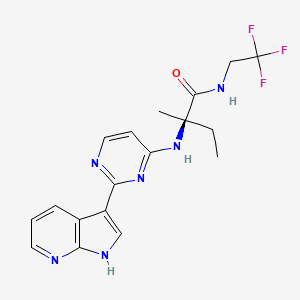
Decernotinib


Chemical structure for Decernotinib


Decernotinib

N2-[2-(1H-Pyrrolo[2,3-b]pyridin-3-yl)pyrimidin-4-yl]-N-(2,2,2-trifluoroethyl)-D-isovalinamide

(R)-2-(2-(lH-pyrrolo[2,3-b]pyridin-3-yl)pyrimidin-4-ylamino)-2-methyl-N-(2,2,2- trifluoroethyl)butanamide

Vertex Pharmaceuticals Inc

Vertex Pharma,

UNII-MZK2GP0RHK,  VX-509, VRT-831509, cas 944842-54-0
Molecular Formula: C18H19F3N6O
Molecular Weight: 392.37827


In phase 3  for the treatment of autoimmune and inflammatory diseases, including rheumatoid arthritis.

Figure US08163917-20120424-C00370DECERNOTINIB


The Janus kinases (JAK) are a family of tyrosine kinases consisting of JAK1, JAK2, JAK3, and TYK2. The JAKs play a critical role in cytokine signaling. The down-stream substrates of the JAK family of kinases include the signal transducer and activator of transcription (STAT) proteins. JAK/STAT signaling has been implicated in the mediation of many abnormal immune responses such as psoriasis. Moreover, JAK kinases represent an established therapeutic target for this disease.

For example, JAK kinases are an established therapeutic target for treating psoriasis. Stump K. L., et al., Arthritis Res. Ther. (201 1) 13:R68; Fridman J.S., et al., J Immunol. (2010) 184:5298-5307; West K., Curr. Op. Investig. Drugs (2009) 10:491-504; Kremer J. M. et al., Arthritis Rheumatism (2009) 60(7):1895- 1905; Xiong, W. et al., Ther Adv Musculoskelet Dis. (201 1) 3(5): 255-266; Panes, J. et al. 19th Ann. Eur. Gastroenterology Week (Oct 22-26, 2011) Stockholm, SE, PI 456; and Drugs in R & D “Tofacitinib” (2010) 10(4):271-84.

Compounds described as kinase inhibitors, particularly the JAK family kinases, are disclosed in WO 2005/095400 and WO 2007/084557. Also disclosed in these publications are processes and intermediates for preparing these compounds

Decernotinib ( VX-509 ) is an oral selective JAK3 inhibitor being evaluated for the treatment of rheumatoid arthritis ( RA ). This was a 24-week, randomized, placebo-controlled, double-blind, phase 2 study of four dosing regimens of Decernotinib, administered to patients with RA with inadequate response to Methotrexate ( MTX ).

The aim of the study was to assess the efficacy and safety of four dosing regimens of VX-509 administered to patients with rheumatoid arthritis on stable background Methotrexate therapy.

Patients with active rheumatoid arthritis ( C-reactive protein [ CRP ] greater than ULN, greater than or equal to 6 swollen joints [ of 66 ], and greater than or equal to 6 tender joints [ of 68 ] ) taking stable doses of MTX were randomized 1:1:1:1:1 to receive placebo or one of four dosing regimens of Decernotinib ( 100 mg QD, 150 mg QD, 200 mg QD, or 100 mg BID ) for a duration of 24 weeks.

The primary efficacy endpoints at week 12 were met and have previously been reported; 24-week efficacy and safety results are now reported.

A total of 358 patients were randomized and received greater than or equal to 1 dose of study drug; 81% of patients were female, with a mean age of 53 years.
At baseline, the mean tender joint count was 23.8, the mean swollen joint count was 16.1, and the average disease duration was 7.3 years.

After 24 weeks of treatment the proportion of patients achieving ACR20, ACR50, ACR70, DAS28 ( CRP ) less than 2.6 and DAS28 ( ESR ) less than 2.6 and the decrease from baseline in DAS28 ( CRP ) were statistically significantly greater in each of the Decernotinib dose groups than in the placebo group.

Over 24 weeks, the percentage of patients with any adverse event was higher in the Decernotinib group ( all Decernotinib dose groups combined ) ( 59.9% ) relative to placebo ( 42.3% ) and led to study discontinuation in 9.1% and 8.5% of patients in the Decernotinib and placebo groups, respectively.
The most common adverse reactions in the Decernotinib group were headache ( 8.7% ), hypercholesterolemia ( 5.2% ), and diarrhea ( 4.5% ).
Serious adverse reactions occurred in similar proportions of patients receiving Decernotinib ( 7.3% ) or placebo ( 5.6% ), but there were more serious infections in the Decernotinib group ( 3.5% ) compared with placebo ( 1.4% ).
Through 24 weeks there were two serious adverse effects that resulted in death; one was cardiac failure in the Decernotinib 100 mg BID group ( previously reported ) and one was pancytopenia in a patient with pneumonia in the Decernotinib 200 mg QD group.
Elevations in transaminase levels and decreases in median neutrophil and lymphocyte counts were observed in the Decernotinib groups and were generally mild.

Safety profiles were comparable across groups receiving Decernotinib.

In conclusion, all tested doses of Decernotinib significantly improved signs and symptoms of rheumatoid arthritis versus placebo when administered in combination with stable background Methotrexate therapy for 24 weeks.
Decernotinib was associated with small increases in adverse reactions rates, serious infections, and mostly minor laboratory abnormalities. ( Xagena )

Source: EULAR Meeting – van Vollenhoven R et al, Ann Rheum Dis 2014;73(Suppl2)

see

WO 2007084557

http://www.google.com/patents/WO2007084557A2?cl=en

………………………………………

WO 2013006634

http://www.google.com/patents/WO2013006634A2?cl=en

Figure imgf000060_0002


Formula I is:


Figure imgf000061_0003

The present invention provides a process for preparing (R)-2-(2-(lH-pyrrolo[2,3- b]pyridin-3-yl)pyrimidin-4-ylamino)-2-methyl-N-(2,2,2-trifluoroethyl)butanamide of Formula la:

Figure imgf000074_0001

la

comprising the steps of:

ivb) reacting lH-pyrrolo[2,3-b]pyridine (5a) with p-toluenesulfonyl chloride in the presence of an organic solvent to generate l-tosyl-lH-pyrrolo[2,3-b]pyridine (9a)

Figure imgf000074_0002

5a 9a

vb) reacting l-tosyl-lH-pyrrolo[2,3-b]pyridine (9a) in an organic solvent with N-bromosuccinimide to generate 3-bromo-l-tosyl-lH-pyrrolo[2,3-b]pyridine (7a)


Figure imgf000074_0003

vi) reacting 3-bromo-l-tosyl-lH-pyrrolo[2,3-b]pyridine (7a) with triisopropyl borate in the presence of a strong lithium base in an organic solvent to generate

l-tosyl-lH-pyrrolo[2,3-b]pyridin-3-ylboronic acid (8a) 0H

Figure imgf000074_0004

8a

vii) esterifying l-tosyl-lH-pyrrolo[2,3-b]pyridin-3-ylboronic acid (8a) with pinacolate alcohol in an organic solvent to generate

3 -(4,4,5 ,5 -tetramethyl- 1 ,3 ,2-dioxaborolan-2-yl)- 1 -tosyl- 1 H-pyrrolo[2,3 -bjpyridine (la) :

Figure imgf000075_0001

viiib) reacting 2,4-dichloropyrimidine (11a) with a hydrochloride salt of D-isovaline (15a) under coupling condition to generate a compound of Formula 2a


Figure imgf000075_0002

11a 2a

ixb) reacting the compound of Formula 2a with HC1 to generate the hydrochloride salt of the compound of Formula 2a;

i) reacting the compound of Formula la with the compound of Formula 2a with in the presence of water, an organic solvent, an inorganic base, and a transition metal catalyst to generate a compound of Formula 3a,


Figure imgf000075_0003

ii) deprotecting the compound of Formula 3a under basic conditions to generate a compound of Formula 4a


Figure imgf000075_0004

4a ; and iii) reacting the compound of Formula 4a with 2,2,2-trifluoroethylamine in the presence of a coupling agent and an organic solvent to generate the compound of Formula la.


Figure imgf000093_0002

Figure imgf000094_0001

– l13C415N2]


Figure imgf000094_0002
Figure imgf000095_0001

……………………………………………………………….

WO 2013070606

http://www.google.com/patents/WO2013070606A1?cl=en

………………………………………………….

patent WO2014074471

WO2014074471 claiming use of heterocyclic compound (preferably decernotinib) for treating psoriasis. Vertex is developing decernotinib, an oral JAK 3 inhibitor, for the treatment of autoimmune and inflammatory diseases, including rheumatoid arthritis. As of July 2014, the drug is Phase 3 trials.

http://www.google.com/patents/WO2014074471A1?cl=en

Table 1:

COMPD 1 IS DECERNOTINIB

Example 1: Analytical Methods Used

[0260] (A) HPLC on C18 column. Mobile phase was acetonitrile/water/TFA (60:40:0.1). Flow rate was 1.0 mL/min. Detection at wavelength of 230 nm. Run time was 25-26 minutes.

[0261] (B) HPLC on C18 column. Mobile phase was acetonitrile/water/TFA (90: 10:0.1). Flow rate was 1.0 mL/min. Detection at wavelength of 230 nm.

[0262] (C) HPLC on a Waters XBridge Phenyl column, 4.6 x 150 mm, 3.5 μπι. Mobile phase A was water/1 M ammonium formate, pH 4.0 (99: 1). Mobile phase B was

acetonitrile/water/ 1M ammonium formate, pH 4.0 (90:9:1). Gradient 5 % to 90 % B in 15 minutes. Total run time 22 minutes. Flow rate 1.5 mL/min. Detection at UV, 245 nm.

T = 25 °C.

[0263] (D) HPLC on a Waters XBridge Phenyl column, 4.6 x 150 mm, 3.5 μπι. Mobile phase A was water/1 M ammonium formate, pH 4.0 (99: 1). Mobile phase B was

acetonitrile/water/ 1M ammonium formate, pH 4.0 (90:9: 1). Gradient 15% to 90 % B in 15 minutes. Total run time 22 minutes. Flow rate 1.5 mL/min. Detection at UV, 220 nm.

T = 35 °C.

[0264] Example 2: Preparation of Compounds of Formula I [0265] General Synthetic Scheme


[0266] The Boc-protected amino acid starting material (1) undergoes amidation in the presence of an activating agent, a coupling reagent, and the acid salt of the amine HNR7R17 to generate the Boc-protected amide intermediate (2). The amide intermediate (2) is

deprotected under acidic conditions and reacted with the halogenated heteroaryl (3) to generate the aminoheteroaryl intermediate (4). Boronated azaindole (5) is coupled with the aminoheteroaryl intermediate (4) under cross-coupling condition to generate the compound of Formula I.


………………………………………………………………………….

Patent

http://www.google.com/patents/US8163917

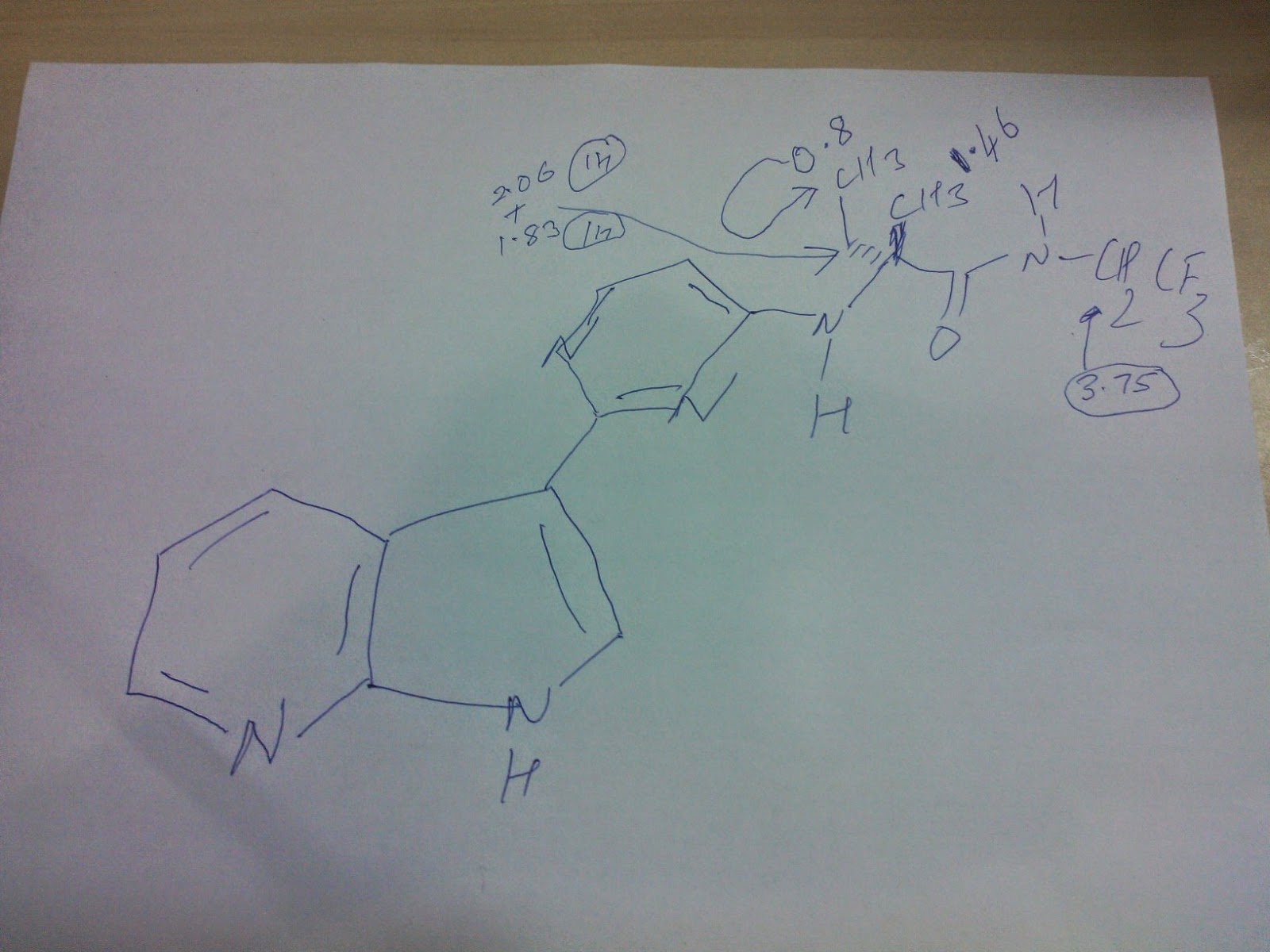
346 M+H393.20 RT 1.60 (DMSO-d6, 300 MHz) 11.95 (bs, 1H), 8.7 (d,
1H), 8.25 (m, 2H), 8.12 (d, 1H), 8.02 (d, 1H),
7.28 (s, 1H), 7.13 (dd, 1H), 6.38 (bd, 1H), 3.75
(m, 2H), 2.06 (m, 1H), 1.83 (m, 1H), 1.46 (s,
3H), 0.8 (t, 3H);

346
Figure US08163917-20120424-C00370

Example 1 Preparation of Compounds of the Invention

General Synthetic Scheme


Figure US08163917-20120424-C00430

Step 1


To a stirred solution of Boc-valine (1; Ris Me; 3.8 g, 0.02 mol), EDC (4.63 g, 0.024 mol), HOBt (4.0 g, 0.026 mol), DIEA (10.5 mL, 0.06 mol) in 100 mL of DCM is added trifluoroethylamine HCl (2.92 g, 0.022 mol). The reaction mixture is stirred for 16 h. It is concentrated to dryness and redissolved in EtOAc, washed successively with 0.5N HCl, saturated aqueous solution of NaHCOand brine. The organic layer is dried (Na2SO4) and concentrated in vacuo to give 5.4 g (98%) of 2 as a white solid.

Step 2

Compound 2 (5.32 g, 0.0197 mol) is deprotected with a 1:1 mixture of DCM/TFA at rt for 45 min. Concentration to dryness gives the intermediate amine that is used directly for the next step. A mixture of 5-fluoro-2,4-dichloropyrimidine (3; R is F; 3.28 g, 0.0197 mol), the crude amine TFA salt (5.25 g, 0.0197 mol) and DIEA (10.27 mL, 0.059 mol) are stirred in isopropanol at rt for 16 h. The reaction mixture is concentrated in vacuo and redissolved in EtOAc, washed successively with 0.5N HCl, saturated aqueous solution of NaHCOand brine. The organic layer is dried (Na2SO4) and concentrated in vacuo to give a crude oil that is subjected to chromatography (50% EtOAc/50% hexanes) to yield the desired compound 4.

Step 3

A mixture of 5 (30 mg, 0.075 mmol; prepared according to WO 2005/095400), 4 (23 mg, 0.075 mmol), Pd (Ph3P)(9 mg, 0.0078 mmol) and sodium carbonate 2M (115 uL, 0.23 mmol) in 1 mL of DME is microwaved at 150° C. for 10 minutes. The reaction mixture is filtered through a short pad of silica gel with 30% EtOAc-70% hexanes as eluent to provide, after concentration to dryness, the crude intermediate that is used directly for the next step.

The crude intermediate is dissolved in 1 mL of dry methanol and 200 uL of sodium methoxide in methanol 25% was added. The reaction mixture is stirred at 60° C. for 1 h and quenched with 6N HCl (154 uL). The mixture is dried under a flow of nitrogen and purified by reverse phase HPLC (10-60 MeCN/water w/0.5% TFA) to provide the desired material of formula 6a.

Compounds of formulae 6b and 6c may be prepared in an analogous manner using the appropriate starting reagents. For instance, a compound of formula 6b may generally be made by substituting Cert-butyl 2-(2,2,2-trifluoroethylcarbamoyl)pyrrolidine-1-carboxylate for compound 1, while a compound of formula 6c may generally be made by substituting tert-butyl 2-(2,2,2-trifluoroethylcarbamoyl)propan-2-ylcarbamate for compound 1.

Example 2 Analytical Results

Tables 4, 5 and 6 below depicts exemplary 1H-NMR data (NMR) and liquid chromatographic mass spectral data, reported as mass plus proton (M+H), as determined by electrospray, and retention time (RT) for certain compounds of the present invention, wherein compound numbers in Tables 4, 5 and 6 correspond to the compounds depicted in Tables 1, 2 and 3, respectively (empty cells indicate that the test was not performed):


PATENTS

4-25-2012
Azaindoles Useful as Inhibitors of Janus Kinases
8-4-2010
Azaindoles useful as inhibitors of janus kinases

new patent

WO-2014110259

US8450489 * Mar 1, 2012 May 28, 2013 Vertex Pharmaceuticals Incorporated Azaindoles useful as inhibitors of janus kinases
US8530489 * May 22, 2012 Sep 10, 2013 Vertex Pharmaceuticals Incorporated 5-cyano-4-(pyrrolo [2,3B] pyridine-3-yl)-pyrimidine derivatives useful as protein kinase inhibitors
US8686143 * Oct 25, 2011 Apr 1, 2014 Vertex Pharmaceuticals Incorporated Compounds useful as inhibitors of Janus kinases
US20120157429 * Oct 25, 2011 Jun 21, 2012 Wannamaker Marion W Compounds useful as inhibitors of janus kinases
US20120165307 * Mar 1, 2012 Jun 28, 2012 Vertex Pharmaceuticals Incorporated Azaindoles useful as inhibitors of janus kinases
US20120309963 * May 22, 2012 Dec 6, 2012 Vertex Pharmaceuticals Incorporated 5-cyano-4- (pyrrolo [2,3b] pyridine-3-yl) -pyrimidine derivatives useful as protein kinase inhibitors
US20130237516 * Apr 25, 2013 Sep 12, 2013 Vertex Pharmaceuticals Incorporated Azaindoles useful as inhibitors of janus kinases
WO2013173506A2 May 15, 2013 Nov 21, 2013 Rigel Pharmaceuticals, Inc. Method of treating muscular degradation


WO2005095400A1 Mar 30, 2005 Oct 13, 2005 Vertex Pharma Azaindoles useful as inhibitors of jak and other protein kinases
WO2007084557A2 Jan 17, 2007 Jul 26, 2007 Vertex Pharma Azaindoles useful as inhibitors of janus kinases
WO2013070606A1 * Nov 6, 2012 May 16, 2013 Vertex Pharmaceuticals Incorporated Methods for treating inflammatory diseases and pharmaceutical combinations useful therefor

Glenmark Pharmaceuticals to set up a new manufacturing facility in the US


Glenmark Pharmaceuticals to set up a new manufacturing facility in the US


http://timesofindia.indiatimes.com/business/india-business/Glenmark-joins-pharma-companies-setting-up-US-plants/articleshow/38398901.cms

• The facility will be situated in Monroe, North Carolina, USA
• The facility will manufacture oral solids, injectables and topicals over a five year period
Mumbai, India; July 17, 2014: Glenmark Pharmaceuticals Ltd; a research-driven, global, integrated pharmaceutical company plans to set up a new manufacturing facility in the US. The company plans to set up this manufacturing facility at Monroe Corporate Center, North Carolina, USA. The facility will be spread over 100,000 sq. feet (around 15 acre plot) and the company will first begin work on an oral solid unit and thereafter set up manufacturing units for injectables and topicals.

GLEN SALDANHA

CEO GLENMARK


NEW DELHI: Glenmark Pharmaceuticals plans to set up its first manufacturing facility in the US at an estimated investment of over Rs 500 crore to cater to the North American market.

The proposed facility would house three units to produce oral solids, injectables and topicals and begin production by the end of the current fiscal.


Glenmark Pharmaceuticals Ltd has informed BSE regarding a Press Release dated July 17, 2014, titled ‘Glenmark Pharmaceuticals to set up a new manufacturing facility in the US”. Glenmark Pharmaceuticals plans to set up a new manufacturing facility in the US. The company plans to set up this manufacturing facility at Monroe Corporate Center, North Carolina, USA.Source : BSE Read all announcements in Glenmark To read the full report click hereRead more at: http://www.moneycontrol.com/news/announcements/glenmark-pharmaceuticals-to-setnew-manufacturing-facilityus_1129890.html?utm_source=ref_article

“The US is a key strategic market for Glenmark and it is important for us to have a manufacturing base here to serve our growing business in the country,” Glenmark Pharmaceuticals Chairman and MD Glenn Saldanha said in a statement.

The plan to set up a manufacturing facility in the US underlines the fast paced growth the company has witnessed in a short span of eight years in the US market, he added.

The company will first begin work on an oral solid unit and thereafter set up manufacturing units for injectables and topicals, the Mumbai-based firm said.

“Over the next five years, we will make significant investments in this proposed facility and set up three units which will produce oral solids, injectables and topicals,” Saldanha said.

According to industry sources, the company plans to invest over Rs 500 crore on the facility.

With the setting up of a new facility in the US the company would further enhance its manufacturing footprint making it truly global in every sense of the term, he added.

The proposed facility at Monroe, North Carolina, will cater only to the US market and is the company’s first manufacturing facility in North America adding to its list of 14 plants in four countries – India, Brazil, Argentina and Czech Republic.

The company, which operates in North America through its subsidiary Glenmark Generics Inc, has a fast growing business with a robust portfolio of over 90 products authorised for distribution in the US in niche segments like dermatology, hormones, controlled substances and oncology.

Glenmark has nearly 70 abbreviated new drug applications (ANDAs) pending for approval with the US Food and Drug Administration.

http://articles.economictimes.indiatimes.com/2014-07-17/news/51656807_1_glenmark-pharmaceuticals-manufacturing-facility-md-glenn-saldanha


Component of pizza seasoning herb oregano kills prostate cancer cells – Oregano


Ralph Turchiano's avatarCLINICALNEWS.ORG

04 May2012

San Diego, CA — Oregano, the common pizza and pasta seasoning herb, has long been known to possess a variety of beneficial health effects, but a new study by researchers at Long Island University (LIU) indicates that an ingredient of this spice could potentially be used to treat prostate cancer, the second leading cause of cancer death in American men.

Prostate cancer is a type of cancer that starts in the prostate gland and usually occurs in older men. Recent data shows that about 1 in 36 men will die of prostate cancer. Estimated new cases and deaths from this disease condition in the US in 2012 alone are 241,740 and 28,170, respectively. Current treatment options for patients include surgery, radiation therapy, hormone therapy, chemotherapy, and immune therapy. Unfortunately, these are associated with considerable complications and/or severe side effects.

View original post 329 more words

A CURED CASE OF “OSTEO-ARTHRITIS” BY AYURVEDA TREATMENT ; PATIENT WAS ADVISED FOR KNEE JOINT REPLACEMENT ; “घुटना प्रत्यारोपड़” के लिये एडवाइस किये गये ओस्टियो-आर्थ्राइटिस रोगी का आयुर्वेदिक उपचार से पूर्ण आरोग्य ;


Dr.D.B.Bajpai's avatar**आधुनिक युग आयुर्वेद ** ई०टी०जी० आयुर्वेदास्कैन ** DIGITAL AYURVEDA TRIDOSHO SCANNER**AYURVED H. T. L. WHOLE-BODY SCANNER**आयुषव्यूज रक्त केमिकल केमेस्ट्री परीक्षण अनालाइजर ** डिजिटल हैनीमेनियन होम्योपैथी स्कैनर **

आयुर्वेद चिकित्सा विग्यान मे आर्थ्राराइटिस के रोग का बहुत सटीक और उत्तम किस्म का इलाज सम्भव पहले भी था आदि काल से था और अब आयुर्वेद के परीक्षण पर आधारित तकनीको के अमल मे लाने से यह अधिक सटीक और fool proof  हो गया है /

एक महिला ४७ साल उम्र , जिसको ओस्टियो आर्थ्राइटिस की तकलीफ थी , उसको घूटना प्रत्यारोपड़ KNEE JOINT REPLACEMENT के लिये कहा गया / लेकिन इस महिला के पास पैसा होते हुये भी उसने घुटना प्रत्यारोपड़ नही करवाया , इसका कारण जो भी रहा हो / क्योन्कि उसने जब देखा कि घुटना का प्रत्यारोपड़ किये गये लोगो को किस तरह की हालत होती है उसे देखकर रोगिनी ने knee joint replacement  का इरादा बदल दिया /

किसी ने इस महिला को आयुर्वेद की चिकित्सा कराने के लिये कहा / इस महिला ने यह ढून्ढना शुरू किया कि कौन सा आयुर्वेद का चिकित्सक उसकी सहायता…

View original post 921 more words

Tea polyphenol extracts induce weight loss


ayurvedicteas's avatarAyurvedic Herbal Teas

Tea polyphenol extracts induced weight loss effects and anti-oxidant activity.

Research, via an animal study,  by Heber et al suggests that tea extracts found in Green tea may help with weight loss.  A tea rich diet led to significantly lower body weight, total visceral fat volume and liver lipid weight.

It seems that, as well as reducing overall food intake, the extracts are able to induce certain types of gene expression via biochemical changes in the body.  This could be great news if you are trying to control your weight in a natural way.

Green Tea Black Bacground

View original post

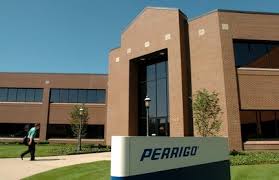
Perrigo Company plc…….on the rise


AlleganEAO.jpg

Perrigo Company plc

Perrigo Company plc is a large Irish manufacturer of private label over-the-counter pharmaceuticals.[2] The company’s shares are traded on the NYSE and the Tel Aviv Stock Exchange; as a result of the merger with Agis Industries the company is a constituent of the TA-25 Index. Perrigo is the only non-Israeli company on the TA-25.

Perrigo Company plc, through its wholly owned subsidiaries, engages in the manufacture and sale of consumer healthcare products, generic prescription drugs, active pharmaceutical ingredients (API), and consumer products primarily in the United StatesAustralia,IsraelEuropeIndia and Mexico.

Type Public
Traded as NYSEPRGO
TASEPRGO
S&P 500 Component
Industry Pharmaceutical
Founded 1887
Headquarters Allegan, MichiganUSA
Key people Joseph C. Papa, Chairman, President and CEO
Products OTC, RX, API, Medical Diagnostic, pharmaceuticals
Revenue Increase $3,540 million (2013)[1]
Operating income Increase $805 million(2013)
Net income Increase $ 530 million (2013)
Employees 7,250 (2009)
Website www.perrigo.com

Address:

515 Eastern Avenue
Allegan, Michigan 49010-9070
U.S.A.

Telephone: (269) 673-8451
Toll Free: 800-253-3606
Fax: (269) 673-7535

Website: www.perrigo.com

Public Company
Incorporated: 1892
Employees: 3,983
Sales: $826.0 million (2003)
Stock Exchanges: NASDAQ
Ticker Symbol: PRGO
NAIC: 325412 Pharmaceutical Preparation Manufacturing; 325413 In-Vitro Diagnostic Substance Manufacturing


History

Black and white photo of L.Perrigo Co. Aspirin tablets

The L. Perrigo Company was founded in 1887 in Allegan, Michigan, by Luther and Charles Perrigo, who ran a country general store .[3] In 1991 Perrigo had an Initial public offering onNASDAQ.

In March 2005 the firm acquired Agis Industries Ltd. (TASE:AGIS), an Israel based generic pharmaceuticals company in an $850 million transaction. Agis was founded in 1983 by Moshe (Mori) Arkin

MOSHE ARKIN


who developed his father’s small drug import business into a multinational generic pharmaceutical company. As a result of the acquisition Arkin owns 9% of Perrigo, and was appointed as Vice Chairman of the company.[4]

Acquisitions

On 9 January 2008, the firm acquired Galpharm Healthcare, Ltd., a supplier of over-the-counterstore brand pharmaceuticals in the United Kingdom.[5] On 16 September 2008, the firm acquired J.B. Laboratories.[6] On 6 October 2008, it acquired Laboratorios Diba S.A., enabling the company to market its products in Mexico.[7]On 13 November 2008, it acquired Unico Holdings, a manufacturer of store brand pediatric electrolytes, enemas and feminine hygiene products for retail consumers in the U.S.[8]

On 1 March 2010, the firm acquired Orion Laboratories Pty, Ltd. a supplier of over-the-counter (OTC) store brand pharmaceutical products in Australia and New Zealand.[9] On 23 March 2010, it acquired PBM Holdings, Inc.,a producer of over-the-counter store brand infant formula and baby foods in the United States, Canada, Mexico and China.[10]
 

Perrigo Company is the largest manufacturer of over-the-counter (OTC) pharmaceuticals and nutritional products for store brands in the United States. The company estimates that it holds more than 50 percent of the store brand market. Perrigo produces more than 30 billion pills per year and manufactures about 1,200 products. Most of these are pharmaceuticals–such as analgesics, cough and cold remedies, and gastrointestinal and feminine hygiene products–which account for about four-fifths of the company’s sales. Perrigo ranks as the largest producer of aspirin in the United States. The remaining 20 percent of revenues come from the sale of nutritional products, including vitamins and nutritional supplements and drinks. Perrigo supplies 300 different retailers with these products under the retailer’s own label so that they can be promoted as house brands. These customers include major drugstore chains (CVS, Eckerd, Walgreens), grocery chains (Albertson’s, Kroger, Safeway), mass discounters (Kmart, Target, Wal-Mart), and major wholesalers (McKesson, Supervalu). Perhaps not surprisingly, the largest Perrigo customer by far is retailing giant Wal-Mart, which accounted for 27 percent of net sales for fiscal 2003. The company also markets certain products under its own brand name, Good Sense, although such products account for only a small percentage of sales. Two non-U.S. subsidiaries generate a little more than 9 percent of revenues. Wrafton Laboratories Ltd. supplies store brand products to major grocery and drug retailers in the United Kingdom, while the Mexican firm Química y Farmacia, S.A. de C.V. produces mainly OTC and prescription pharmaceuticals for retail, wholesale, and government customers. Perrigo Company operates 11 manufacturing plants in Michigan, South Carolina, Mexico, and the United Kingdom. Perrigo has enjoyed nearly continuous growth since the end of World War II. This growth can be partly attributed to the mass acceptance of generic and store brand pharmaceutical products.

Early Years

The company was founded by Luther and Charles Perrigo in 1887. The Perrigo brothers had moved to Allegan County, Michigan, a few years earlier from New York. Once in Michigan the brothers established a modest business. Luther Perrigo ran a country general store and apple drying business, while Charles helped with sales. Luther decided to package generic home remedies and sell them to other small country stores like his own. The first packaging plant for these medicines was run out of Charles Perrigo’s home, but Charles soon moved to Ohio, leaving the business entirely to his brother. Luther became president of the firm when it incorporated in 1892. Perrigo remained a family-owned business for 90 years. Five of the company’s seven presidents were descendants of Luther Perrigo, who died in 1902. His son Harry became president at that time, holding the position for the next 49 years.

During the 1920s the company turned to the private label concept in order to build customer loyalty. Stores ordering a certain minimum number could have their own names imprinted on the labels. Products of the era that were the subject of such deals included aspirin, bay rum, epsom salts, sweet oil, and zinc oxide. In the mid-1930s Perrigo gained its first major private label customer, the K & W group, a buying organization that evolved into the People’s Drug Store chain. The second such customer was Sam’s, a major Detroit area drug chain. At the same time the company’s customer base was shifting from small general stores to large regional and national drug chains.

Post-World War II Shift from Packager to Manufacturer

Harry Perrigo turned over the reins to his brother Ray in 1951. It was in the 1950s that the company, while still under the leadership of Ray Perrigo and future President William L. Tripp, Sr., made a crucial decision. Perrigo shifted its focus from that of a repackager of generic drugs to a manufacturer of quality drugs and beauty aids.

William L. Tripp, one of Luther Perrigo’s grandchildren, became president in 1967. During Tripp’s tenure as president the company began to reap the rewards of the change from repackager to manufacturer. The company’s income and the number of Perrigo employees quadrupled. When Tripp died in 1969 his son Bill Tripp, Jr., took over the presidency. During the 1970s Perrigo’s base of customers expanded with the addition of grocery chains and mass merchandisers to the core drugstore chains. By the time of his death in a boating accident in 1980 at the age of 45, Perrigo was the leading private label manufacturer of health and beauty products in the United States. William C. Swaney had been named president of the company two years before the accident, becoming the first leader of the company who was not a member of the Perrigo family.

End of Family Ownership: Early 1980s

Swaney’s presidency lasted from 1978 until 1983. In those five years Perrigo sales tripled and the company became a much larger operation all around. Swaney acquired new companies, set up distribution centers in three states, and expanded and refurbished existing plants. Before leaving as president Swaney oversaw the sale of the company from the Perrigo family to the management. After almost 100 years of family operation the company was sold.

Michael Jandernoa, who had joined the company in 1979 as vice-president for finance, became the seventh president of Perrigo in 1984, while Swaney took over as chairman of the board and CEO. Swaney instituted a style of management at Perrigo that his successor Jandernoa admitted he probably would have tried to block had he been in a position to do so at the time. Yet Jandernoa came to appreciate the open style of administration that Swaney initiated. The company contended that the different disciplines interacted in the decision-making process much more than in traditional American businesses.

Part of the Grow Group, 1986-88

Jandernoa continued the policy of expansion started by Swaney. Perrigo acquired Bell Pharmacal Labs of South Carolina in 1984. Early in the Jandernoa presidency, however, the board of directors began entertaining offers from larger companies that might want to acquire Perrigo itself. In 1986 Perrigo became the largest single company in Grow Group, Inc., a publicly held group of 23 manufacturing companies that bought Perrigo for $45 million. Jandernoa was named CEO of Perrigo; he continued to serve as president. Perrigo represented about a third of Grow Group. As the largest component in a conglomerate with access to funds through the New York Stock Exchange, Perrigo was able to raise new funds for more expansion.

Perrigo celebrated the company’s centenary with two ambitious building projects. It built a $1.5 million plant for the manufacture of effervescent tablets and a $3.5 million graphics art complex to house all of the company’s printing needs. Because Perrigo supplied many different retailers with the same house brand product, their printing facilities were an important part of their production system. The graphics and printing department employed about 290 people and produced almost 70 percent of the company’s labels and 44 percent of their cartons in the early 1990s. The construction of the graphics department, coupled with other expenses, totaled approximately $12.6 million in outlays to the company’s printing and graphics department since the Grow purchase in 1986.

Back to Management Ownership and Then Taken Public: Late 1980s to Early 1990s

After only two years as a part of Grow Group, however, Perrigo was sold back to its management in 1988 in a $106 million deal. That year the company posted sales of $146 million, but by 1994 company sales had ballooned to $669 million. Three years after the sale by Grow to Perrigo management, Jandernoa took the company public. The stock proved popular, though the value fell and rose significantly over time. The market value of the company in July 1994 based on a closing price of $14 a share was $1 billion, for instance. But this price was down from a value of $32 a share in January 1994.

The drop in the value of Perrigo shares was attributed to a drop in sales growth. The company, in fact, had another year of record sales and continued to expand, but stock speculators felt that the market had overreacted to the Perrigo stock offering and had inflated the value beyond its true market worth. Some analysts predicted that the drop in growth was a sign that the national brands would win back bargain-hunting customers in a healthy economy.

Other problems that Perrigo faced in its competition with national brands in the early 1990s concerned finding the right price range for its products. While Perrigo had long wielded its ability to offer lower prices than national brand competitors, sometimes the price difference could be so dramatic–more than 50 percent in some cases–that it could have a reverse effect on the consumer. The consumer weighed the relative cost savings with a judgment on efficacy equivalence. If the price difference was too dramatic, some observers contended, the consumer became suspicious of the Perrigo brand and turned to the national brand. Perrigo therefore developed a system whereby some of the money that it saved from advertising was spent on market research to determine exactly how its products were accepted by the consumer, which products were worth developing, and which had limited potential because of brand allegiance.

One reason for Perrigo’s enormous dominance over the store brand market was its ability to work closely with retailers to promote consumer allegiance to store brands. Beginning in the 1980s Perrigo began a major campaign to help retailers design labels, manage inventory, and develop promotions. Perrigo used its house printing and graphics department to ensure accuracy and reliability in labeling and packaging, permitting rapid new product introductions. Perrigo also enjoyed an advantage over many of its competitors because retail stores had a real incentive to give Perrigo’s product prominence on their shelves. Profit margins for store brand products were considerably greater than for national brands. The store’s public image could be enhanced as well, provided the product sold under their name was satisfactory.

Most of Perrigo’s products were packaged to be readily identifiable with the national brand equivalents. There was a fine line between taking advantage of the competitor’s advertising and carving out a niche that was independently recognized by the consumer. The OTC Market Report disclosed in 1995 that the company was threatened with lawsuits “once or twice a year,” but the vast majority of them were settled in a short period of time. Most of the disputes focused on product dress rather than the actual content of the product. While Perrigo management had become accustomed to lawsuits from competitor companies, in July 1994 Perrigo found itself faced with a lawsuit from closer to home. Its former parent company, Grow Group, filed suit against the company. The Grow Group, valued at less than half of Perrigo, demanded the return of Perrigo stock or a sizable settlement in lieu thereof. Grow claimed that Perrigo management did not act in good faith at the time of the 1988 sale, particularly alleging that they did not reveal a pending agreement to supply products to Wal-Mart, and asked for $2 billion in actual damages and $2 billion in punitive damages. Perrigo contended that the suit was wholly without merit.

One of the company’s strengths was that it faced little legitimate competition. In December 1994 the company purchased Vi-Jon Laboratories, Inc., a leading manufacturer of store brand personal care products, thereby expanding Perrigo’s sales and eliminating a potential competitor at the same time. The purchase price was about $33 million. A similar acquisition occurred earlier, in January 1992, when Cumberland-Swan, Inc., a Tennessee-based maker of store brand personal care products and vitamins, was bought for $35 million.

As the patents on dozens of major prescription drugs began to run out in the mid-1990s, Perrigo began to aggressively go after these lucrative new sources of revenue. Once a prescription drug was reclassified as OTC, the patent holder had two years of exclusivity. At that point generic versions of brand-name OTC products could be produced. An example of this process was Tavist-D, a decongestant and antihistamine that switched from prescription-only to OTC status in 1992. Two years later, Perrigo reached an agreement with the drug’s maker, Sandoz Pharmaceuticals Corp., to begin making a store brand version of Tavist-D in 1995. In subsequent years, Perrigo increasingly turned to such joint ventures to develop new products.

Also in the mid-1990s, Perrigo began looking to the international market for growth, forming subsidiary Perrigo International, Inc. to lead this effort. Among the initially targeted countries were Canada, Japan, Mexico, and Russia.


On 20 January 2011, the firm announced that it would acquire Paddock Laboratories Inc., with the deal expected to close in fiscal 2012.[11]

In September 2012, Perrigo announced its intention to enter the animal wellness category by acquiring the assets of Sergeant’s Pet Care Products, Inc., a privately held manufacturer of over-the-counter companion animal healthcare products. [12]

On 11 February 2013, Perrigo announced the completion of the acquisition of Rosemont Pharmaceuticals Ltd., a specialty and generic prescription pharmaceutical company focused on the manufacturing and marketing of oral liquid formulations. [13]On 29 July 2013, the firm announced that it would acquire Élan, a major drugs firm based in Dublin.[14][15]

Segments

The company operates in three segments; Consumer Healthcare, Rx Pharmaceuticals, and Active Pharmaceutical Ingredients. The Consumer Healthcare segment produces over-the-counter pharmaceutical and nutritional products in the United States, the United Kingdom, and Mexico. This segment offers analgesic, cough/cold/allergy/sinus, gastrointestinal, smoking cessationfirst aid, antacids, hemorrhoidal remedies, motion sickness, sleep aid products, feminine hygiene products, vitamin, and nutritional supplementproducts.

The Rx Pharmaceuticals segment produces generic prescription drugs in the United States. This segment provides creams, ointments, lotions, gels, and solutions, as well as nasal sprays, foams, and transdermal devices.

The Active Pharmaceutical Ingredients segment produces pharmaceutical ingredients in Israel with sales to customers worldwide. The company also offers cosmetics, toiletries, detergents, manufactured and imported pharmaceutical products, and medical diagnostic products. The company’s customers include national and regional retail drug, supermarket, wholesalers, and mass merchandise chains.


Management

Joseph C. Papa is the Chief Executive Officer and President.[16]

Joseph C. Papa, Jr. '78 has served as Perrigo's president and chief executive officer and as a member of the Board of Directors since October 2006. (School of Pharmacy, Graduate Speaker and Honorary Degree recipient)

Joseph C. Papa Jr.


PATENTS

The Perrigo API R&D team has created dozens of ground-breaking, patent-protected industrial processes. These sophisticated, efficient manufacturing procedures facilitate cost-effective production and flexible pricing, helping to strengthen our customers’ long term competitive positions in the marketplace.

Patents ROW
API Description Patent/Application no.
Anastrozole Preparation process DE 102005037484
Imatinib Imatinib process IN 216/KOL/2009
Imatinib Imatinib alpha form DE 102007021043
Moxonidine Moxonidine polymorphs IL 176556
Moxonidine Moxonidine process EP 1982983
Moxonidine Moxonidine process EP 1873151
Moxonidine Moxonidine purification EP 1873152
Moxonidine Moxonidine salts EP 1894927
Terbinafine Hydrochloride Preparation process IL 137364
Theobromine Theobromine process CN 200710116201.8
Theobromine Theobromine purification CN 200710116000.8
Theobromine Theobromine production process WO 2009/089677
Patents USA
API Description Patent/Application no.
Azacitidine Azacitidine crystallization US 2011-0288042
Cetirizine Dihydrochloride Preparation process US 6,100,400
Cilostazol Improved process US 7,524,960
Cisatracurium Cisatracurium acid compounds US 2010-0168431
Cisatracurium Cisatracurium acid process US 2010-0184988
Cisatracurium Cisatracurium API from acid US 2010-0256381
Cisatracurium Cisatracurium by-products US 2011-0185796
Cisatracurium Cisatracurium flash chromatography US 2010-0174082
Cisatracurium Cisatracurium normal phase US 2010-0099878
Cisatracurium Cisatracurium purification US 2010-0234602
Cisatracurium Cisatracurium reverse phase Us 2010-0087650
Donepezil Hydrochloride Donepezil hydrochloride compositions US 6,734,195
Donepezil Hydrochloride Preparation process US 6,844,440
Donepezil Hydrochloride Purification via Donepezil maleate US 7,592,459
Fluticasone Propionate Method of isolating a Fluticasone intermediate US 6,747,163
Granisetron Granisetron intermediate US 7,060,841
Halobetasol Halobetasol US 7,208,485
Imatinib Imatinib process US 7,507,821
Imatinib Imatinib with EDC US 7,550,591
Imiquimod Imiquimod ammonia DMSO US 7,659,398
Imiquimod Imiquimod process US 7,323,568
Imiquimod Imiquimod urea/guanidine US 7,943,771
Lamotrigine Preparation process US 6,329,521
Letrazole Letrozole process US 7,538,230
Letrazole Letrozole purification US 7,465,749
Levocetirizine Levocetirizine purification US 2011-0230496
Midazolam Midazolam Maleate process US 7,776,852
Montelukast Sodium Amorphous montelukast US 7,544,805
Montelukast Sodium Montelukast precursor US 7,572,930
Montelukast Sodium Montelukast process US 7,528,254
Palonosetron Palonosetron salts US 2010-0174080
Rocuronium Bromide Rocuronium bromide process US 7,579,461
Rotigotine Rotigotine crystalline base US 2010-0222602
Temozolomide Improved process US 7,612,202
Tramadol Hydrochloride Tramadol purification US 5,672,755
Tramadol Hydrochloride Tramadol separation process US 5,874,620
Zonisamide Derivatives of BIOS-H US 7,745,471


Awards

101 Best and Brightest Companies to Work For of West Michigan awarded Perrigo overall “Best of the Best” for 2009.[17]

In 2010 Perrigo was named one of the top 100 Fastest-Growing Companies by Fortune Magazine.[18]


From its beginnings as a packager of generic home remedies in 1887, Perrigo Company plc, headquartered in Ireland, has grown to become a leading global healthcare supplier. Perrigo develops, manufactures and distributes over-the-counter (OTC) and generic prescription (Rx) pharmaceuticals, nutritional products and active pharmaceutical ingredients (API), and receives royalties from Multiple Sclerosis drug Tysabri®. The Company is the world’s largest manufacturer of OTC healthcare products for the store brand market and an industry leader in pharmaceutical technologies. Perrigo’s mission is to offer uncompromised “Quality Affordable Healthcare Products®,” and it does so across a wide variety of product categories primarily in the United States, United Kingdom, Mexico, Israel and Australia, as well as more than 40 other key markets worldwide, including Canada, China and Latin America.


Perrigo API (formerly known as Chemagis) provides differentiated Active Pharmaceutical Ingredients (APIs) and Finished Dosage Forms (FDFs) for the branded and generic pharmaceutical industries.

Founded in 1987 in Israel and led by an accomplished team of industry experts, Perrigo API products comply with the highest regulatory requirements of leading health authorities such as FDA, PMDA, TGA, ANVISA and EU authorities. The company’s facility in Israel is FDA-inspected, cGMP-compliant and recognized for environmental stewardship.

Leveraging our strengths in complex chemistry, innovative patent development and in-depth regulatory expertise, Perrigo API provides tailor-made solutions to meet individual client requirements. We offer our customers comprehensive, customized solutions which include IP assets, API and FDF products, dossiers, bundling and P-IV partnerships, some through joint ventures and some independently, and all strengthened by well-designed and mutually beneficial strategic alliances.

Perrigo API offers comprehensive technical and regulatory support across the entire product lifecycle, from project inception to final production. Our state-of-the-art efficiency and control measures applied across the supply, development and manufacturing chain, allow Perrigo API to provide exceptional value and product differentiation to hundreds of customers worldwide. (Learn more about partnership opportunities)

With the ever-changing and increasingly competitive climate in the global API and Pharma industry, Perrigo API has been proactively searching for ways to continually add customer value and improve our leadership position. In 2009, Perrigo API (PAI) was established, following the acquisition of 85% of the holdings of a state-of-the-art API plant near Mumbai. Fully operational as of 2013, PAI supports Perrigo efforts to increase production capacity and competitiveness, while strictly complying with all industry regulations. This strategic move towards diversified capabilities further enhances Perrigo API highly valued operational flexibility, and adds to our company’s competitive edge.


FDFPerrigo API extends its Active Pharmaceutical Ingredients (APIs) product line with selected Finished Dosage Forms (FDFs) where it is strategically advantageous to customers, providing the most added value and differentiation for clients.Perrigo API focuses on developing those FDFs which require complex and sophisticated manufacturing processes, providing our valuable clients with highly professional regulatory support and reliable supply chain.All Perrigo API products, are made with high standards complying with GMP and regulatory requirements of leading health authorities.Products under patent are not sold until patent expiration in the relevant country.

FDF Therapeutic Use More
Anastrozole tablets 1 mg Treatment of hormone receptor-positive breast cancer in postmenopausal women
Cetirizine dihydrochloride 10 mg tablets Cetirizine dihydrochloride 10 mg/ml, oral drops Cetirizine dihydrochloride 1 mg/ml, oral solution Symptomatic treatment of allergic rhinitis
Granisetron HCl ampoules 1 mg/ml 1ml, 3 ml Prevention and treatment of acute nausea and vomiting associated with chemotherapy and radiotherapy
Granisetron HCl tablets 1, 2 mg Prevention and treatment of acute nausea and vomiting associated with chemotherapy and radiotherapy
Letrozole tablets 2.5 mg First-line treatment in postmenopausal women with hormone-dependent breast cancer
Moxonidine tablets 0.2, 0.3, 0.4 mg Mild to moderate essential hypertension
Temozolomide hard gelatin capsules 5, 20, 100, 140, 180, 250 mg Treatment of patients with malignant glioma such as glioblastoma multiforme or anaplastic astrocytoma


Perrigo API specializes in tailor-made research and process development of Active Pharmaceutical Ingredients (APIs) and Finished Dosage Forms (FDFs), with special emphasis on complex, differentiated APIs and FDFs.

Perrigo API carefully selects APIs and FDFs which provide our customers with a competitive market position by delivering unique IP as part of a total solution. All Perrigo API products comply with the exacting regulatory requirements of leading health authorities, including the FDA, PMDA, TGA, ANVISA and other EU authorities.

Below is a list of APIs and FDFs which are currently under development.

Products under patent are not sold until patent expiration in the relevant country.

API Therapeutic Use More
Esomeprazole Mg Dihydrate Form A Gastroesophageal reflux disease (GERD)
Fexofenadine Hydrochloride Allergy symptoms
Fluticasone Furoate Seasonal and perennial allergic rhinitis
Fulvestrant Breast cancer
Ibrutinib Leukemia
Loratadine Seasonal allergic rhinitis; Chronic idiopathic urticaria
Montelukast Sodium Prophylaxis and chronic treatment of asthma
Tiotropium Bromide Monohydrate Bronchospasm associated with chronic obstructive pulmonary disease (COPD)
Vilanterol Trifenatate Bronchospasm associated with chronic obstructive pulmonary disease (COPD)
FDF Therapeutic Use More
Azacitidine myelodysplastic syndromes and chronic myelomonocytic leukaemia
Fulvestrant Breast cancer

API

Perrigo API team is deeply committed to achieving uncompromising quality and reliability at every point in the value chain, from product inception to production, from regulatory affairs to go-to-market activities.


Mr. Yoav Grinberg
General Manager

Mr. Grinberg brings extensive general management experience as well as international marketing and sales experience. Previously MR. Grinberg was responsible for Perrigo API sales and marketing activities worldwide. Before joining Perrigo API in 2010, Mr. Grinberg worked for 20 years in the chemical and plastics industries in various senior general management and sales and marketing positions, based in Israel and Europe. Mr. Grinberg holds an MBA from Tel Aviv University.


Dr. Shireesh Ambhaikar
CEO, Perrigo API India Private Limited (PAI)


Dr. Ambhaikar has held numerous positions of increasing responsibility in manufacturing, project management and general management in the pharmaceutical industry. Prior to joining PAI, Dr. Ambhaikar was head of manufacturing, supply chain and global sourcing at UCB Pharm. Prior to that, he was with Sandoz/Novartis, with responsibilities in both manufacturing and project management. Dr. Ambhaikar holds a PhD degree in Organic Chemistry from Mumbai University.


Mr. Ilan Avni
Director Business Development & Pipeline

Ilan Avni

Mr. Avni joined Perrigo in 2006 and has held several Business Development positions of increasing responsibility both in the US Rx and API business units with experience in acquisitions, divestures, joint ventures, co development and product licensing. In his previous position, Mr. Avni served as an integration project leader for Perrigo API India. Mr. Avni holds an MBA with dual major in Finance and Marketing from Tel Aviv University and a BSc Pharm from the Hebrew University of Jerusalem.


Dr. Tami Greenberg
Head of Quality Perrigo Israel API

Tami Greenberg

As Head of Quality for Perrigo Israel API, Dr. Greenberg is responsible for all QA/QC operations, regulatory compliance and meeting customers’ technical needs. Prior to joining Perrigo API in 2006, Dr. Greenberg was part of the R&D team in Bromine Compounds and lead different development projects. Dr. Greenberg holds Ph.D. in Material engineering from the Ben-Gurion university of the Negev.


Mrs. Dina Hanuna
API Finance Controller

Mrs. Hanuna joined Perrigo Israel (formerly Agis) in 1991. Prior to joining Perrigo, Mrs. Hanuna held the position of Senior Manager with the CPA firm Jungerman, Gilboa & Co. Mrs. Hanuna has more than 20 years of experience in several roles in the Finance Department at Perrigo Israel, nine years of which have been in senior management roles. Mrs. Hanuna is a Certified Public Accountant (Israel). She holds a BA in Economics and Business Administration from Bar Ilan University as well as a BA in Accounting from Tel Aviv University.

SEE…http://investing.businessweek.com/research/stocks/private/person.asp?personId=8971366&privcapId=881270&previousCapId=881270&previousTitle=Perrigo%20Israel%20Pharmaceuticals%20Limited


Mrs. Ayala Kost
VP of Global Operations Perrigo API

As the Perrigo API executive in charge of Operations, Previously Mrs. Kost was responsible for Quality Assurance and control as well as regulatory compliance and meeting customers’ technical needs. Prior to joining Perrigo API in 2002, Mrs. Kost was U.S. Marketing Director and Pilot Lab Manager at, a leading manufacturer of crop protection chemicals. Prior to that she held the position of Process Engineer at Nepro Negev Projects. Mrs. Kost holds an MBA from Tel Aviv University and a BSc in Chemical Engineering from Ben-Gurion University.


Mrs. Dganit Vered
VP, API Research & Development

Dganit Vered

Mrs. Vered joined Perrigo in 2012 as VP Research and Development. Mrs. Vered is responsible for all Perrigo API R&D activities worldwide. Prior to joining Perrigo she worked at Intel Corporation for more than 17 years and at total of 21 years in the semiconductors business. While with Intel Mrs. Vered held several senior management positions and performed R&D, Engineering, Operations and Facilities, QA/QC and project management roles. Mrs. Vered holds BSc of Chemical engineering from the Technion.


Dr. Alexander Weisman
CSO

Alex Weisman


Dr. Weisman has more than 25 years of experience in R&D in Analytical and Organic Chemistry, out of which15 years in the pharmaceutical industry including 10 years in management roles. Dr. Weisman joined Perrigo API in 1998, as manager of Analytical R&D and later nominated as VP R&D. In 2012 Alex became the CSO of the company. Dr. Weisman has more than 15 articles and patents to his credit. He holds a PhD in Biochemistry from Moldova State University.


References

  1.  Jones, Al (16 August 2011). “Perrigo Co. reports strong gains in sales and earnings for fourth quarter and full year”Mlive.com (Allegan). Kalamazoo Gazette. Retrieved 20 August 2011. “Sales for the full year were $2.75 billion, up about 21.5 percent from $2.26 billion in fiscal 2010.”
  2.  Wilton, Bill (2008-10-16). “Perrigo Company”. Zacks Investment Research. Company Description. Archived from the original on 2008-10-22.
  3.  “Perrigo Company – Company History”Funding Universe, retrieved 2009-10-31
  4. dedFiles/Investors/Press_Releases/news_ir_114.11.15%20Perrigo%20to%20Acquire%20Agis.pdf Perrigo Company to Acquire Agis Industries, Creating A Leading Diversified Healthcare Company, Company press release, retrieved 2009-10-31
  5.  http://www.perrigo.com/uploadedFiles/Investors/Press_Releases/PRGOPR(11).pdf
  6.  “Official Perrigo Company Press Release” (PDF). Retrieved 2012-03-13.
  7.  “Official Perrigo Company Press Release” (PDF). Retrieved 2012-03-13.
  8.  http://www.perrigo.com/uploadedFiles/Investors/Press_Releases/UNIPR.pdf
  9.  http://www.perrigo.com/uploadedfiles/Investors/Press_Releases/ORION.pdf
  10.  http://www.perrigo.com/uploadedFiles/Investors/Press_Releases/PBMCLS.pdf
  11. http://www.perrigo.com/uploadedFiles/Investors/Press_Releases/110119%20Paddle%20PR%20v9%20-%20FINAL%20CHANGES.pdf
  12.  “Perrigo Closes Acquisition Of Sergeant’s Pet Care Products”Perrigo Company.
  13.  “Perrigo Company Acquires U.K.-based Rosemont Pharmaceuticals Ltd. For Approximately £180 Million Or $283 Million”.
  14.  Perrigo kauft irische Pharmafirma Elan
  15.  US drugmaker Perrigo to buy Ireland’s Elan for $8.6bn
  16.  http://www.perrigo.com/about/corporate-governance.aspx
  17.  “West Michigan 2009 Winners”101 Best and Brightest Companies To Work For. West Michigan Region. Archived from the original on 2014-02-21.
  18.  “100 Fastest-Growing Companies 2010 – from FORTUNE”. Money.cnn.com. 2010-09-06. Retrieved 2012-03-13.

External links


Key Dates:

1887:
Luther and Charles Perrigo begin packaging generic home remedies and selling them at their own and to other general stores.
1892:
Company is incorporated.1920s:Perrigo begins offering private label products.1930s:Customer base begins to shift from general stores to large regional and national drug chains.1950s:Company shifts from a repackager of generic drugs to a manufacturer of quality drugs and beauty aids.

1970s:Grocery chains and mass merchandisers are added to the customer base.

1980:
Perrigo is now the nation’s largest private label manufacturer of health and beauty products.Early 1980s:Perrigo family ownership ends with the sale of the company to management.
1986:
Company is sold to Grow Group, Inc. for $45 million.
1988:
Grow Group sells the company back to management for $106 million.
1991:
Perrigo is taken public.
1997:
Controlling stake in Mexican pharmaceutical firm Química y Farmacia, S.A. de C.V. is acquired.
1998:
Perrigo posts a net loss of $51.6 million thanks to a restructuring of its personal care business.
1999:
The personal care business is divested to focus the company on OTC drugs and nutritional products.
2001:
Perrigo acquires Wrafton Laboratories Ltd., a U.K. maker of store brand pharmaceuticals.


Executive Management

Joseph C. Papa
President, Chief Executive Officer and Chairman

Mr. Papa joined the Company in October 2006 as President and Chief Executive Officer. Mr. Papa was elected as a director in November 2006 and, subsequently, was appointed as Chairman of the Board of Directors in October 2007. Previously, Mr. Papa served from December 2004 to October 2006 as Chairman and Chief Executive Officer of the Pharmaceutical and Technologies Services segment of Cardinal Health, Inc. Prior to that position, he served as President and Chief Operating Officer of Watson Pharmaceuticals, Inc. from November 2001 to November 2004. Additionally, Mr. Papa has held management positions at DuPont Pharmaceuticals, Pharmacia Corporation, G.D. Searle & Company and Novartis AG. Mr. Papa is a director of Smith & Nephew, a developer of advanced orthopedic medical devices.


Judy L. Brown
Executive Vice President and Chief Financial Officer

Ms. Brown was named Executive Vice President and Chief Financial Officer in July 2006. She served as Vice President and Corporate Controller from September 2004 to July 2006. Previously, Ms. Brown held various senior positions in finance and operations at Whirlpool Corporation from 1998 to August 2004. Ms. Brown is a director of Belden Corporation, a NYSE traded company, that designs, manufactures and markets cable, connectivity and networking products in markets including industrial automation, enterprise, transportation, infrastructure and consumer electronics.


Tom Farrington
Senior Vice President and Chief Information Officer

Mr. Farrington was named Senior Vice President and Chief Information Officer in October 2006. He formerly served as Chief Information Officer for F. Dohmen Co. in addition to serving as a division President for JASCORP LLC from March 2003 to October 2006. Prior to that position, Mr. Farrington held various senior positions in information technology and finance at Dell, Inc. from 1999 to 2003.


John T. Hendrickson
Executive Vice President, Global Operations and Supply Chain

Mr. Hendrickson was named Executive Vice President, Global Operations and Supply Chain in March 2007. He served as Executive Vice President and General Manager, Perrigo Consumer Healthcare from August 2003 to March 2007. He served as Executive Vice President of Operations from October 1999 to August 2003.


Scott Jamison
Executive Vice President, General Manager of Nutritionals

Mr. Jamison was named Executive Vice President, General Manager of Nutritionals in January 2011. Before the Company acquired PBM in fiscal 2010, Mr. Jamison had served as PBM’s Executive Vice President and General Counsel since the formation of PBM in 1997 and was a key member of the executive team throughout the evolution and growth of PBM. In addition to his legal responsibilities, Mr. Jamison has held senior leadership responsibilities in operations and sales, as well as in new business and product development.


Todd W. Kingma
Executive Vice President, General Counsel and Secretary

Mr. Kingma was named Executive Vice President in May 2006. He served as Vice President, General Counsel and Secretary from August 2003 to May 2006. Previously, Mr. Kingma held various positions at Pharmacia Corporation from 1991 through August 2003. His last position with Pharmacia Corporation was Vice President and Associate General Counsel, Global Specialty Operations


Sharon Kochan
Executive Vice President and General Manager, International

Mr. Kochan was named Executive Vice President and General Manager, International in August 2012. He served as Executive Vice President, General Manager of Rx Pharmaceuticals from March 2007 to August 2012 and as Senior Vice President of Business Development and Strategy from March 2005 to March 2007. Mr. Kochan was Vice President, Business Development of Agis Industries (1983) Ltd. from July 2001 until the acquisition of Agis by the Company in March 2005.


Jeff Needham
Executive Vice President, General Manager of Consumer Healthcare

Mr. Needham was named Executive Vice President, General Manager of Consumer Healthcare in October 2009. He served as Senior Vice President of Commercial Business Development from March 2005 through October 2009. Previously, he served as Senior Vice President of International from November 2004 to March 2005. He served as Managing Director of Perrigo’s U.K. operations from May 2002 to November 2004 and as Vice President of Marketing from 1993 to 2002.


Jatin Shah
Senior Vice President and Chief Scientific Officer

Dr. Shah was named Senior Vice President and Chief Scientific Officer in June 2005. He served as Vice President of Research and Development for Rx products from February 2004 to June 2005. Previously, Dr. Shah held various senior positions in Research and Development at Mayne Pharma (known previously as Faulding Pharmaceuticals) from June 1996 to January 2004.


Mike Stewart
Senior Vice President, Global Human Resources

Mr. Stewart was named Senior Vice President, Global Human Resources in September 2004. He served as Vice President, Human Resources from July 1993 to September 2004. Mr. Stewart began his employment with the Company in August 1981.


Louis Yu
Executive Vice President, Global Quality and Compliance

Dr. Yu joined the Company in November 2006 as Senior Vice President, Global Quality and Compliance. Previously, Dr. Yu served from October 2005 to October 2006 as Vice President, Quality at CV Therapeutics Inc. Prior to that position, he served as Global Head of Quality & Compliance for Forest Laboratories, Inc. from April 1999 to October 2005. He served as the Vice President, Quality & Compliance for Solvay Pharmaceuticals between October 1996 and March 1999. Currently, he is associated with the University of Wisconsin, serving as Adjunct Professor, Extension Services in Pharmacy, School of Pharmacy.


Douglas Boothe
Executive Vice President and General Manager, Perrigo Pharmaceuticals

Mr. Boothe joined Perrigo in January 2013 as Executive Vice President and General Manager, Perrigo Pharmaceuticals. Previously, Mr. Boothe served as Chief Executive Officer of Actavis Inc. from August 2008 to December 2013 and as Executive Vice President and Chief Operating Officer from 2006 to 2008. Prior to that position, Mr. Boothe held various senior positions in strategic planning and business development for Alpharma Inc., Pharmacia Corporation and Xerox Corporation.

Scientists develop new cancer-killing compound from salad plant / 1,200 times more specific in killing certain kinds of cancer cells than currently available drugs


Ralph Turchiano's avatarCLINICALNEWS.ORG

Public release date: 13-Oct-2008

Researchers at the University of Washington have updated a traditional Chinese medicine to create a compound that is more than 1,200 times more specific in killing certain kinds of cancer cells than currently available drugs, heralding the possibility of a more effective chemotherapy drug with minimal side effects.

The new compound puts a novel twist on the common anti-malarial drug artemisinin, which is derived from the sweet wormwood plant (Artemisia annua L). Sweet wormwood has been used in herbal Chinese medicine for at least 2,000 years, and is eaten in salads in some Asian countries.

The scientists attached a chemical homing device to artemisinin that targets the drug selectively to cancer cells, sparing healthy cells. The results were published online Oct. 5 in the journal Cancer Letters.

View original post 645 more words